
Top 5 Places to Visit in Sitapur, Uttar Pradesh: A Spiritual & Historical Travel Guide
Set along the tranquil banks of the Sarayan and Gomti rivers, Sitapur is one of the most culturally revered and historically profound districts in Uttar Pradesh. Often celebrated as the sacred threshold where Vedic philosophy met earthly devotion, Sitapur is deeply entrenched in the collective spiritual consciousness of India. According to ancient lore, the district derives its name from Mata Sita, who is believed to have rested here alongside Lord Rama during their epic journey. Beyond its mythological roots, Sitapur served as a cradle of literary composition, where tens of thousands of sages congregated at dawn to preserve the timeless wisdom of the Puranas and the Mahabharata.
Yet, defining Sitapur solely by its pilgrim routes overlooks its multifaceted personality. Travel through this fertile doab landscape and you will encounter an evocative mix of sacred water bodies, ancient temple architecture, remnants of opulent Awadhi aristocratic estates, and quiet urban green belts. The town of Mahmudabad still showcases feudal aristocratic grandeur, while pastoral hamlets resonate with the reverberations of temple bells and evening aartis. For travelers seeking authentic experiences untouched by commercial mass tourism, Sitapur offers a quiet retreat into living history, sacred folklore, and authentic regional hospitality.
Whether you are planning a deep spiritual pilgrimage to the revered groves of Neemsar, eager to witness the sacrificial grounds of Maharishi Dadhichi at Misrikh, or keen to explore Awadh’s aristocratic past, Sitapur rewards every curious visitor. This comprehensive guide highlights the top tourist places in Sitapur, complete with practical visitor logistics, route details, seasonal tips, and culinary recommendations to help you navigate this heartland destination with ease.
1. Naimisharanya (Neemsar)

Overview and Historical Significance
Naimisharanya, popularly known as Neemsar, stands as one of the most prominent spiritual landmarks in Northern India. Located along the banks of the sacred Gomti River roughly 38 kilometers from Sitapur town, this site is considered the holy forest where Lord Brahma’s divine wheel (Manomaya Chakra) struck the earth, carving out a circular spring known as Chakra Teerth. Ancient texts, including the Vayu Purana and the Mahabharata, state that 88,000 rishis, led by Sage Shaunaka, performed continuous yajnas here to counter the onset of the Kali Yuga. It is also the sacred site where Maharishi Ved Vyasa dictated the 18 Puranas to Sage Suta, establishing Neemsar as a central pillar of Sanatana Dharma and one of the eight Svayam Vyakta Kshetras of Lord Vishnu.
Key Attractions and Things to Do
The spiritual heart of Naimisharanya is Chakra Teerth, an enclosed circular reservoir filled with pristine natural spring water where pilgrims take ritual cleansing baths before beginning their temple circuit. Steps away lies the ancient Lalita Devi Temple, one of the revered 51 Shaktipeeths, believed to be the spot where the heart of Goddess Sati fell. Another major spiritual site is Vyas Gaddi, marked by an ancient banyan tree that has stood for centuries, beneath which Sage Vyasa divided the Vedas and composed his sacred treatises. A short walk brings you to the Hanuman Garhi temple, showcasing an imposing stone idol of Lord Hanuman carrying Lord Rama and Lakshmana on his shoulders after liberating them from Ahiravana in Patala Loka. Do not miss a quiet visit to the tranquil banks of the Gomti River at Dashashwamedha Ghat, where religious rites and quiet morning reflections take place away from the main temple crowds.
Timings, Entry Fees, and Best Time to Visit
Chakra Teerth and surrounding public shrines are open from 5:00 AM to 9:00 PM every day. Lalita Devi Temple opens for morning darshan at 5:30 AM, closes briefly between 12:30 PM and 2:00 PM for bhog, and reopens until the evening shayan aarti at 8:30 PM. There is no entry fee for any of the shrines or water bodies. The ideal time to visit is during the winter months from October to March, when daytime temperatures remain pleasant. Pilgrims also visit in large numbers during Somvati Amavasya and the month of Chaitra (March–April), though you should expect heavy crowds during these periods.
Traveler Tips and Practical Advice
Dress modestly, wearing clothing that covers shoulders and knees, to respect the orthodox religious traditions of the area. Footwear must be removed before entering the paved courtyards around Chakra Teerth and inside the temple sanctums; dedicated shoe-keeping stalls are available near the entrance gates. Beware of aggressive rhesus macaques that inhabit the temple complex; keep food items, shiny accessories, and eyeglasses securely packed inside your bag. If you plan to bathe at Chakra Teerth, carry your own dry towels and a fresh change of clothes, as changing room amenities are basic.
2. Misrikh (Maharishi Dadhichi Kund)

Overview and Historical Significance
Situated just 10 kilometers northwest of Naimisharanya and around 24 kilometers from Sitapur city, Misrikh is deeply connected to one of the most selfless sacrifices recorded in Vedic lore. It is here that Maharishi Dadhichi gave up his life so that the Devas could use his sacred, ascetic-purified bones to forge the celestial thunderbolt, the Vajra. With this weapon, Lord Indra defeated the demon Vritrasura and restored balance across the universe. Legend holds that prior to making this supreme sacrifice, Sage Dadhichi gathered holy waters from every sacred river and reservoir across the subcontinent into a single stepped pond, known today as the Dadhichi Kund, giving the settlement its name derived from the word 'Mishrit' (meaning mingled or mixed).
Key Attractions and Things to Do
The centerpiece of Misrikh is the large, rectangular Dadhichi Kund, bordered by stone steps, colonnaded walkways, and small historic shrines dedicated to Lord Shiva and Sage Dadhichi. Pilgrims come here to perform ritual ablutions, believing the water cures ailments and clears ancestral spiritual debts. Adjacent to the water body lies the Maharishi Dadhichi Ashram, a serene spiritual hermitage where visitors can meditate, read sacred texts, and speak with resident ascetics about local oral traditions. The surrounding temple street contains ancient stone statues and historic ashrams that form an integral part of the famous 84-Kosi Parikrama, a traditional barefoot circumambulation route undertaken annually by hundreds of thousands of pilgrims.
Timings, Entry Fees, and Best Time to Visit
The Kund complex and the ashram premises remain accessible from dawn to dusk, generally between 5:30 AM and 8:00 PM. Access is entirely free for all visitors. The best time to travel to Misrikh is between November and February when Uttar Pradesh experiences mild, clear weather. If you want to witness regional religious devotion at its height, visit during the historic Phalguna (February/March) period when the 84-Kosi Parikrama concludes at Misrikh with holy dips and public celebrations.
Traveler Tips and Practical Advice
Take extra care when walking along the stone steps of Dadhichi Kund, as moss and river silt can make wet surfaces slick. While changing areas exist near the steps, travelers accustomed to modern amenities should plan accordingly. Public transportation between Sitapur, Naimisharanya, and Misrikh runs via shared auto-rickshaws and local private buses, but hiring a private taxi for the day provides greater flexibility and comfort.
3. Mahmudabad Fort (Qila Mahmudabad)

Overview and Historical Significance
A journey into the eastern sector of Sitapur district brings you to Mahmudabad, home to the historic seat of the erstwhile Raja of Mahmudabad. Established in the late 16th century by Raja Mahmud Khan, an influential nobleman during the Mughal reign of Emperor Akbar, the estate grew to become one of the most prominent taluqdaris (feudal estates) in Awadh. The centerpiece of this heritage town is the Mahmudabad Fort, locally called the Qila. Heavily damaged by British forces following the 1857 First War of Independence because of the royal family’s active support for the rebellion, the palace was carefully rebuilt in the late 19th and early 20th centuries using neoclassical and Indo-Saracenic architectural styles.
Key Attractions and Things to Do
Mahmudabad Fort stands out as an architectural marvel rarely found outside major royal hubs like Lucknow or Varanasi. The sprawling palace complex features grand pillared verandas, pointed arches, stucco details, high ceilings, and expansive interior courtyards (zenana and mardana quarters). Inside, the estate preserves an extraordinary private library filled with rare Arabic, Persian, and Urdu manuscripts, historic royal decrees, and period furniture. Mahmudabad is also widely celebrated for keeping Awadh's cultural traditions alive. During Moharram, the estate hosts poignant traditional majlises and processions, drawing cultural historians, documentarians, and travelers keen to experience centuries-old mourning rituals, Urdu poetry, and traditional elegy recitations.
Timings, Entry Fees, and Best Time to Visit
Because the fort remains private ancestral property, access to the interior residential wings and private library is restricted. The exterior gates, public court halls, and adjacent heritage mosques can generally be observed during daylight hours between 10:00 AM and 5:00 PM. Travelers with a strong interest in architecture, photography, or historical research are strongly advised to secure written permission from the estate office or contact the family representatives prior to visiting. The ideal travel window spans from October to March when the weather remains cool and comfortable for outdoor heritage walks.
Traveler Tips and Practical Advice
Mahmudabad lies roughly 60 kilometers southeast of Sitapur city center and is easily reached via the Biswan-Mahmudabad state highway. When visiting the estate, dress respectfully, particularly during religious periods such as Moharram or Ramadan. Always request permission before photographing administrative buildings, family heirlooms, or estate staff. Pair your visit to the fort with a walk through the Mahmudabad bazaar to discover traditional brassware and handmade glass bangles crafted by local artisans.
4. Shyamnathan Temple

Overview and Historical Significance
Located on the outskirts of Sitapur town along the quiet banks of the Sarayan River, the Shyamnathan Temple stands as one of the oldest and most architecturally intriguing Shiva temples in the district. Built more than three centuries ago during the late medieval period, this shrine reflects the classic Nagara style of North Indian temple architecture, complete with regional brick-and-lime stucco craft characteristic of the Gangetic plains. The presiding deity is Lord Shiva, worshipped here as Shyam Nath Mahadev in the form of a black stone lingam.
Key Attractions and Things to Do
Visitors are immediately drawn to the temple’s soaring shikhara (spire), which is adorned with detailed decorative niches, floral plasterwork, and small geometric tiers that have withstood centuries of monsoon weathering. The sanctum sanctorum houses the ancient Shiva Lingam, which sits on a low-set yonipeeth surrounded by small stone idols of Goddess Parvati, Lord Ganesha, and Kartikeya. The temple grounds provide a calm, leafy sanctuary where devotees gather during morning and evening hours for community prayers. The stone-lined Sarayan riverbank behind the main temple complex offers a peaceful setting for morning strolls, birdwatching, and quiet meditation away from the bustling city markets.
Timings, Entry Fees, and Best Time to Visit
Shyamnathan Temple opens its doors daily from 5:00 AM to 12:00 PM and again from 4:00 PM to 8:30 PM. Admission is completely free, and visitors are welcome to join the evening aarti, which takes place at 7:00 PM. The temple is especially vibrant during the Maha Shivaratri festival and the holy Hindu month of Shravan (July–August), when thousands of devotees arrive to offer holy water from the Gomti and Ganga rivers. If you prefer a quiet, unhurried visit, plan your trip during the cool winter mornings from November to February.
Traveler Tips and Practical Advice
The temple is easily accessible from any part of Sitapur city via shared electric rickshaws or private autos. If you wish to perform traditional Jalabhishek or milk offerings, small stalls near the temple entrance provide bilva patra (bael leaves), earthen lamps, and fresh flowers at reasonable prices. Remove leather belts and footwear before stepping onto the raised temple plinth, and wash your hands and feet at the clean water stations provided outside the main entrance.
5. Ilasiya Bal Vihar (Ilasiya Park)

Overview and Historical Significance
If you are looking for open green spaces, relaxation, and a taste of local community life within the city limits, Ilasiya Bal Vihar—commonly called Ilasiya Park—is one of Sitapur’s most popular public destinations. Established as an urban recreational garden to offer respite from the busy commercial districts, the park serves as the primary outdoor haven for families, morning fitness enthusiasts, and travelers resting between temple visits. Spread across several acres of well-kept lawns, the park reflects the pleasant, tree-lined character typical of older district headquarters in Uttar Pradesh.
Key Attractions and Things to Do
Ilasiya Park features wide paved jogging and walking tracks shaded by mature eucalyptus, neem, and banyan trees. Manicured ornamental gardens, seasonal flower beds, and open seating areas make it a popular spot for afternoon picnics and casual walks. For families traveling with young children, the park offers dedicated play areas equipped with swings, slides, and climbing frames. An open-air cafeteria nearby sells classic Indian street food, such as piping hot samosas, roasted corn, masala chai, and seasonal fruit juices. The park regularly hosts community events, festive regional fairs, and small civic gatherings throughout the year.
Timings, Entry Fees, and Best Time to Visit
The park is open daily from 5:30 AM to 8:00 PM. A nominal entry fee of around INR 5 to 10 per person is charged at the main ticket counter to support landscape maintenance and sanitation. The best time of day to visit is during the early morning hours between 6:00 AM and 8:30 AM to enjoy the fresh air, or during the late afternoon from 4:30 PM to 6:30 PM when the grounds cool down. The park is especially pleasant during the winter months, when the lawns offer warm, sunny spots to unwind.
Traveler Tips and Practical Advice
Ilasiya Park is located centrally in Sitapur, making it easy to reach from all major city hotels and the Sitapur railway junction via an auto-rickshaw ride. The pathways are flat and paved, making them fully accessible for elderly travelers and pushchairs. Visitors are encouraged to maintain cleanliness by disposing of plastic bottles, wrappers, and food cartons in the designated trash bins placed along the walkways.
Best Time to Visit Sitapur
Sitapur has a humid subtropical climate typical of North India's plains, with hot summers, marked monsoon rains, and cool, crisp winters. Choosing the right season to travel is essential for a comfortable trip, especially since most historic attractions and sacred shrines involve walking through open courtyards and along riverfronts.
- Winter (October to March): This is the absolute best time to visit Sitapur. Temperatures range from a comfortable 10°C to 25°C, making daytime sightseeing pleasant. Mornings can bring scenic mist, especially along the Gomti and Sarayan rivers. December and January are the coolest months, requiring warm sweaters and jackets for the evenings.
- Summer (April to June): Summer in Sitapur can be challenging for travelers, with temperatures frequently climbing between 38°C and 44°C. Intense afternoon sun and dry western winds (the loo) make daytime temple visits difficult. If you travel during this period, plan all your outdoor sightseeing for the early morning hours before 10:00 AM or after sunset.
- Monsoon (July to September): Sitapur receives moderate to heavy monsoon rainfall, which brings relief from summer heat and turns the rural landscapes lush and green. However, persistent rain can cause waterlogging on older roads, and the rivers often rise close to their stone ghats. This season is popular with Shiva devotees visiting for the month of Shravan, but you should keep your schedule flexible to account for travel delays.
How to Reach Sitapur
Sitapur is well-connected to major cities across Uttar Pradesh and Northern India through an extensive network of national highways and regional railway lines.
By Air
Sitapur does not have its own commercial airport. The nearest functional airport is Chaudhary Charan Singh International Airport (LKO) in Lucknow, situated approximately 90 kilometers to the south. Lucknow airport handles regular daily flights connecting all major Indian metros, including Delhi, Mumbai, Bengaluru, Hyderabad, and Kolkata, as well as several international destinations. From Lucknow airport, you can hire a private prepaid taxi or take a pre-booked cab directly to Sitapur via National Highway 24 (NH-24 / NH-30), a smooth journey taking around two to two-and-a-half hours.
By Rail
Sitapur Junction (STP) is an important broad-gauge railway hub with daily trains connecting it to Lucknow, Delhi, Bareilly, Moradabad, Gorakhpur, and Varanasi. Popular long-distance trains, including the Satyagrah Express and several Intercity expresses, stop regularly at the junction. If your preferred train does not halt at Sitapur, you can travel to Lucknow Junction or Lucknow Charbagh Station, which has nationwide rail connections, and cover the remaining 85 kilometers by train or road.
By Road
Sitapur enjoys excellent road links via the multi-lane National Highway 30 (NH-30), which connects Lucknow to Bareilly, Moradabad, and New Delhi. The Uttar Pradesh State Road Transport Corporation (UPSRTC) operates frequent ordinary, Janrath, and air-conditioned Volvo buses between Lucknow’s Kaisarbagh Bus Terminal and the Sitapur Central Bus Stand throughout the day. Buses take roughly 2 hours to complete the trip. Private car rentals and rideshare cabs can also be booked easily from Lucknow for day excursions or multi-day tours across Sitapur and Naimisharanya.
Local Food and Culinary Delights in Sitapur
The culinary traditions of Sitapur reflect its location within the heart of Awadh, combining hearty rural tastes with delicate regional cooking styles. Food here is affordable, rich in seasonal ingredients, and prepared with distinctive regional spice blends.
- Sitapur Ke Pede: You cannot leave the district without tasting its famous traditional milk sweets. Made by slowly simmering fresh buffalo milk into dense mawa (khoya), sweetening it with sugar, and flavoring it with green cardamom, these pedas are lightly caramelized and boast a rich, fudgy texture. Look for traditional sweet shops around the Sitapur city bazaar and the entrance lanes of Naimisharanya.
- Bedmi Poori with Aloo Sabzi: A staple breakfast across Sitapur, this dish features crisp, puffed wheat pooris stuffed with coarse spiced urad dal paste, served alongside a tangy, cumin-heavy potato curry garnished with green chilies and homemade mango pickle.
- Awadhi Chaat & Samosas: The evening street food scene in Sitapur is lively and delicious. Local vendors prepare exceptional aloo tikkis shallow-fried on heavy cast-iron tawas until deep golden-brown, then topped with fresh curd, zesty mint chutney, sweet sonth (tamarind-jaggery glaze), and roasted cumin powder.
- Makhan Malai (Winter Specialty): If you visit between November and February, keep an eye out for Makhan Malai (similar to Lucknow’s Nimish). This light, airy dessert is made by whipping morning milk froth, then infusing it with saffron, rose water, and cardamom, and garnishing it with crushed pistachios and edible silver leaf (varq).
- Traditional Thalis and Bati Chokha: Across local dhabas along the Lucknow-Sitapur Highway, you will find authentic vegetarian thalis featuring seasonal subzis, arhar dal tadka, homemade white butter, fresh phulkas, and wood-roasted Bati Chokha (spiced gram flour balls served with smoky charred brinjal-tomato mash).
10 Essential Travel Tips for Sitapur
- Plan Your Pilgrim Visits for the Morning: Temples at Naimisharanya and Misrikh experience smaller crowds between 6:00 AM and 9:00 AM. Arriving early lets you complete darshan comfortably, take photographs, and explore the river ghats before the midday heat and tour groups arrive.
- Hire a Local Taxi for the Day: While shared autos connect Sitapur city with Neemsar, their schedules can be unpredictable. Hiring a private taxi from Sitapur or Lucknow gives you the freedom to explore Misrikh, Naimisharanya, and Mahmudabad in an efficient loop.
- Protect Valuables from Monkeys: The temple courtyards around Chakra Teerth, Lalita Devi Temple, and Dadhichi Kund are home to large populations of rhesus macaques. Keep sunglasses, spectacles, mobile phones, and food items securely zipped inside a backpack.
- Dress Modestly at Religious Sites: Sitapur’s pilgrim sites follow conservative traditional customs. Both men and women should wear clothing that covers their shoulders and legs. Pack a light scarf or dupatta, as head coverings are appreciated inside certain sanctums.
- Carry Sufficient Cash: While UPI and digital payments are widely accepted at hotels and larger stores in Sitapur town, small vendors, auto drivers, flower sellers, and sweet shops around Neemsar and Misrikh frequently deal only in cash. Keep small denominations handy.
- Pre-Book Festive Accommodation: If your trip coincides with major Hindu festivals such as Somvati Amavasya, Kartik Purnima, or Maha Shivaratri, ensure you book ashram guesthouses or Sitapur hotels well in advance, as rooms fill up weeks ahead of time.
- Carry Water and Sun Protection: Even during pleasant winter afternoons, walking between open temple complexes can lead to dehydration. Carry a reusable water bottle, wear sunscreen, and bring a wide-brimmed hat or umbrella.
- Confirm Access for Mahmudabad Fort: Because Mahmudabad Fort is a privately owned ancestral home, access to the interior quarters and personal library is not open on a walk-in basis. Always seek prior permission from the estate trust or family contacts before making a special journey solely for the interiors.
- Sample Fresh Regional Produce: Sitapur is an agricultural district famous for sweet sugarcane, seasonal guavas, and mangoes. Don't miss stopping at roadside farm stalls to enjoy freshly pressed sugarcane juice or a box of freshly picked local fruit.
- Respect Ghat Cleanliness: If taking a ritual holy bath at Chakra Teerth, Dadhichi Kund, or along the Gomti River, avoid using chemical soaps or leaving behind synthetic clothing and plastic waste. Use designated public bins to help protect these historic water bodies.
Suggested 2-Day Sitapur Travel Itinerary
This balanced 48-hour itinerary is designed to help you explore Sitapur’s spiritual hubs, cultural heritage, and local flavor without rushing your journey.
Day 1: The Spiritual Heart – Naimisharanya and Misrikh
- 06:00 AM – 07:30 AM: Depart from Sitapur town (or Lucknow) and drive to Naimisharanya (approx. 45–60 minutes from Sitapur).
- 07:30 AM – 09:30 AM: Begin with a visit to the sacred Chakra Teerth. Experience the peaceful morning rituals and admire the circular natural spring. Walk to the neighboring Lalita Devi Temple for morning darshan.
- 09:30 AM – 10:30 AM: Enjoy a hearty breakfast of warm Bedmi Poori and Aloo Sabzi from local sweet stalls near the temple gate, accompanied by fresh Sitapur pedas and hot tea.
- 10:30 AM – 01:00 PM: Visit Vyas Gaddi to see the ancient banyan tree where Sage Vyasa divided the Vedas. Continue onward to Hanuman Garhi and spend quiet time along Dashashwamedha Ghat beside the Gomti River.
- 01:00 PM – 02:30 PM: Enjoy a traditional satvik lunch at an ashram dining hall or a local pure-vegetarian dhaba.
- 02:30 PM – 04:30 PM: Take a short 20-minute drive to neighboring Misrikh. Explore the historic Dadhichi Kund and visit the serene Maharishi Dadhichi Ashram to learn about his legendary sacrifice.
- 05:30 PM – 07:00 PM: Return to Sitapur town. Check into your hotel, relax, and conclude your evening with a quiet stroll through the illuminated gardens of Ilasiya Bal Vihar.
- 08:00 PM onwards: Savor Awadhi street chaat and regional North Indian specialties for dinner at a local dining spot in Sitapur city.
Day 2: Historic Splendor, Temples, and Local Bazaars
- 07:00 AM – 08:30 AM: Start your morning with a tranquil visit to Shyamnathan Temple along the banks of the Sarayan River. Attend the peaceful morning prayer and take in the historic brick shikhara architecture.
- 08:30 AM – 09:30 AM: Head back into town for breakfast, enjoying freshly fried samosas, jalebis, and spiced chai.
- 09:30 AM – 11:30 AM: Embark on an excursion to the historic town of Mahmudabad (roughly 1 to 1.5 hours southeast of Sitapur).
- 11:30 AM – 02:00 PM: Explore the exterior architecture, historic courtyards, and colonnades of Mahmudabad Fort. Stroll through the heritage lanes of the old town, observing historic Imambaras and traditional craft shops.
- 02:00 PM – 03:30 PM: Stop for a leisurely highway dhaba lunch on the route back to Sitapur, enjoying fresh dal tadka, paneer, and tandoori rotis.
- 03:30 PM – 05:30 PM: Spend the afternoon browsing the bustling central markets of Sitapur. Pick up boxes of authentic Sitapur pedas, brass home items, and regional handloom goods to take home.
- 06:00 PM: Depart for Lucknow or begin your onward journey from Sitapur Railway Junction, taking home lasting memories of an authentic cultural and spiritual escape.
Frequently Asked Questions About Sitapur Travel
1. What is Sitapur most famous for?

Sitapur is most famous for its profound spiritual significance, anchored by Naimisharanya (Neemsar) and Misrikh. Neemsar is considered one of Hinduism's holiest pilgrimage hubs, where Maharishi Vyasa composed the Puranas and 88,000 rishis carried out sacred penance. The district is also recognized for its Awadhi cultural heritage, historical estates like Mahmudabad Fort, and delicious dairy sweets known as Sitapur ke Pede.
2. Is Naimisharanya located in Sitapur?

Yes, Naimisharanya (popularly known as Neemsar) is located entirely within Sitapur district, approximately 38 kilometers southwest of Sitapur town along the banks of the Gomti River. It can be easily reached within a 45-minute drive from the city center.
3. Can Naimisharanya and Misrikh be visited in a single day?

Yes, Naimisharanya and Misrikh are located only 10 kilometers apart, making it very convenient to visit both sacred sites within a single day. Travelers typically visit Chakra Teerth, Lalita Devi, and Vyas Gaddi in the morning, followed by Dadhichi Kund and the ashram in Misrikh during the afternoon.
4. How far is Sitapur from Lucknow, and how can one travel between them?

Sitapur is located roughly 85 to 90 kilometers north of Lucknow. Travel between the two cities is straightforward via the four-lane National Highway 30 (NH-30). You can reach Sitapur by private taxi or rental car in about two hours. Alternatively, UPSRTC operates frequent air-conditioned and regular buses from Lucknow's Kaisarbagh Bus Stand, and daily passenger and express trains run between the two stations.
5. What is the historical importance of Dadhichi Kund in Misrikh?
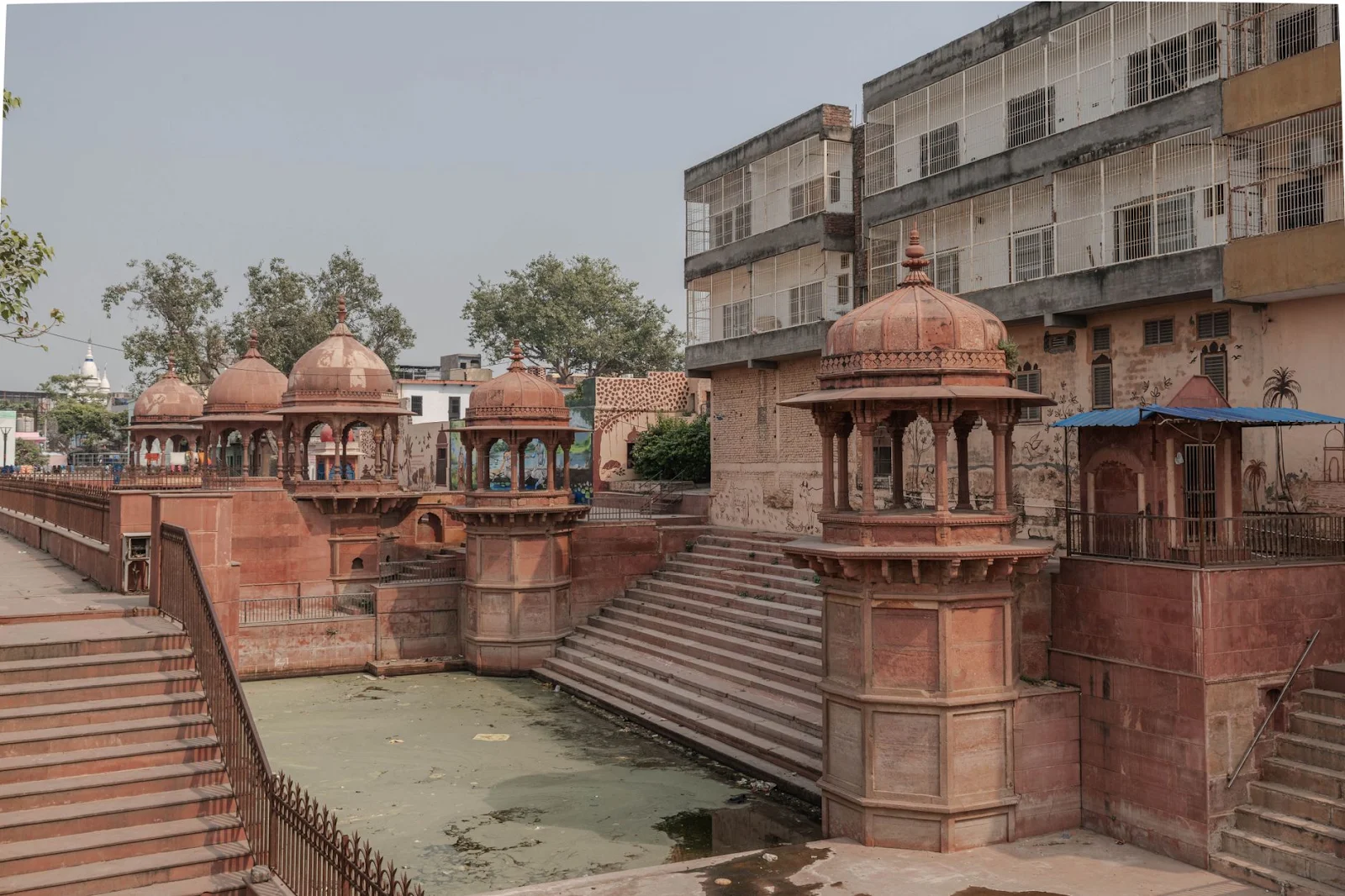
According to ancient Hindu texts, Dadhichi Kund is the sacred reservoir created by Maharishi Dadhichi, who brought together holy waters from major pilgrimage rivers across India before sacrificing his life. His ascetic-hardened bones were used to fashion the celestial weapon, the Vajra, which Lord Indra used to defeat the demon Vritrasura.
6. Are there good accommodation options available in Sitapur?

Sitapur offers a selection of comfortable budget hotels, mid-range family lodges, and guest houses concentrated around the city center, the railway junction, and along the Lucknow-Sitapur Highway. Around Naimisharanya, comfortable stay options are primarily traditional dharamsalas, ashram guesthouses, and a few state tourism rest facilities. For premium luxury hotels, many visitors choose to stay in Lucknow and visit Sitapur as a day trip.
7. Is Sitapur safe for solo and family travelers?

Sitapur is generally a peaceful and welcoming destination for solo travelers, seniors, and families. People in the region are courteous and helpful toward pilgrims and visitors. As when traveling in any heartland destination, it is best to avoid poorly lit, isolated areas late at night, secure your belongings in crowded temple alleys, and arrange your regional transport in advance.
8. What are the best local souvenirs to buy from Sitapur?

The most iconic souvenir to buy in Sitapur is its famous sweet, Sitapur ke Pede, prepared from slow-cooked thickened milk and cardamom. Other popular local purchases include brass puja items and copper prayer vessels from Neemsar's temple markets, traditional cotton durries (woven floor rugs), and regional glass bangles from local town markets.
Conclusion
Sitapur provides an authentic window into India's living heritage, where sacred mythology, Vedic literary traditions, and feudal Awadhi elegance come together. Far removed from the crowded, commercialized tourist circuits of modern travel, a journey across this district brings you face to face with places of deep historical and spiritual meaning. You can trace the legendary beginnings of Vedic storytelling beneath the ancient banyan tree at Vyas Gaddi, sit in quiet contemplation on the stepped banks of Dadhichi Kund, or admire the grand architectural facades of Mahmudabad Fort.
Complementing its historical depth is the district's warm, welcoming spirit, seen in its friendly local markets, mouthwatering Awadhi street foods, and the peaceful evening aartis held along the Sarayan and Gomti rivers. Sitapur is an ideal destination for spiritual pilgrims, history buffs, and curious travelers looking to explore the hidden heritage of Uttar Pradesh. Keep this guide handy as you plan your visit, pack your bags with an open and curious mind, and set out to discover the timeless sacred landscapes of Sitapur.



0 Comments