
Beyond the Battlefield: Unveiling the Historic Wonders of Bhojpur, Bihar, India
Tucked neatly along the fertile plains formed by the sacred confluence of the Ganges and the roaring Sone River, Bhojpur district in Bihar stands as a living testament to epochal Indian history, spiritual legend, and unyielding patriotism. Headquartered at the vibrant city of Ara (often spelled Arrah), this legendary land has witnessed centuries of socio-cultural evolution. It was immortalized in Indian freedom struggle lore as the crucible of the 1857 uprising led by the lion-hearted octogenarian warrior, Babu Veer Kunwar Singh. Yet, beyond its tales of battlefield valor, Bhojpur preserves an intricately layered heritage that beckons travelers seeking authentic, off-the-beaten-path cultural encounters.
When you journey through this historic territory, you do not simply visit monuments; you walk amid living remnants of grand epochs. From mythical forest sanctuaries cited in ancient folklore to monumental Victorian-era engineering wonders and sacred riverbanks, Bhojpur rewards curious explorers with deeply moving narratives. Travelers venturing here are greeted by picturesque pastoral landscapes, classical Bhojpuri hospitality, bustling heritage bazaars, and mouthwatering culinary heirlooms that have delighted travelers for generations.
Whether you are a passionate history buff tracing the footsteps of rebellion heroes, an architecture aficionado admiring colonial iron girder bridges, or a pilgrim paying homage at centuries-old shrines, exploring the top tourist places in Bhojpur offers an unforgettable immersion into Bihar’s cultural heartland. This comprehensive travel guide takes you through the five premier destinations across Bhojpur, equipping you with practical itineraries, route guidance, dining tips, and essential local insights for an enriching journey.
Table of Contents
- 1. Veer Kunwar Singh Fort, Jagdishpur
- 2. Aranya Devi Temple, Ara
- 3. The Historic Arrah House
- 4. Koilwar Bridge (Abdul Bari Bridge)
- 5. Surya Mandir, Belaur
- Best Time to Visit Bhojpur
- How to Reach Bhojpur
- Culinary Delights: What to Eat in Bhojpur
- Essential Travel Tips for Visitors
- Suggested 2-Day Bhojpur Itinerary
- Frequently Asked Questions
- Conclusion
1. Veer Kunwar Singh Fort, Jagdishpur
Overview
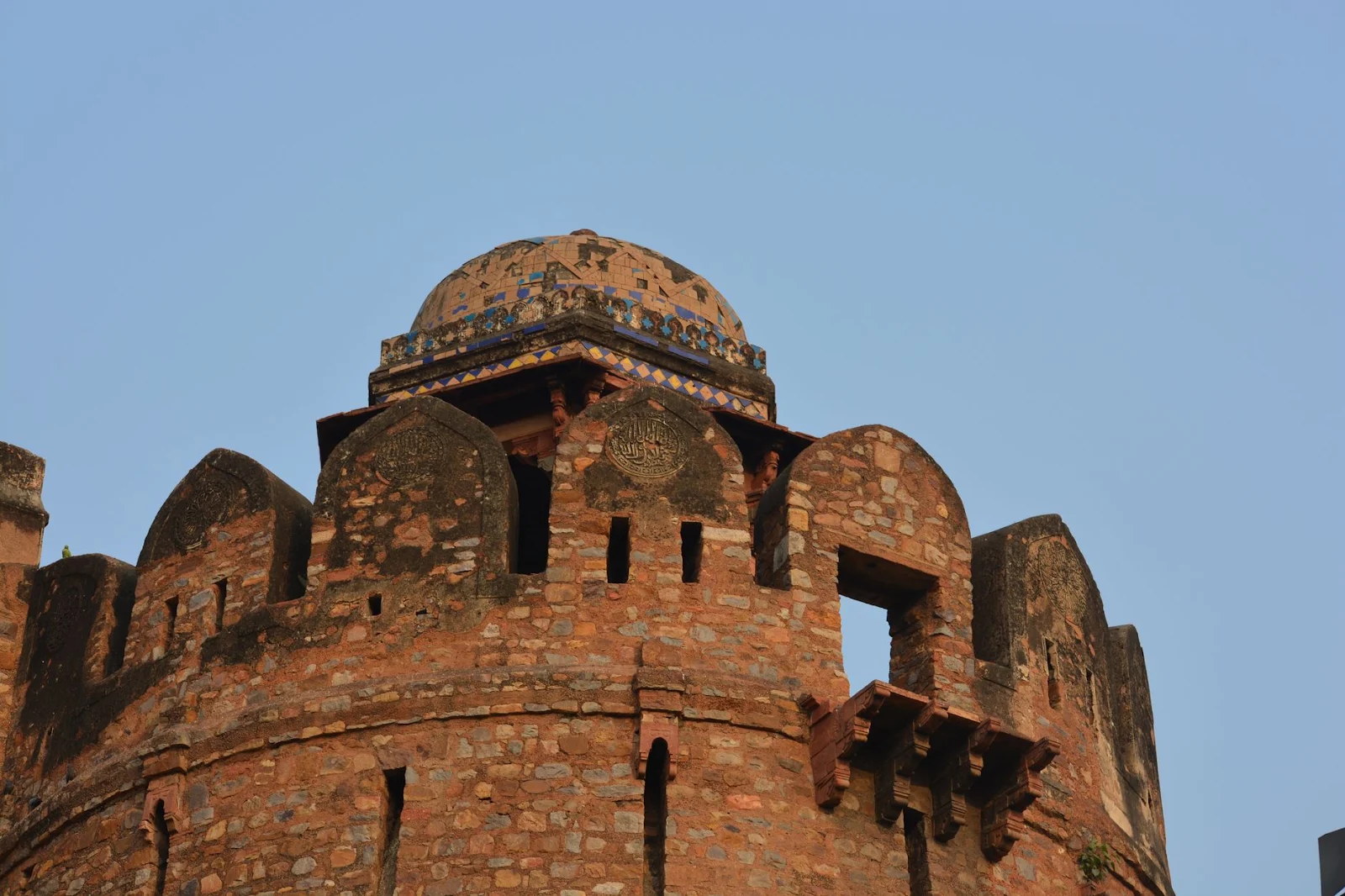
Situated approximately 35 kilometers southwest of Ara city center lies Jagdishpur, a township vibrating with revolutionary pride. The Veer Kunwar Singh Fort, also known locally as Jagdishpur Qila, served as the principal ancestral seat and tactical military fortress of Babu Veer Kunwar Singh, the legendary chieftain who led armed resistance against the British East India Company during the Revolt of 1857 at the astounding age of eighty.
History & Significance
Babu Veer Kunwar Singh belonged to the royal Ujjainiya Rajput clan of Bhojpur. When rebellion broke out across northern India in May 1857, Kunwar Singh gathered an army of thousands of sepoys and local villagers, declaring war against British subjugation. Despite overwhelming odds, he fought fiercely, captured Ara, and defended his homeland until his heroic passing in 1858. The fortress witnessed dramatic siege operations and British bombardment, making it one of the most venerated patriotic pilgrimage destinations in India.
Architecture & Highlights
Though colonial cannons destroyed substantial portions of the primary medieval citadel during retaliatory raids, remaining segments, subterranean chambers, and defensive boundaries still narrate an epic tale. Today, the complex houses a dedicated memorial museum displaying period artifacts, historical murals depicting the 1857 campaign, authentic weaponry replicas, and commemorative stone reliefs celebrating Kunwar Singh's military genius.
Things to Do
Take an evocative guided walk through the memorial garden, explore the preserved weapons gallery, and inspect the foundational brickwork of the underground defensive passages. On April 23rd every year, the site hosts the grand Vijayotsav (Victory Festival), drawing thousands of travelers, artists, and dignitaries to celebrate regional folk traditions and patriotic poetry.
Timings & Entry Fee
Open daily from 10:00 AM to 5:00 PM. Closed on Mondays and national holidays. Entry is completely free, making it welcoming for school groups, families, and solo backpackers alike.
How to Reach
Jagdishpur is well-connected to Ara by state buses, auto-rickshaws, and private taxis via the Ara-Mohania Highway (NH 319). The 35-kilometer scenic drive winds through rustic village settlements and takes roughly 45 to 60 minutes.
2. Aranya Devi Temple, Ara

Overview
Perched right in the energetic core of old Ara city, Aranya Devi Temple is the premier spiritual sanctuary of Bhojpur. Serving as the patron protector goddess of the region, Goddess Aranya Devi is intrinsically intertwined with the identity and etymology of the district headquarters, as local lore attributes the name "Ara" directly to this divine forest deity.
History & Significance
Ancient folklore connects the temple to the epic Dvapara Yuga. According to popular Mahabharata legends, the Pandava prince Arjuna and King Yudhishthira visited the vast forest tract known as Aranya Kshetra during their exile. Pandu’s sons are said to have offered deep penance here to invoke Durga's blessings. Over the millennia, the forest was cleared for human settlements, yet the sacred twin granite idols representing Adishakti have remained continuously worshipped by devout locals for centuries.
Architecture & Highlights
The contemporary shrine complex exhibits classical North Indian temple architecture topped by a vibrant, multi-tiered shikhara embellished with detailed depictions of celestial beings. Inside the sanctum sanctorum, visitors encounter two distinct stone idols carved from polished natural rock, adorned with rich crimson silk robes, traditional gold-leaf ornaments, and fresh garlands of fragrant marigolds and hibiscus.
Things to Do
Participate in the soul-stirring morning or evening Mangala Aarti, when rhythmic temple bells and bronze conches reverberate through the neighborhood. Browse the bustling temple lane outside, lined with colorful stalls selling handcrafted terracotta clay statues, brass pooja lamps, pure vermillion, and delicious freshly-made pedas.
Timings & Entry Fee
Open daily from 5:30 AM to 12:30 PM, and reopens in the afternoon from 4:00 PM to 9:30 PM. There is no entry charge; voluntary contributions may be placed in the shrine's donation boxes.
How to Reach
Located in the heart of Ara city, Aranya Devi Temple is easily reached within 10 to 15 minutes via cycle-rickshaw or battery-operated e-rickshaw from Ara Junction Railway Station, situated just 2.5 kilometers away.
3. The Historic Arrah House

Overview
Nestled inside the verdant campus of Maharaja College in central Ara, Arrah House is an internationally celebrated heritage monument. This modest, fortress-like, two-story colonial bungalow was the focal point of the world-famous "Siege of Arrah," an eight-day standoff during July and August 1857 that generated headlines across the British Empire.
History & Significance
Originally constructed as a recreational billiard room on the private estate of British railway engineer Vicars Boyle, the structure became an impromptu redoubt when sepoys of the Danapur garrison revolted and joined forces with Babu Veer Kunwar Singh. Boyle had presciently fortified the tiny masonry building with sandbags, iron shutters, and stored provisions. A garrison of just 68 individuals (including 50 Sikh soldiers of the Bengal Military Police and 18 European civilians) barricaded themselves inside and resisted wave after wave of intense assaults by thousands of rebels until a relief column commanded by Major Vincent Eyre broke the siege.
Architecture & Highlights
Arrah House is built entirely from robust kiln-fired red brick and lime mortar. Its architectural profile reflects utilitarian Anglo-Indian design, featuring a flat roofline, narrow defensively placed ventilation slits, deeply recessed archways, and a semi-sunken ground chamber. The walls still bear authentic pockmarks created by musket balls and grape-shot fired during the violent summer encounters of 1857.
Things to Do
Walk through the restored defensive rooms, inspect the well dug inside the ground floor by the defenders during the siege, and read the informative archival plaques preserved by the Archaeological Survey of India. The tranquil collegiate atmosphere offers a reflective, somber window into the dramatic human struggles that shaped 19th-century colonial history.
Timings & Entry Fee
Open to visitors between 10:00 AM and 4:30 PM on college working days (Monday through Saturday). Entry is free of charge; foreign and domestic visitors are often requested to sign a guest register at the site desk.
How to Reach
The monument is situated inside the Maharaja College campus, barely 1.5 kilometers west of Ara Junction. It can be reached easily by taking an e-rickshaw, auto-rickshaw, or private cab from any part of Ara town.
4. Koilwar Bridge (Abdul Bari Bridge)
Overview
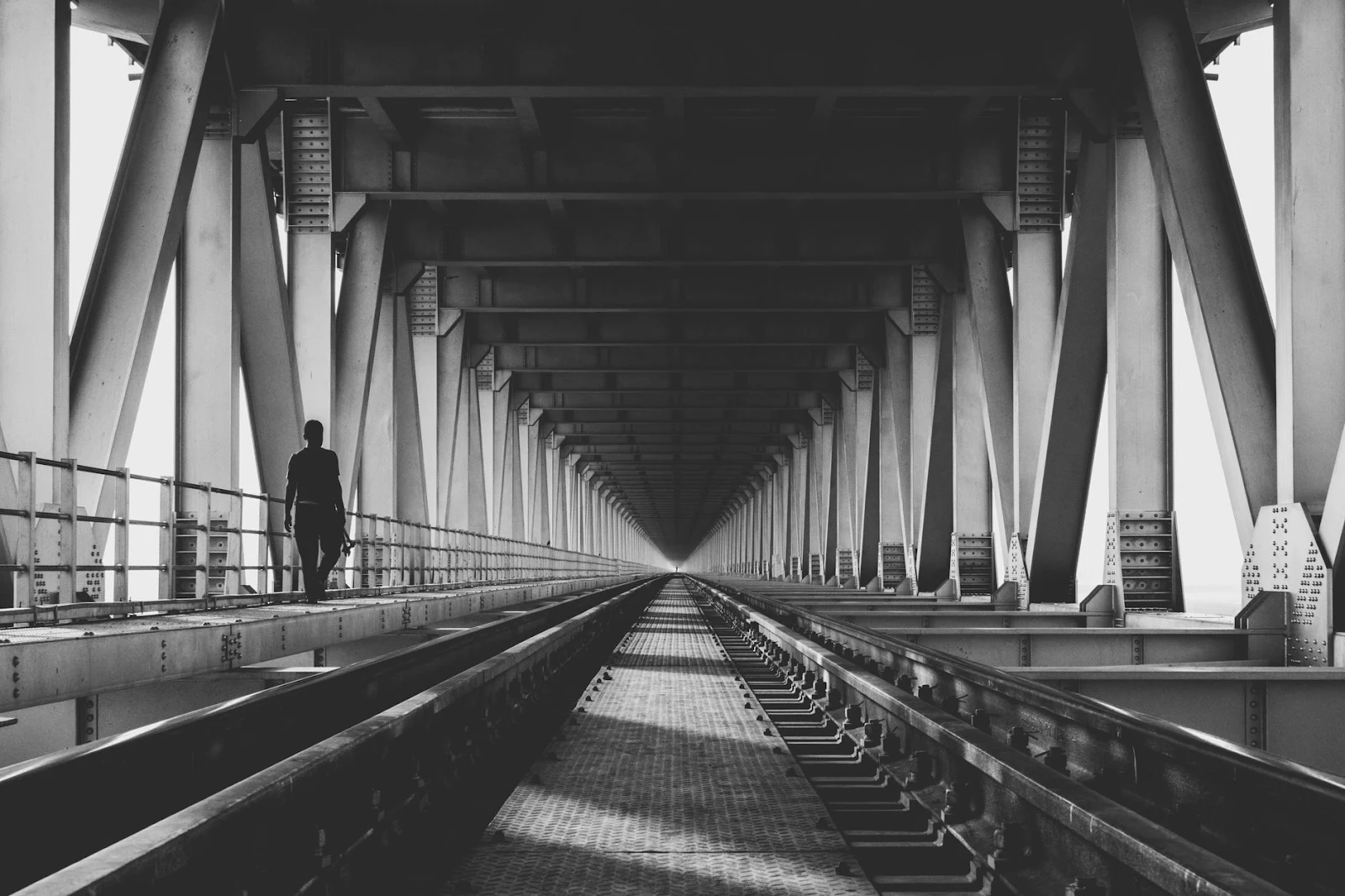
Stretching gracefully across the mighty, glistening golden sands of the Sone River at the eastern border of Bhojpur, Koilwar Bridge—officially christened as the Abdul Bari Bridge—is an engineering marvel of the Victorian era. Completed in the 1860s, this sprawling 1.44-kilometer double-decker lattice girder bridge remains one of the oldest and most imposing operational railway bridges anywhere on the Indian subcontinent.
History & Significance
Engineered by legendary British civil engineers George Parker Bidder and James Meadows Rendel, construction of this massive crossing commenced in 1856 and was officially inaugurated in November 1862 by the Viceroy of India, Lord Elgin. Named later in tribute to prominent freedom fighter and trade union leader Professor Abdul Bari, the bridge proved vital in opening smooth rail transit along the Delhi–Howrah mainline. It is so iconic that renowned filmmaker Satyajit Ray traveled here to shoot unforgettable cinematic frames for his acclaimed film Shatranj Ke Khilari.
Architecture & Highlights
The structure consists of identical steel lattice girders resting upon massive masonry piers sunk deeply into the shifting, quicksand-prone riverbed of the Sone. Its ingenious double-deck layout originally featured a broad double railway track on the top level, while the lower deck accommodated vehicular traffic and pedestrians safely shielded inside the iron superstructure.
Things to Do
Stroll along the riverside embankment at sunset to watch the evening light illuminate the intricate iron lattice work. Photography enthusiasts can capture magnificent reflections of vintage locomotive trains rumbling overhead across the river. Don't miss sampling sweet riverfront delicacies and spiced tea from tea stalls nearby.
Timings & Entry Fee
Accessible 24 hours a day throughout the week. There is no ticketing or admission fee required to view or cross the pedestrian observation decks.
How to Reach
Koilwar is situated 16 kilometers east of Ara along the Ara–Patna Highway (NH 922). Frequent shared passenger autos, regional buses, and local passenger trains connect Ara Junction directly to Koilwar Railway Station in 20 minutes.
5. Surya Mandir, Belaur

Overview
Located in the serene pastoral countryside of the Udwantnagar block, the Surya Mandir (Sun Temple) of Belaur village is a revered spiritual retreat and one of the finest gems among the best places to visit in Bhojpur. Surrounded by ancient trees and fronted by a large sacred water tank, this temple serves as an epic center for solar worship in southwestern Bihar.
History & Significance
Solar deities have been worshipped across Bihar since the Vedic period, symbolized profoundly by the grand statewide celebration of Chhath Puja. Local tradition holds that the foundations of the Belaur Sun Temple were established by ancient rulers who sought healing from Surya Dev, the dispenser of vitality and light. Devotees believe with steadfast devotion that taking a ritual bath in the adjoining holy pond (Surya Pokhra) cures ailments, removes physical afflictions, and brings lasting domestic tranquility.
Architecture & Highlights
The temple structure features classic regional temple design characterized by a stepped tower painted in auspicious white and saffron hues. Its innermost shrine houses polished stone sculptures depicting Surya Dev riding his celestial seven-horse chariot steered by Aruna. The expansive stone bathing ghats that wrap around the sacred lake provide a calm, meditative space for prayers and ritual offerings.
Things to Do
Participate in early dawn prayers as the morning sun casts brilliant golden rays across the pond waters. If you visit during the biannual festival of Chhath Puja (occurring in March/April and October/November), you will witness one of the most vibrant, emotionally charged spiritual spectacles in India, where hundreds of thousands of worshippers make offerings of fresh sugarcane, seasonal fruits, and wheat thekua to the setting and rising sun.
Timings & Entry Fee
Open daily from 5:00 AM to 8:00 PM. Admission is completely free for all visitors.
How to Reach
Belaur is located roughly 15 kilometers south of Ara city. You can hire an auto-rickshaw or take a private vehicle from Ara; the pleasant country drive passes lush mustard and paddy fields, taking about 30 to 40 minutes.
Best Time to Visit Bhojpur
The ideal window to plan a trip to Bhojpur is during the pleasant autumn and winter seasons, spanning from October to March. During these months, the weather remains cool, dry, and delightfully crisp, with daytime temperatures hovering comfortably between 15°C and 25°C—ideal conditions for touring outdoor heritage sites, taking rural walks, and admiring riverside bridges.
Visiting in October or November provides the added cultural advantage of experiencing the world-renowned Chhath Puja, during which Bhojpur’s water tanks and riverbanks come alive in celebratory splendor. Summers (April through June) are extremely hot and dry, with afternoon temperatures frequently crossing 42°C, making daytime exploration uncomfortable. The monsoon season (July to September) brings cooling rains that blanket the landscape in vivid green, though sudden downpours and rising river levels along the Sone and Ganges may occasionally disrupt travel plans.
How to Reach Bhojpur
Bhojpur enjoys outstanding transportation connectivity with the rest of Bihar and neighboring Indian states, centered around its primary railway junction and highway crossroads at Ara.
By Air
The nearest commercial airport is Jay Prakash Narayan International Airport (PAT) in Patna, located approximately 55 kilometers east of Ara. The airport operates regular direct flights to all major Indian metropolitan cities, including New Delhi, Mumbai, Kolkata, Bengaluru, and Hyderabad. From Patna airport, pre-paid taxis, app-based cabs, and air-conditioned intercity buses reach Ara in approximately 1.5 to 2 hours via the smooth Patna–Ara four-lane highway (NH 922).
By Rail
Ara Junction (ARA) is a prominent station on the busy East Central Railway network along the Howrah–Patna–Mughalsarai–Delhi mainline. World-class superfast trains, including the Rajdhani Express, Sampoorna Kranti Express, Vibhuti Express, and Brahmaputra Mail, make scheduled halts here, granting seamless direct access from Delhi, Kolkata, Varanasi, Lucknow, and Patna.
By Road
Bhojpur is integrated into a well-paved network of National and State Highways. National Highway 922 connects Ara efficiently with Patna, while NH 319 connects it toward Mohania, Sasaram, and the Grand Trunk Road (NH 19). Bihar State Road Transport Corporation (BSRTC) alongside numerous private fleet operators run frequent luxury, sleeper, and regular express buses between Ara, Patna, Buxar, Gaya, Chapra, and Varanasi.
Culinary Delights: What to Eat in Bhojpur
Sampling Bhojpur’s indigenous gastronomy is an essential component of any travel experience here. Rooted in nutritious rustic grains, fragrant cold-pressed mustard oil, and time-honored cooking methods, the district offers several delightful treats:
- Belgrami: The absolute crown jewel of Bhojpur’s confectionary tradition! Originating in the small township of Udwantnagar just outside Ara, Belgrami is an exquisite, crispy-yet-succulent sweet prepared from fresh chhena (curd cheese) cooked in pure ghee and enveloped in a crystallized sugar crust. It has been awarded regional fame and is an essential culinary souvenir.
- Litti Chokha: Bihar’s legendary culinary ambassador is found at its smokiest and most authentic across Ara’s street stalls. Whole-wheat dough balls stuffed with spiced sattu (roasted gram flour) are slowly roasted over dried cow-dung cakes, generously drowned in golden desi ghee, and served hot with spicy roasted brinjal-tomato chokha and tangy green chutney.
- Dal Pitha: Wholesome steamed rice flour dumplings filled with a savory mixture of spiced Bengal gram paste, garlic, and fresh green chilies, commonly relished as an energizing morning breakfast.
- Sattu Sharbat: Served both savory (tempered with black salt, roasted cumin, and lime) and sweet (stirred with crushed jaggery), this earthy roasted gram cooler is nature’s ultimate antidote to a warm afternoon.
- Khaja: Delectable multi-layered flaky fried pastries soaked delicately in fragrant sugar syrup, widely available around traditional marketplace confectionaries.
10 Essential Travel Tips for Bhojpur
- Opt for E-Rickshaws for City Transit: Ara’s inner markets and temple lanes are bustling and narrow; hop on widely available battery-operated e-rickshaws for cheap, effortless navigation.
- Dress Respectfully at Shrines: When visiting spiritual venues like Aranya Devi Temple or Belaur Surya Mandir, wear attire that covers shoulders and knees, and remove footwear outside before entering sanctums.
- Carry Sufficient Cash: While UPI and digital payments are increasingly accepted at urban stores, rural fruit stalls, local eateries, and village transport operators predominantly rely on paper currency.
- Seek Historic Permission Early: Arrah House is located inside a functional educational institution (Maharaja College). Visit during regular academic daytime hours and speak politely with administration staff for undisturbed photography.
- Purchase Authentic Belgrami: Ensure you buy original Belgrami sweets from established heritage sweet shops located along the old Patna-Ara highway in Udwantnagar.
- Stay Hydrated: Always travel with sealed bottled water, particularly when touring sunny outdoor river embankments like Koilwar Bridge or large fort grounds at Jagdishpur.
- Engage Local Elders: The folk stories surrounding Veer Kunwar Singh’s guerrilla skirmishes are passionately preserved in oral ballads; strike up respectful conversations with local temple priests and village elders to hear fascinating folklore.
- Combine with Neighboring Heritage Circuits: Bhojpur can be combined with historic tours of adjacent Buxar (famous for battlefields and Ramayana sites) or Rohtas (famed for Rohtasgarh Fort and waterfalls).
- Plan Around Peak Festivals: If you desire vibrant cultural immersion, plan your visit during Chhath Puja (November) or Kunwar Singh Vijayotsav (April 23rd). If you prefer quiet travel without crowds, avoid these peak festival windows.
- Book Hotels in Central Ara: Modern budget-to-midscale hotels, business stays, and standard dining options are concentrated around Ara Railway Station and Judge’s Court Road. Reserve your room in advance during wedding or festival seasons.
Suggested 2-Day Bhojpur Itinerary
Day 1: Colonial Relics, Urban Shrines, and Majestic Engineering
Morning: Arrive at Ara Junction or drive in from Patna airport. Check into your hotel, freshen up, and head to a local eatery for a hearty breakfast of steaming Dal Pithas or spicy Sattu Kachoris. Begin your heritage exploration at The Historic Arrah House inside Maharaja College to marvel at the 1857 siege architecture and explore the museum markers.
Afternoon: Walk or take a brief e-rickshaw ride to the sacred Aranya Devi Temple in the historic quarters of the city. Seek blessings, immerse yourself in the divine temple atmosphere, and stroll through the adjacent market alleys. For lunch, treat yourself to a traditional plate of authentic ghee-soaked Litti Chokha at a renowned city-center restaurant.
Evening: Drive eastward toward the banks of the Sone River to explore the magnificent Koilwar Bridge. Spend the late afternoon admiring the sun setting over the golden sands of the river, watching trains cross high above the lattice trusses. On your return to Ara city, halt at an authentic sweet vendor to taste mouthwatering, freshly prepared hot Belgrami.
Day 2: Footsteps of Valour and Serene Rural Solar Sanctuaries
Morning: Set out after breakfast on a pleasant excursion southwest to historic Jagdishpur (approx. 35 km). Tour the sprawling grounds of the Veer Kunwar Singh Fort and Museum. Spend the morning examining historic war weaponry, reading heroic chronicles of the 1857 resistance, and admiring the statue commemorations dedicated to the valorous freedom fighter.
Afternoon: Enjoy a peaceful countryside lunch at a highway dhaba featuring local rotis, spiced lentils, and seasonal village vegetables. Afterward, proceed toward Udwantnagar to visit the tranquil Surya Mandir at Belaur.
Evening: Spend a meditative couple of hours seated along the calm ghats of Belaur’s Surya Pokhra, witnessing peaceful evening rituals as village bells chime against the twilight. Return to Ara city by dusk to collect local handicraft souvenirs, sweets, and board your evening connection onward toward Patna or Varanasi.
Frequently Asked Questions About Bhojpur, Bihar
1. What is Bhojpur district primarily famous for?

Bhojpur is globally recognized for its monumental role in the Indian Rebellion of 1857 led by the heroic Babu Veer Kunwar Singh. It is equally famous as the spiritual home of the sacred Aranya Devi Temple, the marvel of Victorian engineering known as Koilwar Bridge, and the origin point of the beloved milk-curd confection, Belgrami.
2. Is Bhojpur safe for solo travelers and families?

Yes, Bhojpur is generally welcoming, peaceful, and hospitable toward visitors. As with travel across any part of rural or semi-urban India, practice standard travel precautions: avoid walking along deserted rural roads late at night, safeguard personal belongings in busy railway stations, and rely on certified public or pre-booked transportation.
3. What is the nearest airport to Bhojpur?

The nearest commercial airport is Jay Prakash Narayan International Airport in Patna, approximately 55 kilometers east of Ara. It connects travelers directly to major Indian metropolitan centers with daily regular flights.
4. How far is Jagdishpur Fort from Ara city center?

Jagdishpur Fort is located approximately 35 kilometers southwest of Ara city. The road journey takes between 45 and 60 minutes via the well-maintained Ara-Mohania Highway.
5. What is the special sweet of Bhojpur that visitors must buy?

The undisputed regional signature sweet is Belgrami, originated in Udwantnagar. Prepared from dense chhena and cooked in pure ghee before being coated in sugar crystals, it is widely bought by travelers as a traditional gift box souvenir.
6. Why is the Koilwar Bridge historically important?

Opened in 1862, Koilwar Bridge (Abdul Bari Bridge) was one of the earliest major railway crossings built by the British over the challenging Sone River. Its enduring 1.44 km double-decker lattice girder framework remains an architectural icon of 19th-century civil engineering.
7. What is the historic story behind Arrah House?

Arrah House is famous for the "Siege of Arrah" in 1857, where a tiny detachment of 68 defenders successfully fortified themselves against hundreds of rebel soldiers under Veer Kunwar Singh for eight days until British reinforcements relieved them.
8. Which language is predominantly spoken in Bhojpur?

Bhojpuri is the primary, heart-to-heart mother tongue spoken throughout the district, celebrated worldwide for its lilting rhythms and rich folk songs. Standard Hindi is universally spoken, read, and understood in all shops, offices, and hotels, while basic English is understood in hotels and transit stations.
Conclusion
Stepping into Bhojpur is akin to opening an animated, beautifully preserved chronicle of India's enduring spirit. Across its sprawling landscapes, memory and modern life coexist in seamless harmony. Here, the brave defiance of Babu Veer Kunwar Singh continues to echo through the historic walls of Jagdishpur and the scarred brickwork of Arrah House. Simultaneously, the steady hum of everyday life flows effortlessly around the sanctified precincts of Aranya Devi, the architectural silhouette of Koilwar Bridge, and the placid temple waters of Belaur.
Away from overcrowded commercial tourist hubs, this fascinating corner of Bihar rewards thoughtful travelers with pure, unfiltered hospitality, deep historical insights, and unique culinary treasures like golden Belgrami and authentic Litti Chokha. Whether you are charting a patriotic pilgrimage, rediscovering colonial engineering, or seeking peaceful riverfronts, the top tourist places in Bhojpur promise memories that will linger long after your journey concludes. Pack your bags and set forth to explore this extraordinary heartland of Bihar!



0 Comments