
Unveiling the Hidden Wonders of Arwal, Bihar: A Heritage Journey Along the Sacred Son River
Tucked quietly along the fertile eastern banks of the swirling Son River, Arwal remains one of Bihar’s best-kept secrets. Carved out as an independent district from neighboring Jehanabad in August 2001, this serene rural landscape is far removed from the bustling tourist circuits of Bodh Gaya and Rajgir. Yet, for the intrepid traveler seeking an unvarnished encounter with the heartland of India, Arwal presents a captivating canvas woven with ancient folklore, centuries-old sacred shrines, syncretic cultural traditions, and breathtaking river vistas. The district represents an agrarian paradise where sprawling emerald paddy fields stretch to meet horizons pierced by the spires of medieval temples and venerable Sufi dargahs.
Historically located on critical inland trading routes that linked the plains of Magadh with the fertile expanses of southern Uttar Pradesh and Jharkhand, Arwal carries echoes of royal dynasties, Buddhist monastic caravans, and medieval scholarly traditions. The holy Son River has shaped not only its geographical contours but also its deep spiritual identity, serving as a tranquil backdrop for sunrise rituals and evening community life. Whether you are wandering through ancient temple complexes adorned with intricate stone carvings or absorbing the spiritual harmony of peaceful riverside shrines, Arwal offers an intimate voyage into authentic rural heritage. In this comprehensive travel guide, we unpack the finest destinations, cultural nuances, and logistical secrets you need to explore the top tourist places in Arwal, Bihar.
Table of Contents
- 1. Madhusudan Temple, Purahara
- 2. Son River Banks and Riverfront Ghats
- 3. Dargah of Hazrat Makhdum Shah, Sipah
- 4. Surya Mandir, Kaler
- 5. Ancient Belkhara Pillar and Heritage Site
- Best Time to Visit Arwal
- How to Reach Arwal, Bihar
- Local Culinary Delights
- 10 Essential Travel Tips for Arwal
- Suggested 2-Day Arwal Travel Itinerary
- Frequently Asked Questions (FAQs)
- Conclusion
1. Madhusudan Temple, Purahara
Historical & Cultural Context
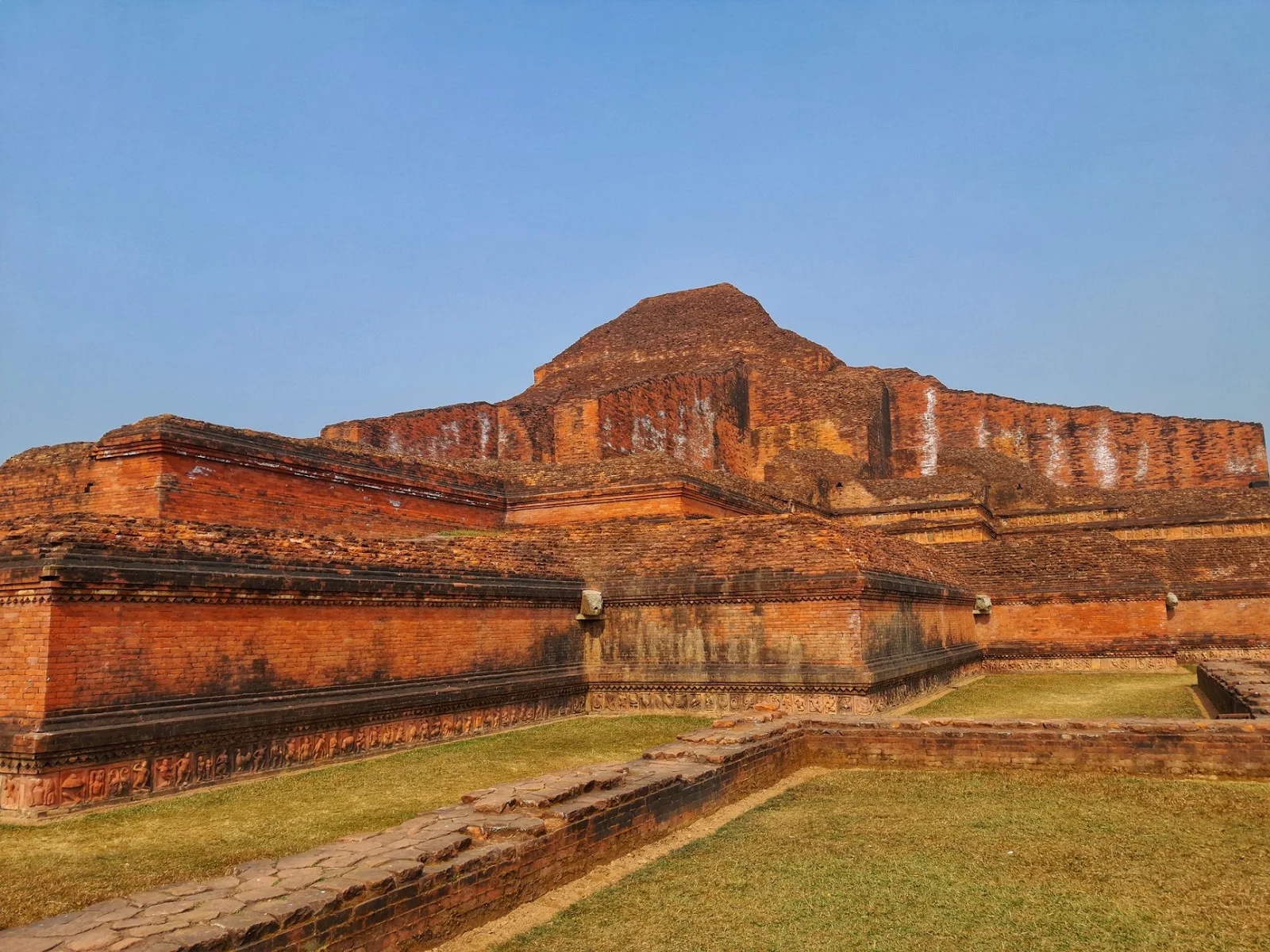
Located in the quiet rural settlement of Purahara, the Madhusudan Temple stands as the most revered Vaishnavite pilgrimage destination in the district. Dedicated to Lord Krishna in his divine form as Madhusudan (the slayer of the demon Madhu), this historic shrine boasts roots that local legends trace back several centuries. Historians and local folklore link the sanctum to an era when classical Hindu art flourished across the Magadh countryside under regional patron rulers. It has long functioned as the focal spiritual center for dozens of nearby villages, holding an indelible place in the folk identity of Arwal.
Key Highlights & What to See
The temple structure reflects classical North Indian regional architecture with a distinct sanctum sanctorum (garbhagriha) surmounted by a tapering shikhara. Inside, the primary deity of Lord Krishna, sculpted from smooth black chlorite stone, commands immense reverence. Pilgrims frequently marvel at the delicate facial expressions and traditional ornamentation etched into the central idol. Surrounding the main shrine are smaller alcoves housing depictions of Lord Shiva, Goddess Durga, and Lord Hanuman, emphasizing the syncretic nature of village worship. During festive occasions like Janmashtami and Radhashtami, the entire complex vibrates with devotional kirtans, floral displays, and community feasts.
Photography & Visitor Experience
Visiting the Madhusudan Temple in the early morning allows travelers to witness traditional rituals undisturbed by crowds. The golden morning light pierces through the courtyard arches, offering excellent framing for architectural photography. The warm, hospitable priests and local devotees often welcome respectful photography of the exterior grounds and courtyards, though it is always courteous to seek permission prior to capturing the inner sanctum. The peaceful atmosphere here invites mindful contemplation and a glimpse into timeless devotional lifestyles.
Practical Details
- Location: Purahara Village, Arwal District, Bihar
- Timings: 5:00 AM – 12:00 PM and 4:00 PM – 8:30 PM daily
- Entry Fee: Free entry (donations welcome)
- Suggested Duration: 1 to 1.5 hours
- Best Visiting Hours: Early morning during the morning aarti (6:00 AM)
2. Son River Banks and Riverfront Ghats

Historical & Cultural Context
The Son River, known historically in classical Sanskrit literature as the Hiranyavaha (possessing golden sands), is the lifeblood of Arwal. Rising from the Amarkantak plateau in Madhya Pradesh, the river sweeps majestically past southwestern Bihar before converging with the sacred Ganga near Patna. In Arwal, the river creates an immense, shimmering riverbed that swells into an expansive body of water during the monsoon season and settles into tranquil ribbons of turquoise water and vast white sand bars during the winter months. For generations, the riverbanks have provided sustenance, irrigation, and spiritual solace to regional settlements.
Key Highlights & What to See
A stroll down the natural ghats and sandy stretches along the river at Arwal town reveals pastoral India at its most picturesque. You can observe local fishermen steering narrow wooden rowboats through gentle currents, waterbirds foraging along sand islands, and farmers washing their cattle against the backdrop of broad skies. During the grand festival of Chhath Puja, these quiet banks transform into an astonishing spectacle of faith, illuminated by thousands of earthen lamps (diyas) and adorned with vibrant offerings as devotees pay homage to the setting and rising Sun God.
Photography & Visitor Experience
For landscape and documentary photographers, the Son River ghats are an absolute paradise. The visual interplay of crystalline water, shimmering golden silt, and moody skies provides infinite creative compositions. Sunset across the river is particularly theatrical, with the sky shifting through vibrant gradients of amber, crimson, and deep indigo. Consider taking a leisurely walk along the elevated embankments or hiring an experienced local boatman for a short, serene cruise across the shallows.
Practical Details
- Location: Western boundary of Arwal Town, easily accessible from NH-139
- Timings: Open 24 hours (best visited during daylight hours)
- Entry Fee: Free entry; nominal charges (₹50–₹150) for local boat rides
- Suggested Duration: 1.5 to 2 hours
- Best Visiting Hours: 4:30 PM to 6:30 PM for sunset views
3. Dargah of Hazrat Makhdum Shah, Sipah

Historical & Cultural Context
Arwal holds a deep-rooted tradition of Sufi spiritualism, with the venerable Dargah of Hazrat Makhdum Syed Shah Fazlullah (widely referred to as Makhdum Shah) standing as its most profound testament. Located in the historic quarter of Sipah near the banks of the river, this sacred shrine commemorates the life of an acclaimed Sufi saint who preached universal love, egalitarianism, and inner peace during the medieval era. For centuries, the dargah has bridged social boundaries, drawing both Muslim and Hindu devotees who come seeking blessings, solace, and the fulfillment of heartfelt wishes (mannat).
Key Highlights & What to See
The complex showcases classic regional Islamic architecture, highlighted by white-washed domes, symmetrical arched gateways, and an airy inner courtyard flanked by shade trees. The sanctum housing the saint's tomb is wrapped in ornate green and gold embroidered cloths (chaddars), permeating the scent of rose petals, loban (incense), and sweet attar. Visitors will appreciate the serene rhythm of the shrine, where pilgrims sit in quiet contemplation or murmur prayers. During the annual Urs festival, the dargah comes alive with devotional qawwali performances that echo deep into the tranquil night.
Photography & Visitor Experience
The quiet ambiance of the Sipah Dargah makes it an exceptionally meditative stop. Visitors are encouraged to dress conservatively and cover their heads before entering the sacred enclosure. While photography of the courtyard and exterior masonry is generally welcomed, maintain utmost discretion and avoid pointing lenses directly at worshipers in prayer. The courtyard’s geometric symmetry and ambient shadows create soulful frames that embody peace and communal harmony.
Practical Details
- Location: Sipah Mohalla, Arwal Town, Bihar
- Timings: 6:00 AM – 9:00 PM daily
- Entry Fee: Free entry
- Suggested Duration: 45 minutes to 1 hour
- Best Visiting Hours: Late afternoon, particularly on Thursdays and Fridays
4. Surya Mandir, Kaler

Historical & Cultural Context
Solar worship has been deeply entrenched in the soil of Bihar since Vedic antiquity, famously exemplified by the Sun Temple at Deo in Aurangabad. Sharing in this regional legacy, the Surya Mandir located in the Kaler block of Arwal stands as a monumental hub of community worship dedicated to Surya Bhagwan. Situated beside a sacred freshwater pond (Surya Kund), the temple honors the celestial sun as the source of all life, cosmic energy, and health. The shrine is particularly significant for families observing rigorous vows during biannual Chhath celebrations.
Key Highlights & What to See
The temple is characterized by distinctive tiered spire work and a pillared prayer hall designed to maximize ventilation and accommodate large village gatherings. Prominently displayed within the sanctuary is the relief carving of the Sun God seated on a celestial chariot pulled by seven spirited horses, symbolizing the seven days of the week and the rainbow spectrum of visible light. The adjoining sacred tank is framed by stone-paved steps where devotees perform ritual cleansing ablutions prior to entering the temple. The reflection of the temple tower in the still waters of the pond makes for a serene visual.
Photography & Visitor Experience
The temple provides a magnificent backdrop for capturing authentic rural folk traditions. The ideal vantage point is located directly across the sacred pond, where one can frame the temple spire mirrored on the water's surface during the break of dawn. Observing the steady influx of village elders offering water (arghya) to the morning sun using traditional brass lotas offers an authentic glimpse into traditions preserved over millennia.
Practical Details
- Location: Kaler Block, Arwal District, Bihar (off NH-139)
- Timings: 5:30 AM – 12:30 PM and 4:00 PM – 8:00 PM daily
- Entry Fee: Free entry
- Suggested Duration: 1 to 1.5 hours
- Best Visiting Hours: Sunrise (around 6:00 AM) to experience the morning rituals
5. Ancient Belkhara Pillar and Heritage Site

Historical & Cultural Context
History enthusiasts seeking rare archaeological vestiges will find the ancient settlement of Belkhara, situated in the Karpi block of Arwal, deeply rewarding. Belkhara gained prominence among archaeologists and epigraphists due to its ancient monolithic stone pillar bearing archaic inscriptions. The site’s epigraphic records connect it to early medieval political history and the waning phases of the Pala Empire and Gahadavala influence in Magadh. The pillar stands as a silent sentinel of an age when this region formed an active cultural crossroad for Buddhist and Brahmanical scholastic traditions.
Key Highlights & What to See
The centerpiece of this open-air heritage site is the weathered stone pillar, which showcases ancient Sanskrit characters and symbolic carvings that have weathered centuries of monsoon winds and summer heat. Nearby, scattered fragments of antique structural stones, sculpted pedestals, and ancient pottery mounds hint at the existence of a once-prosperous fortified settlement or monastic outpost. Walking through the open agrarian lands around Belkhara feels akin to stepping through the uncurated corridors of an archaeological reserve where history rests undisturbed beneath the topsoil.
Photography & Visitor Experience
Belkhara offers a raw, off-the-beaten-path encounter devoid of modern commercialization. Photographers will appreciate macro shots of the weather-worn stone textures and historic engravings. The rural scenery framing the monument—mustard blooms in winter, thatched farmsteads, and wandering village flocks—provides a rustic aesthetic. Since local information panels are limited, speaking with knowledgeable village elders can illuminate intriguing local folklore connected with the pillar’s legendary origin.
Practical Details
- Location: Belkhara Village, Karpi Block, Arwal District, Bihar
- Timings: Open accessible outdoor site; best visited during daylight (7:00 AM – 5:30 PM)
- Entry Fee: Free entry
- Suggested Duration: 1 hour
- Best Visiting Hours: Mid-morning (9:00 AM to 11:00 AM) for bright natural light on the stone carvings
Best Time to Visit Arwal
Arwal experiences a sub-tropical continental climate marked by three distinct seasons: scorching summers, humid monsoons, and crisp, pleasant winters. Choosing the right season is crucial for a comfortable journey through its rural outdoors.
Winter (October to March) — Ideal Season
The winter months represent the absolute best time to explore the top tourist places in Arwal. Temperatures typically range between a comfortable 10°C and 25°C. The weather is dry, crisp, and sunny, making outdoor excursions to ancient sites and the Son River banks exceptionally pleasant. The countryside during this period is enveloped in vibrant green wheat fields and bright yellow mustard blossoms.
Monsoon (July to September) — Lush but Humid
Monsoons transform the district into an emerald haven as heavy rains rejuvenate the rivers, village ponds, and paddy fields. Temperatures hover between 26°C and 34°C with elevated humidity. While the swollen Son River looks majestic, rural unpaved roads can become muddy and challenging to navigate, making spontaneous sightseeing slightly inconvenient.
Summer (April to June) — Harsh & Dry
Summers in southwestern Bihar are notoriously fierce, with mercury levels frequently crossing 42°C accompanied by dry, hot westerly winds locally known as loo. Sightseeing during the afternoon can be exhausting and dehydrating. Travel during these months is generally advisable only for urgent visits or specific cultural events, restricted strictly to dawn and twilight hours.
How to Reach Arwal, Bihar
While Arwal does not have its own commercial airport or major railhead within the town limits, its geographic position between Patna and Aurangabad makes it easily accessible via road networks.
By Air
The closest major domestic and international airport is Jay Prakash Narayan Airport (PAT) in Patna, located approximately 70 kilometers northeast of Arwal. Patna airport is connected with all major Indian metropolitan hubs including Delhi, Mumbai, Bengaluru, and Kolkata. Taxis, app-based cabs, and private rentals can easily be engaged from the airport for a direct two-hour road journey to Arwal.
By Rail
The nearest functioning railway station is Jehanabad Railway Station (JHD), situated about 35 kilometers east of Arwal on the Patna–Gaya railway line. Jehanabad receives regular express and passenger trains from Patna, Gaya, and beyond. Another alternative is Anugrah Narayan Road (AUBR) near Daudnagar, roughly 45 kilometers to the south. Frequent shared autos, private jeeps, and regional state buses operate between Jehanabad railway station and Arwal town center.
By Road
Road travel is the most convenient way to reach Arwal. The district is directly intersected by National Highway 139 (NH-139), which connects Patna with Aurangabad and continues onward into Jharkhand. Well-maintained state buses operated by the Bihar State Road Transport Corporation (BSRTC) and numerous private air-conditioned coach operators run daily services from Mithapur/Bairiya Bus Stand in Patna to Arwal, with journeys averaging around 2 hours.
Local Culinary Delights
Exploring Arwal is incomplete without savoring the rich, earthy flavors of rural Bihari cuisine. The food culture here is anchored around seasonal grains, lentils, fresh cow's ghee, and traditional roasting techniques that yield robust tastes without unnecessary artificial additives.
- Litti Chokha: The undisputed king of regional cuisine. Wheat dough balls stuffed with spiced gram flour (sattu), roasted over dried cow dung coals or charcoal, dipped generously in pure desi ghee, and served with smoky mashed brinjal, tomato, and potato chokha.
- Sattu Sharbat: A nutritious, traditional beverage made by blending roasted chickpea flour with chilled water, black salt, roasted cumin, lime juice, and finely chopped green chilies. It serves as an instant natural cooler during warm afternoons.
- Fresh Son River Fish Curry: Because of the pristine rocky riverbed of the Son River, freshwater catches—particularly Rohu, Katla, and local catfish—are celebrated for their sweet, clean taste. Fried crisp and simmered in a fragrant mustard and garlic-infused gravy, it is a must-try for non-vegetarian travelers.
- Belgrami & Khaja: For dessert lovers, traditional sweet shops along the highway serve crisp, syrupy layered Khajas along with milk-based Belgrami, crafted with chenna (fresh paneer curd) simmered slowly in caramelized sugar syrup.
10 Essential Travel Tips for Arwal
- Carry Sufficient Cash: While digital payment apps (UPI) function in local roadside eateries and general shops, network signals can occasionally fluctuate in interior villages. Always keep cash on hand for minor purchases and local auto rickshaws.
- Dress Respectfully: Arwal is a traditional agrarian heartland. When visiting active temples, historical dargahs, and village settlements, wear modest clothing covering shoulders and knees. Head coverings (scarves or handkerchiefs) are required inside the dargah.
- Hire a Local Taxi from Patna: For smooth transitions across spread-out sites like Kaler and Belkhara, book a dedicated private cab from Patna or Jehanabad for your entire day trip.
- Stay Hydrated: Always carry a reusable water bottle filled with purified or bottled drinking water, particularly when touring sunny river ghats and open archaeological mounds.
- Support Small Artisans and Vendors: Buy your snacks, fresh guavas, seasonal fruits, and handmade clay souvenirs directly from roadside village stalls to channel tourism revenue into local hands.
- Respect Sacred Sites: Remove your shoes before entering temple sanctums and dargah floors. Look out for shoe deposit stalls or leave them neatly near entrances.
- Exercise Daylight Travel: Public transportation runs less frequently after dusk between rural blocks. Aim to wrap up your rural sightseeing excursions by 6:00 PM and return to the main highway or town.
- Language Preparation: The primary spoken dialects are Magahi and Hindi. While English is understood by district officials and younger students, learning a few fundamental Hindi phrases ensures friendly exchanges with local villagers.
- Carry Insect Repellent: Proximity to the Son River and extensive irrigated paddy fields means mosquitoes can emerge around dusk. Pack an effective mosquito repellent cream or spray.
- Protect Your Optics: The fine, silica-rich sand blowing across the Son River banks can easily scratch unprotected camera lenses. Keep lens caps on and carry a microfiber cloth and protective pouch when navigating the sandbars.
Suggested 2-Day Arwal Travel Itinerary
This balanced 48-hour itinerary is designed to help you absorb the best places to visit in Arwal without feeling rushed, blending historical curiosity with relaxing riverside tranquility.
Day 1: Spiritual Roots and the Riverine Sunset
- 08:00 AM: Depart Patna by private car via NH-139, arriving in Arwal town by 10:15 AM. Enjoy a roadside breakfast of piping hot kachoris and jalebis.
- 10:45 AM: Proceed north to visit the ancient Madhusudan Temple at Purahara. Spend an hour appreciating the centuries-old deity carvings and interacting with the resident pujaris.
- 01:00 PM: Head back to Arwal town for a traditional authentic lunch featuring authentic Litti Chokha or freshly prepared mustard fish curry at a local restaurant.
- 03:00 PM: Visit the tranquil grounds of the Dargah of Hazrat Makhdum Shah in Sipah. Spend an hour in quiet contemplation within the peaceful white-domed sanctuary.
- 04:30 PM: Arrive at the Son River Ghats. Enjoy a relaxing boat ride on the crystalline water, stroll along the expansive sandbars, and photograph the sunset.
- 07:30 PM: Check into your local guesthouse or proceed to nearby Jehanabad/Aurangabad for comfortable hotel accommodation.
Day 2: Ancient Antiquities and Rural Splendor
- 06:30 AM: Drive down to Surya Mandir, Kaler to observe the sun rising over the sacred Surya Kund while village devotees conduct their morning arghya rituals.
- 08:30 AM: Enjoy a wholesome breakfast of stuffed sattu parathas and spiced curd at a highway eatery.
- 10:00 AM: Embark on an excursion into the Karpi block to explore the enigmatic Belkhara Pillar and Heritage Site. Examine the archaic stone inscriptions and explore the surrounding historic mound.
- 01:00 PM: Savor a simple lunch of dal, bhat, seasonal vegetable curry (bhujia), and tangy mango pickle.
- 02:30 PM: Take a leisurely drive through the verdant agrarian landscapes of Arwal, stopping to interact with local potters and farmers tending their lush fields.
- 04:30 PM: Conclude your discovery tour of Arwal and begin your return journey to Patna or onward destination via NH-139.
Frequently Asked Questions (FAQs)
1. What is Arwal district best known for?
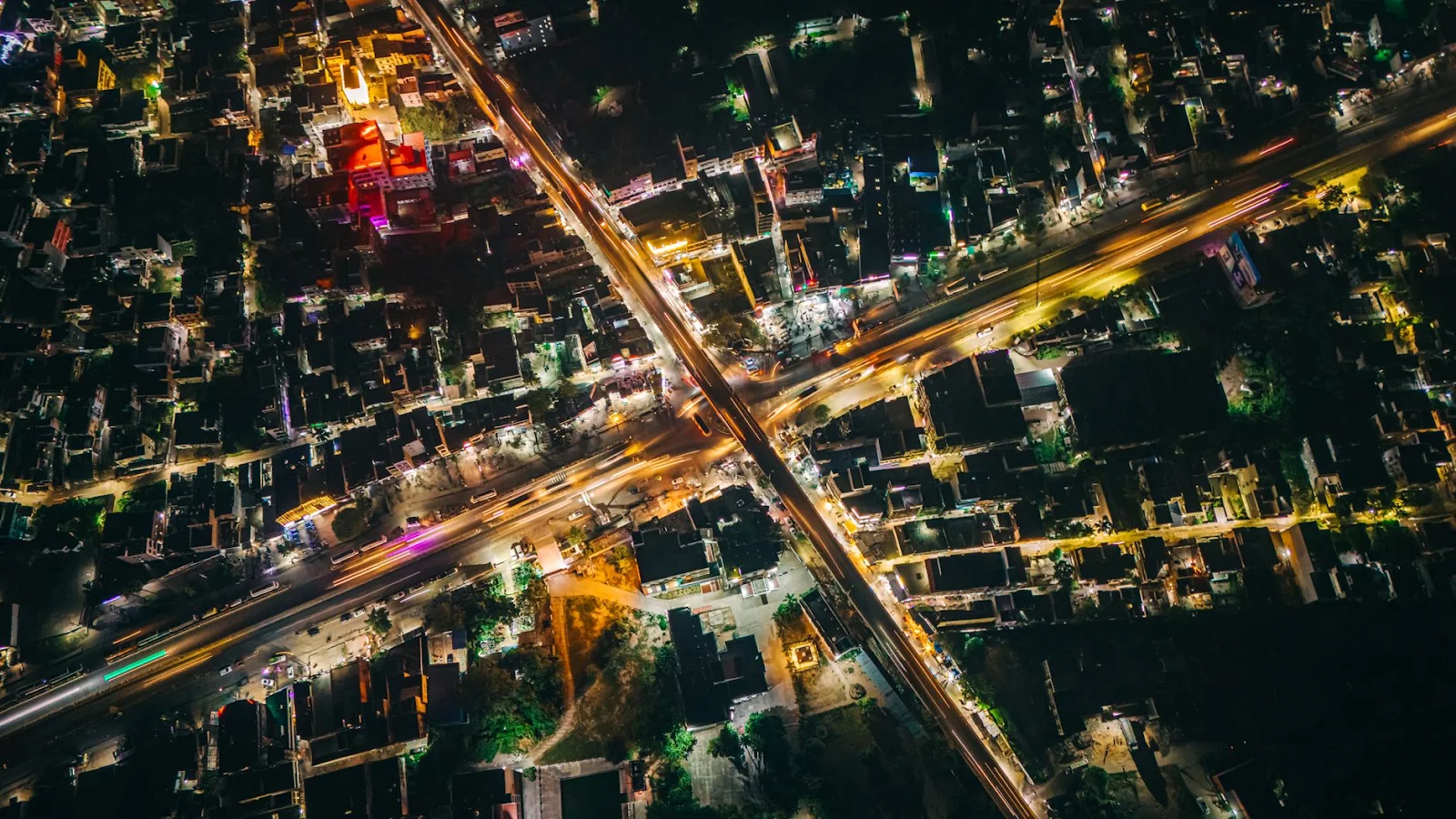
Arwal is renowned for its scenic location along the pristine Son River, its fertile agricultural landscape, historic religious landmarks like the Madhusudan Temple and Hazrat Makhdum Shah Dargah, and archaeological remnants like the Belkhara Pillar.
2. Is Arwal safe for tourists and solo travelers?

Yes, Arwal is completely peaceful and safe for visitors. The local population is courteous, helpful, and welcoming to travelers. As with any rural district in India, it is prudent to plan your travels during daylight hours and avoid venturing into remote back roads late at night.
3. Are there good hotels and accommodation options within Arwal?
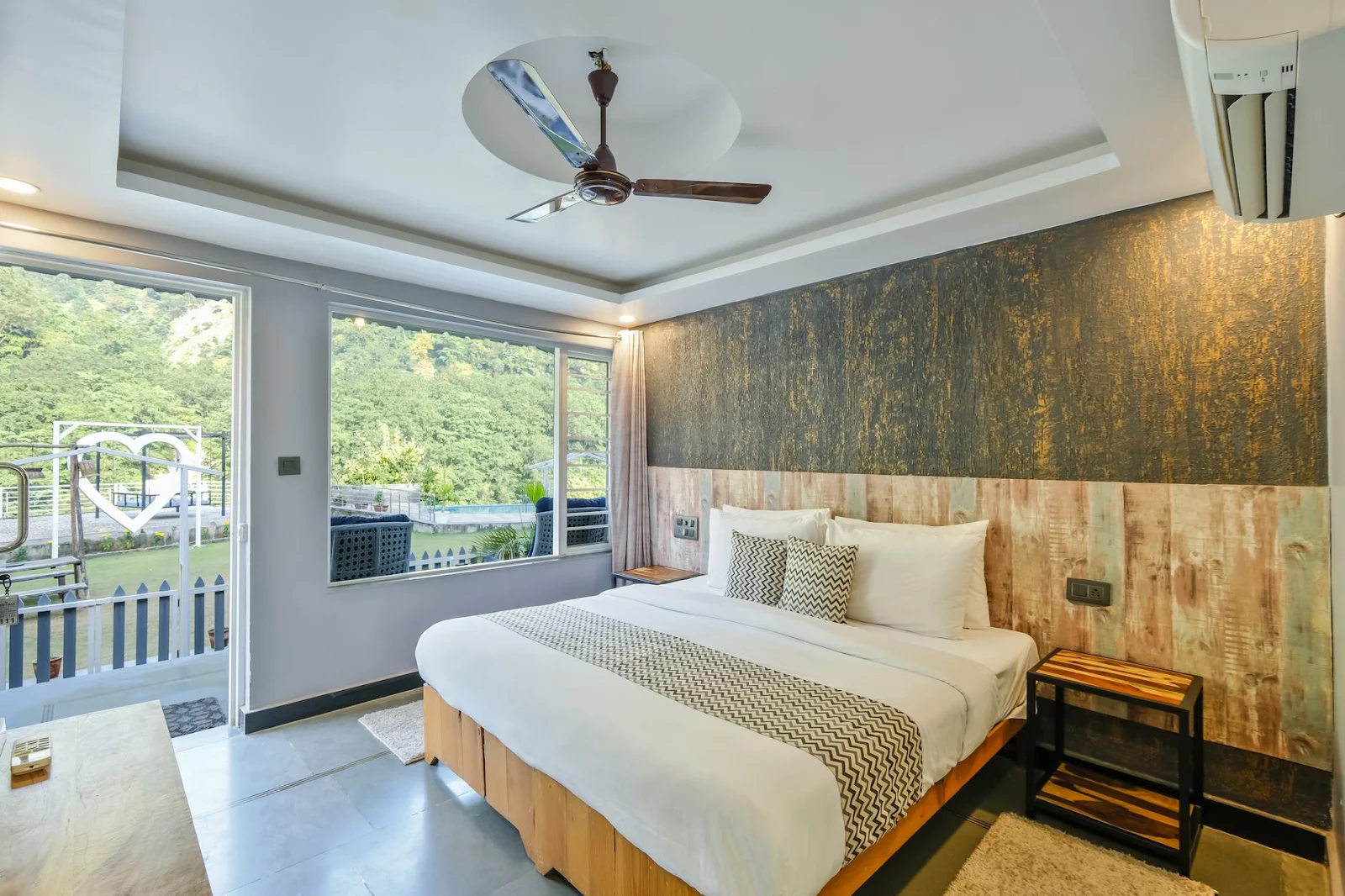
Arwal town offers basic budget lodges and government inspection bungalows suitable for short stays. Travelers seeking modern luxury or premium amenities generally choose to stay in nearby district hubs such as Jehanabad (35 km) or Patna (70 km), completing their exploration of Arwal as a day or overnight excursion.
4. How far is Arwal from Patna, and how long does it take by road?

Arwal is situated approximately 70 kilometers southwest of Patna. Via National Highway 139, the drive generally takes between 1.5 to 2.5 hours depending on traffic conditions when exiting the state capital.
5. What is the significance of the Belkhara Pillar?

The Belkhara Pillar is an ancient monolithic stone column inscribed with historical Sanskrit text. It provides scholars with crucial epigraphic evidence concerning political shifts, local rulers, and societal dynamics during the medieval period in Magadh history.
6. Can one take a boat ride on the Son River in Arwal?

Yes, traditional wooden rowboats are operated by local fishermen along the riverbanks near Arwal town. You can negotiate directly with boatmen for a gentle, scenic tour across the clear waters and sand spits, particularly during the post-monsoon and winter seasons.
7. What items or souvenirs should I buy in Arwal?

Visitors frequently purchase regional agro-products such as roasted chana sattu, locally pressed pure mustard oil, and authentic traditional sweets including Belgrami and Khaja from old confectionery shops near the highway.
8. Which festival is celebrated with the greatest enthusiasm in Arwal?

Chhath Puja, held twice a year (Chaitra and Kartika months), is celebrated with unmatched spiritual zeal along the banks of the Son River and the Surya Kund at Kaler. The annual Urs at the Makhdum Shah Dargah is also an immense cultural gathering that brings thousands of visitors together.
Conclusion
Arwal may not occupy the glossy brochures of mainstream commercial tourism, but its subtle magic is precisely what makes it extraordinary. It is a destination where travel feels authentic, unhurried, and deeply grounded in the soil. From the ancient prayers whispered across the sanctum of Madhusudan Temple to the serene breezes that sweep the vast, golden sands of the Son River, Arwal offers an intimate window into the enduring soul of Bihar. For cultural voyagers, photographers, and travelers eager to venture beyond conventional itineraries, this riverside district promises rich memories of warm community hospitality, peaceful countryside roads, and profound historical resonance. Plan your excursion to Arwal and discover the untamed elegance of Bihar's serene heartland.



0 Comments