
Top 5 Places to Visit in Farrukhabad: The Ultimate Travel Guide to Uttar Pradesh’s Hidden Heritage
Nestled along the serene bends of the sacred Ganga River in western Uttar Pradesh, Farrukhabad is a treasure trove of forgotten kingdoms, profound spirituality, and timeless craftsmanship. Established in 1714 by Nawab Mohammad Khan Bangash and named in honour of the Mughal Emperor Farrukhsiyar, this historic district carries layers of antiquity that stretch far deeper than the eighteenth century. Long before the Nawabs carved their grand stone ghats and defensive bastions, this fertile soil formed the vibrant core of the Panchala Mahajanapada, immortalised in the epic Mahabharata as the birthplace of Queen Draupadi. Simultaneously, it holds sacred ground for millions of Buddhists and Jains across the globe, serving as the setting for miraculous episodes in the life of Gautama Buddha and the birth of Bhagwan Vimalanatha, the 13th Jain Tirthankara.
Despite its monumental past, Farrukhabad remains refreshingly untouched by commercial mass tourism. When you wander through its sun-dappled mango groves, explore ancient archaeological mounds, or watch the morning mist rise over the tranquil waters of the Ganges, you experience an authentic slice of heartland India. From the world-renowned Buddhist stupas of Sankisa to the mythological corridors of Kampil and the colonial military grandeur of twin-city Fatehgarh, the region presents an unforgettable journey for heritage enthusiasts, spiritual seekers, and slow-travel advocates alike. In this comprehensive insider’s guide, we explore the top tourist places in Farrukhabad, offering rich historical perspectives, practical travel advice, curated culinary recommendations, and a thoughtfully planned itinerary to help you discover the finest experiences this storied destination has to offer.
1. Sankisa (Sankasya): The Celestial Buddhist Heritage Site

Historical and Cultural Significance
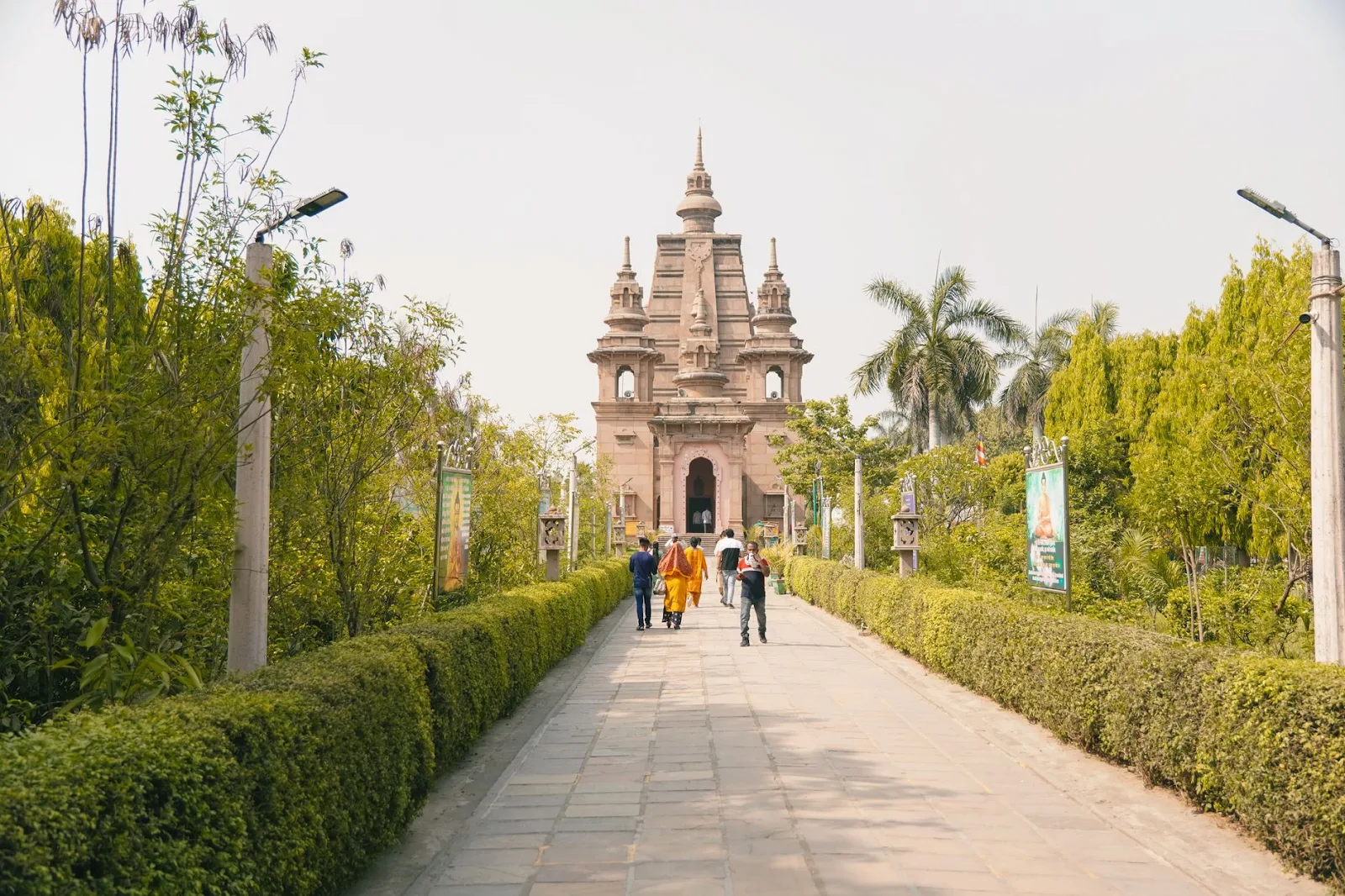
Among the most sacred Buddhist pilgrimage destinations in northern India, Sankisa (anciently documented as Sankasya) holds a place of unique reverence in Buddhist canonical literature. According to sacred Buddhist tradition, after attaining enlightenment, Lord Buddha ascended to the Trayastrimsha heaven to preach the Abhidharma to his mother, Queen Mayadevi. Sankisa is celebrated as the sacred spot where the Buddha descended back to the mortal realm via a triple ladder of gold, crystal, and silver, accompanied by the Vedic deities Brahma and Indra. Recognising its spiritual gravity, Emperor Ashoka visited Sankisa in the 3rd century BCE, erecting a monumental pillar and constructing magnificent monasteries to mark the event.
What Makes It Special
The standout attraction at Sankisa is the revered Ashokan Elephant Capital. Unlike the roaring lions of Sarnath, the finely carved monolithic elephant capital here reflects remarkable Mauryan stonework. Though the trunk was damaged over centuries of weather and conflict, the bell-shaped lotus base and ornamental abacus featuring floral motifs remain exceptionally preserved beneath a modern protective pavilion. Adjacent to the pillar relic lies the massive Bisari Devi temple mound, constructed atop ancient Buddhist brick stupas. Every year, thousands of pilgrims from Sri Lanka, Thailand, Myanmar, Japan, and Cambodia arrive to light butter lamps, chant mantras, and meditate in the peaceful surroundings of modern international monasteries established in the vicinity.
Top Things to Do
- Offer your respects at the ancient Stupa mound and examine the Mauryan-era Ashokan Elephant Capital.
- Visit the Burmese and Sri Lankan Buddhist temples situated near the archaeological zone to observe traditional monastic life.
- Take a peaceful walking tour through the surrounding rural landscape, which still yields terracotta pottery sherds from the Painted Grey Ware (PGW) period.
- Spend quiet moments of contemplation beneath the Bodhi trees planted by visiting Theravada monks.
Visitor Information
- Location: Approximately 40 km west of Farrukhabad city centre, accessible via Mohammadabad.
- Timings: Sunrise to Sunset (6:00 AM to 6:00 PM daily).
- Entry Fee: Free entry; nominal donations welcome at active monasteries.
- Photography: Permitted everywhere; maintain decorum around monks during prayer times.
- Ideal Duration: 2.5 to 3.5 hours.
2. Kampil (Kampilya): Ancient Panchala Capital & Sacred Jain Tirtha

Historical and Cultural Significance
Stepping into Kampil is equivalent to walking through the verses of the ancient Indian epic, the Mahabharata. Known historically as Kampilya, this serene riverside town served as the illustrious capital of the Southern Panchala kingdom, ruled by King Drupada. It was here that the princess Draupadi (Panchali) was born from the sacrificial altar fire, and where Arjuna performed the extraordinary feat of piercing the eye of a rotating fish to win Draupadi’s hand during her grand Swayamvara. Simultaneously, Kampil is an exalted sacred tirtha for followers of Jainism; it is the holy Janmabhumi (birthplace) of Bhagwan Vimalanatha, the 13th Tirthankara, who spent his childhood and attained divine wisdom in this sacred atmosphere.
What Makes It Special
Kampil possesses an exceptional blend of mythological Hindu sites and quiet Jain sanctuaries. The town hosts two prominent Jain temple complexes: the Digambar Jain Atishaya Kshetra and the Swetambar Jain Mandir. Both temples house exquisite marble idols, intricate wall carvings, and sprawling pilgrim guesthouses (dharamshalas). Close by lies the legendary Draupadi Kund, a ceremonial water tank associated with the royal court of the Panchalas, and the ancient Rameshwar Nath Mahadev Temple, an ancient Shaivite shrine traditionally believed to have been established by Lord Rama's brother, Shatrughna, during his northern campaigns.
Top Things to Do
- Explore the serene courtyards of the Digambar and Swetambar Jain temples, admiring ancient idols and detailed friezes.
- Visit the mythological Draupadi Kund and reflect upon the monumental events of the Mahabharata.
- Seek blessings at the Rameshwar Nath Mahadev Temple, admiring the stone shivalinga revered across millennia.
- Stroll along the historic mounds (known locally as Kaimbagh) where archaeologists uncovered pottery dating back to 1000 BCE.
Visitor Information
- Location: Situated roughly 45 km northwest of Farrukhabad city, near Kaimganj.
- Timings: 5:30 AM to 8:30 PM (Jain temples); 6:00 AM to 8:00 PM (Hindu shrines).
- Entry Fee: Free entry.
- Photography: Permitted in temple courtyards; strictly prohibited inside sanctum sanctorum of Jain shrines.
- Ideal Duration: 3 to 4 hours.
3. The Ganga Ghats & Colonial Charm of Fatehgarh

Historical and Cultural Significance
Fatehgarh serves as the administrative sibling to Farrukhabad, forming a twin-city dynamic along the southern bank of the Ganga. Founded in 1802 as an important military cantonment by the British East India Company, Fatehgarh blends colonial architecture with ancient riverine spirituality. The city served as a primary garrison town and today proudly hosts the regimental centre of the Rajput Regiment, one of the Indian Army's most decorated infantry regiments. Along the waterfront, centuries-old stone stairways descend gracefully into the pristine waters of the Ganges, serving as centres of daily worship, ceremonial ritual baths, and contemplative evenings for local residents.
What Makes It Special
Unlike the crowded ghats of Varanasi or Haridwar, the ghats of Fatehgarh—especially Bargadiya Ghat, Rishi Ghat, and Rani Ghat—offer an unhurried, meditative encounter with Mother Ganga. Wide stone platforms are framed by ancient banyan trees, modest shrines dedicated to Lord Hanuman, and colonial-era cantonment structures in the backdrop. In the morning, holy chants and conch shells resound over the rippling water, while the evening brings the intimate glow of brass oil lamps floating upon the river during the daily Sandhya Aarti. The well-maintained cantonment roads nearby, shaded by century-old peepal and neem trees, add a distinctive, tranquil order to the area.
Top Things to Do
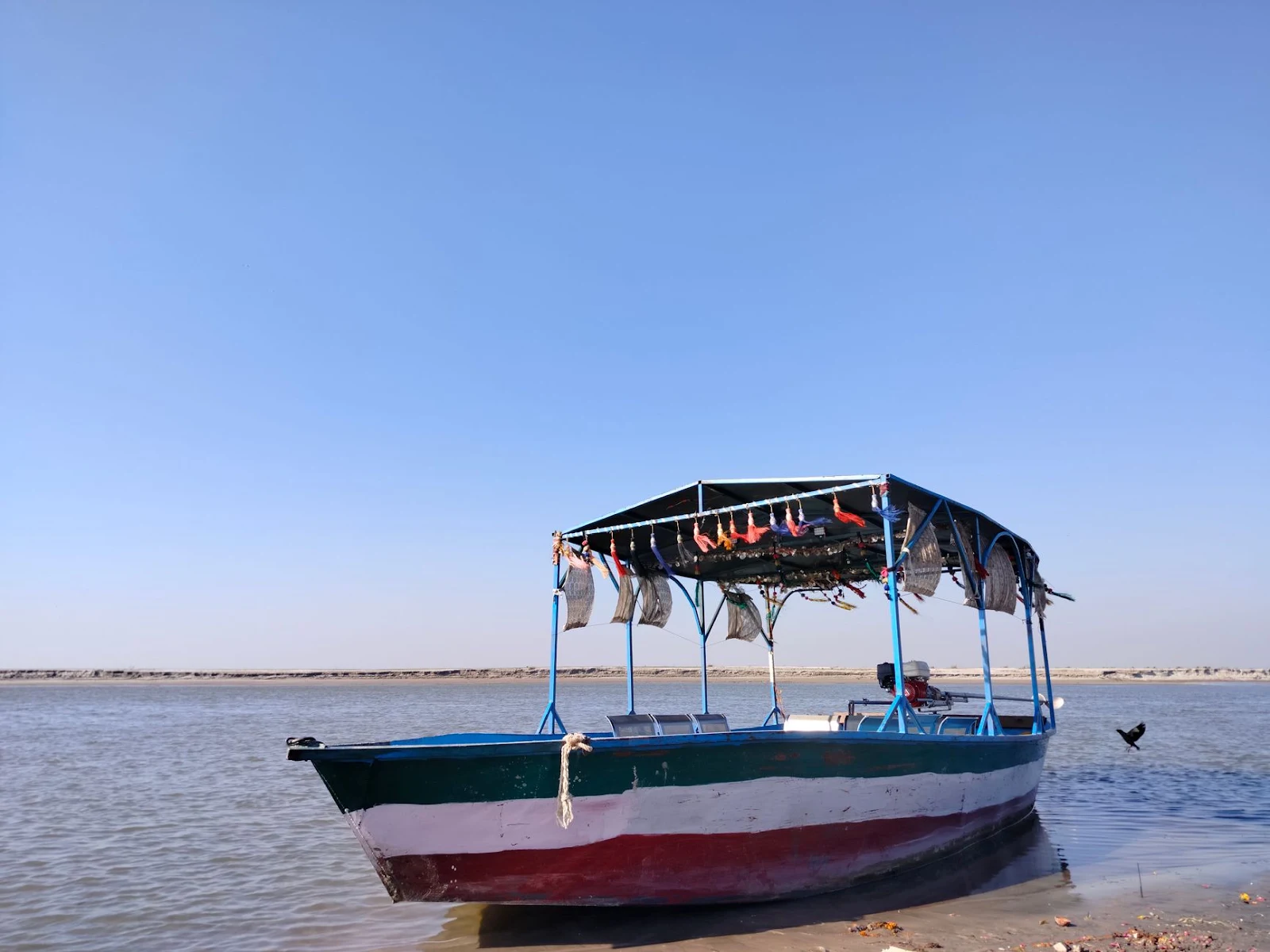
- Hire a traditional wooden country boat at Bargadiya Ghat for a serene sunrise or sunset ride along the Ganges.
- Witness the enchanting evening Ganga Aarti performed with devotion by local priests at Rishi Ghat.
- Take an architectural stroll through the cantonment sector to observe British-era churches, mess halls, and memorials.
- Capture breathtaking landscape photographs of the wide river delta and local fishermen casting hand-woven nets.
Visitor Information
- Location: Fatehgarh Cantonment area, approximately 6 km south of central Farrukhabad railway station.
- Timings: Open 24 hours; optimal experience between 5:30 AM – 9:00 AM and 5:00 PM – 7:30 PM.
- Entry Fee: Free entry; country boat rides range between ₹150–₹300 (negotiable).
- Photography: Welcomed; avoid photographing people bathing without their consent.
- Ideal Duration: 2 to 3 hours.
4. Shri Pandeshwar Nath Mahadev Temple

Historical and Cultural Significance
Prominently placed on the spiritual map of Uttar Pradesh, Shri Pandeshwar Nath Mahadev Temple is Farrukhabad’s most celebrated Shaivite sanctuary. Local oral histories and regional texts link this ancient shrine directly to the Pandava brothers of the Mahabharata. During their period of incognito exile (Agyatvas), the Pandavas, along with their mother Kunti, are said to have resided in this fertile region under the protection of the Panchala kingdom. Legend recounts that the mighty warrior Bhima personally carried and installed the towering Shivalinga worshipped here to facilitate his mother’s daily devotions to Lord Shiva.
What Makes It Special
The hallmark of the temple is its colossal black stone Shivalinga, which plunges deep into the underground foundation. Devotees admire its smooth, lustrous finish, believing that offering milk and Bilva leaves here alleviates planetary afflictions and brings peace of mind. The temple complex features striking traditional North Indian Nagara-style architecture, marked by a soaring conical shikhara visible from across the district. During Mahashivratri and the holy Hindu month of Shravan (Sawan), Pandeshwar Nath becomes the focal point of vibrant fairs, drawing thousands of Kanwariyas carrying holy water from the Ganges.
Top Things to Do
- Participate in the traditional Jalabhishek ceremony during the early morning hours alongside local devotees.
- Marvel at the unique subterranean design of the sanctum enclosing the colossal Shivalinga.
- Explore the temple bazaar outside, which sells handcrafted brass items, clay lamps, rudraksha rosaries, and regional prasad.
- Engage with local temple priests to learn the oral folklore surrounding the Pandavas' travels across Farrukhabad.
Visitor Information
- Location: Located in the heart of Farrukhabad city, easily reachable by e-rickshaw or auto-rickshaw.
- Timings: 5:00 AM to 12:30 PM, and 4:30 PM to 9:00 PM daily.
- Entry Fee: Free entry.
- Photography: Permitted in outer courtyard; strictly restricted inside the main garbhagriha (inner sanctum).
- Ideal Duration: 1 to 1.5 hours.
5. Mughal Ghat (Patthar Ghati): Architectural Splendour on the Ganga
Historical and Cultural Significance
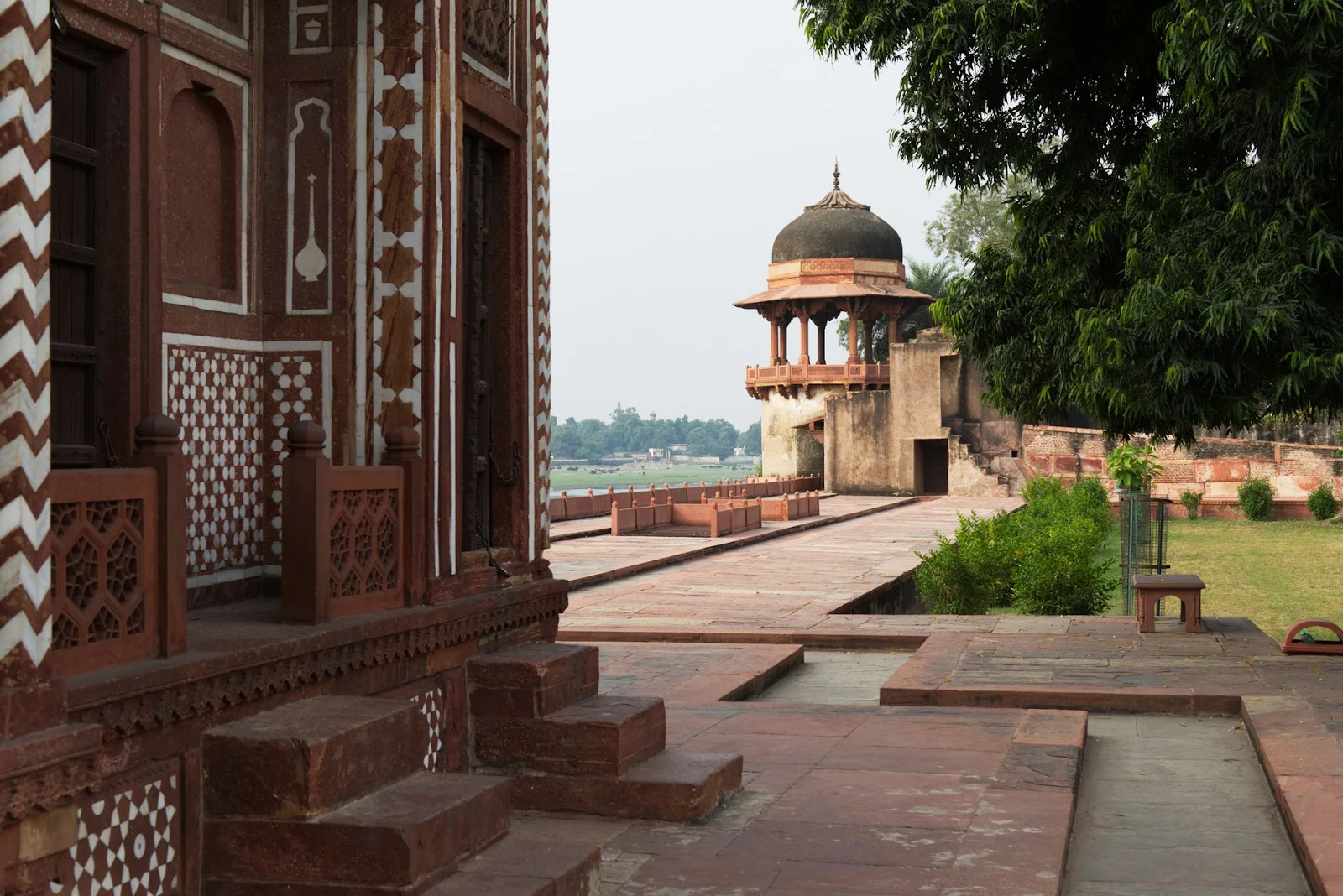
Mughal Ghat, widely referred to by local townsfolk as 'Patthar Ghati', stands as one of the finest surviving examples of late-Mughal and early-Nawabi riverfront civil architecture in central Uttar Pradesh. Commissioned during the 18th century under the reign of the Bangash Nawabs, this majestic stone embankment was designed to offer royal dignitaries and general citizens structured access to the Ganges. Unlike simple brick platforms, this ghat was engineered using durable red sandstone brought via river barges, demonstrating sophisticated stone masonry that has endured centuries of monsoon flooding.
What Makes It Special
The visual harmony of Mughal Ghat lies in its series of multi-arched pavilions (baradaris), tiered sandstone platforms, ornate chatris (canopies), and massive bastions that extend directly into the river currents. In its heyday, the ghat served not only as a ceremonial bathing area but also as a riverine customs post and scenic promenade for royal assemblies. Today, the weathered stone surfaces reflect deep sepia tones under the midday sun and warm golden hues during sunset, casting long, dramatic reflections across the Ganga. It remains an exceptional spot for history lovers, artists, and photographers looking to capture the romance of Uttar Pradesh’s Nawabi riverfronts.
Top Things to Do
- Walk through the surviving stone arched pavilions and admire the historic masonry and stonework.
- Set up your tripod or camera in the late afternoon to photograph the dramatic play of light across the sandstone arcades.
- Sit quietly on the wide stone steps and watch migratory waterfowl foraging across the seasonal sandbars.
- Combine your visit with a trip to the nearby historic ruins of the Nawab Mohammad Khan Bangash tomb in the city centre.
Visitor Information
- Location: Situated along the Ganga riverbank on the northeastern fringe of Farrukhabad city.
- Timings: Open throughout the day (6:00 AM to 6:30 PM recommended for safety and visibility).
- Entry Fee: Free entry.
- Photography: Permitted; excellent setting for landscape and architectural photography.
- Ideal Duration: 1.5 to 2 hours.
Best Time to Visit Farrukhabad
Farrukhabad experiences a typical subtropical inland climate with distinct winter, summer, and monsoon seasons. Planning your itinerary around seasonal weather will significantly improve your travel experience:
- Winter (October to March) — The Ideal Window: Winter is undeniably the best time to visit Farrukhabad. During these months, daytime temperatures hover comfortably between 18°C and 25°C, making heritage walks and archaeological explorations at Sankisa and Kampil a pleasant experience. Nights can get chilly, with temperatures occasionally dipping to 7°C in December and January, so carry warm woollens.
- Summer (April to June) — Extremely Warm: Summers in central Uttar Pradesh are intensely hot, with temperatures regularly soaring beyond 42°C. The scorching dry wind, locally known as 'Loo', makes midday outdoor excursions exhausting. If visiting in summer, restrict your activities to early mornings and late evenings, and stay thoroughly hydrated.
- Monsoon (July to September) — Lush yet Humid: The monsoon brings much-needed relief from the summer heat and turns the rural countryside lush green. However, the Ganga swells significantly, causing periodic high water levels across riverfront steps like Mughal Ghat and Bargadiya Ghat. Sudden heavy showers can also make rural link roads around historical sites muddy.
How to Reach Farrukhabad
Farrukhabad is well-connected to major cultural and commercial cities across Uttar Pradesh through rail, road, and nearby air hubs:
- By Air: Farrukhabad does not have its own commercial airport. The nearest operational airports are Kanpur Airport (KNU), located approximately 140 km away (a 3.5 to 4-hour drive), and Lucknow's Chaudhary Charan Singh International Airport (LKO), situated around 190 km away (a 4 to 4.5-hour drive via expressways). Both airports connect directly to major Indian metros like Delhi, Mumbai, Bengaluru, and Hyderabad. Taxis can be easily hired from either airport to reach Farrukhabad.
- By Train: Farrukhabad Junction (FBD) and Fatehgarh (FGR) are the primary railway stations serving the twin cities. They fall on the North Eastern Railway zone and are well-connected by express and passenger trains to major hubs including Delhi, Kanpur, Lucknow, Kasganj, Agra, and Varanasi. Popular trains include the Kalindi Express, Kanpur-AnwarGanj Express, and Gorakhpur Express.
- By Road: Farrukhabad enjoys smooth road connectivity via state highways and national road corridors. The district is easily accessible from the Agra-Lucknow Expressway (exiting near Kannauj or Shikohabad). The Uttar Pradesh State Road Transport Corporation (UPSRTC) operates regular AC and ordinary buses from Delhi (ISBT Anand Vihar), Kanpur, Aligarh, Bareilly, and Agra directly to Farrukhabad's central bus terminal.
Local Food & Culinary Highlights
A journey through Farrukhabad is incomplete without savouring its rich regional cuisine, which reflects a delightful blend of traditional Awadhi flavours and rustic Doab culinary staples:
- Farrukhabadi Dalmoth & Namkeen: The district is renowned across North India for its crispy, savoury Dalmoth—a delectable mixture of fried whole lentils, musk melon seeds, cashews, and fiery spices. Don't leave without purchasing freshly packed boxes from old bazaar shops.
- Bedmi Puri and Aloo Sabzi: A staple breakfast favourite throughout Farrukhabad, crispy, urad dal-stuffed pooris are served piping hot alongside a tangy, fenugreek-infused potato curry and sour mango pickle.
- Nawabi Seekh Kebabs & Biryani: Reflecting its 18th-century Bangash lineage, the older quarters of Farrukhabad dish out tender, charcoal-smoked mutton seekh kebabs, roomali rotis, and aromatic Awadhi-style yakhni biryani that delight meat lovers.
- Regional Makkhan Malai & Khurchan: During the winter months, street vendors across Nehru Road serve cloud-like Makkhan Malai (frothy milk cream flavoured with saffron, cardamom, and topped with silver leaf) alongside dense, sweet Khurchan pedas.
10 Essential Travel Tips for Visitors
- Dress Modestly: Farrukhabad is deeply spiritual and culturally conservative. Ensure your knees and shoulders are properly covered when touring religious monuments, particularly at Sankisa and Jain shrines in Kampil.
- Hire a Local Taxi for Excursions: Key sites like Sankisa and Kampil are located 40 to 45 km from the main city in opposite directions. Booking a dedicated private cab for the full day is the most efficient and reliable way to explore.
- Carry Cash: While UPI digital payments are increasingly accepted in central bazaars, rural vendors, auto-rickshaw drivers, and remote temple stalls still prefer cash transactions. Keep adequate currency notes handy.
- Remove Footwear at Shrines: Always take off your shoes before entering Hindu, Jain, or Buddhist temple precincts. Socks are recommended during the winter when stone floors can feel chilly.
- Watch Your Step on Ghats: River stones along the Ganges can become slippery from morning dew and river silt. Wear sturdy walking shoes with good grip when walking around the ghats.
- Check Sanctuary Timings: Jain temples in Kampil observe strict lunch closures between 12:30 PM and 2:30 PM. Time your arrival either in the morning or mid-afternoon to avoid waiting.
- Pick up Local Handicrafts: Farrukhabad is a traditional centre for wooden block printing (Zardozi and Chhipa prints). Look for bedsheets and textiles adorned with handcrafted block prints in local craft markets.
- Carry Mosquito Repellent: Proximity to the Ganga and seasonal canals means mosquitoes are common during dusk and dawn. Carry insect repellent spray or cream.
- Respect Buddhist Etiquette: When circumambulating stupas or visiting monastic shrines in Sankisa, always walk in a clockwise direction.
- Stay Hydrated: Always drink bottled or purified water while exploring outdoor heritage sites, and keep an umbrella or hat for protection against afternoon sun.
Suggested 2-Day Farrukhabad Itinerary
Make the most of your weekend or holiday with this carefully crafted 48-hour itinerary covering history, spirituality, and cultural sights:
Day 1: Imperial Ghats, Ancient Legends & City Heritage
- Morning (8:00 AM – 11:30 AM): Begin your trip early with a warm breakfast of Bedmi Puri and tea near Nehru Road. Head directly to the historic Shri Pandeshwar Nath Mahadev Temple to experience the morning prayers and view the colossal Shivalinga. Follow this with a short drive to the sandstone arcades of Mughal Ghat (Patthar Ghati) for serene river views and photography.
- Afternoon (12:30 PM – 3:30 PM): Relish an authentic North Indian thali lunch at a local restaurant in Farrukhabad. Take an hour to browse the local markets for authentic Farrukhabadi block-printed fabrics and signature Dalmoth.
- Evening (4:00 PM – 7:00 PM): Drive over to the twin-city of Fatehgarh. Take a leisurely walk along the Cantonment avenues before settling down at Bargadiya Ghat. Hire a wooden boat for a sunset river cruise and stay to witness the moving evening Ganga Aarti at Rishi Ghat.
Day 2: Sacred Pilgrimages — Kampil & Sankisa
- Morning (7:30 AM – 12:30 PM): Embark on an early morning drive northwest toward ancient Kampil (approx. 1 hour). Spend your morning discovering the peaceful Digambar and Swetambar Jain temples, and visit the historic Draupadi Kund and Rameshwar Nath Mahadev Temple.
- Afternoon (1:00 PM – 4:00 PM): Head south toward the international pilgrimage destination of Sankisa (approx. 1.5-hour drive). Stop for a rustic countryside lunch en route. Upon arrival, explore the ancient stupa ruins and examine the exquisite Ashokan Elephant Capital.
- Evening (4:30 PM – 6:30 PM): Visit the international Burmese and Sri Lankan monasteries in Sankisa, soak in the tranquil monastic setting under the Bodhi tree, and return to Farrukhabad city for departure.
Frequently Asked Questions (FAQs)
1. What is Farrukhabad most famous for?

Farrukhabad is celebrated for its deep historical heritage spanning the Mahabharata era (ancient Kampil), significant Buddhist pilgrimage sites (Sankisa), Nawabi architecture along the Ganga, delicious Dalmoth namkeen, and traditional wooden block-printed textiles.
2. Is Farrukhabad safe for solo and family travellers?
Yes, Farrukhabad is generally safe and welcoming for both solo travellers and families. As with any small Indian city, it is advisable to avoid deserted rural stretches late at night and rely on established transport options during the daytime.
3. Why is Sankisa an important Buddhist pilgrimage site?
Sankisa is regarded as one of the major sacred places in Buddhism because, according to Buddhist texts, it is the celestial site where Gautama Buddha descended back to Earth from heaven after preaching the Dharma to his mother, Mayadevi. Emperor Ashoka later commemorated this event with a stone pillar.
4. How many days are required to explore Farrukhabad?

A 2-day, 1-night itinerary is ideal to comfortably explore Farrukhabad's top tourist places, including its city shrines, river ghats, and the heritage towns of Kampil and Sankisa, without feeling rushed.
5. What can I buy as souvenirs from Farrukhabad?

Popular souvenirs include Farrukhabadi block-printed cotton fabrics (bedsheets, dupattas, dress materials), local zari embroidery, authentic Farrukhabadi Dalmoth, and traditional North Indian sweets like peda and khurchan.
6. Can I take a boat ride on the Ganga in Farrukhabad?
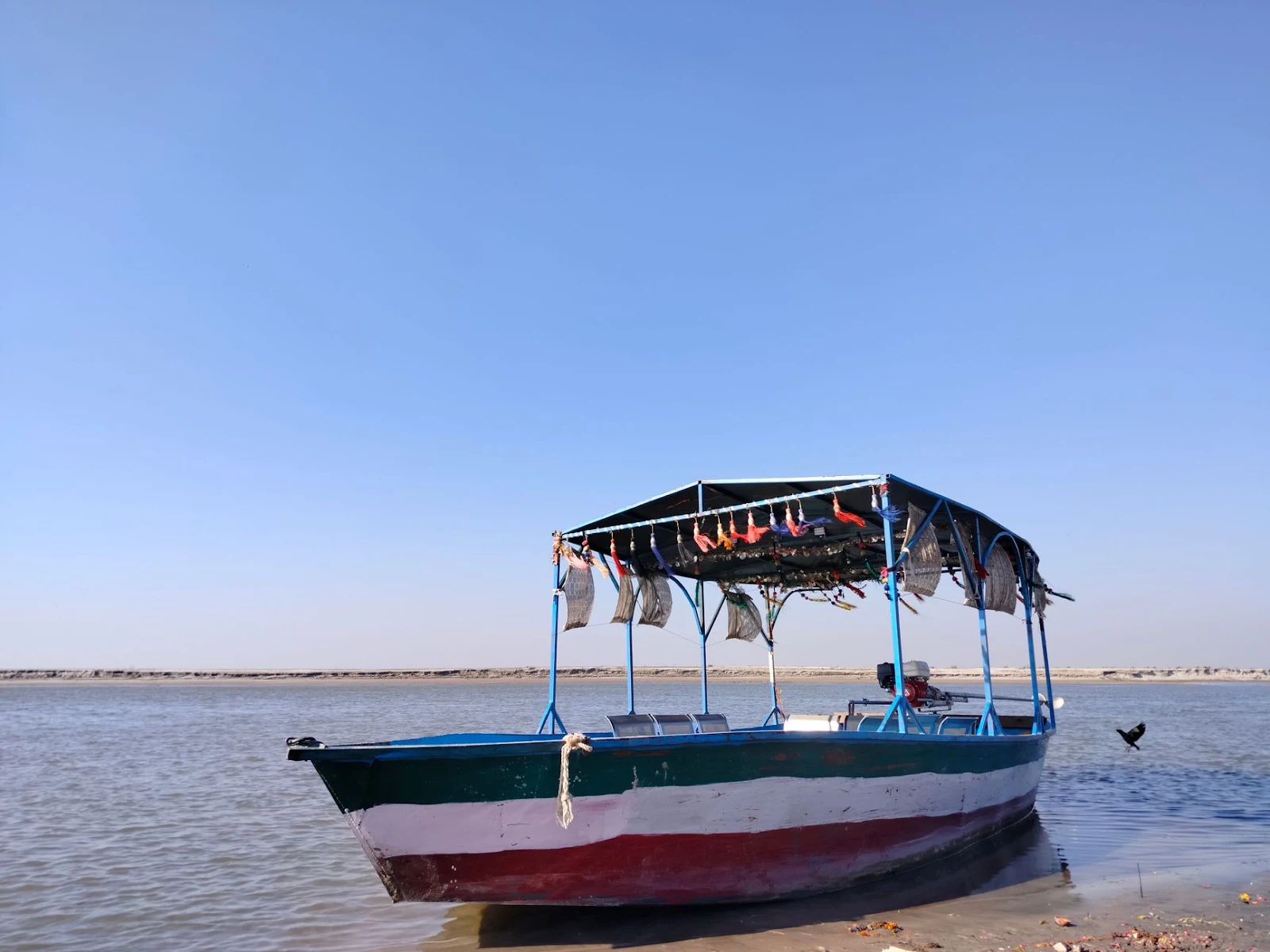
Yes, traditional wooden rowing boats can be hired from ghats in Fatehgarh, such as Bargadiya Ghat and Rishi Ghat. It is best to negotiate the fare in advance and take your boat ride during sunrise or sunset.
7. What are the dining options like for tourists?

Farrukhabad offers a variety of pure-vegetarian family restaurants, traditional sweet shops, and small eateries serving North Indian curries, thalis, and street food. The older parts of town also feature local joints serving traditional Awadhi-style Mughlai dishes.
8. Which is the nearest commercial airport to Farrukhabad?

The nearest commercial airports are Kanpur Airport (approx. 140 km) and Chaudhary Charan Singh International Airport in Lucknow (approx. 190 km), both offering extensive domestic flight connectivity across India.
Conclusion
Farrukhabad is a captivating chapter in India's vast cultural narrative that remains delightfully off the worn tourist path. Here, epic Mahabharata lore quietly coexists with serene Buddhist stupas, sacred Jain temples, and elegant Nawabi riverside architecture. Whether you are walking through the peaceful ruins of Sankisa where emperor Ashoka left his mark, tracing the mythological footprints of Queen Draupadi in Kampil, or watching the soft orange glow of dusk illuminate the stone arches of Mughal Ghat, Farrukhabad rewards the thoughtful traveller with genuine history and unhurried charm. Pack your bags, carry your camera, and step into this historic jewel of Uttar Pradesh to experience an authentic journey through India's ancient living heritage.



0 Comments