
Top 5 Places to Visit in Almora, Uttarakhand, India
Nestled in the breathtaking Kumaon region of Uttarakhand, Almora is a mesmerizing hill station that instantly captures your heart with its rich cultural heritage, panoramic Himalayan views, and tranquil ambiance. Unlike some of its bustling hill station neighbors, Almora maintains a charming, old-world aura, shaped by its horseshoe-shaped ridge, vibrant traditional bazaars, and deep spiritual roots. As an avid traveler and passionate explorer of the Indian Himalayas, visiting Almora feels like stepping back in time while staying embraced by nature's purest grandeur. If you are planning a mountain escape, exploring the top tourist places in Almora should be right at the top of your travel wishlist.
Founded in the 16th century by the Chand dynasty, Almora boasts a fascinating history. It was once the majestic capital of the Kumaon kingdom before the British took over and transformed it into a soothing summer retreat. Today, it serves as a wonderful cultural melting pot where art, religion, and wildlife coexist harmoniously. The town is famous for its distinct architectural wooden houses, intricate temples dating back centuries, and the legendary local sweet delicacy—Almora Bal Mithai. Whether you are seeking a peaceful spiritual retreat, an adventure-filled trekking base, or a quiet corner to sip hot chai while watching the golden sunrise over snow-capped peaks like Nanda Devi and Trishul, Almora has something special for every wanderer.
In this comprehensive guide, we take you through the best places to visit in Almora, sharing insider tips, local culinary highlights, and a curated itinerary to make your Himalayan holiday truly unforgettable. Pack your bags, lace up your comfortable walking shoes, and let us journey together through the misty pine forests and vibrant alleys of this Kumaoni gem.
Table of Contents
- 1. Zero Point (Binsar Wildlife Sanctuary)
- 2. Chitai Golu Devta Temple
- 3. Kasar Devi Temple
- 4. Bright End Corner
- 5. Katarmal Sun Temple
- Best Time to Visit Almora
- How to Reach Almora
- Local Food to Try in Almora
- Essential Travel Tips
- Suggested 2-Day Itinerary
- Frequently Asked Questions
- Conclusion
1. Zero Point (Binsar Wildlife Sanctuary)
Overview and Significance
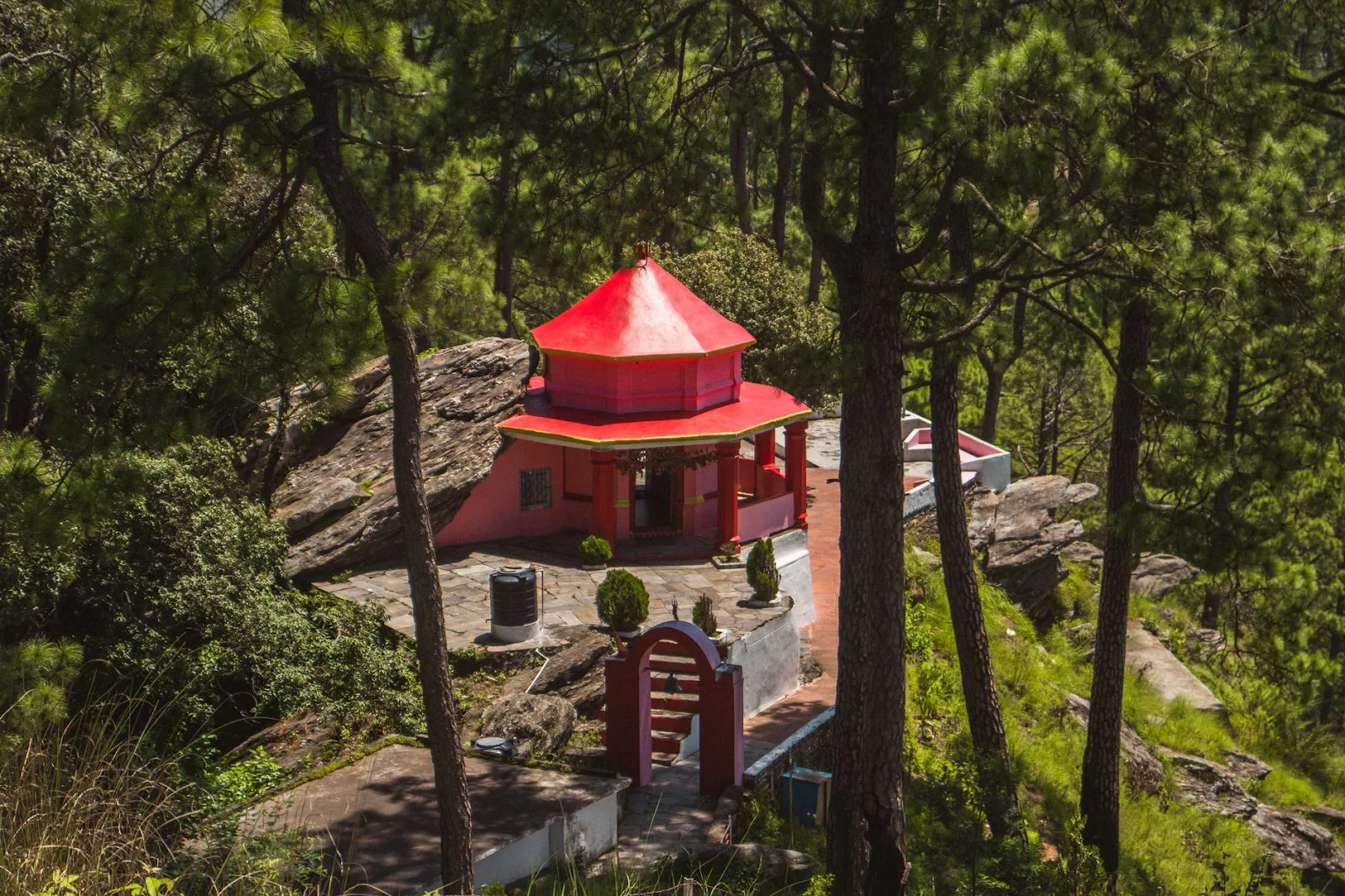
Located within the serene boundaries of the Binsar Wildlife Sanctuary, Zero Point is arguably the crown jewel of Almora sightseeing. Perched at an elevation of approximately 2,912 meters, this vantage point offers an uninterrupted, 360-degree panoramic view of the majestic Himalayan range. On a clear day, you can gaze in awe at legendary peaks such as Nanda Devi, Kedarnath, Trishul, and Panchachuli. The journey to Zero Point itself is an unforgettable adventure through dense, whispering forests of oak, rhododendron, and pine.
Things to Do
Once you reach Zero Point, the primary activity is simply soaking in the magnificent mountain views and practicing quiet contemplation. Photographers will find endless opportunities to capture shifting light on Himalayan snowcaps. Bird watching is another incredible activity here, as the sanctuary is home to over 200 species of resident and migratory birds. Take a leisurely nature walk along the well-marked trails, listening to the rustling leaves and birdsong, far away from the chaotic noise of city life.
Traveler Tips
To reach Zero Point, you need to drive into the Binsar Wildlife Sanctuary and pay an entry fee at the gate. From the sanctuary's KMVN rest house, it is a moderate 2-kilometer uphill trek to the actual Zero Point tower. Wear sturdy trekking shoes, carry plenty of drinking water, and dress in layers because the winds at the top can get quite chilly even during afternoons. Start your journey early in the morning to catch the magical sunrise painting the snow peaks in shades of pink and gold.
2. Chitai Golu Devta Temple
Overview and Significance
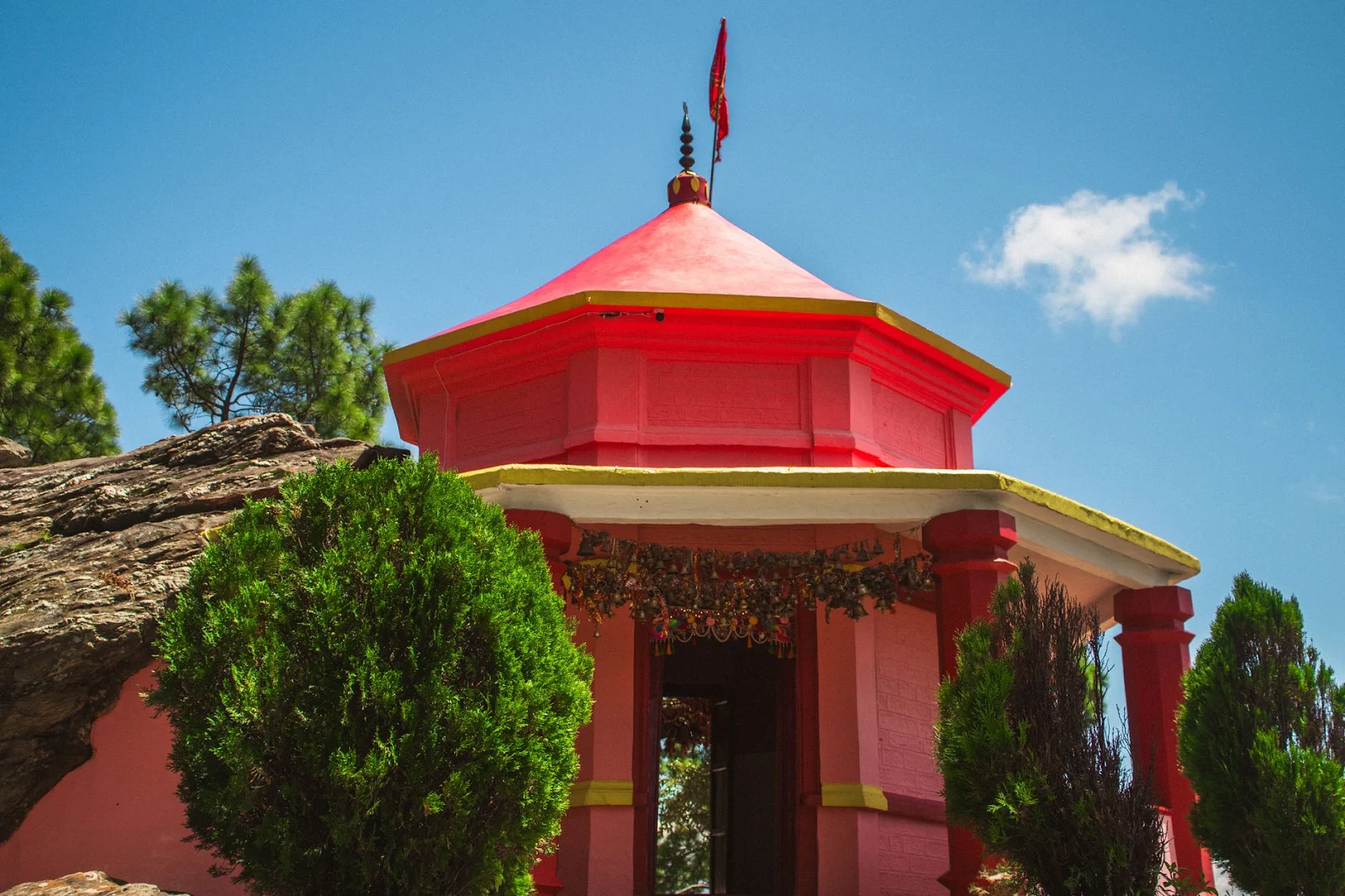
The Chitai Golu Devta Temple is one of the most spiritually significant and unique religious shrines in Uttarakhand. Dedicated to Golu Devta, an incarnation of Lord Shiva and revered as the God of Justice by the Kumaoni people, this temple holds a deeply revered place in local culture. What sets this temple apart from any other in India is the surreal sight of thousands of brass bells hanging in courtyard corridors, accompanied by millions of written petitions, stamp papers, and letters tied to the temple premises by devotees seeking divine justice.
Things to Do
Witnessing the profound faith of devotees is a humbling experience. Walk quietly through the corridors draped in fluttering red cloth, handwritten letters, and countless shimmering brass bells of all sizes. You can offer a small prayer, tie a bell if a past wish was fulfilled, or simply observe the rich traditional architecture. The atmosphere is peaceful, filled with the gentle chiming of bells in the mountain breeze and the scent of burning incense.
Traveler Tips
Located about 9 kilometers from the main Almora town, the temple is easily accessible via local taxis or shared cabs. Dress modestly, covering your shoulders and knees out of respect for local customs. Photography inside the main sanctum may be restricted, so always ask a local priest before pulling out your camera. Do buy a small brass bell or a coconut from the stalls outside to offer as part of your prayers.
3. Kasar Devi Temple
Overview and Significance
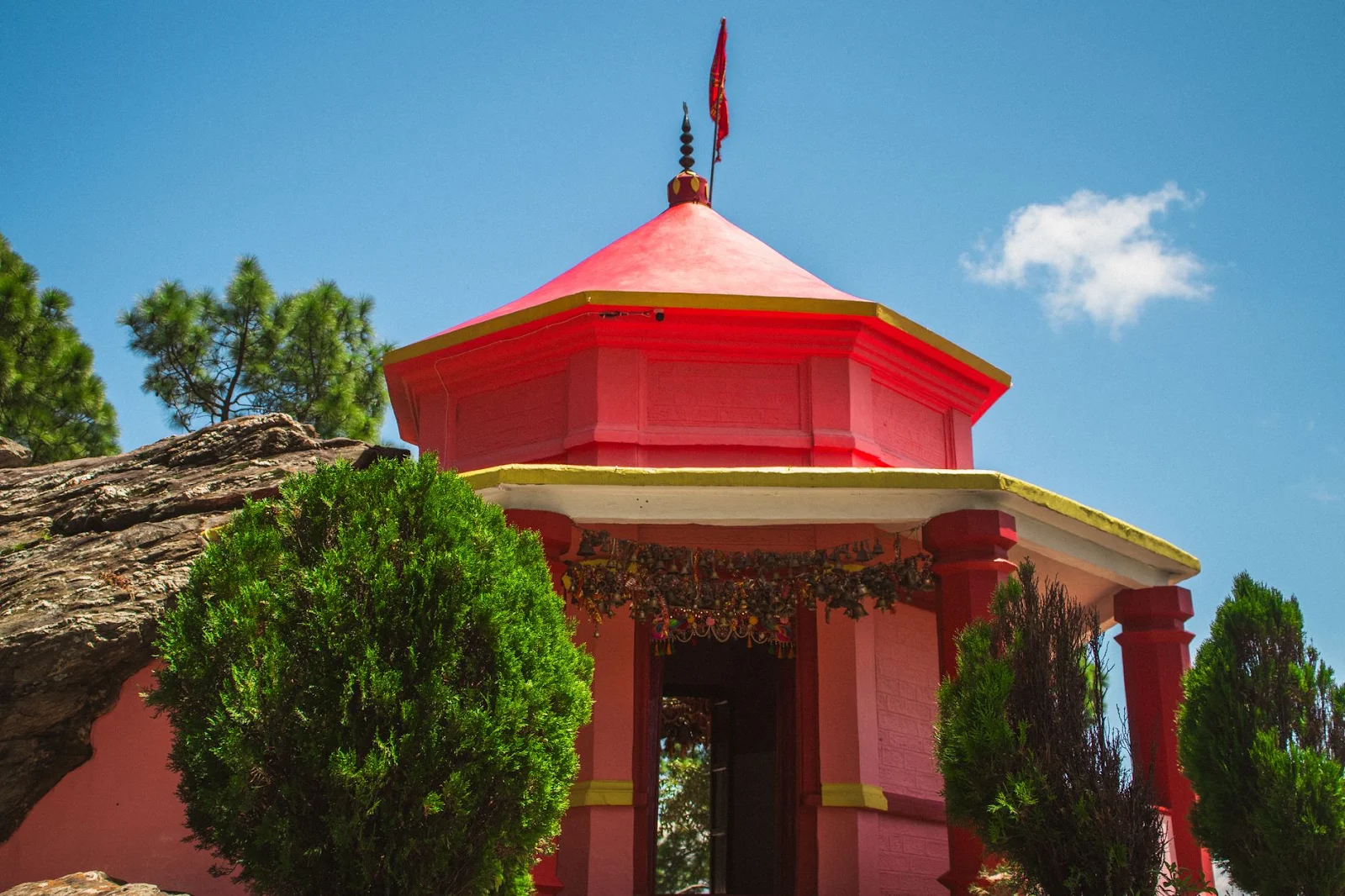
Perched high on a ridge near Almora, the Kasar Devi Temple dates back to the 2nd century CE and is steeped in both spiritual and cosmic history. This ancient shrine gained global fame during the 1960s and 70s counterculture movement, drawing legendary figures like Swami Vivekananda, Bob Dylan, Cat Stevens, and Allen Ginsberg. Scientifically, Kasar Devi lies along the Van Allen Belt, making it one of the few places on earth—alongside Machu Picchu and Stonehenge—known for extraordinary cosmic energy and magnetic fields.
Things to Do
Meditate or sit quietly in the temple courtyard to experience the renowned tranquility and unique positive energy of the region. Explore the surrounding area affectionately known as 'Hippie Hill' or 'Kasar Jungles', which is dotted with cozy cafes, art galleries, and yoga retreats. Catch a breathtaking view of the Almora valley and Hawalbagh from the ridge, or take a short hike through the pristine pine forests surrounding the shrine.
Traveler Tips
Kasar Devi is located about 8 kilometers from Almora and can be reached within 20 to 30 minutes by road. There is a gentle stone stairway leading up from the main road to the temple complex. Visit during the annual Kasar Devi Fair, held around November or December, to experience vibrant local Kumaoni folk music, dance, and cultural festivities. Don't forget to try organic herbal tea at one of the rustic cafes nearby.
4. Bright End Corner
Overview and Significance
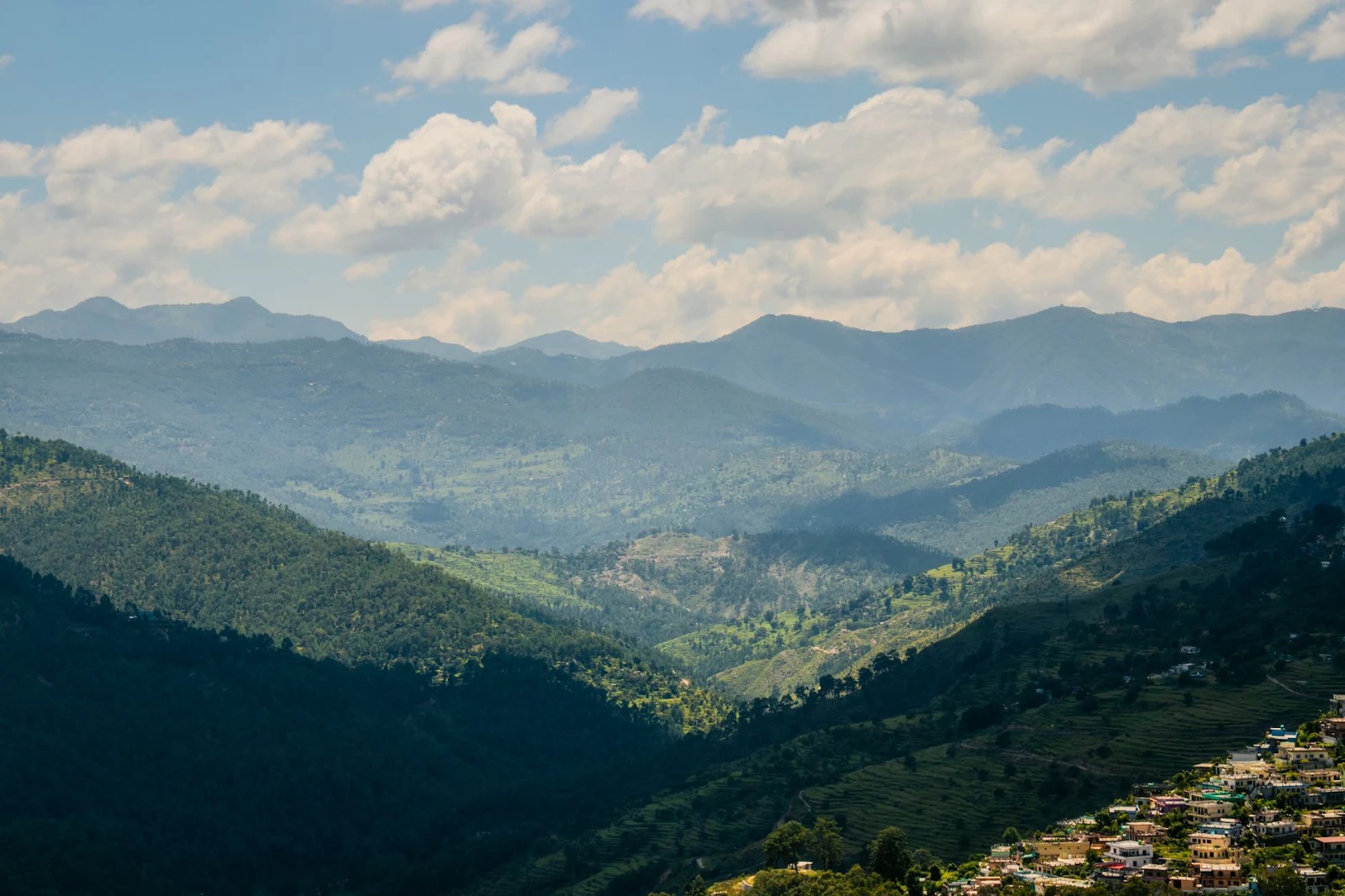
If you want to witness some of the most dramatic and soul-stirring sunsets and sunrises in the Himalayas, Bright End Corner is the ultimate destination in Almora. Marking the starting point of the town's famous ridge, this serene spot offers clear, unobstructed vistas of the western Himalayan horizon. It is named after a British gentleman, Mr. Bright, who once owned property here. Swami Vivekananda reportedly spent considerable time meditating and resting in this peaceful vicinity.
Things to Do
Arrive well before sunset to watch the sky transform from brilliant shades of azure to fiery orange, glowing pink, and deep indigo as the sun dips behind the mountain ranges. It is an ideal spot for reading a book, journaling, or quiet introspection. A short walk from Bright End Corner takes you to the Ramakrishna Kutir ashram, where you can explore a quiet library and learn about Swami Vivekananda's profound connection with Almora.
Traveler Tips
Bright End Corner is located just 2 kilometers from the core Almora market, making it easily accessible on foot if you enjoy walking, or via a quick local taxi ride. Temperatures drop rapidly as soon as the sun goes down, so carry a warm jacket or shawl. Keep your camera or smartphone fully charged because the twilight photography opportunities here are truly world-class.
5. Katarmal Sun Temple
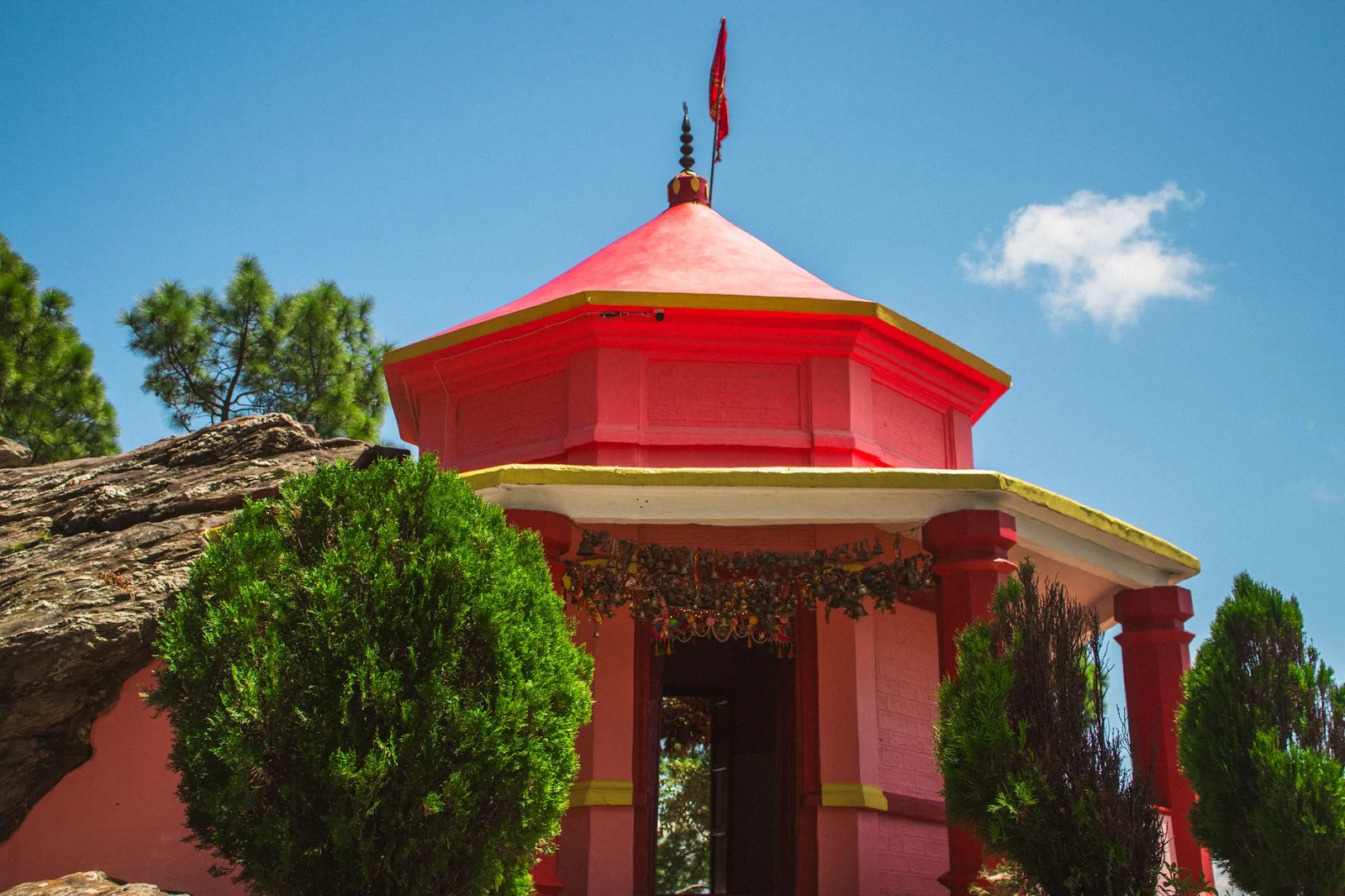
Overview and Significance
Built in the 9th century by the Katyuri kings, the Katarmal Sun Temple is an architectural marvel and one of the rare surviving Sun temples in India, second only to the famous Konark Sun Temple in Odisha. Dedicated to 'Bara Aditya' (the Sun God), the temple complex features intricate stone carvings, stunning wooden doors, and a unique architectural layout comprising one main shrine surrounded by 45 smaller subsidiary shrines.
Things to Do
Admire the exquisite craftsmanship of ancient Kumaoni artisans visible in the stone and woodwork. Marvel at the unique orientation of the temple, designed so that the first rays of the rising sun fall directly upon the main idol. Photographers and history enthusiasts will find endless joy exploring the ruins, intricate friezes, and architectural symmetry scattered across the complex.
Traveler Tips
Katarmal Sun Temple is located approximately 16 kilometers from Almora town. Reaching the temple requires a pleasant 2-kilometer trek from the nearest motorable road at Kosi village through terraced fields and quiet hamlets. Wear comfortable walking shoes and carry water, as there are limited shops near the archaeological site. Hire a local guide if you love Indian history to fully appreciate the historical significance of the carvings.
Best Time to Visit Almora
Almora is a year-round destination, but the best time to visit depends entirely on the experience you are looking for. Here is a breakdown of the seasons:
- Summer (April to June): This is the peak tourist season. The weather is pleasantly warm during the day (15°C to 28°C) and refreshingly cool at night. It is the ideal time for sightseeing, wildlife safaris in Binsar, and outdoor exploration.
- Monsoon (July to September): Rainfall brings lush green landscapes and dramatic misty clouds to Almora. While nature lovers adore this romantic season, landslides can occasionally disrupt travel. If you love solitude and don't mind occasional rain, this is a magical time.
- Winter (October to March): Winters are crisp, chilly, and wonderful. Temperatures often drop below freezing at night (0°C to 15°C). Snowfall occurs in higher regions like Binsar and Kasar Devi around December and January, offering postcard-perfect views of snow-covered Himalayan peaks.
How to Reach Almora
Reaching Almora is relatively straightforward as it is well-connected by road to major cities in North India.
- By Air: The nearest airport is Pantnagar Airport, situated about 125 kilometers away. From the airport, you can easily hire a pre-paid taxi or private cab to reach Almora via Haldwani.
- By Train: Kathgodam Railway Station is the nearest railhead, located approximately 90 kilometers from Almora. It is well-connected by direct trains like the Ranikhet Express and Shatabdi Express from New Delhi, Lucknow, and Dehradun. Taxis and state buses are readily available outside the station.
- By Road: Almora has an excellent network of motorable roads. Regular luxury and semi-deluxe buses operated by UTC (Uttarakhand Transport Corporation) run daily from ISBT Anand Vihar, Delhi, to Almora. Self-driving is also a popular option for road trip enthusiasts from Delhi and Dehradun.
Local Food to Try in Almora
A trip to Uttarakhand is incomplete without savoring the rich, earthy flavors of traditional Kumaoni cuisine. Prepared with wholesome local ingredients, these dishes offer a comforting taste of mountain culture.
- Bal Mithai: Almora's signature sweet delicacy made from roasted khoya coated with crisp white sugar balls. It has a rich, fudgy, caramel-like flavor that is unforgettable.
- Singauri: Another traditional sweet made of sweetened khoya wrapped in aromatic malu leaves, giving it a unique herbal fragrance.
- Bhatt ki Churkani: A protein-packed, comforting black soybean curry cooked with rice flour and local spices, best enjoyed with steaming hot pahadi rice.
- Aloo Gutuk: Spiced boiled potatoes tossed in mustard oil, local jambu herbs, and red chilies, served with fresh cucumber raita.
- Palu Daal & Gahat Soup: Nutritious lentil preparations cooked slowly in iron pots to maximize mineral content and rustic flavor.
Essential Travel Tips
- Always carry a reusable water bottle to stay hydrated during walks and treks while keeping the mountains plastic-free.
- Pack adequate woolen clothing even if visiting during summer, as mountain evenings can turn chilly unexpectedly.
- Respect local customs, traditions, and temple etiquettes, especially when visiting sacred sites like Chitai Golu Devta.
- Book your accommodation in advance if traveling during peak summer or winter snow seasons.
- Keep cash handy, as many small shops, homestays, and local handicraft artisans in remote areas may not accept digital payments.
- Drive carefully on mountain curves and avoid driving after dark due to mist and narrow roads.
- Try to support local artisans by purchasing authentic Kumaoni handicrafts, woolen stoles, and copperware.
- Carry basic medical essentials and motion sickness tablets if you are prone to winding mountain roads.
- Hire authorized local guides for trekking inside wildlife sanctuaries like Binsar for safety and expert insights.
- Embrace the slow pace of mountain life; relax, disconnect, and enjoy the breathtaking natural silence.
Suggested 2-Day Itinerary
If you have a quick weekend getaway planned, here is a well-crafted 2-day itinerary to help you experience the best of Almora:
Day 1: Spiritual Heritage and Sunset Views
- Morning: Arrive in Almora, check into your hotel or heritage homestay, and enjoy a warm cup of local tea. Head straight to the famous Chitai Golu Devta Temple to witness the thousands of hanging brass bells and seek blessings.
- Afternoon: Return to the town center for a delicious Kumaoni thali lunch. Afterward, visit the historic Kasar Devi Temple and explore the vibrant cafe culture on 'Hippie Hill'.
- Evening: Make your way to Bright End Corner just before sunset to watch the glowing colors wash over the snow-capped Himalayan peaks. Enjoy dinner at a cozy local restaurant trying Bal Mithai for dessert.
Day 2: Wilderness and Ancient Architecture
- Morning: Start extremely early (around 6:00 AM) to drive to Binsar Wildlife Sanctuary. Trek up to Zero Point for breathtaking 360-degree views of Nanda Devi and Trishul peaks.
- Afternoon: Head down towards Kosi village to visit the magnificent 9th-century Katarmal Sun Temple and explore its intricate stone carvings. Grab a quick roadside lunch.
- Evening: Spend your final evening strolling through the vibrant Lal Bazaar in Almora, shopping for local copper utensils, woolen shawls, and authentic sweets to take back home. Depart for your onward journey.
Frequently Asked Questions
Q1: What is Almora famous for?
Almora is famous for its panoramic Himalayan views, rich cultural heritage, ancient temples like Chitai Golu Devta and Kasar Devi, and its signature sweet delicacy, Bal Mithai.
Q2: Is Almora good for family vacations?
Yes, Almora is a wonderful, peaceful destination for families seeking a relaxing retreat away from crowded commercial hill stations.
Q3: Can we see snow in Almora?
While snow in the main town of Almora is rare, nearby places like Binsar Wildlife Sanctuary and Kasar Devi frequently experience snowfall during peak winter months in December and January.
Q4: How far is Almora from Delhi?
Almora is approximately 360 kilometers from Delhi and takes around 9 to 10 hours by road or train-plus-cab combination.
Q5: What is the famous shopping item in Almora?
Almora is famous for authentic Bal Mithai and Singauri sweets, handmade woolen shawls, copper utensils, and traditional Kumaoni handicrafts.
Q6: Are there ATMs available in Almora?
Yes, the main town has multiple ATMs and banking facilities, though carrying some physical cash is recommended when visiting remote rural attractions.
Q7: Is mobile network connectivity good in Almora?
Major telecom operators like Jio, Airtel, and BSNL have strong network coverage in Almora town, though connectivity may drop inside deep forest sanctuaries like Binsar.
Q8: What language is spoken in Almora?
Kumaoni and Hindi are the primary languages spoken by locals, while English is widely understood in hotels, cafes, and tourist spots.
Conclusion
Almora is much more than just another picturesque hill station in Uttarakhand; it is a timeless sanctuary of culture, spirituality, and untouched natural splendor. Whether you are gazing at the golden sunrise from Bright End Corner, listening to the divine chimes at Chitai Golu Devta Temple, or soaking in the cosmic energy of Kasar Devi, Almora leaves an indelible imprint on your soul. It invites you to slow down, breathe deeply, and reconnect with the rhythms of nature. Pack your bags and embark on a memorable journey to this enchanting Kumaoni paradise!



0 Comments