
Top 5 Places to Visit in Nashik: Ultimate Travel Guide to Maharashtra’s Spiritual and Wine Hub
Located on the banks of the sacred Godavari River in northern Maharashtra, Nashik is a city where ancient mythology seamlessly blends with modern viticulture. Often recognized as the spiritual soul of Western India, Nashik holds immense religious significance as one of the four host sites for the grand Kumbh Mela, which takes place once every twelve years. According to Hindu mythology, this is the historic land of Panchavati, where Lord Rama, Sita, and Lakshmana spent a major portion of their fourteen-year exile. Millions of pilgrims travel here annually to perform sacred rituals at the holy ghats and offer prayers at ancient temples.
However, spiritual heritage is only one face of this dynamic city. Over the last two decades, Nashik has undergone a remarkable transformation, earning the official title of the "Wine Capital of India." The city's high altitude, fertile soil, and ideal climatic conditions have fostered lush vineyards and world-class wineries that produce refined Indian wines. Today, Nashik attracts a diverse mix of travelers—from devout pilgrims and history enthusiasts seeking ancient caves to wine lovers, couples on weekend getaways, and road-trippers looking for fresh air and scenic landscapes.
Whether you are planning a weekend escape from Mumbai or Pune, or taking an extended holiday across Maharashtra, discovering the best places to visit in Nashik offers a balanced blend of cultural depth and relaxed leisure. In this comprehensive guide, we explore the top tourist places in Nashik, detailing essential visitor info, local food recommendations, practical travel tips, and a complete two-day itinerary to help you plan an unforgettable journey.
Table of Contents
- 1. Trimbakeshwar Jyotirlinga Temple
- 2. Sula Vineyards
- 3. Panchavati and Sita Gufa
- 4. Saptashrungi Devi Temple, Vani
- 5. Pandavleni Caves (Trirashmi Caves)
- Best Time to Visit Nashik
- How to Reach Nashik
- Local Food & Culinary Highlights
- 10 Practical Travel Tips for Nashik
- Suggested 2-Day Nashik Itinerary
- Frequently Asked Questions (FAQs)
- Conclusion
1. Trimbakeshwar Jyotirlinga Temple

Overview & History
Situated approximately 28 kilometers from Nashik city center at the foot of the picturesque Brahmagiri hills, Trimbakeshwar is one of the most venerated religious destinations in India. It houses one of the twelve sacred Jyotirlingas of Lord Shiva. The present temple structure was built by Peshwa Balaji Baji Rao in the mid-18th century using classic Hemadpanthi architectural style. What sets this Jyotirlinga apart from all others is its unique three-faced linga, representing the holy trinity of Hindu theology: Lord Brahma, Lord Vishnu, and Lord Shiva. The temple grounds also feature the Kusavarta Kund, a sacred water tank that serves as the official source of the Godavari River, India's second-longest river system.
Key Attractions
The main attraction is the sanctum sanctorum, crafted from massive black basalt stone with exquisite relief sculptures and fine stone carvings. Outside the primary shrine, visitors gather at Kusavarta Kund, where devotees take holy dips to cleanse their sins before entering the main temple complex. For active travelers, the challenging trek up Brahmagiri Mountain leads to the natural point where the Godavari River trickles out from the roots of a cluster of trees. Another notable stop nearby is the Gangadwar shrine, which rewards climbers with panoramic vistas of the Sahyadri hill range.
Visitor Information
- Timings: 5:30 AM to 9:00 PM (Daily). Special Darshan queues operate during peak rush hours.
- Entry Fee: Free general entry. Paid VIP passes (around ₹200 per person) are available at dedicated counters to skip long queues.
- Best Time to Visit: Early morning hours on weekdays to avoid massive crowd surges. The temple holds grand celebrations during Mahashivratri and the holy month of Shravan (July-August).
How to Experience
Plan to arrive by 5:30 AM for the morning Aarti when the morning air is cool and peaceful. Men are required to wear traditional Indian attire like a dhoti or simple kurta-pyjama if they wish to perform specific poojas inside the inner sanctum. After completing your darshan, spend half an hour walking around the paved perimeter of Kusavarta Kund to appreciate the ancient stonework and observe the devotional rituals performed along the water steps.
2. Sula Vineyards
Overview & History
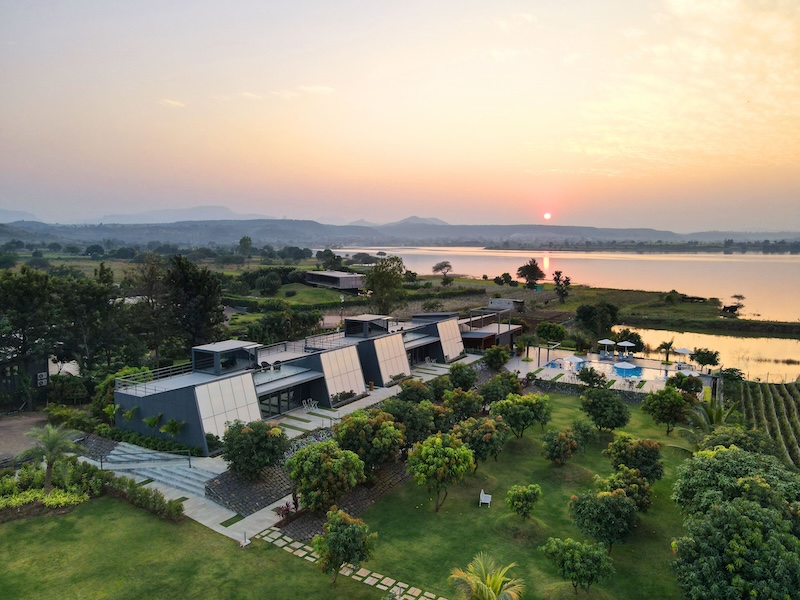
Established in 1999 by entrepreneur Rajeev Samant, Sula Vineyards pioneered modern viticulture in Western India and turned Nashik into a globally recognized wine destination. Spanning over 3,000 acres of estate vineyards near the quiet Gangapur Dam backwaters, Sula introduced grape varieties such as Sauvignon Blanc, Chenin Blanc, Shiraz, and Zinfandel to Indian soil. Today, Sula is not merely a winery; it is a full-fledged lifestyle destination offering luxury resort stays, vineyard walk-throughs, tasting sessions, and fine dining surrounded by manicured grape vines.
Key Attractions
The central attraction at Sula is the guided winery tour, which takes visitors behind the scenes of the winemaking process—from harvesting and crushing to fermentation, barrel aging, and bottling. The experience culminates in a curated wine-tasting session held inside an air-conditioned tasting cellar or out on the elevated balcony terrace overlooking the rolling vineyards and Gangapur Lake. The property features two on-site restaurants, Little Italy and Rasa, serving authentic Italian wood-fired pizzas and rich Indian regional cuisine. For overnight guests, "The Source at Sula" offers Tuscan-style resort accommodations right inside the vineyard grounds.
Visitor Information
- Timings: 11:30 AM to 10:30 PM (Daily). Tasting tours run hourly from 11:30 AM to 6:30 PM.
- Entry Fee: Approximately ₹200 to ₹1,000 per person, depending on whether you opt for standard entry or comprehensive tasting packages with a certified sommelier.
- Best Time to Visit: The ideal period is the grape harvesting and crushing season between January and March, when the vines are loaded with sweet grapes.
How to Experience
Book your tour slot online in advance if visiting on a weekend. Arrive by late afternoon around 4:00 PM to complete the winery walkthrough and tasting session. Afterwards, head up to the open-air Balcony Bar to enjoy a glass of chilled sparkling wine while watching the sunset over the serene Gangapur backwaters. If you prefer a quieter atmosphere, visit on a Tuesday or Wednesday afternoon when crowds are minimal.
3. Panchavati and Sita Gufa
Overview & History
Panchavati is the historical and spiritual heart of old Nashik town. The name 'Panchavati' is derived from two Sanskrit words—'Panch' meaning five and 'Vati' meaning banyan trees. According to the Ramayana, this area served as the temporary abode for Lord Rama, Goddess Sita, and Lakshmana during their exile. It is also the legendary site from where the demon king Ravana abducted Goddess Sita. Today, Panchavati functions as a dense, vibrant cultural quarter filled with ancient temples, bustling traditional markets, and holy bathing steps along the banks of the river Godavari.
Key Attractions
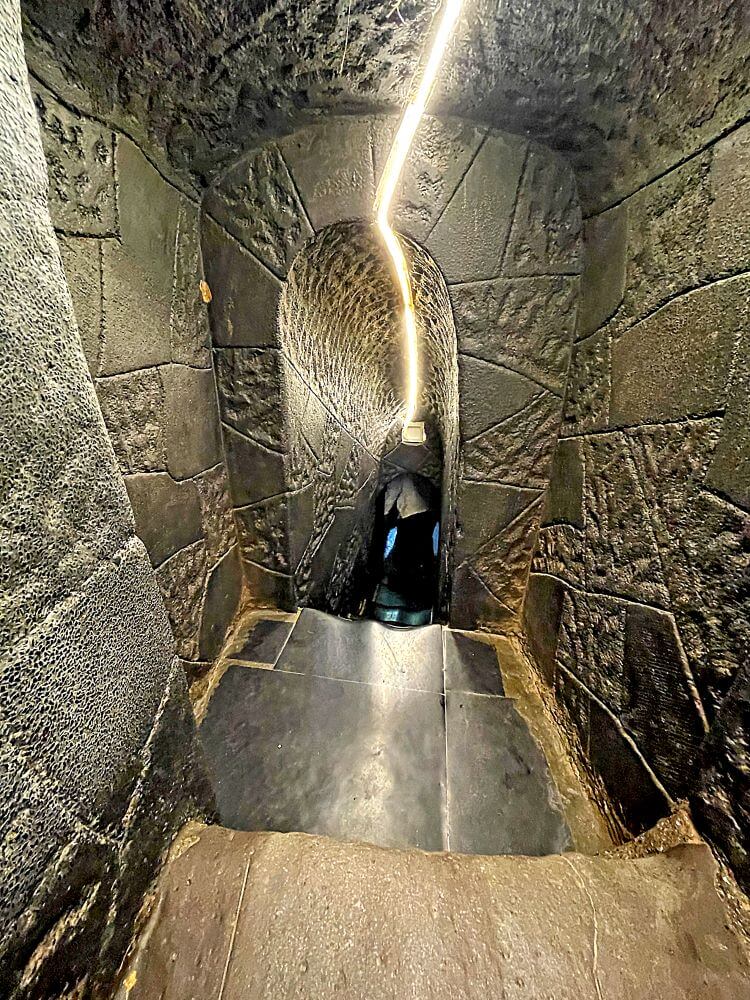
The primary landmark here is the Kalaram Temple, an architectural marvel constructed completely out of hand-carved black stones in 1782 by Sardar Rangarao Odhekar. Nearby lies Sita Gufa, a narrow underground cavern system accessed by steep stone stairs where Goddess Sita is believed to have worshipped Lord Shiva. Outside the cave complex stand five towering banyan trees that give the locality its name. A short walk brings you to Ram Kund, the central holy bathing ghat on the Godavari River, where thousands of pilgrims gather daily to take immersion dips and perform ancestral rites.
Visitor Information
- Timings: Temples operate generally from 6:00 AM to 8:00 PM; Sita Gufa entry closes around 6:00 PM.
- Entry Fee: Free for all sites. Small donations are optional at individual shrines.
- Best Time to Visit: October to March when the weather is cool and comfortable for walking through the old lanes.
How to Experience
Start your exploration early in the morning at Ram Kund to observe the atmospheric morning Aarti and ritual baths. Walk through the narrow lane markets selling brass items, pooja materials, and traditional spices toward the Kalaram Temple. Be prepared to crouch down low when entering Sita Gufa, as the original passageways are low and narrow. Finish your heritage tour by visiting the nearby Kapaleshwar Mahadev Temple—a rare Shiva temple where there is no statue of Nandi the bull facing the linga.
4. Saptashrungi Devi Temple, Vani
Overview & History
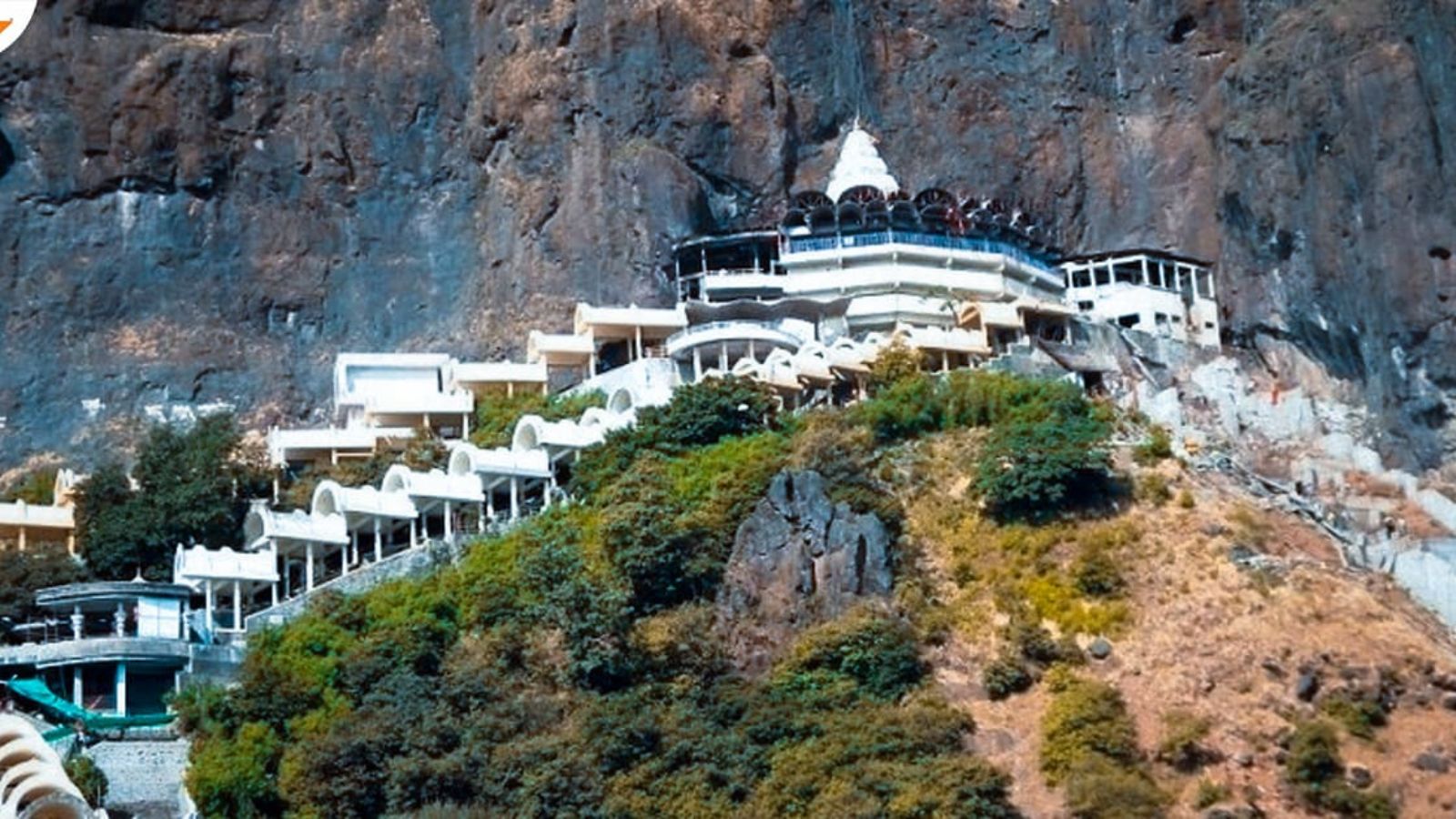
Perched high on a cliff surrounded by seven distinct mountain peaks in Vani, about 60 kilometers north of Nashik, Saptashrungi Devi Temple is one of Maharashtra's most powerful spiritual sites. The name Saptashrungi translates to "Seven Mountain Peaks." It is recognized as one of the 51 Shakti Peethas in the Indian subcontinent and forms part of the revered "Three and a Half Shakti Peethas" circuit of Maharashtra. Legend states that the right arm of Goddess Sati fell at this location, making it an extraordinarily potent center for Tantric and devotional traditions.
Key Attractions
The principal deity is an imposing eight-foot-tall idol of Goddess Saptashrungi Nivasini, carved directly into the sheer natural rock face of the mountain cliff. The deity has eighteen arms, each holding a different weapon gifted by the gods to slay the demon Mahishasura. The hillside path offers breathtaking views of the rugged Sahyadri mountain ranges, deep forest valleys, and distant agricultural fields. The temple modernizations include an inclined funicular ropeway system that transports visitors safely up the steep cliffside in less than three minutes.
Visitor Information
- Timings: 5:00 AM to 9:00 PM (Daily). Funicular operates from 6:00 AM to 7:00 PM.
- Entry Fee: Free general entry. Funicular railway ticket costs approximately ₹100 to ₹150 for a round trip.
- Best Time to Visit: During the grand Navratri festival (September/October) or in the monsoon season (July-September) when dramatic clouds envelop the peaks.
How to Experience
Hire a private taxi or take a state transport bus from Nashik early in the morning to arrive at the base village of Vani before 9:00 AM. While energetic devotees can climb the original 500 stone steps to reach the hilltop sanctuary, taking the funicular ropeway offers panoramic views of the valley below. Ensure you wear comfortable clothing, and keep snacks securely inside your bags as monkeys are common along the footpaths.
5. Pandavleni Caves (Trirashmi Caves)

Overview & History
Carved into the northern slopes of Trirashmi Hill along the Nashik-Mumbai highway, Pandavleni Caves are a complex of 24 rock-cut Buddhist caves dating between the 1st century BCE and the 3rd century CE. Contrary to local folklore linking them to the Pandavas of the Mahabharata, these caves are historically known as Trirashmi Caves and belong to the Hinayana tradition of Theravada Buddhism. They were created under the patronage of the Satavahana and Kshatrapa dynasties to serve as rainy-season shelters (Viharas) and prayer halls (Chaityas) for Buddhist monks traveling along ancient trade routes.
Key Attractions
Cave 3 and Cave 10 are the most ornate structures within the complex. Cave 3 features a grand Vihara with impressive stone pillars carved with figures of elephants, bulls, and yakshas, alongside intricate doorways and a central stupa. Cave 10 houses ancient Brahmi stone inscriptions that provide invaluable historical insights into royal land grants and local trade guilds of ancient Western India. The hill summit offers sweeping views of modern Nashik city, the highway network, and the surrounding green countryside.
Visitor Information
- Timings: 8:30 AM to 5:30 PM (Daily).
- Entry Fee: Nominal fee of ₹25 for Indian citizens; ₹300 for foreign national tourists. Free for children below 15 years.
- Best Time to Visit: Early morning or late afternoon during winter (October-February) to avoid direct heat during the uphill climb.
How to Experience
Reach the base gate early around 8:30 AM before the daytime temperatures rise. The climb consists of roughly 250 to 300 well-laid stone steps that take about 20 to 30 minutes to ascend. Carry a bottle of water and wear non-slip walking shoes. Allocate around two hours to explore the dark, cool interiors of the major caves and examine the stone reliefs. At the base of the hill, you can also visit the Dadasaheb Phalke Smarak, a museum complex dedicated to the father of Indian cinema.
Best Time to Visit Nashik
Selecting the right season to visit Nashik depends on the kind of experience you are seeking—whether spiritual pilgrimages, vineyard wine-tasting tours, or monsoon hill treks.
| Season | Months | Temperature Range | Highlights & Reasons to Visit |
|---|---|---|---|
| Winter (Best Time) | October to March | 12°C - 28°C | Pleasant, cool weather ideal for sightseeing, temple tours, outdoor climbing, and vineyard grape-harvesting events (Jan-Mar). |
| Monsoon | July to September | 20°C - 27°C | Lush green landscapes, full waterfalls, cool mountain breezes, perfect for photography and trips to Saptashrungi and Brahmagiri. |
| Summer | April to June | 24°C - 38°C | Hot afternoons; good time for off-peak hotel discounts and quiet evening winery visits by the dam lakes. |
How to Reach Nashik
By Air
Nashik has its own domestic airport, Ozar Airport (ISK), situated roughly 24 kilometers northeast of the city center. It connects Nashik with major domestic hubs such as New Delhi, Hyderabad, Ahmedabad, and Bengaluru via regular flights. Alternatively, Chhatrapati Shivaji Maharaj International Airport (BOM) in Mumbai is the nearest major international terminal, located approximately 165 kilometers away (a 3.5 to 4-hour drive via the Mumbai-Nashik Expressway).
By Rail
Nashik Road Railway Station (NK) is a major junction on the Central Railway network, situated about 9 kilometers from the main city area. It enjoys high-frequency rail connections with Mumbai, Pune, Nagpur, Delhi, Kolkata, and South India. Express trains like the Panchavati Express, Jan Shatabdi, and Deccan Queen operate daily services between Mumbai CST and Nashik Road, taking roughly 3.5 to 4 hours.
By Road
Nashik is well-connected by smooth National Highways. National Highway 160 links it directly to Mumbai (165 km), while National Highway 60 connects it directly to Pune (210 km). Premium Maharashtra State Road Transport Corporation (MSRTC) "Shivneri" AC buses, as well as several private luxury sleeper coaches, run frequently between Mumbai, Pune, Shirdi, Surat, and Nashik throughout the day and night.
Local Food & Culinary Highlights
Nashik’s culinary landscape is famous for bold, spicy Maharashtrian flavors along with modern vineyard dining options. Here are the must-try local delicacies and where to find them:
- Nashik Misal Pav: A spicy, aromatic curry made of sprouted lentils topped with crunchy farsan, chopped onions, coriander, and fresh lime, served with soft buttered pav. Nashik misal is world-famous for its rich, oily 'Rassa' or 'Tikat Kat'. Top places to try include Sadhana Chulivarchi Misal, Grape County Misal, and Katkirr Misal.
- Sabudana Vada: Crispy deep-fried tapioca patties filled with crushed peanuts and green chilies. Visit the legendary Sayantara in the old Panchavati market area for the best Sabudana Vadas served with sweet peanut chutney.
- Kondaji Chivda: A famous local savory snack made from flattened rice flakes, fried dry fruits, peanuts, and aromatic spices. Grab fresh packs from Kondaji Chivda stores in old Nashik to take back home.
- Vineyard Estate Dining: Enjoy artisan cheeses, wood-fired stone pizzas, pasta, and pan-seared meats paired with locally produced Reserve Cabernet Sauvignon or Sauvignon Blanc at fine dining venues like Little Italy at Sula or Soma Vine Village.
10 Practical Travel Tips for Nashik
- Dress Modestly at Temples: Keep shoulders and knees covered when visiting sacred sites like Trimbakeshwar, Kalaram Temple, and Saptashrungi Devi. Men may need traditional clothing for specific rituals.
- Pre-Book Vineyard Tours: Vineyard tasting slots at Sula or Soma fill up quickly on weekends. Book online a few days ahead to reserve your spot.
- Start Cave Climbs Early: Ascend Pandavleni Caves before 9:00 AM to avoid the midday sun, as the stone steps offer limited shade.
- Carry Cash for Local Markets: While major restaurants and wineries accept cards and UPI, small street vendors in Panchavati and local auto drivers prefer cash.
- Rent a Cab for Day Trips: Outlying attractions like Saptashrungi (60 km) and Trimbakeshwar (28 km) are easiest to reach by hiring a private taxi for the day.
- Check VIP Passes Online: Avoid standing in 2 to 3-hour queues at Trimbakeshwar by purchasing official VIP Darshan passes online or at designated counters.
- Drive Carefully in Monsoon: Heavy rains can cause reduced visibility and slick roads along the Sahyadri ghat passes (Ghoti-Igatpuri route). Take it slow.
- Stay Hydrated: Bring reusable water bottles along on climbs to Pandavleni or Brahmagiri, as there are no shops midway up the trails.
- Respect Photography Rules: Photography is strictly forbidden inside the inner sanctums of Trimbakeshwar and Kalaram Temple. Pay attention to local signage.
- Beware of Monkeys: Keep food, plastic bags, and sunglasses safely inside your backpack when climbing Saptashrungi Devi or Brahmagiri Hill.
Suggested 2-Day Nashik Itinerary
Day 1: Spiritual Heritage & Ancient Caves
- 07:00 AM – 10:30 AM: Drive to Trimbakeshwar Temple (28 km from city). Complete your darshan and take a walk around the sacred Kusavarta Kund.
- 11:00 AM – 12:30 PM: Stop at Pandavleni Caves on your return route. Climb up to inspect the ancient Buddhist rock-cut architecture.
- 01:00 PM – 02:30 PM: Enjoy an authentic spicy Maharashtrian lunch featuring traditional Misal Pav at Sadhana Chulivarchi Misal.
- 03:00 PM – 06:00 PM: Explore the spiritual heart of the old city—visit Panchavati, Kalaram Temple, and Sita Gufa.
- 06:30 PM – 07:30 PM: Attend the soothing evening Godavari Aarti along the illuminated steps of Ram Kund.
- 08:00 PM: End your day with a traditional Maharashtrian or North Indian thali in the city center.
Day 2: Scenic Heights & Wine Country Experience
- 07:00 AM – 11:30 AM: Take an early drive to Saptashrungi Devi Temple in Vani (60 km). Ride the funicular cable railway up to offer prayers and admire the mountain views.
- 12:30 PM – 02:00 PM: Head back toward Nashik city and stop for lunch along the way.
- 02:30 PM – 06:30 PM: Spend a relaxed afternoon at Sula Vineyards. Take a guided winery tour, learn about the winemaking process, attend a curated tasting session, and watch the sunset from the terrace over Gangapur Lake.
- 07:00 PM onwards: Conclude your holiday with an open-air dinner paired with local reserve wine at the vineyard restaurant before heading back to your hotel.
Frequently Asked Questions (FAQs)
1. How many days are sufficient to explore Nashik?
A 2-day, 1-night trip is ideal to cover Nashik's top 5 attractions comfortably. This allows one dedicated day for spiritual sites like Trimbakeshwar and Panchavati, and another day for Saptashrungi Devi and a vineyard tour at Sula.
2. What is the distance between Mumbai and Nashik, and how long does it take?
The distance between Mumbai and Nashik is approximately 165 kilometers via NH 160. Driving or taking a taxi typically takes around 3.5 to 4.5 hours depending on traffic conditions along the Igatpuri ghat section.
3. Are kids and non-drinkers allowed inside Sula Vineyards?
Yes, Sula Vineyards is family-friendly. Children and non-drinkers can enter the estate, join the vineyard walk, and dine at the on-site restaurants. However, wine-tasting sessions are strictly restricted to adults aged 21 and above.
4. What is the best month to visit Nashik vineyards?
The best time to visit Nashik's vineyards is during the harvest season between January and March. This is when the vines are loaded with ripe grapes, and wineries often organize grape-stomping events and seasonal festivals.
5. Is VIP Darshan available at Trimbakeshwar Temple?
Yes, Trimbakeshwar Temple offers paid VIP Darshan passes (priced at around ₹200 per person) that allow visitors to enter through an expedited line, cutting down wait times significantly during busy weekends and holidays.
6. How do I travel locally within Nashik?
You can use auto-rickshaws, city buses, or app-based cab services like Uber and Ola for travel within the city. For outtown excursions to Trimbakeshwar, Saptashrungi, or Gangapur Dam, hiring a private taxi for the full day is the most comfortable option.
7. Is photography permitted at all major tourist places in Nashik?
Photography is allowed at most spots including Sula Vineyards, Pandavleni Caves, and the outer courtyards of temples. However, cameras and mobile phone photography are strictly prohibited inside the main sanctum sanctorums of religious sites like Trimbakeshwar Temple.
8. What are the best local items to purchase in Nashik?
Popular local items to shop for include locally produced wines from vineyards, Kondaji Chivda, fresh grapes and raisins (in season), brass pooja items from the Panchavati old markets, and traditional Paithani silk sarees.
Conclusion
Nashik stands out as one of Maharashtra's most versatile travel destinations. It smoothly bridges the gap between deep-rooted spiritual heritage and modern lifestyle escapes. Where else can you spend a serene morning exploring ancient 2,000-year-old rock-cut Buddhist caves or standing at the banks of sacred river ghats, and follow it up with a relaxing afternoon sipping award-winning wines over panoramic vineyard views?
From the holy chimes of Trimbakeshwar and the historic lanes of Panchavati to the towering cliffs of Saptashrungi and the scenic retreats around Gangapur Dam, Nashik offers memorable experiences for every kind of traveler. Whether you are traveling with family, planning a romantic weekend getaway, or taking a solo trip through Western India, this complete Nashik travel guide will help you craft a seamless itinerary. Pack your bags, book your tours, and set off to explore the legendary sights, flavors, and landscapes of Maharashtra's wine capital!



0 Comments