
Top 5 Places to Visit in Parbhani, Maharashtra: A Complete Travel Guide
Nestled in the heart of the Marathwada region of Maharashtra, Parbhani is a destination steeped in rich historical heritage, profound spiritual traditions, and serene natural landscapes. Originally known as 'Prabhavatiningari' after the ancient Goddess Prabhavati, the district has evolved into a vibrant cultural crossroads where diverse religious traditions coexist in remarkable harmony. For offbeat travelers, spiritual seekers, and history enthusiasts, exploring the best places to visit in Parbhani offers a refreshing escape from mainstream tourist circuits, presenting an authentic look into traditional Maharashtrian culture and countryside charm.
From centuries-old rock-cut cave temples and sacred riverfront shrines to magnificent Sufi dargahs and sprawling water reservoirs, Parbhani features a surprising array of attractions. The district sits along the fertile banks of the Godavari and Purna rivers, surrounded by agricultural plains that burst into lush green hues following the monsoon season. Whether you are planning a weekend pilgrimage, an educational heritage trail, or a quiet retreat into nature, Parbhani welcomes visitors with warm hospitality, mouth-watering regional cuisine, and deep-rooted legacy.
This comprehensive travel guide explores the top tourist places in Parbhani, providing in-depth insights into each destination, practical transportation details, local food recommendations, a curated two-day itinerary, and essential travel tips. Read on to unlock the best kept secrets of this captivating Marathwada district.
Table of Contents
- 1. Hazrat Turabul Haq Dargah
- 2. Mudgaleshwar Temple, Mudgal
- 3. Nemgiri Jain Temples, Jintur
- 4. Shree Trimbakeshwar Temple, Pokharni
- 5. Yeldari Dam
- Best Time to Visit Parbhani
- How to Reach Parbhani
- Local Food & Culinary Experiences in Parbhani
- Essential Travel Tips for Parbhani
- Suggested 2-Day Parbhani Travel Itinerary
- Frequently Asked Questions (FAQs)
- Conclusion
1. Hazrat Turabul Haq Dargah
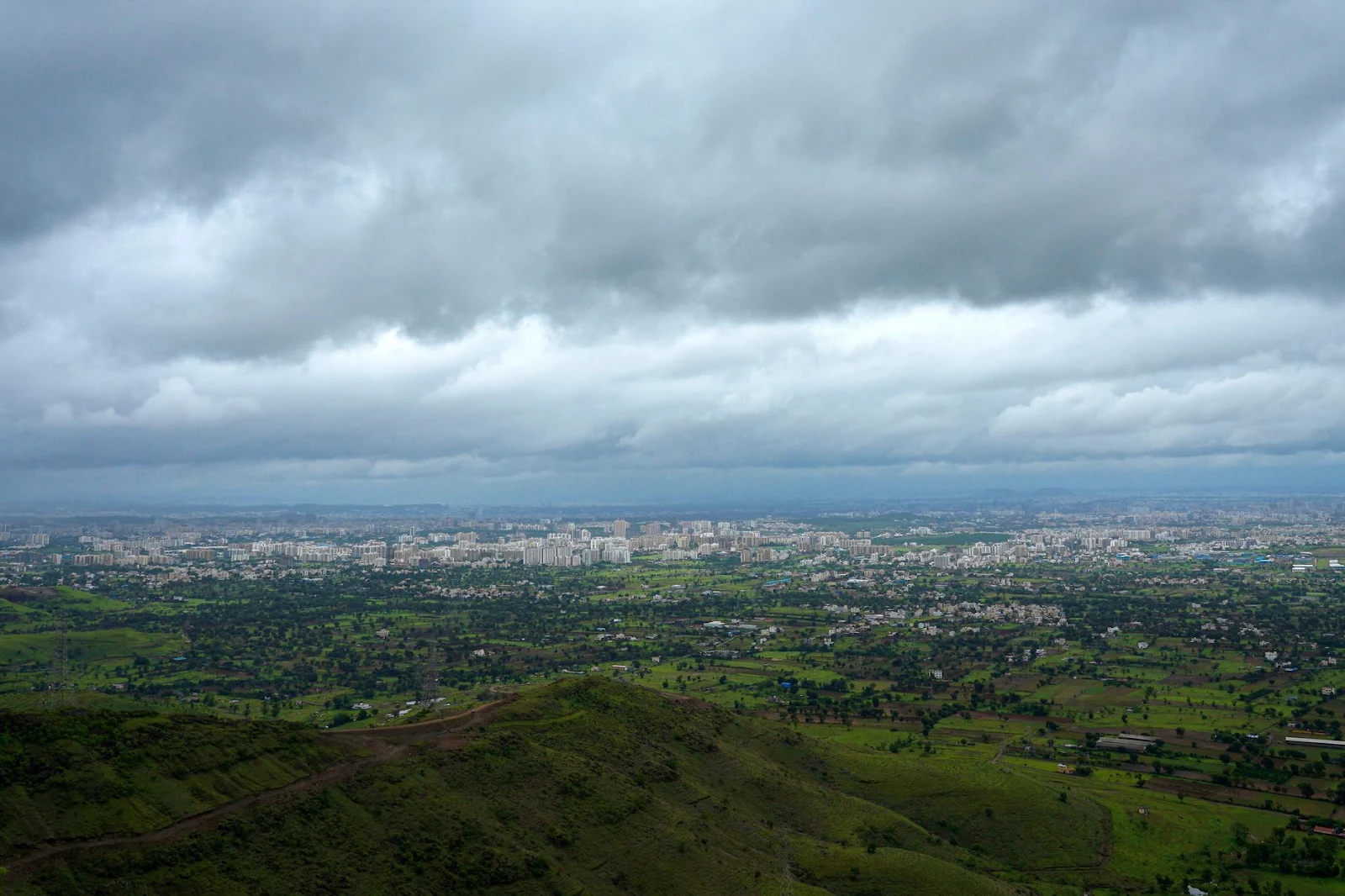
Located right in the heart of Parbhani city, the Hazrat Turabul Haq Dargah is undoubtedly one of the most famous and culturally significant landmarks in the region. Dedicated to the revered 11th-century Sufi saint Hazrat Turabul Haq Shah Quadri, this grand mausoleum stands as a glowing symbol of communal harmony and universal brotherhood. Thousands of devotees belonging to all faiths—Hindus, Muslims, Sikhs, and Christians—visit the shrine daily to seek blessings, offer floral chadds, and find mental peace in its soul-stirring spiritual ambiance.
Historical & Cultural Significance
Hazrat Turabul Haq Shah Quadri spent his life preaching love, humility, and spiritual unity across Marathwada. The dargah complex was constructed to honor his legacy and features exquisite Indo-Islamic architectural elements, including towering minarets, a beautiful white dome, and intricately carved archways. The shrine is particularly renowned for its annual 10-day Urs festival held every February, which attracts over half a million pilgrims from across India. During this festival, the entire city comes alive with lights, devotional music, and vibrant local bazaars.
Key Highlights & What to Do
- Offer Prayers & Chaddar: Visitors line up to offer traditional floral sheets (chaddar) and fragrant incense at the main sanctum.
- Experience Divine Qawwali: On Thursday evenings and during festival days, local and visiting Qawwali singers perform uplifting Sufi music in the courtyard.
- Explore the Urs Fair: If visiting during February, explore the bustling Urs fair featuring traditional handicrafts, rides, food stalls, and cultural performances.
- Marvel at the Architecture: Take time to admire the marble work, floral motifs, and serene inner courtyard designed for quiet contemplation.
Entry Fee & Timings
There is no entry fee to visit Hazrat Turabul Haq Dargah. The shrine remains open to all visitors every day from 5:00 AM to 10:00 PM.
Best Time & Duration
The best time to visit is during the winter months from November to February, ideally during the annual Urs festival. Plan to spend around 1 to 2 hours here.
2. Mudgaleshwar Temple, Mudgal
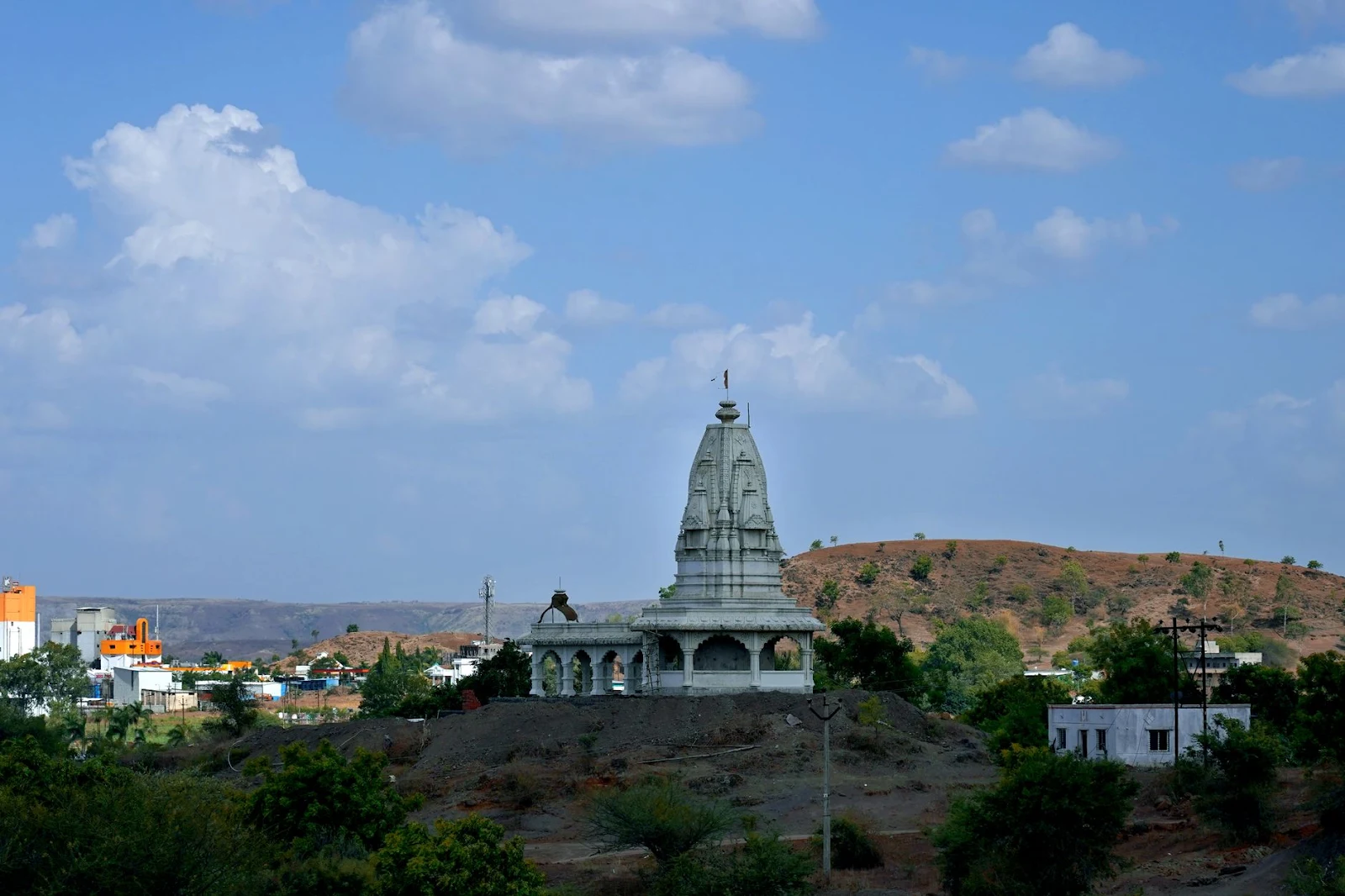
Situated approximately 45 kilometers from Parbhani city along the banks of the sacred Godavari River lies Mudgaleshwar Temple, one of the most remarkable and unique Shiva shrines in Marathwada. What makes this temple truly extraordinary is its unique geographical setting—it is built on a rocky island right in the middle of the flowing riverbed. Surrounded by water for most of the year, reaching the sanctum requires a scenic boat ride, making a pilgrimage here both a spiritual quest and an exhilarating adventure.
Historical & Cultural Significance
The temple is dedicated to Lord Shiva in the form of Mudgaleshwar (associated with Sage Mudgala, who is believed to have performed severe penance here in ancient times). The current stone structure dates back several centuries, showcasing classical Hemadpanthi architecture crafted from heavy black basalt stone. Interestingly, during the peak monsoon season when the Godavari overflows, the lower sections of the temple submerge underwater, creating a mesmerizing sight where Lord Shiva's lingam receives a natural ritual bath (abhishekam) from the river itself.
Key Highlights & What to Do
- River Boat Ride: Board local wooden motorboats to cross the Godavari River and reach the island temple complex.
- Ancient Hemadpanthi Carvings: Inspect the intricate stone carvings, carved pillars, and ancient statues preserved within the inner sanctum.
- Riverbed Views: Take in breathtaking 360-degree views of the sprawling Godavari River and surrounding green countryside.
- Mahashivratri Celebrations: Attend the grand annual festival when thousands of pilgrims congregate on the riverbanks for special pujas and night-long vigils.
Entry Fee & Timings
Entry to the temple is completely free. However, boatmen charge a nominal fee of ₹30 to ₹50 per person for the round-trip boat transfer. The temple is open daily from 6:00 AM to 7:30 PM.
Best Time & Duration
The ideal time to visit Mudgaleshwar Temple is between October and March when river water levels are safe and pleasant for boating. Expect to spend 2 to 3 hours for the total visit including the boat ride.
3. Nemgiri Jain Temples, Jintur
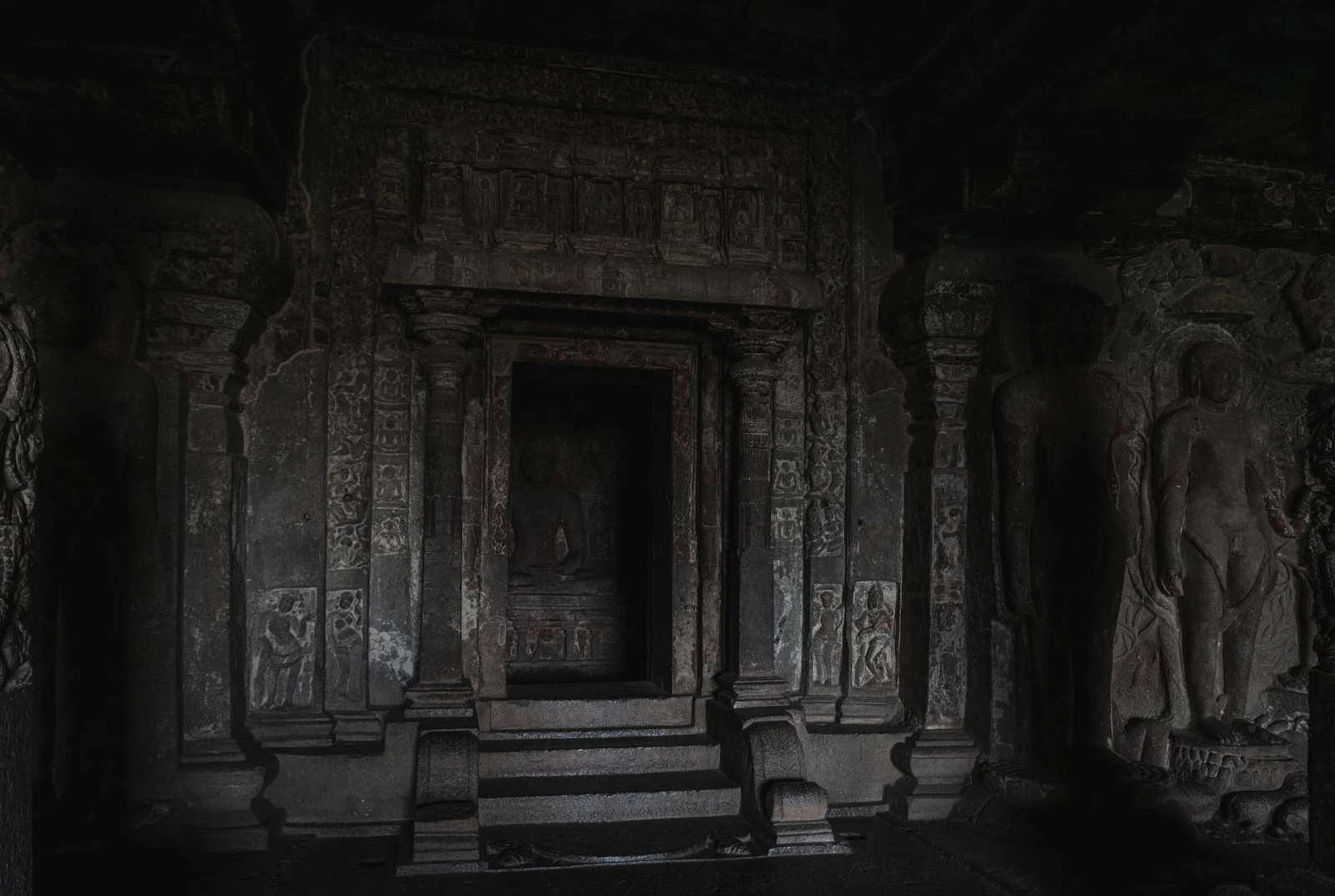
Located near Jintur town, roughly 42 kilometers north of Parbhani city, Nemgiri is an ancient Digambar Jain pilgrimage site nestled amid calm hillocks. Perched on a quiet hill slope, Nemgiri features a fascinating complex of seven sub-terranean rock-cut cave temples dating back over a thousand years. Famous for housing massive monolithic idols of Jain Tirthankaras carved directly out of natural rock faces, Nemgiri is widely considered one of the top places to visit in Parbhani for history buffs, archaeologists, and spiritual travelers.
Historical & Cultural Significance
Archaeological evidence suggests that these cave temples were sculpted during the 9th and 10th centuries under the patronage of the Rashtrakuta dynasty. Each of the seven caves houses distinct idols of Tirthankaras, including Bhagwan Mahavira, Bhagwan Parshvanath, Bhagwan Neminath, and Bhagwan Bahubali. The standout highlight is the magnificent 14-foot tall idol of Lord Neminath carved in a seated lotus (Padmasana) posture out of a single rock, demonstrating extraordinary craftsmanship from medieval India.
Key Highlights & What to Do
- Explore the 7 Rock Caves: Walk through the historic rock-cut chambers and admire ancient inscriptions written in Devanagari and Kannada scripts.
- Marvel at Monolithic Idols: Stand in awe before the towering 14-foot Lord Neminath statue and the unique idol of Lord Parshvanath protected by a multi-hooded cobra canopy.
- Enjoy Scenic Hilltop Views: Climb the paved stone steps leading up the hill to enjoy sweeping panoramic views of Jintur's lush landscape.
- Peaceful Meditation: Spend time sitting quietly inside the cool stone chambers, known for their tranquil and deeply meditative atmosphere.
Entry Fee & Timings
Entry to Nemgiri Jain Temples is free. The cave complex remains open every day from 6:00 AM to 6:00 PM.
Best Time & Duration
The winter months from October to February are best for climbing the hill comfortably. Allocate approximately 2 to 3 hours to explore all seven caves and the surrounding complex.
4. Shree Trimbakeshwar Temple, Pokharni
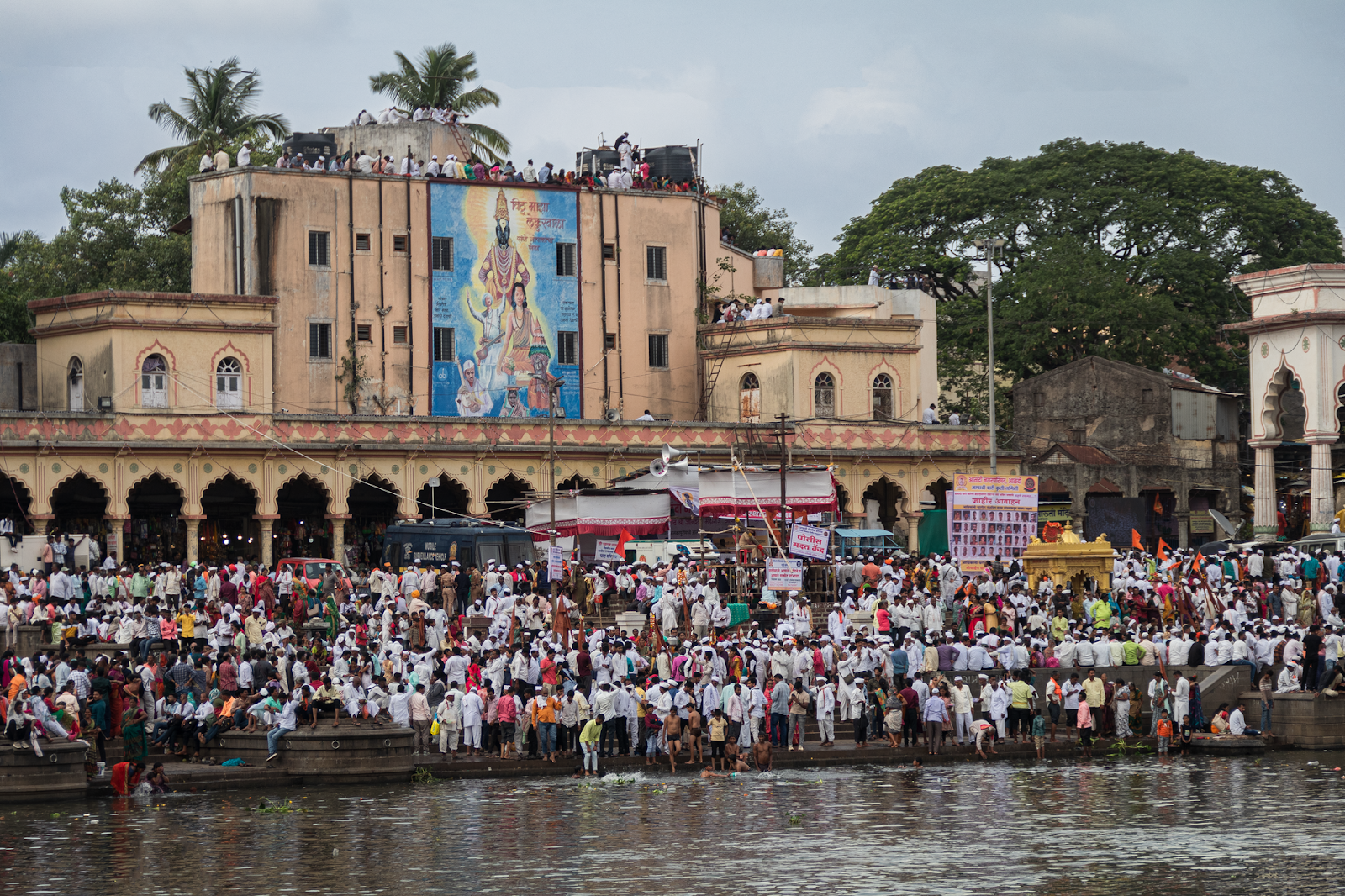
Pokharni, a quiet village situated about 18 kilometers from Parbhani city, is home to the stunning Shree Trimbakeshwar Temple. While many travelers associate Trimbakeshwar exclusively with Nashik, this magnificent shrine in Pokharni holds immense local reverence and is celebrated for its glorious architectural heritage. Built centuries ago, the temple complex features grand stone structures, elaborate carvings, and a classic step-well (Kalyani) that reflects traditional Maharashtrian temple building artistry.
Historical & Cultural Significance
Dedicated to Lord Shiva, the Pokharni Trimbakeshwar Temple was constructed using massive black basalt stones during the medieval period under Hemadpanthi style influences. The temple architecture utilizes clever interlocking stone techniques without mortar, enabling it to withstand centuries of environmental changes. Dedicated devotees believe that offering prayers at this shrine brings emotional balance and spiritual clarity, making it a crucial stop on any cultural tour of Parbhani district.
Key Highlights & What to Do
- Appreciate Medieval Stonework: Examine the deeply detailed stone pillars, sculpted ceiling panels, and intricate outer wall carvings depicting mythological themes.
- Visit the Temple Step-Well: Walk down to the historic water tank (Kalyani) located inside the complex, featuring beautifully symmetrical stone staircases.
- Attend Daily Aarti: Experience the resonant sounds of brass bells, drums, and chants during the morning or evening worship ceremonies.
- Photography: Capture artistic photos of ancient Indian stone architecture against bright blue skies.
Entry Fee & Timings
There is no entrance fee. The temple welcomes devotees daily from 5:30 AM to 8:30 PM.
Best Time & Duration
The temple is pleasant to visit year-round, though winter mornings (October to March) offer the best weather. Spend around 1 to 2 hours here.
5. Yeldari Dam
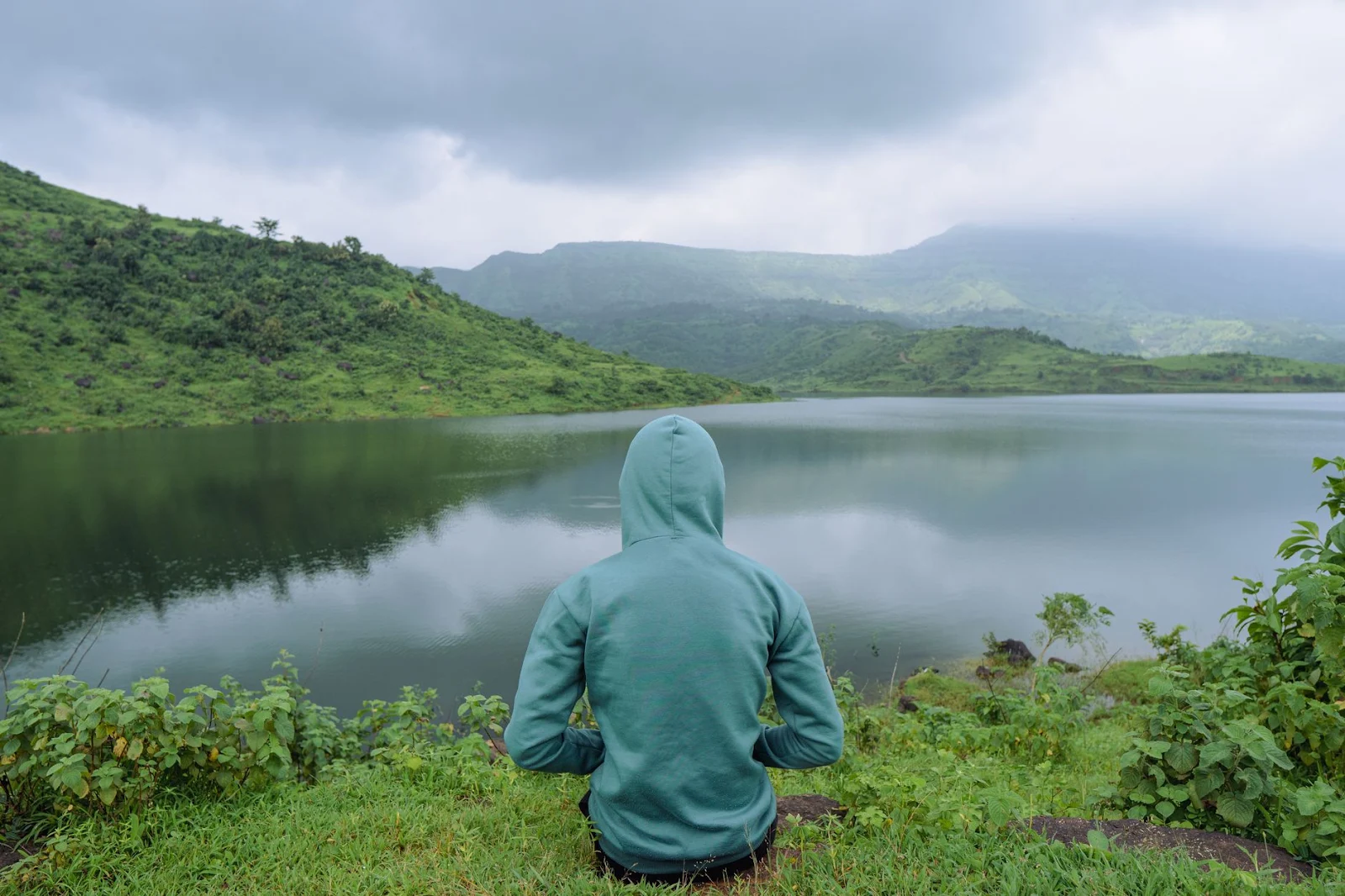
For nature lovers, bird watchers, and families looking for a relaxing day outdoors, Yeldari Dam is an absolute must-visit destination in Parbhani district. Constructed across the scenic Purna River near Jintur taluka, Yeldari Dam is the second-largest earthfill dam in the Marathwada region. The dam creates a massive water reservoir surrounded by rolling green hills, making it a peaceful sanctuary far away from city noise.
Historical & Cultural Significance
Built during the 1960s as a major irrigation and hydroelectric power project, Yeldari Dam transformed the agricultural economy of Parbhani and surrounding districts. Beyond its economic importance, the vast waterbody has naturally developed into a thriving wetland eco-system, attracting dozens of resident and migratory bird species during the autumn and winter months.
Key Highlights & What to Do
- Panoramic Waterway Views: Walk along designated viewing points to gaze out across the vast, blue expanse of the reservoir.
- Bird Watching: Bring binoculars during winter to spot flamingos, egrets, herons, kingfishers, and migratory waterfowl.
- Picnic with Family: Relax in the landscaped green gardens near the dam site, perfect for family picnics and leisure strolls.
- Sunset Photography: Capture dramatic golden sunsets over the calm waters of the Purna River reservoir.
Entry Fee & Timings
Entry to public viewing areas around the dam is free. Open daily from 8:00 AM to 5:30 PM. (Note: Access to the main hydroelectric power unit requires prior government permission).
Best Time & Duration
The best months to visit Yeldari Dam are from August to January when the water levels are high, the landscape is vibrant green, and migratory birds arrive. Plan for a 2-hour visit.
Best Time to Visit Parbhani
Parbhani experiences a tropical climate with dry winters, hot summers, and moderate monsoon rainfall. Choosing the right season will ensure your sightseeing experience remains comfortable and enjoyable.
- Winter Season (October to March) - BEST TIME: Winter is undoubtedly the ideal season to visit Parbhani. Temperatures range comfortably between 15°C and 28°C, making outdoor sightseeing, temple visits, and hill climbs at Nemgiri pleasant. Major cultural events like the Hazrat Turabul Haq Dargah Urs also take place during February.
- Monsoon Season (July to September): Monsoons bring welcome relief from heat, transforming the countryside into a lush green haven. Lakes and rivers fill up, making spots like Yeldari Dam and Mudgaleshwar Temple visually stunning. However, heavy rains may occasionally affect travel schedules.
- Summer Season (April to June): Summers in Marathwada can be extremely hot, with afternoon temperatures routinely exceeding 40°C to 42°C. Sightseeing during midday can be exhausting. If traveling in summer, schedule all outdoor activities for early mornings or late evenings.
How to Reach Parbhani
Parbhani is well-connected to major metropolitan cities across Maharashtra and neighboring states through a comprehensive network of railways and highways.
By Air
Parbhani does not have its own commercial airport. The nearest operational domestic airport is Shri Guru Gobind Singh Ji Airport in Nanded (NED), located approximately 75 kilometers away. Nanded airport offers regular direct flights to cities like Mumbai, Delhi, and Hyderabad. Alternatively, Chhatrapati Sambhajinagar (Aurangabad) Airport (IXU) is situated around 200 kilometers from Parbhani and provides broader connectivity across India. Cabs and buses are readily available from both airports to Parbhani.
By Train
Parbhani Junction (PBN) is a prominent railway station on the South Central Railway network. It enjoys excellent direct connectivity with major Indian cities including Mumbai, Pune, Hyderabad, Bengaluru, Nagpur, Delhi, and Aurangabad. Express trains like the Devagiri Express, Tapovan Express, and Ajanta Express stop at Parbhani Junction regularly.
By Road
Parbhani is well connected by state highways to key regional centers like Nanded (75 km), Jalna (130 km), Chhatrapati Sambhajinagar (200 km), and Hyderabad (320 km). Maharashtra State Road Transport Corporation (MSRTC) operates frequent ordinary and luxury sleeper buses connecting Parbhani with Mumbai, Pune, Nashik, and Nagpur. Private AC sleeper buses are also widely available.
Local Food & Culinary Experiences in Parbhani
Food in Parbhani reflects authentic Marathwadi culinary traditions—bold, spicy, rich in flavor, and rooted in local produce like jowar (sorghum), groundnuts, sesame seeds, and red chilies. Here are the top dishes you must try during your visit:
- Pithla Bhakri: A comforting staple dish consisting of a thick, spiced chickpea flour curry (Pithla) served hot with freshly roasted sorghum flatbreads (Jowar Bhakri), raw onions, and fiery green chili chutney (Thecha).
- Hurda (Seasonal Winter Snack): If you visit Parbhani between December and February, do not miss tasting Hurda—fresh tender green sorghum stalks roasted over hot coal embers and served with garlic chutney, jaggery, and sesame mix.
- Varadi & Marathwadi Spiced Mutton Curry: Non-vegetarian food lovers will enjoy local meat preparations cooked in dark roasted coconut and black spice masalas (Kala Masala), served with piping hot bhakri.
- Shenga Chutney (Peanut Chutney): A signature dry condiment made from roasted peanuts, red chili powder, garlic, and cumin that elevates every meal.
- Local Sweets: Indulge in warm Puran Poli (sweet lentil stuffed flatbread) served with melted ghee, or sample freshly made milk pedhas from local sweet shops in Parbhani market.
Essential Travel Tips for Parbhani
- Dress Modestly: Parbhani features active places of worship including temples and dargahs. Dress conservatively by covering shoulders and knees when visiting religious sites.
- Remove Footwear at Shrines: Always remove shoes before entering temple premises or dargah sanctums. Dedicated footwear stands are available at most major spots.
- Carry Cash: While UPI digital payments are increasingly accepted in city shops, small roadside stalls, auto drivers, and rural vendors near temples may prefer cash. Keep sufficient Indian Rupees handy.
- Stay Hydrated: Marathwada weather can be dry and warm even during off-summer months. Always carry a reusable water bottle during outdoor excursions.
- Hire Local Auto-Rickshaws: Auto-rickshaws are the most convenient mode of transport for getting around Parbhani city. Agree on the fare beforehand or use meter rates where applicable.
- Check River Conditions for Mudgaleshwar: Before traveling to Mudgaleshwar Temple, ask locals or hotel staff about boat availability and Godavari river water levels.
- Start Early for Nemgiri Hill: Climb Nemgiri hill near Jintur early in the morning to avoid midday sun exposure and enjoy pleasant breeze.
- Respect Local Customs: Head coverings (handkerchief or scarf) are required for both men and women when stepping inside the Hazrat Turabul Haq Dargah main inner hall.
- Language Tips: Marathi and Hindi are widely spoken and understood across Parbhani. Basic knowledge of common Hindi/Marathi phrases will make local interactions effortless.
- Book Accommodation in Advance: If planning your visit during the annual February Urs festival or Mahashivratri, book your hotel room well in advance as local accommodations sell out quickly.
Suggested 2-Day Parbhani Travel Itinerary
Day 1: Cultural Heritage & City Highlights
- Morning (8:00 AM – 11:00 AM): Begin your morning in Parbhani city with a traditional Maharashtrian breakfast of Pohay and hot Tea. Head straight to the iconic Hazrat Turabul Haq Dargah to admire its calm architecture and offer prayers.
- Late Morning (11:30 AM – 1:30 PM): Take a short 20-minute drive (18 km) to Pokharni village and explore the historic stone architecture of Shree Trimbakeshwar Temple and its old step-well.
- Lunch (1:30 PM – 2:30 PM): Return to Parbhani city to savor an authentic Marathwadi thali featuring Pithla Bhakri, Thecha, and Shenga Chutney.
- Afternoon & Evening (3:30 PM – 7:30 PM): Drive towards Mudgal (45 km from city) to visit the remarkable Mudgaleshwar Temple. Enjoy a scenic sunset boat ride across the Godavari River to reach the island shrine. Return to Parbhani city for dinner and overnight stay.
Day 2: Ancient Caves, Engineering & Scenic Reservoir
- Morning (7:30 AM – 11:30 AM): Check out early and drive north towards Jintur (42 km). Visit the historic Nemgiri Jain Temples. Climb the gentle steps, explore the 7 ancient rock-cut cave temples, and admire the massive 14-foot Lord Neminath statue.
- Lunch (12:00 PM – 1:00 PM): Enjoy a quiet lunch at a traditional highway restaurant in Jintur.
- Afternoon (1:30 PM – 4:30 PM): Drive a short distance from Jintur to Yeldari Dam. Spend your afternoon strolling through the landscaped gardens, photographing the vast reservoir, and bird watching along the shoreline.
- Evening (5:00 PM Onward): Depart for Parbhani Junction or Nanded Airport for your onward journey home with wonderful memories.
Frequently Asked Questions (FAQs)
1. Is Parbhani safe for solo travelers?
Yes, Parbhani is a very safe, peaceful, and hospitable district for solo travelers, including solo female travelers. Local people are friendly and helpful. Standard safety precautions should be followed, especially when traveling at night.
2. What is Parbhani famous for?
Parbhani is famous for the Hazrat Turabul Haq Dargah (and its grand annual Urs festival), the ancient Nemgiri Jain Rock Caves in Jintur, the river-island Mudgaleshwar Temple, and rich agricultural produce like cotton and sorghum.
3. How far is Parbhani from Nanded?
Parbhani is approximately 75 kilometers from Nanded. The distance can be comfortably covered in about 1.5 to 2 hours by train, bus, or private taxi.
4. Are there good hotels to stay in Parbhani?
Yes, Parbhani city offers a variety of budget lodges, mid-range family hotels, and clean executive accommodations close to the railway station and city center.
5. Can we visit Mudgaleshwar Temple throughout the year?
Mudgaleshwar Temple is accessible for most of the year. However, during heavy monsoon months (July to September), boat services across the Godavari River may be temporarily suspended if water levels rise dangerously high.
6. What languages are spoken in Parbhani?
Marathi is the official and primary language spoken by locals. Hindi and Urdu are also widely understood and spoken across all commercial and public spaces.
7. How many days are sufficient to explore Parbhani?
A 2-day itinerary is ideal to cover all top tourist places in Parbhani, including city landmarks, Nemgiri Jain caves, Mudgaleshwar Temple, and Yeldari Dam without rushing.
8. What is the best souvenir to buy from Parbhani?
Visitors often buy local dry peanut chutneys (Shenga Chutney), traditional handloom cotton fabrics, fresh winter Hurda (in season), and traditional sweet pedhas from local markets.
Conclusion
Parbhani is a destination that gracefully bridges the ancient and the peaceful, offering travelers an authentic slice of Maharashtra's Marathwada region. Far removed from commercialized tourist hubs, a journey through Parbhani allows you to connect deeply with India's multifaceted spiritual heritage, fascinating medieval architecture, and unspoiled natural waterbodies. From paying respects at the harmoniour Hazrat Turabul Haq Dargah to taking a wooden boat across the Godavari to Mudgaleshwar Temple, or stepping into the ancient rock-cut caves at Nemgiri, every corner of Parbhani tells a compelling story.
Whether you are planning a weekend break, a religious pilgrimage with family, or an off-the-beaten-track highway adventure, Parbhani promises warmth, wonder, and unforgettable cultural memories. Pack your bags, respect local customs, and get ready to discover the top tourist places in Parbhani on your next Maharashtrian getaway!



0 Comments