
Top 5 Places to Visit in Pithoragarh, Uttarakhand, India
Nestled in the easternmost corner of Uttarakhand, right at the border of Tibet and Nepal, lies a land so pristine and breathtaking that it is often called the 'Little Kashmir' of the Himalayas. Pithoragarh, the enchanting district headquarters, is a haven for travelers seeking raw natural beauty, untouched landscapes, and profound spiritual solace. Surrounded by towering snow-capped peaks, lush green valleys, and meandering rivers like the Kali and the Ramganga, this Himalayan gem remains blissfully untouched by mass commercial tourism. If you are planning your next mountain escape and looking for the absolute best places to visit in Pithoragarh, you are in for an extraordinary journey. The region serves as a historical gateway to the ancient Kailash Mansarovar Yatra, infusing the atmosphere with a deep, mystical energy. From ancient stone temples perched dramatically on mountain ridges to subterranean cave systems echoing with mythology, Pithoragarh offers a diverse tapestry of experiences for solo backpackers, couples, and family holidaymakers alike. As you wind your way up the mountain roads, every turn reveals a postcard-worthy panorama of the mighty Panchachuli peaks gleaming against the azure sky. Whether you are an avid trekker looking to conquer high-altitude trails, a history buff intrigued by Chand dynasty forts, or simply a nature lover yearning for crisp mountain air and tranquil oak forests, this remote Himalayan district promises memories that will last a lifetime. Join us as we explore the top tourist places in Pithoragarh that deserve a spot at the very top of your Indian travel bucket list.
Table of Contents
- 1. Pithoragarh Fort
- 2. Chandak
- 3. Askot Musk Deer Sanctuary
- 4. Patal Bhubaneswar Cave Temple
- 5. Gangolihat
- Best Time to Visit Pithoragarh
- How to Reach Pithoragarh
- Local Food to Try
- 10 Essential Travel Tips
- Suggested 2-Day Itinerary
- Frequently Asked Questions (FAQs)
- Conclusion
1. Pithoragarh Fort
Overview
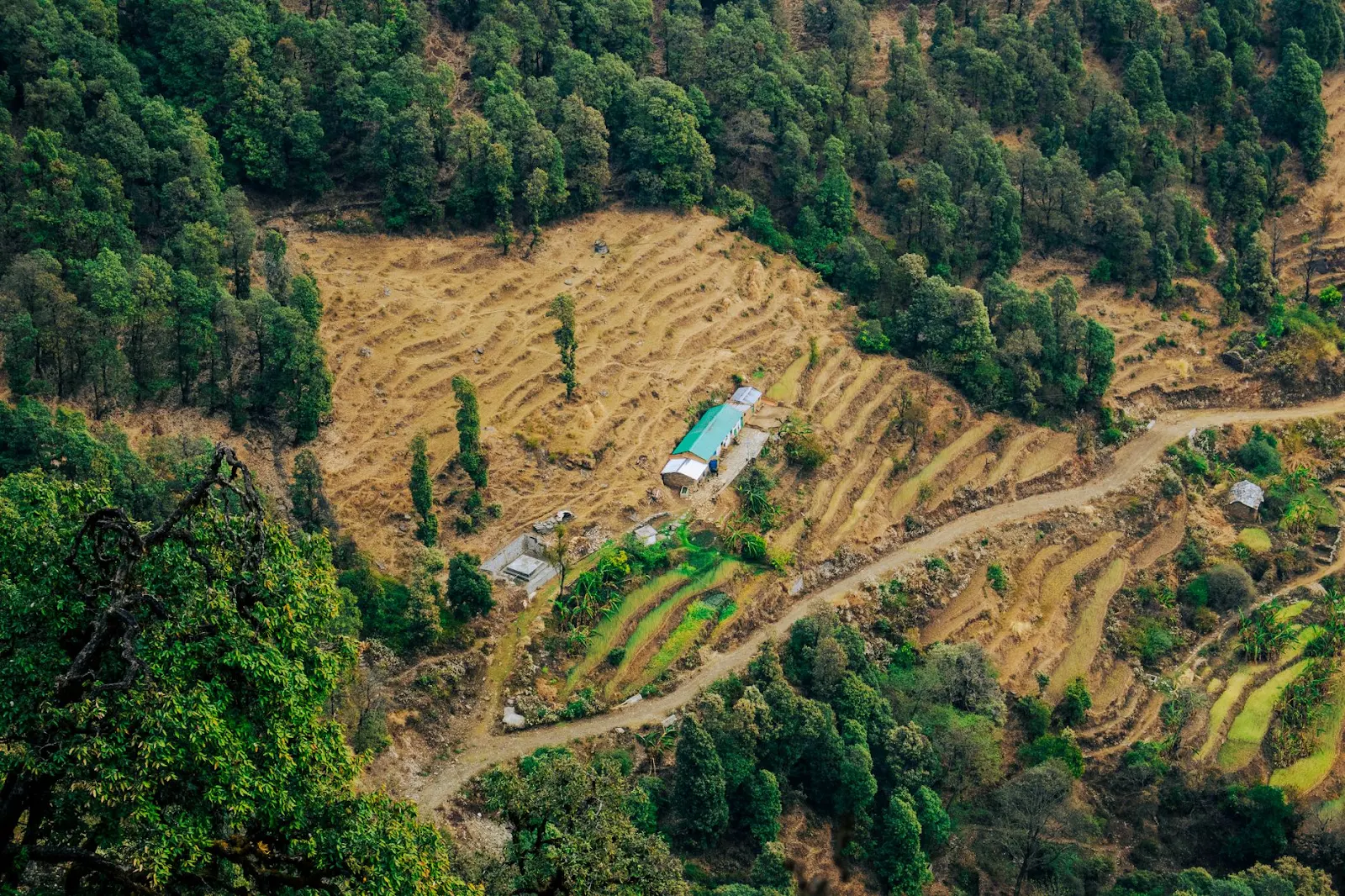
Perched gracefully on a hillock overlooking the sprawling Soar Valley, the Pithoragarh Fort stands as a proud sentinel of the region's rich historical past. Constructed in the year 1789 by the Gorkhas during their invasion of the Kumaon region, this historic fortification is a remarkable architectural landmark. Though parts of the structure have weathered the passage of time, the fort continues to exude an old-world charm that transports visitors back to an era of fierce battles, royal reigns, and strategic Himalayan expansions. Situated at an elevation that offers sweeping views of the town below and the surrounding mountain ranges, it serves as an ideal starting point for anyone exploring the top tourist places in Pithoragarh.
Things to Do
History enthusiasts will thoroughly enjoy wandering through the old ramparts and examining the ancient layout of the bastion. Photographers will find endless inspiration here, especially during the golden hours of sunrise and sunset when the valley below is bathed in warm, ethereal light. You can take a leisurely stroll around the fort premises, interact with friendly locals who often gather nearby, and absorb panoramic views of the distant peaks. It is also a fantastic spot for birdwatching in the early morning hours, as various Himalayan avian species frequent the surrounding trees and shrubs.
How to Reach
The fort is located right within the town limits and is easily accessible. If you are staying in the main market area, you can take a short, invigorating uphill trek or hire a local taxi or auto-rickshaw to reach the entrance gates directly.
2. Chandak

Overview
Located just about 8 kilometers from the main town, Chandak is a renowned hillock and vantage point that offers some of the most dramatic, unobstructed views of the Soar Valley and the majestic Himalayan peaks. Famous among adventure seekers and nature lovers alike, Chandak is also spiritually significant due to the revered Manoj Wild Temple located nearby. The lush pine and deodar forests enveloping the hill create a serene ambiance, making it one of the absolute best places to visit in Pithoragarh for peace seekers and trekkers.
Things to Do
Chandak is a premier destination for paragliding enthusiasts, offering thrilling aerial adventures with bird's-eye views of the verdant valleys and winding rivers below. If you prefer keeping your feet on the ground, the area boasts fantastic nature trails and short hiking paths winding through thick coniferous forests. Make sure to visit the traditional shrines tucked away in the greenery, and spend a quiet afternoon picnicking while soaking in the cool, fragrant mountain breeze.
How to Reach
Chandak is well-connected by motorable roads from Pithoragarh town. You can easily hire a local taxi, rent a scooter, or even hike up the scenic route if you are an energetic trekker looking for an uphill challenge.
3. Askot Musk Deer Sanctuary

Overview
Spread across a sprawling area of lush alpine wilderness near the Indo-Nepal border, the Askot Musk Deer Sanctuary is an ecological treasure trove. Established primarily to protect the endangered Musk Deer and its fragile natural habitat, this sanctuary is nestled at an altitude of over 5,400 feet and stretches up to much higher Himalayan elevations. Encircled by breathtaking snow-capped peaks and pristine river valleys, it is a biodiversity hotspot that shelters a remarkable array of flora and fauna, making it a must-visit among the top tourist places in Pithoragarh for wildlife and nature enthusiasts.
Things to Do
Wildlife spotting is the primary activity here, where patient observers might catch a glimpse of the elusive musk deer, snow leopards, barking deer, Himalayan black bears, and a diverse variety of high-altitude pheasants. The sanctuary is also a paradise for trekkers and botanists, offering rugged trails flanked by rare medicinal plants, alpine flowers, and ancient trees. Birdwatchers can spend hours spotting rare migratory and resident Himalayan birds against the dramatic backdrop of glacial mountains.
How to Reach
Askot is located approximately 54 kilometers from Pithoragarh town. Regular buses and shared jeeps operate along this route, though hiring a private cab for the day provides the most comfortable and flexible travel experience.
4. Patal Bhubaneswar Cave Temple
Overview
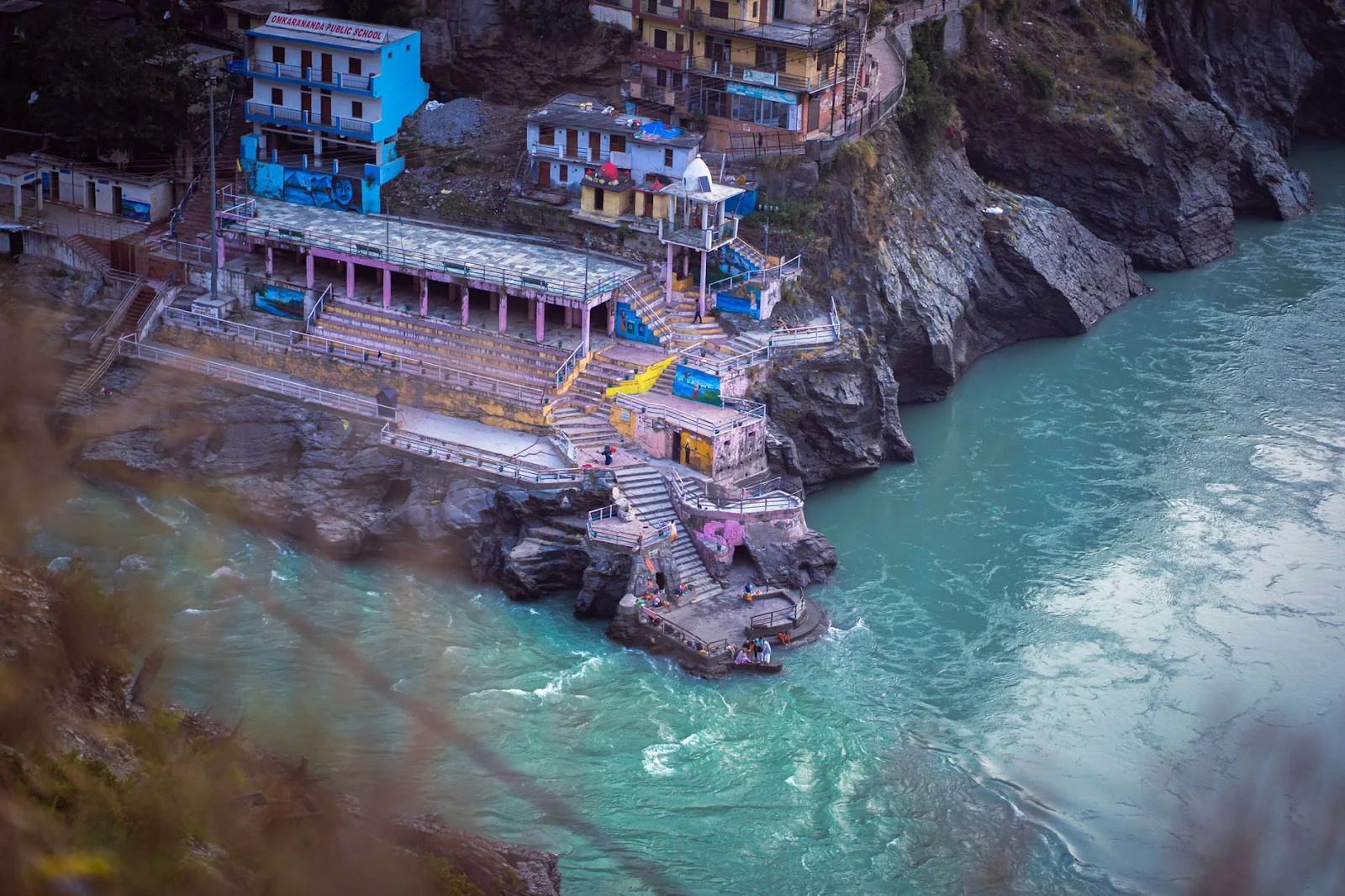
Patal Bhubaneswar is not just a tourist attraction; it is a profound spiritual journey into the mystical bowels of the earth. Located near the village of Bhubaneshwar in the Gangolihat tehsil, this awe-inspiring limestone cave shrine is believed in Hindu mythology to house all thirty-three crore deities. Situated 90 feet underground, the cave complex is a marvel of natural architecture, featuring stalactite and stalagmite formations that resemble various divine figures, sacred symbols, and mythical creatures. Mentioned in ancient texts such as the Skanda Purana, it stands as one of the most mysterious and spiritually potent places to visit in Pithoragarh.
Things to Do
Descending into the illuminated subterranean cave via a narrow tunnel with the help of iron chains and trained guides is an adventure in itself. Inside, you can witness the surreal rock formations representing Lord Ganesha's severed head, the four yugas symbolized by distinct pillars, and the tongue of Kaliya snake. After exploring the cave, spend some time meditating in the peaceful courtyard outside or interacting with the local temple priests who share fascinating mythological legends associated with the site.
How to Reach
Patal Bhubaneswar is situated about 91 kilometers from Pithoragarh town. You can easily hire a local taxi or board a shared jeep from the main Pithoragarh bus station. The scenic drive takes approximately three hours through winding mountain roads.
5. Gangolihat

Overview
Steeped in ancient mythology, royal heritage, and spiritual devotion, Gangolihat is a charming hill town renowned for its numerous ancient temples and sacred ponds. Historically the capital of the Katyuri kings, this serene town is most famous for the revered Hatkalika Temple, dedicated to Goddess Kali, which attracts thousands of devotees and spiritual seekers throughout the year. Surrounded by dense orchards and mist-covered hills, Gangolihat effortlessly combines cultural richness with pristine natural beauty, cementing its place among the top tourist places in Pithoragarh.
Things to Do
Pay your respects at the sacred Hatkalika Temple and absorb the divine, tranquil atmosphere. Explore the nearby subterranean wonders of the Haat Kalika and nearby caves, or take a peaceful stroll around the sacred water ponds like Aulighat and Kasni Kund. Photography enthusiasts will love capturing the traditional Kumaoni architecture of the old wooden houses, vibrant local markets, and panoramic vistas of the surrounding Himalayan foothills.
How to Reach
Gangolihat is located around 77 kilometers from Pithoragarh. Regular state transport buses and private taxis ply regularly between Pithoragarh and Gangolihat, making it easily accessible for day-trippers and overnight travelers alike.
Best Time to Visit Pithoragarh
Planning your trip at the right time of year ensures you experience the district at its absolute finest. Pithoragarh experiences distinct seasons, each offering a completely different flavor of the Himalayas:
- Summer (March to June): This is widely considered the best time to visit Pithoragarh. The weather is pleasantly warm during the day and refreshingly cool at night, with temperatures ranging from 15°C to 25°C. It is the perfect season for sightseeing, trekking, paragliding, and general outdoor exploration.
- Monsoon (July to September): Heavy rainfall transforms the valleys into lush green paradises, but landslides and blocked mountain roads can pose significant travel challenges. If you love moody clouds, misty forests, and roaring waterfalls, and do not mind occasional travel delays, this is a magical time for photography, though caution is strongly advised.
- Winter (October to February): Winters in Pithoragarh are crisp and cold, with temperatures frequently dropping below freezing point, especially in January. Higher altitude regions receive mesmerizing snowfalls, turning the district into a winter wonderland. This season is ideal for travelers seeking cozy mountain vibes, snow views, and peaceful solitude.
How to Reach Pithoragarh
Reaching this remote Himalayan paradise is an adventure in itself, with several well-connected routes available:
- By Air: The nearest operational airport is Pantnagar Airport, situated approximately 215 kilometers away. Regular flights connect Pantnagar to major cities like New Delhi. From the airport, you can hire a private taxi or board a bus to reach Pithoragarh. Additionally, Pithoragarh now has the Naini Saini Airport, though commercial flight schedules can be seasonal or subject to weather conditions.
- By Train: The nearest major railway station is Tanakpur, located around 138 kilometers from Pithoragarh. Tanakpur is well-connected by trains to Delhi, Lucknow, and other major Indian cities. Taxis and state buses are readily available outside the railway station to take you up the scenic mountain highway to Pithoragarh.
- By Road: Pithoragarh boasts excellent road connectivity with major towns and cities across Uttarakhand and northern India. Regular overnight luxury and semi-deluxe buses operate from Delhi (ISBT Anand Vihar) to Tanakpur, Haldwani, and Kathgodam, from where you can catch connecting cabs or buses to Pithoragarh. Self-driving or hiring a private cab from Kathgodam or Haldwani offers a highly scenic and flexible road trip experience.
Local Food to Try
Kumaoni cuisine is hearty, rustic, and deeply nourishing, designed to keep travelers warm and energized in the chilly mountain climate. When exploring the top tourist places in Pithoragarh, make sure to sample these traditional delicacies:
- Bhatt ki Churkani: A rich, earthy gravy made from black soybeans roasted and cooked in an iron vessel with rice flour paste, giving it a distinct flavor and deep black color. It is typically enjoyed with steaming hot steamed rice.
- Aloo Ke Gutke: A quintessential Kumaoni comfort dish featuring boiled potatoes tempered with local jambu herbs, red chilies, and mustard oil, garnished generously with fresh coriander leaves.
- Chainsoo: A high-protein lentil dish made from roasted black gram dal that is ground into a fine powder and slow-cooked with aromatic spices in traditional cast-iron pans.
- Bal Mithai: A beloved Kumaoni sweet confection made from roasted khoya coated with crisp white sugar balls, offering a rich, caramel-like flavor that melts in your mouth.
- Dubuk: A flavorful lentil paste curry made from horse gram or local beans, simmered slowly on a wood fire and served with plain rice and local radishes.
10 Essential Travel Tips
- Carry adequate woolens even during summer evenings, as temperatures in the hills drop sharply after sunset.
- Keep cash handy, as many remote areas, small eateries, and local handicraft vendors may not accept digital payments or cards reliably.
- Book your accommodations and transport in advance, particularly if you plan to visit during peak summer or festival seasons.
- Respect local customs, religious traditions, and temple etiquettes, especially when visiting ancient shrines like Patal Bhubaneswar and Gangolihat.
- Maintain eco-friendly travel practices: carry reusable water bottles and do not litter plastic waste in pristine natural forests.
- Keep a comprehensive first-aid kit with motion sickness tablets, painkillers, band-aids, and personal medications, as medical shops can be sparse in remote zones.
- Check road conditions and weather forecasts with local authorities before embarking on long drives or high-altitude treks, particularly during monsoon and winter.
- Wear sturdy, broken-in trekking shoes with good grip for exploring uneven historical ruins and subterranean caves.
- Stay hydrated and give your body time to acclimatize if you are traveling directly from plains to higher altitude viewpoints.
- Keep your identity documents, permits (if visiting restricted border areas), and emergency contact numbers safely stored in both digital and physical formats.
Suggested 2-Day Itinerary
If you are short on time and want to experience the highlights efficiently, here is a curated 2-day itinerary for exploring Pithoragarh:
Day 1: Historical Exploration and Valley Views
- Morning: Arrive in Pithoragarh, check into your hotel, and enjoy a hearty local breakfast. Start your sightseeing tour at the historic Pithoragarh Fort to enjoy panoramic morning views of the Soar Valley.
- Afternoon: Head to Chandak hillock. Enjoy a thrilling paragliding session or a peaceful forest walk, followed by lunch at a local mountainside eatery.
- Evening: Explore the vibrant local markets of Pithoragarh town, shop for traditional Kumaoni woolen shawls and artifacts, and sample authentic Bal Mithai.
Day 2: Spiritual Wonders and Subterranean Caves
- Morning: Embark on an early morning road trip from Pithoragarh to Gangolihat. Pay your respects at the sacred Hatkalika Temple and soak in the divine atmosphere.
- Afternoon: Drive further to the mystical Patal Bhubaneswar Cave Temple. Descend underground with an expert guide to witness the incredible limestone rock formations.
- Evening: Enjoy a traditional Kumaoni dinner at Gangolihat or along the return drive, before heading back to Pithoragarh for your onward journey.
Frequently Asked Questions (FAQs)
- What is Pithoragarh famous for?
Pithoragarh is famous for its breathtaking Himalayan views, ancient temples, historical forts like the Pithoragarh Fort, subterranean caves like Patal Bhubaneswar, and its status as a gateway to the Kailash Mansarovar Yatra. - How many days are enough to explore Pithoragarh?
A duration of 3 to 4 days is ideal to comfortably explore the top tourist places in Pithoragarh, while a 2-day trip works well for covering the major highlights. - Is Pithoragarh safe for solo travelers?
Yes, Pithoragarh is generally very safe for solo travelers, backpackers, and female tourists, thanks to the hospitable and warm-hearted local Kumaoni community. - Can we see snow in Pithoragarh?
Yes, higher altitude regions around Pithoragarh experience snowfall during the peak winter months of December and January. - What is the best way to travel locally within Pithoragarh?
Hiring local private taxis, shared jeeps, or renting scooters are the best ways to navigate between different attractions around the district. - Are mobile network and internet services reliable in Pithoragarh?
Major telecom operators like Jio and Airtel offer good network coverage in the main town, though signals can be weak or absent in remote sanctuaries and deep valleys. - Do I need any special permits to visit Pithoragarh?
No special permits are required to visit the main tourist destinations in Pithoragarh district, as it is outside restricted inner-line permit zones. - What are the must-buy souvenirs from Pithoragarh?
Traditional Kumaoni woolens, handmade baskets, organic hill honey, local spices, and authentic Bal Mithai sweets make wonderful souvenirs.
Conclusion
Pithoragarh remains one of Uttarakhand's best-kept secrets, offering an intoxicating blend of rugged Himalayan grandeur, deep spiritual resonance, and untouched rural charm. Whether you find yourself marveling at the ancient architecture of the Pithoragarh Fort, holding your breath while descending into the mystical depths of Patal Bhubaneswar, or watching the golden sunset paint the distant Panchachuli peaks from Chandak, every single moment spent here is deeply rewarding. Away from the commercialized chaos of mainstream hill stations, this eastern Kumaoni haven invites you to slow down, breathe in the crisp mountain air, and reconnect with nature in its purest form. Pack your bags, lace up your hiking boots, and set off on an unforgettable adventure to discover the mesmerizing top places to visit in Pithoragarh on your next Himalayan getaway.



0 Comments