
Top 5 Places to Visit in Jalna, Maharashtra: The Ultimate Travel Guide
Nestled right in the heart of the historic Marathwada region of Maharashtra, Jalna is a destination where time-honored heritage seamlessly blends with vibrant modern trade. Widely celebrated across India as the "Steel City" due to its massive industrial rolling mills, and equally renowned for producing some of the country’s sweetest oranges (Mosambi), this charming district holds secrets that go far beyond its economic prowess. For discerning travelers seeking off-the-beaten-path experiences away from crowded tourist hubs, Jalna offers a peaceful getaway filled with sacred spiritual sites, tranquil lakes, century-old fortresses, and warm local hospitality.
Historically, Jalna occupied a crucial strategic position under various dynasties, including the Satavahanas, Rashtrakutas, Yadavas, Mughals, and later the Nizams of Hyderabad. This rich blend of historical influences has blessed the district with an eclectic mix of architecture and sacred traditions. Whether you are a history buff eager to explore ancient stone citadels, a spiritual seeker visiting legendary temples, or a casual explorer looking to unwind by a tranquil lake surrounded by lush greenery, Jalna has something unique in store for you. Exploring the top tourist places in Jalna allows you to experience authentic Maharashtrian culture in its purest form, far removed from commercialized tourism.
In this comprehensive travel guide, we will walk you through the top 5 places to visit in Jalna, complete with historical insights, practical travel tips, local culinary recommendations, and an ideal 2-day itinerary to help you plan an unforgettable trip to this vibrant Marathwada jewel.
Table of Contents
- 1. Moti Bagh and Moti Talao
- 2. Jamb Samarth
- 3. Matsyodari Devi Temple, Ambad
- 4. Jalna Fort (Killa)
- 5. Shri Anandi Swami Temple
- Best Time to Visit Jalna
- How to Reach Jalna
- Local Food & Culinary Highlights
- 10 Essential Travel Tips for Jalna
- Suggested 2-Day Jalna Itinerary
- Frequently Asked Questions (FAQs)
- Conclusion
1. Moti Bagh and Moti Talao
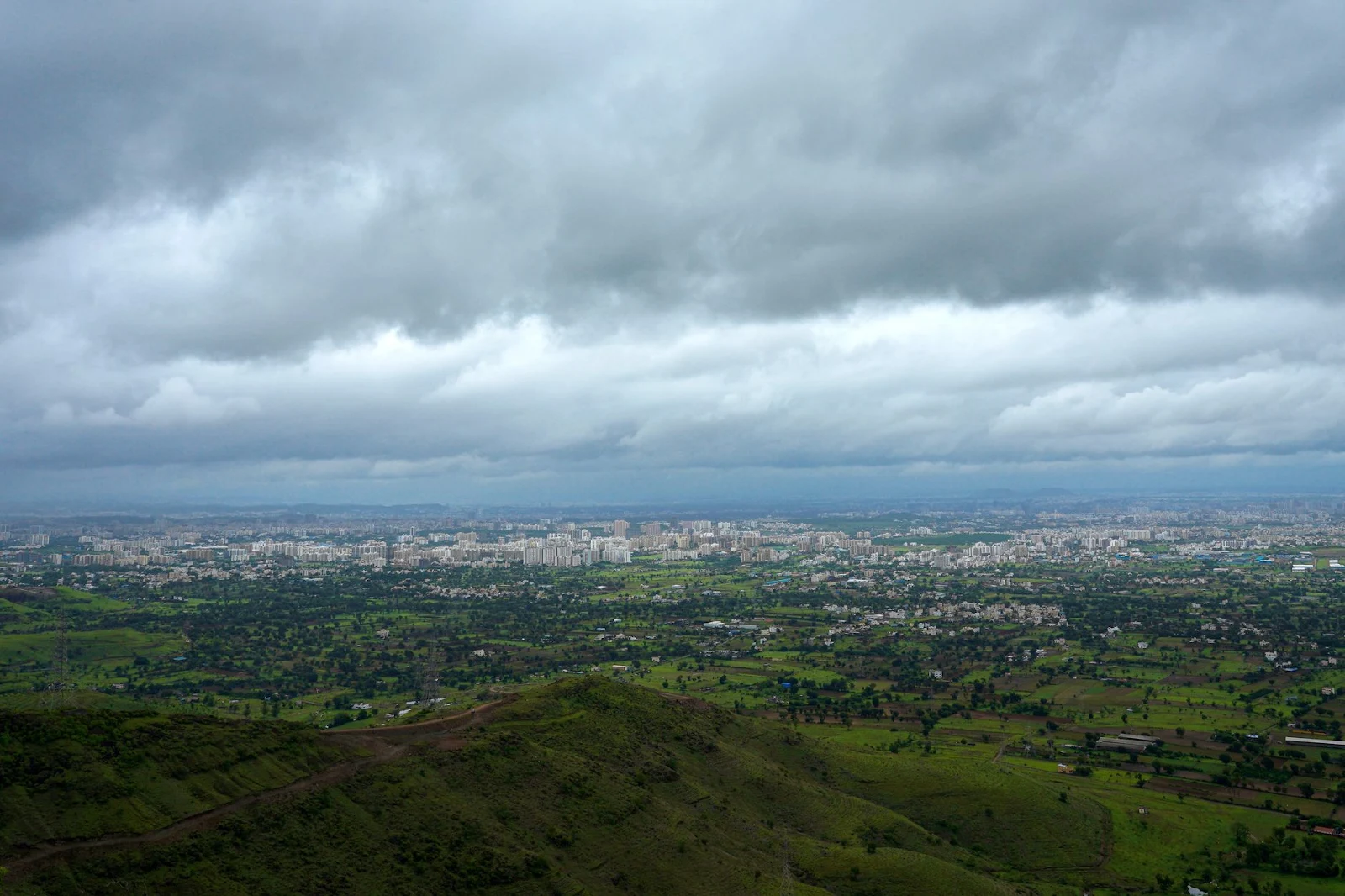
History / Background
Moti Bagh and the adjoining Moti Talao represent one of the most beloved historical landmarks in Jalna city. Constructed during the era of local Muslim rulers and later refined under the administration of Jamshed Khan in the late 19th century, this expansive water reservoir was originally conceptualized as a crucial water storage facility and private garden retreat. Over decades, it evolved into a scenic public space that has served generations of locals as a peaceful respite from the daily hustle. The lake played a crucial role in providing water supply to the old township during historical droughts and remains a proud symbol of ancient urban water management in Marathwada.
Key Attractions & Things to Do
Visiting Moti Talao offers a soothing environment where you can spend a quiet evening enjoying nature. The manicured gardens of Moti Bagh offer lush lawns, vibrant flower beds, and shaded walking paths perfect for morning jogs or lazy afternoon strolls. Visitors can enjoy recreational boating on the lake waters during peak seasons, enjoying breezy views of the surrounding cityscape. Sunset is particularly enchanting here, as the warm golden hues reflect off the tranquil surface of the water, creating picturesque photo opportunities for travel photographers and families alike.
Entry Fee & Timings
- Entry Fee: Free entry to the garden and lake area. Boating charges range between ₹50 to ₹100 per person depending on the boat type.
- Timings: 6:00 AM to 8:00 PM (All days of the week).
How to Reach Local Spot
Moti Bagh and Moti Talao are located just 3 kilometers from the main Jalna Railway Station and approximately 2.5 kilometers from the central bus stand. Auto-rickshaws and local taxis are readily available throughout the city to take you directly to the entrance gate of the park.
2. Jamb Samarth

History / Background
Jamb Samarth is a deeply venerated historical and spiritual village situated in the Ghansawangi taluka of Jalna district. This peaceful village holds immense historical weight across Maharashtra as the birthplace of Sant Samarth Ramdas Swami, the 17th-century spiritual saint, philosopher, and spiritual guide (Guru) to Chhatrapati Shivaji Maharaj. Born in 1608 AD as Narayan Suryaji Thosar, Samarth Ramdas composed revered literary works here, including portions of 'Dasbodh' and numerous devotional hymns. The village has been carefully preserved to maintain its spiritual heritage and draws thousands of devotees and historians throughout the year.
Key Attractions & Things to Do
The primary attraction in Jamb Samarth is the grand Shri Ram Temple built in memory of Samarth Ramdas Swami. Within the temple complex, visitors can pay homage at the preserved ancestral residence of the saint. A prominent highlight is the annual Ram Navami festival, celebrated with immense grandness, devotional songs, and cultural processions that transform the entire village into a sea of orange flags and traditional music. Visitors can also spend time sitting in the tranquil temple courtyards, meditating, and learning about the profound impact of Ramdas Swami on Maratha history and spiritual literature.
Entry Fee & Timings
- Entry Fee: Free entry for all visitors.
- Timings: 5:00 AM to 9:00 PM daily. Daily morning and evening aartis are conducted at 6:00 AM and 7:00 PM.
How to Reach Local Spot
Jamb Samarth lies approximately 42 kilometers south of Jalna city. The best way to reach the village is by taking a private cab or hire an auto-rickshaw from Jalna. State transport (MSRTC) buses also operate regularly between Jalna Bus Stand and Ghansawangi, from where local transport to Jamb Samarth is easily accessible.
3. Matsyodari Devi Temple, Ambad
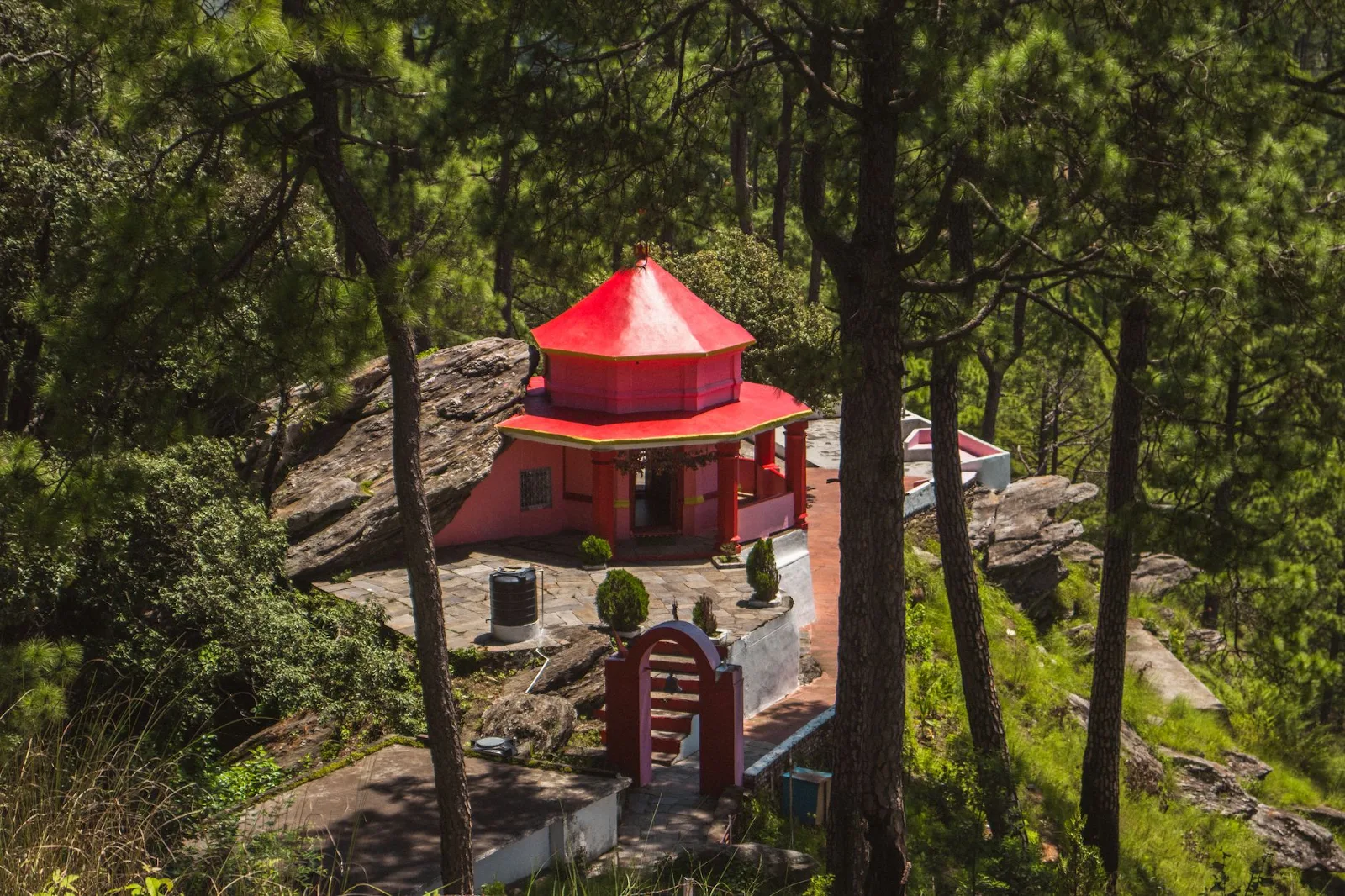
History / Background
Perched gracefully atop a prominent hill that remarkably resembles the shape of a fish (Matsya in Sanskrit), the Matsyodari Devi Temple in Ambad is one of the oldest and most revered pilgrimage sites in the entire Marathwada region. The temple is dedicated to Goddess Amba (an incarnation of Goddess Durga). According to local lore and ancient scriptural references, the town of Ambad itself derives its name from Goddess Amba. The shrine dates back several centuries, with historical records indicating that local rulers continuously renovated and protected the sanctuary through various ruling eras in Maharashtra.
Key Attractions & Things to Do
To reach the main sanctum, visitors climb a series of stone steps cut into the hillside, enjoying sweeping panoramic views of the surrounding countryside and Ambad town along the way. The temple architecture exhibits classic traditional Maharashtrian stone craft with intricate carvings on its pillars and archways. The energy during the nine days of the Navratri festival is electric, attracting hundreds of thousands of pilgrims from across the state. A grand annual fair (Yatra) is held during Navratri, featuring lively local markets, traditional performance arts, and religious discourses that offer travelers an immersive cultural experience.
Entry Fee & Timings
- Entry Fee: Free entry. Special VIP darshan passes may be available during peak Navratri festival days.
- Timings: 5:30 AM to 8:30 PM (Daily).
How to Reach Local Spot
The temple is located in Ambad town, which is roughly 25 kilometers from Jalna city center. Frequent public MSRTC buses connect Jalna central bus stand with Ambad every 20 minutes. Taxis and shared auto-rickshaws are also widely available along the Jalna-Ambad highway route.
4. Jalna Fort (Killa)

History / Background
Constructed in 1725 AD by Kabil Khan under the orders of the Nizam of Hyderabad, Jalna Fort—locally known simply as 'Killa'—stands as an enduring monument to the military architecture of 18th-century Marathwada. Built to secure the eastern approaches of the Nizam's territory, the fort features a classic quadrangular stone layout fortified with heavy bastions, thick curtain walls, and strategic watch towers. Over the centuries, control of the fort shifted between local chieftains, the Marathas, and the Hyderabad Nizams, making it a key witness to crucial power struggles in central Deccan history.
Key Attractions & Things to Do
Though parts of the fort structure are now in ruins, exploring the remaining stone bastions, high outer walls, and grand archways offers a fascinating glimpse into regional military history. History lovers can spot authentic Persian inscriptions carved into stone slabs near the main gate complex, chronicling the construction date and royal decrees. The elevated ramparts offer fantastic vantage points for cityscape photography. Walking through the inner courtyards and examining the thick masonry work allows visitors to appreciate medieval engineering resilience up close.
Entry Fee & Timings
- Entry Fee: Free entry.
- Timings: Open during daylight hours, typically from 6:00 AM to 6:00 PM.
How to Reach Local Spot
Jalna Fort is conveniently located in the older section of Jalna town, just 2 kilometers away from the central railway station. It can be easily reached using auto-rickshaws, cycle-rickshaws, or on foot if you are already exploring the traditional market streets of old Jalna.
5. Shri Anandi Swami Temple
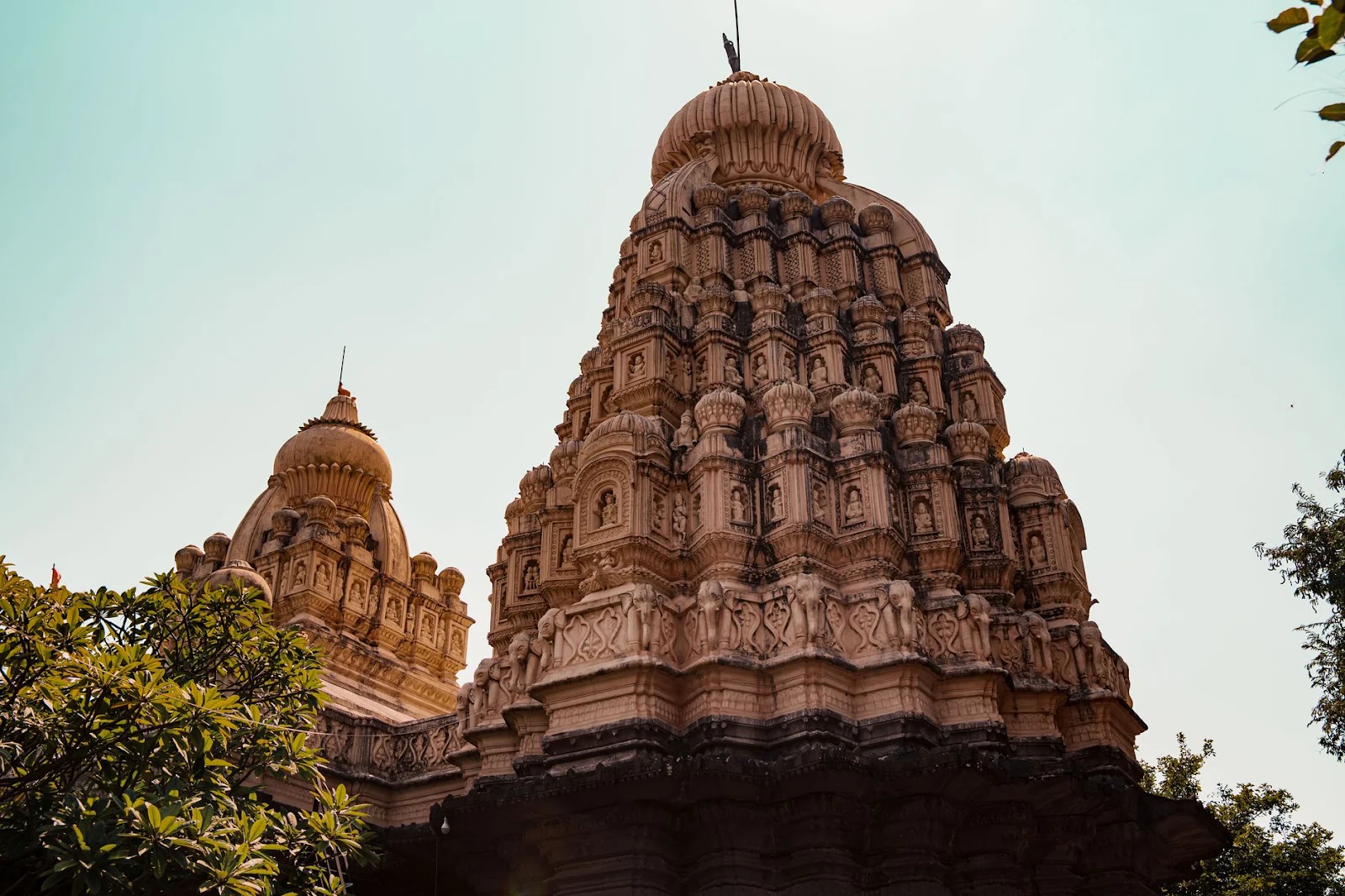
History / Background
With a glorious history spanning over 300 years, the Shri Anandi Swami Temple is one of Jalna’s most significant architectural and spiritual treasures. The temple was built by Mahadji Shinde, the legendary Maratha general of the Scindia dynasty, who was a deeply devoted disciple of the great saint Shri Anandi Swami. The saint spent several years residing and meditating in Jalna, performing acts of benevolence and imparting spiritual teachings to the local community. Impressed by the saint's grace, Mahadji Shinde commissioned this magnificent stone shrine, which remains a cornerstone of Jalna's spiritual identity.
Key Attractions & Things to Do
The temple is renowned for its splendid Hemadpanthi-influenced stone architecture, featuring detailed carvings on the exterior walls, an ornate stone entrance hall (Sabhamandap), and a tall gracefully carved spire (Shikhara). The atmosphere inside the temple courtyard is profoundly peaceful, making it an ideal location for silent reflection and prayer. Every year on Ashadhi Ekadashi and Gokulashtami, the temple hosts grand religious gatherings, music recitals, and a colorful local fair (Yatra) that showcases traditional Marathwada folk culture and crafts.
Entry Fee & Timings
- Entry Fee: Free entry.
- Timings: 6:00 AM to 9:00 PM daily. Evening Aarti performed around 7:00 PM is highly recommended.
How to Reach Local Spot
The temple is situated centrally within Jalna city limits, roughly 2.5 kilometers from Jalna Railway Station and 1.5 kilometers from the main bus station. Local auto-rickshaws and cabs reach the temple complex easily within 10 minutes from anywhere in central Jalna.
Best Time to Visit Jalna
Planning your visit during the right season ensures a comfortable experience while exploring the historical sites and outdoor attractions across the district.
Winter Season (October to March) - BEST TIME
Winter is unquestionably the best time to visit Jalna. During these months, the weather remains pleasant, cool, and dry, with daytime temperatures hovering between 18°C and 28°C. The comfortable climate makes outdoor sightseeing, temple visits, and fort walks extremely enjoyable without dealing with oppressive heat.
Monsoon Season (July to September) - GOOD FOR NATURE LOVERS
The monsoon brings refreshing rains that transform the dry landscape of Marathwada into lush green terrain. Temperatures drop comfortably between 22°C and 30°C. Sites like Moti Talao and the surrounding countryside near Ambad look vivid and serene. However, heavy rains can occasionally disrupt road travel between rural spots like Jamb Samarth.
Summer Season (April to June) - NOT RECOMMENDED
Summers in Jalna are hot and dry, with temperatures frequently climbing above 40°C to 42°C during peak afternoon hours. Outdoor sightseeing during daytime can be uncomfortable due to blistering heat, making summer the least favorable season for travel unless you are visiting specifically for early morning temple darshans.
How to Reach Jalna
Jalna is well-connected to major metropolitan hubs across Maharashtra and neighboring states through a comprehensive network of railways, highways, and nearby airports.
By Air
The nearest airport to Jalna is Chhatrapati Sambhajinagar (Aurangabad) Airport (IXU), located approximately 60 kilometers away. The airport operates regular domestic flights connecting to major cities like Mumbai, Delhi, Hyderabad, and Bengaluru. From the airport, visitors can easily hire a direct private taxi or catch an intercity bus to reach Jalna within 1 to 1.5 hours via the smooth highway.
By Train
Jalna Railway Station (Station Code: J) is a major rail head on the Secunderabad-Manmad line of the South Central Railway zone. It enjoys direct connectivity with major Indian cities through several daily express and superfast trains including the Vande Bharat Express, Jan Shatabdi, Devagiri Express, and Tapovan Express running from Mumbai, Pune, Nanded, and Hyderabad.
By Road
Jalna boasts direct road connectivity via state highways and the newly constructed Hindu Hrudaysamrat Balasaheb Thackeray Maharashtra Samruddhi Mahamarg (Nagpur-Mumbai Expressway). Excellent bus services operated by Maharashtra State Road Transport Corporation (MSRTC) as well as luxury private sleeper buses link Jalna with Mumbai, Pune, Thane, Nashik, Nagpur, and Solapur daily.
Local Food & Culinary Highlights
No trip to Jalna is complete without experiencing the rich, fiery, and aromatic flavors of traditional Marathwada cuisine. The region's food relies heavily on freshly ground spices, roasted peanuts, sesame seeds, and local grains like Jowar (sorghum) and Bajra (pearl millet).
- Sweet Oranges (Mosambi): As one of India's largest producers of sweet limes, tasting fresh, ice-cold Mosambi juice from local roadside stalls is an absolute absolute must-do in Jalna.
- Pithla Bhakri: A comforting traditional meal made from spiced gram flour curry (Pithla) served hot alongside thick, freshly patted Jowar or Bajra rotis (Bhakri), green chili thecha, and raw onions.
- Shev Bhaji: A regional favorite featuring crispy chickpea flour noodles (Shev) cooked in a rich, fiery red curry flavored with coconut, garlic, and local spices.
- Hurda (Seasonal Winter Specialty): If you visit between December and February, do not miss tasting 'Hurda'—tender green roasted Jowar grains cooked over open coal embers, served with sweet garlic chutneys and fresh jaggery.
- Jalna Pedha: Stop by traditional sweet shops in old Jalna market to buy fresh, rich milk-based Jalna Pedhas, famous for their dense texture and aromatic cardamom flavor.
10 Essential Travel Tips for Jalna
- Dress Modestly at Religious Sites: When visiting spiritual landmarks like Matsyodari Devi Temple or Jamb Samarth, wear respectful clothing covering knees and shoulders. Remove footwear before entering temple sanctums.
- Carry Adequate Cash: While digital payment apps (UPI) are widely accepted in Jalna city, smaller vendors, rural eateries, and auto drivers in nearby villages like Jamb Samarth still prefer cash.
- Stay Hydrated: Marathwada weather can be dry. Keep a water bottle handy during your day trips, especially when climbing hill steps at Ambad.
- Book Boating Early: If visiting Moti Talao on weekends, plan your boating activity around 4:30 PM to avoid evening rush crowds and secure beautiful sunset light.
- Hire Local Auto-Rickshaws for City Sightseeing: Negotiate fares in advance with auto drivers when traveling within Jalna city or hire them on a half-day package basis.
- Taste Fresh Mosambi Directly from Farms: If traveling by car along the highways near Jalna, stop by farm stands to buy fresh sweet limes directly from growers at wholesale prices.
- Plan Festival Travel in Advance: If visiting during Navratri (for Ambad temple) or Ram Navami (for Jamb Samarth), book accommodation early as hotels fill up fast with regional pilgrims.
- Comfortable Walking Shoes: Fort walkways and temple steps require sturdy footwear. Avoid slippery slides or high heels while exploring historical ruins.
- Respect Local Customs: Photography might be restricted inside certain temple sanctums. Always look for signage or ask resident priests before taking photos.
- Combine with Chhatrapati Sambhajinagar: Since Jalna is only 60 km away from Chhatrapati Sambhajinagar (Aurangabad), consider clubbing your trip with visits to the famous UNESCO World Heritage sites of Ajanta and Ellora Caves.
Suggested 2-Day Jalna Itinerary
Day 1: Exploring Jalna City’s Heritage & Lakes
- Morning (8:30 AM – 11:30 AM): Begin your morning by visiting the historic Shri Anandi Swami Temple in central Jalna. Spend peaceful time admiring the 300-year-old stone architecture and participating in the morning prayers.
- Late Morning (11:45 AM – 1:30 PM): Take a short auto ride to Jalna Fort (Killa). Explore the old stone bastions, read ancient Persian inscriptions, and photograph the heritage structures.
- Lunch (1:30 PM – 3:00 PM): Enjoy an authentic Maharashtrian lunch featuring Pithla Bhakri and local Shev Bhaji at a reputed city restaurant.
- Late Afternoon & Evening (4:00 PM – 7:30 PM): Head over to Moti Bagh and Moti Talao. Enjoy a breezy walk through the green garden paths, enjoy pedal boating on the lake, watch a stunning sunset over the water, and sip freshly pressed local Mosambi juice.
Day 2: Spiritual & Cultural Excursions around Jalna
- Morning (8:00 AM – 12:00 PM): Drive down to Matsyodari Devi Temple in Ambad (25 km from Jalna). Climb the hilltop steps, enjoy panoramic views of the Marathwada landscape, and offer prayers at the ancient shrine.
- Lunch (12:30 PM – 2:00 PM): Enjoy traditional lunch at Ambad or head along the highway toward Ghansawangi.
- Afternoon (2:30 PM – 5:30 PM): Continue your journey to Jamb Samarth (approx. 42 km from Jalna). Visit the historic birthplace of Sant Samarth Ramdas Swami, explore the Ram Temple, and experience the serene rural heritage of Maharashtra.
- Evening (6:30 PM onwards): Return to Jalna city, explore the vibrant local street markets in old town, and pick up sweet Jalna Pedhas to take back home.
Frequently Asked Questions (FAQs)
Q1: What is Jalna famous for?
Jalna is famous as the "Steel City" of Maharashtra due to its heavy steel rolling mills, and as a major sweet lime (Mosambi) agriculture hub. Culturally, it is renowned for historic temples like Shri Anandi Swami Temple, Matsyodari Devi Temple, and Jamb Samarth (birthplace of Sant Samarth Ramdas Swami).
Q2: Which is the best time to visit Jalna?
The best time to visit Jalna is during the winter season, from October to March, when temperatures are pleasant and ideal for sightseeing and outdoor exploration.
Q3: How far is Jalna from Chhatrapati Sambhajinagar (Aurangabad)?
Jalna is situated approximately 60 kilometers east of Chhatrapati Sambhajinagar (Aurangabad), taking about 1 to 1.5 hours to travel by road via the smooth state highway or Samruddhi Mahamarg.
Q4: Are there good accommodation options in Jalna?
Yes, Jalna offers a variety of accommodation options, including comfortable mid-range budget hotels, business hotels, and local guest houses located close to Jalna Railway Station and major highways.
Q5: Is Jalna safe for solo and family travelers?
Yes, Jalna is a safe, peaceful, and welcoming destination for both solo travelers and families. Locals are friendly and helpful towards visitors.
Q6: Can I buy fresh sweet oranges (Mosambi) in Jalna?
Yes, Jalna is one of India's biggest Mosambi trading markets. You can buy fresh, juicy sweet limes at very affordable rates from local markets or farm stalls along the main highways.
Q7: How many days are sufficient to explore Jalna?
A 2-day trip is ideal to explore all major attractions within Jalna city as well as neighboring historical spots like Ambad and Jamb Samarth comfortably.
Q8: Is photography allowed at tourist places in Jalna?
Photography is generally allowed at Moti Bagh, Jalna Fort, and outer premises of temples. However, taking photos inside the inner sanctums of shrines may be restricted, so always check local guidelines.
Conclusion
Jalna is a hidden jewel in Maharashtra's tourist landscape that brilliantly bridges past legacy with modern charm. Away from commercialized, crowded tourist trails, exploring the best places to visit in Jalna offers travelers a genuine encounter with Marathwada's authentic soul—from the peaceful lake waters of Moti Talao and historical ruins of Jalna Fort to the spiritual energy of Jamb Samarth and Matsyodari Devi Temple.
Whether you are seeking spiritual solace, historical knowledge, or simply an authentic Maharashtrian cultural experience complete with spicy local delicacies and sweet citrus juice, Jalna welcomes every traveler with open arms. Pack your bags, set off on a road trip through central Maharashtra, and discover the timeless charm of Jalna for yourself!



0 Comments