
Top 5 Places to Visit in Uttarkashi, Uttarakhand, India
Nestled in the majestic lap of the Garhwal Himalayas, Uttarkashi is a breathtaking district in Uttarakhand that effortlessly blends divine spirituality with raw, untamed nature. Often referred to as 'Kashi of the North' due to its deep religious significance and geographical symmetry with Varanasi, this holy town sits gracefully on the banks of the sacred Bhagirathi River. As you journey through this Himalayan paradise, you are greeted by towering snow-capped peaks, verdant pine forests, gushing waterfalls, and ancient temples that echo tales of yore. For travelers seeking a soul-stirring escape far from the chaotic concrete jungles, discovering the best places to visit in Uttarkashi offers an unmatched therapeutic experience. Whether you are an avid trekker looking to conquer high-altitude trails, a spiritual seeker searching for inner peace at revered shrines, or a nature lover mesmerized by alpine meadows, Uttarkashi serves as the ultimate gateway to the high Himalayas.
The region holds profound importance in Hindu mythology, acting as a crucial transit point for pilgrims embarking on the arduous Chota Char Dham Yatra toward Gangotri and Yamunotri. Beyond its religious aura, Uttarkashi is also a premier hub for mountaineering and adventure sports. It houses the prestigious Nehru Institute of Mountaineering (NIM), which has trained some of the world's finest mountaineers. The climate here remains delightfully crisp and refreshing for most of the year, though winters bring a magical blanket of snow that transforms the landscape into a veritable winter wonderland. Planning a vacation here means immersing yourself in a slower pace of life where the rhythmic chanting of temple bells blends harmoniously with the howling mountain winds. Join us as we explore the top tourist places in Uttarkashi, meticulously curated to help you craft the ultimate Himalayan itinerary for your next mountain getaway.
Table of Contents
- 1. Gangotri Temple
- 2. Yamunotri Temple
- 3. Nachiketa Tal
- 4. Dayara Bugyal
- 5. Vishwanath Temple
- Best Time to Visit Uttarkashi
- How to Reach Uttarkashi
- Local Food to Try in Uttarkashi
- Top 10 Travel Tips for Uttarkashi
- Suggested 2-Day Uttarkashi Itinerary
- Frequently Asked Questions (FAQs)
- Conclusion
1. Gangotri Temple
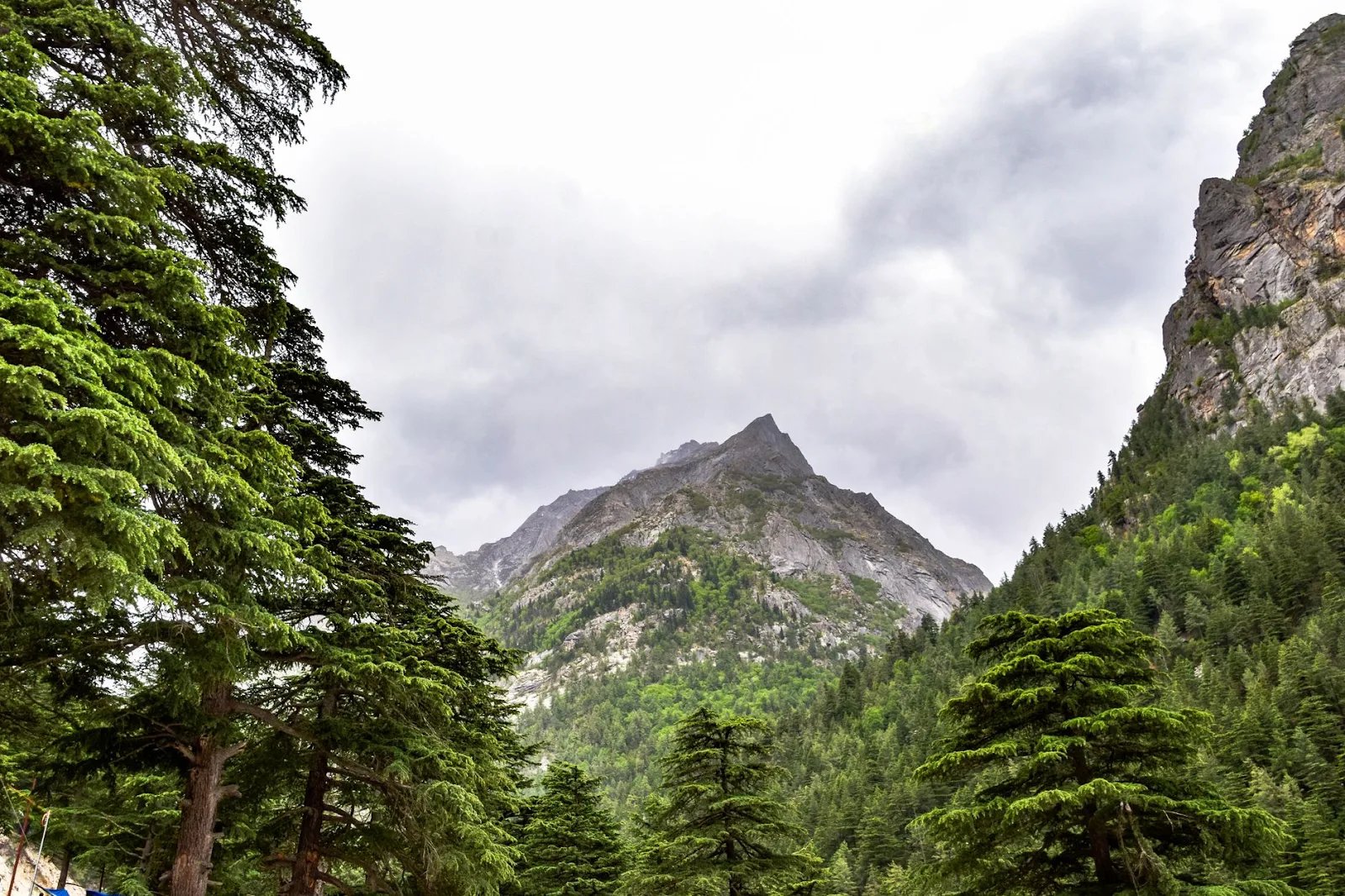
Standing as one of the most revered shrines in India, the Gangotri Temple is undoubtedly among the absolute best places to visit in Uttarkashi. Situated at an altitude of approximately 3,100 meters above sea level, this pristine 18th-century temple is dedicated to Goddess Ganga. According to Hindu mythology, this is the sacred spot where Goddess Ganga descended from heaven to earth to absolve the sins of King Bhagiratha's ancestors. The temple structure, built with immaculate white granite stones, stands resplendent against the dramatic backdrop of rugged mountains, pine trees, and roaring river waters. Pilgrims from all corners of the globe flock here to offer prayers and collect holy water, locally known as Gangajal, before trekking further up to Gaumukh, the actual snout of the Gangotri Glacier and the primary source of the Bhagirathi River.
Why Visit Gangotri Temple
Visiting Gangotri offers an extraordinary blend of profound spiritual awakening and awe-inspiring Himalayan scenery. The pure mountain air, combined with the continuous chanting of Vedic hymns and the roaring sound of the Bhagirathi River rushing past the temple steps, creates an intensely meditative atmosphere. It is an unmissable destination for devotees, spiritual seekers, and landscape photographers alike.
Best Time to Visit Gangotri Temple
The temple doors open for pilgrims on the auspicious day of Akshaya Tritiya (usually in April or May) and close on the day of Diwali (usually in October or November). The summer months from May to June and the autumn months from September to October offer the most pleasant weather for a visit.
How to Reach Gangotri Temple
Gangotri is well-connected by motorable roads from Uttarkashi town, which is approximately 100 kilometers away. Regular state transport buses, shared jeeps, and private taxis are easily available from Uttarkashi, Rishikesh, and Dehradun to reach the temple town directly.
2. Yamunotri Temple

Perched precariously at an impressive height of 3,293 meters, the Yamunotri Temple marks the sacred origin of the River Yamuna, the second-most sacred river in India after the Ganga. This holy shrine is the westernmost shrine in the Garhwal Char Dham Yatra and is nestled in a narrow gorge close to the source of the river. The original temple was built by King Pratap Shah of Tehri Garhwal, though it has undergone several restorations due to weathering and natural elements. The deity worshipped here is Goddess Yamuna, represented in the form of a black marble idol. One of the most fascinating features of the Yamunotri complex is the presence of several hot water springs, the most famous being Surya Kund, where pilgrims traditionally boil rice and potatoes tied in muslin cloth to take home as sacred prasadam.
Why Visit Yamunotri Temple
A journey to Yamunotri is a true test of endurance and faith, rewarding travelers with dramatic landscapes of towering peaks, cascading waterfalls, and glacial streams. The mystical boiling waters of Surya Kund and the tranquil mountain environment make it an exceptionally unique and spiritually enriching destination.
Best Time to Visit Yamunotri Temple
Similar to Gangotri, Yamunotri opens on Akshaya Tritiya in spring and closes around Diwali in autumn. The ideal time to visit is during May-June and September-October when the weather is clear and favorable for trekking.
How to Reach Yamunotri Temple
Vehicles can travel up to Janakchatti, which is located about 14 kilometers away from Uttarkashi. From Janakchatti, visitors must undertake a scenic 6-kilometer trek or opt for pony and palki (palanquin) services to reach the Yamunotri shrine.
3. Nachiketa Tal

If you are searching for offbeat tourist places in Uttarkashi that offer absolute peace and untouched natural beauty, Nachiketa Tal is a hidden gem waiting to be explored. Named after Nachiketa, the legendary character from the Katha Upanishad who questioned the God of Death, Lord Yama, this pristine high-altitude lake is surrounded by dense oak and rhododendron forests. The lake features a small, charming temple dedicated to Nag Devta on its bank, adding a touch of rustic mythology to the serene ambiance. Unlike the crowded pilgrimage hubs, Nachiketa Tal remains remarkably tranquil, making it an ideal haven for solo travelers, campers, and nature enthusiasts seeking solitude amidst pristine wilderness.
Why Visit Nachiketa Tal
Nachiketa Tal offers a wonderful opportunity to escape the bustling tourist crowds and connect intimately with nature. The easy yet scenic trek through thick pine forests provides fantastic bird-watching opportunities and panoramic vistas of snow-dusted Himalayan peaks, making it a dream spot for amateur trekkers and nature photographers.
Best Time to Visit Nachiketa Tal
Nachiketa Tal can be visited throughout the year. However, the months from April to June and September to November offer the most pleasant weather, blooming wildflowers, and clear blue skies.
How to Reach Nachiketa Tal
The trek to Nachiketa Tal starts from Chaurangi Khal, which is located about 29 kilometers from Uttarkashi town. Chaurangi Khal is easily accessible via local taxis and buses. From Chaurangi Khal, it is an easy-to-moderate 3-kilometer trek through forested trails to reach the lake.
4. Dayara Bugyal

Dayara Bugyal is widely celebrated as one of the most picturesque high-altitude alpine meadows in the entire Indian Himalayas. Spanning across vast undulating expanses of lush green grass at an elevation ranging between 3,048 meters and 3,408 meters, this breathtaking meadow feels like a sprawling natural carpet set against a backdrop of majestic snow-capped peaks like Bandarpoonch and the Gangotri range. During the summer and monsoon seasons, the bugyal (meadow) explodes into a vibrant palette of wildflowers and grazing cattle, while winter converts the entire landscape into a pristine skiing paradise, attracting winter sports enthusiasts from all over the country.
Why Visit Dayara Bugyal
Dayara Bugyal is a paradise for trekkers and landscape photographers. The sheer scale of the open green meadows juxtaposed with towering white peaks creates sweeping 360-degree views that are nothing short of magical. It is widely considered one of the best places to visit in Uttarkashi for anyone wanting to experience authentic Himalayan alpine beauty.
Best Time to Visit Dayara Bugyal
For lush green meadows and pleasant trekking weather, visit between May and June or September and November. For snow trekking and skiing adventures, December through February is the ultimate time to visit.
How to Reach Dayara Bugyal
The trek to Dayara Bugyal typically begins from the picturesque villages of Barsu or Raithal, both located roughly 40 kilometers from Uttarkashi town. Regular jeeps and taxis run from Uttarkashi to Barsu and Raithal, from where the trekking trail commences.
5. Vishwanath Temple

Located right in the heart of Uttarkashi town, the ancient Vishwanath Temple is one of the most sacred and historically significant landmarks in the region. Dedicated to Lord Shiva, this revered temple is believed to have been originally established by Sage Parasurama and was later renovated in the 19th century by Maharani Khaneti Devi of Tehri state. The temple complex houses a magnificent, self-manifested (Swayambhu) Shiva lingam that stands approximately 60 centimeters high and leans slightly towards the south. Within the sprawling temple courtyard, visitors will also find smaller shrines dedicated to Goddess Parvati, Lord Ganesha, and Markandeya Rishi, making it a vibrant center of daily religious life and cultural heritage.
Why Visit Vishwanath Temple
Visiting the Vishwanath Temple allows travelers to soak in the deep spiritual heritage of Uttarkashi without having to venture into high-altitude remote areas. The peaceful temple courtyard offers a wonderful space for quiet contemplation, morning prayers, and observing local traditions and rituals up close.
Best Time to Visit Vishwanath Temple
The temple is open year-round and welcomes devotees daily from early morning until late evening. Festivals like Maha Shivaratri (usually in February or March) see massive celebrations, making it an exceptionally vibrant time to experience the temple.
How to Reach Vishwanath Temple
Being situated directly within Uttarkashi town, the Vishwanath Temple is easily accessible on foot from anywhere in the local market area. Auto-rickshaws and local taxis are also readily available for travelers staying on the outskirts of town.
Best Time to Visit Uttarkashi
Choosing the right time to explore the top tourist places in Uttarkashi depends largely on your travel preferences—whether you are looking for comfortable pilgrimage weather, blooming summer meadows, or thrilling winter snow adventures. Generally, the year is divided into distinct seasonal windows:
- Summer (April to June): This is peak tourist and pilgrimage season. Temperatures range between 15°C and 25°C, offering pleasant daytime warmth and cool evenings. It is ideal for sightseeing, visiting Gangotri and Yamunotri, and trekking to Dayara Bugyal.
- Monsoon (July to August): Heavy rainfall frequently triggers landslides, roadblocks, and slippery mountain trails in the Garhwal region. Travel during this period is generally discouraged unless you are prepared for unexpected delays.
- Autumn (September to November): Following the monsoon rains, the skies clear up completely, offering crystal-clear visibility of snow-capped peaks, lush green valleys, and comfortable trekking weather.
- Winter (December to March): Uttarkashi experiences freezing temperatures, often dropping below zero, accompanied by heavy snowfall in high-altitude areas like Gangotri, Yamunotri, and Dayara Bugyal. This season is perfect for snow lovers, winter trekkers, and skiing enthusiasts.
How to Reach Uttarkashi
Uttarkashi is well-connected to major cities in Uttarakhand and Northern India via an extensive network of roads. Here is a breakdown of how to reach this Himalayan haven:
- By Air: The nearest domestic airport is Jolly Grant Airport in Dehradun, situated approximately 160 kilometers away from Uttarkashi. Taxis and regular buses run from the airport directly to Uttarkashi.
- By Train: The closest major railway stations are located in Rishikesh (approx. 145 km) and Dehradun (approx. 170 km). Both stations have excellent rail connectivity with major Indian cities like Delhi, Mumbai, and Kolkata.
- By Road: Uttarkashi boasts excellent road connectivity with major towns in Uttarakhand including Rishikesh, Dehradun, Haridwar, and Tehri. State roadways buses (UTRC) and private luxury cabs are readily available from ISBT Kashmiri Gate in Delhi to Rishikesh, from where you can catch connecting buses or shared taxis to Uttarkashi.
Local Food to Try in Uttarkashi
Traditional Garhwali cuisine is hearty, wholesome, and specially adapted to provide warmth and sustained energy in the cold Himalayan climate. When exploring Uttarkashi, make sure you treat your taste buds to these authentic local delicacies:
- Chainsoo: A protein-packed, flavorful dish made from roasted black gram (urad dal) paste cooked with traditional spices and herbs.
- Kafuli: A nutrient-dense, comforting curry prepared using spinach (palak) and fenugreek (methi) leaves cooked in a rich curd and rice paste gravy.
- Mandua ki Roti: Nutrient-rich flatbread made from finger millet flour, usually served piping hot with dollops of homemade ghee and local dal.
- Jhangora ki Kheer: A delicious, sweet dessert pudding prepared using barnyard millet, milk, dry fruits, and aromatic cardamom.
- Palsari and Phaanu: Complex lentil preparations simmered over slow fires, offering earthy, comforting flavors unique to Garhwal.
Top 10 Travel Tips for Uttarkashi
- Always carry valid photo identification documents and necessary travel permits if you are planning deep-trekking expeditions.
- Pack adequate woolen clothing and thermal layers even during summer months, as temperatures drop sharply after sunset in the mountains.
- Carry essential personal medications, motion sickness pills, band-aids, and a basic first-aid kit, as medical stores can be sparse in remote trekking zones.
- Stay well-hydrated and give your body adequate time to acclimatize to high altitudes to prevent acute mountain sickness (AMS).
- Respect local customs, traditions, and religious sentiments, especially when visiting ancient temples and sacred river banks.
- Always remove your shoes and dress modestly (shoulders and knees covered) before entering any temple premises.
- Book your accommodation and transport well in advance, particularly if you are traveling during peak pilgrimage seasons (May-June and September-October).
- Carry reusable water bottles to minimize plastic waste and help preserve the pristine natural beauty of the Himalayan ecosystem.
- Keep cash handy, as ATMs in remote towns like Gangotri and Janakchatti frequently run out of cash or experience connectivity issues.
- Download offline maps or keep physical road maps handy, as mobile network connectivity can be unreliable in deep valleys and high-altitude trails.
Suggested 2-Day Uttarkashi Itinerary
If you have a short weekend getaway and want to make the most of your time exploring the top tourist places in Uttarkashi, follow this carefully crafted 2-day itinerary:
Day 1: Spiritual Awakening & Local Exploration
- Morning: Arrive in Uttarkashi by early morning. Check into your hotel, freshen up, and enjoy a traditional Garhwali breakfast. Head straight to the revered Vishwanath Temple to seek blessings from Lord Shiva.
- Afternoon: Visit the renowned Nehru Institute of Mountaineering (NIM) museum to learn about legendary Himalayan mountaineering expeditions and view fascinating climbing gear. Enjoy a hearty local lunch in the town market.
- Evening: Stroll down to the banks of the Bhagirathi River to witness the serene and mesmerizing Ganga Aarti. Spend a peaceful evening soaking in the vibrant mountain sunset before resting for the night.
Day 2: Alpine Adventure at Nachiketa Tal
- Morning: Rise early and drive to Chaurangi Khal (approx. 29 km from town). Fuel up with breakfast and commence your scenic 3-kilometer trek through dense pine and oak forests toward Nachiketa Tal.
- Afternoon: Reach the pristine alpine lake, explore the tranquil Nag Devta temple on its shore, and enjoy a peaceful picnic lunch amidst untouched wilderness.
- Evening: Trek back down to Chaurangi Khal, board your return vehicle to Uttarkashi town, collect your belongings, and embark on your return journey home with unforgettable Himalayan memories.
Frequently Asked Questions (FAQs)
-
Q: What is Uttarkashi famous for?
A: Uttarkashi is famous for its ancient temples like Vishwanath and Kashi Vishwanath, its status as a gateway to Char Dham shrines (Gangotri and Yamunotri), and as a premier hub for mountaineering and trekking adventures. -
Q: How far is Gangotri from Uttarkashi town?
A: Gangotri is located approximately 100 kilometers away from Uttarkashi town, taking about 3 to 4 hours to reach by motorable road. -
Q: Is Uttarkashi safe for solo travelers?
A: Yes, Uttarkashi is generally considered very safe for solo travelers, backpackers, and female tourists, thanks to the warm, welcoming nature of the local Garhwali community. -
Q: Do I need a permit to visit Dayara Bugyal or Gangotri?
A: Standard tourist visits to Gangotri and Dayara Bugyal do not require special permits. However, certain restricted inner-line trekking routes beyond Gangotri towards Gaumukh may require forest department permissions. -
Q: What mobile networks work best in Uttarkashi?
A: BSNL, Jio, and Airtel have decent network coverage in Uttarkashi town. However, connectivity becomes extremely weak or non-existent as you ascend towards Gangotri, Yamunotri, or high-altitude bugyals. -
Q: Can senior citizens easily visit the Yamunotri and Gangotri temples?
A: While Gangotri is easily accessible by motorable road right up to the temple courtyard, Yamunotri requires a strenuous 6-kilometer trek from Janakchatti. However, pony and palanquin (palki) services are readily available for senior citizens. -
Q: Are there ATMs available in Uttarkashi?
A: Yes, Uttarkashi town has multiple functional ATMs from major banks like SBI and PNB. It is still advisable to carry sufficient cash when heading into remote Himalayan hamlets. -
Q: What language is primarily spoken in Uttarkashi?
A: Garhwali is the primary local language spoken by residents. Hindi and basic English are also widely understood and spoken by tourism service providers and shopkeepers.
Conclusion
Uttarkashi is far more than just a convenient transit stop on a pilgrimage route—it is a breathtaking Himalayan sanctuary that touches the soul, invigorates the adventurous spirit, and offers a profound sense of inner peace. From the divine heights of Gangotri and Yamunotri to the spellbinding meadows of Dayara Bugyal and the tranquil, hidden waters of Nachiketa Tal, every corner of this magnificent district narrates an unforgettable story. Whether you seek spiritual rejuvenation, physical adventure through rugged mountain trails, or simply a quiet escape into pristine nature, discovering the top places to visit in Uttarkashi promises an enriching travel experience that will stay with you long after you return home. Pack your bags, respect the sacred mountain ecology, and get ready to create memories of a lifetime in the radiant lap of the Garhwal Himalayas.



0 Comments