
Top 5 Places to Visit in Ahmednagar: The Ultimate Maharashtra Travel Guide
Nestled along the scenic banks of the Sina River in central Maharashtra, Ahmednagar is a land where ancient heritage, rugged mountain landscapes, vibrant spiritual traditions, and pivotal moments in Indian freedom history converge seamlessly. Founded in 1494 by Ahmad Nizam Shah, this historic district served as the glorious capital of the Nizam Shahi dynasty and later played a significant role during the Maratha Empire and British colonial era. Beyond its ancient fortresses and intricate Islamic architecture, Ahmednagar district spans across some of the most breathtaking topography of the Western Ghats (Sahyadris), featuring cascading waterfalls, serene lakes, misty hill stations, and world-renowned pilgrimage sites.
Whether you are a passionate history buff seeking to stand inside the fort walls where Pandit Jawaharlal Nehru penned The Discovery of India, an adventure enthusiast aiming to conquer the legendary cliffs of Harishchandragad, or a pilgrim traveling to unique holy hubs like Shani Shingnapur, Ahmednagar offers an incredibly diverse travel repertoire. Despite its immense cultural wealth, Ahmednagar retains an unhurried, authentic charm away from typical commercialized tourist crowds. In this detailed travel blog, we explore the top tourist places in Ahmednagar, complete with essential visiting tips, entry details, historical insights, and travel logistics to help you craft an unforgettable Maharashtrian holiday.
Table of Contents
- 1. Ahmednagar Fort
- 2. Harishchandragad Fort
- 3. Bhandardara Hill Station
- 4. Shani Shingnapur
- 5. Salabat Khan Tomb (Chandbibi Palace)
- Best Time to Visit Ahmednagar
- How to Reach Ahmednagar
- Local Food and Culinary Delights
- 10 Essential Travel Tips for Ahmednagar
- Suggested 2-Day Ahmednagar Itinerary
- Frequently Asked Questions (FAQs)
- Conclusion
1. Ahmednagar Fort
Overview and Historical Significance
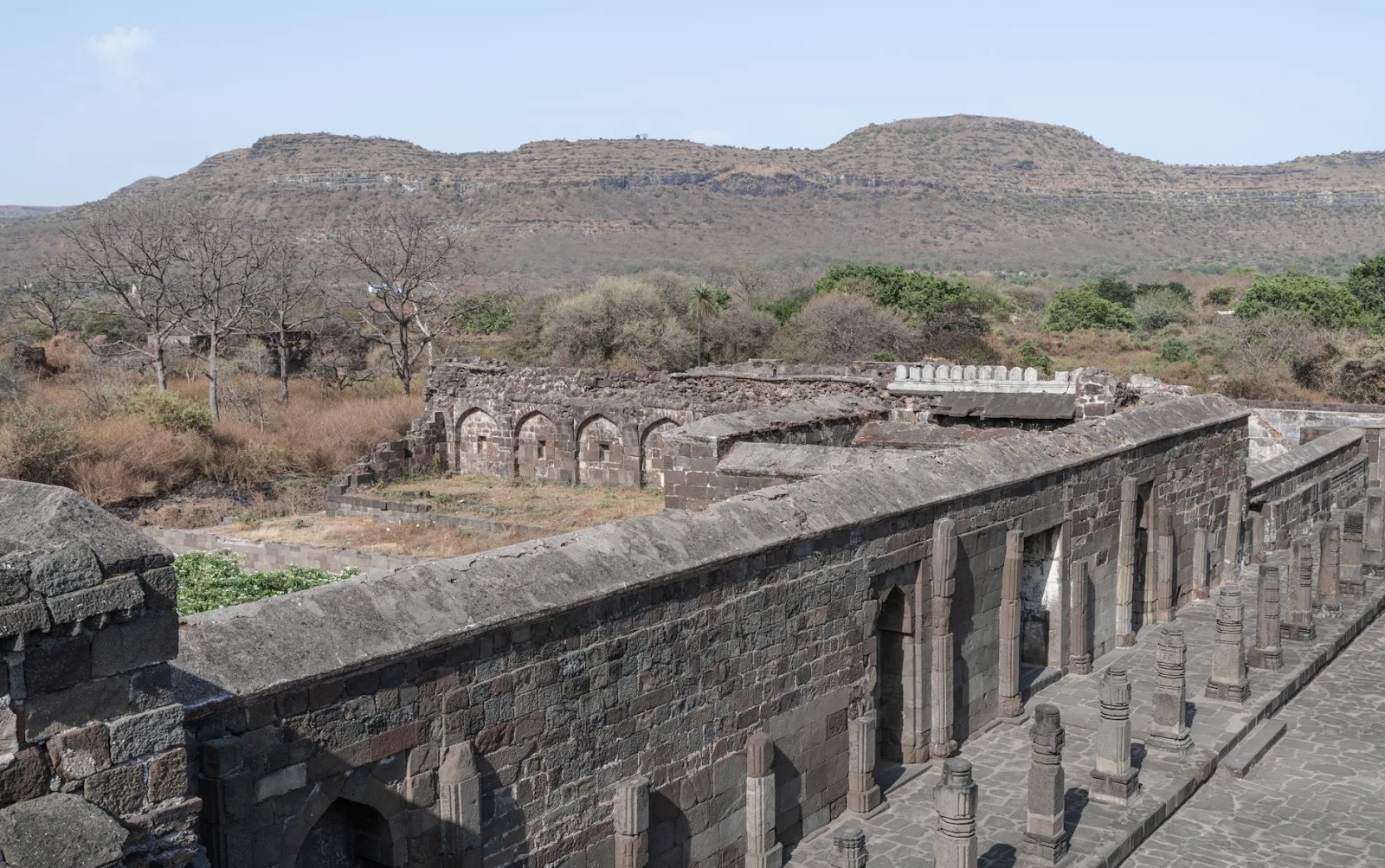
Ahmednagar Fort stands as one of the most impenetrable and historically significant land forts in western India. Built by Sultan Ahmad Nizam Shah in 1490 and later fortified with heavy stone masonry by Hussain Nizam Shah in 1559, this massive oval fort has witnessed centuries of intense geopolitical battles involving the Nizam Shahis, Mughals, Marathas, and the British East India Company. During the Quit India Movement in 1942, the British administration turned this military stronghold into a high-security prison, detaining prominent Indian freedom fighters including Pandit Jawaharlal Nehru, Sardar Vallabhbhai Patel, Maulana Abul Kalam Azad, and Acharya Kripalani. It was within these very stone quarters that Nehru wrote his iconic literary masterpiece, The Discovery of India.
Key Highlights and Things to See
- Nehru Memorial Room: A preserved museum section displaying the original quarters, furniture, personal effects, and writings of Pandit Jawaharlal Nehru during his imprisonment from 1942 to 1945.
- Moat and Defensive Walls: Marvel at the 18-meter-high stone ramparts surrounded by a deep, wide moat that historically served as a formidable deterrent against invading forces.
- Bastions and Gates: Explore 24 massive circular bastions and heavy iron-studded wooden gates designed to withstand elephant charges and heavy artillery.
- Lush Gardens: Stroll through well-maintained sprawling green lawns inside the inner fort complex maintained under the custodianship of the Indian Army.
Entry Fee and Timings
- Entry Fee: Free entry for all visitors. (Valid photo ID card required at entry due to military oversight).
- Timings: 9:00 AM to 5:00 PM (Open all days of the week).
Best Time to Visit Place
The ideal time to explore Ahmednagar Fort is from October to March when the winter temperatures range between 15°C and 28°C, making walking along the expansive grounds comfortable and pleasant.
How to Reach Place
Located in the heart of Ahmednagar city, the fort is easily accessible. It lies approximately 4 km from Ahmednagar Railway Station and 3 km from the Central Bus Stand. Auto-rickshaws, private taxis, and local city buses run frequently to the fort entrance.
Essential Tips for Visitors
Because the fort complex is under the administration of the Indian Military Armoured Corps Centre, visitors must comply with security guidelines. Photography may be restricted in specific zones outside the designated public museum area. Wear comfortable walking shoes, carry drinking water, and allow at least 1.5 to 2 hours for a fulfilling visit.
2. Harishchandragad Fort
Overview and Historical Significance
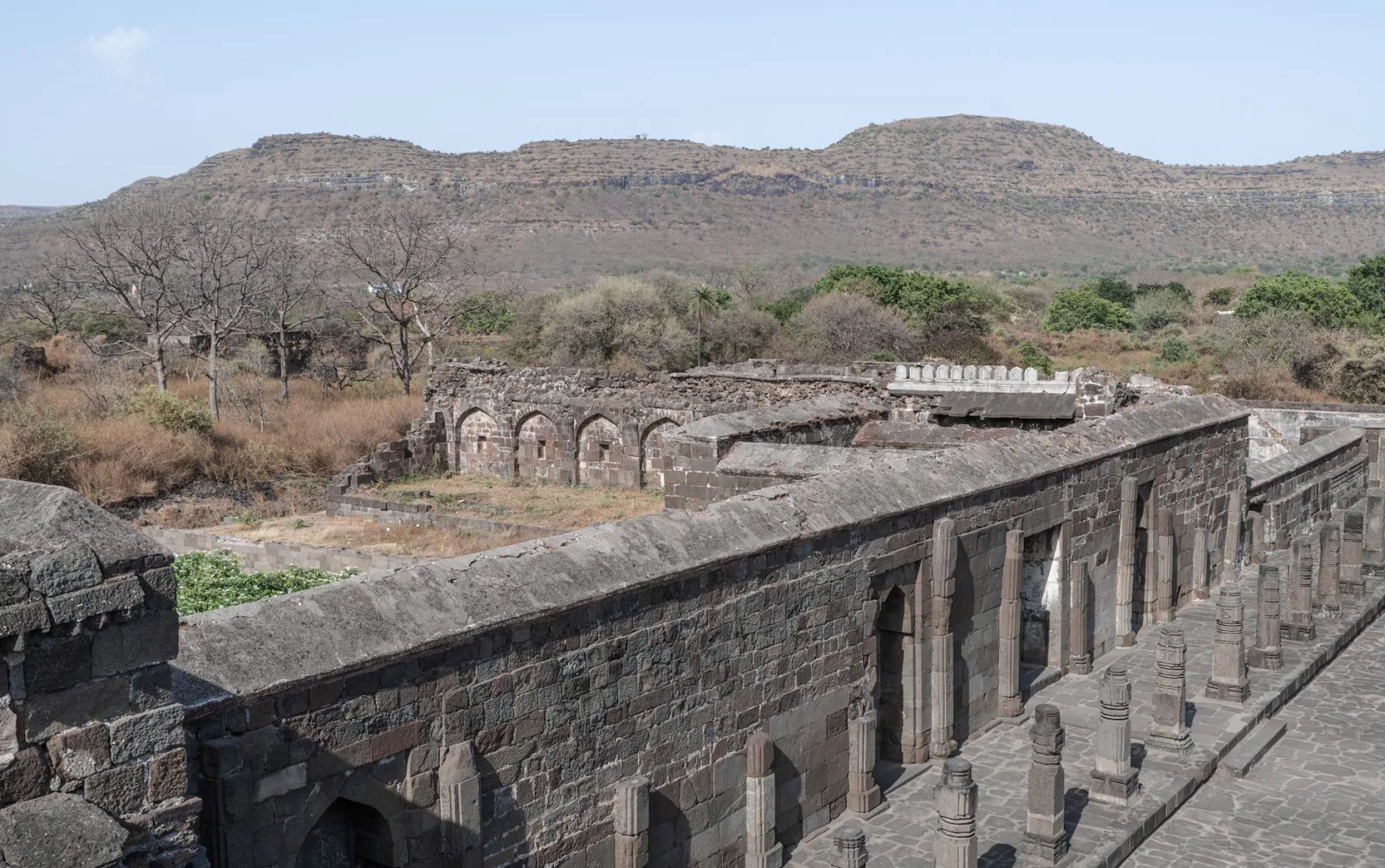
Perched high in the rugged Sahyadri mountain range within the Kalsubai Harishchandragad Wildlife Sanctuary, Harishchandragad is one of the grandest hill forts in Maharashtra. Dating back to the 6th century during the rule of the Kalachuri dynasty, the fort bears fascinating imprints of Hindu, Buddhist, and Jain traditions. Later conquered by the Marathas in 1747, Harishchandragad transitioned into a crucial strategic watchpost over the ancient Malshej Ghat trade route. Today, it stands as a legendary trekking destination, captivating adventure travel enthusiasts, nature lovers, and heritage seekers from all across India.
Key Highlights and Things to See
- Konkan Kada (Konkan Cliff): A breathtaking, concave cliff face with a vertical overhang dropping over 1,800 feet into the Konkan plains below. It offers astounding sunset views and occasional phenomena like circular rainbows (Brocken Spectre).
- Kedareshwar Cave: A remarkable natural cave housing a massive Shiva Linga completely surrounded by waist-deep, ice-cold natural spring water. The cave is famous for its four huge pillars, three of which are naturally broken, symbolic of the Hindu cosmic ages (Yugas).
- Harishchandreshwar Temple: An exquisite example of ancient Indian rock-cut architecture featuring sculpted idols, intricate stone carvings, and deep step-wells (pushkarni).
- Taramati Peak: The highest point on the fort complex (and the 6th highest peak in Maharashtra), offering sweeping panoramic views of surrounding peaks like Naneghat and Kalsubai.
Entry Fee and Timings
- Entry Fee: Free entry. Nominal eco-development or parking fees (₹30–₹50) may apply at base villages such as Pachnai or Khireshwar.
- Timings: Open 24 hours. (Daytime trekking is recommended for safety unless part of an organized night camping group).
Best Time to Visit Place
Post-monsoon (September to November) is the absolute best period to visit, when the mountain crests are covered in lush green carpets, streams cascade down rock faces, and cloud formations at Konkan Kada are truly spectacular. Winter (December to February) is ideal for overnight camping.
How to Reach Place
Harishchandragad can be approached via multiple trek routes. The easiest base village is Pachnai (approx. 130 km from Ahmednagar city), accessible by road via Akole. Another popular, moderate route starts from Khireshwar village via Alephata.
Essential Tips for Visitors
Trekking to Harishchandragad requires good physical fitness. Wear specialized trekking shoes with strong grip, carry a headlamp, pack adequate water, and bring warm clothing if camping overnight as mountain temperatures drop significantly. Novice trekkers should hire local village guides at the base.
3. Bhandardara Hill Station
Overview and Historical Significance
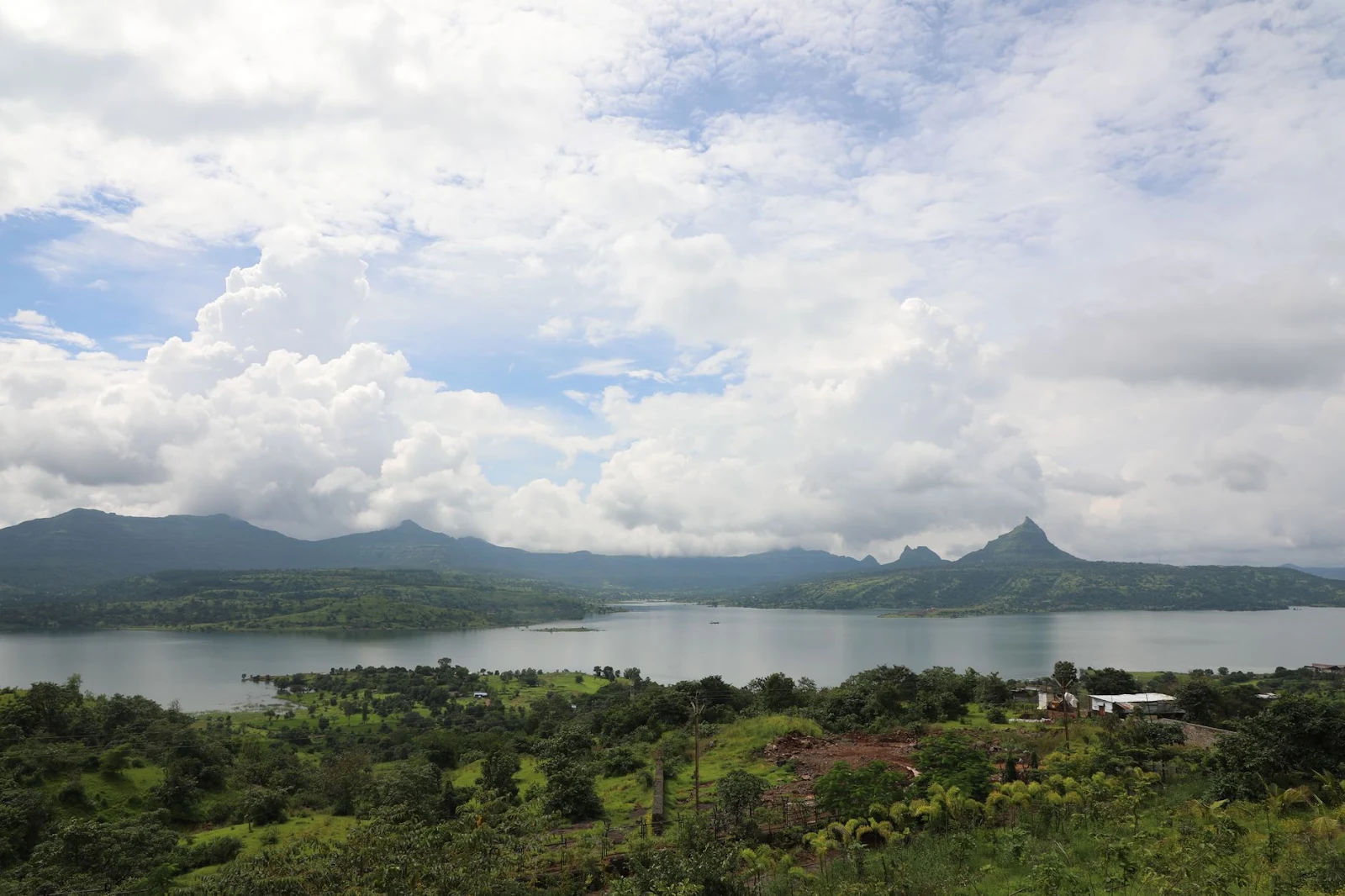
Situated in the Akole taluka of Ahmednagar district, Bhandardara is a pristine, tranquil hill village famous for its dense greenery, roaring waterfalls, sparkling lakes, and high mountain peaks. According to local lore, Sage Agastya meditated here on a diet of water and air for a year, pleasing the heavens, which blessed the region with the perennial Pravara River. During the early 20th century, the British constructed the monumental Wilson Dam across the river, turning Bhandardara into a vital agricultural reservoir and a serene hill retreat that remains one of the most tranquil places to visit in Ahmednagar.
Key Highlights and Things to See
- Arthur Lake: A massive, crystal-clear water body created by the reservoir of Wilson Dam, surrounded by thick forests and high Sahyadri ridges. Boating and lakeside camping here are top-tier experiences.
- Wilson Dam & Umbrella Falls: Constructed in 1910, Wilson Dam is one of India's oldest earthen dams. During heavy monsoons, water released through sluice gates forms the spectacular, umbrella-shaped water splash known as Umbrella Falls.
- Randha Falls: A dramatic waterfall where the Pravara River plunges down a sheer gorge from a height of 170 feet, producing a thunderous roar during monsoon months.
- Pre-Monsoon Fireflies Festival: In late May and early June, millions of bioluminescent fireflies illuminate the forest canopy around Bhandardara in an unbelievable natural spectacle.
Entry Fee and Timings
- Entry Fee: Free entry to the town. Nominal garden/viewpoint fees (₹10–₹30 per person) apply at Wilson Dam and Randha Falls.
- Timings: 6:00 AM to 6:00 PM for public viewpoint gardens.
Best Time to Visit Place
July to September for full-flowing waterfalls and lush greenery; May to June for the magical Fireflies Festival; October to February for serene lakeside camping and pleasant winter weather.
How to Reach Place
Bhandardara is located approximately 160 km from Ahmednagar city, 180 km from Mumbai, and 135 km from Pune. Igatpuri (45 km away) is the nearest major railway station, from where local taxis and MSRTC buses operate regularly.
Essential Tips for Visitors
Book resort accommodations or lakeside campsites well in advance, especially during monsoon weekends and the firefly season. Drive cautiously along slippery mountain roads, and strictly follow warning signboards near waterfall edges and deep lake waters.
4. Shani Shingnapur
Overview and Historical Significance
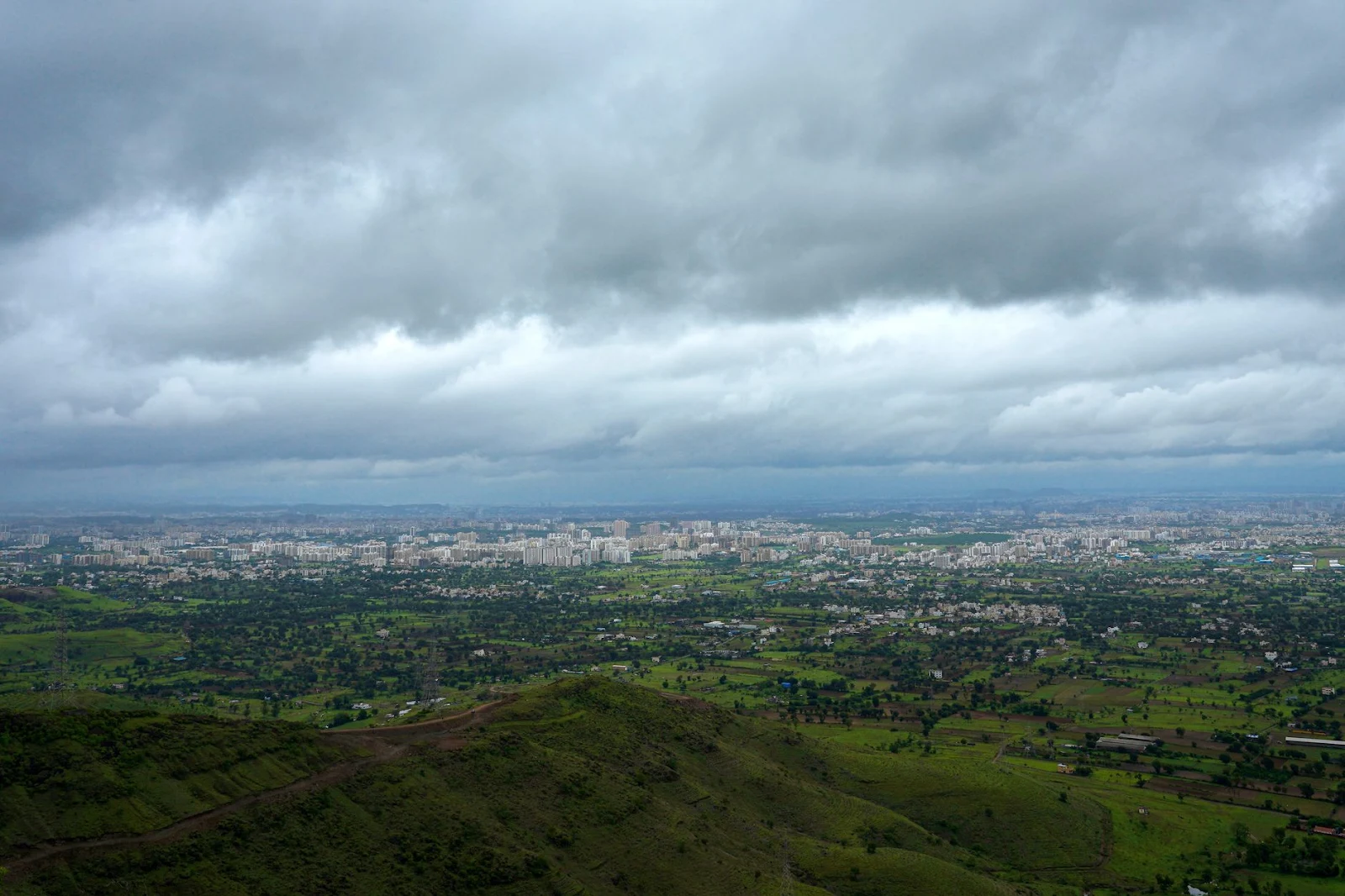
Shani Shingnapur is a globally renowned pilgrimage center located in the Nevasa taluka of Ahmednagar district. Unlike traditional Hindu temples housed inside ornate structures, the deity here—Lord Shanidev (associated with the planet Saturn)—is worshipped in the form of a 5.5-foot-tall, black stone slab (Swayambhu idol) installed on an open, roofless brick platform (Devasthanam). What truly makes this village unique in world anthropology is its centuries-old tradition: no house, shop, commercial establishment, or even bank in Shani Shingnapur has doors or locks! Local villagers believe that Lord Shani’s divine guardianship renders security measures unnecessary and protects the entire village from theft.
Key Highlights and Things to See
- Open-Air Devasthanam: Pay homage at the open-air altar where thousands of devotees gather daily to offer mustard oil, black sesame, and flowers to the black stone idol of Lord Shani.
- Doorless Houses and Architecture: Experience the astonishing sight of residential homes featuring door frames fitted with mere curtains instead of solid wooden doors, locks, or latches.
- Doorless Bank Branch: Visit the unique UCO Bank branch in the village, which operates without heavy lockable entrance gates, reflecting local traditions.
- Shani Amavasya Festivals: Participate in grand socio-religious gatherings held on any Saturday that coincides with a new moon day (Amavasya), considered exceptionally auspicious for rituals.
Entry Fee and Timings
- Entry Fee: Free entry for all visitors. Paid special darshan pass queues are available during peak festival days.
- Timings: Open 24 hours daily for public darshan.
Best Time to Visit Place
Shani Shingnapur can be visited throughout the year. Weekdays (Tuesday to Thursday) see manageable crowds compared to Saturdays and special festive occasions when long lines are common.
How to Reach Place
The shrine is located roughly 35 km from Ahmednagar city center and 84 km from the major pilgrimage town of Shirdi. State transport buses, shared autos, and private cabs run frequently from Ahmednagar, Shirdi, and Aurangabad.
Essential Tips for Visitors
Dress modestly in line with temple customs. Be wary of unauthorized street vendors pressuring visitors to buy inflated ritual oil packages. Standard puja items are available at nominal prices inside organized trust stalls.
5. Salabat Khan Tomb (Chandbibi Palace)
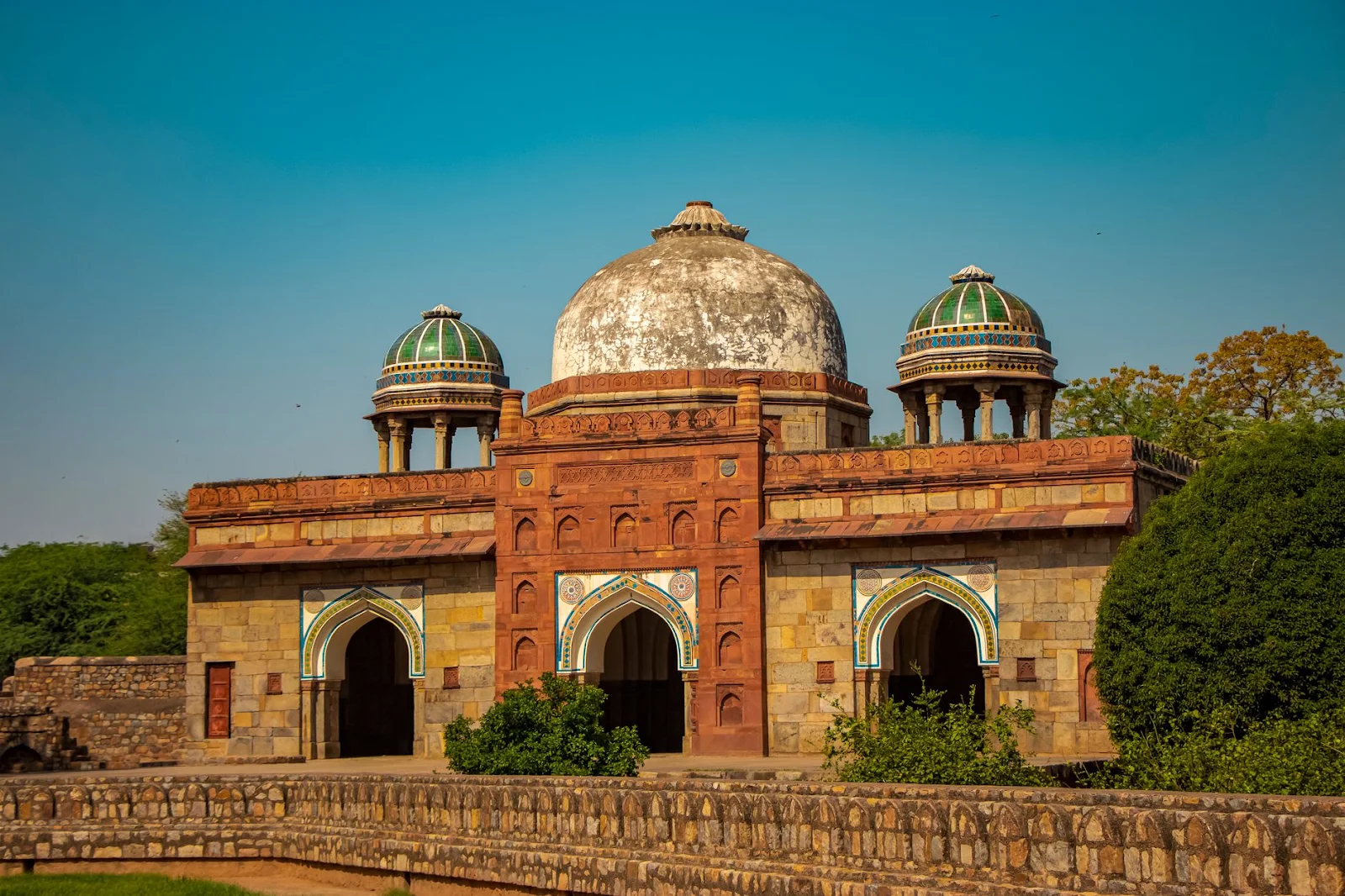
Overview and Historical Significance
Perched dramatically atop a high hill approximately 308 feet above the surrounding terrain, the Tomb of Salabat Khan II is one of Ahmednagar’s most striking architectural landmarks. Salabat Khan II was a revered minister and statesman under the Fourth Nizam Shahi ruler, Murtaza Nizam Shah I. Commonly and misinformingly known locally as "Chandbibi Palace", this octagonal three-story stone structure was designed as a mausoleum and watchtower, offering unhindered, strategic tactical views of the entire region during medieval times.
Key Highlights and Things to See
- Octagonal Islamic Architecture: Admire the three-storied structure built on an elevated stone basement, featuring arched corridors, intricate plaster lattice work, and an open central hall housing original stone graves.
- 360-Degree Panoramic View: Stand on the upper terraces to enjoy unobstructed, breathtaking views of Ahmednagar city, wind farm ridges, surrounding farmlands, and mountain ranges.
- Spectacular Sunset Views: The elevated hilltop position makes this site one of the most famous golden-hour sunset viewpoints in Ahmednagar district.
- Cool Mountain Breeze: Due to its elevation, the monument experiences continuous refreshing winds even during warm afternoons.
Entry Fee and Timings
- Entry Fee: ₹20 per person for Indian nationals; ₹200 for foreign tourists. Nominal vehicle parking charges apply.
- Timings: 9:00 AM to 6:30 PM (Open all days).
Best Time to Visit Place
Late afternoons (4:00 PM to 6:30 PM) are best, allowing visitors to explore the historical stone arches before watching a breathtaking sunset over the Deccan plateau.
How to Reach Place
The monument is located about 10 km east of Ahmednagar city along the Ahmednagar-Pathardi Road. Taxis, auto-rickshaws, and private two-wheelers easily navigate the smooth winding hill road leading straight to the site parking area.
Essential Tips for Visitors
Carry a light jacket during winter evenings as wind speeds on top of the hill can cause a sudden temperature drop. Wear shoes with good tread for walking on smooth stone floors, and bring your camera for capturing spectacular sunset photographs.
Best Time to Visit Ahmednagar
Ahmednagar experiences a semi-arid climate typical of the Deccan plateau, featuring three distinct seasons: Winter, Monsoon, and Summer.
- Winter (October to March) – Best for Sightseeing & Heritage Trails: Temperatures range between a pleasant 12°C and 28°C. This is the absolute best time to explore city monuments, fort ruins, and enjoy full-day outdoor excursions without thermal exhaustion.
- Monsoon (July to September) – Best for Nature & Trekking: The Western Ghats region of the district (Bhandardara, Harishchandragad, Kalsubai) transforms into a lush green paradise filled with overflowing dams and roaring waterfalls. Monsoons are optimal for nature lovers and trekkers, though city walking tours may experience rainy interruptions.
- Summer (April to June) – Hot & Dry: Daytime temperatures often cross 38°C to 42°C. While summer is generally less ideal for outdoor heritage walks, late May to early June is world-famous for attending the mesmerizing Fireflies Festival in the forests surrounding Bhandardara.
How to Reach Ahmednagar
By Air
Ahmednagar does not have a commercial passenger airport inside the city limits. The nearest operational airports are:
- Shirdi Airport (SAG): Located approximately 85 km away, offering direct domestic flights to major cities like Mumbai, Delhi, Hyderabad, and Bengaluru.
- Pune International Airport (PNQ): Situated roughly 120 km away, providing extensive nationwide and international flight connectivity. Taxis and direct intercity buses run regularly from Pune to Ahmednagar.
By Rail
Ahmednagar Railway Station (Station Code: ANG) is a well-connected railway junction lying on the Central Railway line. Regular express and superfast trains connect Ahmednagar to major Indian hubs including Mumbai, Pune, New Delhi, Bengaluru, Hyderabad, Ahmedabad, and Solapur.
By Road
Ahmednagar enjoys exceptional road connectivity via State Highways and National Highway NH 61. MSRTC (Maharashtra State Road Transport Corporation) operates frequent ordinary, AC Shivneri, and semi-sleeper bus services connecting Ahmednagar to Pune (120 km), Mumbai (250 km), Nashik (155 km), Aurangabad / Chhatrapati Sambhajinagar (115 km), and Shirdi (85 km).
Local Food and Culinary Delights in Ahmednagar
The cuisine of Ahmednagar reflects the authentic flavors of rustic Maharashtrian food—spicy, aromatic, and deeply satisfying. Local recipes prominently feature groundnuts, sesame seeds, garlic, dried coconut, and the famous regional Kala Masala (black spice mix blend).
- Pithla Bhakri: A traditional, comforting rural dish made of spiced gram-flour curry (Pithla) served hot alongside wholesome jowar or bajra flatbreads (Bhakri), raw onions, and fiery green chili garlic chutney (Thecha).
- Ahmednagar Mutton Curry: A signature regional specialty cooked with succulent goat meat simmered slow in a dark, complex broth flavored with toasted spices, dried coconut, and roasted onion paste.
- Usal & Misal Pav: A spicy sprout curry topped with crispy farsan, fresh onions, coriander, and freshly baked pav bread, served with a piping-hot spicy gravy ladle (Rassa).
- Pedha and Sweets: Ahmednagar's local sweet shops are renowned for milk-based pedhas and fresh shrikhand, offering a delicious sweet finish after spicy Maharashtrian meals.
10 Essential Travel Tips for Ahmednagar
- Select Destinations by Season: Plan city heritage sites (Fort, Salabat Khan Tomb) during dry winter months, and hill stations (Bhandardara, Harishchandragad) during or immediately after the monsoon.
- Wear Comfortable Footwear: Historical forts and hill treks demand extensive walking over uneven stone walkways and dirt trails.
- Dress Respectfully at Religious Sites: When visiting Shani Shingnapur or local temples, wear modest clothing covering shoulders and knees.
- Carry Sufficient Cash: While digital payments are widely accepted in Ahmednagar city, rural base villages like Pachnai or remote spots near Bhandardara often suffer from poor cellular network connectivity.
- Hire Registered Local Guides: Hiring a guide at historical monuments like Ahmednagar Fort enriches your visit with fascinating local folklore and historical details.
- Book Weekend Stays Early: Eco-resorts and campsites around Bhandardara fill up quickly on monsoon weekends and during the May firefly season.
- Carry Light Snacks and Water for Treks: High-altitude treks like Harishchandragad require consistent hydration and quick energy foods like dry fruits or energy bars.
- Follow Military Guidelines: Carry valid government-issued photo identity cards when visiting Ahmednagar Fort, as parts of the fort remain under Indian Army jurisdiction.
- Drive Carefully on Hill Ghats: Drive cautiously along sharp mountain turns on the routes leading toward Igatpuri, Bhandardara, and Malshej Ghat.
- Stay Hydrated: Always keep reusable water bottles with you during afternoon sightseeing trips to avoid thermal dehydration.
Suggested 2-Day Ahmednagar Itinerary
Day 1: Imperial History & Scenic Sunset Trail
- Morning (9:30 AM – 12:30 PM): Start your trip at Ahmednagar Fort. Walk through the historic ramparts, explore the Nehru Memorial Room, and enjoy the surrounding military gardens.
- Lunch (1:00 PM – 2:30 PM): Enjoy a traditional Maharashtrian lunch featuring Pithla Bhakri and spicy Misal Pav at a local restaurant in Ahmednagar city center.
- Afternoon (3:00 PM – 4:30 PM): Visit the Cavalry Tank Museum (the only official museum of its kind in Asia) showcasing historic military tanks and armored vehicles.
- Late Afternoon & Evening (5:00 PM – 6:30 PM): Drive up to Salabat Khan Tomb (Chandbibi Palace) to admire the octagonal Islamic architecture and catch a stunning sunset over Ahmednagar city.
Day 2: Divine Blessings & Scenic Nature Excursion
- Morning (7:30 AM – 11:30 AM): Drive 35 km from the city to the famous village of Shani Shingnapur. Offer prayers at the open-air Devasthanam and explore the doorless village homes.
- Afternoon & Evening (12:30 PM – 6:00 PM): Drive toward Bhandardara Hill Station (approx. 2.5 hours). Visit Arthur Lake, Wilson Dam, and Randha Falls. Enjoy a scenic evening boat ride on Arthur Lake before returning or checking into a lakeside campsite.
Frequently Asked Questions (FAQs)
1. What is Ahmednagar famous for?
Ahmednagar is famous for its rich history dating back to the Nizam Shahi Sultanate, its massive military fort where Jawaharlal Nehru wrote 'The Discovery of India', the doorless pilgrimage village of Shani Shingnapur, and natural travel hubs like Bhandardara and Harishchandragad Fort.
2. What are the best places to visit in Ahmednagar with family?
For families, the top attractions include Ahmednagar Fort, Salabat Khan Tomb (Chandbibi Palace) for panoramic sunset views, Shani Shingnapur shrine, Arthur Lake in Bhandardara, and the Cavalry Tank Museum.
3. How difficult is the trek to Harishchandragad Fort?
The difficulty depends on the chosen route. The trek via Pachnai base village is relatively easy to moderate (2–3 hours), making it suitable for beginners. The route via Khireshwar is moderate to difficult (4–5 hours), requiring good stamina.
4. Why do houses in Shani Shingnapur have no doors?
Villagers in Shani Shingnapur deeply believe that Lord Shanidev personally guards the village against theft. According to local belief, anyone who commits a crime will suffer divine retribution, rendering physical doors and locks unnecessary.
5. Which is the nearest airport to Ahmednagar?
Shirdi Airport (SAG), located about 85 km away, is the nearest operational domestic airport. For broader international flight connections, Pune International Airport (PNQ) at 120 km is the best choice.
6. How many days are sufficient to explore Ahmednagar?
A 2-day to 3-day trip is ideal. Two days are sufficient to cover major city historical monuments, Shani Shingnapur, and a quick trip to Bhandardara. Adding an extra day allows time for trekking Harishchandragad or overnight lake camping.
7. Is Bhandardara safe for night camping?
Yes, night camping near Arthur Lake in Bhandardara is safe, well-organized, and popular among tourists. It is recommended to book your tent stay through verified local eco-tourism organizers or established resort campsites.
8. What historic book was written inside Ahmednagar Fort?
Pandit Jawaharlal Nehru wrote his famous book, 'The Discovery of India', while imprisoned by the British administration at Ahmednagar Fort between 1942 and 1945.
Conclusion
Ahmednagar stands out as one of Maharashtra’s most versatile travel destinations, offering an authentic mix of history, spirituality, adventure, and mountain landscapes. From stepping inside the high stone walls of Ahmednagar Fort where world-changing literature was penned, to taking in sweeping sunset views from Salabat Khan Tomb, experiencing the miraculous doorless tradition of Shani Shingnapur, or gazing down the vertigo-inducing drop of Konkan Kada at Harishchandragad, every corner of this district reveals a new layer of wonder. Whether you are planning a weekend escape from Mumbai or Pune, or taking a deep dive into Maharashtrian heritage, exploring the top tourist places in Ahmednagar promises an enriching and deeply memorable holiday experience. Pack your travel bags, prepare your itinerary, and step out to discover the timeless heart of Maharashtra!



0 Comments