
Offbeat Madhya Pradesh: Uncovering Dindori's Best Kept Secret Destinations
Nestled quietly in the eastern reaches of Madhya Pradesh, Dindori is a district that often escapes the typical tourist radar, making it an absolute paradise for offbeat travelers, nature lovers, and explorers seeking untouched landscapes. If you are hunting for the best places to visit in Dindori, Madhya Pradesh, you are in for a refreshing treat away from the chaotic tourist hubs. Characterized by undulating hills, dense deciduous forests, the meandering Narmada River, and a rich tapestry of indigenous Gond and Baiga tribal culture, Dindori offers a raw and authentic slice of rural India. As you journey through this verdant terrain, you will discover that tourism here isn't just about ticking monuments off a checklist; it is about immersing yourself in pristine natural beauty, ancient geological wonders, and serene wilderness. Whether you are a solo traveler looking for solitude, a couple seeking a quiet weekend amidst nature, or a photography enthusiast chasing breathtaking sunsets over riverbeds, Dindori welcomes you with open arms. Join us as we take you on a comprehensive journey through the top tourist places in Dindori, complete with local insights, travel tips, itineraries, and everything else you need to plan your next memorable getaway in the heart of India.
Table of Contents
- 1. Kanha Kisli National Park (Dindori Buffer Zone)
- 2. Ghughwa Fossil National Park
- 3. Narmada River Origin and Scenic Ghats
- 4. Devnalha Waterfall and Nature Trails
- 5. Karania and Local Tribal Villages
- Best Time to Visit Dindori
- How to Reach Dindori
- Local Food and Culinary Delights
- 10 Essential Travel Tips for Dindori
- Suggested 2-Day Dindori Itinerary
- Frequently Asked Questions (FAQs)
- Conclusion
1. Kanha Kisli National Park (Dindori Buffer Zone)

Kicking off our list of top tourist places in Dindori is the mesmerizing buffer zone of the globally renowned Kanha Kisli National Park, which extends deeply into the Dindori district. While most wildlife enthusiasts associate Kanha strictly with Mandla and Balaghat districts, the Dindori extension offers a quieter, less commercialized entry point into the sprawling Sal forests and grasslands that inspired Rudyard Kipling’s legendary 'The Jungle Book'. This part of the park is a dream come true for wildlife spotters, bird watchers, and trekking enthusiasts who prefer tranquility over crowded safari jeeps. The landscape here is dramatic, featuring dense woodlands, undulating terrain, seasonal streams, and rocky outcrops that provide a safe haven for leopards, sloth bears, Indian gaurs, jackals, and a staggering variety of resident and migratory birds. Exploring the Dindori side of Kanha allows you to experience the raw wilderness of central India in absolute peace, accompanied only by the rustling of leaves and the distant calls of langurs.
Key Highlights and Activities
The primary draw here is jungle trekking and bird watching. Unlike core safari zones where vehicles dominate, the buffer areas in Dindori offer guided nature walks accompanied by experienced forest department guides. Photographers will find endless opportunities to capture macro shots of rare flora, butterflies, and striking avian species like the Malabar pied hornbill and crested serpent eagle. Sunset safaris along the forest fringes provide magical viewing opportunities as the golden hour light filters through the towering Sal trees.
Best Time to Visit
The best time to explore the Dindori buffer zone of Kanha is between November and April. During these months, the weather is pleasant, and the foliage is sparse enough to allow for better wildlife sightings.
How to Reach
The Dindori buffer zone is easily accessible via road from Dindori town, which is approximately 65 kilometers away. Regular state transport buses and private jeeps operate on this route.
Entry Fee and Timings
Entry fees depend on the specific forest department permits required for guided walks or vehicle entry, generally ranging between INR 500 to INR 1500. Timings are typically from 6:00 AM to 10:30 AM and 3:00 PM to 6:00 PM.
2. Ghughwa Fossil National Park

A true geological wonder and one of the most fascinating best places to visit in Dindori is the Ghughwa Fossil National Park. Spanning across a relatively compact area, this unique national park is a treasure trove of prehistoric history, preserving plant fossils that date back an astounding 65 million years to the Cretaceous and early Tertiary periods. If you have ever wondered what central India looked like before the Himalayas were formed, Ghughwa offers tangible, awe-inspiring proof. The park houses an incredible collection of fossilized tree trunks, leaves, seeds, and fruits that belong to ancient flora, many of which are now extinct in the Indian subcontinent or found only in tropical rainforests or regions far away. Walking through the open-air display areas and the indoor museum feels like stepping straight into a time machine, making it an educational and mesmerizing stop for history buffs, science students, and curious travelers alike.
Key Highlights and Activities
The star attraction is the massive, perfectly preserved fossilized tree trunk measuring over 30 meters in length. Visitors can examine the distinct annual rings, bark textures, and cellular structures of plants that lived alongside the dinosaurs. The on-site interpretation center provides detailed information about the continental drift theory and how India's northward journey contributed to the preservation of these botanical relics. Guided tours by knowledgeable local forest guards help bring the silent stones to life with fascinating historical context.
Best Time to Visit
Ghughwa Fossil National Park can be visited year-round, but the period from October to March offers the most comfortable weather for walking through the open-air fossil display sites.
How to Reach
Located near Shahpura in the Dindori district, the park is situated roughly 75 kilometers from Dindori town and can be easily reached via the main Jabalpur-Dindori highway by taxi or bus.
Entry Fee and Timings
The nominal entry fee is around INR 30 for Indian citizens and slightly higher for foreign nationals. The park is open daily from 8:00 AM to 5:00 PM.
3. Narmada River Origin and Scenic Ghats
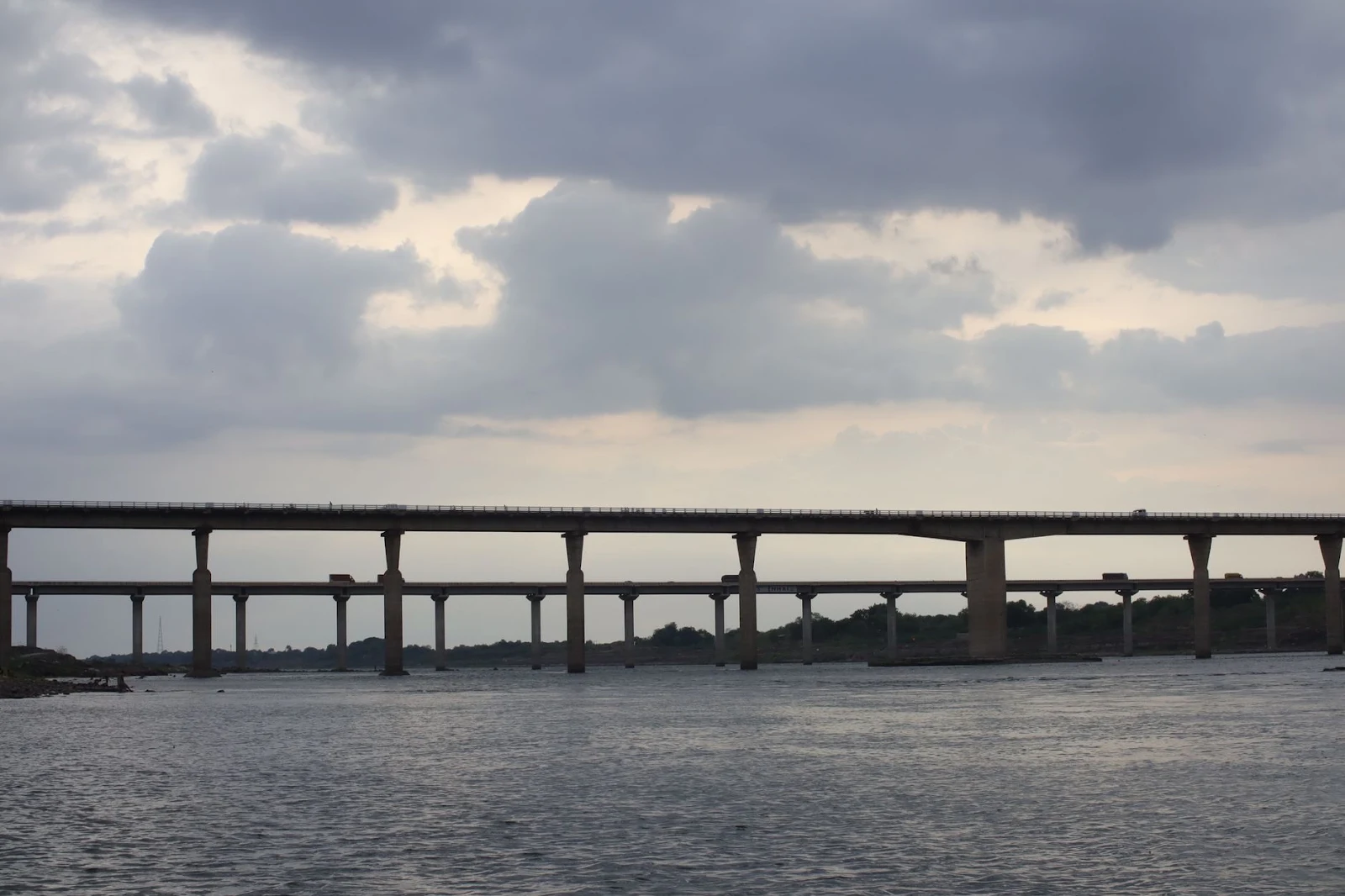
No journey through Dindori is complete without paying homage to the lifeblood of Madhya Pradesh—the holy Narmada River. While the absolute source of the river lies a short distance away in Amarkantak, the upper reaches of the Narmada flow magnificently through the Dindori district, carving out dramatic rocky gorges, serene pools, and picturesque riverbanks known locally as ghats. As one of the top tourist places in Dindori, the Narmada riverbanks in this region offer an atmosphere of profound spirituality, rural charm, and untouched natural splendor. Unlike the heavily commercialized ghats found further downstream, Dindori's river spots provide a tranquil sanctuary where you can sit on smooth river rocks, listen to the gentle gurgling of crystal-clear waters, and watch local villagers go about their traditional daily lives against a backdrop of rolling green hills.
Key Highlights and Activities
Key spots along the river in Dindori include the Ramghat and various secluded river bends where the water runs crystal clear over colorful pebbles. Visitors can enjoy peaceful strolls along the banks, witness serene evening Aarti rituals in select local temples, and engage in meditative photography. The riverbanks are also fantastic spots for bird watching in the early mornings when various egrets, kingfishers, and river terns dart across the water surface.
Best Time to Visit
The monsoon and post-monsoon seasons (July to January) showcase the Narmada River in all its mighty, roaring glory, while the winter months (October to March) offer pleasant weather for spending hours sitting by the tranquil water's edge.
How to Reach
Several scenic ghats and river points are located directly within and around Dindori town, easily accessible via local auto-rickshaws, cabs, or on foot if staying centrally.
Entry Fee and Timings
There are no entry fees to visit the river ghats. They are open to the public 24 hours a day, though visiting during sunrise and sunset offers the most magical experience.
4. Devnalha Waterfall and Nature Trails

For those who love chasing offbeat cascades and hidden natural wonders, Devnalha Waterfall stands out as one of the best places to visit in Dindori. Deeply hidden amidst dense forest cover and rugged rocky terrain, this waterfall is a pristine natural spectacle that remains blissfully free from massive tourist crowds. The journey to Devnalha is an adventure in itself, requiring a short, scenic trek through winding forest trails flanked by wild shrubs, towering trees, and the soothing sounds of cascading water growing louder with every step. When you finally arrive at the falls, you are greeted by water plunging gracefully over layered rock formations into a clear, cool pool below. It is an idyllic spot for nature lovers, meditation seekers, and landscape photographers looking to capture the raw, untamed beauty of rural Madhya Pradesh.
Key Highlights and Activities
The highlight here is the refreshing nature trek leading up to the waterfall and the serene ambiance surrounding the pool. It is an ideal location for a peaceful picnic, practicing mindfulness surrounded by lush greenery, or capturing long-exposure photography of the cascading water. The surrounding canopy also teems with colorful butterflies and woodland birds, making it a wonderful spot for amateur naturalists.
Best Time to Visit
The ideal time to visit Devnalha Waterfall is right after the monsoon season, between September and December, when the water flow is robust and the surrounding landscape is painted in vibrant shades of green.
How to Reach
Devnalha is situated in the interior parts of the Dindori district. Travelers should hire a local guide and a robust vehicle from Dindori town to reach the nearest trekking point, followed by a short 1 to 2-kilometer walk.
Entry Fee and Timings
There is no official entry fee for visiting the waterfall. It is best visited during daylight hours, ideally between 8:00 AM and 4:00 PM for safety and visibility.
5. Karania and Local Tribal Villages

To truly understand the soul of Dindori, you must look beyond its physical landscapes and dive into its rich cultural heritage. The district is heavily populated by indigenous Gond and Baiga tribal communities who have lived in harmony with nature for centuries. Exploring tribal settlements like Karania is widely considered one of the top tourist places in Dindori experiences, offering profound cultural immersion and an authentic look at traditional rural life in central India. These villages are renowned for their distinct architectural styles, vibrant folk art, intricate traditional ornaments, and warm, welcoming hospitality. Visiting these communities provides a humbling opportunity to learn about ancient sustainable practices, indigenous medicinal knowledge, rhythmic folk dances, and legendary tribal folklore that has been passed down orally through generations.
Key Highlights and Activities
Travelers visiting Karania and nearby villages can admire the striking, beautifully painted mud houses adorned with traditional Gond art motifs. Engaging with local artisans offers a chance to purchase authentic, hand-painted tribal art, eco-friendly bamboo crafts, and handmade jewelry directly from the creators. If timed right, visitors may also witness or learn about traditional Karma and Saila folk dances accompanied by indigenous musical instruments.
Best Time to Visit
The winter months from October to March are ideal for village explorations, as the weather is pleasant and various local cultural festivals and weekly markets (haats) take place during this period.
How to Reach
Karania and surrounding tribal hamlets are located within the Dindori district and can be reached by hiring a local taxi or taking local transport from Dindori headquarters.
Entry Fee and Timings
There are no entry fees. Daytime visits, preferably coordinated with a local cultural guide, are recommended to respect the privacy and daily routines of the villagers.
Best Time to Visit Dindori
Planning your trip during the right season is crucial for making the most of your adventure in Dindori. The district experiences a typical central Indian climate with three distinct seasons:
- Winter (October to March): This is universally recognized as the best time to visit Dindori. Temperatures range comfortably between 10°C and 25°C. The weather is crisp, sunny, and ideal for sightseeing, fossil park explorations, wildlife spotting in the buffer zones, and long road journeys.
- Monsoon (July to September): If you love lush green landscapes, roaring waterfalls like Devnalha, and a revitalized Narmada River, the monsoon season transforms Dindori into an emerald paradise. However, heavy rains can occasionally make interior rural roads and trekking trails challenging to navigate.
- Summer (April to June): Summers in Dindori can be quite harsh and intensely hot, with daytime temperatures frequently soaring above 40°C. Outdoor sightseeing and trekking become quite exhausting during this period, making it less recommended for general leisure travelers.
How to Reach Dindori
Despite its offbeat, secluded charm, Dindori is reasonably well-connected by road to major cities in Madhya Pradesh and neighboring Chhattisgarh:
- By Air: The nearest major airport is Jabalpur Airport (JLR), located approximately 140 kilometers away from Dindori town. Jabalpur is well-connected by direct flights from major Indian hubs like Delhi, Mumbai, Hyderabad, and Bhopal. From the airport, you can easily hire a pre-paid taxi or rent a cab to reach Dindori.
- By Train: Dindori does not have its own major railway station. The closest convenient railway junctions are Jabalpur Junction and Umaria, both situated within a 130 to 150-kilometer radius. These stations boast excellent rail connectivity with trains running from all corners of India. Regular buses and private cabs are readily available outside the stations.
- By Road: Dindori boasts smooth road connectivity via state and national highways. Regular state transport buses (MP Safar and private operators) run frequently from Jabalpur, Mandla, Shahpura, Bilaspur, and Anuppur. Self-driving or hiring a private outstation cab from Jabalpur offers the ultimate flexibility to explore Dindori’s scattered attractions at your own pace.
Local Food and Culinary Delights
A travel experience in rural Madhya Pradesh is incomplete without savoring its rustic, earthy culinary traditions. Dindori’s local cuisine relies heavily on fresh, locally sourced, organic ingredients, wild forest produce, and traditional cooking techniques that preserve authentic flavors. Here are some local delicacies you must try:
- Bafauri: A healthy, protein-packed snack made from ground chana dal spiced with green chilies, ginger, and local herbs, then steamed rather than heavily fried.
- Bhutte ki Kees: A comforting, savory delight prepared by grating fresh corn kernels, sautéing them in ghee with mustard seeds, green chilies, and asafoetida, and simmering them in rich milk.
- Kodo and Kutki Millets: Traditional tribal millets that form the staple diet of the region. Served in various wholesome forms like rotis, khichdi, or sweet porridges, these grains are exceptionally nutritious and deeply tied to Dindori's agricultural roots.
- Mahua Delicacies: Prepared from the fragrant flowers of the Mahua tree, locals create various traditional sweets, beverages, and winter tonics that hold immense cultural significance in tribal households.
- Poha Jalebi: The quintessential breakfast pairing across Madhya Pradesh, widely available in local tea stalls around Dindori town.
10 Essential Travel Tips for Dindori
- Plan Your Transport: Since public transport to interior spots like Devnalha or rural tribal hamlets is infrequent, renting a private taxi with an experienced local driver is your best option.
- Carry Sufficient Cash: ATM availability in remote parts of Dindori is sparse and prone to outages. Always carry enough physical cash for daily expenses, village purchases, and local meals.
- Dress Modestly: Dindori is culturally traditional and conservative. Opt for modest clothing, especially when visiting rural tribal settlements and local temples.
- Pack Sturdy Footwear: Expect plenty of walking, uneven forest trails, and rocky riverbanks. Pack reliable trekking shoes or sturdy sneakers.
- Respect Tribal Culture: Always ask for permission before photographing local villagers, tribal homes, or traditional ceremonies. Respect local customs and traditions.
- Stay Hydrated: Central Indian summers and dry winters require constant hydration. Carry a reusable water bottle and stock up on electrolyte drinks.
- First Aid Kit: Pack a basic medical kit including motion sickness pills, band-aids, insect repellent, antiseptic cream, and personal prescription medications.
- Download Offline Maps: Mobile network connectivity (especially Jio and Airtel) can be patchy or completely absent in deep forest areas and wildlife buffer zones. Download offline Google Maps before setting out.
- Eco-Friendly Travel: Dindori’s natural beauty is pristine. Practice strict 'Leave No Trace' principles by carrying back all plastic wrappers, bottles, and non-biodegradable waste.
- Hire Local Guides: For exploring the Ghughwa Fossil Park, Kanha buffer zones, or tribal villages, hiring a certified local guide enriches your understanding and ensures safe navigation.
Suggested 2-Day Dindori Itinerary
To help you maximize a quick weekend getaway, here is a well-crafted 2-day itinerary covering the best highlights of the district:
Day 1: Geological Wonders and River Serenity
- 08:00 AM - 11:00 AM: Arrive in Dindori and head straight to the magnificent Ghughwa Fossil National Park. Spend your morning exploring millions of years of botanical history with a local guide.
- 11:30 AM - 01:00 PM: Drive towards Shahpura for a relaxed local lunch featuring traditional millet-based dishes and regional spices.
- 02:30 PM - 05:00 PM: Visit the scenic banks of the Narmada River. Spend your afternoon walking along the pristine ghats, absorbing the spiritual and natural tranquility.
- 06:00 PM: Check into your hotel or eco-lodge in Dindori town, enjoy a relaxed dinner, and rest up for tomorrow's adventure.
Day 2: Waterfalls, Wilderness, and Tribal Culture
- 07:30 AM - 11:00 AM: Embark on an early morning excursion to the breathtaking Devnalha Waterfall for a refreshing forest trek and stunning nature photography.
- 11:30 AM - 01:00 PM: Explore the buffer zones of Kanha Kisli National Park (Dindori side) for guided bird watching and nature walks.
- 02:00 PM - 04:00 PM: Head to tribal settlements like Karania to interact with local Gond and Baiga artisans, admire traditional mud architecture, and purchase authentic tribal art.
- 04:30 PM: Depart for your onward journey back to Jabalpur or your next destination with unforgettable memories of offbeat Madhya Pradesh.
Frequently Asked Questions (FAQs)
1. What is Dindori famous for?

Dindori is famous for its untouched natural beauty, the prehistoric Ghughwa Fossil National Park, the upper Narmada River basin, rich Gond and Baiga tribal heritage, and peaceful buffer zones of Kanha National Park.
2. How many days are sufficient to explore Dindori?
A duration of 2 to 3 days is ideal to comfortably explore all the top tourist places in Dindori without feeling rushed.
3. Is Dindori safe for solo travelers?

Yes, Dindori is generally safe and peaceful. However, because it is a remote, offbeat district, solo travelers should plan their transport in advance and avoid traveling through dense forest roads late at night.
4. Can I see tigers in the Dindori section of Kanha?

While the Dindori side is primarily a buffer zone known for leopards, sloth bears, gaurs, and rich bird life, occasional tiger movements are recorded by the forest department.
5. What language is spoken in Dindori?

Hindi and regional dialects like Gondi and Chhattisgarhi are widely spoken by the local communities.
6. Are there good hotels available in Dindori?

Accommodation options in Dindori are mostly limited to modest budget hotels, forest rest houses, and guesthouses. For luxury stays, travelers often base themselves in Jabalpur and take day trips.
7. Is mobile network coverage reliable in Dindori?

Major telecom operators like Jio and Airtel work well in Dindori town, but connectivity can drop significantly inside forest reserves and remote waterfalls.
8. What should I buy as a souvenir from Dindori?

Authentic Gond paintings, handcrafted tribal jewelry, eco-friendly bamboo artifacts, and organic local millets make fantastic, meaningful souvenirs.
Conclusion
Dindori stands as a shining testament to the raw, unspoiled beauty that still exists quietly in the heart of central India. Far removed from the bustling crowds of commercialized hill stations and metropolitan tourist traps, this hidden gem in Madhya Pradesh offers a soul-stirring blend of prehistoric wonders, pristine river landscapes, cascading waterfalls, and vibrant indigenous culture. Whether you are marvelling at 65-million-year-old tree fossils at Ghughwa, trekking through the quiet wilderness of the Kanha buffer zone, or learning the timeless art forms of the Gond and Baiga communities, every moment spent here feels genuine and deeply grounding. If you are ready to venture off the beaten path and experience authentic rural warmth and untouched nature, make sure Dindori is at the very top of your Indian travel bucket list.



0 Comments