
Discover the Hidden Heritage: Top Tourist Places in Mandsaur, Madhya Pradesh, India
Nestled in the northwestern corner of Malwa plateau, Mandsaur is one of those rare Indian destinations that effortlessly weaves together ancient history, architectural grandeur, spiritual serenity, and untouched natural beauty. If you are a passionate traveler searching for offbeat gems that escape the heavy commercialization of mainstream tourist circuits, the best places to visit in Mandsaur, Madhya Pradesh, India, will completely captivate your imagination. Long before modern maps defined its borders, this ancient land was known as Dashapura, echoing through the corridors of time in classical Sanskrit literature, ancient epics, and profound historical inscriptions.
As you traverse through this enchanting district, you will find yourself stepping back into eras ruled by the Alchon Huns, the Guptas, and later the Scindias of Gwalior. Mandsaur is not just a geographical location; it is a living, breathing museum. The landscape here is dramatically diverse. On one hand, you have massive monolithic sandstone pillars bearing centuries-old Brahmi inscriptions, while on the other, you have the gushing waters of the Shivna River hugging the magnificent Pashupatinath Temple, one of the rarest shrines in the country. The air here carries the sweet, earthy aroma of world-class opium cultivation fields alongside the rustic charm of rural Malwa life. Whether you are gazing at the majestic ruins of the Mandsaur Fort perched high on a plateau or watching a breathtaking sunset over the Gandhi Sagar Sanctuary, every single moment spent here feels deeply personal and enriching.
Planning your next holiday to Mandsaur means opening yourself up to authentic Indian heritage without the endless crowds. It is a haven for photography enthusiasts, history scholars, spiritual seekers, and weekend explorers alike. In this comprehensive travel guide, we take you through the top tourist spots in Mandsaur, sharing insider tips, local culinary secrets, and a carefully crafted two-day itinerary to ensure you experience the absolute best of this historic Malwa district. Pack your bags, lace up your comfortable walking shoes, and let us uncover the timeless wonders of Mandsaur together.
Table of Contents
- 1. Pashupatinath Temple
- 2. Mandsaur Fort
- 3. Gandhi Sagar Sanctuary and Dam
- 4. Hinglaj Garh Fort
- 5. Dharmarajeshwar Temple
- Best Time to Visit Mandsaur
- How to Reach Mandsaur
- Local Food to Try
- Essential Travel Tips
- Suggested 2-Day Itinerary
- Frequently Asked Questions
- Conclusion
1. Pashupatinath Temple

Overview
The Pashupatinath Temple stands as the undeniable spiritual heartbeat of Mandsaur, drawing devotees, historians, and architecture lovers from across the globe. Located gracefully on the tranquil banks of the Shivna River, this sacred shrine is most famous for its unique eight-faced (ashtamukhi) Shivalinga, which is carved out of a single massive block of soapstone. This architectural marvel is widely considered one of its kind in India, bearing a striking resemblance to the famous Pashupatinath Temple in Kathmandu, Nepal, yet holding its own distinct regional charm.
Historical & Cultural Significance
The history of this temple is steeped in both legend and archaeological wonder. The magnificent idol, towering nearly 4.5 meters high, was recovered from the bed of the Shivna River and consecrated in the 1960s, though the sacredness of the site dates back centuries. Each of the eight faces carved onto the linga represents a different form and manifestation of Lord Shiva, depicting various emotional states and cosmic duties. Pilgrims flock here in massive numbers during the festival of Mahashivaratri, transforming the temple premises into a vibrant center of devotion, folk music, and spiritual chanting.
Best Time to Experience
While the temple welcomes visitors throughout the year, the best time to experience its serene aura is during the early morning hours, around sunrise, when the golden light reflects off the gently flowing Shivna River. Visiting during the monsoon months (July to September) adds a magical touch, as the surrounding riverbanks turn lush green and the water levels rise, creating a picturesque setting for photography and quiet contemplation.
2. Mandsaur Fort

Overview
Perched majestically on a high plateau overlooking the confluence of the Khan and Shivna rivers, the Mandsaur Fort stands as a proud testament to the region's turbulent yet glorious martial history. Though much of the structure now stands in poetic ruins, walking through its massive stone gateways, broken ramparts, and sprawling courtyards offers an immersive journey into medieval Indian warfare and royal architecture. The fort's strategic location made it a heavily contested prize among Malwa sultans, Maratha rulers, and Rajput chieftains.
Historical & Cultural Significance
Constructed primarily during the reign of the Malwa Sultans in the late 14th and 15th centuries, the fort witnessed numerous historic sieges and battles. Inside the fort complex, visitors can explore old palaces, step-wells (baolis), and ancient temples that whisper tales of bygone eras. One of the most prominent architectural highlights inside the fort is the Tapeshwar Mahadev Temple and a massive historical well known as the 'Andheri Bawdi'. The fort walls provide panoramic, postcard-worthy views of Mandsaur town and the meandering river below, making it a favorite spot for sunset watchers.
Best Time to Experience
Late afternoon is the absolute best time to explore the Mandsaur Fort. As the sun begins to dip towards the horizon, the harsh Malwa heat softens, casting dramatic shadows across the weathered stone walls. This golden hour illumination provides phenomenal opportunities for architectural and landscape photography.
3. Gandhi Sagar Sanctuary and Dam

Overview
Spanning across the rugged terrains of the Mandsaur and Neemuch districts, the Gandhi Sagar Sanctuary is a sprawling protected wildlife reserve that covers over 360 square kilometers. Bordered by the mighty Chambal River on one side and the massive Gandhi Sagar Dam reservoir, this destination combines rich biodiversity with breathtaking aquatic landscapes. It is an absolute paradise for wildlife enthusiasts, bird watchers, and nature lovers seeking an offbeat escape into the wilderness of Madhya Pradesh.
Historical & Cultural Significance
Established in 1974, the sanctuary serves as a crucial habitat for a wide variety of Indian wildlife, including leopards, chinkaras, nilgai, spotted deer, mugger crocodiles, and over 150 species of resident and migratory birds. The Gandhi Sagar Dam, constructed across the Chambal River, is one of the four major dams on the river and stands as a monumental engineering achievement of independent India. Together, the sanctuary and the reservoir offer a harmonious blend of nature conservation, hydroelectric power heritage, and eco-tourism, including popular water-safari activities introduced recently.
Best Time to Experience
The winter months, spanning from October to March, offer the most pleasant weather for exploring the sanctuary. Mornings are crisp and misty, making it ideal for jungle safaris and bird watching along the backwaters of the Chambal River. Monsoon is also a wonderful time if you want to witness the dam gates open in all their roaring glory.
4. Hinglaj Garh Fort

Overview
Hidden deep within the dense forests of the Bhanpura tehsil in the Mandsaur district lies the archaeological wonderland of Hinglaj Garh Fort. Often described by historians as an open-air sculpture museum, this remote historic fort is nestled in the Vindhya mountain range. Unlike conventional forts famous for royal palaces, Hinglaj Garh is legendary for its breathtaking collection of ancient stone sculptures dating from the Gupta period all the way up to the Paramara era.
Historical & Cultural Significance
Built originally in the 9th century and expanded during subsequent centuries, the fort served as a major stronghold and a profound center of art and religion. Over the decades, countless exquisite statues of Hindu and Jain deities, celestial nymphs (apsaras), and intricate architectural friezes have been excavated from this site. While many of the finest masterpieces have been safely shifted to state museums in Bhopal and Indore, exploring the ruined fort ruins and discovering scattered stone carvings amidst the wilderness gives visitors a thrilling Indiana Jones-style adventure.
Best Time to Experience
Plan your visit during the cooler winter months between November and February. Because the fort is located in a somewhat isolated forested terrain, visiting during daylight hours with a local guide is strongly recommended to fully appreciate its archaeological treasures safely.
5. Dharmarajeshwar Temple

Overview
Dharmarajeshwar is one of the most astonishing archaeological marvels in all of Central India. Located in the Bhanpura tehsil of Mandsaur district, this site features a magnificent monolithic rock-cut temple carved entirely out of a single massive volcanic rock formation. If the architecture reminds you of the world-famous Kailash Temple at Ellora or the Rathas of Mahabalipuram, you are not mistaken—it shares the exact same rock-cut architectural tradition, making it an absolute must-visit for history buffs.
Historical & Cultural Significance
Dating back to the 8th or 9th century AD, the Dharmarajeshwar complex is dedicated to both Lord Shiva and Lord Vishnu, reflecting the harmonious coexistence of Shaivism and Vaishnavism in ancient times. The main temple is surrounded by seven smaller subsidiary shrines, monolithic pillars, and numerous natural and man-made caves. According to local folklore and Puranic traditions, the site is believed to have been established by the Pandavas during their period of exile. Walking through this sunken rock-cut courtyard fills visitors with a profound sense of awe at the engineering genius and artistic devotion of ancient Indian sculptors.
Best Time to Experience
The months from October to March provide the most comfortable weather for exploring the open-air rock-cut complex. Visiting in the late morning allows sunlight to properly illuminate the deep recesses of the monolithic shrine, making it perfect for detailed photography.
Best Time to Visit Mandsaur
Choosing the right time to visit Mandsaur can significantly enhance your travel experience. Situated in the Malwa region, Mandsaur experiences a sub-tropical climate characterized by hot summers, moderate monsoons, and cool, pleasant winters.
Winter (October to March): This is universally considered the best time to visit Mandsaur. Temperatures range comfortably between 10°C and 25°C. The weather is crisp, sunny, and perfect for outdoor sightseeing, historical explorations, jungle safaris at Gandhi Sagar Sanctuary, and boat rides on the Chambal River.
Monsoon (July to September): If you love lush green landscapes, flowing rivers, and dramatic skies, the monsoon season is magical in Mandsaur. The Shivna River swells gracefully, the Pashupatinath temple surroundings turn verdant, and the Gandhi Sagar dam presents a magnificent spectacle when water is released.
Summer (April to June): Summers in Mandsaur can be intensely hot, with daytime temperatures frequently crossing 40°C. Sightseeing during peak afternoon hours can be quite exhausting, so general travel during these months is best avoided unless necessary.
How to Reach Mandsaur
Mandsaur enjoys good connectivity with major cities in Madhya Pradesh and neighboring Rajasthan through a well-maintained network of roads and railways.
By Air: The nearest major airport to Mandsaur is Devi Ahilya Bai Holkar Airport in Indore, located approximately 250 kilometers away. Indore airport is well-connected to major Indian metropolitan cities like Delhi, Mumbai, Bengaluru, and Hyderabad. From Indore, you can easily hire a private taxi or take a comfortable bus to Mandsaur.
By Train: Mandsaur has its own railway station (Station Code: MDS) situated on the Western Railway network, connecting it directly to major cities such as Indore, Ujjain, Ratlam, Udaipur, Jaipur, and Delhi. Trains are a reliable, scenic, and budget-friendly way to reach the heart of the town.
By Road: Mandsaur is exceptionally well-connected by state and national highways. Regular buses operated by Madhya Pradesh Road Transport Corporation (MPRTC) and private operators run frequently from Indore, Ujjain, Bhopal, Kota, and Chittorgarh. Self-driving from Indore or Ujjain via NH52 offers a smooth and scenic road trip experience.
Local Food to Try
Exploring the culinary landscape of Mandsaur is an absolute treat for food lovers who appreciate authentic, robust Malwa flavors. The cuisine here relies heavily on traditional wheat, lentils, dairy products, and aromatic spices.
- Dal Bafla: The quintessential Malwa delicacy. Hard wheat dough balls (bafla) are boiled and then baked before being generously dipped in pure desi ghee and served with spicy yellow dal and tangy coriander chutney.
- Poha Jalebi: The undisputed breakfast king of Madhya Pradesh. Steamed flattened rice tempered with mustard seeds, turmeric, and green chillies, served alongside freshly fried, piping-hot, crispy jalebis.
- Bhutte ka Kees: A seasonal winter and monsoon specialty made from grated fresh corn sautéed in ghee, tempered with green chilies, mustard seeds, and milk, garnished with grated coconut and fresh coriander.
- Malwa Kachori & Samosa: Stuffed with spicy lentil mixtures or potato fillings and served with mouth-watering garlic and mint chutneys.
- Shikanji: Not just a regular lemonade, the Malwa-style Shikanji is a rich, creamy, dry-fruit-infused milk beverage scented with cardamom and nutmeg.
Essential Travel Tips
- Wear modest clothing, especially when visiting ancient religious sites like the Pashupatinath Temple and Dharmarajeshwar.
- Carry comfortable walking shoes with good grip, as exploring ancient forts, rock-cut temples, and uneven archaeological ruins requires a fair amount of walking and climbing.
- Keep yourself well-hydrated by carrying reusable water bottles, particularly if you are traveling during warmer months or visiting open-air historical sites.
- Hire a local certified tourist guide when visiting complex historical sites like Hinglaj Garh and Dharmarajeshwar to fully understand their deep archaeological significance.
- Keep cash handy, as smaller vendors, local eateries, and rural handicraft sellers may not always accept digital UPI or card payments.
- Respect local customs and wildlife regulations, especially inside the Gandhi Sagar Sanctuary area where loud noises and littering are strictly prohibited.
- Protect yourself from the sun by carrying sunglasses, hats, sunscreen, and light cotton scarves.
- Plan your transportation in advance if you intend to visit remote attractions like Hinglaj Garh or Dharmarajeshwar, as public transport frequency to these rural pockets can be limited.
- Try to sample authentic local street food from busy, hygienic vendors to experience the true taste of Malwa cuisine safely.
- Keep emergency contact numbers and offline maps downloaded on your smartphone, as mobile network connectivity can occasionally fluctuate in remote forest and dam zones.
Suggested 2-Day Itinerary
To help you make the most of your weekend getaway, here is a well-planned 2-day travel itinerary covering the top tourist places in Mandsaur.
Day 1: Spiritual Heritage and Royal Ruins
- 08:00 AM - 10:30 AM: Begin your spiritual journey at the legendary Pashupatinath Temple on the banks of the Shivna River. Take your time admiring the unique eight-faced Shivalinga and enjoy the peaceful morning ambiance.
- 10:30 AM - 11:30 AM: Head to a popular local eatery in town to savor a traditional Malwa breakfast of Poha Jalebi or hot kachoris.
- 11:30 AM - 01:30 PM: Explore the historic Mandsaur Fort. Walk through its ancient stone gates, check out the step-wells, and soak in panoramic views of the surrounding town.
- 01:30 PM - 03:00 PM: Enjoy a hearty traditional lunch featuring Dal Bafla at a local authentic restaurant.
- 03:30 PM - 06:00 PM: Take a short drive to the outskirts to visit local heritage sites or relax by the serene banks of the Shivna River as the sun sets.
- 07:30 PM: Dine at a recommended local restaurant, trying regional Malwa curries and sweets.
Day 2: Ancient Wonders and Wildlife Adventure
- 07:00 AM - 11:30 AM: Set off early towards Bhanpura tehsil to explore the architectural marvel of Dharmarajeshwar Temple. Spend your morning marveling at the monolithic rock-cut shrines and surrounding caves.
- 11:30 AM - 01:30 PM: Continue your journey deeper into the forested hills to discover the sculpture-rich ruins of Hinglaj Garh Fort with a local guide.
- 01:30 PM - 02:30 PM: Enjoy a packed picnic lunch or simple local meal near Bhanpura.
- 02:30 PM - 06:00 PM: Head towards the Gandhi Sagar Sanctuary and Dam area. Experience the breathtaking expanse of the Chambal backwaters, enjoy wildlife spotting opportunities, and witness a magnificent sunset over the reservoir.
- 07:30 PM: Return to Mandsaur town for dinner, packing some local snacks and sweets for your journey back home.
Frequently Asked Questions
1. What is Mandsaur famous for?

Mandsaur is primarily famous for its ancient Pashupatinath Temple with its rare eight-faced Shivalinga, the monolithic rock-cut temple of Dharmarajeshwar, the historic Mandsaur Fort, and extensive opium cultivation fields.
2. How many days are enough to explore Mandsaur?

A well-planned 2 to 3-day trip is ideal to comfortably explore all the major historical, spiritual, and natural attractions across Mandsaur and its surrounding tehsils.
3. Is Mandsaur safe for family travelers and solo tourists?

Yes, Mandsaur is an exceptionally safe, peaceful, and welcoming district for families, couples, and solo travelers alike. Local people are warm and hospitable towards tourists.
4. Can we do a jungle safari at Gandhi Sagar Sanctuary?

Yes, wildlife safaris and boating options are available near the Gandhi Sagar Sanctuary and Chambal river backwaters, offering great opportunities to spot wildlife and migratory birds.
5. What is the best way to commute locally within Mandsaur?
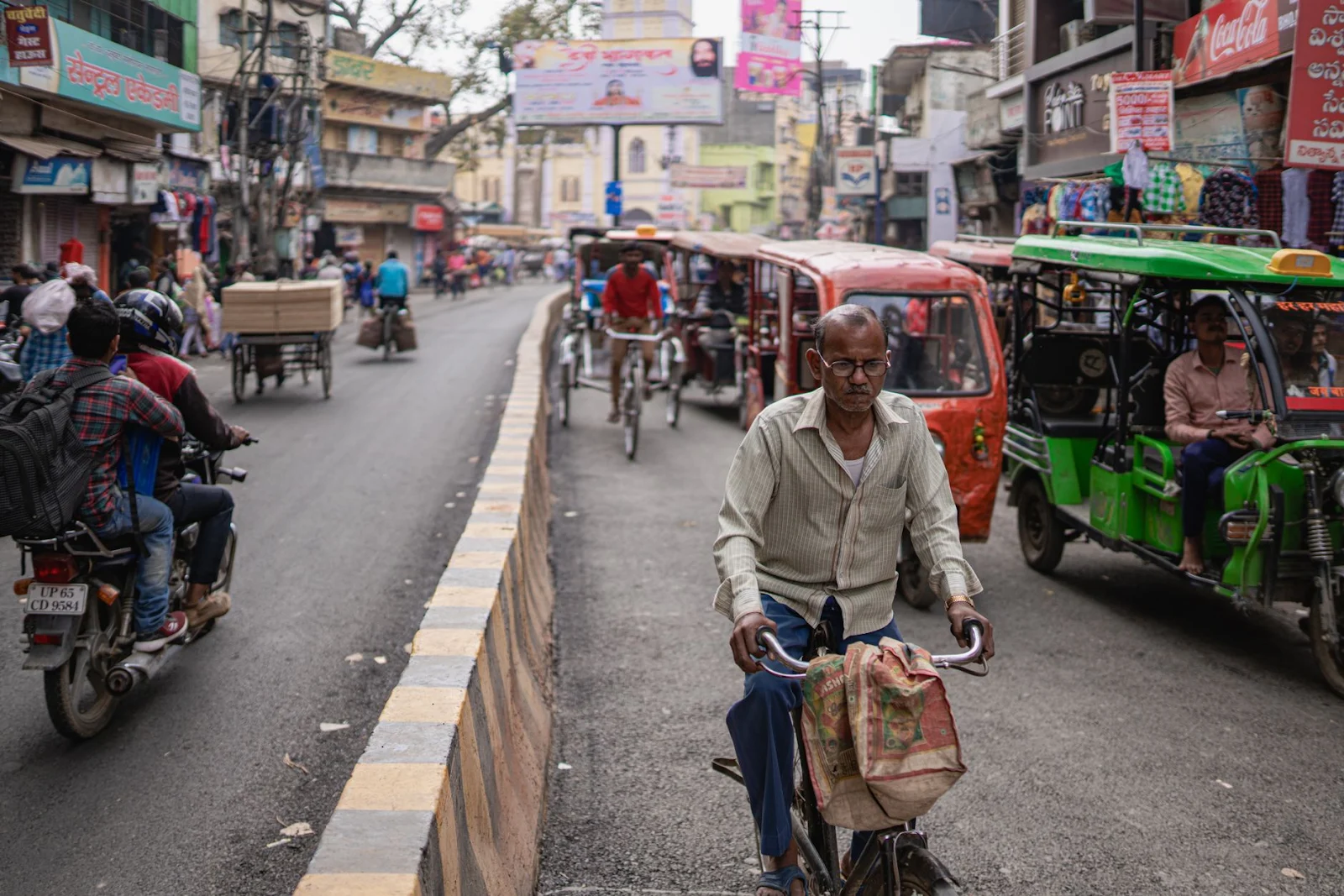
For exploring attractions within the town, auto-rickshaws and local taxis are readily available. For visiting remote rural attractions like Dharmarajeshwar or Hinglaj Garh, hiring a private cab from Mandsaur is recommended.
6. Are there good hotel options to stay in Mandsaur?

Mandsaur offers a range of comfortable mid-range hotels, budget lodges, and guest houses. Eco-resorts and rest houses are also available near the Gandhi Sagar Dam area.
7. Is photography allowed inside the temples and historical forts?

Photography is generally permitted in open-air fort areas and temple courtyards. However, visitors should check for specific restrictions inside the sanctum sanctorum of certain temples.
8. What are the best local souvenirs to buy from Mandsaur?

Travelers can purchase authentic local spices, traditional Malwa namkeen, handicrafts, and handloom textiles from local markets in Mandsaur town.
Conclusion
Mandsaur is a destination that gracefully bridges the gap between ancient antiquity and timeless natural splendor. From the divine tranquility of the Pashupatinath Temple and the architectural brilliance of Dharmarajeshwar to the rugged wilderness of Gandhi Sagar Sanctuary and the heroic tales echoing through Mandsaur Fort, every corner of this Malwa district has a unique story to share. Far removed from the rushed pace of modern tourist hubs, Mandsaur invites you to slow down, explore deeply, and connect with the rich cultural roots of central India. Plan your unforgettable journey to Mandsaur today and experience the unheralded magic of Madhya Pradesh.



0 Comments