
Exploring the Hidden Wonders of Rohtas, Bihar, India: Waterfalls, Fortresses, and Ancient Tombs
Tucked away in the southwestern pocket of Bihar, where the fertile Gangetic plains crash into the rugged sandstone cliffs of the Kaimur Plateau, lies the captivating district of Rohtas. Often overlooked by conventional tourist circuits that stick strictly to the Buddhist trail of Nalanda and Bodh Gaya, Rohtas tells an entirely different, thrilling chapter of Indian history and geography. Here, the landscape dramatically breaks into mist-shrouded gorges, sheer vertical scarps, roaring monsoon waterfalls, and colossal hilltop bastions that once dictated the fate of northern Indian empires.
Rohtas is a land steeped in legend and imperial grit. It was here that Sher Shah Suri, the legendary Afghan visionary who built the Grand Trunk Road and defeated the Mughal Emperor Humayun, laid his foundation. But the district’s roots stretch far deeper into antiquity, bearing the footsteps of ancient sage Rohitaswa (the son of legendary King Harishchandra), early Mauryan stone edicts carved by Emperor Ashoka, and deep-seated Shakti traditions nestled within wild canyon forests. Beyond the sandstone fortresses and octagonal mausoleums, Rohtas is remarkably lush. During and immediately following the monsoons, mountain rivulets pour over rocky precipices, transforming the district into an eco-adventure playground dotted with dramatic cataracts and emerald green valleys.
Whether you are a passionate history lover intrigued by medieval engineering, a trekker eager to scramble up wild hill tracts, or a weekend traveler yearning for serene picnic spots tucked behind pristine water sheets, Rohtas surprises you at every turn. If you are drafting your travel bucket list, this detailed guide explores the top tourist places in Rohtas, giving you practical insights, historical context, and essential logistics to plan an unforgettable journey into this untamed quarter of Bihar.
Table of Contents
- 1. Rohtasgarh Fort: The Impregnable Plateau Citadel
- 2. Tomb of Sher Shah Suri: Sasaram's Floating Wonder
- 3. Tutla Bhawani Waterfall and Valley: Nature Meets Devotion
- 4. Dhua Kund and Sita Kund Waterfalls: The Smoky Cascades
- 5. Maa Tara Chandi Temple: Sacred Shakti Peeth and Mauryan Legacy
- Best Time to Visit Rohtas
- How to Reach Rohtas District
- Local Culinary Experiences
- 10 Essential Travel Tips for Exploring Rohtas
- Suggested 2-Day Rohtas Itinerary
- Frequently Asked Questions (FAQs)
- Conclusion
1. Rohtasgarh Fort: The Impregnable Plateau Citadel

Historical Significance and Overview
Perched high on the Kaimur tableland overlooking the meandering Son River, Rohtasgarh Fort is arguably one of the most magnificent yet under-explored medieval forts in India. Spanning an astonishing perimeter of nearly 45 kilometers and resting approximately 1,500 feet above the plains, this immense complex was considered virtually unbreachable. While oral tradition attributes its founding to Raja Harishchandra’s son, Rohitaswa, the structural marvel seen today largely reflects the architectural additions made during the 16th century under Sher Shah Suri and later by Raja Man Singh, the celebrated Rajput general of Mughal Emperor Akbar, who made Rohtasgarh the headquarters of the Bengal and Bihar provinces.
The fort stands as a silent witness to high-stakes political intrigue, serving as a sanctuary for royal treasuries, royal families fleeing enemy advances, and later as a rugged stronghold for freedom fighters during the 1857 Indian Uprising. Its sheer scale is awe-inspiring: winding through its expansive ramparts are ruined palaces, multi-storied living quarters, vaulted archways, subterranean passages, ancient stepwells, and ancient Hindu and Muslim places of worship that sit peacefully within the same defense perimeter.
Key Attractions and Things to Do
Begin your exploration at the Hathiya Pol (Elephant Gate), the formidable primary gateway guarded by intricately carved stone elephants. Wander through the sprawling Man Singh Palace (Palace of Raja Man Singh), which features courtyards, decorative jharokhas, and breezy terraces offering breathtaking 360-degree vistas across the Son river basin and rolling forested hills. Explore the Aina Mahal (Mirror Palace), the royal quarters of Man Singh's chief queen, and walk into the grand Jami Masjid, noted for its dome-topped arches reflecting traditional Afghan-Mughal synthesis.
Do not miss the mysterious Hanging House (Jhula Mahal), a structure suspended near the cliff edge where legends claim condemned prisoners were thrown into the bottomless ravine below. Trekking around the massive fortification walls provides plenty of photo opportunities for wildlife photographers and history buffs looking to capture nature reclaiming ancient stone.
Timings and Entry Fees
- Opening Hours: 6:00 AM to 5:00 PM (Visitors are advised to descend before sunset due to the rugged jungle terrain).
- Entry Fee: Free entry (nominal parking fees apply at the foot of the hill in Akbarpur).
- Guide Services: Local village guides are available at the base village (Akbarpur) for INR 500 to INR 1,000 and are highly recommended for route navigation.
Best For / Ideal Visitor
Adventure trekkers, history enthusiasts, backpackers, landscape photographers, and offbeat explorers who are comfortable with uphill hikes and basic terrain.
2. Tomb of Sher Shah Suri: Sasaram's Floating Wonder

Historical Significance and Overview
Located right in the heart of Sasaram, the administrative headquarters of Rohtas district, lies one of the finest gems of Indo-Islamic architecture in the subcontinent: the Tomb of Sher Shah Suri. Constructed between 1540 and 1545 AD, this monumental sandstone mausoleum was designed by the master architect Aliwal Khan. Sher Shah Suri, who briefly unseated the Mughal dynasty and transformed administrative governance across India, chose to be memorialized in his ancestral home ground of Sasaram.
Often referred to as the "Second Taj Mahal of India" by early British art historians, the mausoleum is celebrated for its sheer geometric harmony and structural grandeur. What makes this monument exceptionally mesmerizing is its positioning: it rises proudly on a stepped plinth in the middle of a massive artificial, square water reservoir spanning over 30 acres. The monument appears to float on the tranquil waters, connected to the mainland via a stepped stone causeway, creating an unforgettable reflection during morning and late afternoon hours.
Key Attractions and Things to Do
Stroll across the arched bridge leading to the mausoleum island, pausing to admire the geometric harmony of the three-tiered octagonal structure. The exterior is adorned with chhatris (domed kiosks), arched verandahs, and decorative battlements carved out of fine Chunar sandstone. Step inside the central octagonal chamber, which houses the tomb of Sher Shah Suri surrounded by twenty-four of his close family members and companions.
Look upwards to marvel at the mammoth central dome, spanning an impressive diameter of over 22 meters, which once sparkled with colored glazed tilework and intricate calligraphic verses. Spend an hour walking the perimeter stone walkways around the pond, watching flocks of pigeons fly across the dome, and exploring the well-maintained garden lawns flanking the complex. Nearby, you can also pay a quick visit to the Tomb of Hasan Khan Suri (Sher Shah’s father), known locally as the Sukha Rauza.
Timings and Entry Fees
- Opening Hours: Sunrise to Sunset (approx. 6:00 AM to 6:00 PM), open every day.
- Entry Fee: INR 25 for Indian Citizens and SAARC visitors; INR 300 for Foreign Nationals (ASI monument). Cashless digital payment available.
- Photography: Still photography is permitted without additional fee; commercial videography requires formal ASI permits.
Best For / Ideal Visitor
Heritage buffs, architectural connoisseurs, families, casual day-trippers, and travel photographers seeking iconic monuments without massive crowds.
3. Tutla Bhawani Waterfall and Valley: Nature Meets Devotion
Historical Significance and Overview
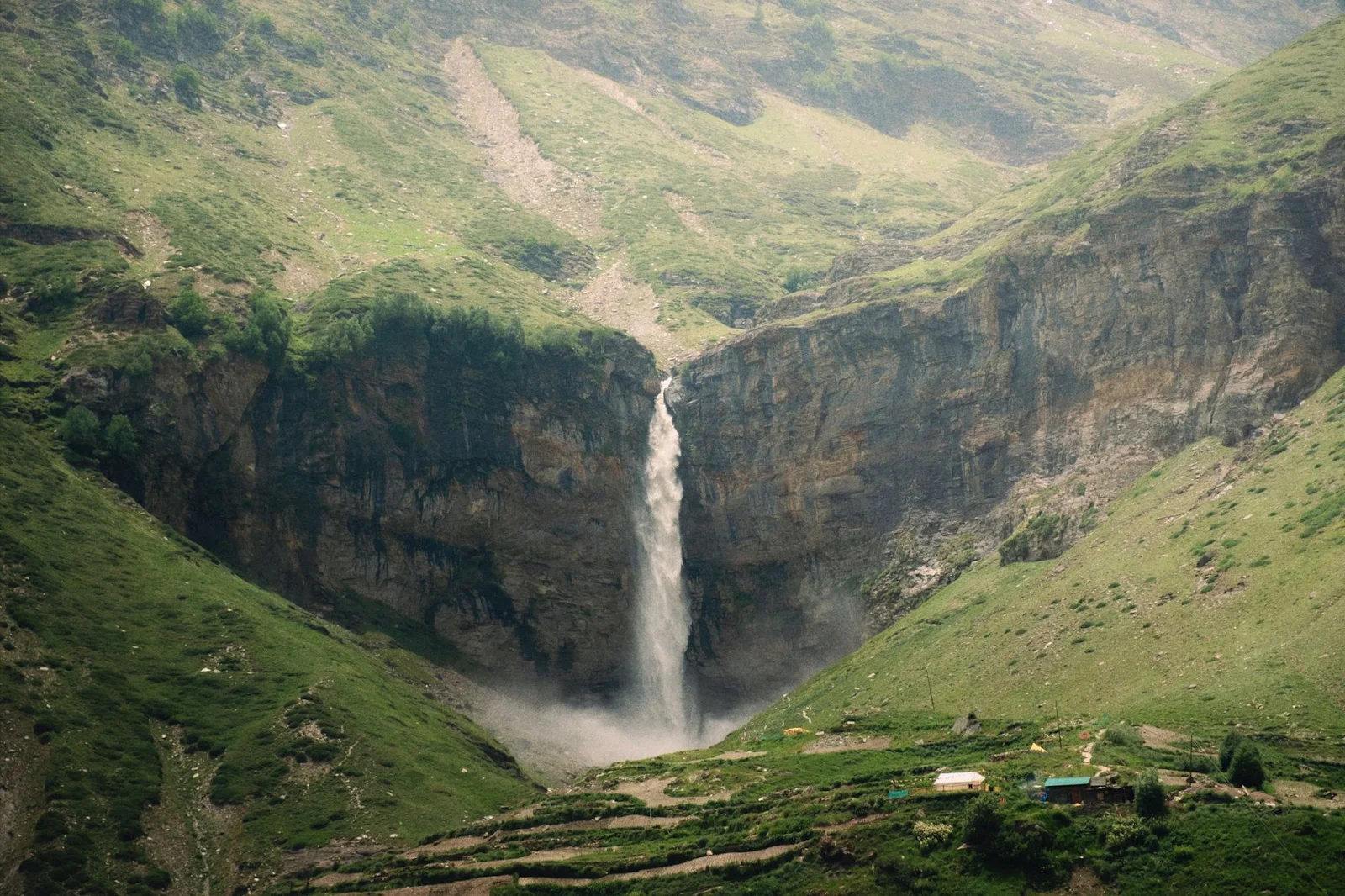
Tucked deep into an amphitheater of jagged, vertical red cliffs near Tilouthu, approximately 20 kilometers from Dehri-on-Sone, Tutla Bhawani is arguably the most picturesque natural destination in the whole of Rohtas. The spot takes its name from the revered shrine of Goddess Jagaddhatri (an incarnation of Goddess Durga), affectionately known by locals as Tutla Bhawani. Inscriptions found carved near the shrine date its sanctification back to the 12th century during the rule of the Nayaka chieftains, making it a sacred pilgrimage point for generations of forest and valley dwellers.
Beyond its deep spiritual aura, Tutla Bhawani has skyrocketed in popularity due to its stunning topography. A perennial mountain stream, the Kachhuar River, plunges dramatically down a horseshoe-shaped gorge, creating a sparkling waterfall that fills the canyon floor with cool mist. Flanked on both sides by soaring sandstone walls lined with wild creepers and native trees, this narrow canyon feels like a secret world shielded from the baking plains of Bihar.
Key Attractions and Things to Do
The standout feature of Tutla Bhawani is the modern suspension rope bridge that stretches across the canyon bed. Walking across this hanging bridge offers exhilarating views of the gushing falls, the rushing stream below, and the dense canopy of the Kaimur hill range. It has quickly become one of the most photographed viewpoints in modern Bihar tourism.
At the base of the waterfall, pay respects at the ancient rock-cut shrine where the stone idol of Maa Tutla Bhawani sits under natural rock shelters. During the post-monsoon months (July to November), the cascading water forms a safe, shallow natural pool where visitors gather to dip their feet and enjoy the refreshing mountain chill. The local forest department has established paved walkways, eco-friendly railings, and sitting zones that blend harmoniously with the wild landscape.
Timings and Entry Fees
- Opening Hours: 7:00 AM to 5:00 PM daily.
- Entry Fee: INR 10 to INR 20 nominal eco-development fee charged by the forest management committee.
- Safety Notice: Swimming directly beneath the high drop zone is strictly restricted during high flood surges in the monsoon.
Best For / Ideal Visitor
Nature lovers, eco-tourists, families, spiritually inclined travelers, and photography enthusiasts looking for pristine landscapes.
4. Dhua Kund and Sita Kund Waterfalls: The Smoky Cascades

Historical Significance and Overview
Situated roughly 10 kilometers from Sasaram town on the crest of the Kaimur hills, the twin waterfalls of Dhua Kund and Sita Kund offer an intoxicating spectacle of untamed raw hydrology. The stream, locally known as the Kao River, travels through rocky plateaus before diving off an abrupt vertical escarpment into a deep geological plunge pool. The force of the falling water crashing onto the rocky ledge below generates a perpetual cloud of fine white mist, giving the waterfall its descriptive name—Dhua Kund, which literally translates to "Smoky Pool."
Sita Kund, located just a short distance further along the plateau rim, holds deep mythological connections with the Ramayana epic. Local folklore narrates that Goddess Sita visited these forested springs during her exile. Today, alongside their traditional cultural significance, these waterfalls serve as crucial ecological reservoirs that recharge the groundwater reserves of the Sasaram foothills and provide a serene retreat for travelers looking to leave city noise behind.
Key Attractions and Things to Do
Visiting Dhua Kund is all about soaking in dramatic scenery. Stand on the observation points to watch the foaming river roar over jagged red rocks, sending plumes of water vapor into the air that catch the morning sun and produce frequent miniature rainbows. It is an extraordinary spot for long-exposure photography, capturing both the turbulence of the falls and the tranquility of the surrounding deciduous woods.
The location is also famous for the grand fair held during the festival of Raksha Bandhan, when hundreds of locals assemble here for festive community picnics and cultural rituals. Exploring the rocky riverbed upstream reveals curious geological weathering patterns, mini natural jacuzzis, and flat sandstone rocks ideal for unrolling a picnic mat. Just adjacent to the falls, you can explore modest shrines dedicated to local folk deities.
Timings and Entry Fees
- Opening Hours: 6:00 AM to 5:30 PM (entry is discouraged after dark for safety reasons).
- Entry Fee: Free public access. Small parking charges may be collected by local village cooperatives.
- Facilities: Basic tea stalls and snacks are available near the parking ground; carrying personal drinking water is recommended.
Best For / Ideal Visitor
Day picnickers, landscape photographers, youth adventure groups, and nature enthusiasts seeking scenic picnic spots in Rohtas.
5. Maa Tara Chandi Temple: Sacred Shakti Peeth and Mauryan Legacy

Historical Significance and Overview
Carved gently into the craggy hillside just 5 kilometers outside Sasaram on the historic GT Road, Maa Tara Chandi Temple is one of the most venerable religious pilgrimage sites in eastern India. According to sacred Puranic texts, this shrine is counted among the 51 holy Shakti Peethas. It is firmly believed that when Lord Shiva carried the charred body of Goddess Sati across the cosmos in his sorrowful Tandava, Sati's right eye (or Netra) fell precisely at this spot on the Kaimur hillside.
The sanctity of this rocky hill extends back into the Classical Age of Indian history. Barely a short walk above the temple along the upper ridge of Chandan Shahid hill sits an invaluable national treasure: an original Minor Rock Edict of Emperor Ashoka dating back to the 3rd century BCE. Inscribed directly upon the native rock face in archaic Brahmi script, this decree was meant for ancient wayfarers navigating through ancient trade routes, offering tangible proof of Rohtas's unbroken cultural continuity across two millennia.
Key Attractions and Things to Do
Enter the temple courtyard to offer your prayers at the inner sanctum, where the deity is worshipped in the form of a vermillion-coated stone relief embedded directly within the living cliff rock. The energy during the Navratri festivals is electrifying, drawing thousands of devotees who sing devotional folk hymns and light mustard-oil lamps that illuminate the base of the hill after sunset.
After your temple visit, take the ascending stone pathway up the hill to explore the ancient Ashokan Inscription site, maintained under the care of the Archaeological Survey of India. From this elevated vantage point, you can enjoy expansive views overlooking Sasaram town, the sprawling plains of South Bihar, and the gentle outlines of the ancient Grand Trunk Road cutting across the horizon. Right across the adjacent hillock stands the revered Dargah of Chandan Shahid, demonstrating Sasaram's time-honored syncretic cultural harmony.
Timings and Entry Fees
- Opening Hours: 5:00 AM to 9:00 PM daily.
- Entry Fee: Free entry. Special VIP darshan passes are not required; normal queues apply.
- Important Rituals: Morning Mangala Aarti (around 6:00 AM) and Evening Sandhya Aarti (around 7:30 PM).
Best For / Ideal Visitor
Pilgrims, spiritual seekers, epigraphy enthusiasts, archaeology students, and family travelers.
Best Time to Visit Rohtas
Because Rohtas experiences significant seasonal shifts, timing your journey properly makes all the difference in having a pleasant trip:
| Season | Months | Weather Conditions | Travel Suitability |
|---|---|---|---|
| Monsoon | July to September | Warm, humid, heavy showers (25°C - 32°C) | Outstanding for waterfalls: Tutla Bhawani, Dhua Kund, and seasonal streams are at their majestic peak. Hill trails can be slippery. |
| Winter | October to March | Crisp, pleasant, cool nights (10°C - 24°C) | Best overall travel window: Perfect weather for exploring Rohtasgarh Fort, temple tours, outdoor picnics, and heritage monuments. |
| Summer | April to June | Scorching dry heat (34°C - 44°C) | Challenging: Not recommended for open-air trekking or hilltop exploration due to harsh afternoon temperatures. |
How to Reach Rohtas District
Rohtas boasts an advantageous geographical position with good connectivity by road and rail, thanks to its proximity to the historic Grand Trunk Road (National Highway 19).
By Air
The nearest commercial airport is Lal Bahadur Shastri International Airport in Varanasi (VNS), located approximately 130 kilometers west of Sasaram. Varanasi is exceptionally well connected with daily direct flights to Delhi, Mumbai, Bengaluru, and Kolkata. From Varanasi, one can easily hire an outstation taxi to reach Sasaram in about 2.5 to 3 hours via NH 19. Alternatively, Gaya Airport (GAY) is about 110 kilometers away, and Patna Airport (PAT) is located approximately 150 kilometers to the northeast.
By Rail
The principal railway hub is Sasaram Junction (SSM), situated on the busy Grand Chord line (connecting Howrah and New Delhi). Highly regarded express and superfast trains like the Purushottam Express, Mahabodhi Express, Kalka Mail, and several Rajdhani variants halt at Sasaram or nearby Dehri-on-Sone (DOS) station (18 km away), making train travel one of the smoothest ways to reach the district.
By Road
National Highway 19 (the modern four-lane version of the historic GT Road) cuts directly across Rohtas district through Sasaram and Dehri-on-Sone. Frequent inter-district bus services run between Sasaram and Patna, Gaya, Varanasi, Ranchi, and Ara. Private tourist taxis and shared vehicles operate extensively across all major towns in the district.
Local Culinary Experiences in Rohtas
Exploring Rohtas is incomplete without indulging in the honest, earthy flavors of South Bihari cuisine. The culinary traditions here are hearty, nutritious, and rely heavily on wood and cow-dung embers for preparation.
- Litti Chokha: The undisputed king of Bihari food. Spiced gram flour (sattu) stuffed inside round whole-wheat dough balls, roasted slowly over charcoal embers, dipped generously in pure desi ghee, and served alongside spicy mashed roasted brinjals, potatoes, and garlic chutney.
- Sattu Sharbat: The quintessential thirst quencher. Roasted gram flour mixed with chilled water, black salt, roasted cumin, finely diced onions, green chilies, and fresh lemon juice. Both savory and sweet variants are sold on nearly every street corner.
- Dehri Ka Chena Murki: Dehri-on-Sone is renowned across Bihar for its delectable sweets made of condensed milk and fresh paneer cubes coated in crystal sugar glaze.
- Tilkut & Anarsa: If traveling in the cooler months, pick up freshly beaten Tilkut (crisp sesame and jaggery/sugar sweet) and crispy rice flour Anarsa studded with white poppy seeds.
- Bihari Mutton Curry: Meat lovers must try the rustic village-style mutton cooked in heavy iron vessels with whole pods of garlic, ginger, and fresh stone-ground spices, commonly paired with steamed rice or hot rotis.
10 Essential Travel Tips for Visiting Rohtas
- Start Rohtasgarh Trek Early: If hiking to Rohtasgarh Fort, start from the base village of Akbarpur by 6:30 AM to finish the steep uphill climb before midday heat sets in.
- Hire Local Guides for Forts: The Rohtasgarh plateau is massive and portions are dense scrubland; hiring a village guide ensures you do not take wrong turns on untracked hill paths.
- Wear Sturdy Footwear: Sandstone rocks around the waterfalls and fort ruins can be slick, especially during the monsoon. Leave flat sandals behind and opt for rugged sports or trekking shoes with good grip.
- Stay Hydrated: Carry a minimum of two liters of water and energy bars per person when exploring waterfalls or hiking, as shops are scarce once you move away from main roads.
- Respect Water Currents: Waterfalls like Dhua Kund and Tutla Bhawani experience sudden water level surges after heavy rains in the upstream Kaimur hills; heed forest guards and warning signs.
- Carry Sufficient Cash: While UPI and digital payments work fine in Sasaram and Dehri-on-Sone towns, rural areas around Rohtasgarh Fort and Tutla Bhawani have spotty cellular internet and vendor card terminals are rare.
- Dress Modestly: When visiting revered religious shrines like Tara Chandi or Tutla Bhawani, dress respectfully in conservative attire covering shoulders and knees.
- Keep Insect Repellent Handy: If you are planning an extended trek through the scrub forests of the Kaimur wildlife corridor, carry mosquito repellent spray or cream.
- Book Local Cabs in Advance: Sasaram does not have app-based cab aggregators like Uber or Ola. Coordinate your day-rental car through your hotel or local transport operators the evening prior.
- Preserve the Eco-System: The gorge around Tutla Bhawani and Dhua Kund is an eco-sensitive zone. Carry back all your plastic bottles, snack packets, and waste to the municipal bins in town.
Suggested 2-Day Rohtas Itinerary
Here is a carefully balanced weekend itinerary that covers heritage marvels on Day 1 and natural landscapes on Day 2:
Day 1: Architectural Heritage & Sacred Shrines
- Morning (8:30 AM – 11:00 AM): Begin your day at the majestic Tomb of Sher Shah Suri in Sasaram. Admire the floating reflection on the lake, photograph the Afghan stone domes, and soak in the garden tranquility.
- Midday (11:30 AM – 1:00 PM): Drive over to the nearby Tomb of Hasan Khan Suri (Sukha Rauza) to see the stylistic precursor to Sher Shah's grand tomb.
- Lunch (1:00 PM – 2:30 PM): Head into Sasaram city center to enjoy an authentic meal of traditional ghee-soaked Litti Chokha with chana ghughni.
- Afternoon (3:00 PM – 5:30 PM): Visit Maa Tara Chandi Temple for blessings, followed by an easy hike up the hill to inspect the ancient 3rd-century BCE Ashokan Rock Inscription.
- Evening: Check into your hotel in Sasaram or Dehri-on-Sone; enjoy local sweets like Chena Murki in the evening market.
Day 2: Dramatic Canyons & Waterfall Escapes
- Morning (8:00 AM – 12:30 PM): Drive south towards Tilouthu to visit the stunning Tutla Bhawani Waterfall and Valley. Cross the hanging suspension bridge, hike along the canyon base, and visit the cliff-side temple.
- Lunch (1:00 PM – 2:00 PM): Enjoy a fresh picnic lunch packed from town or sample traditional rustic thali at a highway dhaba along the Dehri stretch.
- Afternoon (2:30 PM – 5:00 PM): Head towards the Kaimur hill scarp to witness Dhua Kund and Sita Kund Waterfalls. Marvel at the roaring smoky cascades, photograph the rainbows in the mist, and relax on the rocky riverbed.
- Evening (5:30 PM onwards): Return to Sasaram Junction or Dehri-on-Sone station to catch your onward train back home.
Frequently Asked Questions (FAQs)
1. What are the best places to visit in Rohtas for a short trip?

If you only have one or two days, the top tourist places in Rohtas you must not miss are the Tomb of Sher Shah Suri, Tutla Bhawani Waterfall, and the impressive Dhua Kund waterfalls. If you enjoy trekking, Rohtasgarh Fort is an absolute must-see.
2. Is Rohtas safe for tourists and solo travelers?

Yes, Rohtas is generally safe for tourists, families, and solo explorers. The tourist destinations, monuments, and shrines are frequented by pilgrims and day-trippers. It is always wise to wrap up outdoor nature treks and descend from hilltop spots before darkness sets in.
3. How long does the trek to Rohtasgarh Fort take?
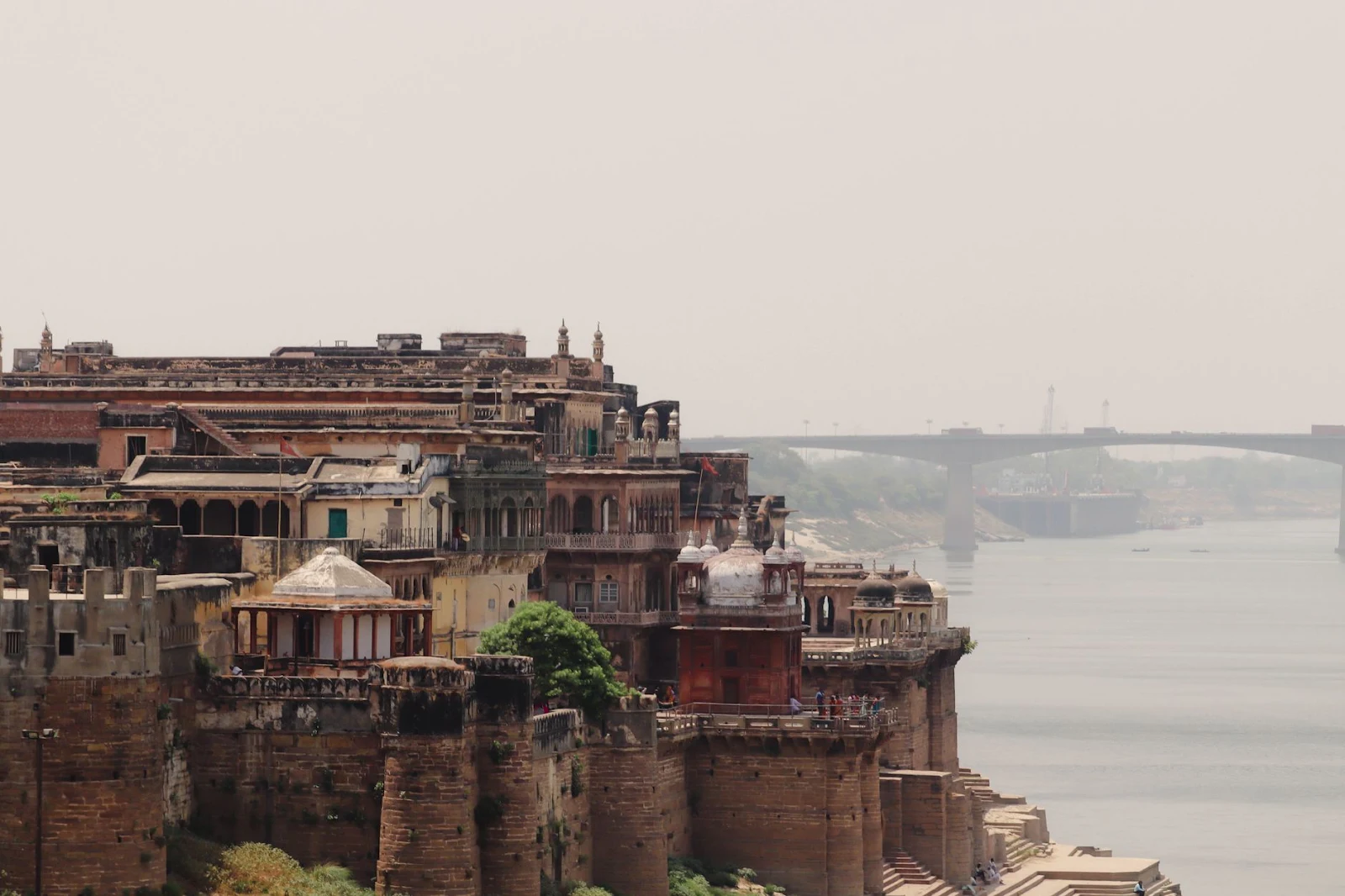
The standard trekking route up from the base village of Akbarpur to the entrance gates of Rohtasgarh Fort takes around 2 to 2.5 hours of continuous uphill hiking. Exploring the sprawling ruins atop the plateau takes at least another 3 to 4 hours.
4. Are there good hotels to stay in Rohtas?

Most travelers stay in Sasaram town or Dehri-on-Sone, both of which offer decent mid-range hotels, tourist lodges, and comfortable guest houses. For luxury stays, travelers often base themselves in nearby Varanasi and visit Sasaram on day excursions.
5. Is Tutla Bhawani open throughout the year?

Yes, Tutla Bhawani is open year-round. However, the waterfall is at its dramatic best from July to December. During peak summer (April to June), the water volume reduces significantly, though the valley scenery remains impressive.
6. Can I visit Sher Shah Suri's Tomb and Rohtasgarh Fort on the same day?

While physically possible, it is quite exhausting. Rohtasgarh Fort is located roughly 50 kilometers south of Sasaram and requires several hours of dedicated trekking. It is far more enjoyable to dedicate one full day to Rohtasgarh Fort and another to Sasaram's historical monuments and waterfalls.
7. Is public transportation available to all attractions in Rohtas?

Sher Shah Suri's Tomb and Maa Tara Chandi Temple have easy access via auto-rickshaws and e-rickshaws. However, remote attractions like Tutla Bhawani, Dhua Kund, and Rohtasgarh Fort are best reached by hiring a private taxi or driving your own car or bike.
8. Are drones allowed for photography at monuments in Sasaram?

Flying drones over ASI-protected monuments like the Tomb of Sher Shah Suri is strictly prohibited without prior written permission from the Archaeological Survey of India and local administration.
Conclusion
Rohtas is a land of staggering contrasts that easily defies common preconceptions about travel in Bihar. In a single weekend, you can transition from the solemn silence of centuries-old Afghan mausoleums to the thrilling heights of hanging bridges strung across lush mountain canyons, or follow the footsteps of ancient emperors across rugged sandstone hills. It retains that rare, untamed charm of a destination untouched by overwhelming commercial tourist crowds.
Whether you stand captivated by the aquatic grace of Sher Shah Suri’s tomb, marvel at the sheer drop of Dhua Kund, or explore the windswept ramparts of Rohtasgarh Fort overlooking the Son River, the district leaves an indelible impression on your traveler's heart. Pack your hiking shoes, charge your camera, and set out to experience one of Bihar's most rewarding historical and natural treasures.



0 Comments