
Discovering History and Heritage: Aurangabad, Bihar Travel Guide
When travel enthusiasts think of historical landmarks in India, destinations like Delhi, Agra, and Jaipur often dominate the conversation. However, the heartland of Bihar holds secrets that whisper tales of ancient empires, spiritual awakenings, and architectural marvels. Nestled in the southern part of the state, Aurangabad, Bihar, is a lesser-explored gem that proudly wears its rich history on its sleeve. If you are looking to step off the conventional tourist trail and immerse yourself in authentic Indian heritage, planning a trip to the top tourist places in Aurangabad, Bihar, should be at the very top of your travel bucket list.
Far from the bustling, commercialized tourist hubs, Aurangabad offers a soulful journey into the past. This district is a fascinating tapestry woven with the threads of ancient kingdoms, medieval forts, religious sanctuaries, and breathtaking natural landscapes. Whether you are an archaeology buff fascinated by ancient ruins, a nature lover seeking tranquil waterfalls, or a cultural explorer eager to understand rural Bihar, this region has something special waiting for you. As you navigate through bustling local bazaars and serene countryside roads, you will discover that the best places to visit in Aurangabad, Bihar, offer a unique blend of mythological significance and historical grandeur that will leave you spellbound.
Navigating a new destination requires a bit of local insight, and this comprehensive guide is designed to be your ultimate travel companion. We will take you through the absolute must-visit attractions, share practical tips on how to reach and when to go, highlight mouth-watering local delicacies, and even provide a handy 2-day itinerary. Pack your bags and get ready to uncover the untold stories of Aurangabad, Bihar, as we explore the top landmarks that make this district an unmissable stop for every discerning traveler.
Table of Contents
- 1. Deo Sun Temple
- 2. Umga Hill and Temples
- 3. Rohtasgarh Fort (Close Proximity Historic Marvel)
- 4. Tapovan
- 5. Pawai Waterfall
- Best Time to Visit Aurangabad, Bihar
- How to Reach Aurangabad, Bihar
- Local Food You Must Try
- 10 Essential Travel Tips
- Suggested 2-Day Itinerary
- Frequently Asked Questions (FAQs)
- Conclusion
1. Deo Sun Temple
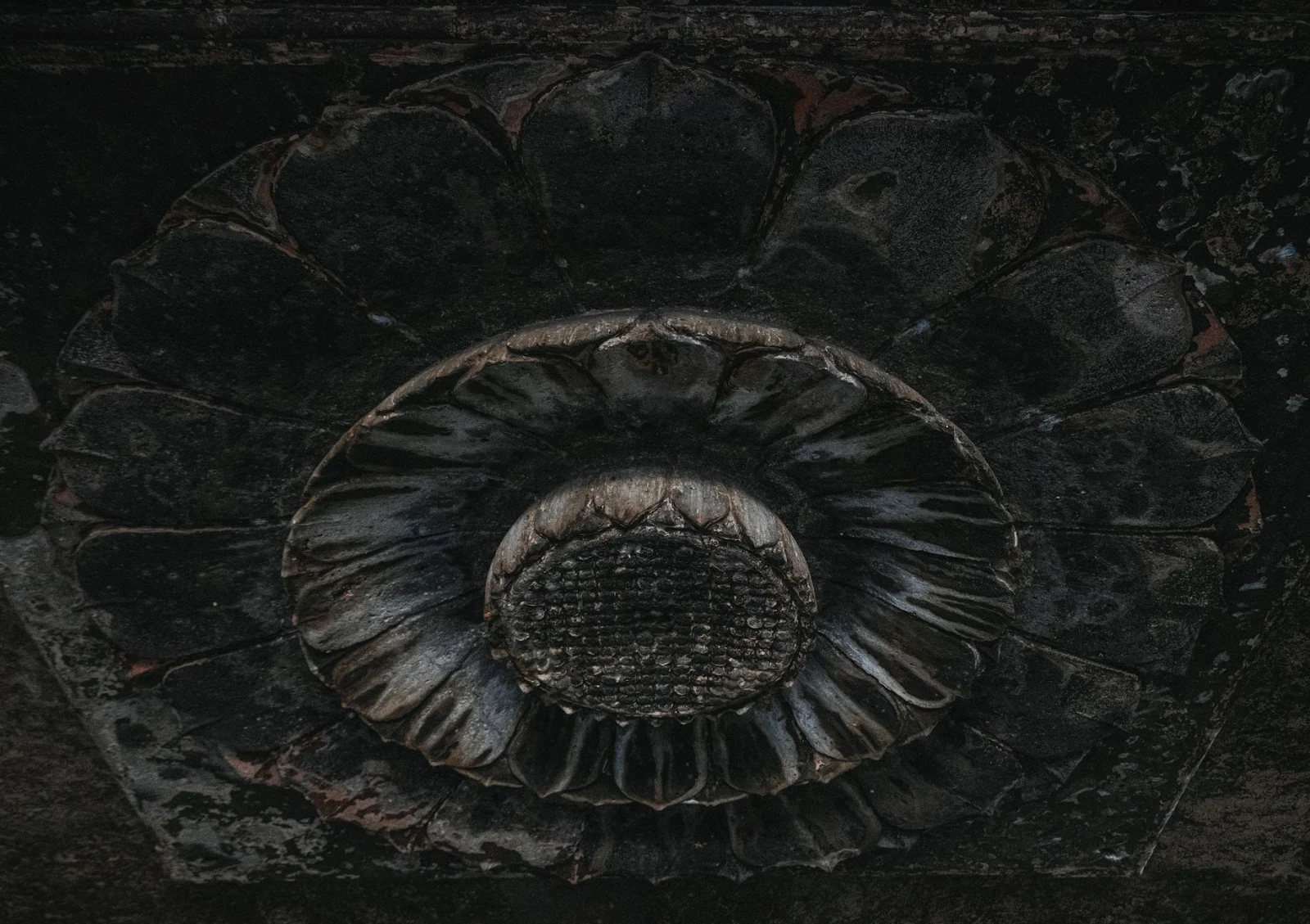
Overview and Historical Significance: The Deo Sun Temple is undoubtedly the crown jewel of Aurangabad, Bihar. Dedicated to Lord Surya, the Sun God, this magnificent shrine holds immense religious and architectural importance. Unlike most Hindu temples in India that face east, the Deo Sun Temple uniquely faces west. Legend has it that the temple was built by King Aila of the Lunar dynasty in a single night with the divine help of celestial architects. Historians estimate the shrine to be thousands of years old, showcasing an exquisite blend of Nagara style architecture crafted from black and yellow stone blocks without the use of any mortar.
Things to Do: Witness the awe-inspiring architecture up close, offer prayers during the serene morning hours, and take photographs of the intricate stone carvings that depict various Hindu deities. If you happen to visit during the Chhath Puja festival, you will witness an unforgettable spiritual spectacle as lakhs of devotees gather around the sacred Surya Kund tank adjacent to the temple to worship the setting and rising sun.
Practical Information: Located about 10 kilometers from the main Aurangabad town, the temple is easily accessible via local auto-rickshaws and taxis. There is no entry fee, and it remains open to visitors from early morning until late evening.
2. Umga Hill and Temples

Overview and Historical Significance: Situated around 15 kilometers from Aurangabad, Umga Hill is a captivating destination that combines natural beauty with ancient archaeology. The hill is famous for its cluster of ancient stone temples dating back to the medieval period, believed to have been constructed during the reign of King Bhairavendra. The complex features shrines dedicated to Lord Surya, Lord Shiva, and Lord Ganesha. The architectural style reflects the refined craftsmanship of ancient artisans, with stone monoliths and broken sculptures scattered across the hillside, whispering tales of bygone eras.
Things to Do: Trek up the gentle slopes of Umga Hill to explore the historic temple ruins. Enjoy panoramic views of the surrounding rural landscape from the hilltop. It is also an ideal spot for photography enthusiasts, history buffs, and those looking to spend a peaceful afternoon amidst nature and heritage.
Practical Information: Umga is well-connected by road from Aurangabad. It is advisable to wear comfortable walking shoes as exploring the hill requires a bit of light trekking. Visiting during the early morning hours offers the best weather and lighting.
3. Rohtasgarh Fort

Overview and Historical Significance: Although technically located near the border of the Rohtas and Aurangabad regions, Rohtasgarh Fort is one of the most prominent historical excursions for travelers based in Aurangabad. Perched high on the Kaimur Range, this is one of the largest and most impregnable hill forts in India. Named after Rohitaswa, the son of the legendary King Harishchandra, the fort has witnessed rule by various dynasties, including the Mauryas, Sher Shah Suri, and the Mughals. Its massive stone walls, sprawling palaces, stables, and administrative buildings speak volumes about its glorious military past.
Things to Do: Explore the vast ruins of the fort complex, including the Habshi Faulad Khan tomb, the palace of Raja Man Singh, and ancient stepwells. Marvel at the breathtaking views of the Sone River flowing far below the plateau. History lovers can spend hours discovering the secret tunnels, gateways, and bastions.
Practical Information: The fort is located roughly 65-70 kilometers from Aurangabad. Hiring a private cab for a day trip is the most convenient way to get there. Wear sturdy footwear, carry plenty of drinking water, and consider hiring a local guide to fully understand the fort's rich history.
4. Tapovan

Overview and Historical Significance: Tapovan, meaning 'forest of meditation', is a deeply revered spiritual site located in the Aurangabad district. According to Hindu mythology and local folklore, this tranquil spot is associated with the sage Gautama Maharishi and his wife Ahilya, who was liberated from a curse by Lord Rama. The site houses ancient Shiva temples and sacred water ponds that are believed to possess healing properties. The atmosphere here is charged with profound peace and spiritual energy, making it a stark contrast to the chaos of modern city life.
Things to Do: Participate in local temple rituals, take a quiet walk through the lush surroundings, and spend time meditating near the holy ponds. It is a fantastic location for travelers seeking spiritual introspection and a deeper connection to ancient Indian mythology.
Practical Information: Tapovan is easily reachable by road from Aurangabad town. The best time to experience its serene vibe is during the festival of Maha Shivaratri, when grand fairs and special prayers are organized.
5. Pawai Waterfall

Overview and Historical Significance: For travelers looking to witness the natural wonders of the region, Pawai Waterfall is a refreshing retreat. Tucked away in the rugged terrain of the district, this cascading waterfall comes alive in all its glory during and immediately after the monsoon season. Surrounded by dense vegetation and rocky outcrops, it provides a scenic escape where visitors can unwind and connect with nature. It is a favorite weekend picnic spot for locals and a hidden gem for offbeat travelers.
Things to Do: Enjoy a picnic with family or friends near the cascading waters, capture stunning landscape photographs, and listen to the soothing sounds of nature. The surrounding rocky terrain also offers light exploration opportunities for adventure seekers.
Practical Information: Pawai Waterfall is best visited between the months of July and November when the water flow is robust. Exercise caution while walking on wet rocks around the waterfall, and make sure to carry your own snacks and water as commercial amenities near the site are limited.
Best Time to Visit Aurangabad, Bihar
Planning your trip during the right season can make all the difference in your travel experience. The ideal time to explore Aurangabad, Bihar, is from October to March. During these winter months, the weather is pleasant, cool, and perfect for outdoor sightseeing, historical exploration, and trekking up hill forts.
Summer months (April to June) can be intensely hot and dry, with temperatures frequently soaring above 40°C, making daytime travel exhausting. The monsoon season (July to September) brings lush greenery and revitalizes natural spots like waterfalls, but heavy rains can sometimes make rural roads difficult to navigate. If you wish to experience vibrant local culture, plan your visit around major festivals like Chhath Puja or Maha Shivaratri.
How to Reach Aurangabad, Bihar
Aurangabad is well-connected to major cities in Bihar and neighboring states through a robust transportation network:
- By Air: The nearest major airport is Gaya Airport (GAY), located approximately 80 kilometers away, and Patna Airport (PAT), located about 140 kilometers away. Both airports offer good connectivity with major Indian cities like Delhi, Kolkata, and Mumbai. Taxis and buses are readily available from the airports to reach Aurangabad.
- By Train: Anugraha Narayan Road (AUBR) is the main railway station serving the Aurangabad district, situated on the grand chord line connecting Delhi to Kolkata. Numerous express and superfast trains stop here daily, making rail travel the most convenient and popular option for tourists.
- By Road: Aurangabad enjoys excellent connectivity via National Highway 19 (NH 19), part of the historic Grand Trunk Road. State-run buses, private luxury coaches, and cabs frequently operate between Aurangabad and major hubs like Patna, Gaya, Varanasi, and Ranchi.
Local Food You Must Try
No travel experience in Bihar is complete without savoring its rustic, flavorful, and wholesome cuisine. When in Aurangabad, make sure to treat your taste buds to these local specialties:
- Litti Chokha: The undisputed king of Bihari cuisine. Crispy wheat balls stuffed with spiced roasted gram flour (sattu), baked over cow dung cakes or coal fire, and served with mashed potatoes, eggplant, and fiery tomato dip.
- Thekua: A traditional sweet snack made from wheat flour, jaggery, and ghee, flavored with fennel seeds and deep-fried to crispy perfection. It is particularly famous during Chhath Puja.
- Sattu Paratha: Wholesome flatbreads stuffed with seasoned sattu, best enjoyed hot with a dollop of fresh curd, pickle, and spicy chokha.
- Malpua: A delicious traditional pancake soaked in sugar syrup, offering a rich and sweet conclusion to any local meal.
10 Essential Travel Tips
- Hire a Local Guide: Historical sites like Rohtasgarh Fort and Umga temples have deep historical roots; hiring a local guide will enrich your understanding.
- Dress Modestly: Since many attractions are religious shrines, dress respectfully by covering your shoulders and knees.
- Carry Cash: While digital payments are growing, rural areas around Aurangabad still rely heavily on cash for small transactions and local transport.
- Wear Comfortable Footwear: Expect considerable walking, climbing stairs, and light trekking at historical monuments and hills.
- Stay Hydrated: Always carry a reusable water bottle, especially if you are traveling during the warmer months.
- Book Transport in Advance: For day trips to distant forts and waterfalls, hire a trusted private taxi from the town center.
- Respect Local Customs: Be mindful of local traditions, especially when visiting ancient temples and participating in village life.
- Check Opening Hours: Most temples and historical sites open early in the morning and close by sunset.
- Keep Emergency Contacts Handy: Ensure your phone has offline maps downloaded, as mobile network connectivity can occasionally fluctuate in remote rural pockets.
- Try Street Food Hygienically: Enjoy local delicacies at clean, crowded local eateries to avoid any stomach bugs.
Suggested 2-Day Itinerary
To help you make the most of your weekend getaway, here is a well-balanced 2-day itinerary for exploring Aurangabad, Bihar:
Day 1: Spiritual Heritage & Ancient Architecture
- 08:00 AM - 10:30 AM: Begin your trip with a peaceful morning visit to the magnificent Deo Sun Temple. Marvel at its unique west-facing architecture and explore the Surya Kund complex.
- 11:00 AM - 01:00 PM: Head towards Umga Hill and Temples. Trek up the hill to explore medieval stone ruins and enjoy sweeping views of the countryside.
- 01:00 PM - 02:30 PM: Enjoy a traditional Bihari lunch featuring hot Litti Chokha at a local eatery in Aurangabad town.
- 03:30 PM - 06:00 PM: Visit the tranquil spiritual sanctuary of Tapovan, explore the ancient Shiva shrines, and unwind in the serene environment as the sun sets.
Day 2: Forts, Waterfalls, and Local Culture
- 08:00 AM - 01:00 PM: Embark on an exciting morning excursion to the historic Rohtasgarh Fort. Spend hours exploring its grand palaces, gateways, and massive ramparts.
- 01:00 PM - 02:30 PM: Have a packed picnic lunch or stop at a local roadside dhaba near the route.
- 03:00 PM - 05:30 PM: Head over to Pawai Waterfall (seasonal) to relax by the gushing water and enjoy the picturesque natural surroundings.
- 06:00 PM onwards: Return to Aurangabad town, explore local bustling markets, shop for traditional handicrafts or sweets like Thekua, and prepare for your departure.
Frequently Asked Questions (FAQs)
- What is Aurangabad, Bihar famous for?
Aurangabad is primarily famous for the ancient west-facing Deo Sun Temple, historical ruins like Umga Hill, its proximity to Rohtasgarh Fort, and its rich cultural heritage tied to ancient Indian kingdoms. - How is Aurangabad, Bihar different from Chhatrapati Sambhajinagar (formerly Aurangabad) in Maharashtra?
While both share historical names, Aurangabad in Bihar is a distinct district known for ancient Hindu temples, rural heritage, and proximity to the Grand Trunk Road, whereas the Maharashtra city is famous for Ajanta and Ellora caves. - Is Aurangabad, Bihar safe for tourists?
Yes, Aurangabad is generally safe for travelers. Standard travel precautions, such as avoiding isolated areas late at night and respecting local customs, should be practiced. - What are the best local dishes to try in Aurangabad?
Litti Chokha, Sattu Paratha, Thekua, and traditional Bihari sweets are absolute must-tries during your visit. - Can I visit Rohtasgarh Fort in a single day from Aurangabad?
Yes, Rohtasgarh Fort can easily be covered as a comfortable day trip by hiring a private taxi from Aurangabad town. - What is the nearest railway station to Aurangabad, Bihar?
The nearest major railway station is Anugraha Narayan Road (station code: AUBR), which connects well to major Indian cities. - Are there good hotel options available in Aurangabad?
The district offers a range of budget hotels, guesthouses, and rest houses suitable for families and solo travelers. For luxury stays, travelers often base themselves in nearby Gaya or Patna. - When is the best time to visit the Deo Sun Temple?
While the temple can be visited year-round, visiting during the Chhath Puja festival (typically in October or November) offers a vibrant and deeply spiritual experience.
Conclusion
Aurangabad, Bihar, may not always feature on mainstream tourist itineraries, but therein lies its true charm. Unspoiled by excessive commercialization, this historic district offers travelers an authentic, raw, and deeply rewarding glimpse into India's ancient past. From the architectural splendor of the Deo Sun Temple and the rugged heights of Umga Hill to the majestic expanse of Rohtasgarh Fort and the soothing waters of Pawai, every corner tells a compelling story. By packing your sense of curiosity and following this comprehensive guide, you are guaranteed an unforgettable journey through a lesser-known heartland of Indian heritage. Plan your trip to the top tourist places in Aurangabad, Bihar, today and experience the timeless magic for yourself.



0 Comments