
Discovering the Silk City: A Traveler's Guide to Bhagalpur, Bihar
Perched along the sweeping south bank of the holy River Ganga, Bhagalpur is a destination where epic folklore, scholarly antiquity, and indigenous craftsmanship converge. Widely celebrated across the subcontinent as the "Silk City" of India, this storied district in eastern Bihar has been a flourishing hub of commerce and culture for centuries. Long before it became renowned for its exquisite, hand-spun Tussar silk, Bhagalpur served as the nucleus of the ancient Anga kingdom, ruled by the legendary Mahabharata figure, King Karna. From this regal heritage to its emergence as an epicenter of Buddhist learning during the Pala dynasty, Bhagalpur commands a deep sense of reverence among history enthusiasts, spiritual seekers, and inquisitive wanderers alike.
Unlike conventional tourist circuits that often feel manicured and crowded, exploring Bhagalpur provides an unfiltered, authentic glimpse into the timeless rhythm of rural and riverine India. Here, the holy Ganga makes a rare, auspicious northward bend (Uttravahini), creating an extraordinarily rich riparian ecosystem where endangered Gangetic river dolphins surface gracefully amidst the early morning mist. Across the undulating plains and craggy granite outcrops, you will encounter the solemn ruins of ancient monastic institutions that once rivaled Nalanda, sacred Shaivite rock shrines jutting directly out of the riverbed, and serene ashrams echoing with meditative philosophy.
Whether you are drawn by the allure of century-old handloom lanes in Champanagar, the quiet majesty of monastic excavation mounds at Antichak, or the thrilling spectacle of river wildlife, this corner of Bihar promises an enriching escapade far from the madding crowds. In this extensive guide, we uncover the top tourist places in Bhagalpur, offering detailed local perspectives, practical transit information, and curated tips to help you craft an unforgettable journey through one of eastern India's most evocative landscapes.
1. Ancient Ruins of Vikramshila Mahavihara

Overview
Situated roughly 40 kilometers east of Bhagalpur city near the sleepy hamlet of Antichak, the sprawling ruins of Vikramshila Mahavihara stand as a monumental tribute to ancient India's intellectual zenith. Established during the late 8th century by Emperor Dharmapala of the illustrious Pala dynasty, Vikramshila quickly grew into one of the two most significant seats of Buddhist learning on the planet, alongside Nalanda. The university was conceived specifically to elevate Vajrayana (Tantric) Buddhism and train scholarly monks who later traversed the Himalayas to establish deep religious traditions in Tibet and across East Asia.
Why You Should Visit
Walking through the excavated brick grounds of Vikramshila is an evocative journey into the past. Unlike heavily touristed heritage centers, Vikramshila provides a serene, unhurried atmosphere where travelers can wander freely through massive quadrangular monastic courtyards. The sheer architectural scale of the complex—stretching over hundreds of acres—gives visitors an immediate understanding of the sheer logistical and scholarly ambition that defined early medieval India. The onsite Archaeological Museum, operated by the Archaeological Survey of India (ASI), also houses a treasure trove of intricately carved basalt sculptures, terracotta plaques, and copper seals recovered directly from the soil.
Key Highlights
- The Central Stupa: A colossal, cruciform terraced brick structure built in two levels, adorned with niches that once held magnificent life-sized terracotta plaques depicting Buddhas, Bodhisattvas, and scenes of daily life.
- Monastic Cells: Rows of over 208 student cells flanking the perimeter, complete with common verandas and ancient subterranean drainage systems.
- ASI Museum: Exhibits containing Pala art, Buddhist bronzes, everyday tools, and artifacts detailing the life of the legendary scholar Atisa Dipankara.
Practical Information
Timings: Sunrise to sunset (Museum remains closed on Fridays)
Entry Fee: ₹25 for Indian citizens, ₹300 for foreign tourists; free for children under 15 years
Best Time to Explore: Early morning between 8:00 AM and 11:00 AM to beat the afternoon heat.
2. Vikramshila Gangetic Dolphin Sanctuary

Overview
Spanning an expansive 65-kilometer stretch of the River Ganga from Sultanganj down to Kahalgaon, the Vikramshila Gangetic Dolphin Sanctuary is the only protected aquatic habitat dedicated entirely to the survival of the endangered Gangetic Dolphin (Platanista gangetica) in all of Asia. Known locally as the "Susu" due to the distinctive sound it produces while surfacing to breathe, this blind river dolphin is India's National Aquatic Animal. The deep river bends, nutrient-rich sandbars, and confluence points around Bhagalpur form an ideal sanctuary for these rare creatures to breed, feed, and play.
Why You Should Visit
For wildlife lovers and conservationists, spotting a wild river dolphin breaking the glass-like surface of the river is a deeply rewarding memory. The sanctuary provides a completely eco-conscious river safari experience, far removed from noisy motorized speedboats. Travelers can charter traditional wooden rowboats operated by local boatmen who know the river's eddies intimately. Along with the elusive dolphins, the sanctuary is an avian paradise, home to smooth-coated otters, rare gharials, and a host of migratory waterfowl including painted storks, bar-headed geese, and Indian skimmers.
Key Highlights
- Barari Ghat Vantage Point: A popular urban riverside dock in Bhagalpur where travelers can hire certified wooden country boats for peaceful wildlife watching excursions.
- Rich Riparian Birdlife: The sand spits throughout the sanctuary attract large flocks of both resident waders and trans-Himalayan migratory birds throughout the winter months.
- Eco-Tourism Initiatives: Opportunities to interact with local dolphin conservation volunteers and researchers from Tilka Manjhi Bhagalpur University.
Practical Information
Timings: 6:00 AM to 5:00 PM (Best dolphin activity occurs shortly after daybreak and during golden hour)
Boat Rental: ₹500 to ₹1,200 for a 1-to-2-hour private wooden country boat ride (negotiable depending on party size)
Recommended Window: October through April, when river currents are manageable and sightings are frequent.
3. Bateshwar Sthan and Kahalgaon Rock-Cut Temples
Overview
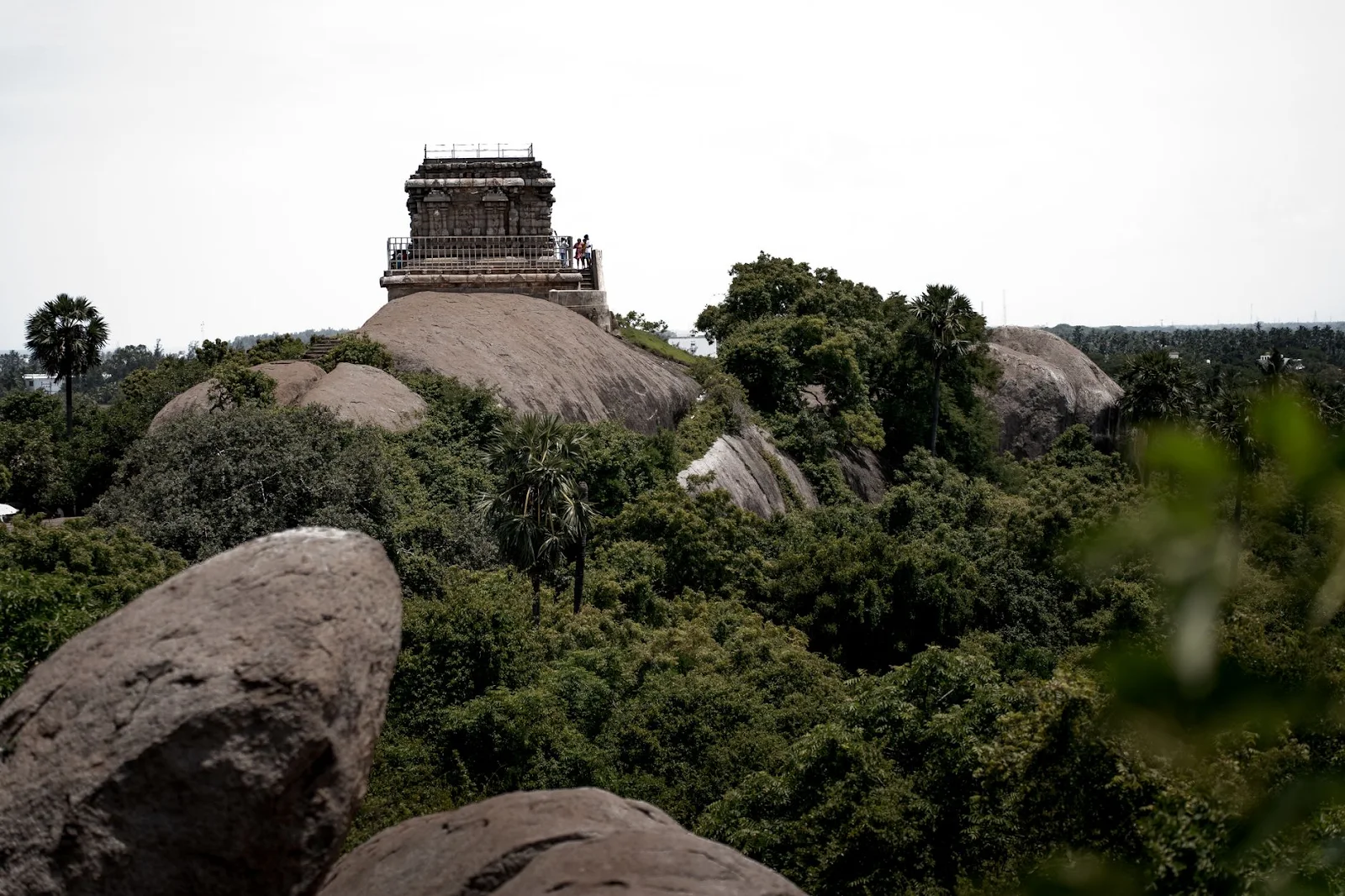
Located around 35 kilometers from Bhagalpur, near the township of Kahalgaon, Bateshwar Sthan is a spellbinding spiritual and historical site that sits right along the swirling currents of the river. The area is defined by rolling granite hills that drop precipitously into the water, creating a landscape that feels strikingly different from the flat Gangetic plains nearby. Here, tucked into natural overhangs and carved directly into riverside bluffs, you will find 7th-century rock-cut shrines, ancient Shaivite sanctums, and centuries-old sculptural panels reflecting the artistry of both the Gupta and Pala empires.
Why You Should Visit
Bateshwar Sthan combines archaeological intrigue with natural drama. The three massive granite rock islands rising dramatically out of the river just offshore at Kahalgaon—known locally as the Colgong Rocks—create an unforgettable backdrop, especially during sunset. The ancient Shiva temple located here is considered deeply potent by devotees across Bihar and Jharkhand. For historians, examining the weathered rock reliefs depicting Hindu deities and Buddhist icons carved side-by-side provides fascinating physical evidence of the religious syncretism that flourished across eastern India during the medieval epoch.
Key Highlights
- The Riverfront Rock Reliefs: Detailed 7th and 8th-century stone carvings etched directly into natural boulder faces along the water's edge.
- Panoramic Hilltop Views: Hiking up Bateshwar Hill provides stunning bird’s-eye views of the river meandering through forested banks and sand shoals.
- Colgong Granite Outcrops: Offshore rocky islets in the Ganga that have drawn the attention of explorers and landscape artists for hundreds of years.
Practical Information
Timings: Open throughout the day from 5:30 AM to 7:00 PM
Entry Fee: None (Nominal parking fees if visiting by private car)
Photography: Allowed throughout the grounds; exercise caution while walking on wet, slippery river rocks.
4. Ajgaibinath Dham, Sultanganj

Overview
Around 26 kilometers west of Bhagalpur lies Sultanganj, an ancient pilgrimage center anchored by the sacred Ajgaibinath Temple. Situated atop a rugged granite hillock that rises out of the Ganga, this temple is revered as a self-manifested (Swayambhu) seat of Lord Shiva. Sultanganj is world-famous as the starting point of the grueling Shravani Mela, during which millions of Kanwariyas collect the holy "Uttravahini" Ganga water from the river here and trek over 100 kilometers barefoot to offer it at the Baba Baidyanath Jyotirlinga in Deoghar.
Why You Should Visit
Ajgaibinath Dham is one of the most energetically charged pilgrimage landmarks in eastern India. Reaching the temple involves ascending a series of stone steps cut directly into the granite, flanked on all sides by views of the holy river. The base of the rock island is covered in ancient carvings, dating back to the Gupta and post-Gupta eras, showing figures of Surya, Ganesha, Shiva, and Parvati. The contrast between the roaring devotion of pilgrims during the monsoon and the meditative peace of the temple courtyards in winter makes it an exceptional cultural stop on your Bhagalpur itinerary.
Key Highlights
- Uttravahini Ganga Phenomenon: The sacred northward bend of the river here makes ritual bathing in the waters particularly holy in Hindu tradition.
- Rock Sculptures: The stone steps leading up the island are etched with millennia-old depictions of deities that remain remarkably intact.
- Evening Aarti: The twilight worship ceremony at the river ghats, accompanied by resonant temple bells, conch shells, and floating earthen lamps.
Practical Information
Timings: 4:30 AM to 8:30 PM daily
Entry Fee: Free entry
Note for Visitors: The town gets intensely congested during the Hindu calendar month of Shravan (July–August); plan an autumn or winter visit if you prefer calm sightseeing.
5. Kupaghat and Maharshi Mehi Ashram

Overview
Positioned on a tranquil bluff overlooking the river within Bhagalpur city limits, Kupaghat is a verdant sanctuary of peace and spiritual heritage. The word "Kupa" translates to well or cave, referencing the subterranean meditation cavern where the venerable spiritual master Maharshi Mehi Paramhans spent months in rigorous introspective silence during the early 20th century. Today, Kupaghat houses a sprawling, impeccably maintained ashram that attracts visitors seeking refuge from urban bustle, meditation workshops, and undisturbed river vistas.
Why You Should Visit
Kupaghat delivers a welcome, soothing contrast to the bustling marketplaces of central Bhagalpur. The ashram gardens are lush and meticulously cared for, filled with shaded groves, flowering plants, and paved walkways lined with philosophical quotations. The underground meditation cave is preserved in its authentic state, allowing travelers to step into an environment constructed purposefully for profound quietude. Furthermore, the elevated river view from the ashram terrace is arguably the most relaxing vantage point in the entire city.
Key Highlights
- The Subterranean Meditation Cave: The historical underground chamber used by Maharshi Mehi for internal light and sound meditation (Surat Shabda Yoga).
- Sunset River Promenade: Broad paved embankments that allow travelers to sit peacefully and watch traditional fishermen against the setting sun.
- The Spiritual Library & Bookstore: A curated archive containing rare works of Sant Mat philosophy, Hindi devotional poetry, and regional spiritual literature.
Practical Information
Timings: 5:00 AM to 8:00 PM (Cave access is restricted to specific hours; usually open from 8:00 AM to 11:00 AM and 3:00 PM to 5:00 PM)
Entry Fee: Free
Attire: Modest, respectful clothing is strictly requested inside the ashram premises.
Best Time to Visit Bhagalpur
Like much of the middle Gangetic plains, Bhagalpur experiences a subtropical climate marked by distinct seasonal variations. The ideal window to plan a trip is during the winter months, stretching from October through March.
During winter, temperatures range pleasantly between 10°C and 25°C, creating perfect conditions for spending long, comfortable hours exploring the open-air archaeological ruins at Vikramshila or taking cold-morning boat cruises to spot Gangetic dolphins. Fog can occasionally envelop the river in December and January, adding an ethereal mood to the waters.
Conversely, the summer months (April to June) can be scorching, with daytime temperatures frequently crossing 42°C accompanied by dusty, dry westerly winds ("Loo"). The monsoon season (July to September) brings dramatic skies and heavy rain, causing the River Ganga to swell considerably. While the landscape turns lush green, boat safaris are generally halted during high floods due to intense river currents.
How to Reach Bhagalpur
Bhagalpur is one of the principal commercial and educational centers in eastern Bihar, ensuring steady road and rail connectivity with major Indian hubs.
By Air
Bhagalpur does not currently operate an active commercial airport for regular civilian flights. The nearest operational airports are:
- Deoghar Airport (DGH): Located around 115 kilometers south in Jharkhand. It operates direct flights to cities like Delhi, Kolkata, and Bengaluru, making it the most convenient air link.
- Patna Airport (Jay Prakash Narayan Airport - PAT): Located approximately 235 kilometers west, offering extensive domestic connectivity across India. Cabs and express trains connect Patna smoothly to Bhagalpur.
By Train
Bhagalpur Junction (BGP) is a prominent railway station under the Eastern Railway zone. It is directly linked to major metros including New Delhi, Kolkata (Howrah and Sealdah), Mumbai, Bengaluru, and Guwahati via prestigious express and superfast trains such as the Vikramshila Express, Bhagalpur-Anand Vihar Garib Rath, and Howrah-Gaya Express.
By Road
National Highway 80 (NH 80) and National Highway 33 pass through the district, connecting Bhagalpur to Patna, Munger, Purnia, and southern districts. Both state-run Bihar State Tourism Development Corporation (BSTDC) buses and private luxury sleeper buses operate regular services between Bhagalpur, Patna, Ranchi, Siliguri, and Kolkata.
What to Eat: Bhagalpur's Culinary Highlights
The gastronomy of Bhagalpur is a feast of earthy, authentic flavors rooted deeply in the fertile soil of the Gangetic valley. No culinary trip to Bhagalpur is complete without tasting dishes prepared with the region's famous Katarni Rice and Katarni Chura (flattened rice)—a unique indigenous grain endowed with a geographical indication (GI) tag for its distinctive aroma and delicate texture.
Be sure to sample these beloved local dishes during your stay:
- Litti Chokha: The undisputed king of Bihari cuisine. Roasted whole-wheat dough balls stuffed with spiced sattu (roasted gram flour), baked over charcoal and drenched in pure desi ghee, served with smoky mashed brinjal and tomato chokha.
- Katarni Chura with Dahi and Gur: A breakfast staple across local households. The fragrant, paper-thin flattened rice paired with thick clay-pot curd and sugarcane jaggery is light, naturally sweet, and energizing.
- Tilkut: A winter sweet specialty crafted masterfully from toasted sesame seeds and melted jaggery or refined sugar, beaten to an airy, crumbly perfection.
- Ganga Fish Curry: For non-vegetarians, fresh river catches like Rohu, Katla, or Tengra prepared in a traditional mustard-rich gravy (Sarson Masala) deliver an unforgettable regional punch.
Essential Travel Tips for Visitors
- Hire Local Certified Guides at Vikramshila: The ruins at Antichak are vast; hiring an ASI-registered guide brings the brick structures and monastic layouts alive with deep historical context.
- Support Local Handloom Weavers: Visit the historic quarter of Champanagar to buy authentic Bhagalpuri Tussar, Mulberry, and Ghicha silk fabrics directly from traditional master weavers.
- Respect River Safety Protocols: When taking country boat rides for dolphin watching, always ensure life jackets are available, and avoid traveling in the river after sunset.
- Carry Adequate Cash: While digital UPI payments are widespread in the main city, smaller vendors, rural eateries, and boatmen at Kahalgaon or Antichak often prefer cash.
- Pack Sun Protection: Wear breathable cotton attire, carry a wide-brimmed hat, and use sunscreen when exploring outdoor open archaeological zones like Vikramshila and Bateshwar Sthan.
- Reserve Trains Well in Advance: Trains connecting Bhagalpur to Delhi and Kolkata witness heavy passenger loads year-round; book berths early to avoid waitlists.
- Rent a Private Vehicle for Excursions: Outlying attractions like Vikramshila, Kahalgaon, and Bateshwar Sthan are spread out; hiring a local taxi for the entire day is far more practical than relying on erratic rural buses.
- Exercise Caution Near River Ghats: The Ganga has powerful underwater undercurrents and shifting depths near Bhagalpur. Never venture deep into the water while bathing.
- Dress Modestly: Bhagalpur is culturally traditional. When visiting temples, mosques, and spiritual ashrams, dress conservatively with knees and shoulders covered.
- Plan Around Festival Dates: If you wish to witness spectacular cultural fervor, visit during Chhath Puja (October/November); if you prefer peace and lower hotel rates, steer clear of peak festival dates.
Suggested 2-Day Sightseeing Itinerary
Day 1: Buddhist Legacy and Riverside Heritage
- Morning (08:30 AM – 01:00 PM): Start your morning early by taking a private cab to the Ancient Ruins of Vikramshila Mahavihara at Antichak (approx. 1.5 hours drive). Spend three hours exploring the massive central stupa, monastery grounds, and the ASI Museum.
- Afternoon (01:30 PM – 03:30 PM): Head towards Kahalgaon for lunch, followed by a visit to the sacred rock-cut shrines and craggy waterfront at Bateshwar Sthan.
- Evening (04:30 PM – 06:30 PM): Return to Bhagalpur city and head directly to Kupaghat Ashram. Explore the meditation cave, walk through the flower gardens, and watch the sun dip below the river horizon.
Day 2: River Wildlife, Sacred Rocks, and Silk Shopping
- Early Morning (06:30 AM – 09:30 AM): Board a pre-arranged wooden country boat at Barari Ghat into the Vikramshila Gangetic Dolphin Sanctuary to spot dolphins surfacing in the crisp morning air.
- Late Morning (10:30 AM – 02:00 PM): Drive west to Sultanganj (45 minutes) to visit the iconic granite-island temple of Ajgaibinath Dham, soaking in the panoramic views of the northward-bending Ganga.
- Evening (04:00 PM – 07:30 PM): Head to the historic weaving colony of Champanagar. Watch handloom artisans at work, purchase authentic Tussar silk sarees and shawls, and conclude your evening relishing hot Litti Chokha at a local food stall.
Frequently Asked Questions
Why is Bhagalpur called the Silk City of India?
Bhagalpur has a weaving tradition spanning over a century, specializing in the production of distinct Tussar and Ahimsa (peace) silk. The natural texture, golden sheen, and durable quality of Bhagalpuri silk fabrics are acclaimed globally, making the district one of India's foremost silk production clusters.
What is the distance between Bhagalpur city and the Vikramshila ruins?
The excavated ruins of Vikramshila University at Antichak are situated roughly 40 to 44 kilometers east of Bhagalpur city center. The journey takes approximately 1 hour and 15 minutes by private taxi or rental car via the NH 80 route.
Can you always see dolphins at the Vikramshila Gangetic Dolphin Sanctuary?
Sightings are very frequent, especially between October and April when river levels recede and the water is clearer. Hiring an experienced local boatman in the early morning (between 6:30 AM and 9:00 AM) near Barari Ghat or Kahalgaon gives you an excellent chance of spotting them.
Is Bhagalpur safe for solo travelers and families?
Yes, Bhagalpur is generally safe, welcoming, and hospitable for tourists. Standard travel common sense applies: avoid traveling late at night in unfamiliar rural interiors and ensure that you use reputable cabs or rail services when journeying across districts.
What are the best shopping souvenirs to buy in Bhagalpur?
The top item to buy is genuine Bhagalpuri Tussar silk, available as sarees, dupattas, stoles, and dress fabrics. Food lovers should also pick up packets of aromatic Katarni Chura (flattened rice) and fresh Tilkut if visiting during the winter months.
How many days are sufficient to explore Bhagalpur?
A well-planned 2-day, 1-night trip is ideal to cover the top historical and natural landmarks, including Vikramshila ruins, the dolphin sanctuary, Bateshwar Sthan, Ajgaibinath Temple, and local silk shopping markets.
Which is the best nearby airport to reach Bhagalpur quickly?
Deoghar Airport (DGH) in Jharkhand is the closest functional commercial airport, located roughly 115 kilometers from Bhagalpur (about 3 hours by road). Alternatively, Patna Airport (PAT) is 235 kilometers away with broader flight options.
What is the cultural significance of Sultanganj in Bhagalpur?
Sultanganj is of immense religious significance because the Ganga takes a rare northward turn (Uttravahini) here. It is the sacred origin point for the annual Kanwar Yatra, where pilgrims fetch holy water before undertaking the rigorous 105 km trek on foot to Baba Baidyanath Temple in Deoghar.
Conclusion
Bhagalpur remains one of eastern India's most fascinating yet underexplored gems. Far beyond being merely a commercial center for handwoven textiles, this ancient district on the Ganga is a treasure chest of cultural endurance. Where else can you wander across the same stone pathways once walked by legendary Buddhist scholars, sail alongside rare aquatic mammals in a protected river sanctuary, and discover century-old rock-cut sculptures jutting gracefully from the water?
A trip to Bhagalpur rewards the observant traveler with a profound sense of history, warm local hospitality, and landscapes steeped in ancient lore. Pack your curiosity, prepare your palate for authentic Bihari flavors, and set out to explore the unforgettable Silk City of Bihar on your next journey across India's vibrant heartland.



0 Comments