
Discovering Banka, Bihar: Sacred Hills, Verdant Lakes, and Undiscovered Wonders of Eastern India
Nestled in the southeastern corner of Bihar along the gentle border of Jharkhand, Banka remains one of eastern India’s most compelling yet underappreciated travel frontiers. Endowed with undulating granite massifs, sprawling freshwater reservoirs, lush sal-wooded foothills, and centuries of mythic heritage, this dynamic district offers an earthy, grounded escape far removed from conventional tourist circuits. For centuries, pilgrims, wanderers, and scholars have gravitated toward this soil, drawn by the timeless gravity of sacred peaks celebrated in ancient Hindu epics and venerable Jain scriptures alike.
Today, Banka is undergoing an exciting revival. The state government’s push toward eco-tourism and adventure facilities has breathed vibrant contemporary energy into the district's serene countryside. Families now gather along modern water-sport piers overlooking crystal-clear reservoir bays, trekkers scramble up smooth granite boulders to catch misty morning sunrises, and spiritual seekers meditate beside sacred hillside tanks carved directly into bedrock. Whether you come to trace the legend of the cosmic ocean churning at Mandar Hill, drift upon the glassy expanse of newly landscaped dams, or simply relish the unhurried rhythm of authentic Bihari village life, Banka warmly rewards mindful exploration.
Finding the top tourist places in Banka, Bihar means stepping into landscapes where history, faith, and untamed nature intersect effortlessly. This comprehensive travel guide details the five best places to visit in Banka, complete with historical insights, practical route advice, local culinary discoveries, and smart planning tips to ensure an unforgettable journey through Bihar’s green sanctuary.
1. Mandar Hill (Mandar Parvat)

Overview
Standing roughly 700 feet high against the sweeping agricultural plains, Mandar Hill is the crowning jewel among the best places to visit in Banka. This monolithic granite hill carries extraordinary mythical weight across multiple Indian spiritual traditions. The mountain features striking geological formations, ancient rock-cut reliefs, natural cave shrines, and modern panoramic viewpoints. With a state-of-the-art ropeway system alongside traditional stone-carved steps, accessing the summit has evolved into a comfortable, scenic adventure suitable for travelers of all generations.
History & Cultural Significance
According to classical Puranic lore, Mandar Parvat was the churning rod (Manthana Danda) used by the Devas (gods) and Asuras (demons) during the legendary Samudra Manthan (churning of the cosmic ocean). Look closely at the granite face of the hill, and local guides will point out the visible horizontal groove running around its perimeter, reverently believed to be the friction mark left by the serpent king Vasuki, who served as the churning rope. For the Jain community, Mandar Hill holds profound sanctity as the holy site where the 12th Tirthankara, Bhagwan Vasupujya, attained his final Nirvana. A white marble Jain temple crowns the highest ledge of the summit, providing a tranquil sanctuary of quiet contemplation.
Things to Do
- Ride the Ropeway: Take the modern passenger cable car for sweeping aerial vistas of the Banka countryside and surrounding paddy fields.
- Hike the Pilgrimage Steps: Ascend on foot via historic stone steps to inspect ancient rock reliefs depicting Narasimha, Ganesha, and serpentine motifs.
- Visit the Summit Jain Temple: Marvel at the tranquil marble shrine dedicated to Bhagwan Vasupujya atop the breezy crest.
- Explore Sita Kund & Shankha Kund: Discover cold-water perennial mountain springs carved deep within solid granite crevices.
Practical Details
Timings: 6:00 AM to 6:00 PM daily. Ropeway operates from 8:30 AM to 5:00 PM (subject to lunch closures and wind conditions).
Entry Fee: Free hill entry; ropeway tickets cost around ₹100 to ₹120 per person for a two-way journey.
Ideal Duration: 3 to 4 hours.
Best Photography Spot: The intermediate ropeway tower viewing deck and the northern terrace of the summit Jain temple at sunrise.
2. Odhani Dam Eco-Tourism Reserve

Overview
Odhani Dam has swiftly emerged as Bihar's premier inland eco-tourism success story. Situated barely 4 kilometers from Banka’s district headquarters, this picturesque artificial lake is framed by undulating hills, emerald waters, and immaculately manicured shoreline promenades. Once simply an irrigation project, the state administration transformed the waterfront into an energetic leisure retreat complete with modern jetty facilities, thrilling motorized watersports, and floating culinary establishments.
History & Cultural Significance
Constructed over local tributaries to channel vital monsoonal run-off toward local farmlands, Odhani Dam long served as the agricultural lifeline of central Banka. In recent years, the reservoir underwent extensive eco-tourism beautification to foster local employment and highlight the district's environmental wealth. It has quickly become a model for sustainable regional development, hosting seasonal birding camps, water adventures, and weekend leisure events that draw visitors from Bhagalpur, Deoghar, and Patna.
Things to Do
- Experience Thrilling Water Sports: Hop aboard high-speed jet skis, speedboats, or gentle pedal boats for a closer look at the lake’s secluded coves.
- Dine on the Floating Restaurant: Enjoy steaming chai, samosas, and regional dishes while gently swaying upon the water's surface.
- Sunset Strolls along the Promenade: Walk the paved, illuminated shoreline paths as twilight casts fiery oranges and purples across the hills.
- Winter Birdwatching: Bring binoculars to spot migratory cormorants, northern pintails, and egrets nesting along the shallow marshes.
Practical Details
Timings: 8:00 AM to 6:30 PM throughout the week.
Entry Fee: Nominal entry charge of ₹10 to ₹20 per visitor; boating rides range from ₹50 (pedal boat) to ₹300 (speed boat/jet ski).
Ideal Duration: 2 to 3 hours.
Best Photography Spot: The waterfront jetty looking west toward the sun setting directly behind the rocky ridges.
3. Chandan Dam and Reservoir

Overview
Spanning the powerful seasonal course of the Chandan River near Banka's southern fringes, Chandan Dam is an impressive earthen dam engineered across vast, rugged terrain. Celebrated for its tranquil atmosphere, open horizons, and panoramic vistas, the reservoir resembles an endless inland sea during late monsoon and early winter. Travelers seeking solace, rustic pastoral quietude, and dramatic open-air landscapes will find Chandan Dam among the most relaxing tourist places in Banka.
History & Cultural Significance
Commissioned in the mid-1960s to control erratic seasonal flash floods originating from the Chota Nagpur plateau and to supply dependable irrigation waters to both Banka and adjoining southern districts, Chandan Dam is a major feat of mid-century Indian civil engineering. Culturally, the river Chandan itself carries an honored role in regional folklore, frequently cited in folk ballads celebrating resilience, farming harvests, and traditional riverine commerce.
Things to Do
- Drive Along the Earthen Bund: Enjoy a scenic road cruise on the elevated embankment roadway flanked by water on one side and fertile green groves on the other.
- Host an Open-Air Picnic: Set up a relaxed family day-out beneath shady acacia and mango groves around the embankment banks.
- Observe Traditional Fishing: Watch local fishermen cast hand-woven circular nets from narrow wooden dugouts in the early morning stillness.
- Landscape Photography: Photograph striking contrasts between rugged earthen dikes, deep blue skies, and gentle surface currents.
Practical Details
Timings: Open throughout the day; recommended visiting hours are 7:00 AM to 5:30 PM.
Entry Fee: Free public access.
Ideal Duration: 1.5 to 2 hours.
Best Photography Spot: The middle section of the main sluice canal, which delivers unobstructed 360-degree views of the water horizon.
4. Bilharneshwar Temple
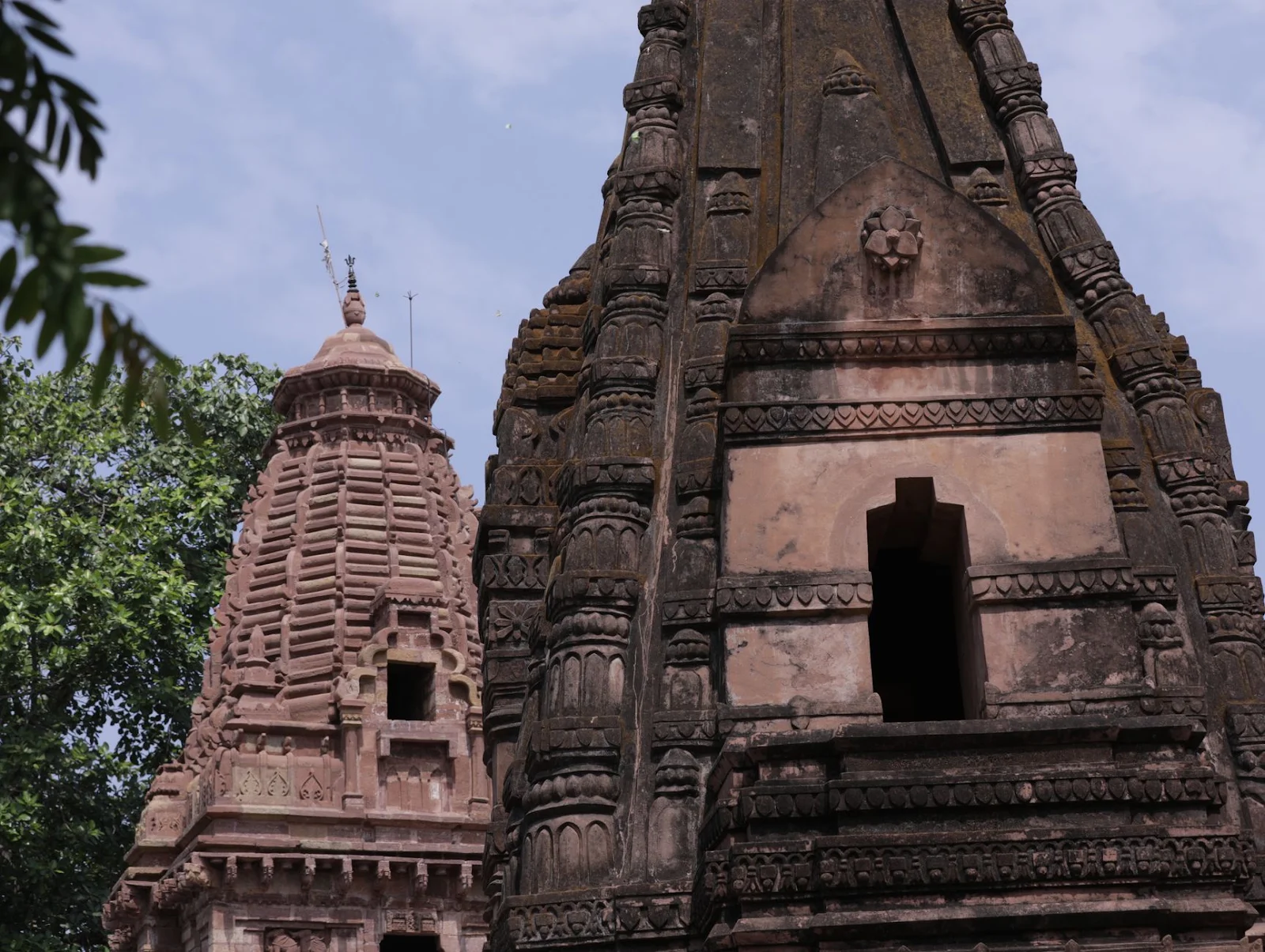
Overview
Set amidst a canopy of ancient trees in the rustic Bilhar village area, Bilharneshwar Temple is one of the district's most revered Shiva shrines. Marked by its stone architectural elements, traditional terracotta embellishments, and quiet natural setting, this spiritual sanctuary provides an authentic glimpse into deep-rooted rural faith. It attracts thousands of devout pilgrims during religious festivals, yet maintains a quiet, contemplative atmosphere throughout ordinary weekdays.
History & Cultural Significance
Local legends date the foundation of the Bilharneshwar Shiva shrine back to the late medieval era, with some folklore tying its consecrated Shivalingam to antiquity. Regional lore attributes healing powers to the sacred temple pond and the surrounding holy precinct. During the sacred month of Shravan (July–August) and the grand festival of Maha Shivratri, the temple transforms into an energetic center of collective celebration, filled with traditional kirtans, floral offerings, and festive village bazaars.
Things to Do
- Participate in Morning Aarti: Experience the soothing sound of brass bells, conches, and sacred Vedic mantras in the peaceful inner courtyard.
- Study Regional Stone Craft: Observe the regional folk-classical style of the sanctum sanctorum and carved stone lintels.
- Interact with Local Craftspeople: Browse small village stalls outside the temple gates offering handmade earthen clay toys, brass bells, and ritual goods.
- Stroll the Temple Orchards: Wander quietly under the ancient banyan and neem canopies that fringe the sanctum grounds.
Practical Details
Timings: 5:00 AM to 12:30 PM; 4:00 PM to 8:30 PM daily.
Entry Fee: Free.
Ideal Duration: 1 hour.
Best Photography Spot: The main entryway under the shade of centuries-old trees with the traditional stone spire reflected in the morning light.
5. Madhusudan Temple & Paapharni Lake

Overview
Located right at the foot of Mandar Hill, the holy lake of Paapharni (also spelled Papharni Sarovar) and the adjoining Madhusudan Temple form a classic pilgrimage ensemble. Paapharni is a massive, rectangular water body lined with stone steps, surrounded by temples, dharamsalas, and forested ridges. Standing proudly along its northern shore, the Madhusudan Temple enshrines an ancient image of Lord Krishna (Vishnu), acting as the ceremonial heart for annual festive gatherings and ritual baths.
History & Cultural Significance
The name Paapharni translates poetically to "destroyer of sins." Ancient legend recounts that a Chola king suffering from a severe skin ailment visited the region, bathed in this reservoir, and was miraculously cured, prompting him to construct the vast stepped stone ghats in thanksgiving. Every year on Makar Sankranti (mid-January), the massive Mandar Mela takes place around Paapharni. Pilgrims arrive from across Bihar, Jharkhand, and West Bengal to take an auspicious holy dip at dawn, light earthen lamps, and pay homage to Lord Madhusudan.
Things to Do
- Visit the Floating Central Pavilion: Gaze upon the ornate mini-shrine set dramatically in the middle of Paapharni Lake.
- Seek Blessings at Madhusudan Temple: Step inside the sanctum to witness the ornate rituals honoring Lord Krishna as Madhusudan.
- Experience the Mandar Mela: If traveling in mid-January, immerse yourself in one of Bihar's most colorful and vibrant folk fairs.
- Feed the Sacred Pond Fish: Purchase puffed rice (muri) from local sellers along the steps to feed the swarming lake fish.
Practical Details
Timings: 5:00 AM to 8:00 PM daily.
Entry Fee: Free.
Ideal Duration: 1 to 2 hours.
Best Photography Spot: From the southern ghat steps looking north toward the central lake pavilion with the towering face of Mandar Hill directly in the background.
Best Time to Visit Banka
The ideal window to plan a trip to Banka is from October through March. During these autumn and winter months, daytime temperatures hover pleasantly between 18°C and 26°C, accompanied by dry, sunny skies, cool breezes, and lush green countryside rejuvenated by the retreating monsoon.
Visiting in January provides the added cultural spectacle of the famous Mandar Mela during Makar Sankranti, though popular sites like Mandar Hill can get crowded during this festival week. Conversely, April to June brings extreme tropical heat, with daytime temperatures routinely exceeding 42°C, making outdoor hiking and temple explorations uncomfortable. The monsoon season (July to September) brings rain showers that paint Banka’s hillsides and agricultural valleys in deep emerald hues, but heavy downpours can make granite ascents slippery.
How to Reach Banka
By Air
The nearest commercial domestic airport is Deoghar Airport (DGH) in Jharkhand, located just 55 to 65 kilometers away depending on your precise destination in Banka district. Deoghar connects directly with major metros like Delhi, Kolkata, and Bengaluru. Another viable gateway is Patna Airport (PAT), located about 240 kilometers west, offering comprehensive nationwide flight schedules. Taxis and interdistrict express buses are readily accessible from both airports.
By Train
Banka Junction (BAKA) is the district's primary railway station, well-connected to Patna, Bhagalpur, Jasidih, and Dumka. Additionally, Bhagalpur Junction (BGP)—located 48 kilometers north—is a major railhead on the Eastern Railway network, hosting superfast and Rajdhani express connections to New Delhi, Kolkata, Mumbai, and Guwahati. From Bhagalpur, frequent passenger trains, state buses, and private taxis run south to Banka around the clock.
By Road
Banka benefits from a well-maintained network of state and national highways. NH 333A passes through the heart of the district, connecting it smoothly with Bhagalpur, Munger, Deoghar, and Jamui. Bihar State Road Transport Corporation (BSRTC) along with numerous private operators run regular bus services linking Banka with Patna (approx. 6 hours), Bhagalpur (1.5 hours), and Gaya (4.5 hours).
Local Food and Culinary Delights in Banka
Banka's culinary culture celebrates traditional Angika and eastern Bihari gastronomy—wholesome, rich in rustic spices, and deeply connected to local agriculture:
- Litti Chokha: Hand-rolled wheat dough balls stuffed with spiced gram flour (sattu), roasted over smoldering cow dung cakes or charcoal embers, drenched in pure desi ghee, and served with mashed roasted brinjal, tomatoes, and sharp mustard chutney.
- Tilkut: A signature winter confection made by pounding sesame seeds with boiling jaggery (gur) or refined sugar. Crisp, flaky, and meltingly delicate, especially during December and January.
- Khaja: A multi-layered, deep-fried pastry dipped lightly in clear sugar syrup, crisp on the outside and wonderfully airy within.
- Sattu Sharbat: A nutritious, thirst-quenching drink made from roasted chickpea flour stirred with cold water, roasted cumin, black salt, and squeezed lime (or served sweetened with jaggery).
- Fish Curry with Steamed Rice: Thanks to the Chandan and Odhani river networks, fresh freshwater rohu and katla curries cooked in mustard paste, garlic, and wild fenugreek are everyday favorites in local roadside dhabas.
10 Essential Travel Tips for Banka
- Start Mandar Hill Early: If hiking on foot rather than taking the ropeway, begin your ascent before 7:30 AM to avoid mid-day heat and sharp sun glares on the bare granite.
- Wear Sturdy Gripped Footwear: The rock faces around Mandar Hill and the embankments of Chandan Dam have slick patches; avoid leather-soled shoes or open flip-flops.
- Carry Liquid Cash: While digital payments via UPI are widely accepted in Banka town, vendors at village stalls, remote boating counters, and auto-rickshaws frequently require physical rupees.
- Dress Modestly: When visiting active temples like Madhusudan and Bilharneshwar, dress respectfully with knees and shoulders covered, and remove footwear outside sanctum gates.
- Stay Hydrated: Always carry a reusable water bottle, especially when exploring sprawling open sites like Odhani and Chandan Dams where drinking water booths can be far apart.
- Hire a Local Taxi for the Day: Public bus services connect the main towns, but visiting scattered rural locations like Bilharneshwar and Chandan Dam is much smoother with a dedicated cab hired from Banka or Bhagalpur.
- Verify Ropeway Operating Days: Check local administrative schedules or arrival noticeboards at Mandar Hill, as the ropeway occasionally closes for scheduled weekly maintenance.
- Pack Sun Protection: Sunscreen, wide-brimmed hats, and polarized sunglasses are essential when spending afternoons out on the open waters of Odhani Dam.
- Explore Early Mornings for Birdwatching: The reservoirs at Odhani and Chandan are quietest between 6:30 AM and 8:30 AM, offering the best conditions for wildlife spotting.
- Combine Your Trip with Deoghar or Bhagalpur: Consider linking your Banka itinerary with the world-famous Baidyanath Jyotirlinga in Deoghar or Vikramshila Mahavihara near Bhagalpur for a broader regional circuit.
Suggested 2-Day Banka Itinerary
Day 1: The Spiritual Footsteps of Mandar Hill
- Morning (7:30 AM – 11:30 AM): Arrive at Mandar Hill early. Enjoy the ropeway ride or hike the historic stone-cut path to the summit. Visit the ancient Jain Temple, take in 360-degree views, and explore the mysterious rock carvings along the cliffs.
- Afternoon (12:00 PM – 2:30 PM): Descend to the base. Visit Paapharni Lake and offer prayers at the historic Madhusudan Temple. Savor an authentic thali lunch of warm Litti Chokha or Dal-Bhaat-Tarkari at a nearby local dhaba.
- Late Afternoon (3:30 PM – 6:00 PM): Drive south to the tranquil Bilharneshwar Temple. Spend a peaceful evening exploring the temple groves and attending the evening twilight aarti with local villagers.
- Night: Check in to your hotel or guest house in Banka town. Rest and sample fresh sweets like Tilkut and warm Khaja.
Day 2: Waterside Eco-Tourism & Sunset Vistas
- Morning (8:30 AM – 11:30 AM): Head straight to Odhani Dam Eco-Tourism Reserve. Take a thrilling speedboat or jet ski ride across the sparkling lake waters, wander along the newly developed waterfront promenade, and indulge in brunch snacks at the floating cafe.
- Afternoon (1:00 PM – 3:30 PM): Enjoy a hearty local lunch in Banka town. Afterward, take a leisurely drive southward through scenic rural roads flanked by paddy fields and sal trees toward Chandan Dam.
- Late Afternoon & Sunset (4:00 PM – 6:30 PM): Explore the vast earthen bund of Chandan Dam. Walk along the reservoir shoreline, watch returning fishing boats, and photograph the orange sunset reflecting across the water before concluding your trip.
Frequently Asked Questions
1. Is Banka safe for solo travelers and families?

Yes, Banka is generally very safe, welcoming, and hospitable for both solo adventurers and family vacationers. As with any rural district in India, it is wise to avoid late-night travel on unlit rural country roads and conclude your outdoor excursions by 8:00 PM.
2. How much time is needed to explore the best places to visit in Banka?

A well-planned 2-day itinerary is ideal to explore all major highlights comfortably—including Mandar Hill, Paapharni Lake, Odhani Dam, and Chandan Dam—without feeling rushed.
3. Is the ropeway at Mandar Hill accessible for senior citizens?

Yes, the passenger ropeway at Mandar Hill allows senior citizens and travelers with mobility challenges to reach the summit comfortably without having to scale hundreds of steep stone stairs.
4. Are there good accommodation options in Banka?

Banka town features modest budget hotels, guest lodges, and government inspection bungalows. For luxury or star-rated accommodations, many visitors base themselves in Bhagalpur (48 km away) or Deoghar (60 km away), making day trips into Banka.
5. What is the historical importance of the Mandar Mela?

The Mandar Mela is an ancient annual cultural gathering held around Makar Sankranti (mid-January) at the base of Mandar Hill. It draws thousands of pilgrims from across eastern India for ceremonial dips in Paapharni Lake, vibrant folk theater, and traditional handicraft markets.
6. What are the boating timings and prices at Odhani Dam?

Boating generally runs daily from 9:00 AM to 5:30 PM. Pedal boats, motor cruisers, and speedboats range in price between ₹50 and ₹300 per passenger, making it an accessible adventure for all budgets.
7. Can Mandar Hill be visited as a day trip from Deoghar?

Yes. Mandar Hill is located just about 60 kilometers north of Deoghar. The drive takes roughly 1.5 to 2 hours along well-paved highways, making it a convenient day-trip extension for travelers visiting the Baidyanath Dham temple.
8. What souvenirs should I buy when traveling through Banka?

Popular take-home items include fresh handmade Tilkut (in winter), traditional sattu, hand-pounded jaggery, terracotta figurines made by local village artisans, and bell-metal ceremonial crafts found in neighborhood bazaars.
Conclusion
Banka, Bihar is a delightful revelation for curious travelers eager to venture beyond ordinary guidebooks. It presents a remarkable portrait of eastern India—one where monumental geological formations anchor thousands of years of sacred legends, where clean reservoir waters mirror blue skies, and where genuine village warmth turns everyday journeys into fond memories. From the windswept heights of legendary Mandar Hill to the lively eco-tourism piers of Odhani Dam, Banka blends natural tranquility and living cultural heritage with effortless grace.
As Bihar steadily develops its eco-tourism corridors, Banka stands as an inspiring blueprint of how heritage conservation and sustainable recreation can thrive side by side. Pack your walking shoes, carry your curiosity, and set out to explore the best tourist places in Banka—a district where every hill, lake, and country road has an unforgettable story waiting to be discovered.



0 Comments