
Discovering Shahdol, Madhya Pradesh: Ancient Temples, Grand Reservoirs, and Untamed Woodlands
Tucked away in the eastern quarter of Madhya Pradesh where the Vindhyan and Maikal hills converge, Shahdol remains one of Central India’s best-kept secrets. Cradled by dense sal and teak forests, meandering tributaries of the sacred Son River, and undulating plateau landscapes, this historic district carries an unmistakable aura of timelessness. Long before modern administrative borders were drawn, Shahdol flourished under royal patronage, most notably during the reign of the Kalachuri rulers who studded this rugged region with ornate sandstone shrines and spiritual sanctuaries. Alongside its rich imperial footprint, Shahdol thrives as a proud heartland of indigenous Gond and Baiga communities, whose centuries-old folklore, earthen village architecture, and harmonious coexistence with the wilderness lend the district a deeply authentic character.
For the inquisitive wanderer weary of over-commercialised tourist circuits, Shahdol offers a refreshing antidote. Here, solitary stone temples speak of eleventh-century mastery without ropes or ticketing barricades holding you back. Sprawling river dams like the colossal Bansagar create vast inland seas surrounded by emerald knolls, where evening breezes carry the call of native birds instead of urban clamour. Whether you are wandering through quiet forested hamlets, tracing centuries of stone art, or relaxing alongside shimmering reservoirs as the sun melts into the forested horizon, this district captures the essence of rural India at its most genuine.
Planning an itinerary through this tranquil corner of Central India reveals captivating facets of heritage, ecology, and spiritual calm. From majestic medieval sanctums to vast water bodies, here is your definitive travel guide to the top tourist places in Shahdol, Madhya Pradesh, crafted to help you uncover the captivating soul of this hidden destination.
Table of Contents
- 1. Virateshwar Temple (Virat Mandir), Sohagpur
- 2. Bansagar Dam, Deolond
- 3. Kshir Sagar
- 4. Sarfa Dam
- 5. Historic Kali Temple, Singhpur
- Best Time to Visit Shahdol
- How to Reach Shahdol
- Local Food and Culinary Experiences
- 10 Essential Travel Tips for Shahdol
- Suggested 2-Day Shahdol Itinerary
- Frequently Asked Questions (FAQs)
- Conclusion
1. Virateshwar Temple (Virat Mandir), Sohagpur

Overview & Historical Significance
Rising gracefully above the ancient settlement of Sohagpur, located right on the edge of modern Shahdol town, the Virateshwar Temple stands as the crown jewel of the district’s architectural heritage. Commissioned between the 10th and 11th centuries by the illustrious Kalachuri monarch Maharaja Yuvraj Deva II, this temple was built as a grand tribute to Lord Shiva. It represents the pinnacle of Nagara-style temple architecture in Central India, often drawing fair comparisons to the renowned world heritage monuments of Khajuraho due to its intricately sculpted exterior and soaring stone spire (shikhara).
Architectural Grandeur and Sculptures
The entire sanctum is constructed from fine-grained, pale-buff sandstone, pieced together using traditional interlocking masonry without mortar. The soaring curvilinear shikhara dominates the skyline, adorned with miniature replica spires (urushringas) that create an impression of towering vertical ascent. As you walk along the outer pradakshina path, you will encounter meticulously carved friezes showcasing celestial dancers (apsaras), mythical beasts (shardulas), guardian deities (dikpalas), and evocative tableaus of divine couples. Beyond Lord Shiva in his many cosmic manifestations, the niches preserve masterful panels depicting Vishnu, Ganesha, Brahma, and Goddess Saraswati, all exhibiting an astonishing level of detail that has defied the ravages of a millennium.
Visitor Experience and Spiritual Calm
Stepping inside the antarala (antechamber) and garbhagriha (inner sanctum), the atmosphere turns deeply contemplative. The sanctum houses a revered Shiva Lingam, which has been worshipped continuously across centuries. Early mornings are magical here: soft dawn light washes across the carved sandstone facades, chants murmur softly through the stone hall, and the courtyard remains uncrowded, offering photographers and heritage lovers an intimate glimpse into classical Indian art.
Practical Information
- Location: Sohagpur, approximately 3 km from Shahdol railway station.
- Timings: 6:00 AM to 7:30 PM, open on all days.
- Entry Fee: Free entry.
- Ideal Duration: 1 to 1.5 hours.
2. Bansagar Dam, Deolond

Engineering Wonder on the Son River
Spanning the mighty Son River at Deolond, around 50 kilometres north of Shahdol town, the Bansagar Dam is a breathtaking multi-purpose river valley project. Named in honour of the legendary 7th-century Sanskrit scholar Banabhatta, who is believed to have resided in this fertile river basin, the dam stands as an impressive feat of modern civil engineering. The project represents a monumental interstate collaboration among Madhya Pradesh, Uttar Pradesh, and Bihar, delivering irrigation, drinking water, and hydroelectricity across the region.
Scenic Splendour and Inland Seas
While the dam fulfills an essential civil purpose, the sheer scale of its reservoir—spread over hundreds of square kilometres—creates an awe-inspiring natural panorama. When the reservoir is full, the landscape resembles an endless blue inland ocean framed by the craggy crests of the Kaimur and Vindhyan ranges. Dotted across the water are gentle green islands that serve as resting grounds for local water birds. During the late monsoon season, when the massive crest gates are opened to release surplus floodwaters, the thundering roar and cloud of mist created by the plunging cascades offer a spine-tingling spectacle.
Things to Do Around the Dam
Visitors frequently travel along the scenic road passing over and around the dam project to take in expansive panoramic vistas. The sunset viewpoint near the Deolond approach road is especially popular; watching the evening sun dip beneath the wide expanse of water, painting the sky in fiery orange and magenta tones, is an unforgettable experience. The surrounding riverbanks provide lovely pockets for leisurely afternoon strolls, peaceful landscape photography, and quiet nature contemplation.
Practical Information
- Location: Deolond, Rewa-Shahdol Highway (NH-39), roughly 50 km from Shahdol city center.
- Timings: 8:00 AM to 6:00 PM (viewpoints are accessible throughout daylight hours).
- Entry Fee: Free (certain restricted security zones on the main spillway require official permits).
- Ideal Duration: 2 to 3 hours including transit time.
3. Kshir Sagar
Mythological Resonances and Quiet Waters
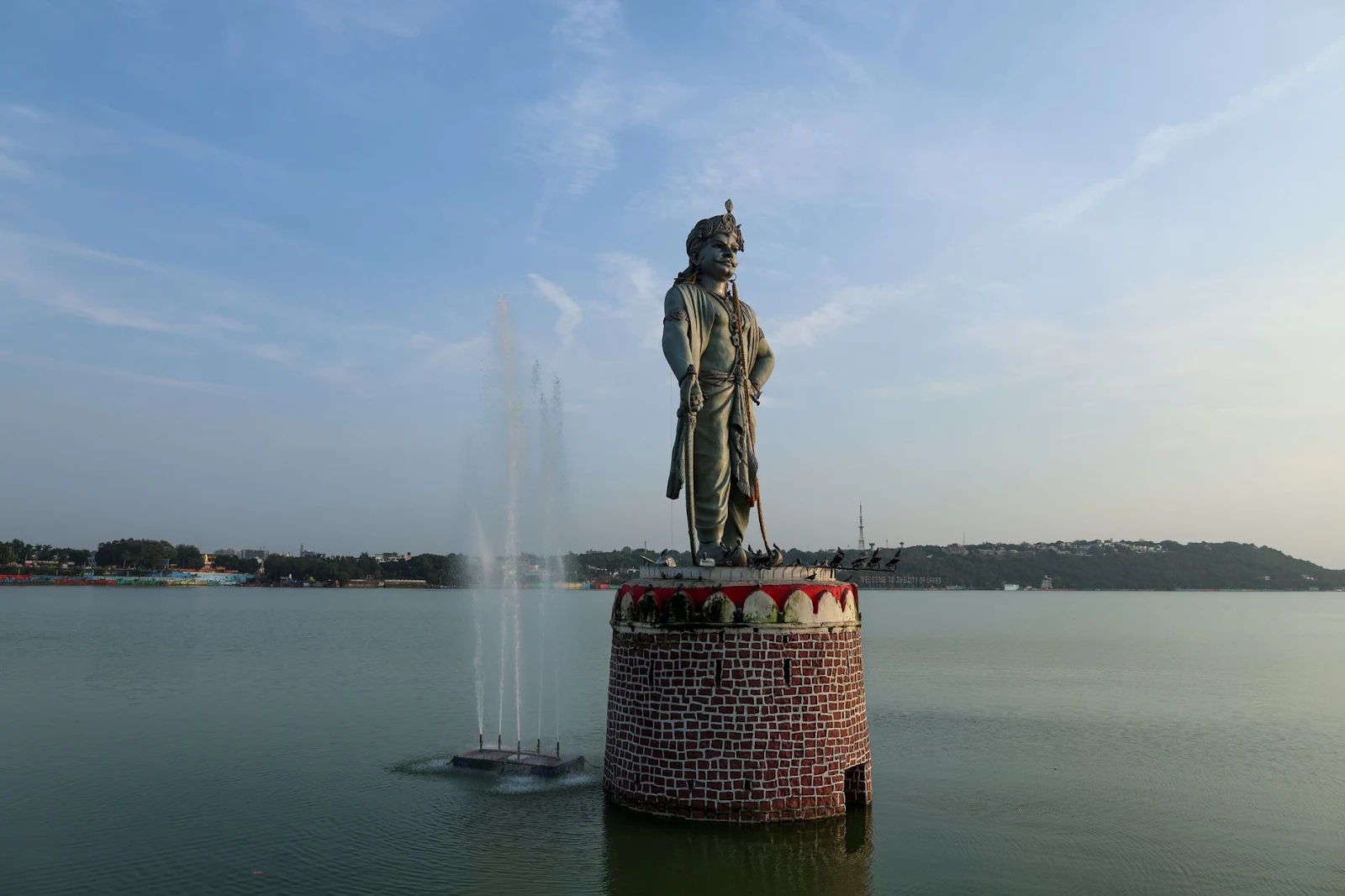
Kshir Sagar, or Ksheer Sagar, is one of Shahdol’s most beloved natural and cultural landmarks. Named after the celestial Ocean of Milk from Hindu mythology—where Lord Vishnu rests upon the coils of the serpent Sheshanaga—this expansive, tree-shaded water body carries deep spiritual associations for local residents. For generations, the lake has been a focal point for holy dips, seasonal morning ablutions, and religious ceremonies, creating a peaceful synthesis of community life and tranquil nature.
Natural Ambience and Flora
Unlike bustling city lakes, Kshir Sagar retains an earthy, unhurried charm. Its borders are flanked by old-growth banyan, peepal, and neem trees whose roots dip towards the water’s edge. During the cooler months following the monsoon, broad patches of wild lotus and water lilies bloom across the quieter corners of the pond, attracting resident dragonflies, kingfishers, and pond herons. The gentle ripples across the water, combined with soft evening breezes rustling through dense foliage, make this an oasis of serenity right within easy reach of the main town.
Experiencing the Lake
A paved stone perimeter walkway around sections of the water body invites morning walkers, yoga practitioners, and those seeking solitary moments of reflection. During festivals like Chhath Puja, Kartik Purnima, and Makar Sankranti, Kshir Sagar transforms into a glowing hub of traditional devotion, illuminated by earthen lamps set adrift on leaf boats. On normal days, it remains blissfully quiet—a wonderful spot to read a book under a shady canopy, sketch, or simply watch local life unfold at its own gentle pace.
Practical Information
- Location: Within Shahdol town limits, easily accessible by auto-rickshaw.
- Timings: Open 24 hours (daytime visits between 6:00 AM and 6:30 PM are recommended).
- Entry Fee: Free entry.
- Ideal Duration: 45 minutes to 1 hour.
4. Sarfa Dam

A Picturesque Woodland Retreat
If you are looking for an idyllic picnic hideaway enveloped by unbroken nature, Sarfa Dam should be near the top of your Shahdol itinerary. Constructed over the seasonal Sarfa River, a tributary that swells delightfully during the rainy months, this modest earthen-and-masonry reservoir serves primarily local agricultural irrigation needs. Yet, its position within a bowl of low forested hills has turned it into a treasured weekend getaway for families, young travelers, and nature lovers.
Birdlife and Natural Landscapes
The natural environment surrounding Sarfa Dam is remarkably pristine. Thick stands of sal, mahua, and palash trees flank the reservoir basin, giving the area an untouched, countryside feeling. During winter, the lake’s calm backwaters draw migratory ducks, cormorants, egrets, and lapwings, making it an enjoyable, low-key birdwatching locale. The gently sloping grassy bunds offer ample space to lay down a picnic mat, enjoy homemade snacks, and soak up warm winter sunshine while taking in sweeping water views.
Photography and Sunset Viewing
Sarfa Dam is exceptionally photogenic, particularly during the golden hour when the water acts as a flawless mirror reflecting the surrounding woods and changing evening sky. The lack of commercial activity and traffic noise ensures that the only sounds you hear are rustling leaves, chirping birds, and the gentle lap of water against the shoreline. It represents the quiet, therapeutic side of rural Madhya Pradesh travel at its finest.
Practical Information
- Location: Approximately 15 km southwest of Shahdol town.
- Timings: Sunrise to sunset (recommended between 7:00 AM and 5:30 PM).
- Entry Fee: Free entry.
- Ideal Duration: 2 hours.
- Traveler Tip: There are no commercial stalls or eateries at the dam site; be sure to carry your own drinking water and snacks, and bring all your trash back with you.
5. Historic Kali Temple, Singhpur

Sacred Roots in Baghelkhand
Situated in the quiet historic town of Singhpur, around 12 kilometres from Shahdol, the Singhpur Kali Mandir is an ancient religious seat holding deep cultural significance for the Baghelkhand region. Dedicated to Goddess Kali in her formidable yet benevolent maternal aspect, the shrine has drawn devotees, ascetics, and pilgrims for hundreds of years. The temple premises host ancient carved stone idols excavated from nearby archaeological mounds, connecting the present shrine directly to the region's rich medieval past.
Art, Architecture, and Religious Traditions
While the exterior structure has been renewed and maintained through ongoing community patronage across the centuries, the core sanctum preserves classical stone sculptures of the mother goddess, Chamunda, and Bhairava that date back to the Kalachuri era. The main idol of Goddess Kali is carved from deep black stone, radiating an intense spiritual presence. Devotees offer red hibiscus flowers, coconuts, and chunris, praying for health, protection, and prosperity. Surrounding courtyards feature shrines dedicated to Lord Shiva, Hanuman, and local village protector deities.
Atmosphere During Navratri
While the temple retains a calm, peaceful atmosphere throughout the year, it erupts into vivid celebration during the bi-annual Navratri festivals (Chaitra and Sharad Navratri). Thousands of pilgrims from Shahdol, Anuppur, and Umaria flock here to participate in collective prayers, night-long bhajan vigils, and local fairs (melas). Visiting during these festivals allows you to witness the heartfelt folk devotion, traditional Bundeli and Bagheli devotional singing, and colourful regional stalls offering local sweets and handicrafts.
Practical Information
- Location: Singhpur village, roughly 12 km from Shahdol town.
- Timings: 5:30 AM to 8:30 PM daily.
- Entry Fee: Free.
- Ideal Duration: 1 hour.
Best Time to Visit Shahdol
Because Shahdol experiences a tropical continental climate with marked seasonal variations, timing your visit carefully ensures a comfortable and rewarding holiday:
Winter (October to March) — The Golden Season
Winter is unreservedly the best time to explore Shahdol. Daytime temperatures hover pleasantly between 15°C and 25°C, accompanied by dry weather, mild breezes, and bright sunny skies. Nights can turn brisk and chilly, with mercury levels occasionally dropping down to 6°C or 8°C in December and January. This season is perfect for sightseeing, dam excursions, temple exploration, and outdoor picnics without dealing with intense heat.
Monsoon (July to September) — Lush Greenery
With the arrival of the south-western monsoons, Shahdol undergoes a dramatic transformation. The parched earth turns into a vibrant carpet of lush greens, the Son and Sarfa rivers fill to capacity, and the surrounding forests radiate life. While heavy showers may sometimes disrupt travel schedules or cause slippery roads, landscape photographers will find the mist-shrouded hills and dramatic cloud formations truly rewarding.
Summer (April to June) — Hot and Dry
Summers in Central India can be harsh. Temperatures frequently climb past 40°C to 44°C during peak midday hours in May and June. Outdoor sightseeing during the afternoon can be draining and uncomfortable. If traveling in summer, plan your outdoor excursions for the early morning hours and ensure you carry plenty of water and sun protection.
How to Reach Shahdol
By Air
Shahdol does not possess a commercial civil airport. The nearest functional domestic airports are:
- Jabalpur Airport (Dumna Airport - JLR): Located about 190 km to the west. Jabalpur operates frequent direct flights to New Delhi, Mumbai, Hyderabad, and Bengaluru. From the airport, you can hire a private taxi or board an express train from Jabalpur Junction to Shahdol.
- Prayagraj Airport (IXD): Located roughly 230 km to the north, offering reliable connections across major North Indian cities.
By Rail
Shahdol Railway Station (station code: SDL) is a well-connected stop on the Bilaspur–Katni section of the South East Central Railway network. Regular superfast, mail, and express trains connect Shahdol directly with major hubs such as New Delhi, Bhopal, Jabalpur, Raipur, Bilaspur, Patna, Kolkata, and Durg. It is usually the most economical and hassle-free way to arrive.
By Road
Shahdol enjoys dependable highway connectivity with neighboring districts across Madhya Pradesh and Chhattisgarh via National Highway 43 (NH-43). Regular state transport buses and private luxury coaches operate between Shahdol and cities such as Rewa (140 km), Jabalpur (190 km), Katni (130 km), and Bilaspur (200 km). Private taxis and self-drive cars can easily navigate the state highways.
Local Food and Culinary Experiences
Food in Shahdol reflects the hearty, unpretentious culinary traditions of the Baghelkhand region, punctuated by tribal foraging ingredients and rich Central Indian comfort foods:
- Dal Bafla: A culinary cousin of Rajasthan’s Dal Baati, these round wheat dough balls are boiled in water, baked over cow-dung embers or clay ovens until golden, then dipped generously in pure desi ghee. They are served with spicy toor dal, tangy mint-coriander chutney, and fiery garlic paste.
- Bagheli Thali: Daily home-style platters typically feature earthy curries made from local greens, seasonal tubers, tempered kadhi, arhar dal, and hot, freshly griddled rotis.
- Mahua Delicacies: In tribal rural pockets, the sweet, aromatic flowers of the Mahua tree are used in small quantities to sweeten festive pooris, traditional snacks, and country syrups.
- Samosas and Poha-Jalebi: Breakfast in Shahdol is incomplete without steaming plates of light poha tempered with mustard seeds, curry leaves, and crunchy peanuts, paired with piping hot, crispy spiral jalebis from local sweetshops.
- Khoya Jalebi and Mawa Peda: Due to the strong dairy culture in surrounding villages, local sweet makers prepare rich khoya jalebis (made with condensed milk solids) and slow-cooked caramelized pedas that make for wonderful travel treats.
10 Essential Travel Tips for Shahdol
- Dress Modestly at Religious Sites: When visiting Virateshwar Temple or Singhpur Kali Mandir, dress respectfully by covering your shoulders and knees. Remove your footwear outside the sanctum walls.
- Carry Liquid Cash: While digital payment apps like UPI work in Shahdol town, roadside stalls, rural transport operators, and village shops near Sarfa or Bansagar Dam may face network issues. Keep sufficient currency notes handy.
- Hire a Local Taxi for Excursions: Attractions like Bansagar Dam and Sarfa Dam are located some distance out of town. Booking a private cab for the day from Shahdol city center is far more convenient than relying on irregular rural buses.
- Pack Sun Protection and Layers: If traveling between November and February, pack woollen jackets or shawls for chilly nights, alongside sunglasses, hats, and sunscreen for daytime excursions.
- Respect Tribal Culture and Privacy: If your journeys take you near rural Gond or Baiga hamlets, treat the residents with dignity. Always ask for permission before taking photographs of village houses or local inhabitants.
- Check Dam Gate Schedules: If you are visiting Bansagar Dam specifically to watch the spillways in action, consult local tourism contacts or police posts regarding water release schedules, which generally happen during late monsoon (August–September).
- Stay Hydrated: Carry reusable water bottles filled with purified or boiled water, especially when exploring sprawling open sites like dams and outdoor archaeological compounds.
- Keep Emergency Medical Supplies: While Shahdol town has multi-specialty pharmacies and medical clinics, remote viewpoints do not. Carry a personal first-aid pouch with personal medications, motion sickness pills, and antiseptic wipes.
- Learn Basic Hindi Greetings: Hindi is universally understood and spoken throughout the district, alongside local Bagheli dialects. Learning a few polite phrases will bring warm smiles from the gracious locals.
- Practice Responsible Ecotourism: Shahdol’s water bodies and woodland reservoirs remain largely untouched by commercial tourism. Avoid using single-use plastics and ensure you carry all wrappers, bottles, and snack packs back to town for proper disposal.
Suggested 2-Day Shahdol Itinerary
Day 1: Architectural Masterpieces and Serene Waters
- Morning (8:30 AM – 11:00 AM): Begin your day with a traditional breakfast of Poha-Jalebi in Shahdol town. Head straight to the magnificent Virateshwar Temple in Sohagpur. Spend the morning admiring the intricate Kalachuri stone carvings, exploring the garden compound, and paying homage in the sanctum.
- Afternoon (11:30 AM – 1:30 PM): Visit Kshir Sagar for a tranquil walk along its leafy banks. Afterward, return to the town center for a relaxed traditional lunch featuring hot Dal Bafla.
- Late Afternoon & Sunset (3:00 PM – 6:00 PM): Drive out to the peaceful surroundings of Sarfa Dam. Enjoy a peaceful stroll along the earthen embankment, do some quiet birdwatching, and watch the sun set over the reservoir. Head back to town for dinner.
Day 2: Grand Engineering, Mythic Shrines & Village Charm
- Morning (8:00 AM – 1:00 PM): After an early breakfast, embark on an excursion north to Bansagar Dam at Deolond (approx. 50 km / 1.5 hours drive). Spend your morning marvelling at the colossal expanse of the Son River reservoir, capturing sweeping landscape photographs, and soaking in the cool river winds.
- Lunch (1:00 PM – 2:30 PM): Enjoy a simple lunch at a local dhaba near Deolond highway junction, sampling fresh rotis, seasonal subzi, and fresh curd.
- Afternoon (3:00 PM – 5:00 PM): Drive towards the historic village of Singhpur to visit the venerable Singhpur Kali Mandir. Spend some peaceful time exploring its stone sculptures, soaking up the spiritual atmosphere, and wandering through the rural bazaar outside.
- Evening (6:00 PM onward): Return to Shahdol town. Conclude your trip with evening shopping for local sweets and small handcrafted mementos before your journey onward.
Frequently Asked Questions (FAQs)
1. Is Shahdol safe for solo travelers and families?

Yes, Shahdol is a peaceful, welcoming district in Central India with low crime rates. Local residents are hospitable and helpful. As with any rural or semi-urban destination, avoid traveling to unlit, secluded forest areas after dark and keep your family or hotel informed about your travel itinerary.
2. Can Shahdol be covered as a weekend trip?

Certainly. A 2-day, 1-night weekend trip is ideal to explore all major landmarks within the district, including the Virateshwar Temple, Bansagar Dam, Sarfa Dam, and Kshir Sagar, without feeling rushed.
3. Can I combine a trip to Shahdol with Bandhavgarh National Park?

Yes, Shahdol makes an excellent pairing with Bandhavgarh National Park (located in neighbouring Umaria district). The Tala gate of Bandhavgarh is roughly 95 km from Shahdol (a 2 to 2.5-hour drive), making it convenient to pair wildlife tiger safaris with the cultural and natural attractions of Shahdol.
4. Are there good accommodation options in Shahdol?

Shahdol provides a collection of comfortable budget to mid-range hotels, guest houses, and private lodges situated around the railway station and bus stand area. While you will not find high-end five-star luxury resorts here, clean rooms with air conditioning, hot water, and in-house restaurants are easily available.
5. What is Shahdol famous for?

Shahdol is primarily famous for the ancient 10th-century Virateshwar Temple in Sohagpur, the immense Bansagar Dam built across the Son River, its vibrant tribal culture (Gond and Baiga communities), and rich natural mineral deposits including extensive coal reserves.
6. What languages are spoken in Shahdol?

Standard Hindi is universally understood and spoken throughout Shahdol. In everyday life, locals converse warmly in Bagheli, a charming eastern dialect of Hindi native to the Baghelkhand region.
7. What should I buy from Shahdol?

Popular souvenirs include locally prepared mawa sweets (pedas), pure forest honey sourced from nearby woodlands, and traditional bamboo and wooden craft items handmade by local tribal artisans available in regional village haats (weekly markets).
8. Are ATMs and mobile internet easily accessible in Shahdol?

Yes, major national telecom providers (Jio, Airtel, BSNL) offer dependable 4G and 5G mobile network coverage in Shahdol town and along primary highways. Numerous bank ATMs are situated across the town center, although carrying emergency cash for trips to outer dams is recommended.
Conclusion
Far from the crowded tourist trails, Shahdol reveals an authentic glimpse into the timeless heart of Madhya Pradesh. It is a land where ancient stone temples like Virateshwar echo the devotion of medieval dynasties, while vast expanses of water at Bansagar and Sarfa illustrate how nature and modern engineering coexist in dramatic fashion. For travelers who find joy in genuine community warmth, peaceful sunset-dappled reservoirs, whispering sal woods, and authentic regional flavours, this Baghelkhand district offers a truly revitalising escape. Whether you are exploring Central India’s hidden heritage or seeking a quiet detour on your way to nearby national parks, Shahdol welcomes you with open arms, unpretentious hospitality, and memories that linger long after the journey ends.



0 Comments