
Discovering Damoh, Madhya Pradesh: Uncovering Hidden Waterfalls, Sacred Peaks, and Ancient Heritage
Tucked away in the undulating heart of central India, Damoh stands as one of the most intriguing yet tranquil travel destinations in Madhya Pradesh. Often overshadowed by its bustling neighbours like Jabalpur and Khajuraho, this quiet district unfurls a rich past intertwined with raw, unvarnished wilderness. From rugged sandstone crags carved by seasonal cascades to ancient temples reverberating with centuries of spiritual devotion, the district offers an authentic slice of Bundelkhand and Mahakoshal culture. Whether you are an architectural enthusiast tracing the footsteps of the Gond dynasties or a nature lover seeking refuge from crowded tourist circuits, the top tourist places in Damoh promise an unforgettable escape into untouched landscapes.
Historically, Damoh served as an important provincial hub under various dynasties, including the Guptas, Chandelas, Gond rulers, and the Marathas. Its historic forts whisper legends of valiant queens like Rani Durgavati, while deep ravines and forested slopes conceal tranquil streams and panoramic vistas. Traveling across the region reveals dramatic shifts in scenery: vast agricultural plains quickly give way to the rugged contours of the Vindhyan range and pristine sal and teak forests. If you are curating a journey to central India that leaves the well-trodden tourist trails behind, exploring the best places to visit in Damoh reveals a landscape abundant in folklore, devotion, and scenic grandeur.
In this comprehensive travel guide, we unpack the finest destinations within the district, providing practical details regarding visiting hours, transportation logistics, local culinary delights, and curated itineraries. Pack your bags and step into a realm where ancient stones narrate timeless stories and every turn reveals another facet of Madhya Pradesh's timeless allure.
Table of Contents
- 1. Nidan Kund Waterfalls
- 2. Kundalpur Teerth Kshetra
- 3. Singorgarh Fort
- 4. Jageshwar Nath Dham, Bandakpur
- 5. Veerangana Durgavati Wildlife Sanctuary
- Best Time to Visit Damoh
- How to Reach Damoh
- Local Food & Culinary Highlights
- 10 Essential Travel Tips for Visitors
- Suggested 2-Day Travel Itinerary
- Frequently Asked Questions (FAQs)
- Conclusion
1. Nidan Kund Waterfalls

Hidden amidst the rugged folds of the Vindhya Range near Katangi, Nidan Kund is among the most striking natural landmarks in Damoh district. Here, seasonal streams plummet over towering stepped rocks made of black sandstone, carving out deep natural plunge pools surrounded by sheer stone cliffs. The geological formations resemble giant steps carved by nature, creating a dramatic terraced waterfall during and immediately following the Indian monsoon season. The surrounding canyon, dense with dry deciduous foliage, echoes with the roar of surging water and the calls of native forest birds.
What to See & Do
Nidan Kund is an idyllic spot for landscape photographers, day picnickers, and nature enthusiasts. Visitors can traverse the rock beds around the pool, observe the peculiar stepped rock strata, and admire the sweeping views from the rim of the gorge. Nearby lies Bhainsaghat, a winding mountain pass offering breathtaking panoramic views of the entire valley floor below. Hiking through the designated forest pathways around the gorge allows travelers to experience Central India's natural topography at its rawest.
Visitor Information
- Timings: 8:00 AM to 5:30 PM (entry restricted after sunset for safety).
- Entry Fee: Free entry; nominal charges may apply for vehicle parking managed by local panchayat or forest authorities.
- Best Time to Visit: July to October, when the seasonal stream runs full and the surrounding hills turn vibrant green.
- How to Reach: Located approximately 45 kilometres east of Damoh town near Katangi. It is best reached by hiring a private taxi or driving personal vehicles along the Damoh–Jabalpur road (NH-34).
2. Kundalpur Teerth Kshetra

Revered across the subcontinent as one of the most sacred pilgrimage sites for Digambara Jainism, Kundalpur is an ancient spiritual town set around an amphitheatre-like basin of hills. The skyline is dominated by the colossal Bade Baba temple, an architectural wonder crafted out of golden sandstone without using iron or steel framework, adhering strictly to traditional Indian temple architecture. The complex houses the sanctified, ancient idol of Bhagwan Rishabhdev (Adinath), affectionately referred to by devotees as "Bade Baba", carved in deep meditative posture.
What to See & Do
Dotted across the surrounding green hills are more than sixty historic whitewashed shrines that create an unforgettable vista, especially when viewed across the tranquil waters of Vardhaman Sagar lake. Pilgrims and tourists can climb the stone steps connecting these hill shrines to enjoy sweeping vistas of the village and dense woodland below. The newly constructed massive Nagara-style temple complex is magnificent, with intricate stone friezes, lofty spires, and grand pillared mandapas exhibiting breathtaking craftsmanship.
Visitor Information
- Timings: 5:00 AM to 8:30 PM daily.
- Entry Fee: Free admission. Modest attire covering shoulders and knees is strictly mandatory. Leather items are prohibited inside the shrine precincts.
- Best Time to Visit: October to March, when the crisp morning air makes climbing the hill steps effortless.
- How to Reach: Situated about 38 kilometres north of Damoh city. Buses and shared jeeps run regularly from Damoh, though booking a round-trip taxi guarantees a comfortable journey.
3. Singorgarh Fort

Perched high on an imposing hill surrounded by deep wilderness, Singorgarh Fort stands as an enduring monument to medieval bravery and Gond architectural brilliance. Built originally by the Raja Veno Bhasle and later expanded by the Gond rulers, it became an unassailable bastion under the reign of the legendary warrior queen, Rani Durgavati of Garha-Mandla. The fortress witnessed decisive battles against the expansionist forces of the Mughal Empire in the 16th century, holding out against insurmountable odds amidst the rugged hills of central India.
What to See & Do
Today, the sprawling ramparts, ancient stone reservoirs, arched gateways, and watchtowers offer a fascinating exploration for history buffs and trekkers alike. The trail climbing up to the fort cuts through the dense green canopy of the surrounding sanctuary, revealing wild flora and occasional glimpses of langurs and deer. From the ruined ramparts atop the plateau, you are treated to sweeping 360-degree views of the forested valley, making it an extraordinary vantage point for sunrise or golden hour photography.
Visitor Information
- Timings: Sunrise to sunset (6:00 AM to 5:30 PM).
- Entry Fee: Nominal entry fee collected by the forest department (approximately ₹20 per person).
- Best Time to Visit: October to February, as summer heat can make the uphill walk strenuous.
- How to Reach: Located around 55 kilometres southeast of Damoh near the village of Sangrampur. Private cabs or chartered four-wheelers are recommended due to limited public transport reaching the deep forest trailheads.
4. Jageshwar Nath Dham, Bandakpur
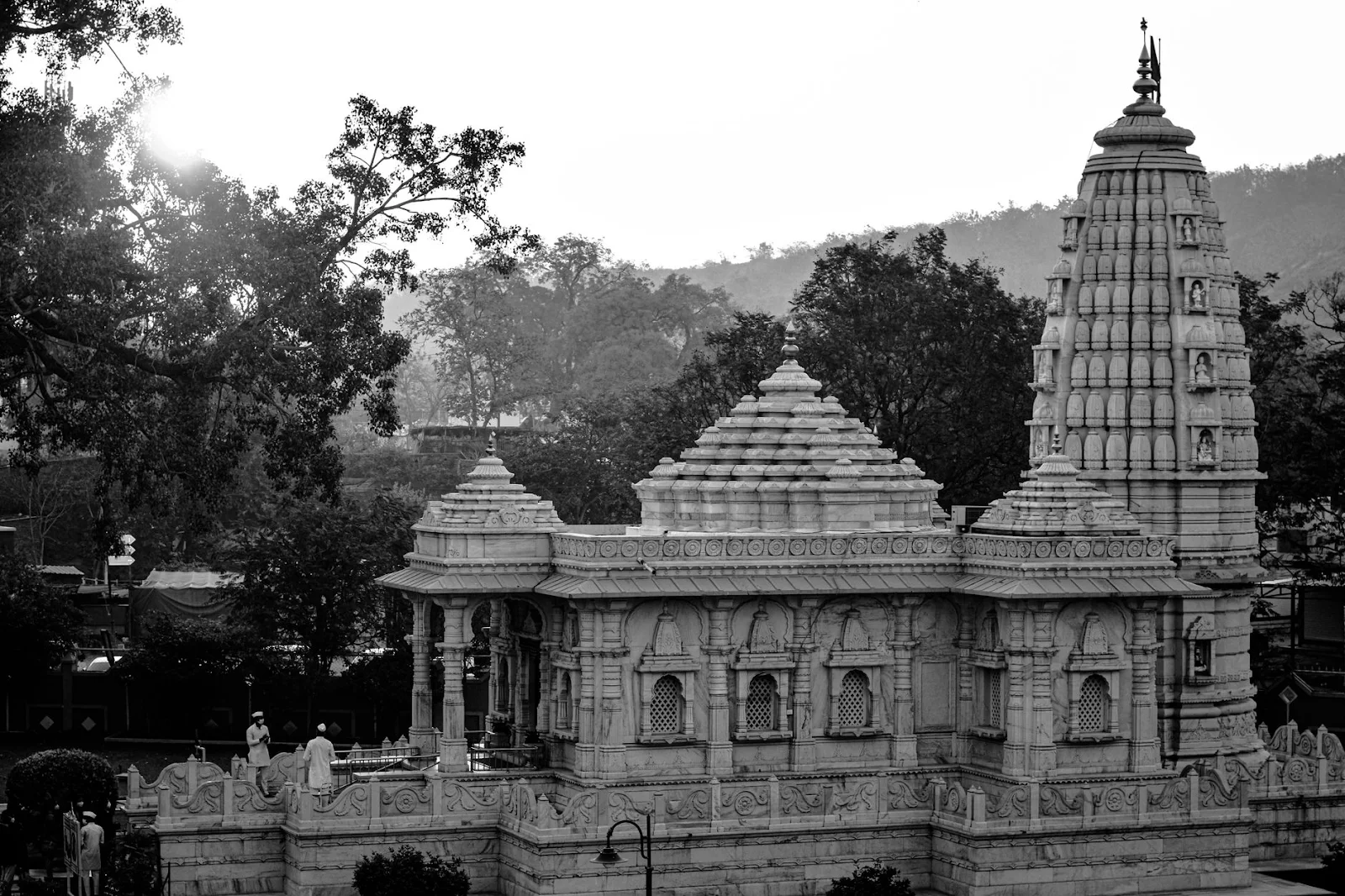
Situated in the quiet township of Bandakpur, the temple of Shri Jageshwar Nath is considered one of the primary pilgrimage points in central Madhya Pradesh. Dedicated to Lord Shiva, the central Shivalinga here is venerated as a Swayambhu (self-manifested) lingam. For centuries, devotees have undertaken arduous pilgrimages on foot from across northern and central India during the monsoon season to offer sacred waters collected from the Narmada and Ganges rivers at this shrine.
What to See & Do
Experience the authentic rhythms of classic Indian temple devotion here. The courtyard buzzes with spiritual energy, especially during morning and evening aartis when resonant chants, brass bells, and burning camphor permeate the atmosphere. Visitors can admire the Bundeli architectural motifs adorning the temple spires and browse the local bazaar encircling the temple, which is lined with stalls selling brass artefacts, sacred beads, traditional regional sweets, and local handicraft items.
Visitor Information
- Timings: 4:30 AM to 9:00 PM throughout the week.
- Entry Fee: Free entry. Special queue passes may be purchased during peak festival seasons.
- Best Time to Visit: November to February for pleasant weather; during Mahashivratri and the Hindu month of Shravana to experience vibrant religious celebrations.
- How to Reach: Located just 18 kilometres east of Damoh town. Bandakpur has its own railway station connected by local passenger trains, or visitors can take frequent shared autos and private taxis along the State Highway.
5. Veerangana Durgavati Wildlife Sanctuary

Named after the intrepid warrior queen of the Gondwana region, the Veerangana Durgavati Wildlife Sanctuary protects an ecologically rich, undulating tract of Vindhyan forest. With its rocky outcrops, serene watering holes, and mixed deciduous woodlands dominated by teak, sal, and mahua trees, the reserve is a haven for diverse wildlife. The sanctuary serves as a vital corridor within the larger Nauradehi and Panna wildlife landscapes, safeguarding rich biodiversity in the heart of Bundelkhand.
What to See & Do
A safari or guided excursion through the reserve gives nature enthusiasts opportunities to spot wildlife such as spotted deer (chital), nilgai (blue bull), wild boar, golden jackals, chinkara, striped hyenas, and occasionally leopards. The sanctuary is also an exceptional birdwatching outpost, harboring feathered species such as the Indian pitta, grey hornbill, Crested serpent eagle, and migratory ducks near forest water tanks in winter. Forest department watchtowers provide safe observation points overlooking wooded streams.
Visitor Information
- Timings: 6:00 AM to 10:30 AM and 2:30 PM to 6:00 PM (safari timings shift slightly according to season; usually closed during peak monsoon months).
- Entry Fee: Forest entry permits start around ₹100–₹200 per vehicle; forest guide charges are extra.
- Best Time to Visit: November through April, when vegetation thins out, improving animal visibility near water sources.
- How to Reach: Located roughly 40 to 50 kilometres from Damoh headquarters, spanning across the Damoh–Jabalpur highway. Accessible via personal cars or hired SUVs from Damoh or Jabalpur.
Best Time to Visit Damoh
The ideal window to plan a trip to Damoh is between October and March. During these autumn and winter months, the weather remains pleasantly cool and dry, with daytime temperatures hovering comfortably between 18°C and 26°C. This period is perfect for heritage walks around ancient hill forts, nature treks near waterfalls, and temple exploration without the exhaustion of tropical heat.
The monsoon season (July to September) transforms the parched Bundelkhand hills into lush green havens, turning waterfalls like Nidan Kund into majestic spectacles. However, trail erosion and slippery terrain can occasionally hinder outdoor exploration. Summers (April to June) are intensely hot and dry, with midday temperatures regularly crossing 42°C, making daytime sightseeing strenuous and ill-advised for general leisure travelers.
How to Reach Damoh
Damoh is well connected to the rest of central India via rail, road, and nearby air hubs:
- By Air: The nearest operational airport is Jabalpur Airport (Dumna Airport - JLR), located roughly 110 kilometres south of Damoh. Jabalpur is connected by direct flights to major Indian cities like Delhi, Mumbai, Hyderabad, and Indore. From the airport, one can hire an outstation taxi to Damoh, which takes around 2.5 hours.
- By Rail: Damoh Railway Station (DMO) is a major stop on the Katni–Bina railway branch line. Express and superfast trains connect Damoh directly to major urban centers including Delhi, Bhopal, Jabalpur, Gwalior, Jaipur, and Kolkata.
- By Road: State highways and National Highway 34 connect Damoh cleanly to adjacent districts. Regular intercity buses operate from Jabalpur, Sagar, Chhatarpur, and Bhopal. Driving via private car or hired cab over well-surfaced state corridors makes regional transit smooth.
Local Food & Culinary Highlights
The regional cuisine of Damoh represents a hearty blend of Bundelkhandi and Mahakoshali culinary traditions, defined by robust spices, indigenous grains, and pure desi ghee. When exploring the town's lively markets, do not miss tasting Daal Bafla, a regional specialty of boiled and baked wheat dough dumplings soaked in clarified butter and served with spicy lentil curry and pungent garlic chutney.
For breakfast, street stalls serve crisp Poha-Jalebi topped with spicy sev, alongside piping hot Samosas infused with wild coriander and black pepper. In winter, local rural dhabas serve wholesome meals featuring Bajra ki Roti, Gatte ki Sabzi, and seasonal leafy greens like Chana Bhaji. To satisfy your sweet tooth, sample freshly made Khoya Jalebi and traditional Bundeli Mawa Bati, a rich stuffed sweetmeat soaked in fragrant sugar syrup.
10 Essential Travel Tips for Visitors
- Hire a Private Vehicle: Many scenic locations such as Singorgarh Fort and Nidan Kund are spread across rural terrain where public buses are infrequent; renting a private cab for the day ensures maximum flexibility.
- Dress Modestly: When visiting major pilgrimage sites like Kundalpur and Bandakpur, wear clothing that covers your shoulders and knees out of respect for local religious conventions.
- Footwear Choices: Wear sturdy walking shoes with good tread, especially when trekking along the sandstone ledges of Nidan Kund or climbing the hill pathways of Singorgarh.
- Carry Cash: Digital payments work well in Damoh town, but mobile networks and UPI processing can be patchy in deep forested areas and rural hamlets. Keep sufficient paper currency on hand.
- Respect Sanctuary Guidelines: Keep vehicle noise to a minimum, do not litter plastic, and stay inside designated vehicle tracks when touring the Veerangana Durgavati Wildlife Sanctuary.
- Stay Hydrated: Central India’s atmosphere is dry; carry reusable water flasks, especially when undertaking the steep climbs at Kundalpur hill shrines.
- Check Waterfall Flow: If traveling specifically for Nidan Kund, confirm local water conditions beforehand; the stream reduces significantly by mid-winter.
- Accommodations Base: Damoh city offers comfortable mid-range budget hotels, but for luxury accommodations, consider basing yourself in nearby Jabalpur and taking day excursions.
- Plan Temple Timings: Morning hours between 6:00 AM and 9:00 AM provide the most atmospheric, uncrowded experience at Bandakpur and Kundalpur.
- Local Guidance: Engaging a local driver or village guide at Singorgarh Fort can enrich your visit with untold local historical legends and obscure jungle pathways.
Suggested 2-Day Travel Itinerary
Day 1: Spiritual Grandeur & Ancient Monuments
Morning: Arrive in Damoh and check into your accommodation. Depart early toward Kundalpur (approx. 45 minutes). Spend your morning marvelling at the colossal Bade Baba temple, admiring the intricate sandstone work, and walking up the hill trail to witness the white hill shrines reflecting over Vardhaman Sagar.
Afternoon: Enjoy an authentic vegetarian Bundeli thali near Kundalpur. Return toward town and visit the revered Jageshwar Nath Temple at Bandakpur. Immerse yourself in the serene temple rituals and stroll through the surrounding traditional market.
Evening: Return to Damoh city market, sample hot Poha or freshly fried Jalebis, and rest for the night.
Day 2: Wilderness Treks & Cascading Streams
Morning: Start your morning early with a scenic drive down the Katangi highway to the historic ruins of Singorgarh Fort. Trek along the wooded slopes, explore the medieval stone water tanks, and take in the panoramic forest vistas.
Afternoon: Head toward the dramatic gorge of Nidan Kund. Pack a picnic lunch and spend a couple of relaxing hours admiring the unique black-rock stepped formations and relaxing alongside the water pools under shaded stone ledges.
Late Afternoon / Evening: Conclude your loop with a sunset drive through parts of the Veerangana Durgavati Wildlife Sanctuary, watching for chital and native birds as dusk settles over the central Indian hills before your onward departure.
Frequently Asked Questions (FAQs)
1. What is Damoh district famous for?

Damoh is primarily famous for the monumental Bade Baba Jain temple at Kundalpur, the revered Shiva shrine of Bandakpur, its historical links to Rani Durgavati at Singorgarh Fort, and stunning natural wonders like Nidan Kund waterfalls.
2. Is Damoh safe for solo and family travelers?

Yes, Damoh is a welcoming, peaceful district with hospitable locals. Standard travel precautions apply: avoid navigating remote forest routes after dark and stick to well-known routes when visiting waterfalls and sanctuaries.
3. Which is the nearest airport to Damoh?
Jabalpur Airport (Dumna Airport) is the closest airport, situated around 110 kilometres away. It operates frequent domestic connections to key hubs like Delhi, Mumbai, and Hyderabad.
4. Can Nidan Kund be visited year-round?

While the geological rock steps can be observed all year, the waterfall itself is seasonal. It is best visited between July and November. In the peak summer months of April and May, the stream runs completely dry.
5. Are there good places to stay in Damoh?

Damoh town provides decent mid-range and budget guest houses, boutique business hotels, and homestays. Visitors seeking luxury stays typically base themselves in Jabalpur and take day trips to Damoh's premier tourist attractions.
6. What are the photography rules at Kundalpur?

Photography of the grand temple exteriors, hill complexes, and landscapes is permitted. However, photography inside the sanctum sanctorum of the Bade Baba shrine is prohibited to honor the spiritual sanctuary.
7. What language is predominantly spoken in Damoh?
Hindi and the regional Bundelkhandi dialect are spoken across the district. Most hotel staff, taxi operators, and shopkeepers understand and communicate in standard Hindi.
8. How many days are sufficient to explore Damoh?

A well-planned 2-day itinerary is ideal to comfortably experience the premier natural viewpoints, historic forts, and prominent temples across Damoh without feeling rushed.
Conclusion
Far removed from the frenetic pace of metropolitan centers and overcrowded commercial circuits, Damoh offers a refreshing encounter with the soul of central India. It is a region where the spiritual quietude of ancient pilgrimage shrines blends effortlessly with the drama of rocky waterfalls and windswept medieval bastions. From standing beneath the towering spires of Kundalpur to soaking in the tranquil wilderness surrounding the ruins of Singorgarh Fort, every corner of this district reveals stories of devotion, artistry, and courage.
As tourism across Madhya Pradesh continues to evolve, Damoh stands out as an authentic treasure waiting to be appreciated by conscious travelers. Whether you drop by for a weekend excursion from Jabalpur or weave it into an extensive Bundelkhand road trip, the warmth of the local communities and the timeless allure of its landscape leave an indelible impression. Begin planning your journey today and discover the captivating secrets nestled within Damoh, Madhya Pradesh.



0 Comments