
Top 5 Places to Visit in Hardoi, Uttar Pradesh: An Untouched Heritage & Nature Escape
Tucked peacefully between the bustling cultural capitals of Lucknow and Bareilly, the district of Hardoi remains one of Uttar Pradesh’s most captivating yet quietly preserved secrets. Steeped in antiquity, local lore traces the name of the town back to Haridrohi, connected intrinsically to the timeless legends of the demon king Hiranyakashipu and his devout son Prahlad. Beyond mythology, this enchanting region unfurls a tranquil canvas of rural Awadh, dotted with sprawling wetlands that welcome thousands of winged visitors from Siberia, ancient water tanks said to absolve historical guilt, colonial-era brick architecture, and venerated riverside shrines that date back centuries.
While mainstream tourist maps often bypass Hardoi in favor of urban centers nearby, curious wanderers, birdwatchers, and history enthusiasts will discover an authentic, unhurried pace of travel here. Picture expansive morning skies echoing with the trumpeting calls of Sarus cranes across the vast waters of Dahar Jheel, narrow lanes flanked by centuries-old medieval ruins, and vibrant bazaars fragrant with freshly fried pedas and simmering chai. Hardoi’s unique charm lies in its raw, uncommercialized spirit. Whether you are walking through the whispering foliage of a Ramsar-designated bird haven or deciphering mythological carvings at an ancient stepwell site, every corner invites mindful appreciation.
If you are planning an authentic offbeat excursion through Uttar Pradesh, this comprehensive guide spotlights the best places to visit in Hardoi. From logistical essentials and rich backstories to sensory food recommendations and an actionable weekend itinerary, here is everything you need to experience the cultural soul of this timeless Gangetic district.
Table of Contents
- 1. Sandi Bird Sanctuary (Dahar Jheel)
- 2. Hatyaharan Tirtha (Hathiyaran Mandir)
- 3. Victoria Memorial Hall & Gandhi Bhawan
- 4. Baba Sunasir Nath Temple
- 5. Historic Town of Bilgram
- Best Time to Visit Hardoi
- How to Reach Hardoi
- Culinary Experiences: What to Eat in Hardoi
- 10 Essential Travel Tips for Visitors
- Curated 2-Day Hardoi Itinerary
- Frequently Asked Questions
- Conclusion
1. Sandi Bird Sanctuary (Dahar Jheel)

Overview & Ecological Heritage
Spanning an expansive natural freshwater depression known locally as Dahar Jheel, the Sandi Bird Sanctuary is the crown jewel of Hardoi tourism. Recognized internationally as an ecologically critical Ramsar site, this wetland sprawls over 3 square kilometers near the tranquil town of Sandi. Fed primarily by monsoon runoffs and connected hydrologically to the Garra River, the lake basin serves as a crucial stopover along the Central Asian Flyway. Historically established in 1990 to curb habitat degradation and protect vulnerable avian populations, Sandi represents one of the most successful community-conserved wetland spaces in northern India.
Highlights & Things to Do
For photographers, naturalist buffs, and families seeking pastoral beauty, Sandi provides an exceptional escape. In peak winter, the lake surface ripples with tens of thousands of migratory waterfowl that journey across the Himalayas. The sanctuary is especially acclaimed as a breeding stronghold for the vulnerable Sarus Crane—the world's tallest flying bird—which can be spotted engaging in elaborate courtship dances in open meadows surrounding the marsh.
- Birdwatching Trails: Walk along marked earthen bunds equipped with elevated watchtowers offering sweeping 360-degree vistas across open water stretches.
- Rare Migratory Sightings: Spot Common Teal, Pintails, Red-crested Pochards, Greylag Geese, Ferruginous Ducks, and Northern Shovelers resting on dense mats of aquatic vegetation.
- Nature Photography: Dawn offers golden-hour reflections where misty horizons, fishing storks, and flying migratory flocks yield dramatic frames.
Visitor Information
- Location: Near Sandi Town, approximately 19 kilometers southwest of Hardoi city center.
- Timings: 6:00 AM to 6:00 PM (open daily during the tourist season).
- Entry Fee: Nominal charge of ₹30 for Indian nationals; ₹100 for foreign tourists. Modest parking and camera fees may apply.
- Best Way to Explore: Hire a trained local forest tracker from the entrance gate. Walking slowly along the perimeter path with high-powered binoculars provides the best viewing without disturbing the wildlife.
2. Hatyaharan Tirtha (Hathiyaran Mandir)

Overview & Mythological Lineage
Imbued with profound spiritual gravitas, Hatyaharan Tirtha—situated near the historic village of Beniganj—is among the most sacred pilgrim destinations in the Awadh region. The temple's name, translating literally to "the remover of sins or killings," links deeply to timeless episodes in the Ramayana. According to regional scriptural tradition, after Lord Rama defeated the demon king Ravana in Lanka, he returned bearing the cosmic guilt of *Brahma-hatya* (the slaying of a Brahmin, as Ravana was born of sage ancestry). Advised by holy sages during his pilgrimage across the Naimisharanya forest precinct, Rama immersed himself in the consecrated pond here, washing away the karmic burden.
Highlights & Things to Do
The aura of Hatyaharan Tirtha is remarkably serene, dominated by an ancient stone step-tank (*kund*) enclosed by shaded pillared pavilions and banyan canopies. Devotees from distant states journey here throughout the year, believing that bathing in its sulfur-enriched spring waters cleanses spiritual ailments and delivers holistic peace.
- Kund Parikrama: Undertake the traditional circumambulation along the weathered stone ghats surrounding the sacred reservoir.
- Temple Offerings: Offer morning prayers at the shrines dedicated to Lord Rama, Lakshmana, and Goddess Sita positioned around the water's edge.
- Karthik Purnima Mela: If traveling around November, experience the vibrant annual fair where thousands gather for ceremonial evening earthen-lamp immersions (*deep-daan*).
Visitor Information
- Location: Beniganj-Kursath Road, roughly 38 kilometers southeast of Hardoi city.
- Timings: 5:00 AM to 8:30 PM throughout the week.
- Entry Fee: Free entry. Modest donations for temple upkeep are accepted.
- Best Way to Explore: Visit during the crisp morning hours when the ghats are relatively uncrowded and ambient temple bells provide a soothing, meditative soundtrack.
3. Victoria Memorial Hall & Gandhi Bhawan

Overview & Architectural Legacy
Standing regally in the administrative center of Hardoi city, the Victoria Memorial Hall is an evocative brick-and-mortar testament to colonial-era public architecture. Constructed during the British Raj in the early 20th century to commemorate Queen Victoria, the edifice exhibits classic Indo-Saracenic design sensibilities. Intricate red-brick masonry, pointed arches, lofty parapets, and stately verandas tell the tale of an era when Hardoi served as an important provincial outpost of the Oudh administration. Adjacent to this colonial complex sits Gandhi Bhawan, representing the town’s passionate transition into India's freedom movement.
Highlights & Things to Do
Serving today as a beloved civic and intellectual gathering zone, the complex offers architectural buffs and culture lovers a pleasant dive into regional history. The grounds are flanked by manicured green lawns, ancient trees, and community public libraries that hold rare regional administrative documents and historical books.
- Architectural Photography: Marvel at the exposed heritage brickwork, high-ceilinged porticos, and ornamental clock-tower fixtures that photograph brilliantly against deep blue skies.
- Gandhi Bhawan Library: Spend quiet moments exploring literature documenting the socio-political movements of the Awadh agrarian belt.
- Evening Stroll: Join locals who gather in the surrounding parks for relaxed conversation, reading, and tea stalls under blooming gulmohar trees.
Visitor Information
- Location: Civil Lines, Central Hardoi City.
- Timings: 9:30 AM to 5:30 PM (closed on national holidays and Sundays).
- Entry Fee: Free admission.
- Best Way to Explore: Easily accessible on foot or via cycle rickshaw from anywhere in central Hardoi. Combine your visit with nearby city markets and local sweetshops.
4. Baba Sunasir Nath Temple
Overview & Religious Significance
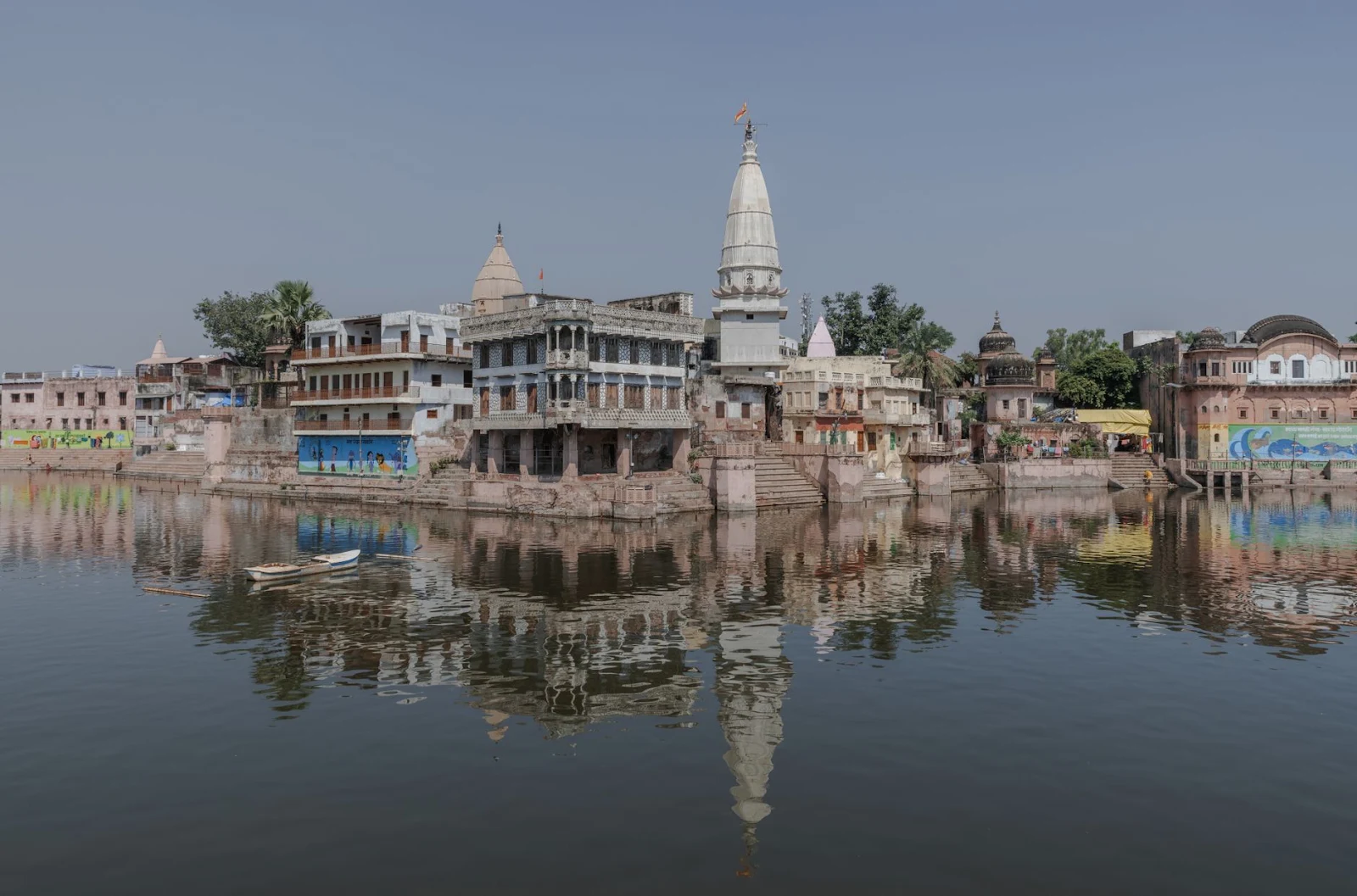
Situated in the quiet rural surroundings of Mallawan, the Baba Sunasir Nath Temple stands as one of the most prominent Shaivite shrines in the district. Honored as a wish-fulfilling deity by devotees across the central doab of the Ganges, the temple houses a natural stone *Shivalinga* whose discovery is wrapped in captivating pastoral folklore. Legends recount how grazing cows would consistently empty their milk at a specific earth-mound hidden inside dense woodlands, eventually leading farmers to uncover the deeply buried, self-manifested (*swayambhu*) stone lingam.
Highlights & Things to Do
The shrine radiates rustic spirituality, far removed from commercialized urban pilgrimage centers. Its surrounding campus is dotted with ancient trees, rest pavilions, and local flower stalls selling bilva leaves, holy basil, and fresh river blooms.
- Rudrabhishek Rituals: Witness or participate in authentic early-morning milk and Gangajal anointments conducted by hereditary temple priests.
- Shravan Month Pilgrimage: During the Hindu calendar month of Shravan (July–August), vibrant barefoot pilgrims (*Kanwariyas*) bring holy waters from the Ganges at Mehndi Ghat (Kannauj) to pour over the deity here amid jubilant devotional singing.
- Rural Village Exploration: Stroll through Mallawan's outskirts to observe centuries-old weaving traditions, handloom artisans, and idyllic farming lifestyles.
Visitor Information
- Location: Mallawan tehsil, approximately 45 kilometers south of Hardoi city.
- Timings: 5:00 AM to 12:00 PM and 4:00 PM to 9:00 PM daily.
- Entry Fee: Free entry.
- Best Way to Explore: Best paired with a broader day tour exploring the southern architectural heritage corridor linking Hardoi with Kannauj across the river.
5. Historic Town of Bilgram

Overview & Historical Splendor
Steeped in medieval resonance, the historic settlement of Bilgram is an unmissable destination for heritage explorers visiting Hardoi. Known in classical times as Srinagar, this town underwent dramatic transformations during the Sultanate and Mughal eras, evolving into an acclaimed cradle of Islamic scholarship, Sanskrit learning, poets, and calligraphers. Its labyrinthine old quarters harbor medieval stepwells (*baolis*), ornate archways, decaying stucco havelis, and sacred Sufi shrines that speak eloquently of syncretic co-existence across generations.
Highlights & Things to Do
Wandering through Bilgram feels akin to stepping into a living outdoor museum where history clings quietly to every weathered wall and arched gateway.
- Ancient Baolis: Investigate medieval water architectures—deep, multi-tiered stepwells constructed by regional rulers to provide respite for travel caravans journeying along northern trade corridors.
- Gauri Shankar Temple: Visit this revered Hindu complex celebrated for its tranquil courtyard and centuries-old architectural foundations.
- Dargahs of Bilgram Saints: Pay respects at historic Sufi shrines including the Dargah of Sayyid Sughra, admiring subtle calligraphic stone reliefs and peaceful shaded enclosures.
- Heritage Walk: Traverse the narrow lanes of the old town, photographing old wooden doorways, brick fretwork, and intricately carved lintels that showcase a fusion of Awadhi and Mughal aesthetics.
Visitor Information
- Location: Bilgram, situated roughly 25 kilometers southwest of Hardoi city.
- Timings: Accessible all day; religious monuments are generally open from sunrise to sunset.
- Entry Fee: Free.
- Best Way to Explore: Park vehicles outside the narrow bazaar streets and embark on an easy 2-hour walking tour on foot. Local shopkeepers and elders are extraordinarily welcoming and often share forgotten stories about town ruins.
Best Time to Visit Hardoi
The optimal window to explore Hardoi extends from October through March. During these autumn and winter months, northern Uttar Pradesh experiences exceptionally pleasant weather, with day temperatures ranging comfortably between 14°C and 25°C. Crisp, misty mornings and golden sunshine make nature expeditions, birding sessions at Sandi Sanctuary, and town heritage strolls intensely delightful.
Winter is also the absolute prime season for wildlife enthusiasts, as migratory birds from northern continents occupy the local lakes between November and February. In contrast, summer (April through June) brings blistering heatwaves with temperatures frequently crossing 42°C, making midday sightseeing exhausting. While the monsoon months (July to September) bring vibrant greenery and fill up the water bodies, high humidity and sudden road waterlogging can complicate countryside explorations.
How to Reach Hardoi
Hardoi boasts excellent logistical connectivity with the rest of Uttar Pradesh and neighboring states, making it a hassle-free weekend destination from Delhi, Kanpur, or Lucknow.
By Train
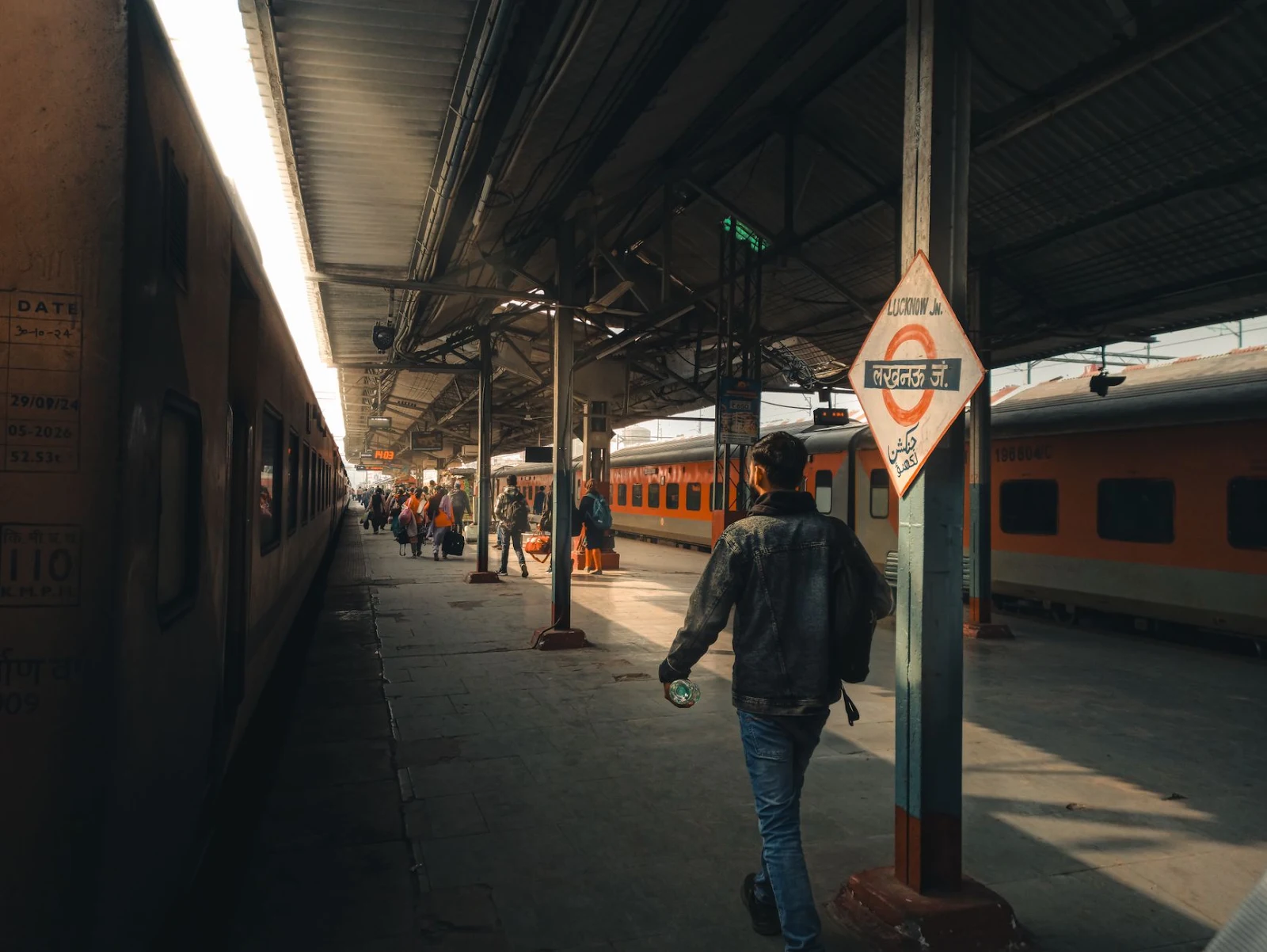
Hardoi Railway Station (Station Code: HRI) is a well-established junction positioned squarely on the primary Lucknow–Moradabad–New Delhi railway corridor. Major express trains—including the Lucknow Mail, Kashi Vishwanath Express, Doon Express, and Bagh Express—halt regularly here, linking Hardoi directly with Delhi, Varanasi, Kolkata, Haridwar, and Lucknow.
By Road
A well-maintained network of state highways intersects Hardoi. Regular Uttar Pradesh State Road Transport Corporation (UPSRTC) buses connect the city with Lucknow (110 km), Kanpur (135 km), Bareilly (140 km), and Shahjahanpur (65 km). Private air-conditioned cabs from Lucknow take roughly 2.5 to 3 hours via the SH-25, making a road trip smooth and scenic.
By Air
The nearest domestic and international air gateway is Chaudhary Charan Singh International Airport (LKO) in Lucknow, located approximately 115 kilometers away. The airport offers daily flights to all major Indian metropolitan cities. From the airport, visitors can easily pre-book private taxis or board convenient intercity express trains from Charbagh Station to reach Hardoi.
Culinary Experiences: What to Eat in Hardoi
A journey through Hardoi remains incomplete without savoring the earthy, comforting flavors of Awadhi rural cuisine. The district retains a delightful gastronomic culture centered around pure dairy, slow-simmered gravies, and time-honored confectioneries.
- Hardoi Peda: The signature culinary souvenir of the district. Unlike the softer Mathura variety, Hardoi pedas are crafted from intensely caramelized mawa (khoya) and cardamom, yielding a deep amber color, a slightly grainy texture, and long shelf-life.
- Bedmi Poori & Dubki Wale Aloo: The quintessential local breakfast. Crisp, spiced lentil-stuffed pooris served with a thin, fiery, cumin-infused potato curry and tangy mango pickles.
- Makhan Malai: Available exclusively during chilly winter mornings, this ethereal foam-cloud made from churned milk dew, saffron, pistachios, and silver leaf melts instantaneously on the tongue.
- Awadhi Biryani and Kebabs: In towns like Bilgram and central Hardoi, small family-run eateries churn out aromatic, gently spiced chicken and mutton dum biryani paired with melt-in-mouth shami kebabs.
- Kulhad Wali Chai with Samosa: Smoky clay-cup tea infused with freshly crushed ginger, enjoyed alongside crunchy cumin-crusted potato samosas at roadside crossroads.
10 Essential Travel Tips for Visitors
- Pack High-Power Optics: If you are stopping at Sandi Bird Sanctuary, carrying a pair of 8x42 or 10x42 binoculars and a long telephoto lens (300mm+) is essential for satisfying wildlife viewing.
- Hire Local Guides: While exploring historic settlements like Bilgram or Hatyaharan Tirtha, engage local residents or temple attendants. Their insights reveal historical folklore absent from digital maps.
- Dress Modestly: Hardoi’s tourist sites include venerated religious shrines. Keep shoulders and knees covered, and wear slip-on shoes for easy removal at temple steps.
- Start Birding at Daybreak: The highest bird activity at Dahar Jheel takes place between 6:30 AM and 9:30 AM. Arriving early lets you witness birds taking flight across the morning mist.
- Carry Liquid Cash: While UPI and digital payments are widely accepted in central Hardoi, rural spots, roadside vendors, and boat/rickshaw operators frequently rely on cash.
- Opt for Rickshaws within the Old Quarters: Narrow medieval alleys in Bilgram and downtown markets are unsuitable for large SUVs. Park outside and hop onto eco-friendly e-rickshaws.
- Layer Up for Winter: December and January temperatures can plummet to 6°C during early mornings and late nights. Bring warm woolen shawls, caps, and jackets.
- Sample Sweets from Reputed Halwais: For authentic Hardoi pedas, purchase from heritage sweet shops situated around the Ghantaghar and Railway Road markets.
- Stay Hydrated: Always drink bottled or filtered water while traveling through countryside districts, and keep electrolyte packs handy during sunny daytime walking tours.
- Combine with Naimisharanya: If your schedule allows, Hardoi easily links with the venerated pilgrimage circuit of Sitapur’s Naimisharanya, just an hour's drive away.
Curated 2-Day Hardoi Itinerary
This balanced 48-hour plan lets you experience the finest natural ecosystems, cultural treasures, and historical wonders of Hardoi at an enjoyable pace.
Day 1: Feathers, Lakes, and Heritage Monuments
- 06:30 AM – 10:00 AM: Start early at Sandi Bird Sanctuary. Spend three tranquil hours strolling the watchtower paths, spotting Sarus Cranes, waterfowl, and local waders. Enjoy a picnic-style breakfast near the lake periphery.
- 11:00 AM – 01:00 PM: Drive into Hardoi city center. Visit the Victoria Memorial Hall and adjacent Gandhi Bhawan to admire colonial architecture and regional archive exhibits.
- 01:30 PM – 03:00 PM: Relish an authentic Awadhi thali lunch at a local restaurant, followed by a tasting of fresh, caramelized Hardoi pedas.
- 03:30 PM – 06:00 PM: Explore the vibrant local bazaars around Sadar Bazar and the historic clock tower, soaking in the district's unhurried evening life.
Day 2: Sacred Springs, Ancient Legends, and Medieval Bilgram
- 07:30 AM – 10:30 AM: Drive southeast to the sacred waters of Hatyaharan Tirtha near Beniganj. Take a peaceful walk around the historic step-tank, admire morning prayer rituals, and experience the mythological aura.
- 11:30 AM – 02:30 PM: Head southwest to the ancient town of Bilgram. Embark on a heritage walking trail exploring medieval stepwells (*baolis*), the historic Gauri Shankar Temple, and time-honored Sufi dargahs.
- 03:30 PM – 05:00 PM: Conclude your cultural circuit with a serene stop at the venerated Baba Sunasir Nath Temple near Mallawan, enjoying the peaceful rural countryside before commencing your return journey toward Lucknow or Delhi.
Frequently Asked Questions
1. Is Hardoi safe for solo travelers and families?

Yes, Hardoi is a peaceful, welcoming agrarian district where residents are friendly and helpful. Standard travel precautions apply: avoid poorly lit rural roads late at night, safeguard your belongings in crowded markets, and use registered cabs or local e-rickshaws for transit.
2. What is Hardoi historically famous for?

Hardoi is legendary as the kingdom associated with Hiranyakashipu and devotee Prahlad. In documented history, it played prominent roles during the Delhi Sultanate, Suri dynasty, and Mughal era as an intellectual and administrative hub, as well as a key hotspot during the Indian Revolt of 1857.
3. How far is Sandi Bird Sanctuary from Hardoi railway station?
The Sandi Bird Sanctuary is located approximately 19 kilometers southwest of Hardoi Railway Station. Taxis, private autorickshaws, and local shared jeeps are readily available at the station to reach the sanctuary in roughly 30 to 40 minutes.
4. Are there good accommodation options in Hardoi?

Hardoi provides several neat budget and mid-scale hotels, guesthouses, and homestays centered around the Railway Station Road, Cinema Chauraha, and Civil Lines. For luxury or star-category hospitality, many travelers base themselves in Lucknow and visit Hardoi as a comfortable day trip.
5. Can Sandi Bird Sanctuary be visited in summer?

While the sanctuary remains accessible during summer, it is not recommended. Migratory birds begin their return journeys northward by late February or early March, water levels drop drastically, and daytime temperatures become intensely hot. Plan your visit strictly between November and early March.
6. What are the best shopping souvenirs to buy in Hardoi?

The most iconic purchase is the renowned Hardoi Peda from heritage confectionery shops. Additionally, rural handloom cotton fabrics, hand-carved wooden items, and agricultural honey can be found in neighborhood bazaars.
7. Is photography permitted inside the monuments and sanctuaries?

Photography is broadly permitted at all locations. At Sandi Bird Sanctuary, nominal camera charges may be levied at the ticket counter. At sacred temples, remember to ask permission before photographing deities or devotees engaged in private rituals.
8. How many days are sufficient to see Hardoi?

A 2-day, 1-night trip is ideal to explore all major attractions including Sandi Bird Sanctuary, Hatyaharan Tirtha, Bilgram, and city landmarks without rushing. Day trips from Lucknow are also very feasible.
Conclusion
In a travel landscape dominated by crowded tourist trails, Hardoi stands out as an oasis of quiet authenticity, rich heritage, and pastoral beauty. It is a place where mythological folklore breathes life into sacred ponds, where centuries-old brick arches whisper stories of forgotten dynasties, and where the morning mist of Dahar Jheel glows with the graceful flight of Sarus Cranes. Visiting Hardoi allows you to step away from the commercial rush, taste culinary traditions perfected over centuries, and connect meaningfully with the cultural roots of heartland India. Whether you are an avid birder, a heritage hunter, or a traveler longing for genuine rural encounters, Hardoi awaits you with open arms and unforgettable stories.



0 Comments