
Top 5 Places to Visit in Bhadohi, Uttar Pradesh: The Carpet City Waiting to Be Explored
Welcome, fellow wanderers! If you are looking to step off the beaten tourist path and immerse yourself in the authentic, beating heart of India, let me take you on a journey to a district that weaves stories into every single thread. Welcome to Bhadohi, officially known as Sant Ravidas Nagar, a vibrant district nestled in the eastern part of Uttar Pradesh. Globally celebrated as the "Carpet City of India," Bhadohi is a fascinating blend of ancient history, spiritual sanctuaries, and incredible living artistry.
When most travelers think of Uttar Pradesh, iconic names like Varanasi, Agra, and Ayodhya instantly come to mind. Yet, just a short drive from the spiritual capital of Varanasi lies Bhadohi, a treasure trove waiting for curious explorers. As an avid travel blogger who loves uncovering hidden gems, I have spent weeks traversing this region to bring you the ultimate guide. Bhadohi is not just about bustling looms and exquisite hand-knotted carpets that grace palaces across the world; it is a land steeped in mythology, echoing with tales of sages, ancient kings, and architectural marvels that have stood the test of time.
Planning your next weekend getaway or an offbeat cultural holiday? You are in the right place. In this comprehensive guide, we are going to explore the top tourist places in Bhadohi, Uttar Pradesh, India. Whether you are a history buff, a spiritual seeker, a photography enthusiast, or a lover of traditional handicrafts, this district has something uniquely special for you. From serene riverbanks and historic temples to the rhythmic clatter of handlooms where master weavers create magic, let us dive into the best places to visit in Bhadohi and plan an unforgettable adventure!
Table of Contents
- 1. Sitamarhi Temple and Ashrama
- 2. Maharaja Balwant Singh Fort, Maharajganj
- 3. Bankat Devi Temple
- 4. Bhadohi Carpet Market and Weaving Villages
- 5. Baba Sehsepur Nath Temple
- Best Time to Visit Bhadohi
- How to Reach Bhadohi
- Local Food of Bhadohi
- Essential Travel Tips for Bhadohi
- Suggested 2-Day Itinerary
- Frequently Asked Questions (FAQs)
- Conclusion
1. Sitamarhi Temple and Ashrama
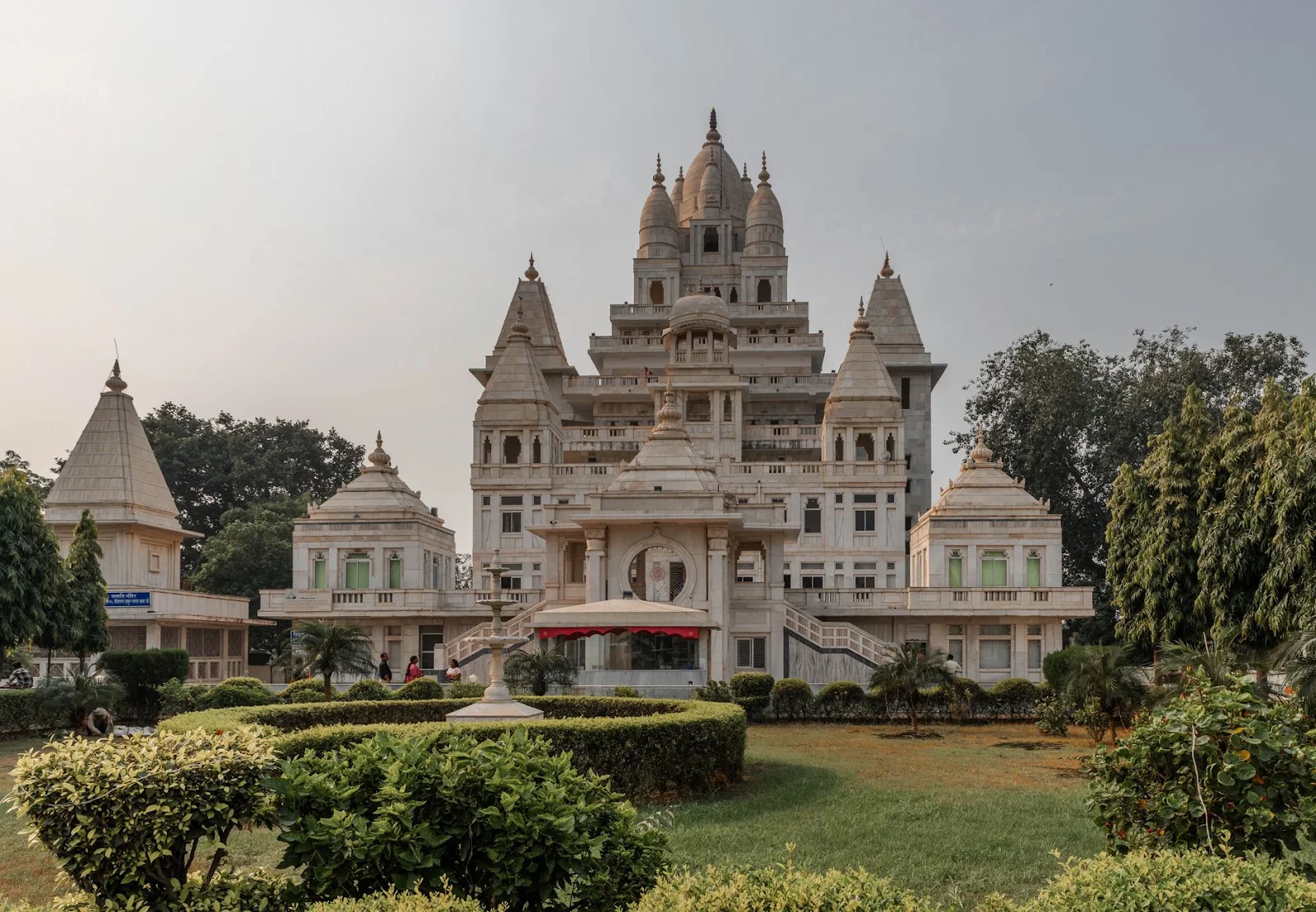
If there is one place that captures the spiritual and mythological essence of Bhadohi, it is Sitamarhi. Located gracefully on the banks of the mighty Ganges River, approximately 45 kilometers from the main district headquarters, Sitamarhi holds immense significance in Hindu mythology. According to the epic Ramayana, this is the sacred spot where Goddess Sita took refuge during her exile and where her twin sons, Luv and Kush, were born and raised under the guidance of the revered sage Valmiki.
The atmosphere here is profoundly serene, enveloped by the gentle rustle of leaves and the distant, soothing chants from the temples. The primary temple houses a revered shrine dedicated to Goddess Sita. Adjacent to it, you will find the underground cave ashrama associated with Maharishi Valmiki. Walking down into the ashrama gives you an eerie yet deeply peaceful sense of stepping back thousands of years into antiquity. Every year during Ram Navami and Vivah Panchami, grand fairs are held here, drawing thousands of devotees from across Uttar Pradesh and Bihar.
Historical Significance: Sitamarhi is directly linked to the final chapters of the Ramayana. It is believed to be the exact location where Mother Earth opened up to take Goddess Sita back into her fold, an event commemorated by a grand underground memorial within the temple complex.
Things to Do: Take a contemplative boat ride on the Ganges, meditate near the ashrama, participate in the evening Ganga Aarti, and explore the local artisan stalls selling religious artifacts.
Best Time to Visit: October to March offers the most pleasant weather for exploring the open-air temple grounds.
2. Maharaja Balwant Singh Fort, Maharajganj

For history enthusiasts and architecture lovers, a visit to the Maharaja Balwant Singh Fort in Maharajganj is an absolute must. Situated in the northern part of the Bhadohi district, this historic fort stands as a proud reminder of the region's royal past, architectural grandeur, and turbulent medieval history. Built by the erstwhile rulers of the region, the fort showcases a distinct blend of regional Rajput and early British-era architectural styles, characterized by thick brick walls, imposing gateways, and sprawling courtyards.
Although parts of the fort have succumbed to the relentless march of time, its majestic ruins still whisper tales of royal processions, strategic military planning, and cultural patronage. Standing on the ramparts of the fort, you get a breathtaking, panoramic view of the surrounding Gangetic plains, dotted with emerald-green crop fields and sleepy rural settlements. It is an absolute paradise for photographers looking to capture raw, unfiltered heritage architecture against dramatic skies.
Historical Significance: The fort served as a key administrative and military stronghold during the reign of Maharaja Balwant Singh, who played a crucial role in the geopolitical dynamics of eastern Uttar Pradesh during the 18th century.
Things to Do: Architectural photography, exploring the ancient bastions and courtuards, interacting with local villagers who share fascinating folklore about the fort's secret tunnels.
Best Time to Visit: Early mornings or late afternoons during the cooler winter months provide the best lighting and comfortable temperatures for exploring the ruins.
3. Bankat Devi Temple

Deeply embedded in the religious landscape of Bhadohi is the revered Bankat Devi Temple, a powerful spiritual shrine dedicated to Goddess Durga in her fierce and protective form. Located in the Bankat region of the district, this temple is not just a place of worship but a massive social anchor for the local communities. The temple complex is surrounded by lush greenery and features a tranquil pond that adds to the overall divine ambiance of the premises.
Devotees flock to the Bankat Devi Temple throughout the year, but the energy here during the festivals of Navratri is simply electrifying. The air fills with the fragrance of burning camphor, the chiming of brass bells, and the collective prayers of hundreds of believers. It is believed that sincere prayers offered at this shrine are never unanswered, making it a prominent pilgrimage destination in eastern Uttar Pradesh. The intricate carvings on the temple walls and the welcoming hospitality of the temple priests make the visit deeply enriching.
Historical Significance: Local folklore suggests that the deity self-manifested (Swayambhu) at this site centuries ago, and the temple has since been renovated and maintained collectively by generations of devout local patrons.
Things to Do: Offer prayers during the morning or evening *shringar*, feed the fish in the temple pond, and purchase traditional religious books and sacred threads from the local shops outside.
Best Time to Visit: During the nine days of Chaitra Navratri or Sharad Navratri for a culturally immersive experience.
4. Bhadohi Carpet Market and Weaving Villages

No trip to Bhadohi is complete without witnessing the very soul of the district—its world-renowned carpet industry. Known globally as the "Carpet City," Bhadohi is the largest handmade carpet-weaving cluster in South Asia. Over two million artisans and weavers are engaged in this intricate craft, producing exquisite woolen, silk, and synthetic carpets that adorn luxury hotels, presidential palaces, and homes across Europe, America, and beyond.
A visit to the sprawling Bhadohi Carpet Market and the surrounding weaving villages like Khamaria and Gopiganj is an awe-inspiring cultural experience. Here, you can witness master artisans working magic on traditional wooden looms, knotting hundreds of colorful threads per square inch with blinding speed and absolute precision. Visiting these workshops allows you to appreciate the immense labor, patience, and artistic heritage that goes into every single rug. You can also purchase directly from manufacturers at incredible wholesale prices.
Historical Significance: The carpet-weaving tradition in Bhadohi dates back to the 16th century during the Mughal era, when master Persian weavers traveling through India settled in this region under the patronage of Emperor Akbar.
Things to Do: Take a guided tour of a traditional handloom workshop, watch the intricate process of carpet dyeing and trimming, and shop for authentic hand-knotted silk or wool carpets to take home.
Best Time to Visit: Between November and February, when the weather is ideal for wandering through the bustling markets and rural artisan clusters.
5. Baba Sehsepur Nath Temple

Concluding our tour of the top tourist places in Bhadohi is the spiritually uplifting Baba Sehsepur Nath Temple, a prominent and deeply revered shrine dedicated to Lord Shiva. Located in the Sehsepur area of the district, this temple is a sanctuary of peace and devotion. Surrounded by ancient trees and peaceful village environs, the temple serves as a major focal point for Shaivite worshippers, especially during the auspicious month of Shravan and on Maha Shivaratri.
The sanctum sanctorum houses a majestic Shiva Linga that is worshipped with profound reverence. The sound of conch shells echoing through the morning mist, combined with the aroma of incense and holy ash, creates an atmosphere of pure transcendental bliss. Pilgrims often perform *Jalabhishek* (pouring sacred water and milk over the Linga) while chanting mantras, creating a deeply moving spiritual spectacle. For travelers seeking quiet introspection and a taste of rural Indian devotion, Sehsepur Nath is an unmatched destination.
Historical Significance: The temple has deep roots in local history, having served as a spiritual refuge for ascetics and saints traversing the Gangetic belt for centuries.
Things to Do: Participate in the traditional Monday Shiva worship, meditate under the shade of the ancient temple trees, and interact with local holy men (sadhus).
Best Time to Visit: Early mornings throughout the year, or specifically during the festival of Maha Shivaratri.
Best Time to Visit Bhadohi
To make the most of your travel experience, timing is everything. Because Bhadohi experiences extreme weather—scorching summers with temperatures frequently crossing 42°C and humid, rainy monsoon months—the ideal time to visit is during the winter season, spanning from October to March.
During these months, the weather is crisp, pleasant, and cool, with daytime temperatures hovering comfortably between 15°C and 25°C. This makes it perfect for outdoor explorations, walking through bustling carpet markets, and visiting heritage sites like the Maharaja Balwant Singh Fort and Sitamarhi Temple without feeling fatigued. Furthermore, several local cultural fairs and religious festivals take place during this winter window, offering travelers a front-row seat to authentic rural traditions and vibrant community celebrations.
How to Reach Bhadohi
Bhadohi enjoys excellent connectivity with major cities in Uttar Pradesh and neighboring states, making it easily accessible via multiple modes of transport:
- By Air: The nearest major airport is Lal Bahadur Shastri International Airport in Varanasi (Babatpur), situated approximately 50 kilometers away from Bhadohi district headquarters. From the airport, you can easily hire a pre-paid taxi or a private cab to reach Bhadohi within an hour and a half.
- By Train: Bhadohi railway station (BOY) is well-connected to major railway hubs across India, including Varanasi, Prayagraj, Lucknow, Delhi, and Kolkata. Numerous express and superfast trains stop here daily, making rail travel the most convenient and budget-friendly option for tourists.
- By Road: Bhadohi is exceptionally well-connected by a network of state highways and national highways. Regular Uttar Pradesh State Road Transport Corporation (UPSRTC) buses, private luxury coaches, and shared cabs operate frequently between Varanasi, Prayagraj, Jaunpur, and Bhadohi. If you love road trips, driving down from Varanasi or Prayagraj via the GT Road is smooth and picturesque.
Local Food of Bhadohi
No travel guide is complete without a culinary expedition! The food in Bhadohi reflects the robust, comforting, and authentic flavors of eastern Uttar Pradesh. While exploring the district, make sure your taste buds experience these local delicacies:
- Banarasi Kachuri-Jalebi: Start your morning like a true local with piping hot, crispy kachuris served with spicy potato curry, paired immediately with freshly fried, syrupy jalebis.
- Baati Chokha: A rustic staple of the region, consisting of round wheat dough balls stuffed with spiced sattu (roasted gram flour), baked over direct cow-dung fire, and served with mashed roasted eggplant, tomatoes, and dollop of desi ghee.
- Malaiyyo (Winter Special): If you are visiting during winter, do not miss this delicate, frothy milk-foam dessert flavored with saffron, cardamom, and topped with crushed pistachios, found exclusively in the mornings across eastern UP.
- Thekua: A delicious, wholesome sweet cookie made from wheat flour, jaggery, and ghee, commonly prepared during festivals and available in local sweet shops.
- Local Banarasi Paan: Conclude your meal with the world-famous betel leaf preparation packed with sweet preserves, fennel seeds, and aromatic spices.
Essential Travel Tips for Bhadohi
To ensure your trip to Bhadohi is smooth, respectful, and thoroughly enjoyable, keep these 10 practical travel tips in mind:
- Dress Modestly: Since Bhadohi is culturally traditional with many active temples and religious sites, it is advisable to wear modest clothing that covers your shoulders and knees.
- Carry Cash: While digital payments are increasingly popular, smaller carpet-weaving workshops, rural artisan stalls, and local street food vendors often prefer cash. Keep sufficient change handy.
- Hire a Local Guide: When exploring carpet manufacturing clusters or historical forts, hiring a local guide or connecting with a cooperative will give you deeper insights and authentic access.
- Respect Craftsmanship: Always ask for permission before clicking photographs inside private carpet looms and artisan workshops.
- Stay Hydrated: Carry a reusable water bottle, especially if you are visiting during warmer months, though winter days are quite pleasant.
- Book Accommodation in Advance: While Bhadohi has decent budget hotels and guesthouses, luxury accommodations are sparse. Most travelers prefer staying in Varanasi and making a day trip, or booking well in advance.
- Bargain Politely: When shopping for carpets, handicrafts, or brassware, polite bargaining is common practice in local markets.
- Respect Local Customs: Remove your shoes before entering temples, ashramas, and traditional weavers' homes where looms are kept.
- Keep Emergency Contacts Handy: Ensure your mobile network (Jio, Airtel, Vi) is active and save local emergency helpline numbers.
- Eco-Friendly Travel: Help keep Bhadohi clean by avoiding single-use plastics and responsibly disposing of your waste.
Suggested 2-Day Itinerary
Short on time? Here is a meticulously planned 2-day itinerary to help you cover the best places to visit in Bhadohi efficiently:
Day 1: Spiritual Roots and Heritage Exploration
- 08:00 AM – 10:30 AM: Arrive in Bhadohi, check into your hotel, and head straight to the sacred Sitamarhi Temple and Ashrama. Enjoy the peaceful morning by the Ganges and explore the Valmiki cave.
- 11:00 AM – 01:00 PM: Drive towards Maharajganj to explore the historic Maharaja Balwant Singh Fort. Capture stunning panoramic photos of the countryside.
- 01:00 PM – 02:30 PM: Enjoy a traditional local lunch featuring Baati Chokha at a local eatery in Maharajganj or Bhadohi town.
- 03:00 PM – 05:30 PM: Visit the divine Bankat Devi Temple to offer prayers and experience the serene evening ambiance.
- 07:00 PM: Savor a delicious dinner featuring local North Indian curries and rest for the night.
Day 2: The Carpet Capital and Local Culture
- 08:30 AM – 10:00 AM: Begin your day with a classic breakfast of Kachuri-Jalebi at a popular local tea stall.
- 10:30 AM – 01:30 PM: Dive into the heart of the district by visiting the Bhadohi Carpet Market and Weaver Villages. Watch master artisans weave intricate hand-knotted rugs and pick up a stunning souvenir.
- 01:30 PM – 03:00 PM: Relish a hearty lunch at a local restaurant.
- 03:30 PM – 05:30 PM: Visit the revered Baba Sehsepur Nath Temple for evening prayers and quiet spiritual reflection.
- 06:00 PM: Enjoy a steaming cup of Kulhad Chai and a sweet Banarasi Paan before bidding farewell to the Carpet City.
Frequently Asked Questions (FAQs)
Q1: What is Bhadohi famous for?
A: Bhadohi is globally famous as the "Carpet City of India." It is the largest handmade carpet-weaving cluster in South Asia, exporting exquisite rugs worldwide.
Q2: How far is Bhadohi from Varanasi?
A: Bhadohi is located approximately 45 to 50 kilometers away from Varanasi and can be easily reached by train or road within 1 to 1.5 hours.
Q3: Can tourists buy carpets directly from manufacturers in Bhadohi?
A: Yes! Visitors can tour local weaving villages and wholesale markets in Bhadohi to purchase authentic hand-knotted woolen and silk carpets directly from artisans at competitive prices.
Q4: What are the top tourist places in Bhadohi?
A: The top places to visit include the Sitamarhi Temple and Ashrama, Maharaja Balwant Singh Fort, Bankat Devi Temple, Bhadohi Carpet Market, and Baba Sehsepur Nath Temple.
Q5: Is Bhadohi safe for solo and family travelers?
A: Absolutely. Bhadohi is a peaceful district with warm, hospitable locals. Standard travel precautions should be observed, especially when traveling late at night in isolated rural areas.
Q6: What is the best time of year to visit Bhadohi?
A: The winter months from October to March offer the most pleasant weather, making it ideal for sightseeing, shopping, and attending local festivals.
Q7: Are there good hotels available in Bhadohi?
A: Bhadohi offers several budget hotels, guesthouses, and lodges. However, many travelers prefer staying in nearby Varanasi and visiting Bhadohi as a convenient day trip.
Q8: What local dishes should I try when visiting Bhadohi?
A: You must try traditional Baati Chokha, Banarasi Kachuri-Jalebi, winter-special Malaiyyo, and authentic regional sweets like Thekua.
Conclusion
Bhadohi is far more than just an industrial hub of hand-knotted masterpieces; it is a living tapestry of ancient mythology, resilient heritage, and profound spirituality. From the quiet, sacred banks of Sitamarhi where the Ramayana echoes softly, to the imposing ruins of the Maharaja Balwant Singh Fort, and the rhythmic, mesmerizing clatter of looms in carpet-weaving villages, this district offers an offbeat travel experience unlike anywhere else in Uttar Pradesh.
If you are yearning to look beyond the usual tourist trails, pack your bags and set your compass toward the Carpet City. Immerse yourself in the warm hospitality, savor the rustic flavors, and witness artistry that has been perfected over centuries. Plan your trip to Bhadohi today and let the magic of its threads weave unforgettable memories into your travel diary!



0 Comments