
Top 5 Places to Visit in Etah, Uttar Pradesh: Hidden Heritage, Sacred Shrines, and Avian Wonders
Nestled in the fertile plains of the doab between the Ganges and Yamuna rivers, Etah stands as one of Uttar Pradesh’s most culturally intriguing and historically layered destinations. While mainstream tourist itineraries often guide wanderers exclusively toward Agra or Varanasi, seasoned voyagers know that the real soul of Northern India thrives in historic crossroads like Etah. With roots stretching back to ancient Rajput dynasties, medieval trade caravans, and Mughal governorships, this district holds a quiet charm that seamlessly blends vibrant artisanal crafts, tranquil wildlife sanctuaries, and grand architectural relics. Whether you are a nature enthusiast seeking migratory bird havens or a heritage lover hunting down forgotten battlements, exploring the top tourist places in Etah promises an authentic journey off the trodden track.
Beyond its ancient lineage, Etah is globally revered for artisanal crafts that resonate through temples worldwide. The historic township of Jalesar within the district produces the world-renowned resonant brass bells (ghantas) and rhythmic ankle bells (ghungroos), a craft honored with a prestigious Geographical Indication (GI) tag. As you traverse through the district's rural landscapes, sprawling mustard fields yield way to medieval forts, centuries-old shrines dedicated to Lord Shiva, and peaceful Jain pilgrimage hubs. Visiting Etah allows travelers to experience rural North Indian warmth, savor authentic Braj-influenced cuisine, and absorb history away from tourist crowds. This comprehensive guide covers the best places to visit in Etah, practical travel tips, local transit routes, and curated recommendations to help you craft an unforgettable voyage.
Table of Contents
- 1. Patna Bird Sanctuary, Jalesar
- 2. Awagarh Fort (Raja Balwant Singh Fort)
- 3. Kailash Mandir, Etah City
- 4. Jalesar Brass Bell & Ghungroo Artisan Quarters
- 5. Shri Digambar Jain Atishaya Kshetra, Jalesar
- Best Time to Visit Etah
- How to Reach Etah
- Local Cuisine & Food Recommendations
- 10 Essential Travel Tips for Visiting Etah
- Suggested 2-Day Etah Exploration Itinerary
- Frequently Asked Questions (FAQs)
- Conclusion
1. Patna Bird Sanctuary, Jalesar
Overview and Ecological Heritage
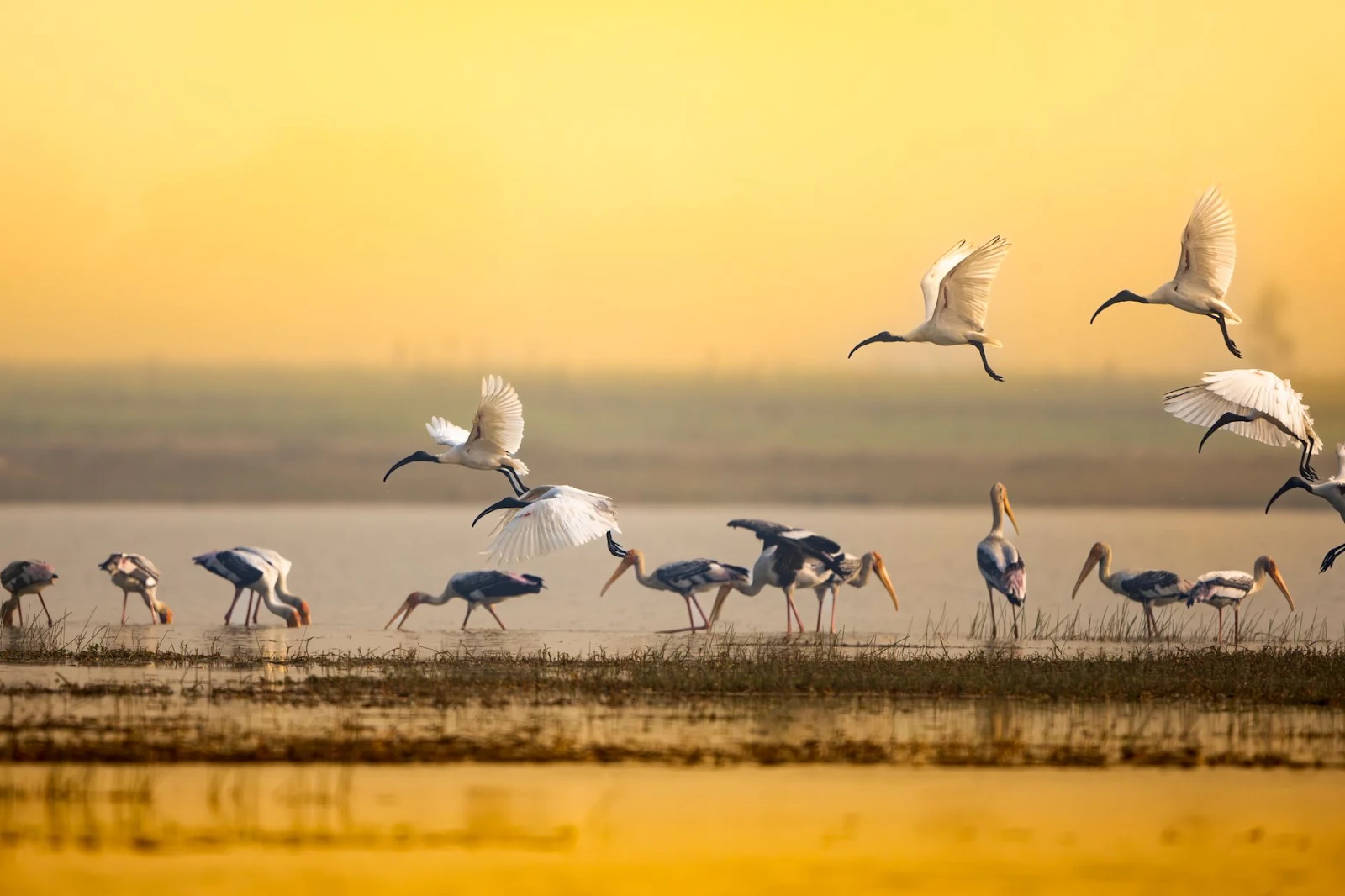
Spread over an area of roughly 108 hectares, Patna Bird Sanctuary is the ecological crown jewel of the Etah district. Notified as a protected wildlife sanctuary in 1991 and recognized under the Ramsar wetland conservation framework, this freshwater wetland centers around an expansive natural lake enveloped by dense groves of date palms (Phoenix sylvestris), babool trees, and aquatic macrophytes. In the winter months, this quiet body of water transforms into an avian paradise, playing host to tens of thousands of migratory waterfowl traveling thousands of kilometers from Central Asia, Siberia, and the Tibetan Plateau.
Key Highlights and What to Experience
The standout feature of Patna Bird Sanctuary is its phenomenal biodiversity. The sanctuary witnesses over 200 species of resident and migratory birds. Visitors can readily spot magnificent flocks of Greater Flamingos, Bar-headed Geese, Northern Pintails, Common Teal, Garganey, Gadwall, and Cotton Pygmy-goose skimming the surface. The thick canopy surrounding the wetland houses predatory raptors including the Crested Serpent Eagle and Black-shouldered Kite, along with colorful resident kingfishers and Indian rollers. Elevated watchtowers strategically positioned across the perimeter provide sweeping panoramic vistas across the marshland, making it an extraordinary hotspot for wildlife photographers and nature documentarians.
Practical Information for Travelers
- Opening Timings: 06:00 AM to 05:30 PM (Daily during the winter season).
- Entry Fee: INR 30 for Indian citizens; INR 200 for foreign travelers; additional nominal charges apply for professional telephoto cameras.
- Best Time to Explore: Between November and February when winter migration peaks and avian numbers reach their height.
- Photography Guidelines: Tripods and telephoto lenses are allowed; the use of drones and disruptive flash photography is strictly prohibited.
2. Awagarh Fort (Raja Balwant Singh Fort)

History and Architectural Grandeur
Situated approximately 25 kilometers from Etah headquarters, Awagarh Fort is an imposing medieval citadel that echoes tales of Rajput valor, sovereign defiance, and timeless feudal grandeur. Built in the 18th century by the Jadon Rajput rulers of the Awagarh princely estate—most notably expanded by Raja Balwant Singh—the fort sits atop a massive elevated earthen mound. This strategic elevation provided unobstructed defensive sightlines across the surrounding plains. The fort stands as a rare surviving example of late-medieval earthen and brick fortification in western Uttar Pradesh, featuring deep moats, towering gateways, and multi-tiered defense ramparts.
Key Highlights and Architectural Elements
As you approach the citadel, the sheer scale of the fortification walls evokes a strong sense of stepping backward in time. Notable highlights include the ornate royal courtyards (Zenana and Mardana Deodhis), traditional stepwell water harvesting structures, an intricate subterranean escape tunnel system, and expansive stables that once sheltered royal cavalry. The heritage palace showcases an alluring architectural fusion of traditional Rajasthani jharokhas, fluted sandstone arches, and European colonial symmetry introduced during late-19th-century renovations. Wandering through the ramparts at sunset offers breathtaking vistas of lush agricultural countryside stretching as far as the horizon.
Practical Information for Travelers
- Opening Timings: 09:00 AM to 05:00 PM (Access to certain private royal residential quarters may require prior permission from local estate caretakers).
- Entry Fee: Free public access to external bastions; nominal caretaker tipping recommended for guided heritage strolls inside.
- Best Time to Explore: Late afternoon (03:00 PM to 05:00 PM) for comfortable weather and golden-hour photography.
- Photography Guidelines: Non-commercial handheld photography is permitted throughout the public courtyards.
3. Kailash Mandir, Etah City

Spiritual Roots and Local Lore
Situated near the bustling heart of Etah city alongside the peaceful waters of an ancient sacred reservoir, Kailash Mandir is the spiritual epicenter of the district. Dedicated to Lord Shiva, this centuries-old temple holds profound significance among local devotees and pilgrims touring the broader Braj pilgrimage circuit. Historical chronicles trace the temple's origins to the patronage of local nobility who envisioned a sacred sanctuary mirroring Mount Kailash, where devotees could immerse themselves in introspective meditation and ritual worship without undertaking arduous Himalayan journeys.
Temple Architecture and Spiritual Vibrancy
The temple is characterized by a towering, exquisitely painted central Shikhara (spire) decorated with intricate relief carvings depicting various manifestations of Lord Shiva, Goddess Parvati, and divine celestial motifs. Within the inner sanctum (Garbhagriha) sits an ancient black stone Shivlingam perpetually bathed in sacred offerings of Ganges water, milk, and bilva leaves. Surrounding the sanctum are subsidiary shrines devoted to Lord Ganesha, Goddess Durga, and Hanuman Ji. The complex comes alive with devotional energy during daily morning and evening Aartis, when resonant bells, conch shells, and rhythmic chants echo across the adjoining temple pond.
Practical Information for Travelers
- Opening Timings: 05:00 AM to 12:00 PM and 04:30 PM to 09:00 PM daily.
- Entry Fee: Free entry for all visitors; donations are optional.
- Best Time to Explore: Early morning during temple Aarti or during the festive months of Shravan (July-August) and Maha Shivratri.
- Photography Guidelines: Outdoor architectural photography of the spire and complex is permitted; photography inside the sanctum sanctorum is prohibited out of respect.
4. Jalesar Brass Bell & Ghungroo Artisan Quarters

Artisanal Legacy and Global Heritage
No trip to the Etah district is complete without immersing yourself in the acoustic and cultural magic of Jalesar. Renowned worldwide as the "Brass Bell City," Jalesar is the creative powerhouse behind millions of chiming brass temple bells and dance ghungroos ringing out in sanctuaries and auditoriums across the globe. In recognition of this multi-generational craftsmanship, Jalesar’s metal castings hold an official Geographical Indication (GI) tag. Remarkably, the world's heaviest single-cast temple bell—weighing over 2,100 kilograms, destined for the Ayodhya Ram Mandir—was proudly designed and cast right here by Jalesar’s master metal casters.
What to See and Cultural Experience
Walking through the narrow alleys of Jalesar’s metalworking colonies is an incredible sensory experience. You will hear the melodic clanging of hammer on metal, smell the raw earthen molds, and see glowing crucible furnaces where copper, tin, and zinc alloys are poured into handmade sand molds using age-old lost-wax and sand-casting techniques. Travelers can visit artisan workshops, watch master metallurgists cast tiny ghungroo beads or monumental cathedral bells, and purchase authentic, high-resonance brass artifacts directly from the creators at a fraction of showroom prices.
Practical Information for Travelers
- Opening Timings: 10:00 AM to 06:00 PM (Most artisan workshops operate Saturday through Thursday; Friday often has partial holiday closures).
- Entry Fee: Free; open cultural workshop district.
- Best Time to Explore: Mid-morning when furnaces are actively fired and craftsmen perform casting and fine engraving.
- Photography Guidelines: Artisans are exceptionally welcoming of respectful photography; always ask permission before taking close-up portraits.
5. Shri Digambar Jain Atishaya Kshetra, Jalesar

Sacred Lineage and Pilgrimage Value
Representing centuries of unbroken spiritual devotion, Shri Digambar Jain Atishaya Kshetra, popularly known as Bada Jain Mandir in Jalesar, is an oasis of profound stillness and Jain religious heritage in Etah. According to historical records, Jalesar flourished as an important hub of Digambar Jain culture during the medieval era. The temple is venerated as an "Atishaya Kshetra" (place of spiritual miracles), attracting pilgrims seeking spiritual purification, mental clarity, and divine grace.
Artistic Splendor and Temple Architecture
The temple is celebrated for its pristine white marble facade and majestic, soaring shikhara. Upon entering the compound, visitors are greeted by intricately carved marble pillars, vaulted ceilings decorated with traditional floral stucco, and calm open-air pillared pavilions. The primary sanctum enshrines centuries-old, polished stone idols of Tirthankaras in contemplative Padmasana meditative postures. The exquisite symmetry, unblemished marble floors, and silent surroundings provide a peaceful meditative retreat from the sensory buzz of daily travel.
Practical Information for Travelers
- Opening Timings: 06:00 AM to 11:30 AM and 05:00 PM to 08:30 PM.
- Entry Fee: Free; open to respectful visitors of all faiths.
- Best Time to Explore: Early morning hours during devotional prayers and temple washing rituals (Prakshal).
- Photography Guidelines: Photography within the worship sanctum is strictly prohibited; modest dress covering shoulders and knees is mandatory.
Best Time to Visit Etah
Planning your trip to Etah requires careful seasonal timing, as weather conditions in the upper Gangetic plains vary dramatically through the year.
Winter Season (October to March) — Ideal Exploration Window: The absolute best time to explore Etah is during the pleasant autumn and winter seasons. Daytime temperatures range comfortably between 14°C and 25°C, creating optimal conditions for outdoor sightseeing, rural walking trails, and fortress explorations. Importantly, this season aligns with peak bird arrivals at the Patna Bird Sanctuary, bringing out vibrant wildlife displays.
Monsoon Season (July to September) — Verdant Landscapes: The monsoon rains turn Etah's countryside lush and green. Temperatures average around 30°C with high humidity. While downpours can occasionally disrupt rural roadways, regional cultural celebrations such as Teej and Janmashtami fill the towns with vibrant local energy.
Summer Season (April to June) — Challenging Heat: Summers are intensely hot and arid across Etah, with afternoon mercury levels frequently climbing between 40°C and 45°C. Blistering dry westerly winds ("Loo") make daytime excursions uncomfortable. Summer travel is generally not recommended unless your journey is specifically centered on family visits or early morning temple festivals.
How to Reach Etah
Situated in western Uttar Pradesh, Etah enjoys reliable transport links with major nearby urban hubs such as Agra, Aligarh, Mathura, and New Delhi.
- By Air: The nearest operational domestic airport is Agra’s Kheria Airport (AGR), located around 85 kilometers away. For broad domestic and international flights, Indira Gandhi International Airport (DEL) in New Delhi (approximately 215 kilometers away) serves as the primary gateway, linked to Etah via the Yamuna Expressway and NH 34.
- By Rail: Etah has its own railway terminus (ETAH) connected via branch lines. For high-frequency, long-distance express trains, travelers frequently use Tundla Junction (TDL, ~50 km away) or Aligarh Junction (ALJN, ~65 km away), both of which sit directly on the prominent Delhi-Howrah mainline. Taxis and public express buses operate continuously from both stations directly to Etah.
- By Road: Etah is well-connected by road, traversed directly by National Highway 34 (NH 34). State-run UPSRTC buses operate frequent ordinary and air-conditioned services connecting Etah with Delhi (ISBT Anand Vihar), Agra, Kanpur, Aligarh, and Bareilly. Private taxis and self-drive cars easily cover the journey from Delhi or Noida via the Yamuna Expressway within 3.5 to 4.5 hours.
Local Cuisine & Food Recommendations in Etah
Etah’s cuisine reflects the hearty, spice-rich, and milk-based culinary heritage typical of the Braj region and western Uttar Pradesh. The street food scene here is unpretentious, deeply flavorful, and very wallet-friendly.
- Bedmi Poori & Dubki Wale Aloo: The quintessential local breakfast. Crisp, deep-fried wheat breads stuffed with coarsely ground lentils, served alongside a fiery, thin potato curry spiced with asafoetida (heeng), fenugreek, and crushed dried mango powder.
- Kachori with Kaddu Ki Sabzi: Crispy kachoris paired with sweet-and-sour spiced pumpkin curry, a beloved morning staple sold across local tea stalls.
- Jalebi with Rabri: Thick spirals of golden jalebis soaked in fragrant sugar syrup, topped with thick, slow-simmered clotted milk (rabri) served in traditional clay pots (kulhads).
- Petha & Chena Sweets: Given Etah’s proximity to Agra, confectioners across the town craft mouthwatering variants of translucent Agra petha alongside fresh milk sweets like peda and rasmalai.
- Local Spiced Chaat: Evening food carts along Etah's main markets dish out crispy golgappas filled with spicy mint water, alongside griddled aloo tikkis smothered in yogurt, tangy tamarind chutney, and fragrant ground cumin.
10 Essential Travel Tips for Visiting Etah
- Carry High-Zoom Optics: If you are planning an excursion to Patna Bird Sanctuary, a pair of 8x42 or 10x50 binoculars or a telephoto camera lens (300mm+) is essential for spot-on bird identification across the open water.
- Dress Modestly at Religious Sites: Kailash Mandir and Shri Digambar Jain Kshetra expect modest clothing covering shoulders and knees. Keep a light scarf handy for covering your head during prayer ceremonies.
- Remove Leather Items in Jain Shrines: In accordance with Jain traditions, remove all leather accessories (belts, wallets, watchstraps) before stepping past the inner threshold of the temple.
- Carry Sufficient Physical Cash: While digital UPI payments are widespread in town centers, rural brass workshops in Jalesar and countryside transport drivers frequently rely on cash currency.
- Bargain Respectfully for Brassware: When picking up artisanal brass bells and home decor in Jalesar, feel free to negotiate politely, especially when purchasing multiple pieces directly from workshop warehouses.
- Hire Local Transport for Countryside Legs: Auto-rickshaws and e-rickshaws are plentiful in Etah city, but visiting Awagarh Fort and Patna Bird Sanctuary is far smoother via a dedicated full-day hired taxi.
- Layer Up for Winter Mornings: Winter mornings (December to January) can see dense fog and chilly temperatures dipping below 7°C. Pack warm jackets, thermal undergarments, and beanies for dawn safaris.
- Carry Packed Snacks on Excursions: Amenities around Patna Bird Sanctuary and Awagarh are basic; carry bottled drinking water, light snacks, and fruit to stay energized during day trips.
- Verify Fort Access Informally: For Awagarh Fort, check in with locals or your driver upon arrival in Awagarh town regarding current interior courtyard access, which is maintained under the courtesy of the local estate.
- Hydrate Diligently: Even during autumn and early spring, midday dry heat can cause dehydration. Stick to sealed bottled water, fresh sugarcane juice from clean vendors, or fresh coconut water.
Suggested 2-Day Etah Exploration Itinerary
Day 1: Feudal Grandeur and Spiritual Sanctuaries
- Morning (08:30 AM – 11:30 AM): Begin your exploration with a hearty breakfast of piping hot Bedmi Poori and Jalebi in Etah city. Head to Kailash Mandir to soak in the morning Aarti and admire the sacred water reservoir and historic temple spire.
- Midday (12:00 PM – 03:00 PM): Drive toward Awagarh (approx. 40 minutes). Stop for a traditional North Indian thali lunch at a roadside dhaba on the highway. Tour the sprawling grounds of Awagarh Fort, discovering its massive earthen ramparts, royal gateways, and historical architecture.
- Evening (04:30 PM – 07:00 PM): Return to Etah city center. Wander through the vibrant local bazaars, browse sweet shops for fresh local peda, and sample street chaat near the clock tower and Civil Lines area.
Day 2: Avian Havens and Artisanal Masterpieces in Jalesar
- Early Morning (06:30 AM – 10:30 AM): Depart early for Patna Bird Sanctuary near Jalesar to catch bird activity at dawn. Spend a peaceful morning walking along the lake trails, birdwatching from the towers, and photographing rare winter migrants.
- Midday (11:00 AM – 02:00 PM): Head into Jalesar town. Visit the serene Shri Digambar Jain Atishaya Kshetra to admire its marble craftsmanship and peaceful prayer halls. Savor a light vegetarian lunch in Jalesar.
- Afternoon (02:30 PM – 05:30 PM): Explore the fascinating Jalesar Brass Bell & Ghungroo Artisan Quarters. Meet master artisans, watch glowing brass pours, listen to the acoustic chime of hand-tuned bells, and pick up genuine GI-tagged brass keepsakes directly from the foundries before heading on to your next destination.
Frequently Asked Questions (FAQs)
1. What is the district of Etah particularly famous for?

Etah is globally famous for its GI-tagged brass bell and ghungroo manufacturing industry centered in Jalesar town. It is also well-known for the scenic Patna Bird Sanctuary, its rich agricultural trade, and its historic connection to the surrounding Braj cultural circuit.
2. Is Patna Bird Sanctuary worth visiting for beginner birders?

Yes, absolutely. Because the waterbody is relatively compact compared to massive wetlands like Keoladeo, bird density during the winter is remarkably high. This makes it easy for beginner birdwatchers to observe species like Flamingos, Bar-headed Geese, and Pintails without needing specialized tracking equipment.
3. How far is Etah from Agra, and can it be visited as a day trip?

Etah is roughly 80 to 85 kilometers northeast of Agra. The road journey takes about 2 to 2.5 hours via the Agra-Jalesar-Etah route. You can easily undertake a day trip covering Jalesar’s brass markets and Patna Bird Sanctuary directly from Agra.
4. Are there quality accommodation options available in Etah?

Etah features several budget, mid-range, and business hotels, as well as heritage-style rest stops along the main bypass highway and near the railway station. For luxury five-star accommodation, most travelers base themselves in nearby Agra or Aligarh and explore Etah on day trips.
5. Is Awagarh Fort open to the general public?

The exterior bastions and grounds are openly accessible. However, because parts of the fort remain under the historic care of the royal descendants of Awagarh, access to certain inner palace chambers can vary. It is always wise to seek polite permission from the resident caretakers on site.
6. Can tourists buy brass bells directly from workshops in Jalesar?

Yes. Visiting tourists can purchase brass bells, pooja accessories, melodic ghungroos, and large temple gongs directly from foundry showrooms and artisan homes at factory rates.
7. Is Etah safe for solo travelers and families?

Etah is welcoming and hospitable to both families and solo travelers. As with rural travel across Northern India, it is best to wrap up countryside excursions by nightfall and use trusted private taxis or verified intercity buses for transit.
8. What dialect is spoken locally in Etah?

Standard Hindi is used for all administration, education, and daily commerce. Regionally, the population speaks Braj Bhasha alongside casual Western Hindi dialects, infusing everyday conversations with traditional warmth.
Conclusion
Stepping into Etah offers a refreshing break from crowded tourist routes, welcoming curious travelers into an authentic slice of heartland India. From the musical chimes echoing out of Jalesar’s brass-casting furnaces to the bird calls across the misty waters of Patna Bird Sanctuary, Etah rewards mindful travelers with unforgettable, multisensory memories. Its sturdy medieval ramparts at Awagarh stand as resilient guardians of local history, while sacred temples like Kailash Mandir reflect deep-seated community devotion that has thrived across generations. Whether you are planning an extended tour through Uttar Pradesh or taking a weekend cultural detour from Delhi or Agra, the top tourist places in Etah offer a wonderful mix of untamed nature, living craftsmanship, and historic charm. Pack your bags, keep your camera ready, and prepare to uncover the timeless stories waiting across this quintessential Indian landscape.



0 Comments