
Top 5 Places to Visit in Bahraich, Uttar Pradesh: Your Ultimate Travel Guide
Welcome, fellow wanderers! If you are searching for an offbeat yet profoundly enriching destination in the heart of India, let me introduce you to Bahraich. Nestled in the northeastern part of Uttar Pradesh, bordering the majestic Terai region of Nepal, Bahraich is a land where history, spirituality, and untamed nature coexist in perfect harmony. Often overlooked by mainstream tourist itineraries, this vibrant district holds incredible treasures for travelers willing to look beyond the usual tourist trails. Whether you are a wildlife enthusiast eager to spot majestic tigers, a history buff intrigued by medieval architecture, or a spiritual seeker looking for peace at sacred shrines, Bahraich has something unforgettable waiting for you.
My own journey to Bahraich began with a curious desire to explore the less-trodden paths of Uttar Pradesh. What I discovered was a destination brimming with lush green forests, winding rivers, sacred Sufi dargahs, and remnants of a glorious past. As an avid travel blogger, I always seek out places that offer an authentic connection to local culture and nature, and Bahraich delivered this in abundance. The air here carries the earthy scent of the Terai plains, and the local hospitality welcomes you like long-lost family. In this comprehensive guide, we will explore the top tourist places in Bahraich, uncover hidden gems, and provide you with all the practical tips you need to plan a seamless trip.
As you navigate through this blog, you will find detailed insights into the best places to visit in Bahraich, along with curated itineraries, local culinary recommendations, and essential travel tips. Whether you are planning a weekend getaway from Lucknow or a deeper exploration of Uttar Pradesh's lesser-known districts, Bahraich promises a travel experience that is both refreshing and deeply grounding. So, pack your bags, lace up your comfortable walking shoes, and let us dive into the wonders of Bahraich!
Table of Contents
- 1. Katarniaghat Wildlife Sanctuary
- 2. Dargah Hazrat Syed Salar Masud Ghazi
- 3. Chithaura Jheel
- 4. Surti Bihari Temple
- 5. Kausar Bagh
- Best Time to Visit Bahraich
- How to Reach Bahraich
- Local Food You Must Try
- 10 Essential Travel Tips for Bahraich
- Suggested 2-Day Itinerary
- Frequently Asked Questions (FAQs)
- Conclusion
1. Katarniaghat Wildlife Sanctuary
About the Place
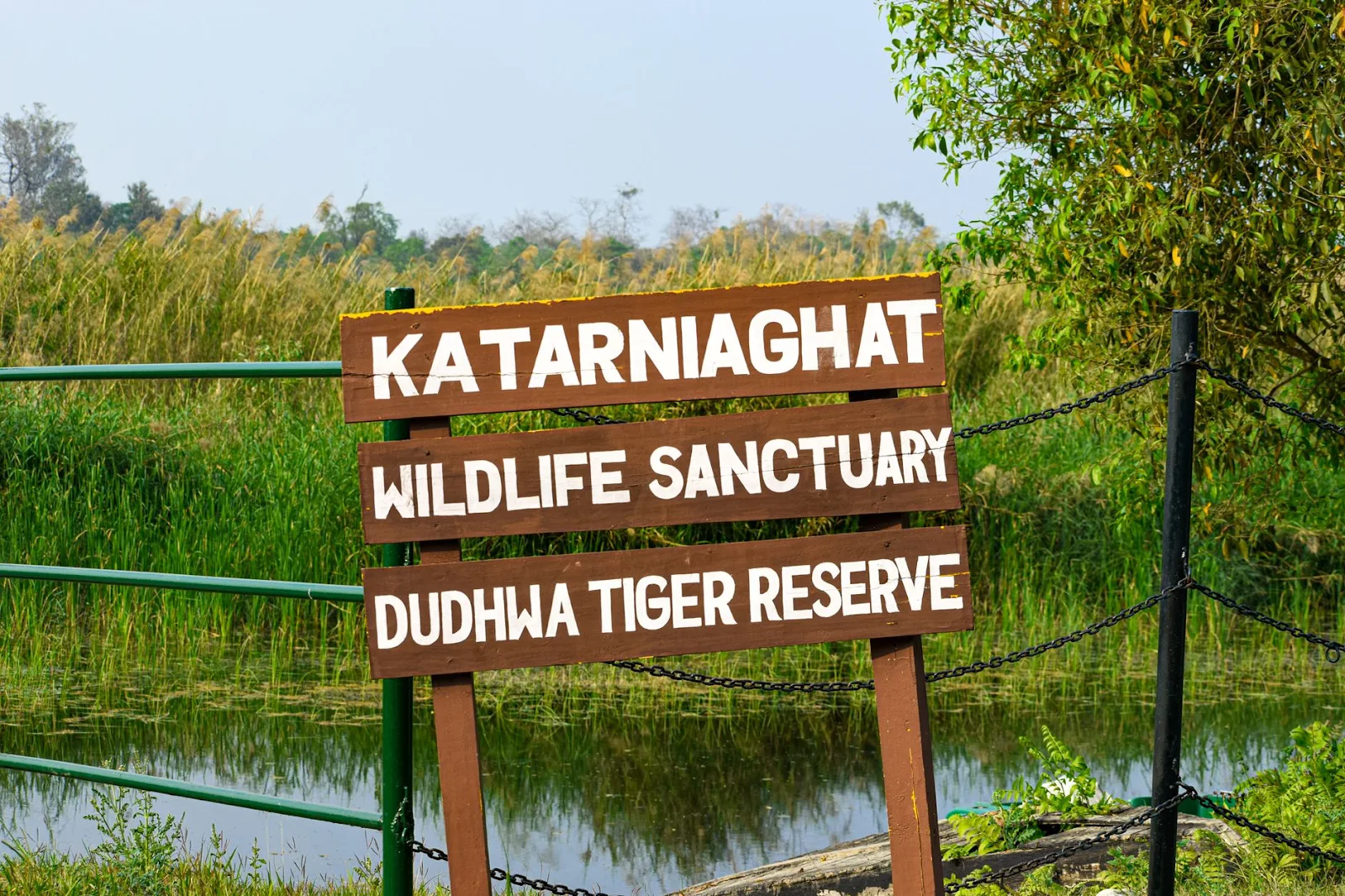
Stepping into the Katarniaghat Wildlife Sanctuary feels like entering a forgotten primordial world. Spanning across a vast expanse of sal and teak forests, grasslands, and wetlands, this sanctuary is an integral part of the Dudhwa Tiger Reserve ecosystem. Located in the northern fringes of Bahraich district, right on the Indo-Nepal border, Katarniaghat is a paradise for wildlife lovers and photographers. The meandering Girwa River cuts through the dense foliage, creating a thriving habitat for an incredible diversity of flora and fauna. It is one of the few places in India where you can witness a remarkably healthy population of endangered species in their natural, undisturbed habitat.
Historical & Cultural Significance
While Katarniaghat is primarily celebrated for its natural bounty, the surrounding Terai region carries deep historical resonance. For centuries, these dense forests served as natural barriers and hunting grounds for local rulers and the British Raj alike. Today, the indigenous Tharu community living around the sanctuary adds a rich cultural layer to the region. Their unique traditions, architecture, and harmonious relationship with the surrounding forest provide visitors with a profound understanding of how human communities have coexisted with wild landscapes for generations.
Things to Do
- Embark on an exhilarating jeep safari through the dense sal forests to spot tigers, leopards, and spotted deer.
- Take a serene boat ride on the Girwa River to observe marsh crocodiles and the critically endangered gharial basking on the riverbanks.
- Go birdwatching; the sanctuary is home to over 350 species of resident and migratory birds, including the majestic lesser adjutant stork.
- Visit the local Tharu tribal villages to experience their unique lifestyle, traditional music, and vibrant handicraft work.
Visitor Information
Timings: 6:00 AM to 10:00 AM and 3:00 PM to 6:00 PM (Safaris must be booked in advance).
Entry Fee: Nominal entry charges apply for individuals and vehicles; safari charges vary based on jeep rentals.
Ideal Duration: 5 to 6 hours for a safari and river excursion.
2. Dargah Hazrat Syed Salar Masud Ghazi

About the Place
One of the most prominent spiritual landmarks in Uttar Pradesh, the Dargah of Hazrat Syed Salar Masud Ghazi—commonly known as Bahraich Dargah—stands as a magnificent symbol of communal harmony, faith, and medieval architecture. Located in the heart of Bahraich city, this sprawling shrine attracts millions of pilgrims and tourists from all walks of life, transcending barriers of religion, caste, and creed. The complex features intricate Indo-Islamic architectural elements, beautiful courtyards, and a deeply serene ambiance that immediately calms the restless mind.
Historical & Cultural Significance
The shrine is dedicated to Ghazi Miyan, a legendary 11th-century warrior saint who is revered across North India. Every year during the month of Jyeshtha (May-June), the famous 'Bhadaiya Mela' or Urs fair is held here, drawing colossal crowds from neighboring states like Bihar, Madhya Pradesh, and West Bengal. The festival is a mesmerizing display of folk culture, devotional qawwalis, and traditional crafts, representing the composite Ganga-Jamuni tehzeeb of India in its purest form.
Things to Do
- Offer your respects and soak in the deeply spiritual atmosphere within the main mausoleum complex.
- Listen to soul-stirring Sufi qawwalis performed by traditional artists, especially during the evening hours.
- Explore the bustling bazaars surrounding the dargah, which sell traditional embroidered textiles, religious artifacts, and local sweet delicacies.
- Witness the vibrant celebrations during the annual Urs fair if your visit coincides with the summer months.
Visitor Information
Timings: 5:00 AM to 10:00 PM on all days of the week.
Entry Fee: Free entry for all visitors.
Ideal Duration: 2 to 3 hours.
3. Chithaura Jheel

About the Place
Chithaura Jheel is a picturesque, expansive lake located a short drive from Bahraich city. Surrounded by lush agricultural fields and rustic rural landscapes, this wetland is a haven of tranquility. The shimmering waters of the lake reflect the vast, open skies of Uttar Pradesh, making it an idyllic spot for travelers seeking solitude, natural beauty, and a break from the hustle and bustle of urban life. It is particularly enchanting during the early morning sunrise and the golden hues of sunset.
Historical & Cultural Significance
Beyond its scenic appeal, Chithaura Jheel holds immense historical and mythological importance. According to local lore and regional history, the lake and its surrounding areas are linked to the legendary battle between Maharaja Suheldev and the invading armies of Syed Salar Masud. A magnificent temple dedicated to Maharaja Suheldev stands near the lake, honoring the valor of the regional king who is revered as a protector of the land. The site thus bridges the gap between natural beauty and heroic local history.
Things to Do
- Enjoy peaceful nature walks along the embankments of the lake, observing local fishermen and rural life.
- Set up your camera for stunning landscape photography, especially during sunrise and sunset when the lighting is magical.
- Pay homage at the nearby Maharaja Suheldev Temple to learn about the region's medieval history.
- Indulge in casual birdwatching as various waterfowls and migratory birds frequent the lake during winter months.
Visitor Information
Timings: Open 24 hours; best visited during daylight hours.
Entry Fee: Free.
Ideal Duration: 1 to 2 hours.
4. Surti Bihari Temple

About the Place
The Surti Bihari Temple is a revered Hindu shrine dedicated to Lord Krishna and Radha, located centrally in Bahraich. Renowned for its intricate architectural carvings and spiritual vibrancy, this temple serves as a focal point for the city's religious community. The temple courtyard is impeccably maintained, adorned with blooming flower gardens and marble pavilions that provide a serene sanctuary for prayer, meditation, and quiet reflection.
Historical & Cultural Significance
Constructed decades ago by local patrons and spiritual leaders, the temple has witnessed the socio-cultural evolution of Bahraich. It is not merely a place of worship but a vibrant cultural hub where major Hindu festivals such as Janmashtami, Ram Navami, and Holi are celebrated with immense zeal and community participation. Visiting this temple offers travelers an authentic glimpse into the daily devotional practices and religious traditions of the local population.
Things to Do
- Participate in the soul-soothing evening *aarti* (prayer ritual) accompanied by devotional singing and rhythmic bell-tolls.
- Admire the fine craftsmanship of the temple's idols and architectural pillars.
- Interact with the resident priests and local devotees to hear fascinating stories about the temple's heritage.
- Buy traditional sweets and prasad from the quaint stalls lining the pathway to the temple entrance.
Visitor Information
Timings: 6:00 AM to 12:00 PM and 4:00 PM to 9:00 PM daily.
Entry Fee: Free.
Ideal Duration: 1 hour.
5. Kausar Bagh
About the Place
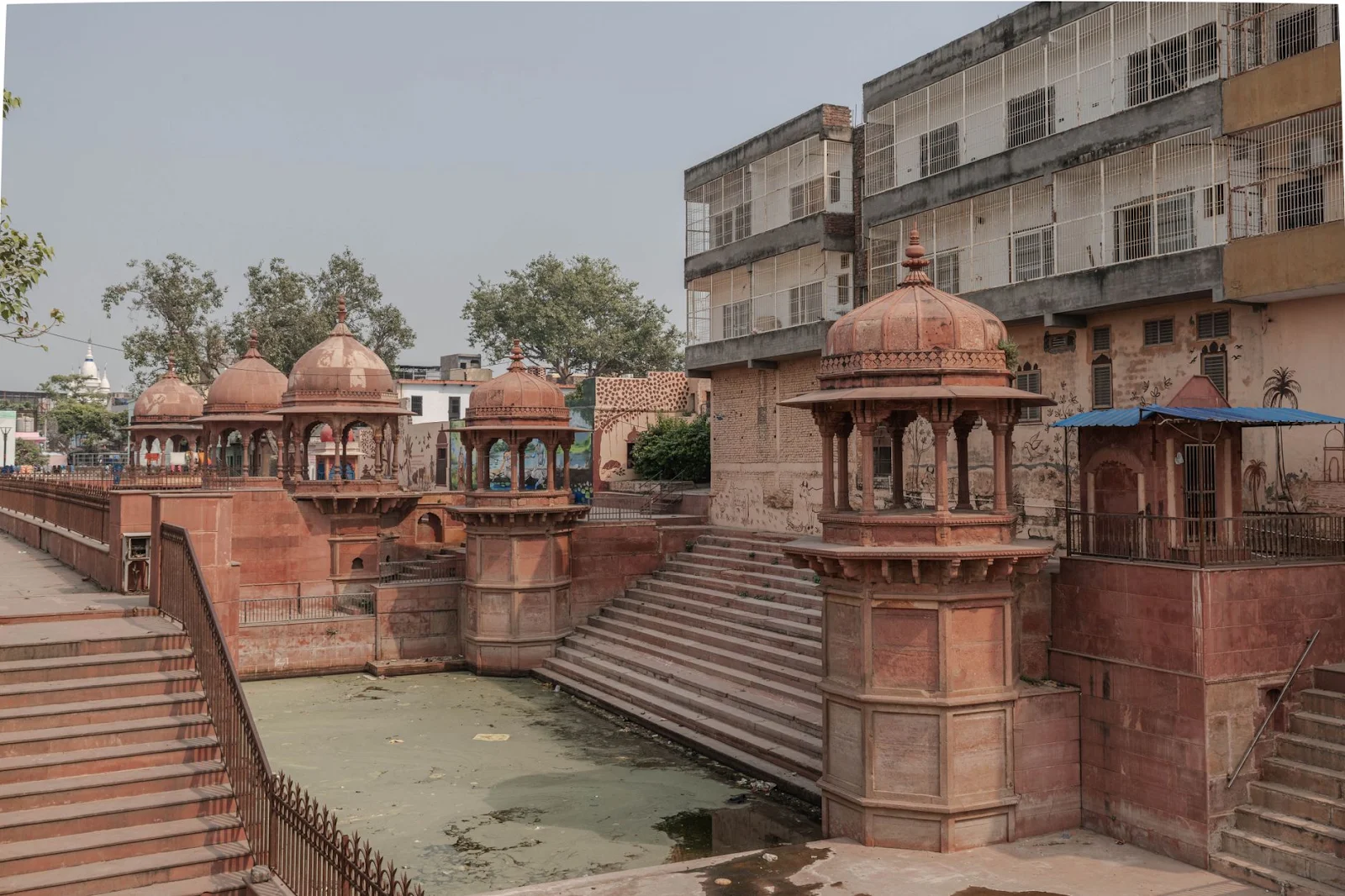
Kausar Bagh is a charming, verdant public garden located within Bahraich, serving as the city's favorite green lung. With sprawling lawns, shaded pathways lined with old-growth trees, and vibrant seasonal flower beds, Kausar Bagh is the ultimate spot for families, morning walkers, and travelers looking to unwind. The garden provides a refreshing contrast to the bustling market streets, offering a calm, leafy retreat right in the middle of town.
Historical & Cultural Significance
Parks and gardens like Kausar Bagh have long served as social epicenters in North Indian towns. Historically used for community gatherings, poetry recitals (*mushairas*), and leisurely evening strolls by local gentry, this garden preserves the unhurried, graceful lifestyle of historic Awadh. It stands as a testament to the city's love for greenery, horticulture, and community bonding.
Things to Do
- Enjoy a leisurely morning or evening walk along the well-paved garden trails.
- Pack a traditional homemade picnic basket and spend a relaxing afternoon lounging on the velvety green grass.
- Let children enjoy the designated play areas equipped with swings and slides.
- Observe local flora and snap photographs of butterflies and colorful garden birds.
Visitor Information
Timings: 5:00 AM to 8:00 PM every day.
Entry Fee: Nominal maintenance fee of around INR 10-20 per person.
Ideal Duration: 1 to 2 hours.
Best Time to Visit Bahraich
Choosing the right time to visit Bahraich is crucial for a memorable trip, especially if wildlife exploration is on your itinerary. The destination experiences three distinct seasons:
- Winter (October to March): This is undeniably the best time to visit Bahraich. The weather is delightfully crisp and cool, with daytime temperatures hovering between 15°C and 25°C. This period is ideal for visiting Katarniaghat Wildlife Sanctuary, as wildlife sightings are frequent, and migratory birds flock to the wetlands in large numbers. Sightseeing around the city and historical lakes is also extremely comfortable during these months.
- Summer (April to June): Summers in Bahraich are intensely hot and dry, with temperatures frequently crossing 40°C. While sightseeing can be physically draining during peak afternoons, wildlife enthusiasts often visit in late May to witness animals around waterholes in Katarniaghat. However, general tourists are advised to avoid this season due to the scorching heat.
- Monsoon (July to September): Monsoon brings heavy rainfall, transforming the Terai region into a lush, vibrant green paradise. While the landscape looks breathtakingly beautiful and rivers swell with life, Katarniaghat Wildlife Sanctuary remains closed to tourists during peak monsoon months (typically July 15 to November 15) to facilitate animal breeding. If you love rain and tranquil countryside views, this is a unique time to visit, but outdoor activities will be limited.
How to Reach Bahraich
Bahraich is well-connected to major cities in Uttar Pradesh and neighboring states through a robust network of roads and railways. Here is how you can reach the district:
- By Air: The nearest major airport is Chaudhary Charan Singh International Airport in Lucknow, located approximately 135 kilometers away from Bahraich. From the airport, you can easily hire a private taxi, rent a car, or take a state-run bus to reach Bahraich via a scenic 3-to-4-hour drive.
- By Train: Bahraich has its own railway station (Station Code: BRK), which is connected to Lucknow, Gonda, and other regional hubs via meter-gauge and broad-gauge networks. For seamless connectivity from distant cities like Delhi or Varanasi, travelers often take a train to Lucknow or Gonda and complete the journey to Bahraich by road.
- By Road: Bahraich boasts excellent road connectivity via State Highways and National Highways. Uttar Pradesh State Road Transport Corporation (UPSRTC) operates frequent buses from Lucknow, Gorakhpur, Faizabad, and Kanpur. Private AC buses and cabs are also readily available for a comfortable road journey.
Local Food You Must Try
No travel experience in Uttar Pradesh is complete without diving into its rich, aromatic culinary traditions. Bahraich offers a delightful blend of Awadhi flavors and rustic Terai delicacies that will leave your taste buds craving for more.
- Awadhi Biryani and Kebabs: Given its geographical and cultural proximity to Lucknow, Bahraich serves exceptional Awadhi-style biryani cooked *dum* style with tender meat and aromatic spices, accompanied by melt-in-the-mouth galouti kebabs.
- Dal Baati Churma: Popular in rural pockets near the border regions, this wholesome dish of lentil stew paired with baked wheat balls and sweet crushed wheat is deeply comforting.
- Local Street Chaat: Head to the local markets near the clock tower to savor spicy aloo tikkis, golgappas, and tangy fruit chaats prepared with traditional spice blends.
- Imarti and Rabri: Satisfy your sweet tooth with freshly fried, spiral-shaped *imartis* soaked in saffron sugar syrup, paired with thick, creamy *rabri*.
- Terai Forest Honey: If you visit local cooperative stalls near Katarniaghat, make sure to purchase pure, organic honey harvested directly from the surrounding forests.
10 Essential Travel Tips for Bahraich
- Book Safaris in Advance: If you plan to visit Katarniaghat Wildlife Sanctuary, secure your jeep safari permits online or through authorized forest department offices well before your travel dates.
- Dress Modestly: When visiting religious sites like the Dargah and local temples, dress modestly with shoulders and knees covered to respect local customs.
- Carry Cash: While digital payments are widely accepted in Bahraich city, carry sufficient cash when visiting remote wildlife zones, rural markets, or smaller eateries.
- Stay Hydrated: Always carry a reusable water bottle, especially during warmer months, to stay hydrated while exploring outdoor attractions and sanctuaries.
- Pack Mosquito Repellent: Given the proximity to dense forests and wetlands, high-quality insect repellent is an absolute must, particularly during evening outings.
- Respect Wildlife Regulations: Maintain strict silence during jungle safaris, do not litter the forest, and follow all guidelines issued by forest guides.
- Hire Local Guides: Engaging a local guide for historical sites and wildlife sanctuaries enriches your experience with authentic anecdotes and deep local knowledge.
- Plan Transportation Early: For traveling between Bahraich city and Katarniaghat, hiring a dedicated cab for the day is much more convenient than relying on public transport.
- Respect Local Etiquette: Always ask for permission before photographing local tribal communities, elders, or worshippers at shrines.
- Check Weather Updates: Keep a close eye on seasonal weather forecasts, particularly if visiting during monsoon or peak winter fog conditions.
- 06:00 AM - 10:00 AM: Arrive at Katarniaghat Wildlife Sanctuary for an early morning jeep safari. Spot wildlife and soak in the misty Terai morning air.
- 10:30 AM - 12:30 PM: Enjoy a peaceful boat safari on the Girwa River to view gharials and marsh crocodiles.
- 01:00 PM - 02:30 PM: Relish a hearty traditional lunch at a local eco-resort near the sanctuary.
- 03:30 PM - 06:00 PM: Drive back towards Bahraich city and spend your evening strolling through the serene pathways of Kausar Bagh.
- 07:30 PM: Savor authentic Awadhi dinner at a reputed local restaurant in Bahraich city.
- 08:00 AM - 09:30 AM: Begin your day with a peaceful visit to the revered Surti Bihari Temple for morning prayers and architectural appreciation.
- 10:00 AM - 12:00 PM: Explore the magnificent Dargah Hazrat Syed Salar Masud Ghazi, observing its intricate architecture and peaceful ambiance.
- 12:30 PM - 02:00 PM: Lunch break in the city center, trying local street chaat and regional thalis.
- 03:00 PM - 05:00 PM: Head out to Chithaura Jheel for tranquil evening views, photography, and a visit to the Maharaja Suheldev Temple.
- 05:30 PM: Shop for local handicrafts and sweets in the central market before departing for your onward journey.
- What is Bahraich famous for?
Bahraich is primarily famous for the Katarniaghat Wildlife Sanctuary, the historic Dargah of Hazrat Syed Salar Masud Ghazi, and its rich cultural heritage tied to the Terai region of Uttar Pradesh. - Are tigers found in Bahraich?
Yes! Katarniaghat Wildlife Sanctuary, located in Bahraich district, is an integral part of the Dudhwa Tiger Reserve and boasts a healthy population of wild tigers. - How far is Bahraich from Lucknow?
Bahraich is approximately 135 kilometers away from Lucknow, taking about 3 to 4 hours by road or train. - Can we book Katarniaghat safaris online?
Yes, safari bookings can be managed through the official Uttar Pradesh forest department portal or arranged via registered eco-resorts near the sanctuary. - What is the best time to visit Katarniaghat Wildlife Sanctuary?
The park is open from mid-November to June, with the winter months (November to February) offering the most pleasant weather and best wildlife viewing opportunities. - Is Bahraich safe for family travelers?
Absolutely. Bahraich is a welcoming district with friendly locals, making it safe and enjoyable for families, couples, and solo travelers alike. - What language is primarily spoken in Bahraich?
Hindi and Awadhi are the primary languages spoken by locals, while English is understood in hotels and tourist establishments. - What local items should I buy as souvenirs?
You can buy organic Terai forest honey, traditional embroidered textiles, local religious artifacts, and regional sweets like imartis.
Suggested 2-Day Itinerary
Here is a carefully crafted 2-day itinerary to help you make the most of your weekend trip to Bahraich:
Day 1: Wildlife Adventure & Nature Exploration
Day 2: History, Spirituality & Heritage
Frequently Asked Questions (FAQs)
Conclusion
Bahraich is a destination that captures the raw, untouched beauty of Uttar Pradesh while whispering tales of ancient valor, spiritual devotion, and ecological wonder. From the thrilling roars of tigers in the dense sal forests of Katarniaghat to the soul-stirring qawwalis echoing through historic dargahs, every corner of this district tells a compelling story. It invites you to step off the beaten tourist path, slow down your pace, and immerse yourself in an authentic landscape where nature and culture thrive side by side. Whether you are planning a short weekend escape or a deeper exploration of North India's hidden gems, Bahraich promises memories that will linger long after your journey ends. Pack your spirit of adventure, respect the natural and cultural wonders you encounter, and get ready to experience the true heartbeat of the Terai plains!



0 Comments