
Top 5 Places to Visit in Pune: The Ultimate Travel Guide to Maharashtra's Cultural Capital
Pune, long celebrated as the cultural capital of Maharashtra and the historic seat of the Maratha Empire, is a city where deep-rooted traditions effortlessly coexist with modern energy. Known affectionately as the "Oxford of the East" due to its world-class educational institutions, Pune is also a thriving technology hub surrounded by the dramatic Sahyadri mountain range. For travelers seeking a destination that offers grand fortresses, peaceful palaces, ancient spiritual landmarks, and legendary street food, Pune offers an unforgettable journey into western India's vibrant heritage.
Whether you are a history enthusiast walking through the footsteps of the Peshwas, a nature lover yearning for misty hilltops, or a foodie eager to taste authentic Maharashtrian flavors, Pune has something special reserved for you. The city's unique geography places it at an elevation of over 560 meters above sea level, providing pleasant weather for a major portion of the year. Its proximity to the Western Ghats adds a refreshing green touch, making weekend escapes and heritage walks equally alluring.
In this comprehensive travel guide, we will explore the top tourist places in Pune that capture the soul of this legendary destination. From imposing fortifications to tranquil sanctuaries, these selected locations highlight why Pune remains one of the best places to visit in India. Plan your visit with our detailed breakdown of histories, entry details, insider tips, local culinary highlights, and a practical two-day itinerary.
Table of Contents
- 1. Shaniwar Wada: The Imperial Seat of the Peshwas
- 2. Aga Khan Palace: A Monument to Freedom and Heritage
- 3. Sinhagad Fort: Majestic Citadel in the Sahyadris
- 4. Shreemant Dagdusheth Halwai Ganpati Temple: Devotion in Gold
- 5. Raja Dinkar Kelkar Museum: A Collector's Epic Legacy
- Best Time to Visit Pune
- How to Reach Pune
- Must-Try Local Food in Pune
- 10 Essential Travel Tips for Pune
- Suggested 2-Day Pune Travel Itinerary
- Frequently Asked Questions (FAQs)
- Conclusion
1. Shaniwar Wada: The Imperial Seat of the Peshwas
Overview & Historical Significance
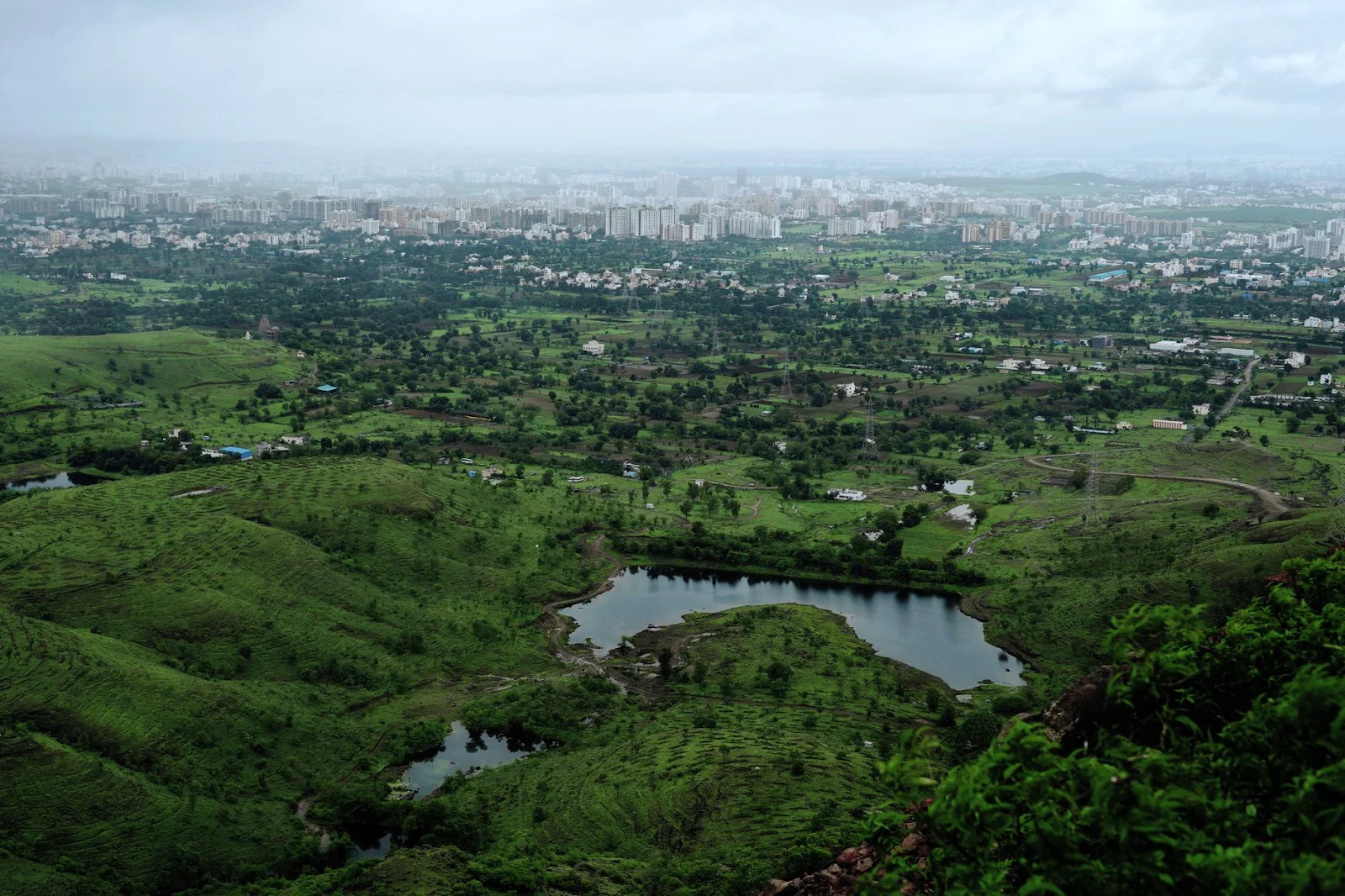
Shaniwar Wada stands as the ultimate symbol of Pune's political power during the 18th century. Built in 1732 by Peshwa Baji Rao I, the prime minister to the Chhatrapati, this grand seven-story fortification served as the seat of the Peshwas of the Maratha Empire until 1818. The palace fort witnessed the rise and expansion of Maratha rule across northern and central India. Although a devastating, unexplained fire destroyed much of the interior wooden palace structure in 1828, the massive stone bastion walls, fortified gates, and lawn gardens survive today, echoing stories of courage, intrigue, and royal grandeur.
Key Attractions & Things to Do
The main entrance, known as the Dilli Darwaza (Delhi Gate), is large enough to allow elephants carrying howdahs to pass through and is fitted with heavy iron spikes to deter enemy cavalry attacks. As you walk through the massive gateways, explore the foundations of the ancient halls, the Hazari Karanje (Fountain of a Thousand Jets), and the elevated stone ramparts that offer view of the surrounding old city district. In the evenings, the Maharashtra Tourism Development Corporation conducts an informative Light and Sound Show detailing the dramatic rise of the Peshwas.
Timings & Entry Fees
- Timings: 8:00 AM to 6:30 PM (All days of the week)
- Light & Sound Show: 6:30 PM to 8:15 PM (Marathi and English slots)
- Entry Fee: ₹25 for Indian citizens; ₹300 for foreign nationals; ₹25 for the Light and Sound show.
Best Time to Visit
Visit early in the morning around 8:30 AM to beat the afternoon heat and avoid large student crowds. The cooler winter months between October and February make exploring the open-air stone courtyards very pleasant.
How to Reach
Shaniwar Wada is centrally located in Shaniwar Peth. It sits approximately 3.5 km from Pune Junction Railway Station. You can easily reach it via auto-rickshaws, cabs, or local PMPML city buses dropping off at the Shaniwar Wada bus stop.
Insider Tip
Spend a few minutes inspecting the heavy teakwood doors at Dilli Darwaza to appreciate the defensive engineering. Pair your visit with a morning walking tour through the adjacent narrow lanes of Kasba Peth, Pune's oldest inhabited neighborhood.
2. Aga Khan Palace: A Monument to Freedom and Heritage
Overview & Historical Significance
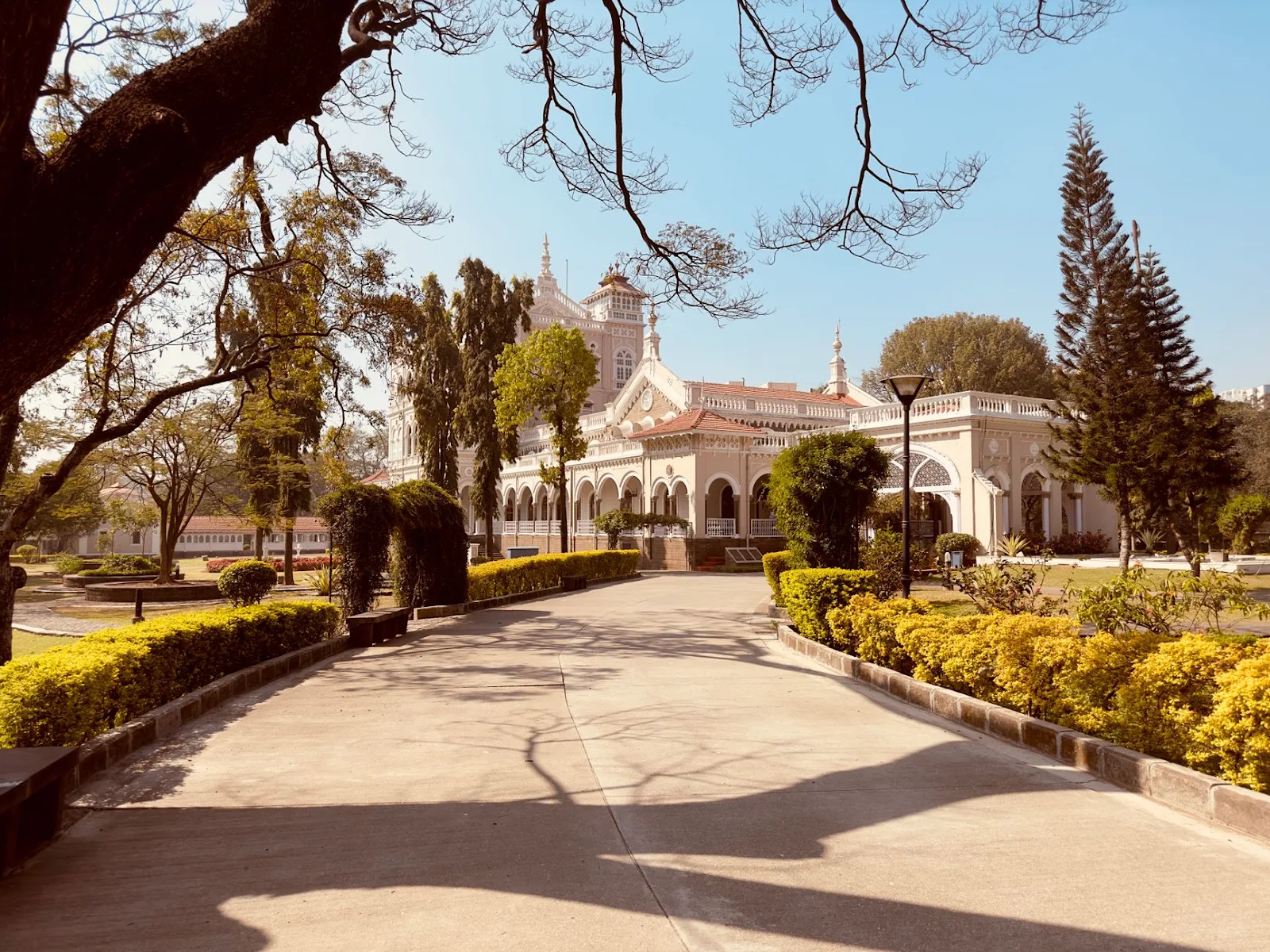
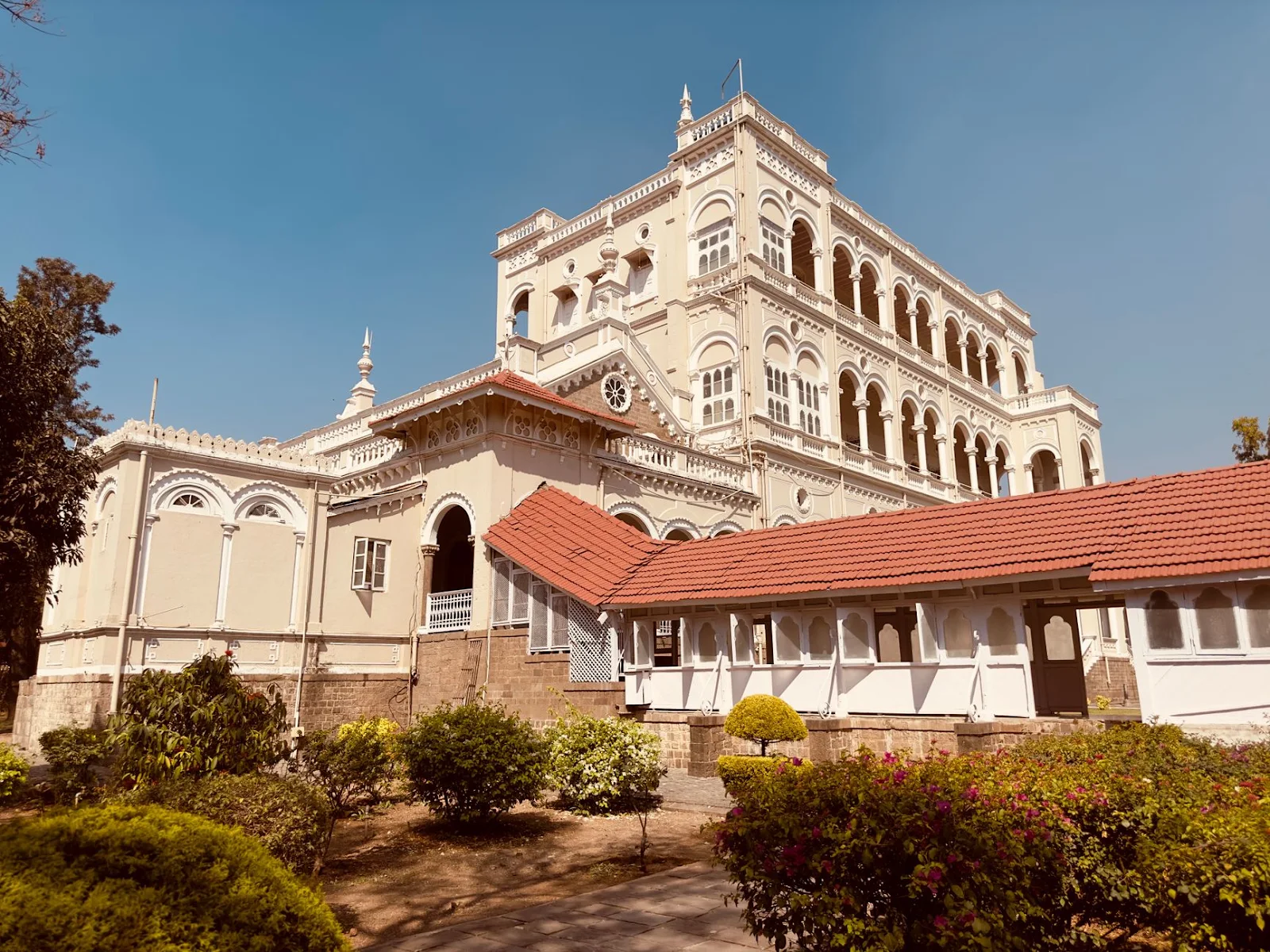
Gracing the manicured grounds of Nagar Road, the Aga Khan Palace is an architectural masterpiece with profound historical resonance. Constructed in 1892 by Sultan Muhammed Shah Aga Khan III, the palace was originally built to provide employment and relief to local villagers struggling through a severe regional famine. Spanning 19 acres, the building features magnificent Italian arches, sprawling lawns, and quiet corridors.
The palace holds an important place in India’s freedom struggle. Following the launch of the Quit India Movement in 1942, Mahatma Gandhi, his wife Kasturba Gandhi, his secretary Mahadev Desai, and freedom fighter Sarojini Naidu were imprisoned here by British colonial authorities. Tragically, both Kasturba Gandhi and Mahadev Desai passed away during their confinement within these walls.
Key Attractions & Things to Do
The palace functions as a memorial to Mahatma Gandhi and houses the Gandhi National Memorial Society. Visitors can walk through preserved rooms containing personal belongings of Bapu, including his clothes, slippers, writing desk, and letters. Outside in the serene back garden lie the samadhis (memorials) containing the ashes of Kasturba Gandhi and Mahadev Desai, as well as a portion of Mahatma Gandhi’s ashes. The extensive lawns surrounding the palace offer a quiet atmosphere for reflection.
Timings & Entry Fees
- Timings: 9:00 AM to 5:30 PM (Closed on major national holidays)
- Entry Fee: ₹25 for Indian citizens; ₹300 for foreign visitors; free for children below 15 years.
Best Time to Visit
Late afternoon between 3:30 PM and 5:00 PM is ideal. Golden hour light creates beautiful photography opportunities along the arched corridors and manicured gardens.
How to Reach
Located on Pune-Ahmednagar Road in Yerwada, the palace is roughly 7 km from Pune Railway Station and 5 km from Pune Airport (PNQ). Taxis, ride-hailing apps, and auto-rickshaws are readily available.
Insider Tip
Maintain silence around the memorial area at the rear of the garden. It remains one of the quietest places in central Pune, ideal for reading or quiet contemplation.
3. Sinhagad Fort: Majestic Citadel in the Sahyadris
Overview & Historical Significance
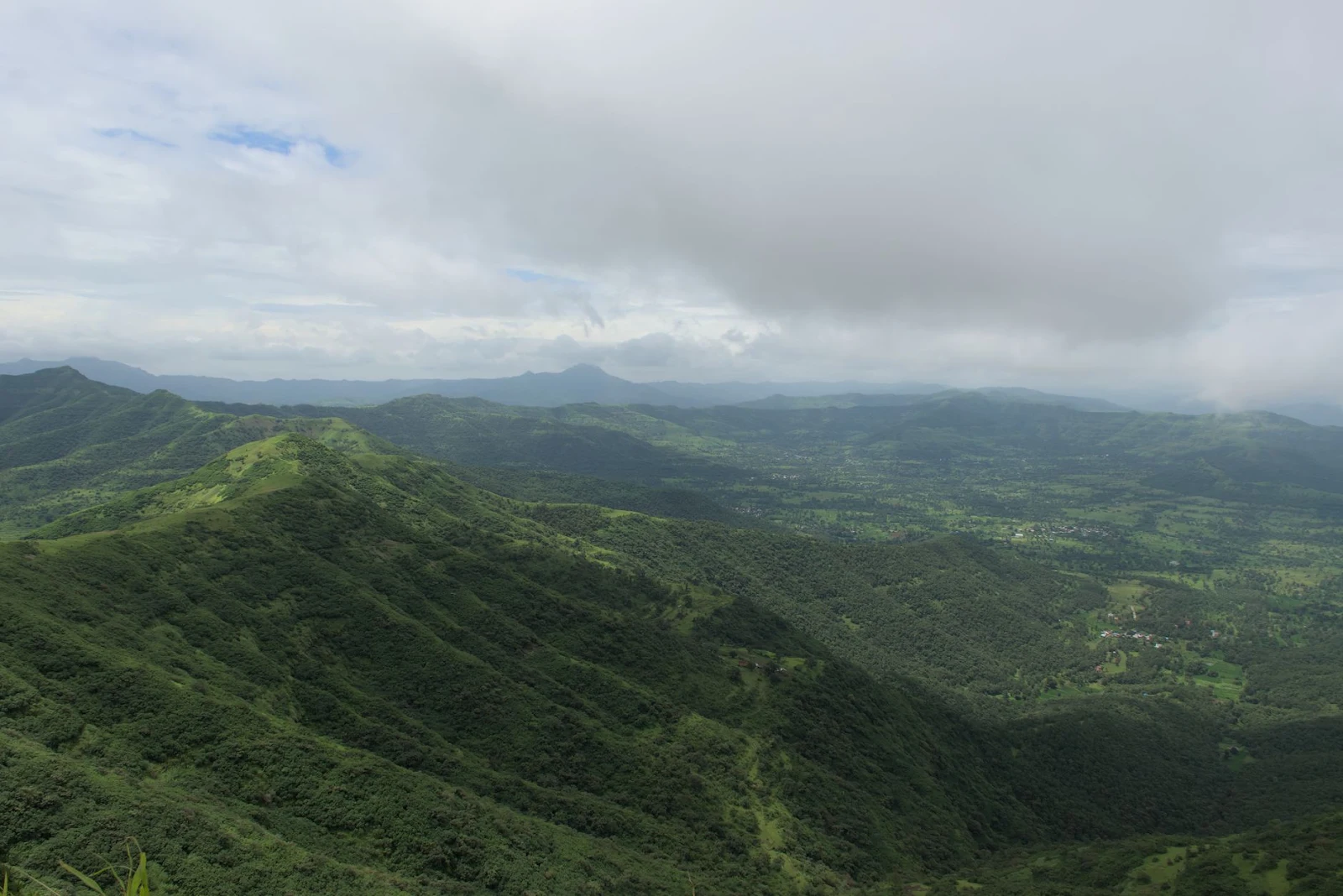
Perched dramatically on a isolated cliff in the Bhuleshwar range of the Sahyadri Mountains, Sinhagad Fort (The Lion's Fort) stands roughly 1,312 meters above sea level. Originally known as Kondhana, the fort was the site of the famous Battle of Sinhagad in 1670. Tanaji Malusare, a brave general under Chhatrapati Shivaji Maharaj, scaled the sheer cliff faces under cover of night using a monitor lizard (Ghorpad) to recapture the fort from Mughal forces. Upon hearing of Tanaji’s heroic death in victory, Shivaji Maharaj famously remarked, "Gadh ala, pan simha gela" ("The fort is won, but the lion is lost"), renaming the structure Sinhagad.
Key Attractions & Things to Do
Sinhagad offers a mix of trekking, panoramic views, and historical exploration. Key features include the Kalyan Darwaza, Pune Darwaza, the Samadhi of Tanaji Malusare, and an ancient bust of the Maratha warrior. You can also explore old ammunition storehouses and the Kaundinyeshwar Temple. On clear days, the cliff edge provides breathtaking views of the surrounding valleys, Khadakwasla Dam reservoir, and neighboring peaks.
Timings & Entry Fees
- Timings: Open daily from 5:00 AM to 6:00 PM (Vehicular movement restricted after dusk)
- Entry Fee: Approximately ₹50 entry fee for four-wheelers and ₹20 for two-wheelers collected at the base forest check post.
Best Time to Visit
The monsoon season (July to September) transforms Sinhagad into a lush paradise enveloped in fog, clouds, and rushing streams. Winter mornings (October to February) are equally appealing for clear sunrises and comfortable trekking temperatures.
How to Reach
Sinhagad Fort is located about 30 km southwest of Pune city center. Travelers can drive via Sinhagad Road towards Donaje village. From the base village, you can either hike up the steep trek trail (1.5 to 2 hours) or drive up the narrow paved road directly to the top parking lot.
Insider Tip
Do not leave without trying the fresh local rustic food prepared by local villagers atop the fort. Order warm Pithla Bhakri (spiced gram flour curry with millet bread), hot Kanda Bhajji (onion fritters), fresh curd served in earthen pots, and cool Solkadhi.
4. Shreemant Dagdusheth Halwai Ganpati Temple: Devotion in Gold
Overview & Historical Significance
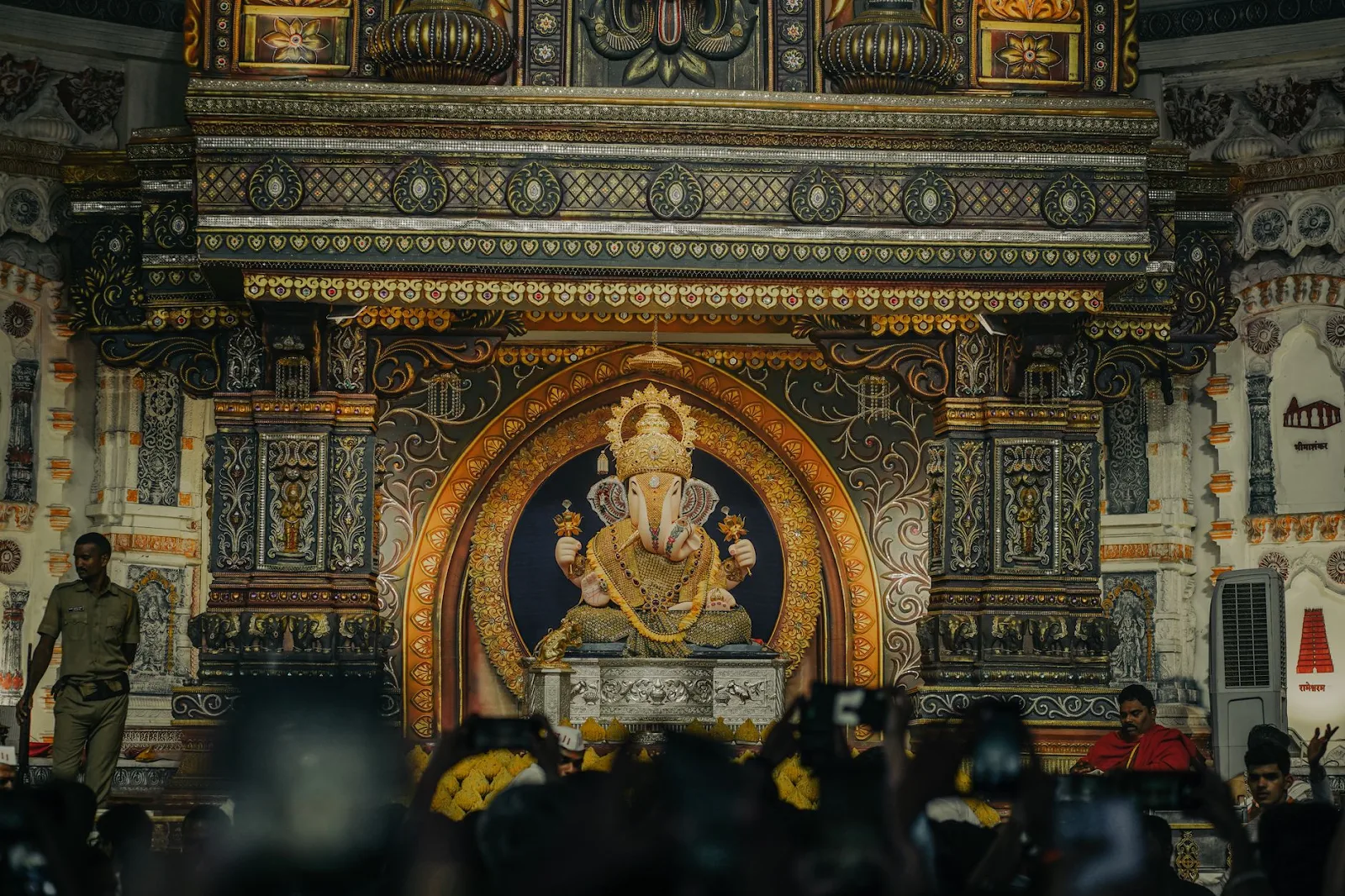
Among the most iconic spiritual landmarks in western India, the Shreemant Dagdusheth Halwai Ganpati Temple is a testament to faith, history, and community strength. The temple’s origin traces back to late 19th century when Dagdusheth Gadve, a sweetmaker (Halwai) and businessman, lost his son to a plague epidemic. To honor his memory and bring solace to the community, Dagdusheth and his wife Lakshmibai consecrated a idol of Lord Ganesha, encouraged by freedom fighter Lokmanya Tilak.
Today, the temple trust is renowned nationwide not only for its grand worship practices but also for running extensive social welfare programs, including orphanages, medical clinics, and rural development projects.
Key Attractions & Things to Do
The primary attraction is the breathtaking 7.5-foot-tall idol of Lord Ganesha, adorned with over 8 kilograms of gold jewels and intricate crowns gifted by devotees over decades. The temple sanctuary features elegant glass and marble work, creating a vibrant visual setting during morning and evening Aarti (prayer services). During the 10-day Ganeshotsav festival, the temple trust builds massive replicas of famous Indian monuments around the shrine, drawing millions of pilgrims from across the globe.
Timings & Entry Fees
- Timings: 6:00 AM to 10:30 PM (Daily continuous darshan)
- Aarti Timings: Morning Aarti at 7:30 AM; Evening Aarti at 7:45 PM.
- Entry Fee: Free entry for all devotees. VIP paid darshan lines are managed efficiently during rush days.
Best Time to Visit
Early mornings around 6:00 AM allow for quiet, unhurried prayer. Visiting during the 10-day Ganeshotsav festival (usually August/September) is an unforgettable experience, though expect long queuing times.
How to Reach
Situated in the bustling heart of the old city at Budhwar Peth, the temple sits just 3.5 km from Pune Junction. It is within walking distance from Shaniwar Wada. You can easily reach it via public bus, metro to Mandai station, or auto-rickshaw.
Insider Tip
Combine your visit to Dagdusheth Temple with a walk through the adjacent shopping districts of Tulshibaug and Laxmi Road to experience the vibrant street commerce of Pune's historic core.
5. Raja Dinkar Kelkar Museum: A Collector's Epic Legacy
Overview & Historical Significance
Unlike conventional government-run museums, the Raja Dinkar Kelkar Museum represents the passionate, lifelong endeavor of a single visionary individual. Dr. D.G. Kelkar (1896–1990), affectionately known as Kaka Kelkar, spent over six decades traveling across the remote towns, villages, and royal estates of India to collect everyday artifacts, regional artwork, and rare antiques. He dedicated this massive collection to the memory of his late son, Raja.
The museum houses more than 20,000 unique artifacts dating from the 14th to the 20th century, representing traditional Indian design aesthetic, craftsmanship, and domestic life.
Key Attractions & Things to Do
The museum’s centerpiece is the meticulously reconstructed Mastani Mahal. Kaka Kelkar carefully salvaged and reassembled the original architectural components, intricately carved wooden panels, chandeliers, and mirror work from the palace built for Mastani Bai, the beloved wife of Peshwa Baji Rao I. Other highlights include an extensive collection of traditional Indian musical instruments, intricately carved betel nut cutters, brass lamps, carved wooden doors, textiles, and antique weaponry.
Timings & Entry Fees
- Timings: 10:00 AM to 5:30 PM (Open daily)
- Entry Fee: ₹100 for Indian adults, ₹30 for Indian children; ₹300 for foreign tourists. Camera fees apply separately.
Best Time to Visit
Visit on weekday mornings right when the doors open at 10:00 AM. This gives you quiet time to explore three floors of intricate displays without tour group crowds.
How to Reach
Located at Shukrawar Peth on Kamal Nayan Bajaj Path, the museum is easily reached by cab or rickshaw from any part of central Pune. It lies about 4 km from Pune Railway Station.
Insider Tip
Take time to explore the section dedicated to daily brass utensils and locks. The ingenious design of ancient Indian multi-combination puzzle locks on display reveals remarkable traditional craftsmanship.
Best Time to Visit Pune
Understanding Pune's seasonal shifts helps you plan a smooth and enjoyable trip:
| Season | Months | Weather Characteristics | Travel Suitability |
|---|---|---|---|
| Winter | October to February | Pleasant, crisp mornings; temperatures between 12°C and 28°C. | Ideal / Peak Season: Perfect for sightseeing, fort trekking, and heritage walks. |
| Monsoon | July to September | Moderate to heavy rainfall; misty mountain slopes and lush green greenery. | Great for Nature: Ideal for Sinhagad Fort treks, waterfalls, and scenic drives. |
| Summer | March to June | Warm to hot afternoons with temperatures ranging from 26°C to 38°C. | Budget Travel: Suitable for indoor museums, morning temple visits, and quiet trips. |
How to Reach Pune
By Air
Pune International Airport (PNQ), located in Lohegaon, connects the city to major Indian metropolises such as Delhi, Mumbai, Bengaluru, Chennai, and Hyderabad, along with select international destinations in the Middle East. Prepaid cabs, app-based rides, and auto-rickshaws are readily available outside the terminal complex.
By Train
Pune Junction (PUNE) is a major rail hub in the Central Railway network. Regular express trains, including Shatabdi, Vande Bharat, and Duronto express services, link Pune seamlessly to Mumbai, Goa, Bengaluru, Delhi, and Ahmedabad. The Deccan Queen and Sinhagad Express provide iconic daily rail commutes between Mumbai and Pune.
By Road
Pune is well connected via a network of modern highways. The 6-lane Mumbai-Pune Expressway reduces highway travel time from Mumbai to under 3 hours. State-run MSRTC buses, Volvo luxury coaches, and private cars regularly operate from nearby cities like Satara, Nashik, Kolhapur, and Shirdi.
Must-Try Local Food in Pune
A journey through Pune remains incomplete without experiencing its legendary food culture. Known for bold spices, unique savory combinations, and rich desserts, here are the top dishes you must sample:
- Puneri Misal Pav: A spicy moth bean curry topped with crunchy farsan, diced onions, and coriander, served with buttered bread rolls. Famous spots include Bedekar Misal, Kattakirr, and Vaidya Uphar Griha.
- Bakarwadi: A crispy, fried savory roll stuffed with a sweet, spicy, and tangy coconut-poppy seed mixture. Pick up authentic boxes from the legendary Chitale Bandhu Mithaiwale stores.
- Mango Mastani: A thick, indulgent milk-thick shake topped with a generous scoop of ice cream, chopped dry fruits, and candied cherries. Visit Sujata Mastani, which has been serving this sweet creation for generations.
- Pithla Bhakri: A traditional rural Maharashtrian meal made of spiced chickpea flour paste served hot alongside rustic sorghum or millet flatbreads, garlic chutney, and raw onions. Best enjoyed atop Sinhagad Fort.
- Bun Maska & Irani Chai: Soft bun slathered with salted fresh butter dipped into hot cardamom tea. Head to historic heritage establishments like Café Goodluck on FC Road.
10 Essential Travel Tips for Pune
- Embrace Morning Sightseeing: Old city hubs around Dagdusheth Temple and Shaniwar Wada get congested by afternoon. Plan historic walks between 7:30 AM and 10:30 AM.
- Respect Afternoon Siesta Hours: Traditional local shops in old residential areas (Peths) often close between 1:00 PM and 4:00 PM for lunch and rest. Plan major purchases around these hours.
- Use the Metro and Autos Wisely: The expanding Pune Metro network offers quick connections along key corridors. For short trips, insist on auto-rickshaws running by meter or book through app-based rides.
- Dress Respectfully at Religious Sites: Cover shoulders and knees when visiting active temples like Dagdusheth Ganpati. Remove footwear in designated storage stalls before entering.
- Prepare for Mountain Treks: When visiting hill forts like Sinhagad, wear sturdy shoes with good tread grip and carry sufficient drinking water.
- Sample Street Food safely: Enjoy street delicacies like Sev Puri and Vada Pav at busy stalls with high turnover to ensure fresh ingredients.
- Carry Rainy Gear in Monsoon: Carry sturdy umbrellas and waterproof phone covers if visiting between July and September, as mountain rain showers can begin suddenly.
- Bargain Respectfully in Local Bazaars: Negotiate politely when shopping for clothing, footwear, and household accessories at Tulshibaug market.
- Stay Hydrated: Pune’s high elevation means weather can feel dry; keep a refillable water bottle handy during outdoor tours.
- Check Museum Schedules: Places like Raja Dinkar Kelkar Museum close ticket counters by 5:00 PM; arrive at least 90 minutes before closing time.
Suggested 2-Day Pune Travel Itinerary
Day 1: Imperial History & Old City Culture
- 8:00 AM – 10:00 AM: Start your morning exploring the historic ramparts and lawns of Shaniwar Wada.
- 10:15 AM – 11:30 AM: Take a short walk to pay respects at Shreemant Dagdusheth Halwai Ganpati Temple and take in the bustling atmosphere of Budhwar Peth.
- 12:00 PM – 2:00 PM: Wander through the colorful aisles of Tulshibaug market, then sit down for an authentic Maharashtrian lunch featuring Puneri Thali or hot Misal Pav.
- 2:30 PM – 4:30 PM: Head to the Raja Dinkar Kelkar Museum to admire the Mastani Mahal and thousands of rare Indian artifacts.
- 5:30 PM – 8:00 PM: Spend a relaxing evening enjoying Bun Maska and Irani Chai at the historic Café Goodluck on Fergusson College (FC) Road, followed by casual shopping.
Day 2: Citadel Heights & Colonial Freedom Trail
- 6:30 AM – 11:30 AM: Depart early for a trip south to Sinhagad Fort. Hike up or drive to the summit, take in sweeping Sahyadri vistas, inspect historic gates, and enjoy a breakfast of fresh Pithla Bhakri and curd.
- 1:00 PM – 2:30 PM: Return towards the city and enjoy lunch at a local restaurant along Sinhagad Road.
- 3:30 PM – 5:30 PM: Visit the tranquil grounds of Aga Khan Palace. Tour the Gandhi memorial museum halls, pay homage at the samadhis, and enjoy the shaded garden lawns.
- 6:30 PM Onwards: Wrap up your trip with dinner and drinks in the modern Koregaon Park district, sampling local craft brews and global dining options.
Frequently Asked Questions (FAQs)
1. Is Pune a good tourist destination for families?
Yes, Pune is a family-friendly city. It offers a well-rounded mix of historic forts, educational museums, quiet parks, and spiritual temples that appeal to travelers of all age groups.
2. How many days are sufficient to explore Pune?
A 2 to 3 day itinerary is ideal for visiting Pune's primary attractions. It allows you to explore the central city highlights without feeling rushed, with extra time to visit nearby hill stations like Lonavala or Mahabaleshwar.
3. What is the best way to travel locally within Pune?
App-based cab services (Ola, Uber) and auto-rickshaws are the most convenient options for tourists. For direct routes, the Pune Metro provides modern, climate-controlled transit across major central hubs.
4. Are English and Hindi widely spoken in Pune?
Yes, while Marathi is the official regional language, Hindi and English are widely spoken and understood across hotels, restaurants, shops, and public transportation hubs.
5. Can I drive my personal car all the way to the top of Sinhagad Fort?
Yes, a paved motorable road leads to the top parking lot of Sinhagad Fort. However, during peak monsoon weekends, police authorities may limit private vehicles at the base village to avoid traffic bottlenecks on the narrow hill roads.
6. What are the best souvenirs to buy in Pune?
Popular souvenirs include Chitale Bandhu Bakarwadi, traditional Maharashtrian Kolhapuri chappals from Laxmi Road, Paithani silk sarees, brass artifacts, and local Puneri dry-fruit sweets.
7. Is Pune safe for solo female travelers?
Pune is consistently ranked among the safest major cities in India. Public places are generally active well into the evening. Standard travel safety practices—such as using verified transport apps late at night—are recommended.
8. Are photography and videography allowed inside Aga Khan Palace and Shaniwar Wada?
Photography is permitted in the open courtyards and garden areas of both sites. Certain indoor museum rooms and sensitive historical galleries may restrict camera flash or professional recording gear without prior permission.
Conclusion
Pune is a captivating destination that bridges India's heroic past with its ambitious future. From the rugged cliffs of Sinhagad Fort and the royal echoes of Shaniwar Wada to the peaceful lawns of Aga Khan Palace, Pune offers a deeply rewarding journey for every traveler. The city's lively food culture, vibrant marketplaces, and warm hospitality ensure that your visit will leave you with cherished memories long after you return home.
Whether you visit during the monsoon season to watch the Western Ghats turn emerald green or during the cool winter months to walk through ancient heritage sites, Pune welcomes you with open arms. Pack your comfortable walking shoes, bring along an eager palate, and set off to discover the many wonders of Maharashtra’s timeless cultural capital.



0 Comments