
Top 5 Places to Visit in Mahasamund, Chhattisgarh: The Ultimate Travel Guide
Tucked away in the fertile plains of central Chhattisgarh, Mahasamund is a treasure trove of ancient heritage, untouched wilderness, and deep-rooted folklore. Bordered by lush Sal forests and nourished by the sacred waters of the Mahanadi River, this enchanting district effortlessly bridges the gap between antiquity and eco-tourism. Once a flourishing center of power under the South Kosala kingdom, Mahasamund carries echoes of an era where art, Buddhism, Shaivism, and tribal traditions thrived side by side. For discerning travelers looking to move beyond conventional tourist circuits, exploring the top tourist places in Mahasamund offers a refreshing glimpse into central India's soul.
Whether you are standing beneath the intricately carved red-brick arches of centuries-old monuments, watching golden sunlight filter through the dense canopy of wildlife reserves, or trekking up rugged granite hills steeped in Mahabharata mythology, Mahasamund captivates you at every turn. Its warm hospitality, authentic rural rhythm, and deeply revered spiritual centers make it a standout destination on the tourism map of Chhattisgarh. In this comprehensive travel guide, we unpack the best places to visit in Mahasamund, detailing practical itineraries, culinary highlights, historical context, and essential travel tips to help you craft an unforgettable holiday.
Table of Contents
- 1. Sirpur Heritage Complex
- 2. Barnawapara Wildlife Sanctuary
- 3. Khallari Mata Temple (Khallari Hill)
- 4. Kodar Dam (Shaheed Veer Narayan Singh Reservoir)
- 5. Chandi Mandir, Guchaapali
- Best Time to Visit Mahasamund
- How to Reach Mahasamund
- Local Food & Culinary Experiences
- 10 Essential Travel Tips for Visitors
- Suggested 2-Day Mahasamund Itinerary
- Frequently Asked Questions (FAQs)
- Conclusion
1. Sirpur Heritage Complex
Overview
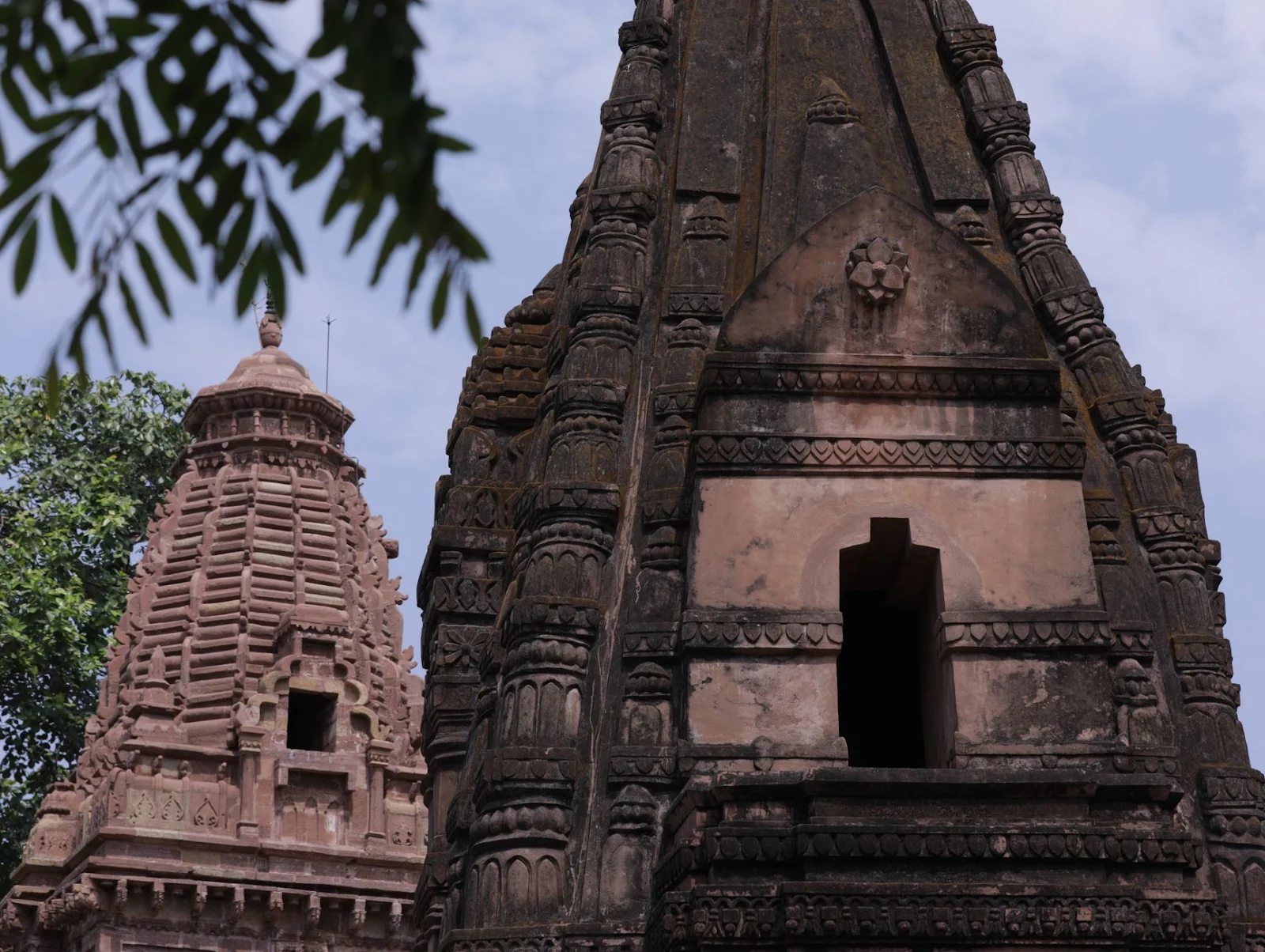
Situated along the gentle banks of the Mahanadi River, Sirpur (historically known as Shripur or the "City of Prosperity") is arguably the crown jewel among all tourist places in Mahasamund. Between the 5th and 8th centuries CE, Sirpur served as the illustrious capital of the Somavanshi kings of South Kosala. Excavations spearheaded by the Archaeological Survey of India (ASI) revealed an enormous urban settlement containing majestic brick temples, sprawling Buddhist monasteries, underground markets, and bathing ghats, establishing Sirpur as a vibrant multi-faith confluence of Hinduism, Buddhism, and Jainism.
Historical and Cultural Significance
Sirpur's architectural grandeur was celebrated even by the famous Chinese Buddhist pilgrim Hiuen Tsang (Xuanzang), who visited this thriving metropolis in 639 CE and recorded over 100 Buddhist monasteries housing nearly 10,000 monks. The epicenter of this archaeological wonderland is the 7th-century Laxman Temple, one of India's finest surviving brick temples. Dedicated to Lord Vishnu and constructed by Queen Vasata in memory of her husband King Harshagupta, the temple is an exquisite masterpiece of Pancharatha style, adorned with intricate terracotta panels depicting erotic sculptures, Krishna Leela motifs, and mythological deities.
Key Attractions & Things to Do
- Laxman Temple: Admire the ornate stone doorframe depicting the Sheshashayi Vishnu and study the razor-sharp detailing of the ancient burnt-brick carvings.
- Surang Tila: Explore this massive white-stone temple complex perched atop an elevated terrace accessible via a steep flight of stone stairs, famous for its seismic-resistant interlocking architecture.
- Anand Prabhu Kuti Vihar & Swastik Vihar: Walk through ancient Buddhist courtyards, residential quarters, and meditative chambers built by Buddhist scholars.
- Gandheshwar Temple: Visit this active riverside Shaivite temple housing rare antique statues, including a Nataraja and a colossal Buddha statue found along the riverbanks.
- Sirpur Museum: Browse rare stone sculptures, coins, terracotta seals, and copper inscriptions curated by the ASI.
Timings and Entry Fees
- Timings: 06:00 AM to 06:00 PM (Daily).
- Entry Fee: ₹25 per person for Indian nationals; ₹300 for foreign tourists; free entry for children below 15 years.
- Best Time to Explore: Early morning hours during winter months (October to March).
2. Barnawapara Wildlife Sanctuary

Overview
Spanning an area of approximately 245 square kilometers, Barnawapara Wildlife Sanctuary is one of Central India's most accessible and bio-diverse forest ecosystems. Nestled on the northern fringes of Mahasamund district, this sanctuary boasts flat and undulating terrain dominated by mixed dry deciduous forests, sparkling water springs, and towering stands of Sal, Teak, Mahua, and Bamboo. It is an unmissable destination for wildlife photographers, nature lovers, and anyone seeking peaceful respite within the wild heart of Chhattisgarh.
Flora and Fauna
Barnawapara is renowned for its thriving population of the majestic Indian Gaur (Bison), spotted deer (Cheetal), Sambhar, Barking Deer, Nilgai, Wild Boar, Sloth Bear, and Leopard. While the sanctuary is a sanctuary for herbivores and stealthy predators, it is equally a paradise for birdwatchers. More than 150 species of birds frequent the canopy, including the Malabar Pied Hornbill, Crested Serpent Eagle, Indian Pitta, Paradise Flycatcher, Peafowl, and various species of owls and woodpeckers.
Key Attractions & Things to Do
- Open Gypsy Safaris: Embark on guided morning and afternoon wildlife safaris to track leopards, herds of gaur, and elusive sloth bears deep within the core zone.
- Birdwatching at Waterholes: Spend quiet hours near water reservoirs like the Pakid Dam and turtle ponds where migratory and resident birds congregate.
- Nature Walks: Enjoy nature interpretation trails around the eco-tourism campus in the company of knowledgeable local forest guides.
Timings and Entry Fees
- Safari Timings: Morning: 06:00 AM – 10:00 AM | Afternoon: 03:00 PM – 06:00 PM (Sanctuary remains closed during the monsoon from July to October).
- Entry Fee: Entry ticket approximately ₹50–₹100 per person; Vehicle permit and Gypsy rental: ₹1,500–₹2,200 per trip; Guide charges: ₹300–₹500.
- Best Time to Visit: November to May (March to May offers optimal wildlife sightings around drying water bodies).
3. Khallari Mata Temple (Khallari Hill)
Overview
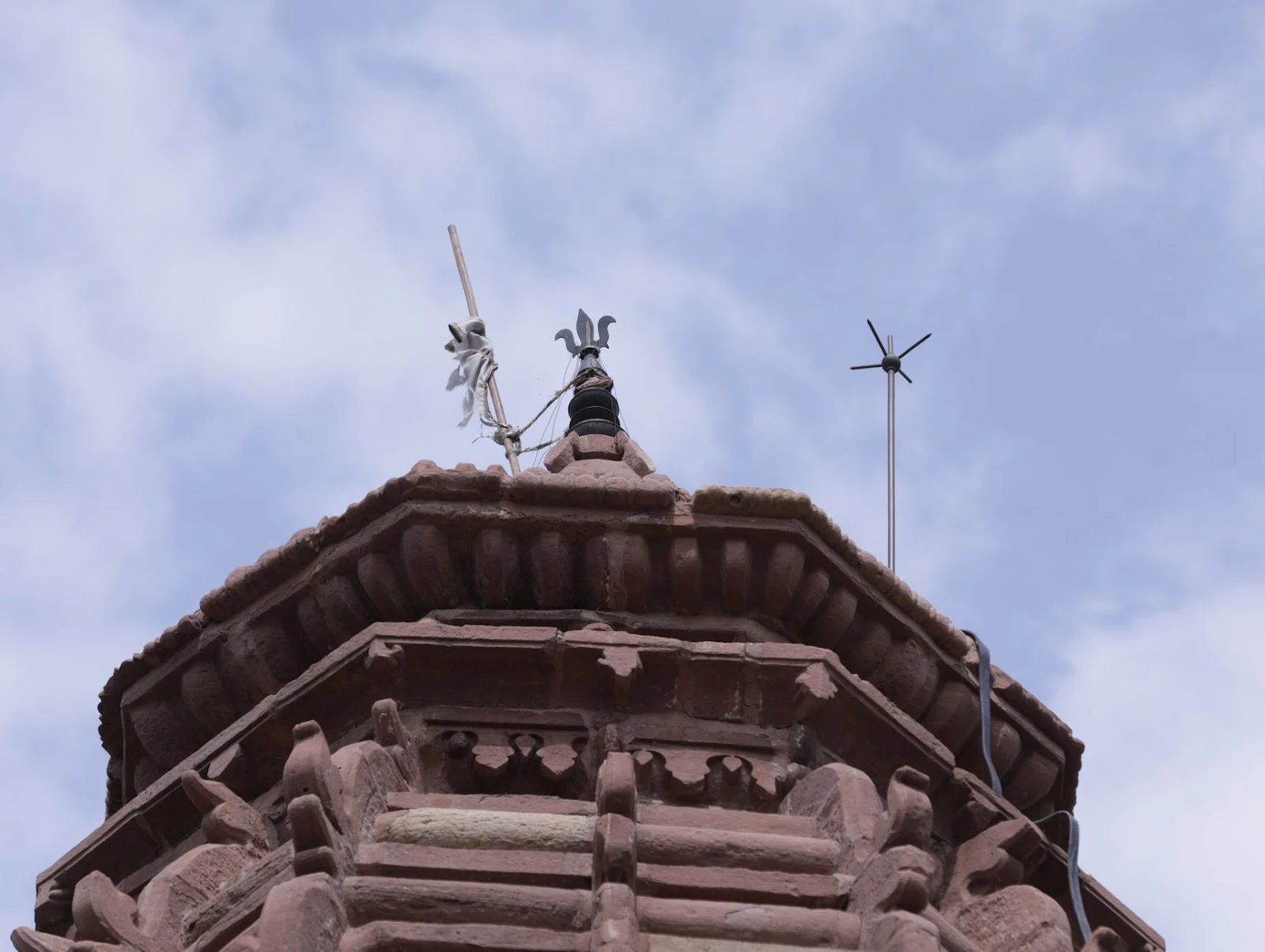
Perched dramatically atop a massive granite hillock in Khallari village, roughly 25 km south of Mahasamund town, the Khallari Mata Temple is a prominent pilgrimage destination wrapped in mythological intrigue. The temple is dedicated to Goddess Khallari (an incarnation of Goddess Durga) and provides awe-inspiring panoramic vistas of the surrounding green valleys, pastoral villages, and rocky scrub forests.
Mythological Lore
Local legends connect this scenic hill with the Mahabharata era, identifying Khallari as the ancient town of 'Khalwatika'. It is believed that the Pandavas spent a portion of their exile (Agyatvas) in these dense forests. At the top of the hill, visitors can witness giant rock indentations worshipped locally as Bhima Khol (the gigantic footprint of the Pandava brother Bhima). Legends also recount the tale of the demoness Hidimba who fell in love with Bhima on these very grounds.
Key Attractions & Things to Do
- The Hill Climb: Ascend the well-paved stone staircase comprising nearly 800 to 1,000 steps to reach the hilltop sanctum. The trek is scenic and invigorating.
- Ropeway Ride: For elderly devotees and leisure travelers, an aerial ropeway (cable car) provides a panoramic and comfortable ride straight to the summit.
- Ancient Rock Formations: Examine the mysterious ancient rock depressions, Bhima’s stone stove (Chulha), and the foot impressions scattered around the temple courtyard.
- Navratri Festivities: Experience intense spiritual fervor during the Chaitra and Sharad Navratri melas, when thousands of pilgrims light ceremonial Jyoti Kalash lamps.
Timings and Entry Fees
- Timings: 05:30 AM to 08:00 PM (Daily).
- Entry Fee: Free entry to the temple; Ropeway charges: approximately ₹80–₹100 round-trip per passenger.
- Best Time to Visit: October to March, particularly early morning or late afternoon to avoid the mid-day heat.
4. Kodar Dam (Shaheed Veer Narayan Singh Reservoir)
Overview
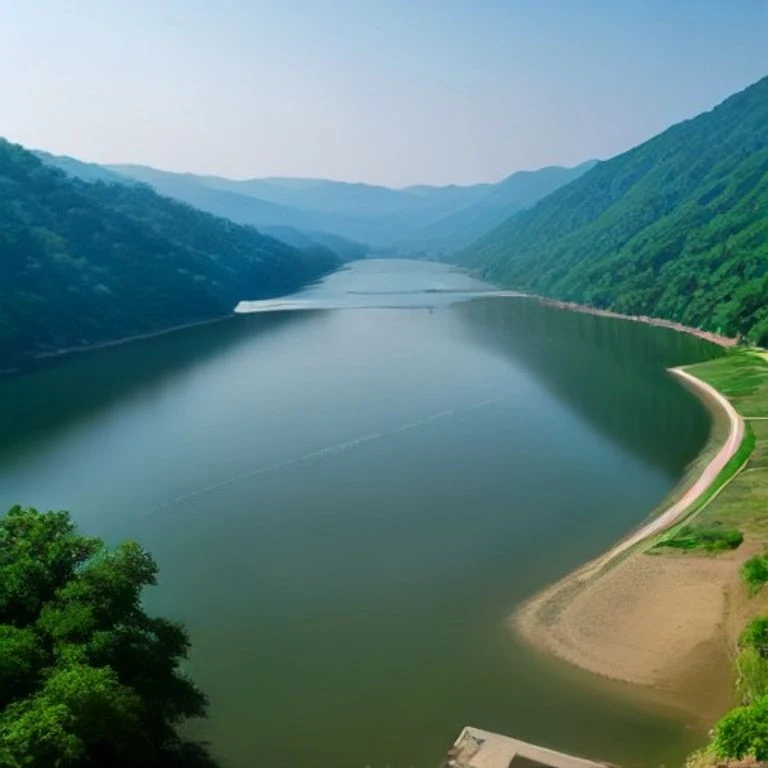
If you are looking for tranquility, scenic waterways, and picturesque sunset horizons, Kodar Dam is one of the best places to visit in Mahasamund. Officially christened the Shaheed Veer Narayan Singh Reservoir, this vast irrigation reservoir is built across the Kodar River. Framed by rolling green hills, emerald farmland, and quiet country lanes, it has evolved into a beloved getaway for family picnics, birdwatching, and evening photography.
Scenic Charm & Recreation
The vast expanse of blue water bordered by rugged earthen dykes offers a relaxing escape from urban noise. During the post-monsoon and winter months, the dam catchment area attracts a vibrant assortment of resident and migratory waterbirds, including cormorants, river terns, egrets, and kingfishers. The cool breeze sweeping across the water makes it a favored spot to unwind after a day of sightseeing.
Key Attractions & Things to Do
- Lakeside Picnics: Relax beneath shaded trees along the reservoir embankments with home-packed meals while taking in the open waters.
- Sunset Photography: Capture brilliant golden-hour reflections over the water against the backdrop of distant hill silhouettes.
- Rural Cycling & Drives: Enjoy a peaceful scenic drive along the quiet approach roads winding through Chhattisgarhi hamlets.
Timings and Entry Fees
- Timings: 06:00 AM to 06:30 PM (Daily).
- Entry Fee: Free entry (Visitors are requested to maintain cleanliness and refrain from littering plastic).
- Best Time to Visit: October to February, particularly during late afternoons.
5. Chandi Mandir, Guchaapali
Overview
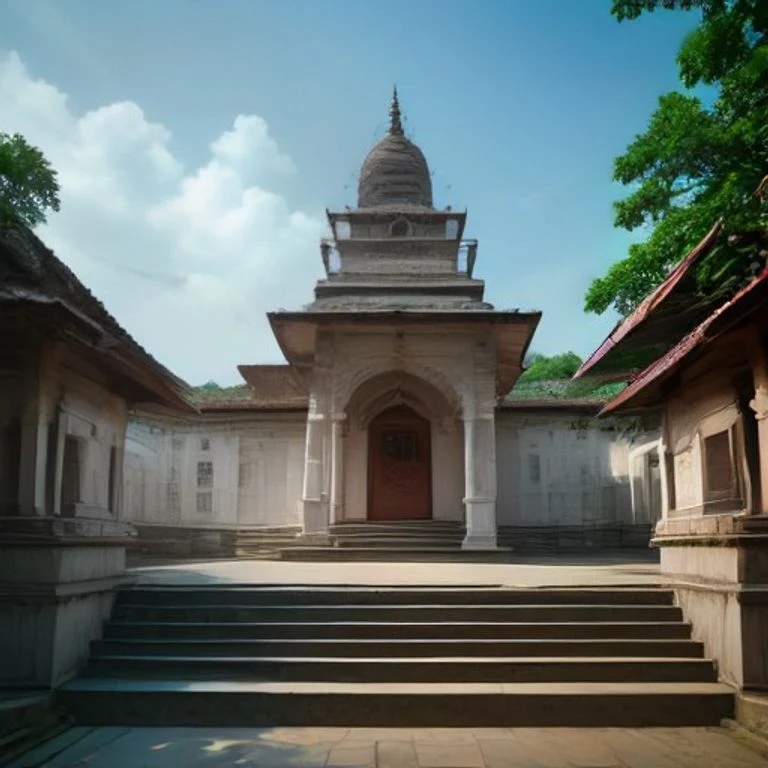
Located near Bagbahra in Mahasamund district, the Chandi Mandir in Guchaapali is not merely a revered Shakti shrine; it is the stage for one of the most extraordinary and harmonious human-wildlife encounters anywhere in India. Set amid dense scrub and rocky boulders, this temple has earned national fame for the wild sloth bears that descend peacefully from the nearby forest hills every single evening to partake in temple rituals.
The Phenomenon of the "Prasad-Eating Bears"
Every evening around sunset during the ritual Aarti, a family of wild sloth bears routinely walks down into the temple courtyard. Remarkably gentle and habituated to the sound of temple bells and chanting, these wild bears calmly walk up to the temple sanctum and the priest, consume offerings of coconut, jaggery, fruits, and sweets (Prasad) directly from the hands of the priest and trusted devotees, and wander back into the dark forest without harming anyone. This astonishing spectacle draws curious visitors and devotees from far and wide.
Key Attractions & Things to Do
- Evening Aarti Ritual: Attend the spiritual Sandhya Aarti and witness the peaceful coexistence between wild predators and human devotees.
- Darshan of Maa Chandi: Seek blessings at the ancient natural rock-cut shrine dedicated to Goddess Chandi.
- Explore Natural Rock Caves: View the ancient natural cave hollows and boulder formations surrounding the temple perimeter.
Timings and Entry Fees
- Timings: 06:00 AM to 08:30 PM (Bear visits typically occur between 05:30 PM and 07:30 PM).
- Entry Fee: Free entry.
- Best Time to Visit: Throughout the year; winter evenings (November to February) offer the most pleasant climate.
Best Time to Visit Mahasamund
Planning your trip during the right season is crucial to enjoying Mahasamund's outdoor ruins and forest trails:
- Winter Season (October to March) — Ideal Time: The weather across Mahasamund is delightful, with daytime temperatures hovering comfortably between 15°C and 28°C. Nights are cool and pleasant. This is the perfect season for walking around the vast Sirpur archaeological ruins, embarking on open-jeep safaris at Barnawapara, and climbing Khallari Hill.
- Monsoon Season (July to September) — Lush & Scenic: Mahasamund receives moderate to heavy rainfall, turning the entire landscape lush green. Water reservoirs and streams are full. While Barnawapara Sanctuary remains closed during these months, heritage lovers and landscape photographers can still enjoy Sirpur and Kodar Dam.
- Summer Season (April to June) — Hot & Dry: Summers in central India are intensely hot, with afternoon temperatures frequently crossing 42°C. Outdoor exploration during midday can be challenging. However, wildlife enthusiasts often brave early morning safaris during April and May, as animals regularly congregate around sparse water sources in Barnawapara.
How to Reach Mahasamund
By Air
The nearest commercial airport is Swami Vivekananda Airport (RPR) in Raipur, located approximately 55 km west of Mahasamund town and about 75 km from Sirpur. Raipur Airport is well-connected by daily direct flights to major Indian metro hubs including Delhi, Mumbai, Bengaluru, Kolkata, Hyderabad, and Chennai. Taxis, app-based cabs, and self-drive car rentals are easily available outside the terminal to take you directly to Mahasamund.
By Train
Mahasamund Railway Station (MSMD) is situated directly on the Raipur-Vizianagaram rail corridor and is served by regular express and passenger trains connecting it with Raipur, Durg, Bilaspur, Visakhapatnam, and Puri. Alternatively, Raipur Junction (R), located 55 km away, is a major railway junction on the Howrah-Mumbai mainline offering round-the-clock nationwide connectivity.
By Road
Mahasamund enjoys excellent highway connectivity via National Highway 53 (NH-53), which cuts straight through the district, connecting Raipur to Sambalpur and Kolkata. Well-maintained state highways link Mahasamund to nearby towns such as Arang, Baloda Bazar, Bagbahra, and Gariaband. Both Chhattisgarh State Road Transport buses and private luxury coaches operate frequent services between Raipur and Mahasamund.
Local Food & Culinary Experiences
A journey through Mahasamund is incomplete without savoring the earthy, wholesome flavors of traditional Chhattisgarhi cuisine. Rooted in simple ingredients, fresh produce, and minimal oil, local meals offer an authentic culinary experience:
- Chila & Farra: Start your morning with freshly steamed Farra (dumplings made from seasoned rice flour and lentils, lightly tempered with mustard seeds and curry leaves) paired with spicy roasted tomato-garlic chutney. Try crisp, savory rice crepes known as Chila.
- Bore Baasi: A traditional farmer's meal made of cooked rice soaked overnight in water or curd, served with raw onion, green chilies, pickled mango, and fried papad—incredibly refreshing during warmer days.
- Dubki Kadhi: Fluffy lentil dumplings cooked directly in a tangy, spiced buttermilk gravy, traditionally enjoyed over hot steamed fragrant rice.
- Bhaji Platter: Savor wild, seasonal leafy green preparations such as Chech Bhaji, Kanda Bhaji, or Lal Bhaji, freshly picked from local rural gardens.
- Local Sweets: Indulge your sweet tooth with Dehrori (fried rice-and-khoya dumplings dipped in cardamom sugar syrup) and traditional Khurmi.
10 Essential Travel Tips for Visitors
- Hire an Authorized Guide at Sirpur: The historical ruins and iconography at Laxman Temple and Surang Tila are complex. Hiring an ASI-certified local guide brings ancient inscriptions and legends alive.
- Book Forest Safaris in Advance: Gypsy permits and forest rest-house stays for Barnawapara Wildlife Sanctuary get fully booked on weekends. Book ahead via the official Chhattisgarh Forest Department portal.
- Dress Modestly at Temples: When visiting active religious shrines like Khallari Mata Temple and Guchaapali Chandi Mandir, wear respectful clothing covering shoulders and knees.
- Observe Bear Protocol: At Guchaapali Chandi Mandir, maintain a calm demeanor and a safe distance when wild bears arrive. Never make sudden movements, flash camera lights, or attempt to pet the animals.
- Carry Adequate Cash: While digital payments (UPI) are accepted in Mahasamund town, rural villages, wayside dhabas, and interior forest outposts may have patchy cellular connectivity.
- Wear Sturdy Walking Shoes: Exploring archaeological ruins and climbing granite temple hillocks involves significant walking over uneven stone steps.
- Stay Hydrated: Central India has a dry climate. Always carry a reusable water bottle, electrolyte packets, and sun protection during day excursions.
- Combine Sirpur with Barnawapara: Sirpur and Barnawapara can be seamlessly covered together due to their geographic proximity. Plan to stay overnight at Sirpur or Mohda/Barnawapara eco-resorts.
- Respect Archaeological Artifacts: Refrain from touching ancient terracotta friezes, defacing stone pillars, or climbing on fragile excavation trenches.
- Rent a Private Vehicle: Public buses operate along main highways, but having your own taxi or rental car gives you total freedom to reach secluded reservoirs and rural temples comfortably.
Suggested 2-Day Mahasamund Itinerary
Day 1: Archaeological Splendors & Scenic Waters
- 08:00 AM – 12:30 PM: Depart early from Raipur or Mahasamund town to the Sirpur Heritage Complex. Spend the morning marvelling at the 7th-century Laxman Temple, Surang Tila, Anand Prabhu Kuti Vihar, and the ASI Museum.
- 01:00 PM – 02:00 PM: Savor a traditional Chhattisgarhi thali lunch at a heritage resort or local restaurant near Sirpur.
- 02:30 PM – 04:30 PM: Drive towards Kodar Dam. Enjoy a peaceful walk across the reservoir embankment, relax by the breezy waters, and capture scenic photographs.
- 05:30 PM – 07:30 PM: Head to Chandi Mandir, Guchaapali near Bagbahra to witness the evening Aarti and observe the wild bears arriving for Prasad.
- 08:30 PM: Return to Mahasamund town or an eco-resort for dinner and overnight rest.
Day 2: Wilderness Safari & Mountain Legends
- 05:30 AM – 09:30 AM: Rise early for a morning jungle safari at Barnawapara Wildlife Sanctuary. Spot herds of Indian Gaur, spotted deer, wild boars, hornbills, and possibly a stealthy leopard.
- 10:00 AM – 11:30 AM: Enjoy a hearty breakfast at the forest rest house or eco-tourism canteen and check out.
- 12:30 PM – 02:00 PM: Drive towards Khallari village and stop for lunch at a local wayside dhaba.
- 02:30 PM – 05:00 PM: Arrive at Khallari Mata Temple. Take the cable car or climb the stone stairway to explore the hilltop temple, see the legendary Bhima Khol footprint, and enjoy sweeping views of the valley.
- 05:30 PM Onward: Head back to Raipur or Mahasamund Railway Station for your onward journey, concluding an enriching 2-day tour.
Frequently Asked Questions (FAQs)
1. Why is Sirpur in Mahasamund historically famous?
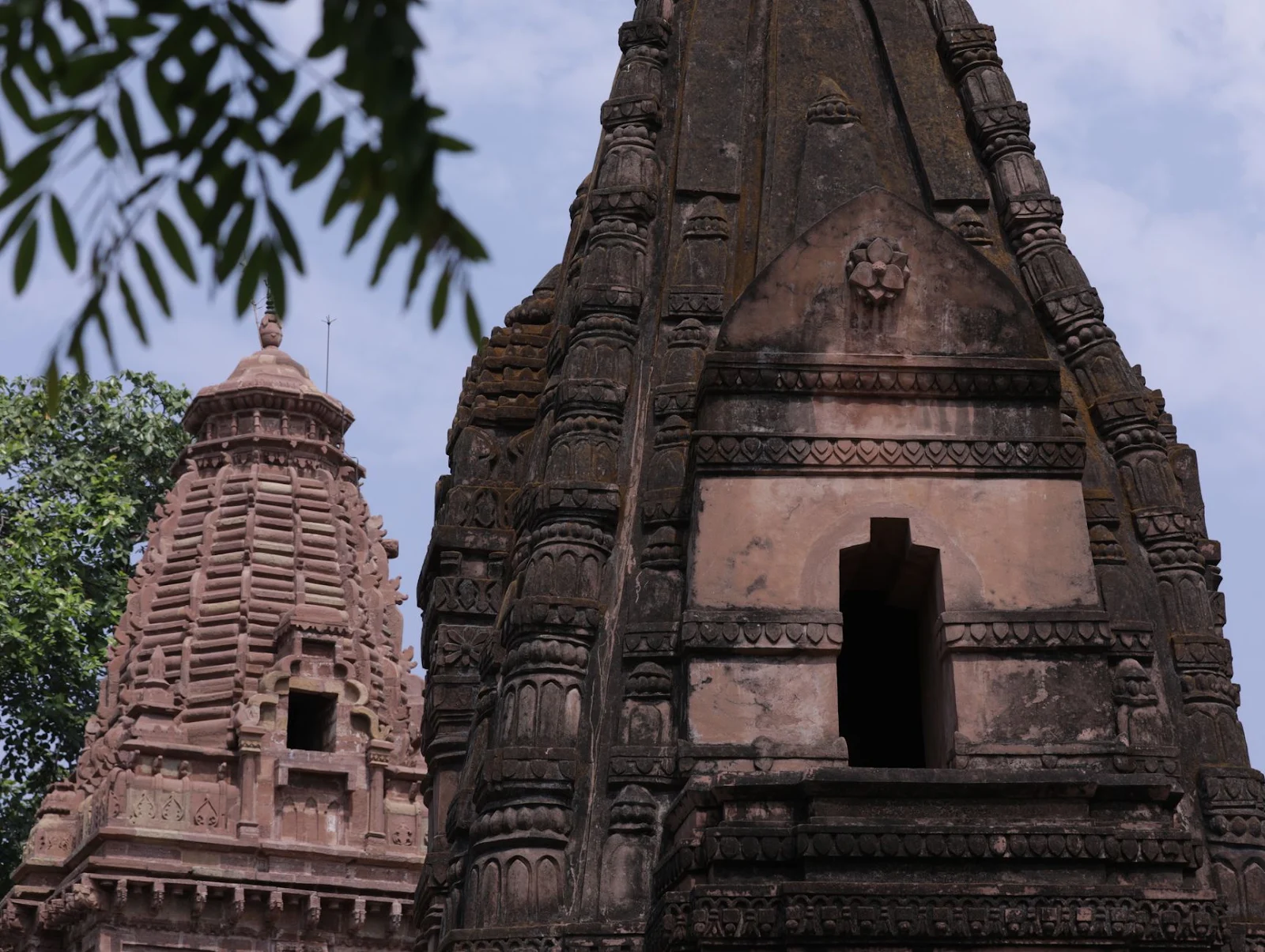
Sirpur was the ancient capital of South Kosala during the 5th–8th centuries CE. It is internationally celebrated for its harmonious blend of Hindu, Buddhist, and Jain monuments, notably the 7th-century brick Laxman Temple and large monastic complexes praised by Chinese chronicler Hiuen Tsang.
2. How far is Mahasamund from Raipur?
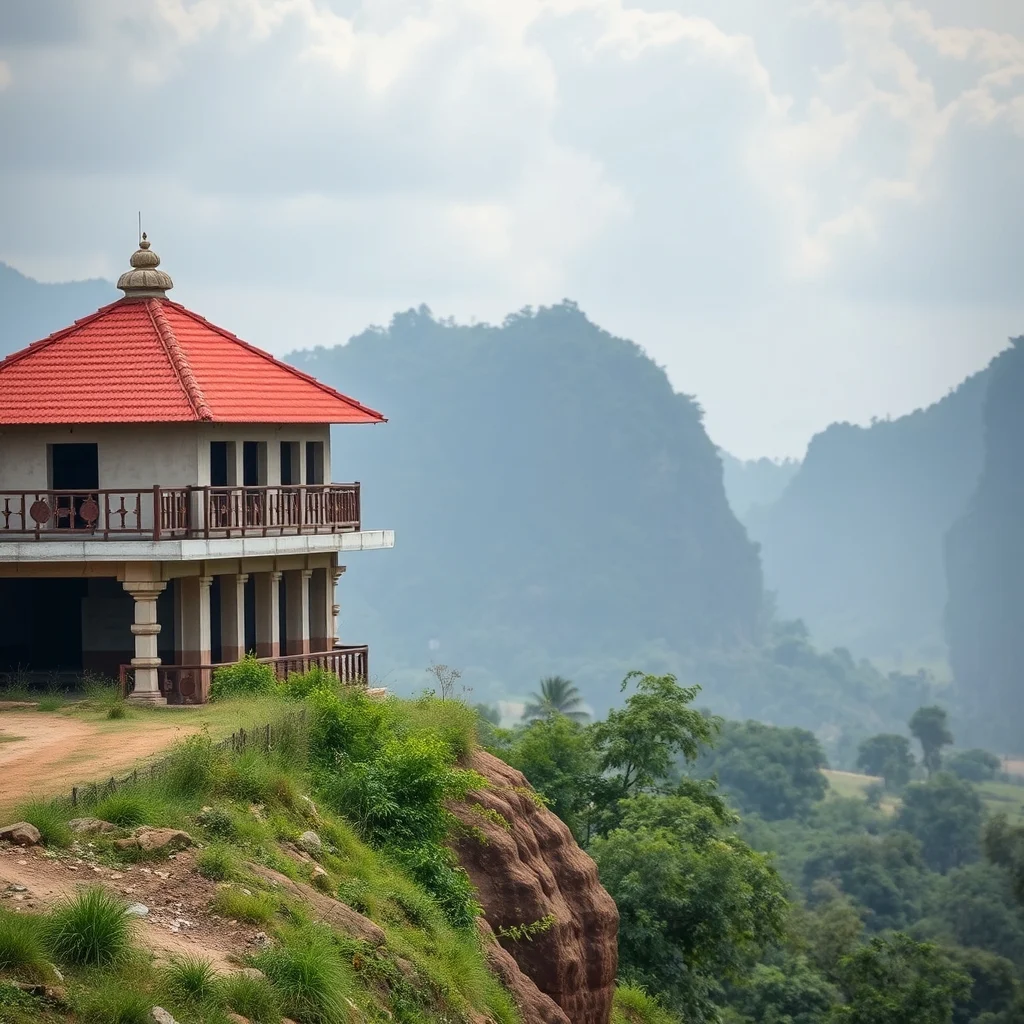
Mahasamund town is located approximately 55 km east of Raipur. The drive via National Highway 53 takes about 1 to 1.5 hours depending on traffic.
3. Is Barnawapara Wildlife Sanctuary open throughout the year?
No. Barnawapara Wildlife Sanctuary is open to visitors from November to June. It remains strictly closed during the monsoon season (usually from July 1 to October 31) for animal breeding and road maintenance.
4. Is the ropeway operational at Khallari Mata Temple?

Yes, an aerial ropeway operates at Khallari Mata Temple, making it easy for elderly visitors and families to reach the hilltop sanctum without climbing nearly 1,000 stairs.
5. Is it safe to see the bears at Chandi Mandir, Guchaapali?
Yes, the bears visit habitually every evening during the Aarti ritual without aggression. However, visitors must strictly adhere to forest and temple safety guidelines: maintain a safe physical distance, avoid flash photography, and never tease the animals.
6. Are there good accommodation options available in Mahasamund?
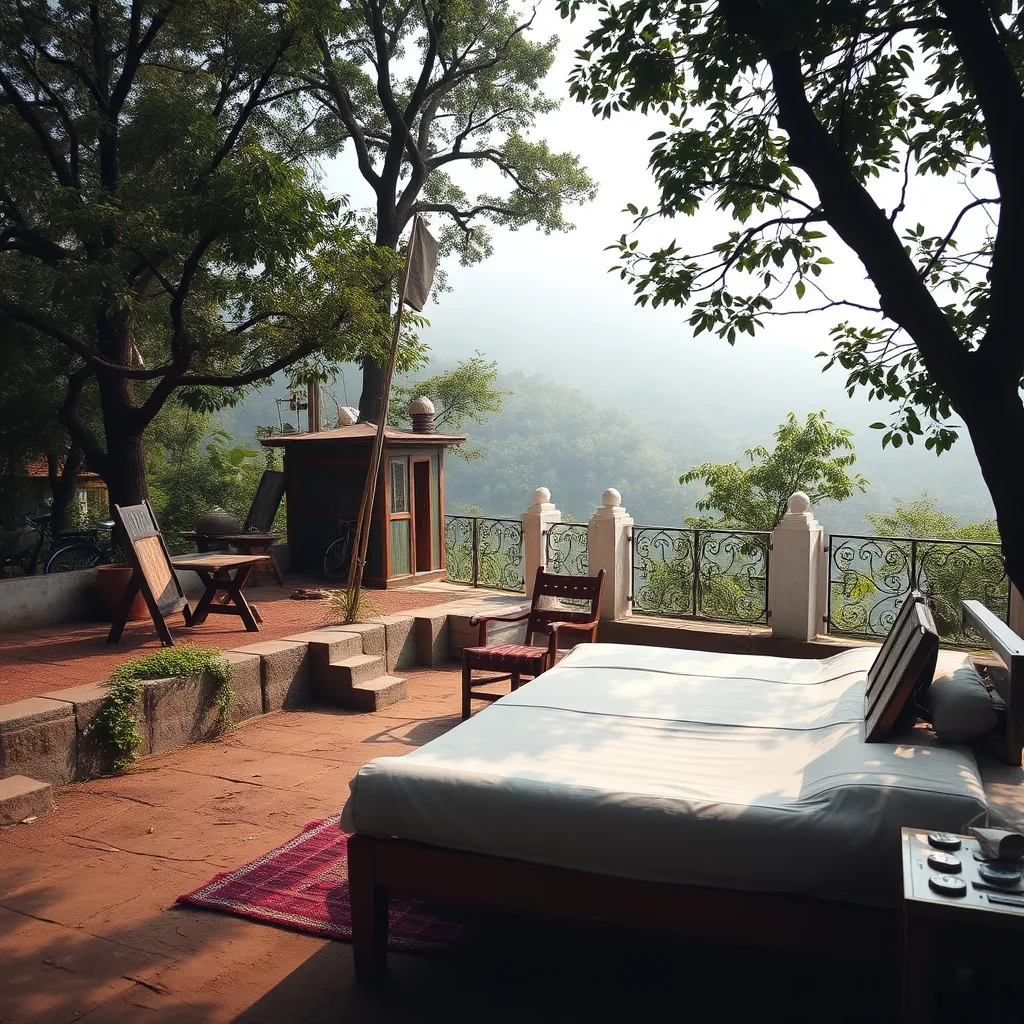
Yes. Visitors can choose from mid-range hotels in Mahasamund town, heritage and eco-resorts near Sirpur (such as the Chhattisgarh Tourism Board's Hiuen Tsang Tourist Resort), and forest cottages inside or near Barnawapara Sanctuary.
7. How many days are sufficient to explore the top attractions in Mahasamund?
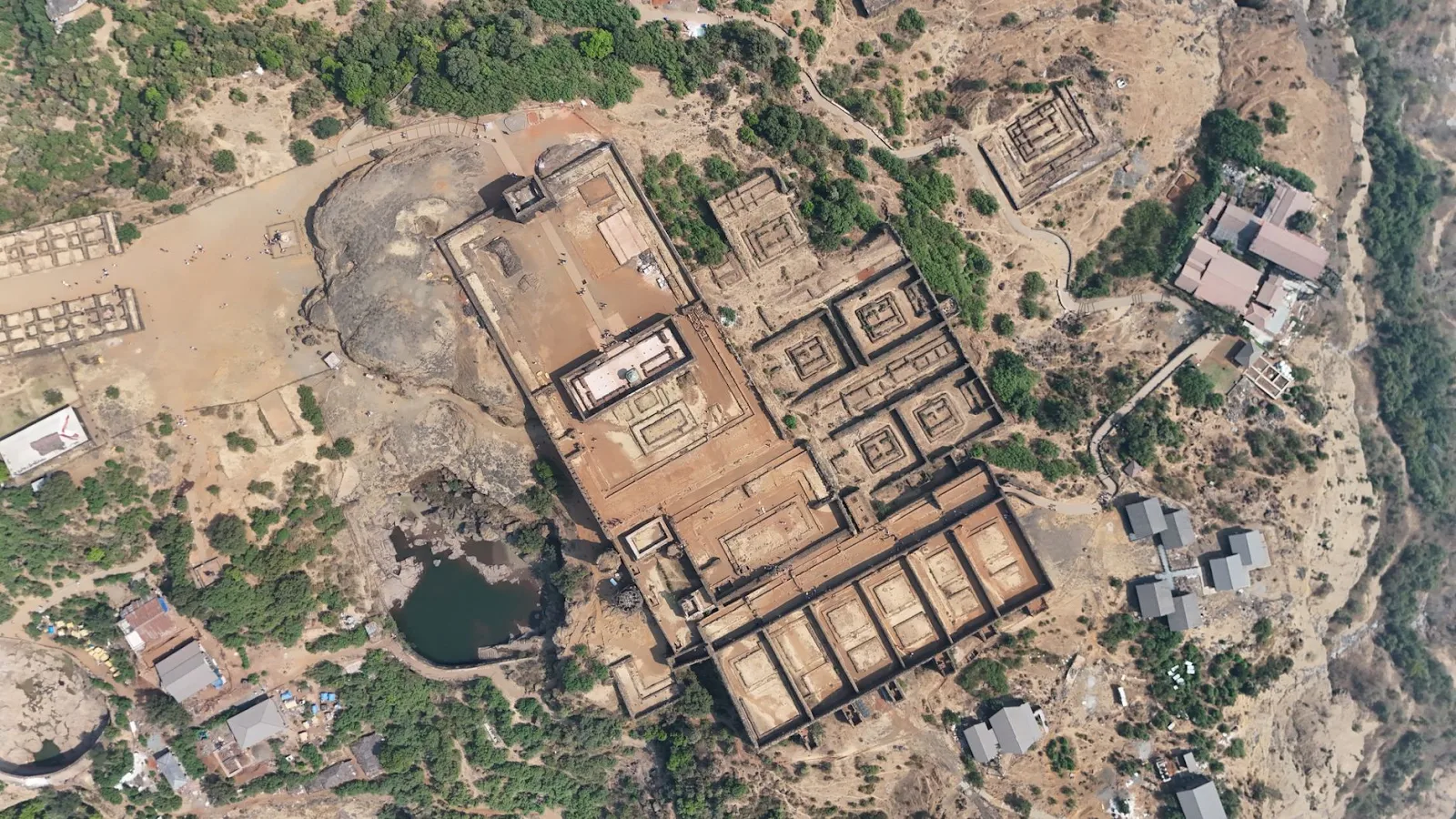
A well-planned 2-day, 1-night itinerary is ideal to comfortably experience Sirpur, Barnawapara Wildlife Sanctuary, Kodar Dam, Khallari Temple, and Guchaapali Chandi Mandir without rushing.
8. What souvenirs can I purchase in Mahasamund?
You can purchase authentic Chhattisgarhi bell-metal handicrafts (Dhokra art), terracotta pottery, handwoven tribal textiles, and natural forest products like wild honey and Mahua preserves from local artisans and weekly tribal haats.
Conclusion
Mahasamund is a destination that gracefully defies ordinary travel expectations. It is a region where ancient stone monuments narrate tales of enlightened kingdoms, where sacred hilltops echo with epic legends from the Mahabharata, and where wild forests still pulse with untouched natural life. From the architectural precision of the Laxman Temple in Sirpur to the thrilling wilderness trails of Barnawapara and the peaceful sunsets over Kodar Dam, this multifaceted district offers a rich tapestry of experiences.
Whether you are a devoted history enthusiast, a wildlife photographer, or an adventurous road-tripper seeking off-the-beaten-path wonders in Central India, Mahasamund welcomes you with open arms and warm hospitality. Pack your bags, set your coordinates for Chhattisgarh, and prepare to embark on an unforgettable journey through one of India’s most rewarding heritage corridors.



0 Comments