
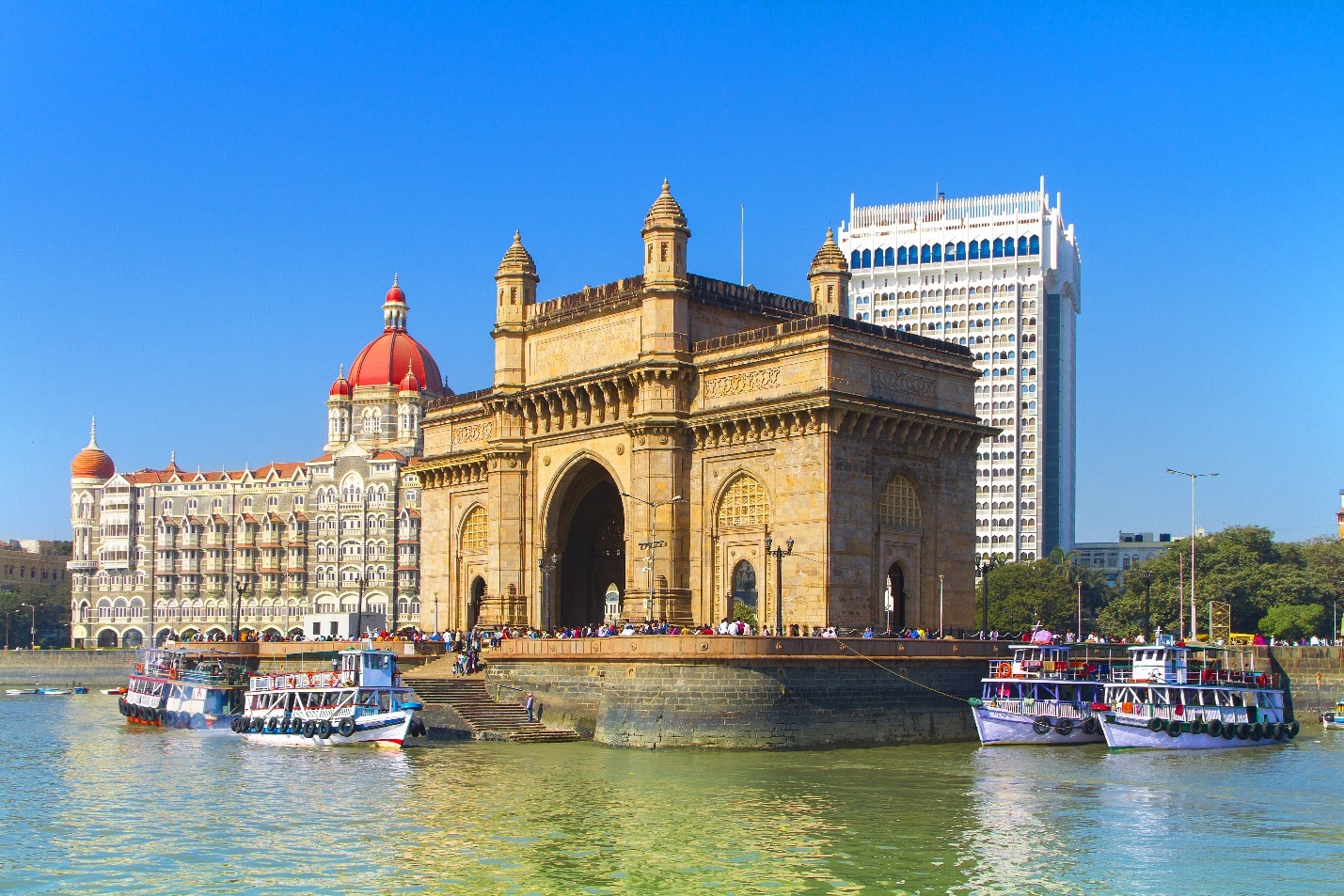
Top 5 Places to Visit in Mumbai City, Maharashtra: Your Ultimate Travel Guide
Mumbai, affectionately called the City of Dreams, is an intoxicating blend of heritage, glamour, commerce, and relentless energy. As the capital of Maharashtra and India’s financial powerhouse, this coastal mega-city offers a travel experience unlike any other in the country. From grand Victorian Gothic architecture built during the British Raj to peaceful ancient rock-cut caves hidden on island offshore, Mumbai balances its storied historical past with an unstoppable modern stride. Whether you are walking along the windy promenade of the Arabian Sea or navigating the heritage streets of South Bombay, every corner tells a compelling story of resilience, culture, and life.
For first-time visitors and seasoned travelers alike, narrowing down what to see in this sprawling urban landscape can be overwhelming. Mumbai's distinct neighborhoods each carry their own vibe—from the old-world charm of Fort and Colaba to the chic, trendy avenues of Bandra. To help you make the most of your trip, we have curated a comprehensive guide to the absolute top tourist places in Mumbai. These iconic landmarks showcase the historical depth, architectural brilliance, and coastal beauty that define Maharashtra's beloved capital.
In this ultimate guide, you will discover the top 5 places to visit in Mumbai city, alongside crucial travel tips, local food recommendations, budget advice, and a practical 2-day itinerary. Pack your bags and get ready to experience the sights, sounds, and flavors of India’s maximum city.
Table of Contents
- 1. Gateway of India
- 2. Marine Drive
- 3. Chhatrapati Shivaji Maharaj Terminus (CSMT)
- 4. Elephanta Caves
- 5. Bandra-Worli Sea Link & Bandra Fort
- Best Time to Visit Mumbai
- How to Reach Mumbai
- Famous Local Food in Mumbai
- 10 Essential Travel Tips for Mumbai Visitors
- Suggested 2-Day Mumbai Itinerary
- Frequently Asked Questions (FAQs)
- Conclusion
1. Gateway of India
Standing majestically at the edge of the Apollo Bunder waterfront overlooking the Arabian Sea, the Gateway of India is undoubtedly Mumbai’s most recognizable landmark. Built to commemorate the landing of King George V and Queen Mary in India in 1911, this massive archway was designed by Scottish architect George Wittet and completed in 1924. Constructed from yellow basalt stone and reinforced concrete, the structure stands at a height of 26 meters. Ironically, while it was built to welcome British royalty, it also served as the ceremonial exit point for the last British troops leaving India in 1948, marking the end of colonial rule. Today, it serves as the primary gathering point for locals, street photographers, vendors, and international tourists initiating their journey through South Mumbai.
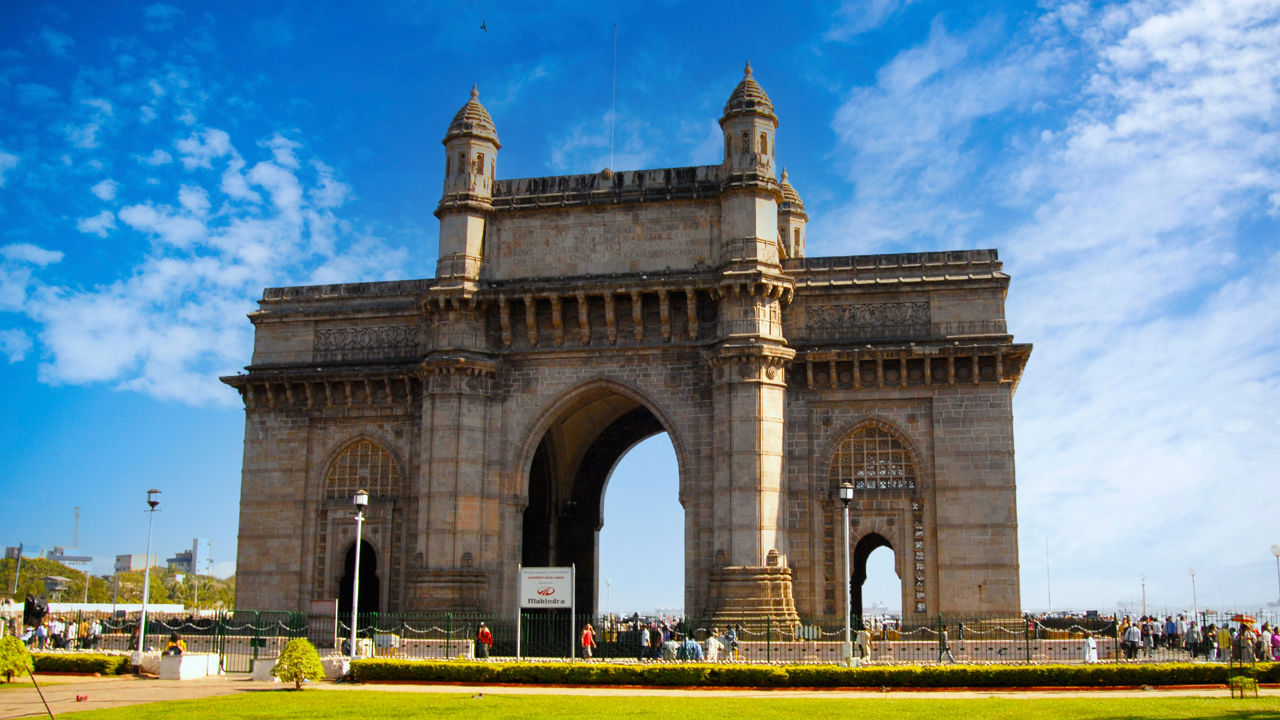
Why Visit Gateway of India
The Gateway of India is not just a photographic backdrop; it is the living heart of South Bombay’s heritage circuit. Visiting this monument gives you a front-row view of Mumbai's deep maritime history and grand architectural legacy. Standing beside it, you can gaze at the iconic Taj Mahal Palace Hotel, feel the cool sea breeze off the harbor, and watch ferries glide across the water toward nearby islands and coastal towns. It provides an energetic introduction to the chaotic charm and grandeur of the city.
Key Highlights & Things to Do
- Admire Indo-Saracenic Architecture: Observe the complex stonework that blends traditional Roman arch designs with intricate Gujarati and Islamic architectural elements.
- Take Photography & Harbor Views: Hire local street photographers for quick souvenir prints or capture stunning silhouettes of the arch during sunrise and sunset.
- Board a Ferry: Use the jetty right behind the monument to take scenic ferry trips across the harbor to Elephanta Island or Alibaug.
- Explore the Taj Mahal Palace: Walk across the plaza to admire the legendary luxury hotel opened in 1903, famous for its magnificent dome and historic elegance.
Visiting Hours, Entry Fee, and Location
- Location: Apollo Bandar, Colaba, South Mumbai.
- Timings: Open 24 hours daily (best visited early morning or late evening).
- Entry Fee: Free entry. Security screening is required at the entry gates.
2. Marine Drive
Stretching over 3.6 kilometers along the natural bay of the Arabian Sea, Marine Drive is a sweeping C-shaped boulevard connecting Nariman Point to the foot of Malabar Hill. Formally named Netaji Subhash Chandra Bose Road, this concrete promenade is one of the best places to visit in Mumbai for relaxing, people-watching, and enjoying open sea views. The arc is flanked by continuous Art Deco buildings on one side and the open sea on the other. At night, when the streetlights light up along the curved coast, the view from high ground resembles a sparkling strand of pearls, earning Marine Drive its famous title, "The Queen’s Necklace."

Why Visit Marine Drive
In a fast-paced city where space is at a premium, Marine Drive offers much-needed room to breathe. Locals from all walks of life gather along the wide promenade to catch up with friends, jog, listen to music, or simply sit on the concrete ledge facing the waves. It offers an incredible sunset view where the sky turns brilliant shades of orange and pink over the sea. Additionally, Marine Drive features the world’s second-largest collection of Art Deco architecture after Miami, making it a dream location for design and history enthusiasts.
Key Highlights & Things to Do
- Evening Walk along the Promenade: Enjoy a peaceful stroll while listening to the crashing waves and feeling the cool sea breeze.
- Watch the Sunset: Find a comfortable spot on the tetrapods or wall to watch the sun drop beneath the Arabian Sea horizon.
- Visit Girgaon Chowpatty: Walk to the northern end of Marine Drive to visit Chowpatty Beach, famous for bustling night markets and local street food stalls.
- Late-Night Hangout: Experience Mumbai's safe night culture as people gather along the drive late into the evening to enjoy hot cutting chai sold by cycle vendors.
Visiting Hours, Entry Fee, and Location
- Location: Netaji Subhash Chandra Bose Road, South Mumbai.
- Timings: Open 24 hours every day.
- Entry Fee: Free entry.
3. Chhatrapati Shivaji Maharaj Terminus (CSMT)
Chhatrapati Shivaji Maharaj Terminus, formerly known as Victoria Terminus (VT), is a UNESCO World Heritage site and one of the most magnificent functional railway stations on earth. Designed by British architect F. W. Stevens and completed in 1888 after ten years of construction, CSMT stands as an extraordinary fusion of Victorian Gothic Revival architecture and traditional Indian palace design. Serving as the operational headquarters of India's Central Railway, this bustling hub witnesses over one million commuters passing through its carved stone arches and platforms every single day, making it the pulse of Mumbai's transportation system.
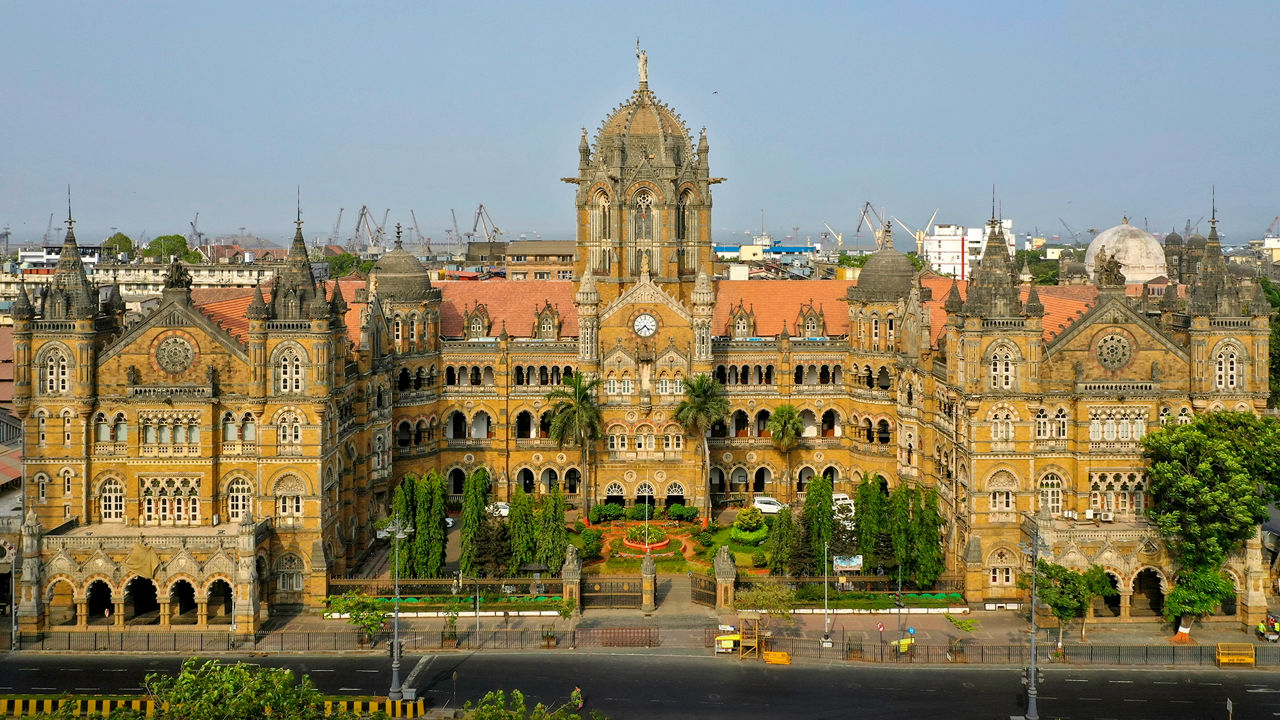
Why Visit Chhatrapati Shivaji Maharaj Terminus
CSMT is far more than just a train station; it is a masterwork of architectural engineering. The building features soaring stone domes, turreted towers, stained glass windows, carved stone lions, and ornamental brass railings. Viewing this historic palace-like structure amid the hustle of yellow-and-black cabs and local commuters offers a fascinating insight into Mumbai’s daily life and rich past. It is an essential stop for architectural lovers, history enthusiasts, and street photographers exploring South Mumbai’s heritage quarter.
Key Highlights & Things to Do
- Marvel at the Exterior Facade: Stand across the street near the BMC Headquarters to take in the full scale of the stone carvings, vaulted arches, and gargoyles.
- Night Lighting View: Visit after dark when the entire facade is illuminated with vibrant multi-colored lights, turning the historic station into a dazzling sight.
- Heritage Tour: Sign up for guided heritage walks (conducted on select days) to tour the interior museum and learn about early Indian railway history.
- Experience the Energy: Step inside the main terminal hall to observe the disciplined flow of thousands of commuters boarding Mumbai's legendary suburban trains.
Visiting Hours, Entry Fee, and Location
- Location: Chhatrapati Shivaji Maharaj Terminus Area, Fort, Mumbai.
- Timings: Open 24 hours for commuting. Exterior illumination is best viewed from 7:00 PM to 11:00 PM.
- Entry Fee: Free to view exterior. Platform ticket required to enter passenger train boarding areas.
4. Elephanta Caves
Located on Elephanta Island (locally known as Gharapuri) in the Mumbai Harbor, the Elephanta Caves are a complex of rock-cut cave temples dating back between the 5th and 8th centuries AD. Designated as a UNESCO World Heritage Site in 1987, these historic caves were hand-carved out of solid basalt rock and are primarily dedicated to the Hindu deity Lord Shiva. The Portuguese renamed the island 'Elephanta' after discovering a massive stone elephant sculpture near the landing dock during the 16th century. The centerpiece of the site is Cave 1, which houses the breathtaking 20-foot-tall relief sculpture of 'Sadashiva' or 'Trimurti', displaying the three faces of Shiva representing Creation, Preservation, and Destruction.
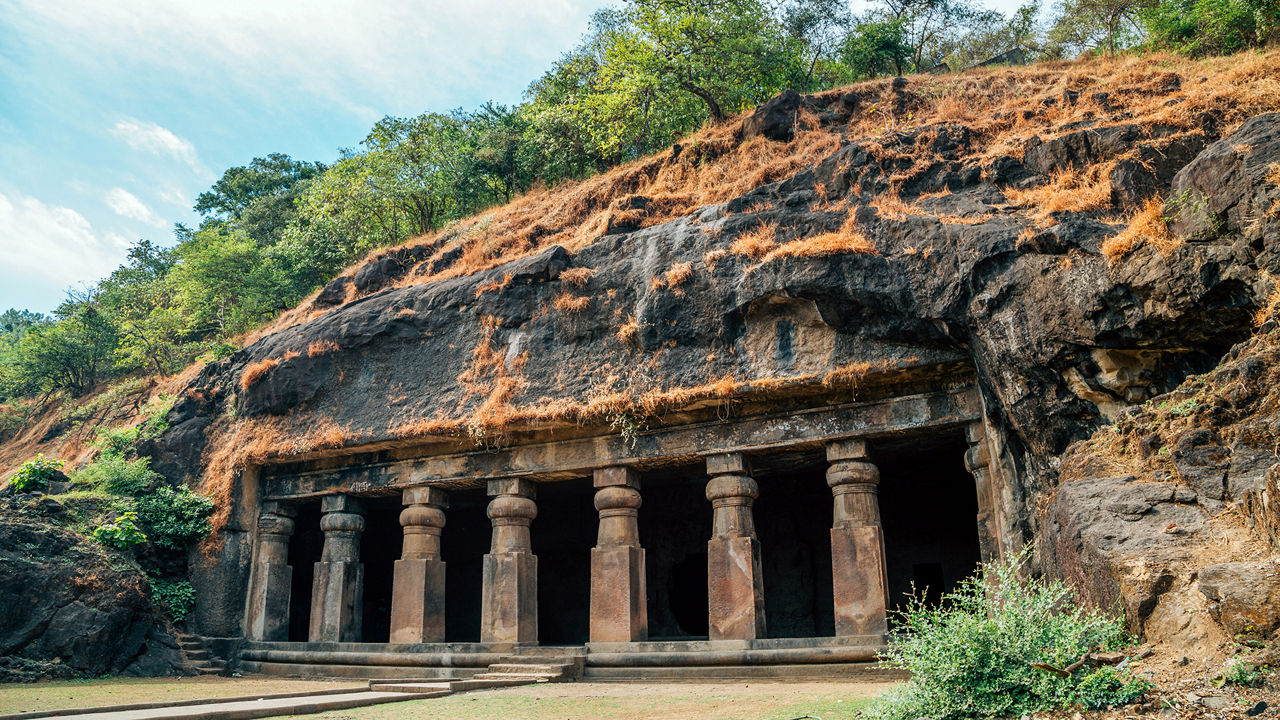
Why Visit Elephanta Caves
Visiting Elephanta Caves provides an incredible day-trip escape from the city’s noisy traffic. The journey begins with a pleasant one-hour ferry ride across the harbor from the Gateway of India, offering scenic water views of Mumbai’s coastline and naval dockyards. Once on the island, walking up the hillside steps leads you into cool stone chambers filled with ancient artwork, towering pillars, and relief sculptures that showcase the artistry of ancient India.
Key Highlights & Things to Do
- Scenic Ferry Ride: Enjoy views of ships, seagulls, and the city skyline during the boat trip across Mumbai Harbor.
- The Trimurti Sculpture: Stand in awe before the legendary three-headed bust of Shiva inside Great Cave 1, considered one of the masterpieces of Indian art.
- Explore Cave Complexes: Wander through the pillared halls, shrines, and side rock panels detailing mythological events.
- Toy Train Ride: Ride the miniature toy train operating along the island jetty from the ferry dock to the base of the hill steps.
Visiting Hours, Entry Fee, and Location
- Location: Elephanta Island, Mumbai Harbor (Ferries depart from Gateway of India).
- Timings: 9:30 AM to 5:30 PM (Closed on Mondays).
- Entry & Boat Fee: Ferry return ticket costs around ₹260. Cave entry fee is ₹40 for Indian citizens and ₹600 for foreign visitors.
5. Bandra-Worli Sea Link & Bandra Fort
The Bandra-Worli Sea Link (officially called Rajiv Gandhi Sea Link) is a modern engineering masterpiece that spans across the waters of Mahim Bay. This eight-lane cable-stayed bridge connects the western suburb of Bandra with Worli in South Mumbai, dramatically reducing travel time between the two districts. For the absolute best viewpoint of this modern icon, head to Bandra Fort (Castella de Aguada), a historic 17th-century Portuguese watchtower located at Land's End in Bandra. Standing on the historic stone ramparts of the fort while looking out over the sea link creates an unforgettable contrast between ancient history and contemporary urban infrastructure.
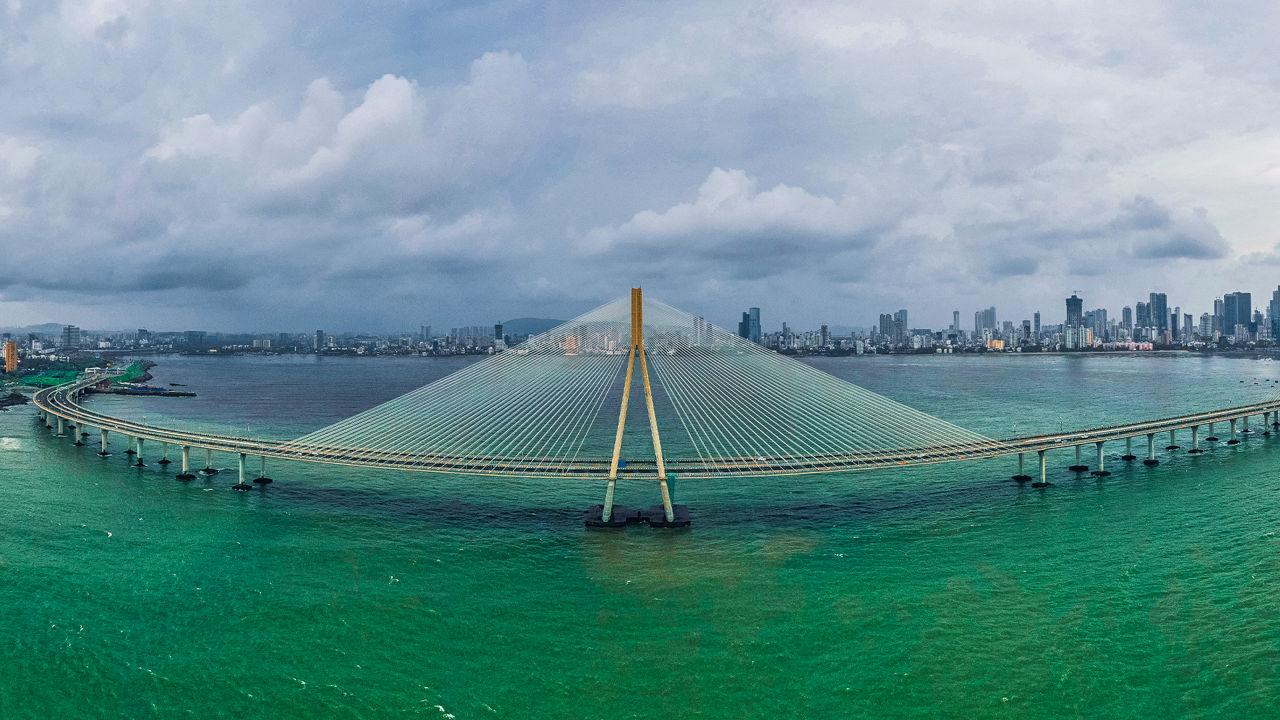
Why Visit Bandra-Worli Sea Link & Bandra Fort
This location highlights the dynamic twin personalities of Mumbai. Bandra Fort provides a tranquil coastal vantage point where visitors can watch waves crash over rocky ledges, take in sweeping oceanic views, and watch sunset colors light up the massive cable towers of the bridge. After visiting the fort, you can step right into the stylish neighborhood of Bandra, known for its trendy cafes, vibrant street murals, colonial-era Portuguese villages, and shopping streets.
Key Highlights & Things to Do
- Panoramas from Bandra Fort: Walk along the centuries-old Portuguese ruins and capture sweeping panoramic photos of the bridge crossing the ocean.
- Drive Across the Sea Link: Take a cab drive across the 5.6 km bridge to experience smooth travel and magnificent views of the city's coastal skyline.
- Explore Pali Hill & Bandra Bandstand: Take a walk along the Bandstand promenade, home to the luxury residences of famous Bollywood actors.
- Discover Street Art: Walk through Chapel Road and Ranwar Village in Bandra to view colorful artistic street murals on old heritage homes.
Visiting Hours, Entry Fee, and Location
- Location: Land's End, Bandstand, Bandra West, Mumbai.
- Timings: Bandra Fort is open daily from 6:00 AM to 6:30 PM. The Sea Link is open 24 hours for vehicles.
- Entry Fee: Bandra Fort is free. Toll charges apply for vehicles crossing the Sea Link.
Best Time to Visit Mumbai
Mumbai experiences a tropical climate, meaning it remains warm and humid throughout much of the year. Choosing the right season to visit will greatly impact your sightseeing comfort and travel experience.
- Winter (November to February) - BEST TIME: This is the ideal weather window for exploring the top tourist places in Mumbai. Daily temperatures range between comfortable highs of 28°C and cool night lows of 18°C. Humidity levels drop significantly, making walking tours, boat rides, and outdoor sightseeing pleasant throughout the day.
- Monsoon (June to September): Mumbai’s monsoons are famous for heavy downpours that transform the surrounding Western Ghats green. While Marine Drive and coastal points look dramatic with huge crashing waves, persistent rain can disrupt city transportation, flood low-lying streets, and make sightseeing tricky. Visit during this season only if you enjoy lush rain views and don't mind carrying wet weather gear.
- Summer (March to May): Summers in Mumbai are hot, with temperatures frequently reaching 35°C paired with very high coastal humidity. Outdoor activities during daytime hours can feel exhausting. If visiting in summer, plan your outdoor walks for early mornings or late evenings and reserve afternoons for indoor museums, air-conditioned malls, and shaded cafes.
How to Reach Mumbai
As India’s principal commercial center, Mumbai possesses world-class transportation infrastructure connecting it seamlessly to domestic and global destinations.
By Air
Chhatrapati Shivaji Maharaj International Airport (BOM) is one of India's busiest aviation hubs. Terminal 2 handles international flights and major domestic carriers, while Terminal 1 handles domestic budget airlines. The airport is located centrally in Santacruz/Andheri, with easy access to prepaid taxis, app-based cabs (Uber/Ola), and local transport into South Mumbai or the suburbs.
By Train
Mumbai is the headquarters for both the Central and Western Railway zones. The city features major long-distance train terminals including Chhatrapati Shivaji Maharaj Terminus (CSMT), Mumbai Central, Dadar, Lokmanya Tilak Terminus (LTT), and Bandra Terminus. Express trains connect Mumbai to major cities across India daily.
By Road
Mumbai is connected by well-maintained national highways, including the Mumbai-Pune Expressway and NH 48. Government-operated MSRTC buses and luxury private coaches run regular services to Mumbai from neighboring cities such as Pune, Nashik, Goa, Ahmedabad, and Mahabaleshwar.
Getting Around the City
- Local Trains: The lifeline of Mumbai. Fast and affordable, though best avoided during peak morning (8:00 AM–10:30 AM) and evening (5:30 PM–8:30 PM) commute hours.
- Auto-Rickshaws: Metered and economical. They operate strictly in the suburbs (north of Sion and Mahim) but are not permitted in South Mumbai.
- Kaali-Peeli Taxis & Cabs: Iconic black-and-yellow metered non-AC taxis run everywhere in South Mumbai. App cabs like Uber and Ola are widely available citywide.
- Metro: Rapidly expanding modern underground and elevated train networks connecting the eastern and western suburbs comfortably.
Famous Local Food in Mumbai
No journey through Mumbai is complete without diving into its legendary street food culture and dining scene. The culinary landscape reflects the city's diverse melting pot of communities.
- Vada Pav: Known as Mumbai's ultimate street food burger. It consists of a deep-fried spiced potato dumpling (vada) tucked inside a soft bread roll (pav), served with spicy garlic and sweet tamarind chutneys. Check out Ashok Vada Pav near Kirti College in Dadar.
- Pav Bhaji: A thick, buttery mash of spiced seasonal vegetables served piping hot with pan-toasted buttered pav, fresh chopped onions, and a squeeze of lemon. Try it at Cannon Pav Bhaji opposite CSMT or Amar Juice Centre in Vile Parle.
- Bombay Sandwich: Fresh white bread layered with sliced boiled potatoes, cucumber, tomatoes, beetroots, soft cheese, and freshly ground green mint chutney, toasted on a charcoal grill.
- Irani Cafe Classics: Visit historic heritage cafes like Kyani & Co. or Cafe Britannia to sample Bun Maska (buttered sweet bun) dipped in hot Irani Chai, Berry Pulao, Keema Pav, and fresh Maska Khari.
- Coastal Seafood delicacies: Sample authentic Malvani, Koli, and Mangalorean seafood dishes like Crispy Bombil Fry (Bummalow), Surmai Curry, and Prawn Koliwada at Gajalee, Trishna, or Mahesh Lunch Home.
10 Essential Travel Tips for Mumbai Visitors
- Avoid Rush Hour Trains: Unless you want to experience intense crowding, avoid taking Mumbai local trains during peak rush hours (8:00 AM to 10:30 AM and 5:30 PM to 8:30 PM).
- Stay Near Your Focus Area: Traffic delays can slow down road journeys across town. Choose accommodation in South Mumbai (Colaba/Fort) for heritage sights, or Bandra/Juhu for nightlife and airport proximity.
- Carry Cash for Small Purchases: While digital payments via UPI are accepted nearly everywhere, keeping small cash notes handy is useful for buying local train tickets, bottled water, or paying metered auto drivers.
- Drink Bottled Water: Stick to sealed, branded bottled mineral water during your travels to avoid stomach bugs, especially when trying street foods.
- Dress Comfortably: Wear light, breathable cotton clothes suitable for humid weather. Pack comfortable walking shoes, as explore heritage districts require plenty of walking.
- Use Metered Taxis and Autos: Always insist that black-and-yellow taxis and auto-rickshaws run on the official fare meter rather than negotiating flat fixed rates.
- Respect Local Customs at Religious Sites: Dress modestly (covering knees and shoulders) when visiting places of worship like Haji Ali Dargah, Siddhivinayak Temple, or Mount Mary Church.
- Bargain Respectfully at Markets: When shopping at Colaba Causeway or Fashion Street, polite negotiation can help you get reasonable prices on street clothes and souvenirs.
- Plan Monday Travel Carefully: Many state-run museums, art galleries, and historic sites (including Elephanta Caves) remain closed on Mondays.
- Keep a Monsoon Umbrella Ready: If traveling between June and September, always keep a sturdy umbrella or rain jacket in your daypack, as rain showers can start suddenly.
Suggested 2-Day Mumbai Itinerary
Day 1: South Mumbai Heritage, History & Coastal Views
- 8:30 AM: Start your day with early morning breakfast (Bun Maska & Chai) at a historic Irani cafe like Kyani & Co. near Marine Lines.
- 9:30 AM: Walk to Chhatrapati Shivaji Maharaj Terminus (CSMT) to photograph the Victorian Gothic heritage exterior and bustling terminal interior.
- 11:00 AM: Stroll through the historic Fort area, passing St. Thomas Cathedral, Flora Fountain, and Kala Ghoda art precinct.
- 1:00 PM: Enjoy a classic seafood or Thali lunch at a local restaurant in Fort or Colaba.
- 2:30 PM: Visit the iconic Gateway of India and admire the nearby Taj Mahal Palace Hotel. Shop for souvenirs along Colaba Causeway market.
- 5:30 PM: Head to Marine Drive just before sunset. Sit along the sea wall, enjoy fresh street food at Girgaon Chowpatty, and watch the Queen's Necklace lights turn on.
Day 2: Ancient Caves, Coastal Forts & Trendy Suburbs
- 9:00 AM: Board the morning ferry from Gateway of India dock for a scenic 1-hour cruise across the harbor to Elephanta Caves. Spend 2-3 hours exploring the rock-cut cave temples.
- 1:30 PM: Return by ferry to South Mumbai and grab a quick lunch.
- 3:00 PM: Take a cab across the architectural marvel, the Bandra-Worli Sea Link, toward the western suburbs.
- 4:30 PM: Explore Bandra Fort at Land's End and take in panoramic afternoon views of the sea link and city coast. Walk along Bandra Bandstand promenade.
- 6:30 PM: Spend your evening walking through the street art lanes of Pali Hill and Chapel Road. End your trip enjoying dinner and local nightlife at one of Bandra's modern bistros or cafes.
Frequently Asked Questions (FAQs)
1. Is Mumbai safe for solo female travelers?
Yes, Mumbai is widely regarded as one of the safest major cities for women travelers in India. The city stays active late into the night, and public transport is well-policed. Standard safety precautions still apply: avoid quiet, unlit areas after dark and use verified cab services for late-night transportation.
2. How many days are sufficient to explore Mumbai?
A 2 to 3-day itinerary is sufficient to cover the main highlights, including the top places to visit in Mumbai, famous heritage monuments, coastal promenades, and local food markets. If you wish to visit museums, shopping districts, and nearby hill stations, plan for a 4 to 5-day stay.
3. What is the cheapest mode of transport in Mumbai?
Mumbai's local suburban trains and local BEST buses are extremely affordable, with ticket prices starting at just a few rupees. Auto-rickshaws in the suburbs and metered black-and-yellow taxis in South Mumbai are also economical options compared to private cars.
4. Are cameras allowed inside Elephanta Caves?
Yes, still photography is allowed inside the Elephanta Caves complex. However, using tripods, flash lights, and commercial video cameras inside the main cave chambers requires prior official permits from authorities.
5. Why is Marine Drive called the Queen's Necklace?
When viewed at night from an elevated spot like Malabar Hill or the end of the arc, the row of streetlights lining the curved 3.6 km promenade creates the visual appearance of a sparkling string of pearls or a diamond necklace.
6. Can visitors enter the Taj Mahal Palace Hotel?
Non-resident guests can enter the public spaces, heritage lobby, shopping arcades, and restaurants inside the Taj Mahal Palace Hotel in Colaba, provided they comply with smart-casual dress codes and standard security checks at the entrance.
7. Is Mumbai local train travel advisable for tourists?
Yes, riding a local train is a classic Mumbai experience. However, tourists are advised to ride during non-peak hours (between 11:30 AM and 4:00 PM) and purchase First Class or AC local tickets for a less crowded experience.
8. What should I buy when shopping in Mumbai?
Popular souvenir purchases include leather goods from Dharavi markets, trendy budget apparel from Colaba Causeway and Hill Road, traditional Maharashtrian Paithani sarees, vintage posters from Chor Bazaar, and local Indian spices.
Conclusion
Mumbai is far more than just a destination; it is an incredible experience that leaves a lasting impression on every traveler. From the historic grandeur of the Gateway of India and Chhatrapati Shivaji Maharaj Terminus to the modern engineering marvel of the Bandra-Worli Sea Link, the city seamlessly bridges its proud history with a ambitious vision for the future. Whether you choose to unwind along the sea wall at Marine Drive, explore ancient carved art inside the Elephanta Caves, or sample spicy local street delicacies like Vada Pav, Mumbai offers endless discoveries at every step.
By planning your trip between November and February, using local metered transport, and taking time to explore both South Mumbai’s heritage corners and Bandra's modern coastal streets, you will discover why this vibrant harbor city captures hearts across the globe. Use this travel guide to plan your journey, step out with curiosity, and immerse yourself in the unique rhythm of India's maximum city.



0 Comments