
Top 5 Places to Visit in Latur, Maharashtra: A Complete Travel Guide
Located in the south-eastern region of Maharashtra, Latur is a city where history, spirituality, and unique regional culture intersect. Historically ruled by the Rashtrakutas, the Chalukyas, the Yadavas, and later the Bahmani Sultans and Marathas, Latur has played a pivotal role in shaping the political landscape of the Marathwada region. Today, it stands as a bustling hub known for its rich agricultural output, distinctive town planning, and impressive historical landmarks that quietly showcase centuries of Indian architectural evolution.
If you are planning an offbeat trip through Maharashtra, exploring the best places to visit in Latur offers a deeply authentic travel experience away from overcrowded tourist tracks. From grand land forts that witnessed game-changing Maratha battles to centuries-old rock-cut caves carved into basalt hills, the district holds remarkable sights for history buffs, spiritual seekers, and casual travelers alike. Beyond its stone structures, Latur introduces visitors to warm Maharashtrian hospitality, vibrant local markets, and spicy Marathwadi cuisine that leaves a lasting impression.
In this travel guide, we will explore the top tourist places in Latur, detailing their historical significance, visitor guidelines, entry fees, and travel logistics. Whether you are spending a weekend or planning an extended Marathwada itinerary, this comprehensive resource will help you navigate the top attractions in Latur efficiently.
Table of Contents
- 1. Latur Fort (Bhuikot Fort)
- 2. Udgir Fort
- 3. Kharosa Caves
- 4. Ganj Golai
- 5. Siddheshwar and Ratneshwar Temple
- Best Time to Visit Latur
- How to Reach Latur
- Local Food and Culinary Highlights
- 10 Essential Travel Tips for Latur
- Suggested 2-Day Latur Itinerary
- Frequently Asked Questions (FAQs)
- Conclusion
1. Latur Fort (Bhuikot Fort)
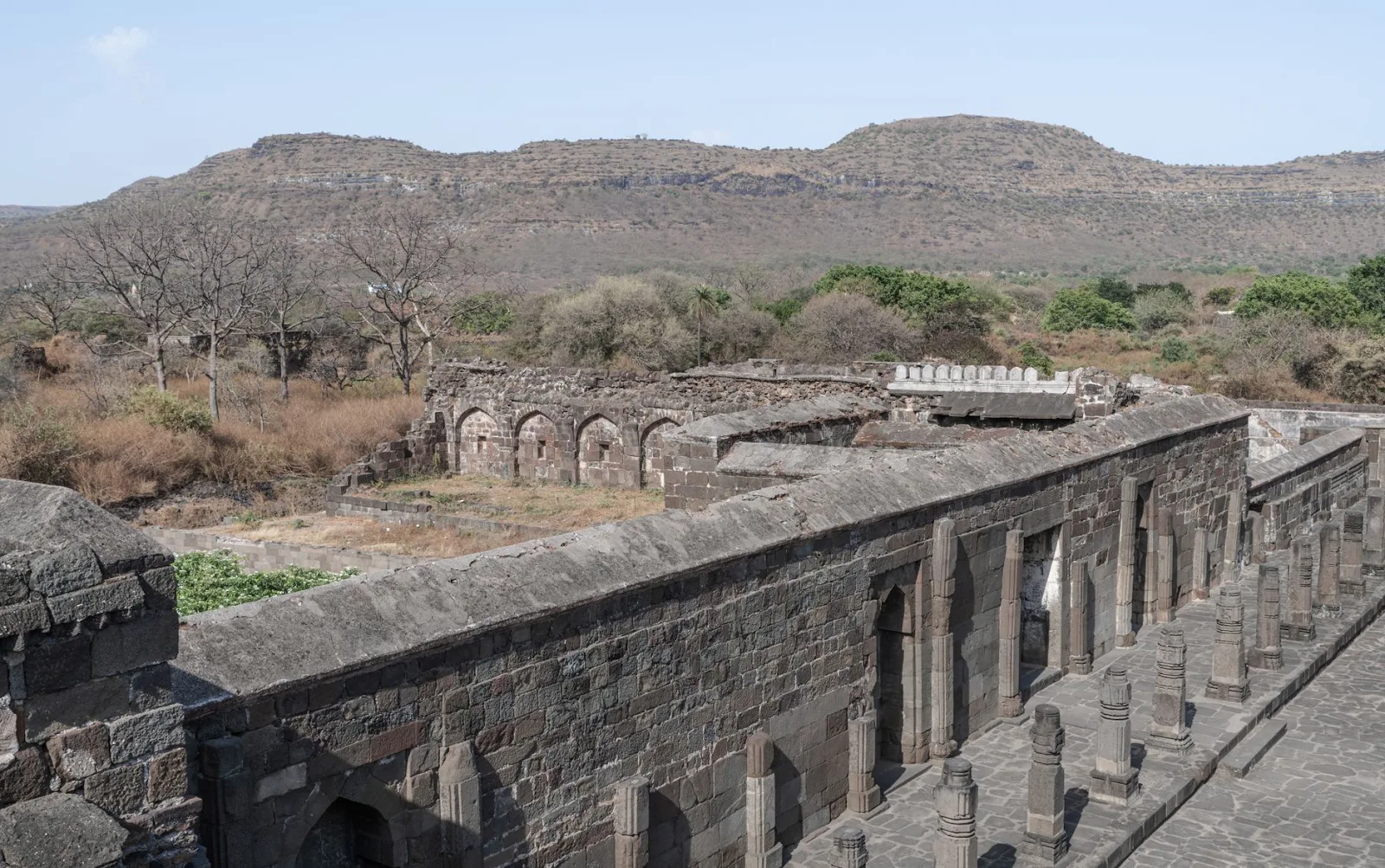
Situated within the city premises, Latur Fort, commonly referred to as the Bhuikot Fort, is an imposing example of medieval military engineering. Unlike hill forts built atop high peaks, land forts or 'Bhuikot' structures were constructed on flat terrain and relied heavily on massive outer walls, bastions, and deep surrounding moats for defensive protection.
The fort is characterized by thick stonework walls, arched gateways, and ruined bastions that reflect the architectural style of the Bahmani and Maratha eras. Although time and neglect have weathered parts of the interior complex, walking around the peripheral ramparts offers a vivid sense of medieval military strategy. The surrounding moat area has undergone local beautification, making it a peaceful location for evening walks and photography.
History & Significance
Latur Fort traces its origins to the medieval period, believed to have been initially fortified during the Rashtrakuta dynasty and later modified under the Bahmani Kingdom and the Marathas. It served as a strategic outpost for controlling trade routes across Marathwada and maintaining military command over the surrounding agricultural plains.
Best Time to Visit
The ideal time to explore Latur Fort is between October and February. The winter climate ensures comfortable walking conditions around the outer walls and grounds without intense heat exposure.
Things to Do
- Walk along the stone ramparts and examine the defensive military architecture.
- Explore the circular bastions and arched entry points.
- Capture photographs of the fort structure against the morning or evening sky.
- Enjoy the quiet green surroundings near the fort moat area.
Entrance Fee & Timings
- Entry Fee: Free entry for all visitors.
- Timings: 6:00 AM – 6:00 PM (Daily).
How to Reach
Latur Fort is located inside Latur city, roughly 3 km from the central bus stand and 4 km from the Latur Railway Station. Auto-rickshaws and local city buses connect the site directly to all major neighborhoods.
2. Udgir Fort
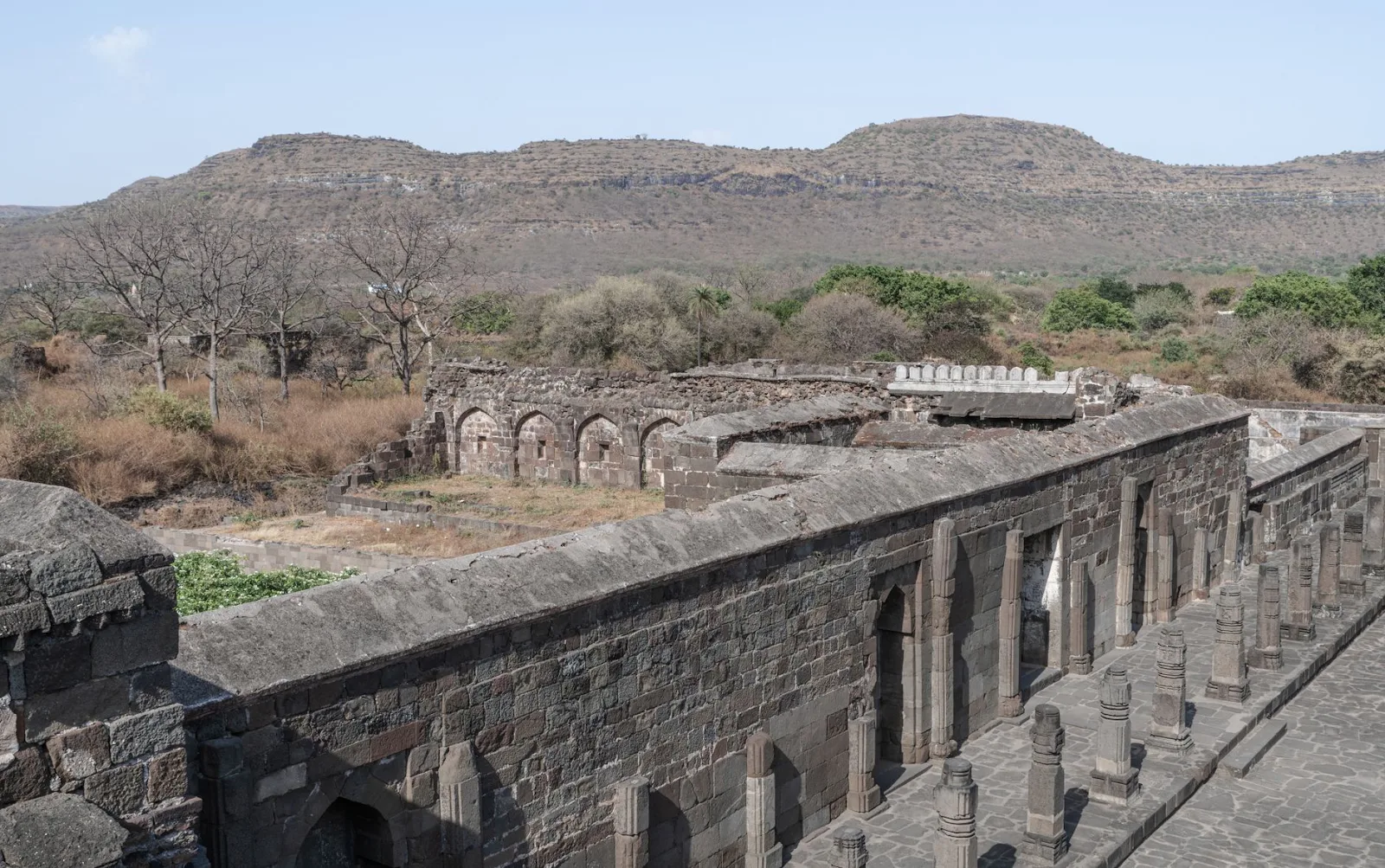
Located in the town of Udgir, roughly 60 kilometers from Latur city, Udgir Fort is undoubtedly one of the most historically prominent military structures in the Marathwada region. Surrounded by a 40-foot-deep ditch, this expansive fort complex features multi-layered fortification walls, sunken courtyards, and underground passages designed to withstand prolonged military sieges.
Inside the fort complex lies the sacred Samadhi of Rishi Udayagiri, a revered deep underground shrine from which the town gets its name. The fort also houses several Islamic architectural remains, including palaces, halls, and inscriptions in Persian and Arabic. Exploring Udgir Fort requires at least two hours due to its grand scale and detailed architectural elements.
History & Significance
Udgir Fort is historically famous for the historic Battle of Udgir fought in 1760. In this historic conflict, Maratha forces led by Sadashivrao Bhau decisively defeated the Nizam of Hyderabad, resulting in the signing of the Treaty of Udgir. This victory marked the peak of Maratha territorial influence across the Deccan region before the Third Battle of Panipat.
Best Time to Visit
Visit between November and March, when the temperatures are moderate. Early mornings offer the best atmosphere for exploring the open fort premises without direct sun exposure.
Things to Do
- Descend into the underground shrine of Saint Udayagiri.
- Inspect the deep outer moat system and massive stone ramparts.
- Study the historical inscriptions etched into Persian and Arabic stone slabs.
- Enjoy panoramic views of Udgir town from the upper fort walls.
Entrance Fee & Timings
- Entry Fee: Free.
- Timings: 8:00 AM – 6:00 PM.
How to Reach
Udgir is well-connected to Latur city via Maharashtra State Road Transport Corporation (MSRTC) buses and private taxis. The drive via the Latur-Udgir Highway takes approximately 1.5 hours. Udgir also has its own railway station connected to major regional cities.
3. Kharosa Caves
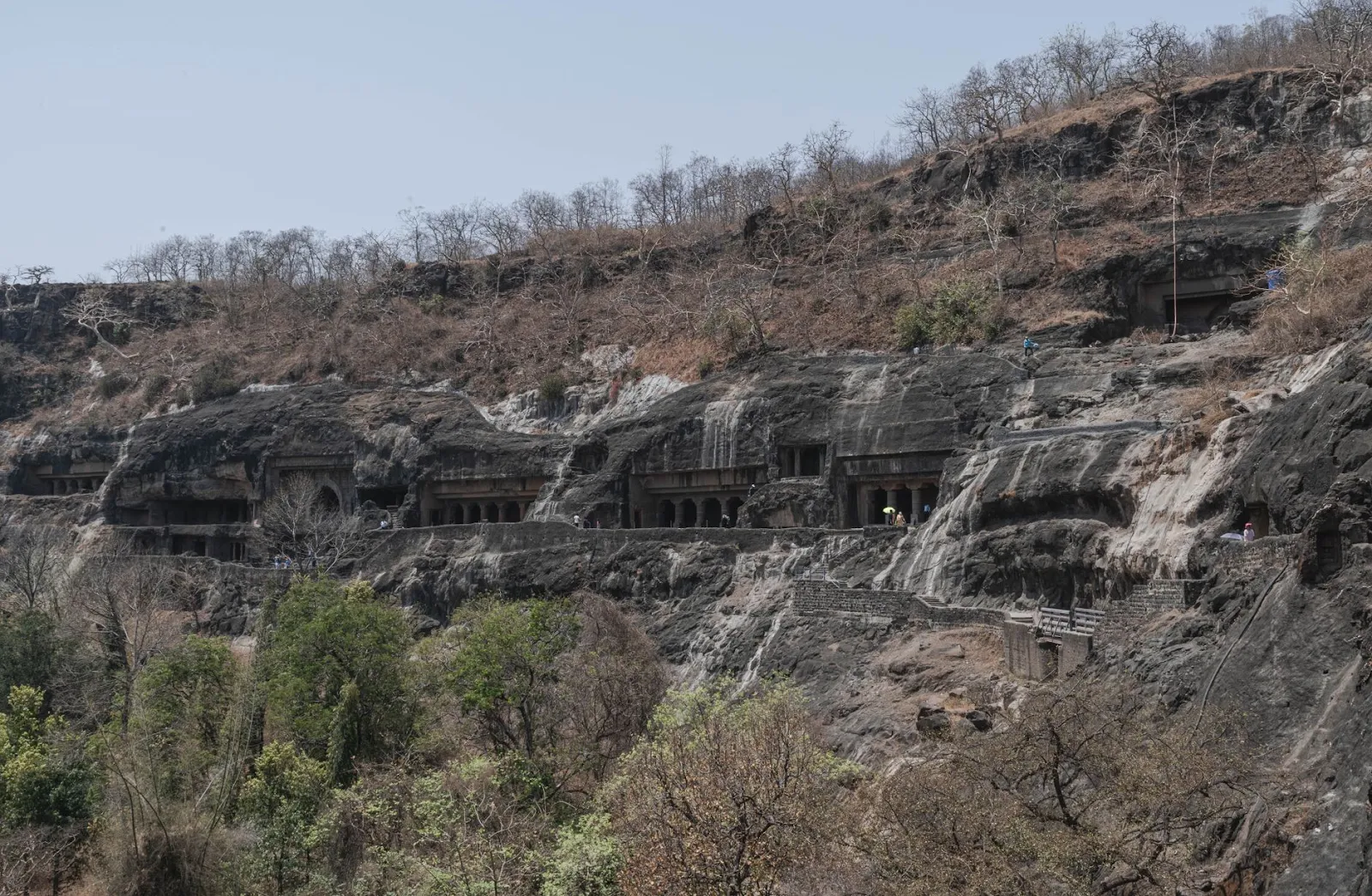
Situated near Kharosa village, about 45 kilometers from Latur city, Kharosa Caves are a set of 12 rock-cut cave shrines excavated into a laterite basalt hill. Dating back to the 6th century CE during the Chalukya era, these caves represent a remarkable fusion of Hindu and Jain artistic traditions in ancient Marathwada.
The cave complex features detailed stone relief sculptures depicting classical Hindu mythology. Major carvings include detailed panels of Lord Vishnu in his Narasimha incarnation, Lord Shiva, Goddess Durga, and various Jain Tirthankaras. A striking feature on top of the hill is a painted stone sculpture of a Yaksha and a massive ancient stone reservoir that continues to retain water long after the monsoon season ends.
History & Significance
Carved around the 6th–7th century CE, the Kharosa Caves served as important monastic retreats and spiritual shrines along trade routes connecting central Maharashtra to Karnataka. The sculptural art highlights the architectural transition between early rock-cut traditions and classical medieval Indian stone craftsmanship.
Best Time to Visit
The monsoon season (July to September) and early winter (October to December) are the best times to visit Kharosa Caves. The surrounding hill turns bright green during the rains, adding natural scenery to the historic excursion.
Things to Do
- Examine the ancient rock reliefs depicting Lord Shiva, Vishnu, and Jain icons.
- Climb to the top of the hill to view the giant Yaksha statue and open landscape.
- Explore the ancient water collection systems built into the rock bed.
- Photograph the weathered red rock structures against the countryside backdrop.
Entrance Fee & Timings
- Entry Fee: Free.
- Timings: 8:00 AM – 6:00 PM (Daily).
How to Reach
Kharosa Caves are located on the Latur-Nilanga route. Visitors can hire a private taxi or take a state transport bus from Latur Bus Stand heading towards Nilanga, requesting a drop-off at Kharosa village, followed by a short local auto ride or walking trek to the hill base.
4. Ganj Golai

Ganj Golai is the commercial and urban heart of Latur city. It is not merely a central market, but a brilliant example of early 20th-century urban planning. Designed in 1917 by architect Shri Fayazuddin under the patronage of local rulers, Ganj Golai features a central circular multi-storied structure from which 16 major roads radiate outwards in a symmetrical wheel pattern.
The central building houses a temple dedicated to Goddess Jagdamba (Durga) on its upper level, while the surrounding radiating streets are dedicated to specific commercial trades. From gold jewelry, silk sarees, and traditional footwear to spices, pulses, and local snacks, each of the 16 lanes specializes in a particular category of goods. Navigating Ganj Golai is essential for experiencing the lively street culture of Latur.
History & Significance
Designed over a century ago to organize urban commerce, Ganj Golai remains a textbook study in town planning. The radial road model minimizes vehicular traffic congestion while concentrating economic activity around a central cultural landmark.
Best Time to Visit
Ganj Golai can be visited throughout the year. Late afternoons and evenings (around 4:00 PM – 8:00 PM) are best for enjoying market activity, shopping, and sampling local street food.
Things to Do
- Visit the Goddess Jagdamba shrine located at the center of the circular complex.
- Walk through the 16 specialized radiating streets to shop for traditional goods.
- Shop for famous Marathwada groundnut chutneys, jaggery, and handloom fabrics.
- Taste local snacks like Kandi Poha and Marathwadi Namkeen from traditional sweet shops.
Entrance Fee & Timings
- Entry Fee: Free.
- Timings: Shops open around 10:00 AM and close by 9:00 PM. The central shrine is accessible early morning onwards.
How to Reach
Located in central Latur, Ganj Golai is directly accessible from any part of the city via auto-rickshaws, city buses, or walking routes from nearby hotels.
5. Siddheshwar and Ratneshwar Temple

Located just 2 kilometers from Latur city center, the Siddheshwar and Ratneshwar Temple is one of the most revered spiritual sites in the district. Dedicated to Lord Shiva, the complex was originally constructed by King Tamradwaj and later renovated by local rulers and devotees over the centuries.
The temple is renowned for its elaborate stone carvings, detailed courtyard pillars, and intricate stone entryways that showcase classic Hemadpanthi architectural influence. The calm atmosphere of the temple grounds makes it a peaceful retreat for spiritual seekers, while the vibrant annual fair held during Mahashivratri draws thousands of pilgrims from across Maharashtra and neighboring Karnataka.
History & Significance
Associated with ancient local legends and royal patronage, the temple serves as a focal point for the cultural and religious traditions of Latur. It honors the dual manifestations of Lord Shiva (Siddheshwar and Ratneshwar) within a single sacred complex.
Best Time to Visit
The temple is pleasant to visit all year round. However, visiting during the Mahashivratri festival (February/March) allows travelers to witness grand religious processions, traditional music performances, and local cultural fairs.
Things to Do
- Offer prayers at the main sanctum dedicated to Lord Shiva.
- Observe the stone carvings and structural Hemadpanthi design features.
- Spend time relaxing in the quiet courtyard gardens surrounding the main temple.
- Participate in morning or evening Aarti rituals for a traditional spiritual experience.
Entrance Fee & Timings
- Entry Fee: Free.
- Timings: 5:00 AM – 9:00 PM (Daily).
How to Reach
The temple is easily accessible via auto-rickshaw or personal vehicle from any part of Latur city, taking roughly 10 minutes from the main bus station.
Best Time to Visit Latur
Latur experiences a tropical climate characterized by dry summers, moderate monsoons, and pleasant winters. Planning your visit around the right season will ensure comfortable sightseeing.
- Winter (October to February) — Best Season: Winters are comfortably cool with daily temperatures ranging between 15°C and 28°C. This is the best period for outdoor fort explorations, cave treks, and city market walks.
- Monsoon (July to September) — Good for Nature Sightseeing: The region receives moderate rainfall, turning the dry Marathwada countryside vibrant and green. It is an ideal time to visit Kharosa Caves and rural scenery around the district.
- Summer (March to June) — Avoid: Summers in Marathwada are hot and arid, with temperatures routinely exceeding 40°C. Outdoor sightseeing during daytime hours can be exhausting during these months.
How to Reach Latur
Latur is well-connected by road and rail networks to major metros in Maharashtra and neighboring states.
By Air
Latur has a domestic airport (Chincholi Airport), but commercial flights operate with limited frequency. The nearest fully operational commercial airports are Nanded Airport (130 km), Solapur Airport (125 km), and Pune International Airport (330 km). Pune Airport offers extensive direct domestic and international flights, with bus or train connections available onward to Latur.
By Rail
Latur Railway Station (LTR) is well-connected to major Indian cities including Mumbai, Pune, Hyderabad, Nagpur, and Bidar. Direct trains like the Latur Express and Bidar Express offer regular overnight travel options from Mumbai and Pune.
By Road
Latur boasts smooth highway connectivity via national and state highways. The Maharashtra State Road Transport Corporation (MSRTC) operates regular express buses connecting Latur to Mumbai, Pune, Aurangabad (Chhatrapati Sambhajinagar), Solapur, Nanded, and Hyderabad. Private sleeper buses are also widely available.
Local Food and Culinary Highlights
Food in Latur is bold, flavorful, and distinctly Marathwadi. Spicy gravies, rich lentils, and aromatic chutneys dominate local dining tables. Here are the top culinary delights you must try when visiting Latur:
- Shenga Chutney (Peanut Chutney): Latur is major groundnut producer, and its dry roasted peanut chutney mixed with red chili and garlic is world-famous. It is routinely eaten with hot bhakri or rice.
- Pithla Bhakri: A comforting traditional Maharashtrian staple composed of a thick chickpea flour gravy cooked with green chilies, served alongside hot jowar (sorghum) or bajra (millet) bhakri.
- Hurda (Fresh Roasted Jowar): Available during the winter harvest season (December to February), young green jowar grains are freshly roasted over cow-dung embers and served with garlic chutney and jaggery.
- Kandi Poha: A popular breakfast staple in Latur markets, made with flattened rice seasoned with mustard seeds, turmeric, fried peanuts, and finely chopped onions.
- Marathwadi Mutton/Chicken Curry: For non-vegetarians, local eateries serve fiery dark-gravy meat dishes seasoned with roasted coconut and local 'Kala Masala'.
10 Essential Travel Tips for Latur
- Dress Comfortably: Wear breathable cotton clothes, especially when visiting during spring or summer months. Pack light woolens for winter evenings.
- Carry Adequate Water: Keep reusable water bottles filled while exploring open sites like Udgir Fort and Kharosa Caves, where refreshment options can be limited.
- Respect Temple Customs: Dress modestly and remove footwear before entering temple premises like the Siddheshwar Temple and Ganj Golai shrine.
- Hire Local Auto-Rickshaws for City Rides: Auto-rickshaws are inexpensive and easily accessible within Latur city limits. Negotiate fare beforehand or request meter usage.
- Plan Fort Tours Early: Visit Udgir Fort in the early morning to avoid afternoon heat exposure while covering the large open grounds.
- Stock Up on Groundnut Chutney: Buy authentic homemade-style dry garlic-peanut chutney from Ganj Golai market to take back as an edible souvenir.
- Carry Cash: While digital payments (UPI) are widely accepted in Latur city, carrying cash is helpful when traveling through rural areas like Kharosa village.
- Language Tips: Marathi is the predominant language spoken in Latur. Hindi and basic English are widely understood by shopkeepers, drivers, and hotel staff.
- Watch Your Step at Kharosa Caves: The laterite rock surfaces near the cave entrances can be slippery during the monsoons. Wear sturdy walking shoes.
- Book Train Tickets in Advance: Overnight trains connecting Latur to Pune and Mumbai tend to fill quickly; reserve your rail tickets weeks ahead.
Suggested 2-Day Latur Itinerary
Here is a well-planned weekend itinerary to experience the top tourist places in Latur smoothly without feeling rushed.
Day 1: City Heritage and Local Markets
- Morning (8:30 AM – 11:00 AM): Begin your trip with a visit to Siddheshwar and Ratneshwar Temple. Enjoy the quiet morning hours and inspect the traditional stone architecture.
- Late Morning (11:30 AM – 1:30 PM): Head to Latur Fort (Bhuikot Fort) inside the city. Explore the old ramparts and moat grounds.
- Lunch (1:30 PM – 2:30 PM): Sample an authentic Maharashtrian thali featuring Pithla Bhakri and local Shenga Chutney at a local restaurant.
- Afternoon & Evening (3:30 PM – 7:30 PM): Spend your evening exploring the unique circular streets of Ganj Golai. Visit the central Jagdamba temple, shop for local handicrafts, and enjoy local snacks like Kandi Poha.
Day 2: Historical Forts and Ancient Caves
- Morning (7:30 AM – 11:30 AM): Take an early morning drive (approx. 1.5 hours) to Udgir Fort. Spend two hours walking through the vast fort grounds, underground shrine, and historic battlements.
- Lunch (12:00 PM – 1:30 PM): Enjoy traditional lunch at a roadside dining spot in Udgir town.
- Afternoon (2:30 PM – 5:30 PM): Drive towards Kharosa Caves. Explore the rock-cut cave shrines, examine ancient stone carvings, and watch the sunset from the hilltop.
- Evening (7:00 PM onwards): Drive back to Latur city for dinner and relaxed evening walks.
Frequently Asked Questions (FAQs)
1. Is Latur worth visiting for tourists?
Yes, Latur is a wonderful destination for offbeat travel enthusiasts, history buffs, and culture lovers. Key attractions like Udgir Fort, Kharosa Caves, and Ganj Golai offer rich historical insights away from commercial crowds.
2. What is Latur famous for?
Latur is famous for its rich history under the Marathas and Bahmanis, its unique circular market structure (Ganj Golai), ancient rock-cut Kharosa Caves, and its high agricultural output of pulses, oilseeds, and peanut chutney.
3. How many days are sufficient to explore Latur?
A 2-day trip is ideal for exploring the primary attractions in Latur city along with nearby day trips to Udgir Fort and Kharosa Caves.
4. Are there good staying options in Latur?
Yes, Latur city offers a range of accommodation options including budget guest houses, mid-range business hotels, and comfortable family-run lodges close to the railway station and central bus stand.
5. How far is Udgir Fort from Latur city?
Udgir Fort is located approximately 60 kilometers south-east of Latur city center and can be reached in about 1.5 hours by car or state transport bus.
6. Is Kharosa Caves suitable for senior citizens?
The lower cave sections are relatively easy to access. However, reaching the higher hill structures requires climbing rock steps, which may require assistance for elderly travelers with mobility issues.
7. What items should I buy from Latur markets?
Popular souvenirs include Latur's dry roasted peanut chutney (Shenga Chutney), handcrafted jaggery, traditional handloom textiles, and local spices from Ganj Golai market.
8. Is Latur safe for solo travelers?
Yes, Latur is a warm, welcoming, and safe city for solo travelers. Local residents are helpful, and basic public transport options like auto-rickshaws and buses run regularly throughout the day.
Conclusion
Latur offers a fascinating window into the rich history, architectural genius, and vibrant rural culture of Marathwada. From the heroic legacy etched into the walls of Udgir Fort and Latur Bhuikot Fort to the peaceful 6th-century rock carvings at Kharosa Caves, the district provides a deeply rewarding experience for curious travelers. Coupled with the urban marvel of Ganj Golai, peaceful spiritual temples, and irresistible regional culinary flavors, Latur stands out as one of Maharashtra's most under-rated travel destinations. Plan your journey during the comfortable winter months, pack your curiosity, and get ready to discover the authentic historical charm of Latur.



0 Comments