
Walking in the Footsteps of the Buddha: A Spiritual Travel Guide to Shravasti, Uttar Pradesh
Nestled along the serene banks of the West Rapti River in the Terai plains of northern India, Shravasti quietly preserves some of the most profound chapters of ancient Indian civilization. Once the bustling, prosperous capital of the legendary Kosala Kingdom during the 6th century BCE, this historic district in Uttar Pradesh holds an unmatched spiritual resonance for millions of pilgrims across the globe. It was here, amidst the whispering sal groves and fertile fields, that Gautama Buddha spent twenty-four monsoon retreats (vassavasa)—more time than he stayed at any other place throughout his forty-five years of ministry after attaining enlightenment. Within this hallowed ground, the great teacher delivered numerous monumental discourses, performed the celebrated Twin Miracle (Yamaka-Patihariya) to confound non-believers, and transformed the notorious bandit Angulimala into a revered monk of peace.
Yet, the sacred soil of Shravasti is not celebrated by Buddhism alone. Jain traditions honor this soil as the blessed birthplace of Sambhavanatha, the third Jain Tirthankara, making the district an essential pilgrimage along the Jain circuit as well. Today, modern Shravasti offers an oasis of silence, an antidote to the bustling urban rush. Dotted with ancient terracotta ruins, brick stupas reclaimed from the earth by the Archaeological Survey of India (ASI), peaceful gardens, and vibrant international monasteries constructed by devotees from Thailand, Myanmar, Sri Lanka, South Korea, and Tibet, it represents an authentic convergence of heritage and living faith.
Whether you are a history lover drawn to Mauryan and Kushan antiquities, a spiritual wanderer seeking meditative stillness under the sacred Ananda Bodhi tree, or an explorer charting the Buddhist Circuit of India, Shravasti welcomes you with understated elegance. Let us walk you through the top tourist places in Shravasti, Uttar Pradesh, detailing the legends, heritage, and practical logistics to help you plan an unforgettable pilgrimage.
Table of Contents
- 1. Jetavana Monastery and the Sacred Ananda Bodhi Tree
- 2. Kachhi Kuti (The Monumental Stupa of Anathapindika)
- 3. Pakki Kuti (The Stupa of Angulimala)
- 4. Shobhnath Temple (Mahet)
- 5. Thai Monastery, World Peace Bell, and International Monasteries
- Best Time to Visit Shravasti
- How to Reach Shravasti
- Local Cuisine & Dining in Shravasti
- 10 Essential Travel Tips for Shravasti
- Suggested 2-Day Shravasti Itinerary
- Frequently Asked Questions (FAQs)
- Conclusion
1. Jetavana Monastery and the Sacred Ananda Bodhi Tree
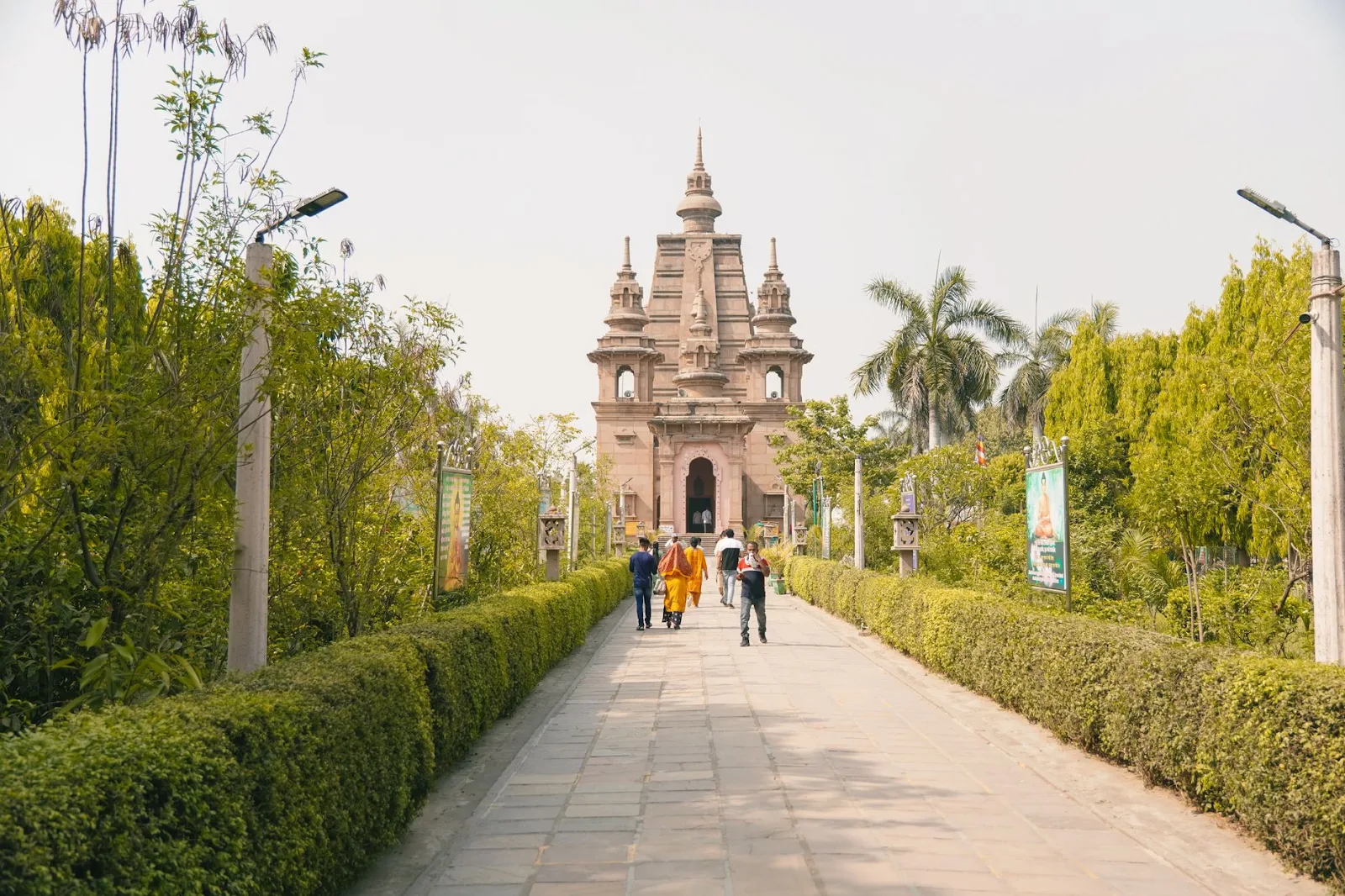
Overview & Historical Significance
Among all the sacred sites associated with the life of Lord Buddha, Jetavana holds a preeminent place. Ancient scriptures recount the legendary story of how this tranquil park came into the Buddhist fold. Anathapindika (originally named Sudatta), a wealthy merchant and banker from Shravasti, wished to purchase the finest park in the capital to construct a dedicated retreat for the Buddha and his Sangha. The garden belonged to Prince Jeta, son of King Pasenadi (Prasenjit). Prince Jeta jokingly demanded that the merchant cover the entire surface of the land with gold coins (kahapanas) to buy it. Undeterred, Anathapindika brought cartloads of gold coins and paved the ground until only a small strip remained. Deeply moved by this devotion, Prince Jeta donated the remaining land and the trees, giving the monastery its enduring name: Jetavana Anathapindikassa Arama.
Excavated extensively by Alexander Cunningham and subsequent archaeologists, the site—traditionally known as Sahet—reveals an expansive complex of multi-layered red brick foundations, assembly halls, stupas, and ancient wells spanning from the Mauryan period up to the Kanauj rulers in the 12th century CE.
Key Attractions & Highlights
- The Ananda Bodhi Tree: Planted during the Buddha's lifetime by his beloved attendant Ananda using a sapling taken from the original Bodhi Tree at Bodh Gaya, so devotees had an object of veneration when the Buddha was away preaching. Today, this massive, ancient peepal tree offers an idyllic spot for silent meditation, decorated with colorful prayer flags hung by international pilgrims.
- Gandhakuti (The Fragrant Chamber): The sanctified dwelling of the Buddha within Jetavana. Monks and travelers gather here daily to lay lotus flowers, light incense, and chant sacred Pali verses.
- Kosambakuti: Another primary brick residence used by the Buddha, preserving remnants of ancient flooring and circumambulation pathways.
- Excavated Monasteries and Wells: Well-preserved residential cells where early Buddhist monks lived, along with classical octagonal wells displaying exquisite ancient engineering.
Best Time to Visit
Early morning between 6:30 AM and 9:30 AM is magical. The morning mist hovers over the emerald lawns, birds chirp softly across the sal groves, and monastic chants echo quietly before daytime visitors arrive.
Entry Fee & Timings
- Timings: Sunrise to Sunset (Daily, approximately 6:00 AM – 6:00 PM).
- Entry Fee: ₹25 for Indian, SAARC, and BIMSTEC visitors; ₹300 for Foreign Tourists; Free for children below 15 years.
How to Reach from City Center
Jetavana is located in the modern town of Balrampur-Shravasti border road, just 1 km southwest of the main Shravasti market crossing. It is easily accessible within 5 to 10 minutes via local e-rickshaw, auto-rickshaw, or private taxi.
2. Kachhi Kuti (The Monumental Stupa of Anathapindika)

Overview & Historical Significance
Located in the ancient fortified city complex known as Mahet, Kachhi Kuti stands as one of the most imposing archaeological ruins in northern India. Excavations carried out during the late 19th and early 20th centuries identified this massive multi-tiered brick structure as the great stupa built in honor of Anathapindika, the chief lay disciple of the Buddha renowned for his boundless charity and benevolence toward the poor and destitute.
The name "Kachhi Kuti" is a local Hindi colloquialism derived from a temporal shrine constructed of unbaked brick (kachha) by a local sadhu atop the mound centuries after the original Buddhist city had fallen into ruins. Beneath that later layer lies an architectural masterpiece showing multiple construction phases dating from the Mauryan era (3rd century BCE) through the Kushan and Gupta dynasties, culminating in significant structural expansions during the early medieval period.
Key Attractions & Highlights
- Terraced Structural Plan: The stupa rises dramatically above the surrounding plains on a rectangular terrace, featuring expansive brick staircases and deep foundational chambers.
- Terracotta Plaques: Archeologists unearthed elaborate terracotta panels here depicting scenes from the Ramayana, folk legends, and Buddhist tales, demonstrating the artistic syncretism of the Gupta era.
- Panoramic Vantage Point: Climbing to the top platform rewards visitors with sweeping panoramic views across the ancient fortified earthen ramparts of Mahet, the surrounding mango orchards, and the winding course of the Rapti River.
Best Time to Visit
Late afternoon is the best time to visit Kachhi Kuti. As the sun sinks lower on the horizon, the ancient red bricks take on a warm, golden hue, making it an extraordinary subject for landscape and heritage photography.
Entry Fee & Timings
- Timings: 6:00 AM to 6:00 PM (Sunrise to Sunset).
- Entry Fee: Included under the combined ASI ticket covering the Shravasti-Mahet archaeological circuit (Nominal fee of ₹25 for Indians, ₹300 for foreigners).
How to Reach from City Center
Situated approximately 1.5 km northeast of Jetavana Monastery inside the old city gates of Mahet. You can walk or hire an e-rickshaw from the Jetavana entrance, reaching the monument within 5 minutes.
3. Pakki Kuti (The Stupa of Angulimala)

Overview & Historical Significance
Directly opposite Kachhi Kuti lies Pakki Kuti, another colossal brick monument steeped in one of the most compelling narratives in world religious literature: the transformation of Angulimala. According to Buddhist scriptures, Ahimsaka was an intelligent student who was framed by jealous peers, leading him down a dark path. He became a murderous bandit who cut off the fingers of his victims and wore them as a garland around his neck, earning the dreaded moniker Angulimala ("finger garland"). Having murdered ninety-nine people, he intended to kill his own mother to make a hundred. Instead, the Buddha crossed his path in the Jalini forest outside Shravasti. After being subdued by the Buddha's peaceful demeanor and wisdom, Angulimala renounced violence, took ordination as a monk, and eventually achieved Arhatship (liberation).
Pakki Kuti represents the stupa erected to honor this monk. Over centuries, local folklore named it "Pakki Kuti" due to its firm, baked-brick (pakka) construction. Chinese pilgrims Faxian (5th century CE) and Xuanzang (7th century CE) specifically recorded visiting this stupa during their travels across India.
Key Attractions & Highlights
- Intricate Drainage & Ventilation Corridors: The structure features subterranean arches, tunnels, and deep brick shafts that served as drainage channels and internal structural supports, exhibiting remarkable ancient engineering.
- Multiple Reconstruction Layers: Visual layers of baked bricks reveal structural work spanning the Kushan period to late medieval times, allowing travelers to study ancient masonry techniques up close.
- Atmospheric Reverence: Monks and spiritual seekers frequently visit the lower recesses of the stupa to chant the Angulimala Paritta, a traditional protective Buddhist discourse associated with safe childbirth and universal compassion.
Best Time to Visit
Between 8:00 AM and 11:00 AM, when soft sunlight illuminates the intricate brick passageways, allowing clear visibility into the deeper architectural niches.
Entry Fee & Timings
- Timings: Sunrise to Sunset (6:00 AM – 6:00 PM daily).
- Entry Fee: Covered under the standard ASI ticketing for the Mahet complex.
How to Reach from City Center
Located barely 200 meters from Kachhi Kuti within the Mahet boundary. You can walk comfortably between the two sites within 3 to 5 minutes.
4. Shobhnath Temple (Mahet)

Overview & Historical Significance
While Shravasti is globally celebrated as a cornerstone of Buddhist pilgrimage, it holds an equally sacred position in Jain cosmology. Shobhnath Temple stands in the southern interior of the ancient Mahet citadel. According to traditional Jain literature, Shravasti was the birthplace of Sambhavanatha, the third Tirthankara of the present cosmic age. He took renunciation here and attained Kevala Jnana (omniscience) beneath a sacred tree in this very territory.
Excavations at the Shobhnath site have revealed historical structures spanning from the early centuries of the common era up to the 12th century. The temple complex preserves the remains of a fortified sanctuary containing cellas, open courtyards, and a sanctum sanctorum where exquisitely sculpted medieval Jain Tirthankara idols were discovered. Many of these historical stone icons, bearing inscriptions from the Rashtrakuta and Kalachuri periods, are now carefully preserved in the State Museum at Lucknow.
Key Attractions & Highlights
- Ancient Sanctuary Plinth: The weathered brick platform reveals the classic floor plan of a north Indian temple sanctum, surrounded by ancillary shrines and cloistered walkways.
- Tranquil Isolation: Unlike Jetavana, which sees larger monastic tours, Shobhnath remains a quiet sanctuary, surrounded by gentle agricultural fields and natural forest growth.
- Modern Jain Dharamshala & Temple Nearby: Just outside the archaeological zone stands the modern Digambar and Shwetambar Jain pilgrimage complex, featuring pristine marble temples dedicated to Lord Sambhavanatha and comfortable pilgrim guest houses.
Best Time to Visit
Morning or mid-day on a clear winter day. The walk from the main road through the rural paths of Mahet is pleasant in the cool morning air.
Entry Fee & Timings
- Timings: 6:00 AM to 5:30 PM.
- Entry Fee: Free entry / included in the general heritage grounds access.
How to Reach from City Center
Located around 2 km northeast of the main Shravasti-Balrampur highway, deep within the Mahet zone. Best reached via auto-rickshaw or by private car, followed by a short, peaceful walk through marked archeological pathways.
5. Thai Monastery, World Peace Bell, and International Monasteries

Overview & Historical Significance
Following the revival of Buddhist pilgrimage in India during the 20th century, international communities from traditional Buddhist nations established monasteries, cultural centers, and guest houses in Shravasti. These diverse centers transform the quiet rural town into a cosmopolitan center of world culture, where Southeast Asian, East Asian, and Himalayan architectural traditions stand side by side.
Among these, the Royal Thai Monastery (Wat Thai Shravasti) is the most prominent. Built using traditional Thai architectural motifs—characterized by sweeping gabled roofs, polished teak detailing, and ornate golden finials—the complex looks like a jewel set in the Uttar Pradesh countryside. Nearby, the grand World Peace Bell, presented with devotion by Japanese followers, serves as a beacon of harmony. Ringing this massive ceremonial bell offers visitors an uplifting moment of reflection, as its deep resonance carries across the countryside.
Key Attractions & Highlights
- Wat Thai Shravasti: Known for manicured gardens, serene water fountains, intricate murals illustrating the life of Prince Siddhartha, and an impressive gilded Buddha statue inside the main prayer hall.
- The World Peace Bell: A monumental Japanese bell housed in an open pagoda. Visitors can gently strike the wooden beam against the bronze surface to sound the bell for peace.
- Daen Mahamongkol Meditation Temple: A large, quiet nunnery founded by Thai devotees, known for immaculate cleanliness, pure white stupas, and silent walking meditation gardens.
- Myanmar (Burmese) Temple & Sri Lankan Monastery: Vibrant, classical centers providing insight into Theravada monastic traditions, complete with traditional golden chedis and peaceful rest houses.
Best Time to Visit
Late afternoon between 4:00 PM and 6:00 PM. The monasteries are serene at this time, monks engage in their evening prayers and chanting, and the golden spires reflect the setting sun.
Entry Fee & Timings
- Timings: 7:00 AM – 12:00 PM and 2:00 PM – 6:30 PM (Varies slightly by monastery).
- Entry Fee: Free for all visitors. Modest donations toward monastery upkeep are welcomed.
How to Reach from City Center
Most international monasteries sit clustered along the main Shravasti-Balrampur Road, within a 1 to 2 km radius of the Jetavana archeological park. They are connected by paved roads and reachable in minutes by bicycle, e-rickshaw, or private car.
Best Time to Visit Shravasti
Choosing the right season ensures a pleasant journey through this rural, historical district:
Winter (October to March) — Peak Season
This is the most comfortable time to visit Shravasti. Daytime temperatures hover between a pleasant 15°C and 25°C, making outdoor explorations of the extensive archaeological ruins in Sahet and Mahet enjoyable. December and January can bring morning fog and brisk night temperatures dropping to 7°C, so pack woolens. Most Buddhist pilgrimage groups and international monks visit during these months, giving the town a lively, vibrant energy.
Summer (April to June) — Off-Season
Summers in the plains of Uttar Pradesh are hot and dry. Temperatures regularly climb between 38°C and 44°C during May and June, accompanied by dry winds (loo). Outdoor sightseeing is challenging during mid-day. If visiting in summer, plan your heritage walks exclusively for the early morning (6:00 AM – 9:00 AM) or late evening, and ensure continuous hydration.
Monsoon (July to September) — Quiet & Scenic
The monsoon transforms Shravasti's countryside into an emerald paradise. Humidity is high, and rain showers can disrupt outdoor walks, but the cooler showers bring a poetic atmosphere to the ancient bricks and the Ananda Bodhi tree. Historically, this corresponds to the rainy season retreats (vassa) that the Buddha observed right here centuries ago. Travelers who enjoy solitude, photography, and lush greenery will find the rainy season surprisingly rewarding.
How to Reach Shravasti
By Air
The nearest functional commercial airport is Ayodhya International Airport (Maharishi Valmiki International Airport - AYJ), located approximately 115 km south of Shravasti, offering convenient connections to major Indian metros like Delhi, Mumbai, and Bengaluru. Another major gateway is Lucknow's Chaudhary Charan Singh International Airport (LKO), roughly 175 km away, which provides extensive domestic and international connections. Taxis can be hired at both airports for direct transfers to Shravasti via well-paved national highways.
By Train
The closest major railway station is Balrampur (BLP), located just 17 km away, which connects to regional trains. For wider, long-distance railway connectivity across India, Gonda Junction (GD) is the best railhead, situated roughly 48 km south of Shravasti. Gonda is an important junction on the Northern and North Eastern Railway network, linked by direct express trains from New Delhi, Kolkata, Mumbai, Varanasi, and Gorakhpur. From Gonda, taxis and regional buses run continuously to Shravasti.
By Road
Shravasti is well linked by state highways and national road corridors. Uttar Pradesh State Road Transport Corporation (UPSRTC) operates regular buses from Lucknow, Ayodhya, Gonda, Bahraich, and Balrampur. For road trippers, driving from Lucknow takes approximately 4 to 5 hours via the Kaiserganj-Bahraich-Shravasti route or via Barabanki and Gonda.
Local Cuisine & Dining in Shravasti
Dining in Shravasti offers an authentic taste of rural Awadh, complemented by simple, wholesome monastic kitchens. While you will not find fine-dining chains, the food is authentic, fresh, and deeply satisfying.
- Awadhi Vegetarian Fare: Traditional dhabas along the highway serve classic Awadhi comfort food: freshly made tandoori rotis, dal tadka cooked with desi ghee, spiced aloo gobi, and rich paneer bhurji. Pair your meal with fresh thick curd or chilled chaach (buttermilk).
- Samosas, Kachoris & Jalebis: Morning market stalls around the Balrampur road crossing serve crisp, golden kachoris stuffed with spiced lentils, served alongside tangy potato curry (aloo ki sabzi) and topped off with piping hot, syrupy jalebis.
- Kulhad Chai: Enjoy sweet milk tea simmered with crushed ginger and green cardamom, served in traditional unglazed clay cups (kulhad), which impart an earthy flavor.
- Monastery Dining: Several international Buddhist pilgrim centers and attached guest houses offer set meals featuring mild East Asian, Sri Lankan, and Thai-style vegetarian food (such as clear vegetable broths, steamed rice, stir-fried greens, and lentils) prepared primarily for visiting pilgrim delegations.
10 Essential Travel Tips for Shravasti
- Dress Modestly: Shravasti is an active, sacred pilgrimage site for multiple world faiths. Keep shoulders and knees covered when entering monastery grounds, stupas, and temples.
- Slip-on Footwear: You will be taking your shoes off frequently before entering active shrines, monastery sanctuaries, and stupa circumambulation pathways. Slip-on shoes or sandals make this much easier.
- Hire an Authorized ASI Guide: The brick ruins of Sahet and Mahet can look like plain walls to the untrained eye. An official guide brings the historical foundations to life with scriptural narratives, Mauryan history, and archaeological context.
- Carry Sufficient Cash: Small eateries, e-rickshaw drivers, and flower vendors generally prefer cash. While UPI digital payments are widely accepted, ATMs in the immediate rural vicinity occasionally run out of cash.
- Carry Sun Protection: The archaeological ruins of Jetavana and Mahet are set in expansive outdoor parks. A wide-brimmed sun hat, sunglasses, natural sunscreen, and an umbrella are invaluable across all seasons.
- Maintain Silence in Jetavana: Many pilgrims travel from distant corners of the world to Jetavana to meditate under the Ananda Bodhi tree or chant before the Gandhakuti. Keep phone conversations to a minimum and maintain the peaceful atmosphere.
- Start Early: The morning light between 6:30 AM and 8:30 AM is ideal for photography, peaceful walking, and beating the daytime heat and tour bus arrivals.
- Combine with Neighboring Heritage Hubs: Combine your Shravasti visit with nearby historic destinations like Kapilavastu (Piprahwa), Ayodhya, or cross over into Nepal for Lumbini (the Buddha's birthplace), which sits roughly 4 to 5 hours away by road.
- Carry Mosquito Repellent: Given the surrounding agricultural landscape, rivers, and forested gardens, carrying a reliable insect repellent cream or spray is essential for evening strolls.
- Confirm Monastery Timings: Unlike the ASI ruins which follow a standard sunrise-to-sunset schedule, various national monasteries (Thai, Korean, Burmese) close their main sanctums between 12:00 PM and 2:00 PM for private prayers and lunch.
Suggested 2-Day Shravasti Itinerary
Day 1: The Sacred Heartland & Buddhist Antiquities
- Morning (7:00 AM – 11:30 AM): Begin early at Jetavana Monastery (Sahet). Take time to meditate or sit in quiet contemplation beneath the Ananda Bodhi Tree. Walk through the excavations, paying respects at the historic Gandhakuti and Kosambakuti. Examine the ancient brick stupas, water reservoirs, and monk dwellings.
- Lunch (12:30 PM – 2:00 PM): Enjoy a traditional vegetarian North Indian lunch at a local restaurant or an authentic meal arranged at your monastery guesthouse.
- Afternoon (2:30 PM – 4:30 PM): Head into the fortified walls of ancient Mahet. Explore Kachhi Kuti (Anathapindika Stupa) and climb its vantage points, then cross over to examine the intricate passages and vaults of Pakki Kuti (Angulimala Stupa).
- Evening (5:00 PM – 6:30 PM): Walk down to the serene banks of the Rapti River or pause at the World Peace Bell to chime for peace as the sun sets over the Terai landscape.
Day 2: Jain Heritage, International Monasteries & Cultural Immersion
- Morning (7:30 AM – 10:00 AM): Journey out to Shobhnath Temple in Mahet to connect with Shravasti's rich Jain heritage, followed by a visit to the modern Digambar Jain Temple complex honoring Lord Sambhavanatha.
- Mid-Day (10:30 AM – 1:30 PM): Embark on an architectural tour of Shravasti's diverse international shrines. Explore the golden spires and murals of Wat Thai Shravasti, walk through the silent grounds of Daen Mahamongkol, and visit the Burmese and Sri Lankan temples.
- Lunch & Leisure (1:30 PM – 3:00 PM): Relax with light refreshments, sample local sweet jalebis from the town market, and browse small handicraft stalls near the temple gates.
- Evening (3:30 PM – 5:30 PM): Return to Jetavana for an evening walk or attend an authentic chanting ceremony hosted by visiting monks before preparing for your onward journey.
Frequently Asked Questions (FAQs)
1. Why is Shravasti important in Buddhism?
Shravasti is one of the most sacred Buddhist pilgrimage destinations because Lord Buddha spent twenty-four monsoon seasons preaching and residing here. It was the setting for the famous Twin Miracle, the conversion of Angulimala, and the delivery of many foundational Buddhist suttas.
2. What is the difference between Sahet and Mahet?
Sahet refers to the excavated ruins of the Jetavana Monastery complex, located just outside the old city. Mahet refers to the larger, fortified ancient city of Shravasti proper, containing monumental brick ruins such as Kachhi Kuti, Pakki Kuti, and Shobhnath Temple.
3. How many days are needed to visit Shravasti?
A 1 to 2-day visit is ideal to comfortably explore the archeological complexes of Sahet and Mahet, enjoy peaceful meditation under the Bodhi tree, and tour the various international monasteries without rushing.
4. Which is the nearest airport to Shravasti?
The nearest commercial airport is Ayodhya Airport (AYJ), approximately 115 km away (a 2.5 to 3-hour drive). Lucknow Airport (LKO) is roughly 175 km away and offers a broader range of domestic and international flights.
5. Is Shravasti safe for solo and female travelers?
Yes, Shravasti is a peaceful, welcoming rural pilgrimage destination. Local residents and monastery staff are respectful toward pilgrims. As with any rural destination in India, it is best to complete sightseeing before late evening and avoid isolated, unlit areas after dark.
6. Are there good accommodation options in Shravasti?
Yes. Accommodations range from heritage resorts and comfortable modern hotels (like the Lotus Nikko Hotel) to state-run tourist bungalows (UP Tourism Rahi Hotel) and well-maintained guest rooms operated by the international monasteries.
7. What is the significance of the Ananda Bodhi tree?
The Ananda Bodhi tree was grown during the Buddha's lifetime from a sapling brought from the original Bodhi Tree at Bodh Gaya. Planted by Anathapindika at the request of Venerable Ananda, it allowed devotees to offer flowers and pay respects even when the Buddha was traveling.
8. Can non-Buddhists visit the monasteries and ruins?
Yes, all visitors are welcome regardless of faith. The Archaeological Survey of India parks and international monasteries are open to anyone who appreciates history, architecture, and mindful heritage.
Conclusion
Shravasti is more than an open-air archaeological park; it is a timeless sanctuary of spiritual wisdom. Standing before the layered brickwork of Jetavana, sitting quietly under the sprawling branches of the Ananda Bodhi tree, or gazing across the rolling plains from the top of Kachhi Kuti, one easily feels the profound stillness that drew saints, scholars, and monarchs to this soil over two millennia ago.
In a world often filled with noise and distraction, a pilgrimage to this sacred corner of Uttar Pradesh provides a meaningful pause. Shravasti invites you to slow down, reflect on enduring lessons of peace and forgiveness, and walk along the very paths where ancient seekers found timeless answers. Plan your journey, pack your bags with reverence and curiosity, and let the quiet heritage of Shravasti leave an indelible mark on your soul.



0 Comments