
Unveiling Vaishali, Bihar: Hidden Gems Worth Exploring
Vaishali, nestled in the heart of Bihar, is a district steeped in ancient history, spiritual significance, and vibrant local culture. While many travelers know it as the birthplace of Jainism and a pivotal site in Buddhist lore, the region offers far more than textbook anecdotes. This guide walks you through five must‑see attractions, practical travel tips, and insider insights that will turn a simple visit into an unforgettable journey.
1. Ashoka Pillar and Stupa Complex

Why It Matters
The Ashoka Pillar at Vaishali is one of the few surviving pillars erected by Emperor Ashoka, symbolizing his commitment to dharma after the Kalinga war. Adjacent to the pillar lies the ancient Stupa complex, a sprawling archaeological site that showcases layered histories from the Mauryan era to the Gupta period.
What to See
- Ashoka Pillar – a polished sandstone column with an inscription in Brahmi script.
- Great Stupa – a massive brick structure dating back to the 3rd century BCE.
- Remnants of the ancient market – excavated foundations that hint at Vaishali’s bustling trade.
Visitor Tips
- Best time to visit: October – March, when the weather is cool.
- Hire a local guide to decode the inscriptions and legends.
- Carry a water bottle; the site is expansive and requires walking.
2. Relic Stupa (Mound of Relics)

Spiritual Significance
The Relic Stupa is revered by both Buddhists and Jains as the final resting place of sacred relics of the Buddha and Mahavira. According to ancient chronicles, the stupa was built by the Mauryan king Udayin to honor these relics, making it a pilgrimage hotspot.
Key Highlights
- Elegant dome architecture with intricate stone carvings.
- Annual Mahaparinirvan festival attracts devotees from across India.
- Panoramic view of the surrounding archaeological park.
Practical Advice
- Dress modestly; many visitors observe a dress code for respect.
- Photography is allowed, but avoid flash inside the inner sanctum.
- Combine this visit with the nearby Vishwa Shanti Stupa for a full day of reflection.
3. Vishwa Shanti Stupa (Peace Pagoda)
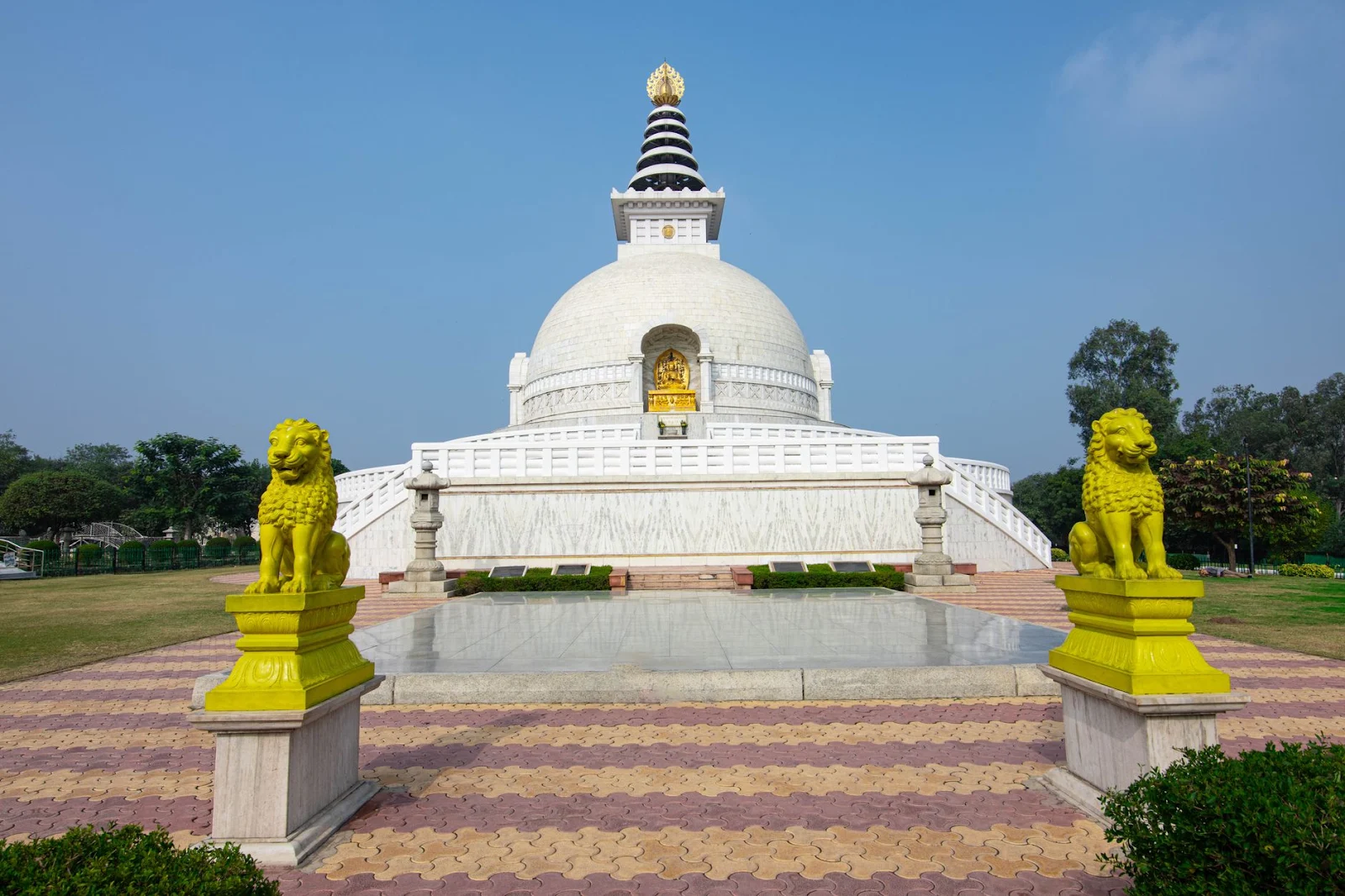
Modern Architecture Meets Ancient Peace
Constructed in 1993 by Japanese Buddhist monk Nichidatsu Fujii, the Vishwa Shanti Stupa stands as a symbol of world peace. Its white dome and golden spire dominate the Vaishali skyline, offering a tranquil space for meditation.
Features
- Observation deck with sweeping vistas of the Vaishali plains.
- Peace bells that chime hourly, echoing a message of harmony.
- Exhibition hall showcasing the history of peace movements worldwide.
How to Make the Most of It
- Visit at sunrise for a breathtaking view and fewer crowds.
- Participate in the guided meditation sessions held every weekend.
- Enjoy the on‑site café serving organic tea and local snacks.
4. Buddha Sagar Lake & Wildlife Sanctuary

A Natural Escape
Beyond its historical allure, Vaishali boasts a thriving ecosystem centered around Buddha Sagar Lake. The adjoining wildlife sanctuary shelters migratory birds, otters, and a variety of flora, making it a perfect spot for nature lovers.
Activities
- Boating – paddle across the serene waters while spotting waterfowl.
- Birdwatching – especially during the winter months when Siberian species arrive.
- Guided nature walks – learn about endemic plants and conservation efforts.
Eco‑Friendly Tips
- Carry biodegradable waste bags and dispose of litter responsibly.
- Use a reusable water bottle; refill stations are available at the visitor’s center.
- Respect wildlife – maintain a safe distance and avoid feeding animals.
5. Ancient Vaishali Museum
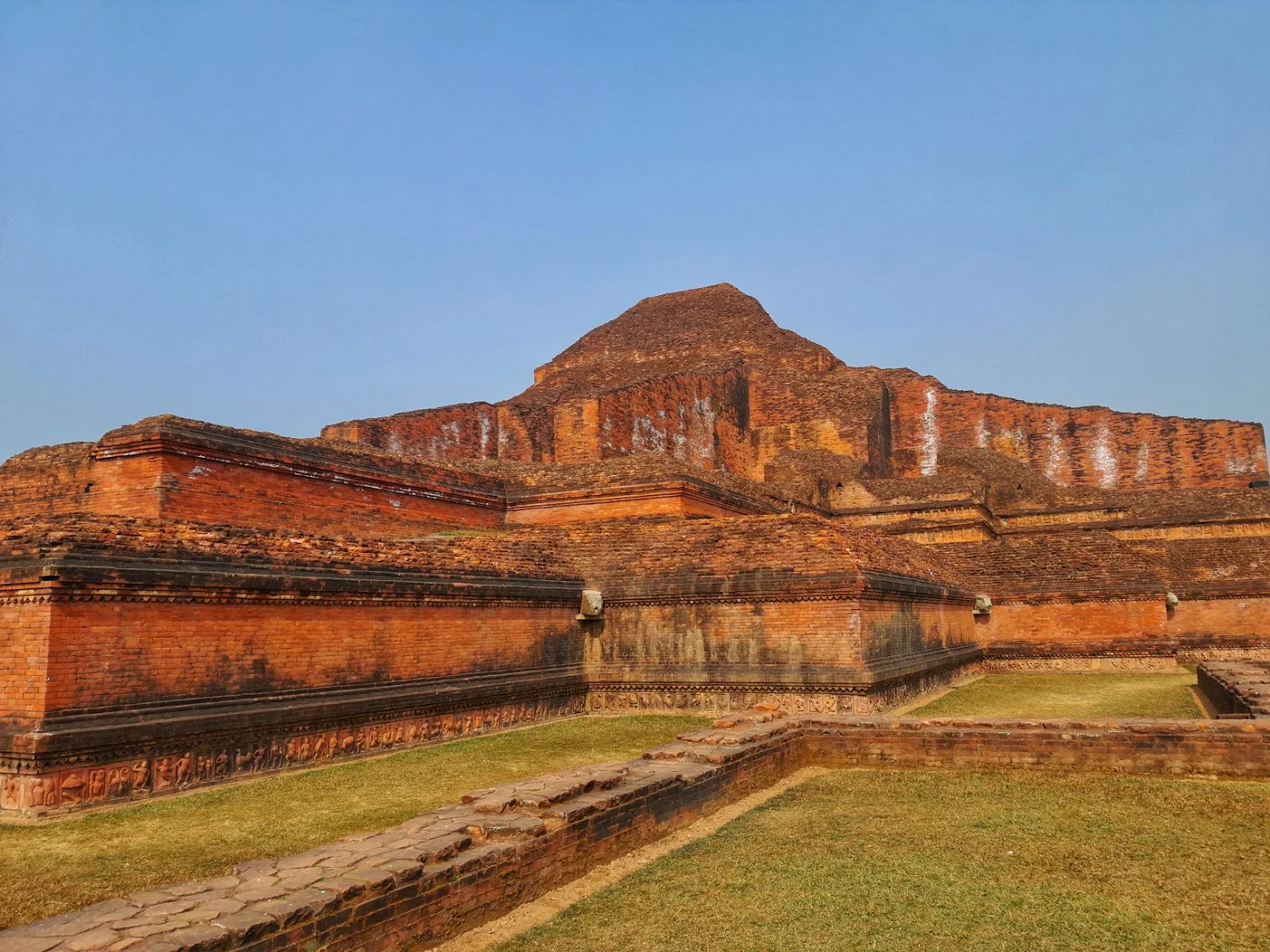
Curating Millennia of History
The Ancient Vaishali Museum houses a remarkable collection of artifacts ranging from stone sculptures and terracotta figurines to ancient coins and inscriptions. Each exhibit narrates a chapter of Vaishali’s evolution from a republican capital to a spiritual hub.
Must‑See Exhibits
- Bronze statue of Lord Buddha dating to the 2nd century BCE.
- Inscriptions on Ashokan edicts – original stone tablets preserved in climate‑controlled cases.
- Replica of the ancient Vaishali council hall, illustrating early democratic governance.
Visitor Information
- Opening hours: 9 am – 5 pm, closed on Mondays.
- Entry fee: INR 30 for adults, INR 10 for children.
- Audio guides are available in English, Hindi, and Bengali.
Travel Essentials for Vaishali
Getting There
The nearest railway hub is Hajipur Junction, about 30 km away, with regular trains from Patna, Kolkata, and Delhi. From Hajipur, you can hire a taxi or take a local bus to Vaishali. The nearest airport is Lok Nayak Jayaprakash Narayan International Airport in Patna, roughly 45 km from the district.
Accommodation Options
- Heritage Guesthouse – a boutique stay near the Stupa complex, offering rooms with traditional décor.
- Eco‑Lodge at Buddha Sagar – perfect for nature enthusiasts seeking sustainable lodging.
- Budget hostels and dharamshalas are available near the market area for backpackers.



0 Comments