
Unveiling the Hidden Wonders of Neemuch, Madhya Pradesh, India: A Heritage and Nature Explorer’s Guide
Tucked neatly along the undulating borderlands where north-western Madhya Pradesh meets the vibrant deserts of Rajasthan, the district of Neemuch remains one of central India’s best-kept secrets. Far away from overcrowded tourist corridors, this charming Malwa territory unfolds a captivating narrative woven from colonial military legends, sacred pilgrimage sites, ancient stone architecture, and dramatic monsoonal landscapes. The name Neemuch itself is famously tied to its colonial identity as the "North India Mounted Artillery and Cavalry Headquarters" (N.I.M.A.C.H.), established as an essential British cantonment in the early nineteenth century and later serving as the birthplace of the prestigious Central Reserve Police Force (CRPF).
Yet, defining Neemuch purely by its garrison past overlooks its rich cultural soul. Across this fertile plateau, fields of vibrant poppies sway beneath broad open skies, earning the district global recognition as a premier hub for medicinal opium processing. Beyond the town limits, rugged hillocks give way to deep gorges carved by seasonal cascades, while ancient temples stand as enduring guardians of regional folklore and artistic mastery. Whether you are an architectural enthusiast seeking forgotten temple ruins, an avid photographer pursuing cascading waterfalls, or a pilgrim drawn to revered folk shrines, Neemuch offers an unhurried, authentic window into the heart of India.
Exploring the top tourist places in Neemuch reveals a destination untouched by commercial haste. Here, warm Malwi hospitality greets travelers at roadside dhabas serving piping-hot dal bafla, and quiet archaeological complexes echo with tales of empires long gone. If you yearn for an offbeat journey that seamlessly blends spiritual serenity, outdoor tranquility, and historical intrigue, this definitive guide to the best places to visit in Neemuch will inspire your next great adventure across Madhya Pradesh.
1. Shri Bhadwamata Temple: The Miraculous Healing Shrine

Overview
Situated approximately 19 kilometers from Neemuch city center, the Shri Bhadwamata Temple stands as the spiritual beacon of the entire district. Revered across Madhya Pradesh and neighboring Rajasthan, this high-energy pilgrimage sanctuary is dedicated to Goddess Bhadwamata, an incarnation of Divine Mother Shakti. The temple complex pulses with devotion year-round, drawing thousands of devotees who believe that the benevolent Mother possesses boundless power to alleviate physical suffering and grant peace of mind.
Historical and Cultural Significance
Local legends date the foundation of the shrine back several centuries. The presiding deity is celebrated particularly for healing paralysis, skin ailments, and motor disorders. According to living tradition, afflicted individuals who reside within the temple premises and bathe in the holy water drawn from the temple’s ancient stepwell (Bawadi) experience complete physical restoration. Within the inner sanctum, the main idol of Bhadwamata is carved from lustrous black stone, adorned with intricate silver jewelry and surrounded by statues of nine surrounding goddesses, representing the Navadurga pantheon. The eternal sacred flame (Akhand Jyoti) burning inside the shrine has remained illuminated across generations, symbolizing constant divine grace.
Key Highlights & Architecture
The temple showcases classic North Indian temple architecture featuring intricately carved white marble pavilions, ornate brass doors, and spacious courtyards designed to accommodate massive festival crowds. Adjacent to the main shrine sits the sacred Bawadi, where curative springs have supplied fresh water for centuries. The temple square comes alive with the sound of chiming bells, rhythmic temple chants, and local vendors selling vibrant red chunris, coconuts, and sweets for ceremonial offerings.
Practical Details for Visitors
- Timings: 05:00 AM to 09:30 PM daily (Aarti ceremonies at 06:00 AM and 07:30 PM).
- Entry Fee: Free entry; VIP darshan options may be available during festive peaks.
- Best Time to Experience: During the Chaitra (March–April) and Ashwin (September–October) Navratri festivals when the town erupts into vibrant fairs.
- Ideal Duration: 1.5 to 2 hours.
2. Sukhanand Dham: Sacred Caves and Monsoonal Cascades

Overview
Located near the historic town of Jawad, about 30 kilometers north of Neemuch, Sukhanand Dham is a spectacular blend of natural wilderness and deep spiritual sanctity. Sheltered within a rugged rock canyon of the Aravalli-Vindhyan fault lines, this site features natural rock shelters, an ancient Shaivite sanctuary, and a perennial spring that transforms into a thundering waterfall during the annual monsoon. It ranks consistently among the top tourist places in Neemuch for travelers seeking fresh air, dramatic geology, and reflective silence.
Historical and Cultural Significance
Sukhanand Dham is named after the ancient sage Sukadeva, the enlightened son of Maharishi Ved Vyasa. Legend states that Sage Suka spent years meditating within these quiet rock caves, absorbed in deep spiritual austerity. Over time, an ancient rock-hewn temple dedicated to Lord Shiva was established here, making it a sacred retreat for ascetics and forest dwellers. The fusion of Vedic lore and raw natural drama lends this valley an unmistakable aura of timeless peacefulness.
Key Highlights & Architecture
The primary draw of Sukhanand Dham is the natural cave shrine holding an ancient Shivalinga, over which sweet spring water naturally drips year-round. Immediately adjacent, dramatic sandstone cliffs plunge into a natural pool below. During July, August, and September, rainwater cascades down these red-tinted cliffs in a thunderous plume, creating a refreshing spray that blankets the canyon. Concrete walking paths and stairs wind through the gorge, allowing visitors to walk behind the veil of the waterfall and explore neighboring hermit caves.
Practical Details for Visitors
- Timings: 06:00 AM to 06:30 PM.
- Entry Fee: Free entry; modest parking fee for two-wheelers and cars.
- Best Time to Experience: Mid-July to November, when the waterfall flows at peak volume and the surrounding hills turn emerald green.
- Ideal Duration: 3 to 4 hours (ideal for a relaxed half-day outing).
3. Nava Toran Temple, Khor: The Medieval Architectural Gem
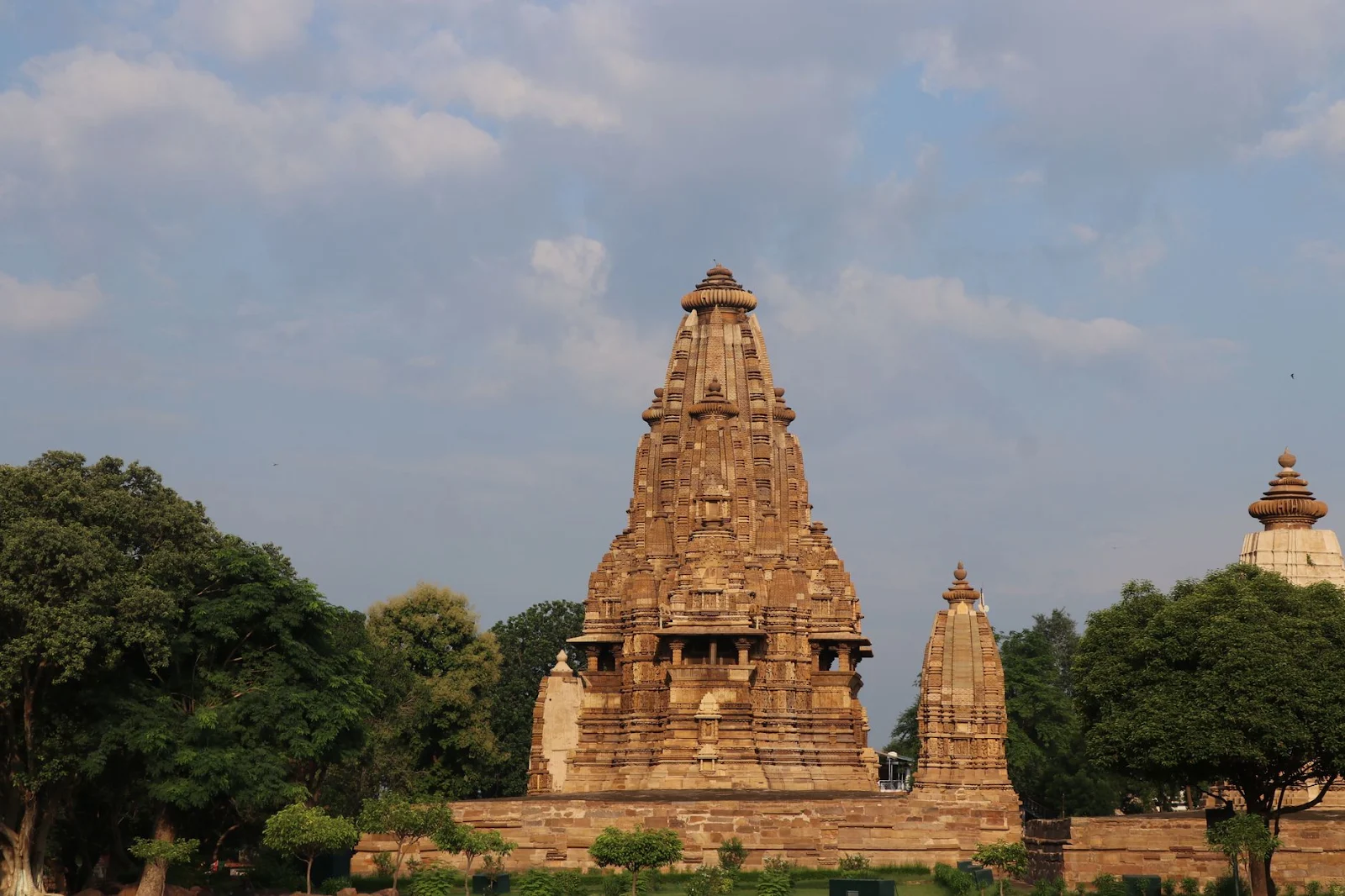
Overview
History buffs and archaeology enthusiasts visiting Neemuch must not miss the breathtaking ruins of Nava Toran Temple, located in the village of Khor, roughly 15 kilometers from the district headquarters. Dating back to the eleventh century, this protected monument stands as a remarkable testament to the exquisite masonry and aesthetic refinement of the Gurjara-Pratihara and early Paramara periods that once dominated central India.
Historical and Cultural Significance
Constructed during a golden age of northern Indian temple building, Nava Toran Temple was conceived as an elaborate temple complex dedicated to Lord Shiva and Lord Vishnu. While portions of the primary temple tower (shikhara) have fallen victim to the ravages of time, the monument gets its name from the magnificent series of decorative stone archways ("toranas") that have remarkably survived intact. The site provides invaluable historical evidence of classical temple geography along historic trade routes connecting Malwa with Mewar.
Key Highlights & Architecture
The defining feature of the site is the series of ten colossal, intricately sculpted stone archways spanning across the temple hall. These toranas are chiseled from durable greyish-white sandstone, displaying stunning miniature friezes of celestial dancers (apsaras), mythical makaras (crocodile-dragons), floral garlands, and geometric borders. Inside the remnants of the sanctum, a monumental stone sculpture of Varaha—the boar incarnation of Lord Vishnu—stands carved with exceptional detail, featuring hundreds of miniature divine figures etched across its mighty torso.
Practical Details for Visitors
- Timings: Sunrise to Sunset (06:00 AM to 06:00 PM).
- Entry Fee: Free entry (Monitored by the Archaeological Survey of India).
- Best Time to Experience: October to March; early morning or late afternoon light creates striking shadow play for photography.
- Ideal Duration: 1 to 1.5 hours.
4. Morwan Dam: Tranquil Waters and Scenic Picnics

Overview
Situated approximately 24 kilometers outside Neemuch town along the route toward Jawad, Morwan Dam is the quintessential countryside getaway for locals and road trippers. Built across the Gambhiri River basin to provide vital irrigation to neighboring agricultural fields, this picturesque reservoir has evolved into one of the most serene recreational spots in the district. Ringed by low-slung scrub hills and fertile farmland, the reservoir presents vast stretches of calm, sky-blue waters that instantly calm the senses.
Historical and Cultural Significance
Constructed in the post-independence era as part of Madhya Pradesh’s regional irrigation master plans, Morwan Dam reshaped the socio-economic contours of surrounding agrarian settlements. By harnessing monsoonal runoff, it allowed the surrounding fields of mustard, wheat, and opium poppy to flourish. Over decades, the resulting water body developed its own thriving aquatic ecosystem, turning the reservoir into an indispensable sanctuary for indigenous fish and avian populations.
Key Highlights & Architecture
The dam structure features a long, elevated embankment road flanked by a sweeping masonry spillway. Walking along the crest of the dam offers panoramic views across the water mirror, where local fishermen can often be seen paddling traditional wooden boats. During the winter season, Morwan Dam turns into a haven for birdwatchers, as migratory species including painted storks, bar-headed geese, cormorants, and kingfishers gather along its marshy fringes. Sunsets here are legendary, casting golden reflections across the undisturbed water surface.
Practical Details for Visitors
- Timings: Open throughout the day; visiting between 06:00 AM and 06:30 PM is strongly recommended for safety.
- Entry Fee: Free entry.
- Best Time to Experience: October through February for birdwatching and mild temperatures; August to September for full water levels.
- Ideal Duration: 2 to 3 hours.
5. Kedareshwar Mahadev Temple: A Forest Sanctuary of Solitude

Overview
Rounding out the top five places to visit in Neemuch is the captivating Kedareshwar Mahadev Temple. Concealed in a secluded forest clearing and flanked by dramatic rock terraces, this natural cave shrine offers an exhilarating break from urban noise. Dedicated to Lord Shiva, the temple sits at the bottom of an amphitheater-shaped rocky canyon, making it both an inspiring pilgrimage spot and a delightful short trek for adventurous souls.
Historical and Cultural Significance
Like many ancient Shaivite shrines tucked into the rocky escarpments of central India, Kedareshwar has served as a sanctuary for introspective sanyasis and forest hermits for hundreds of years. The temple honors Shiva in his primeval avatar as the Lord of the Wilderness (Kedareshwar). The site maintains immense significance among rural farming families from surrounding villages, who assemble here in large numbers during the sacred month of Shravana to perform jal-abhishek (water offerings) using naturally flowing mountain spring water.
Key Highlights & Architecture
The central shrine is situated within a natural rock alcove, where a naturally formed Shivalinga rests permanently bathed by a continuous freshwater trickle falling from the cliff ceiling above. In the monsoon season, this gentle stream swells into an invigorating cascade that thunders over the rocky overhang, creating a shimmering mist across the entire sanctuary basin. The descent down stone steps into the gorge is lined with lush green trees, home to troops of langurs and singing forest birds that accentuate the temple's untamed natural setting.
Practical Details for Visitors
- Timings: 06:00 AM to 06:00 PM.
- Entry Fee: Free entry.
- Best Time to Experience: July to October to witness the forest waterfall in its full monsoonal splendor.
- Ideal Duration: 2 to 3 hours.
Best Time to Visit Neemuch
Neemuch experiences the semi-arid, subtropical climate characteristic of the Malwa plateau, featuring three distinct seasons. Planning your itinerary around seasonal shifts ensures comfortable sightseeing and lets you experience the region at its scenic best.
Winter (October to March) — Peak Season
Winter represents the best time to visit Neemuch. Days are pleasantly crisp and filled with gentle sunshine, with daytime temperatures hovering between 20°C and 28°C. Nighttime temperatures drop significantly to around 8°C to 14°C, creating a cozy winter chill. This is the perfect season for exploring open-air archaeological ruins like Nava Toran Temple, embarking on picnics around Morwan Dam, and enjoying long country drives across poppy fields in full bloom during late winter.
Monsoon (July to September) — Nature Lover's Season
If your primary motivation is witnessing roaring waterfalls and verdant canyon landscapes, the monsoon is an extraordinary time to visit. Rainfall rejuvenates the seasonal cascades at Sukhanand Dham and Kedareshwar Mahadev Temple, transforming otherwise dry rocky gorges into lush, mist-draped oases. Temperatures range between 24°C and 32°C. Carry sturdy waterproof footwear, as rocky trails can get slippery.
Summer (April to June) — Low Season
Summers in the Malwa borderlands can be harsh and unforgiving. Mercury levels regularly climb past 42°C, accompanied by dry, dusty afternoon winds known locally as 'loo'. Sightseeing during midday hours becomes uncomfortable and exhausting. If you must travel during summer, restrict your excursions to early mornings or late evenings, stay properly hydrated, and seek indoor or sheltered sanctuaries like Shri Bhadwamata Temple.
How to Reach Neemuch
Thanks to its strategic position along major interstate highways and rail links, reaching Neemuch from key Indian metro hubs is straightforward and convenient.
By Air
The nearest commercial airport to Neemuch is Maharana Pratap Airport (UDR) in Udaipur, Rajasthan, located approximately 135 kilometers to the northwest. Udaipur connects directly to major cities including Delhi, Mumbai, Jaipur, and Bengaluru. From the airport, reliable prepaid taxis and private rentals will bring you to Neemuch in about three hours via smooth four-lane highways. Alternatively, Devi Ahilyabai Holkar International Airport (IDR) in Indore is situated around 260 kilometers south of Neemuch, offering even broader national flight connectivity.
By Rail
Neemuch Railway Station (Station Code: NMH) is a prominent, well-maintained stop on the Ratlam–Chittorgarh broad-gauge railway line under the Western Railway zone. Direct express and superfast trains link Neemuch directly to major junctions such as Mumbai (Bandra Terminus), Delhi (Hazrat Nizamuddin), Ratlam, Ujjain, Indore, Jaipur, Ajmer, and Hyderabad. Taxis, auto-rickshaws, and e-rickshaws are readily available outside the station premises 24/7.
By Road
Neemuch boasts exceptional highway connectivity via State Highway 31 and nearby National Highway 56. Smooth, multi-lane express routes link the town to Mandsaur (50 km), Chittorgarh (55 km), Udaipur (135 km), and Kota (170 km). Both the Madhya Pradesh State Road Transport Corporation (MPSRTC) and Rajasthan State Road Transport Corporation (RSRTC), along with numerous private fleet operators, run regular sleeper and AC bus services to Neemuch from Indore, Ujjain, Ahmedabad, and Jaipur.
Local Flavors: What to Eat in Neemuch
The cuisine of Neemuch is a tantalizing crossroads of hearty Malwi culinary staples and robust Rajasthani influences. Food lovers will discover bold spices, generous uses of ghee, and irresistible street food cultures across the town's bazaars.
- Dal Bafla: The undisputed king of Malwa cuisine. Soft wheat dough balls are boiled, baked to golden perfection over cow dung cakes or open grills, immersed in pure desi ghee, and served with spicy toor dal, fiery garlic chutney, and cooling kadhi.
- Poha-Jalebi: The quintessential central Indian breakfast. Steamed flaked rice tempered with mustard seeds, fennel, green chilies, and turmeric, generously crowned with crisp ratlami sev and pomegranate seeds, paired alongside piping-hot, syrup-dripping jalebis.
- Malwi Sev & Namkeen: Neemuch produces exceptional varieties of savory gram-flour sev, ranging from spicy clove-infused Laung Sev to tangy Hing Sev. No tea break is complete without a bowl of fresh sev.
- Garadu (Winter Specialty): Chunks of fried purple yam tossed in tangy chaat spices and a squeeze of fresh lemon juice, served searingly hot from street carts on crisp winter evenings.
- Mawa Bati & Gulab Jamun: Rich, deep-fried khoya pastries soaked in aromatic cardamom and saffron sugar syrup, providing the perfect sweet finish to your spicy Malwi meals.
10 Essential Travel Tips for Neemuch
- Dress Modestly at Temples: When visiting Bhadwamata, Sukhanand, and Kedareshwar, wear respectful clothing covering shoulders and knees. Remove leather belts and shoes outside sanctum doors.
- Rent a Private Vehicle: While public buses link town hubs, sights like Sukhanand Dham and Nava Toran Temple are spread out across rural roads. Hiring a private cab or self-driving gives you maximum flexibility.
- Carry Adequate Cash: Digital payments via UPI are widely accepted in Neemuch town, but rural stalls near Morwan Dam and Sukhanand often experience patchy network coverage. Keep liquid cash handy.
- Pack Reliable Footwear: Visiting the waterfalls and rock temples requires descending uneven stone steps that can be damp and mossy. Opt for walking shoes with dependable rubber grip.
- Protect Yourself from Monsoon Slipping: If swimming near the water bodies at Sukhanand or Kedareshwar, exercise caution. Flash currents can pick up rapidly after heavy downpours.
- Early Mornings for Birdwatching: If traveling to Morwan Dam for bird photography, arrive between 06:30 AM and 08:30 AM when avian species are actively feeding along the shallows.
- Stay Hydrated: The dry Malwa breeze can dehydrate you quickly, even in winter. Always carry a reusable water bottle during outdoor excursions.
- Respect Border Checkposts: Neemuch shares multiple cross-border bypasses with Chittorgarh, Rajasthan. Keep valid vehicle identification documents and personal IDs handy if crossing state lines.
- Engage Local Temple Guides: At historical sites like Nava Toran Temple, engaging a local elder or caretaker will unveil fascinating folklore not found on standard signboards.
- Stock up on Spices and Sev: Before heading home, visit Neemuch's local grain and spice markets to buy authentic, unadulterated coriander, fenugreek, and freshly fried namkeen packs.
Suggested 2-Day Neemuch Itinerary
This carefully curated 48-hour plan ensures you experience the best places to visit in Neemuch without rushing, combining spiritual grace, archaeological splendor, and outdoor relaxation.
Day 1: Spiritual Roots and Colonial Heritage
- Morning (08:00 AM – 11:30 AM): Begin your day with a classic Poha-Jalebi breakfast in Neemuch market. Drive out to the revered Shri Bhadwamata Temple. Spend time absorbing the devotional fervor, observing the ancient stepwell, and seeking blessings in the sanctum.
- Afternoon (12:30 PM – 03:00 PM): Return to town for an authentic Malwi lunch featuring Dal Bafla. Take a quick heritage drive past the historic British Cantonment grounds and the birth memorial of the Central Reserve Police Force (CRPF).
- Late Afternoon & Sunset (04:00 PM – 06:30 PM): Drive out to Morwan Dam. Enjoy an unhurried evening stroll along the reservoir bund, soak in panoramic views of the water, and photograph a glorious central Indian sunset.
- Evening (07:30 PM onwards): Head back to Neemuch town, savoring hot street snacks like Garadu (in winter) and browsing the local sweet shops for fresh Mawa Bati.
Day 2: Ancient Architecture and Nature Trails
- Morning (08:00 AM – 11:00 AM): Drive north to the village of Khor to explore the tenth-century marvel, the Nava Toran Temple. Admire the carved stone archways and the magnificent monolithic Varaha sculpture under soft morning sunlight.
- Midday (11:30 AM – 03:30 PM): Head toward Jawad and proceed to Sukhanand Dham. Explore the ancient hermitage caves of Sage Suka, offer prayers at the rock-cut Shiva shrine, and relax beside the waterfall gorge. Enjoy a rustic countryside lunch at a nearby dhaba.
- Late Afternoon (04:00 PM – 06:00 PM): Wrap up your expedition with a visit to the tranquil forested retreat of Kedareshwar Mahadev Temple, enjoying the peaceful sounds of cascading spring water and wind whistling through the valley.
- Evening: Depart for your onward train from Neemuch Railway Station or road connection to Udaipur/Indore.
Frequently Asked Questions
1. What makes Neemuch famous across India?

Neemuch is famous nationally as the birthplace of the Central Reserve Police Force (CRPF), raised here in 1939 as the Crown Representative's Police. Globally, Neemuch is renowned as one of the world's primary processing centers for medicinal and pharmaceutical-grade opium, housing the historic Government Opium and Alkaloid Works factory.
2. Is Neemuch safe for solo female travelers?

Yes, Neemuch is a peaceful, community-oriented district with low crime rates. Local residents are warm, polite, and hospitable. As with traveling anywhere in rural and semi-urban India, standard precautions apply: avoid secluded, unlit forest spots after dark and arrange transportation in advance.
3. What language is spoken in Neemuch?

Hindi is universally spoken and understood across the district. The local population speaks Malwi, a melodious Indo-Aryan dialect with heavy Rajasthani undertones. Basic English is understood by hoteliers, youth, and transport providers in Neemuch town.
4. Can we visit the Government Opium Factory in Neemuch?

No, the Government Opium and Alkaloid Works in Neemuch is a heavily guarded, high-security central government facility under the Ministry of Finance. Casual tourist entry inside the production and processing zone is strictly prohibited without prior written authorization from government authorities.
5. Are there good stay options in Neemuch?

Yes, Neemuch town offers a selection of comfortable budget-friendly hotels, clean business accommodations, and heritage guest stays equipped with air conditioning, Wi-Fi, and in-house dining. For ultra-luxury or five-star resort stays, many travelers use nearby Chittorgarh (1 hour away) or Udaipur (2.5 hours away) as their base.
6. Is public transport readily available to tourist spots like Sukhanand Dham?

Public buses and shared jeeps run frequently between Neemuch, Jawad, and nearby towns. However, reaching the actual entrances of Sukhanand Dham, Kedareshwar, or Nava Toran Temple from the rural bus stops may require hiring an auto-rickshaw. Hiring a dedicated private cab for the day from Neemuch town is far more convenient.
7. Can the water of Bhadwamata Bawadi truly cure diseases?

Devotees maintain deep spiritual faith that the mineral-rich waters of the Bhadwamata stepwell have miraculous curative properties against paralysis and skin disorders. While medical science attributes benefits to natural mineral compositions and psychological well-being, the shrine remains a revered place of hope and faith for thousands of regular pilgrims.
8. How many days are sufficient to explore Neemuch?

A well-planned 2-day trip is ideal to cover all top tourist places in Neemuch, including its primary temples, waterfalls, archaeological treasures, and culinary delights at an unhurried, comfortable pace.
Conclusion
Neemuch is an extraordinary testament to the rich, multi-layered fabric of central India. Far from the congested tourist circuits, it invites discerning wanderers to pause and discover a land where ancient rock temples harbor forgotten legends, scenic reservoirs offer peaceful bird-filled horizons, and centuries-old stepwells continue to inspire unfaltering human faith. From the ornate, weather-beaten stone arches of Nava Toran Temple at Khor to the roaring monsoonal cascades of Sukhanand Dham and the peaceful spiritual courtyards of Shri Bhadwamata, every corner of this Malwa district holds a pleasant surprise.
Whether you visit for spiritual rejuvenation, passion for medieval architecture, or simply to savor hot dal bafla amidst welcoming local communities, Neemuch leaves an indelible impression on your traveler's heart. Pack your bags, leave the predictable routes behind, and set out to explore the enchanting sights, stories, and landscapes that make this border district of Madhya Pradesh an unforgettable destination.



0 Comments