
Unveiling the Hidden Wonders of Agar Malwa, Madhya Pradesh: A Complete Travel Guide
Tucked away in the fertile plateau of western central India, Agar Malwa in Madhya Pradesh is a land steeped in spiritual mystery, agrarian tranquility, and centuries-old lore. Formed as an independent district in 2013 after being carved out of Shajapur, this captivating territory sits at an interesting crossroads of geographical wonder and sacred geography. Renowned locally for its distinctive red soil—a rare geological trait in the otherwise black-soil-dominated Malwa region—Agar Malwa presents an atmospheric escape far removed from the bustling tourist circuits of northern and central India.
Travelers who venture here often find themselves mesmerized by how effortlessly the district marries myth with history. From sacred riverbanks where ancient Tantrik rites have been observed for millennia to historic lakes commissioned by medieval royalty, Agar Malwa offers a deep sense of stillness that appeals to pilgrims, heritage lovers, and off-beat explorers alike. The countryside is dotted with lush fields of soybean, wheat, and citrus orchards, bisected by serene water reservoirs that draw migratory birds during cooler months.
Whether you are drawn by the divine aura of renowned temples, fascinated by quirky colonial architectural interventions in Hindu shrines, or curious to witness India’s pioneering efforts in ecological pastoralism, the top tourist places in Agar Malwa promise an authentic slice of heartland India. This detailed guide walks you through the best places to visit in Agar Malwa, complete with historical insights, practical travel itineraries, and insider tips to help you craft an unforgettable journey across this enchanting district of Madhya Pradesh.
1. Maa Baglamukhi Temple, Nalkheda

History and Spiritual Significance
Situated on the peaceful banks of the Lakhundar River in the small town of Nalkheda, the Maa Baglamukhi Temple stands as one of the most venerated seats of Shaktism in India. Dedicated to Goddess Baglamukhi—the eighth of the ten Mahavidyas associated with divine power, speech, and the incapacitation of foes—this Siddhpeeth holds profound spiritual significance. According to local folklore and Puranic belief, the primary idol was installed by the Pandava prince Yudhishthira during the Mahabharata era on the divine instructions of Lord Krishna, seeking victory in the great Kurukshetra war.
Surrounded by tall neem trees and the gentle murmur of the Lakhundar, the shrine functions as a prominent center for Havans, Tantrik rituals, and special prayer ceremonies. Devotees flock here in droves, particularly during the Navratri festivals, seeking blessings for success in complex legal disputes, protection against adversities, and political triumph. The sanctum exudes an ancient, charged energy that even casual visitors find deeply moving.
Key Highlights and Architectural Wonders
- The Tri-Shakti Peeth: The main sanctum features the rare representation of three powerful deities together: Goddess Baglamukhi in the center, flanked by Goddess Mahalakshmi and Goddess Mahasaraswati.
- Akhand Jyoti: A perennial holy flame that has burned inside the sanctum sanctorum for generations, sustained by pure mustard oil and ghee contributed by devotees.
- Historic Havan Kunds: Elaborately designed ritual pits on the temple grounds where high priests perform ancient Vedic rituals using yellow clothes, turmeric, and yellow flowers—elements sacred to Pitambari (Goddess Baglamukhi).
- Lakhundar River Ghats: Sacred steps where pilgrims take a purifying bath before offering yellow garments, flowers, and sweets to the deity.
Practical Visitor Details
Location: Nalkheda, approximately 35 km northeast of Agar town.
Timings: 05:00 AM to 10:00 PM daily. Special aarti occurs at dawn and dusk.
Entry Fee: Free entry. Special queue passes and personalized havan rituals can be arranged through the temple trust office.
Photography: Restricted inside the inner sanctum; permitted in the outer courtyard.
2. Baba Baijnath Mahadev Temple, Agar

A Unique Blend of Indian Devotion and British History
Resting proudly on the shores of the Banganga (Chillar) river, the Baba Baijnath Mahadev Temple is arguably the most famous architectural gem in the town of Agar. What elevates this temple from an ancient place of worship to a fascinating historical landmark is its singular colonial association. It is celebrated as the only Hindu temple in India rebuilt and financed directly by an officer of the British Indian Army—Lieutenant Colonel Martin—during the late 19th century.
According to historical records preserved in the temple archives, Colonel Martin was dispatched to lead troops during the Afghan War in 1879. His wife, staying behind in the Agar Cantonment, grew distraught when her husband’s dispatches ceased for weeks. Guided by local Brahmins, she began praying devotedly to Lord Shiva at the dilapidated Baijnath shrine. Miracle of miracles, Colonel Martin returned safely, recounting that he was saved in the heat of battle by a tall ascetic holding a trident. Overcome with gratitude upon hearing his wife's tale, the Colonel funded the comprehensive reconstruction of the temple tower and complex in 1883, lending it an unmistakable spire structure influenced subtly by British civil masonry while retaining pure Hindu iconography.
Key Highlights and What to Experience
- Colonial Inscription Plaque: Look for the historic stone slab embedded within the premises detailing the repairs commissioned by Colonel and Mrs. Martin.
- 50-Foot Soaring Shikhar: The towering spire stands tall against the horizon, displaying exquisite stone carvings alongside colonial-era structural balance.
- Scenic Riverside Vistas: The temple courtyard looks out over the Chillar river, offering a soothing, breezy retreat, particularly during sunset.
- Maha Shivratri Celebrations: A massive annual fair convenes here during Maha Shivratri, drawing tens of thousands of pilgrims from across Madhya Pradesh and neighboring Rajasthan.
Practical Visitor Details
Location: Ujjain-Kota Road, outskirts of Agar town.
Timings: 06:00 AM to 09:00 PM daily.
Entry Fee: Free entry.
Best Time to Visit: Early morning during sunrise or during the vibrant evening aarti around 07:00 PM.
3. Moti Sagar Talab (Bada Talab)

History and Engineering Feat
Moti Sagar Talab, locally revered and universally recognized as 'Bada Talab' (The Big Lake), is the hydro-ecological heart of Agar town. Commissioned during the 11th century by regional rulers and later expanded by Abhai Singh during the reign of the Mandu Sultans, this vast artificial water body covers over 428 bighas. The reservoir was historically constructed not merely for aesthetic grandeur, but as a critical lifeline to supply drinking and irrigation water across the red-soil plains of Agar Malwa.
The western banks of the lake are bordered by the remains of the old stone ramparts and fort walls that once defended Agar from medieval incursions. The lake’s massive masonry embankment is an engineering marvel of its era, featuring sluice gates that have channeled water effectively for centuries. Today, it serves as the premier open-air gathering spot for residents and visiting travelers searching for tranquil waterscapes.
Key Highlights and Activities
- Lakeside Promenade: A well-paved walking track along the embankment provides scenic views of the rippling water, making it an ideal venue for sunrise jogs and leisurely evening strolls.
- Chhatris and Stone Pavilions: Explore ancient stone cenotaphs and watchtowers that fringe the reservoir, providing wonderful vantage points for photography.
- Avian Watching: During the winter months between November and February, the reservoir welcomes resident and migratory waterbirds, including pintails, egrets, cormorants, and kingfishers.
- Evening Sunset Point: The reflection of the orange sunset against the expansive water surface provides arguably the best photo opportunity within Agar town.
Practical Visitor Details
Location: Central Agar, easily accessible by auto-rickshaw from anywhere in town.
Timings: Open 24 hours; recommended visiting hours are 06:00 AM to 10:00 AM and 04:30 PM to 07:30 PM.
Entry Fee: Free access.
Boating: Paddle and motorboats operate intermittently during peak holiday seasons and festival periods.
4. Kamdhenu Gau Abhyaranya, Salaria

Pioneering Ecological Sanctuary
Established across nearly 472 hectares of rolling countryside in Salaria village, the Kamdhenu Gau Abhyaranya holds the distinctive title of being India's very first dedicated cow sanctuary. Inaugurated by the Government of Madhya Pradesh, this groundbreaking sanctuary is conceived not just as a sheltered haven for stray, aging, and abandoned indigenous cattle, but also as a hub for research into organic agriculture, indigenous cattle breeds, and bio-energy resources.
A visit to this unique pastoral haven offers travelers an authentic immersion into rural eco-sustainability. Thousands of cattle of indigenous breeds—such as Malvi, Gir, and Tharparkar—graze peacefully across sprawling pasturelands. The center manufactures organic fertilizers, vermicompost, Ayurvedic formulations, and cow-dung-based artifacts, showcasing how traditional Indian agrarian practices can coexist with modern ecological management.
Key Highlights and Rural Learning
- Indigenous Breed Conservation: Observe and interact with heritage Indian cow breeds known for their resilience and distinct physical traits.
- Bio-Gas and Research Units: Learn about renewable energy projects, vermicomposting beds, and ecological research happening within the facility.
- Rural Serenity: The sanctuary's wide open pastures, punctuated by native babool, neem, and peepal trees, provide a serene rural atmosphere away from noise and urban congestion.
- Eco-Friendly Gift Shop: Purchase pure cow-ghee, handmade natural incense (dhoop), organic manure, and eco-friendly handicrafts made by local rural cooperatives.
Practical Visitor Details
Location: Salaria Village, approximately 50 km from Agar town via Susner.
Timings: 09:00 AM to 05:30 PM daily.
Entry Fee: Nominal fee or free (donations for cattle welfare and fodder are welcomed).
Travel Tip: It is best to hire a private taxi from Agar or Susner to reach Salaria comfortably, as direct public buses can be infrequent.
5. Shri Chintaman Ganesh Temple

Sacred Heritage and Faith
Perched gracefully near the historic water banks of Agar town, the Shri Chintaman Ganesh Temple is one of the district's most ancient places of spiritual solace. The term 'Chintaman' translates literally to the "reliever of worries," and believers from far and wide visit this quiet sanctuary with deep-seated faith that offering prayers here dispels obstacles and brings auspicious fortune. Built over several centuries with traditional Malwa stone masonry, the temple radiates a quiet, introspective grace.
The consecrated stone murti of Lord Ganesha is adorned with rich vermillion (sindoor) and flanked by representations of Riddhi and Siddhi, the goddesses of prosperity and intellect. Unlike large, crowded pilgrimage complexes, the Chintaman Ganesh Temple retains an untouched, deeply traditional neighborhood character where visitors can sit peacefully in the pillared mandapa without the rush of commercialized tourism.
Key Highlights and Rituals
- Self-Manifested Swayambhu Idol: Local folklore holds the idol to be swayambhu (self-emerged), discovered centuries ago by royal patrons of the region.
- Ancient Stepwell (Baoli): Close to the temple precinct lies a historic stepwell that once provided cool respite and fresh water for ancient caravan travelers and devotees.
- Wednesday Special Prayers: Wednesdays are dedicated to Lord Ganesha; the sanctum is decorated with fragrant marigold garlands, and the distribution of freshly steamed modaks and laddus draws delightful local crowds.
- Quiet Meditative Atmosphere: The spacious stone courtyard under canopy trees offers an oasis of quiet for contemplation and peaceful reflection.
Practical Visitor Details
Location: Old Town area, Agar Malwa.
Timings: 05:30 AM to 08:30 PM daily.
Entry Fee: Free entry.
Ideal Duration: 45 minutes to 1 hour.
Best Time to Visit Agar Malwa
The climate of Agar Malwa mirrors the broader Malwa plateau, characterized by dry, hot summers, a rejuvenating monsoon season, and pleasantly crisp, temperate winters. To make the most of outdoor sightseeing and temple explorations, timing your travel correctly is essential.
- October to March (Winter Season - Best Time): Winter is unequivocally the best time to explore the top tourist places in Agar Malwa. Daytime temperatures range from a comfortable 15°C to 28°C, making excursions around lakes, open-air cow sanctuaries, and temple courtyards thoroughly enjoyable. Nights can be chilly, dropping to around 8°C in December and January, so light woolens are advisable.
- July to September (Monsoon Season): The monsoon brings life to the red earth, transforming the parched landscape into an expanse of vibrant greenery. Water bodies like Moti Sagar Lake and the Lakhundar and Chillar rivers swell with fresh rainwater. Temperatures hover around 25°C to 32°C. It is a fantastic time for landscape lovers and budget travelers, though intermittent showers may require flexible day-plans.
- April to June (Summer Season - Avoid): Summers in Agar Malwa are scorching, with temperatures frequently breaching 42°C to 44°C. The dry heat makes midday exploration exhausting, and outdoor visits should be strictly confined to early mornings or late evenings.
How to Reach Agar Malwa
Agar Malwa is strategically located in western Madhya Pradesh along State Highway 27 (connecting Ujjain to Jhalawar and Kota in Rajasthan), making regional connectivity relatively straightforward.
By Air
The nearest commercial airport is Devi Ahilyabai Holkar International Airport (IDR) in Indore, situated approximately 125 km south of Agar. Indore is well-connected with regular direct flights from major Indian hubs including Delhi, Mumbai, Bengaluru, Hyderabad, and Ahmedabad. From Indore airport, you can hire a private taxi or take a state transport bus via Ujjain to reach Agar within 3 to 3.5 hours.
By Train
Agar town does not have an active passenger railhead of its own. The most convenient major railway junctions nearby are:
- Ujjain Junction (UJN): Located around 68 km south of Agar. Ujjain is a tier-one railway hub with frequent express and superfast trains arriving from across India. Taxis, private cabs, and intercity buses depart every 15 minutes from Ujjain to Agar.
- Shajapur Railway Station (SFY): Located around 55 km southeast of Agar, offering regional rail connections.
By Road
Agar is well-linked via state and national highway networks. The Indore-Ujjain-Kota route passes directly through Agar, ensuring smooth multi-lane tarmac for most of the stretch. Frequent Madhya Pradesh State Road Transport Corporation (MPSRTC) buses and private operators run daily coaches connecting Agar with Ujjain, Indore, Dewas, Bhopal, Shajapur, and Kota.
Local Food and Culinary Treats in Agar Malwa
No trip through the heart of the Malwa plateau is complete without indulging in its celebrated culinary traditions. The food culture in Agar Malwa is predominantly vegetarian, deeply flavorful, and enriched with wholesome local ingredients such as gram flour, wheat, ghee, mustard, and fragrant spices.
- Dal Bafla: The quintessential culinary masterpiece of Malwa. Similar to Rajasthan's Dal Baati, baflas are round balls of spiced wheat dough that are first boiled in water and then roasted on charcoal embers until golden-brown, before being completely immersed in pure desi ghee. They are served with piping-hot, tangy toor dal, mint-coriander chutney, and spicy garlic chutney.
- Poha-Jalebi: The undisputed breakfast of champions in the region. Steamed flattened rice tempered with mustard seeds, turmeric, fennel, and diced onions, garnished with spicy Sev and fresh coriander, served alongside hot, crispy, syrup-dripping Jalebis.
- Malvi Sev: A world-famous savory namkeen snack. Whether you try Laung Sev (spiced with clove), Ratlami Sev, or Hing Sev, you will find locals topping almost every dish with a handful of this crunchy treat.
- Mawa Bati: A rich dessert resembling a giant Gulab Jamun, stuffed generously with a rich mixture of mawa (reduced milk), chopped almonds, pistachios, and aromatic cardamom, soaked in saffron sugar syrup.
- Garadu (Seasonal Winter Delicacy): Chunks of purple yam deep-fried to a crisp golden perfection, dusted generously with sweet-and-spicy chaat masala and finished with a squeeze of fresh lemon juice.
10 Essential Travel Tips for Visiting Agar Malwa
- Dress Conservatively: As Agar Malwa is primarily a spiritual and rural destination, modest clothing covering shoulders and knees is recommended when visiting holy temples like Maa Baglamukhi and Baba Baijnath.
- Wear Yellow at Baglamukhi Temple: Yellow is considered the most auspicious color for Goddess Baglamukhi. Wearing yellow clothes or carrying a yellow scarf/dupatta is customary during special pujas in Nalkheda.
- Keep Cash on Hand: While digital UPI payments are widespread across local shops, rural pockets like the Salaria Cow Sanctuary and smaller village dhabas may face poor mobile data connectivity. Keep sufficient liquid cash handy.
- Hire a Private Vehicle for Flexibility: The top tourist attractions in Agar Malwa are spread across distinct taluks (such as Agar, Nalkheda, and Salaria). Having a hired vehicle or personal car saves considerable time compared to relying on local buses.
- Combine with an Ujjain Pilgrimage: Agar Malwa makes an easy day trip or weekend extension from Ujjain (68 km away). You can visit the Mahakaleshwar Jyotirlinga and easily journey upward to Nalkheda and Agar.
- Plan Temple Havans in Advance: If you intend to organize a dedicated Anushthan or Havan at Nalkheda's Baglamukhi Temple, contact verified temple trust priests a day prior to arrange the required samagri (ritual offerings).
- Protect Yourself from Sun Exposure: Even during winter, midday sun on the plateau can cause mild sunburn or dehydration. Always carry sunglasses, sunscreen, a hat, and a reusable water bottle.
- Respect Photography Guidelines: While photography is welcomed at Moti Sagar Lake and outside temple complexes, capturing images inside sacred inner sanctums is strictly prohibited. Look for posted warning signs.
- Embrace Street Food with Care: Enjoy roadside Poha, Kachoris, and Dal Bafla, but patronize busy stalls where food is freshly cooked and served steaming hot. Drink bottled or purified water.
- Learn Basic Hindi Phrases: While shopkeepers and temple personnel are warm and helpful, English is not widely spoken in rural outposts. A few courtesy words in Hindi will go a long way in navigating local interactions.
Suggested 2-Day Agar Malwa Itinerary
Maximize your journey through this peaceful district with this curated 48-hour itinerary covering religious sanctuaries, historic remnants, and scenic rural pastures.
Day 1: Spiritual Heartlands & Sunset Waters
- 07:30 AM: Arrive in Agar from Ujjain or Indore. Check into your hotel and kick off your day with a traditional breakfast of Malvi Poha, Jalebi, and hot chai.
- 09:00 AM: Visit the historic Baba Baijnath Mahadev Temple. Admire the fascinating blend of Indian temple architecture and British colonial history, and take a peaceful morning stroll along the Banganga riverbank.
- 11:30 AM: Head over to the historic Shri Chintaman Ganesh Temple in the older quarter of Agar. Spend some quiet moments inside the prayer hall.
- 01:00 PM: Relish an authentic Malvi Dal Bafla thali at a reputable city restaurant.
- 03:30 PM: Visit the medieval embankments of Moti Sagar Talab (Bada Talab). Walk along the lakeside promenade, explore the historic ramparts, and watch the breathtaking sunset over the waters.
- 07:30 PM: Savor regional evening street delicacies like spicy kachoris and Garadu in the local bazaars before retiring for the night.
Day 2: Tantrik Divinity & Countryside Sanctuary
- 06:30 AM: Check out of your hotel and drive towards Nalkheda (approx. 45 minutes from Agar).
- 07:30 AM: Arrive at the sanctified Maa Baglamukhi Temple in Nalkheda. Attend the uplifting morning aarti and witness the historic Akhand Jyoti. If interested, take part in the traditional havan rituals.
- 10:30 AM: Enjoy breakfast at a riverside stall near the Lakhundar River Ghats.
- 11:30 AM: Embark on a scenic countryside drive north towards the Kamdhenu Gau Abhyaranya at Salaria (approx. 1 hour).
- 12:45 PM: Tour the world’s first cow sanctuary. Learn about sustainable organic farming methods, interact with indigenous heritage breeds, and inspect the bio-gas research installations.
- 03:30 PM: Purchase authentic organic goods and Ayurvedic souvenirs from the sanctuary store.
- 04:30 PM: Begin your return journey back towards Ujjain, Indore, or Kota, concluding an enriching offbeat sojourn across Agar Malwa.
Frequently Asked Questions (FAQs)
1. What makes Agar Malwa famous among travelers?
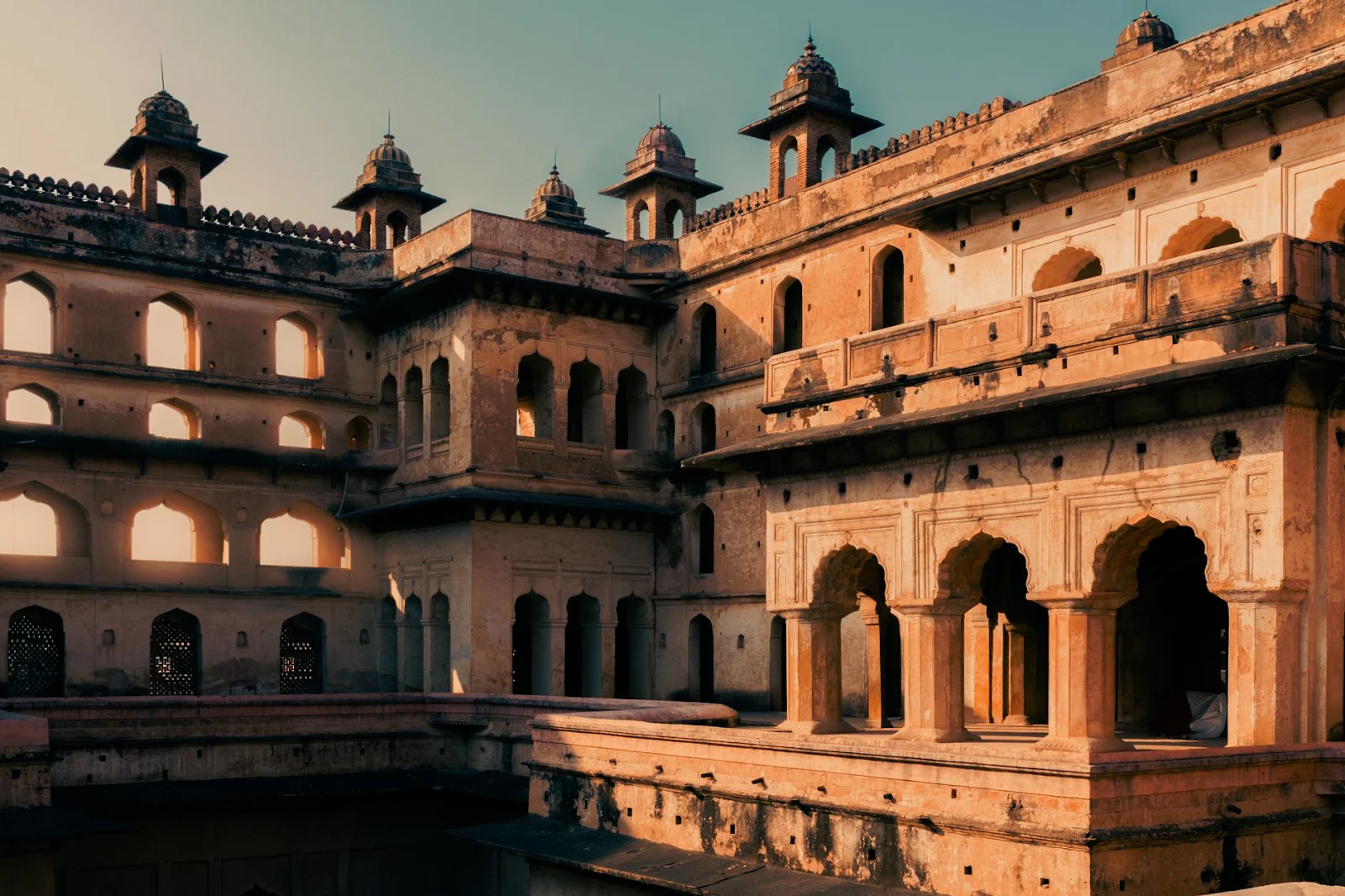
Agar Malwa is renowned for the divine Maa Baglamukhi Temple in Nalkheda (one of the principal Siddhapeeths in India), the colonial-associated Baba Baijnath Mahadev Temple, Moti Sagar Lake, its unique red soil, and India's first cow sanctuary at Salaria.
2. When was Agar Malwa formed as a separate district?

Agar Malwa was officially established as the 51st district of Madhya Pradesh on August 16, 2013, by partitioning the northern tehsils of the Shajapur district.
3. How far is Maa Baglamukhi Temple in Nalkheda from Agar town?
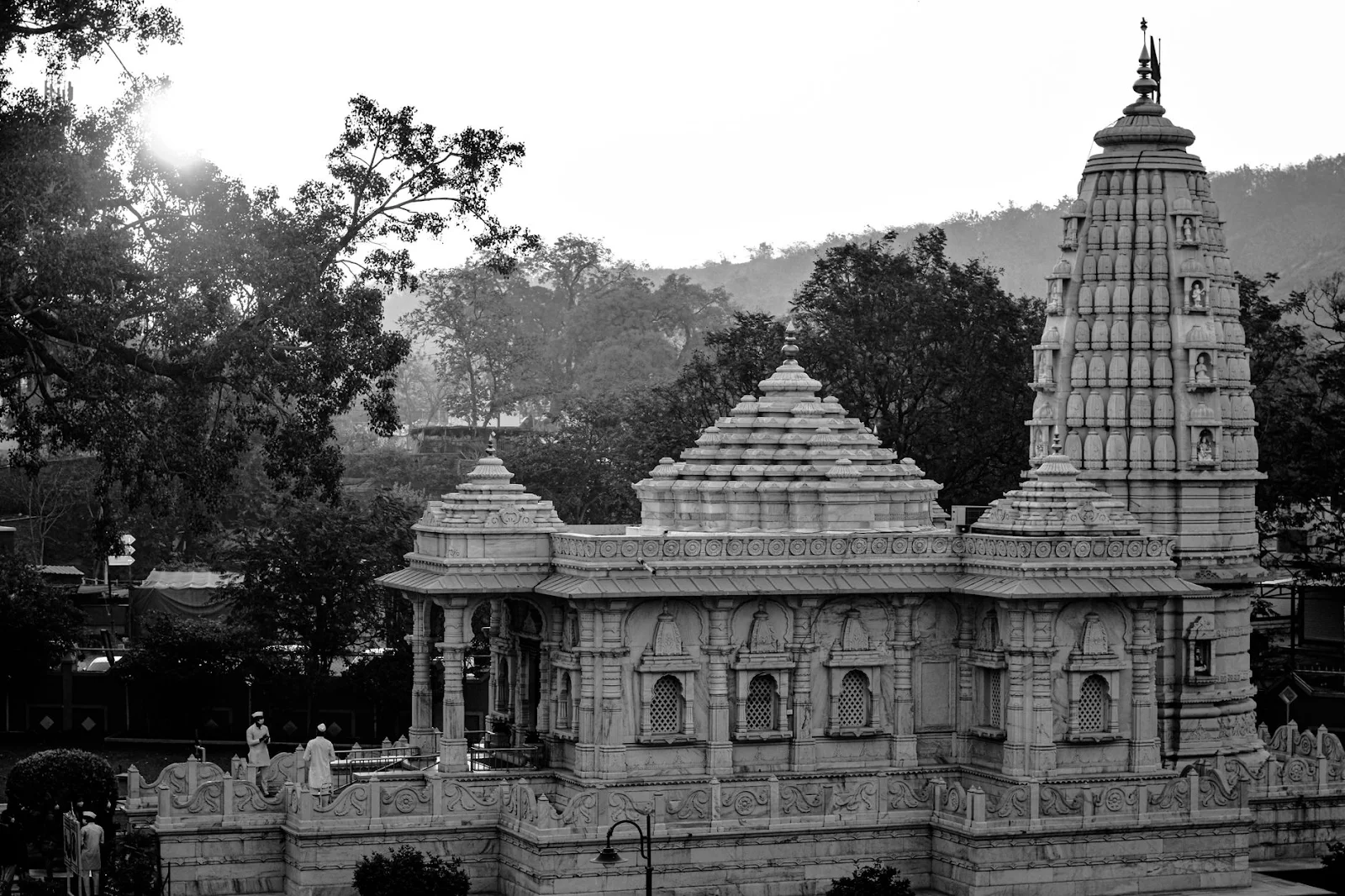
The temple is located about 35 kilometers northeast of Agar town. By taxi or personal car, the drive takes around 40 to 50 minutes along well-paved state roads.
4. What is the historic story behind the Baba Baijnath Temple?

The temple is legendary for being reconstructed by a British military officer, Lieutenant Colonel Martin, in 1883 after his life was saved in the Afghan War, reportedly in answer to his wife’s ardent prayers to Lord Shiva at this very shrine.
5. Which is the closest railway station to Agar Malwa?

The most convenient major railway station is Ujjain Junction (UJN), situated roughly 68 km south of Agar town. Shajapur Railway Station is another regional alternative situated about 55 km away.
6. Can one find decent accommodation in Agar Malwa?
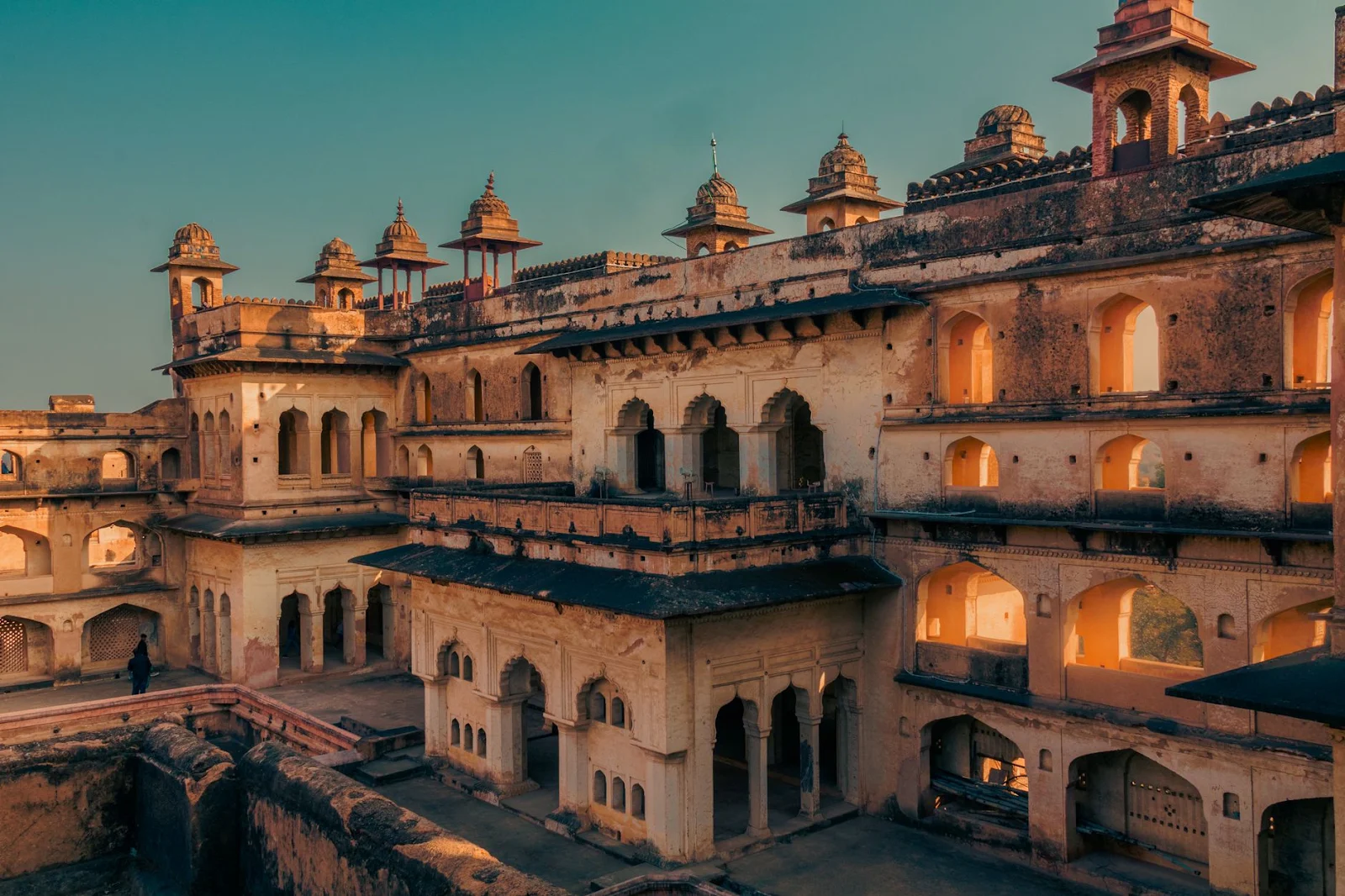
Yes. Agar town features budget hotels, family-run guest houses, and government rest houses. For luxury accommodations, most travelers prefer staying in Ujjain or Indore and visiting Agar Malwa on day trips.
7. What special items should one shop for in Agar Malwa?

Popular buys include regional savory Malvi Sev, fresh spices, organic cow-panchagavya products from Salaria Sanctuary, and traditional religious items used for pujas in Nalkheda.
8. Is Agar Malwa safe for solo and family travelers?

Agar Malwa is a peaceful, welcoming district with low crime rates. Local residents are helpful and hospitable towards tourists. Standard travel precautions regarding personal belongings apply as in any travel destination.



0 Comments