
Uncovering History and Heritage: Your Ultimate Guide to Dhar, Madhya Pradesh
Welcome, fellow wanderers, to one of the most culturally rich yet delightfully offbeat destinations in the heart of India! If you are craving a getaway that combines the romance of medieval ruins, the grandeur of ancient fortresses, and the serene beauty of the Malwa plateau, look no further. Nestled in the western region of Madhya Pradesh, Dhar is a district that whispers tales of valor, architectural brilliance, and royal patronage. While many travelers flock to the usual suspects like Indore or Ujjain, the historic town of Dhar remains a hidden gem just waiting to be explored. Whether you are a history buff trying to decode inscriptions of the Paramara dynasty, a photography enthusiast chasing golden hour lighting over looming ramparts, or simply a curious traveler looking to escape the humdrum of city life, discovering the top tourist places in Dhar is an absolute revelation. As your resident travel guide, I have spent days wandering through its sprawling bazaars, climbing steep stone staircases, and chatting with local artisans to curate the ultimate itinerary for you. Join me as we dive deep into the heart of Malwa, where every brick has a story, every lake mirrors a dynasty, and the air is filled with the timeless charm of old Hindustan. Get ready to pack your bags because your next great Indian adventure starts right here in Dhar, Madhya Pradesh!
Table of Contents
- 1. Dhar Fort
- 2. Bhojeshwar Temple (Bhojpur)
- 3. The City of Joy - Mandu
- 4. Bagh Caves
- 5. Dharaji Waterfalls
- Best Time to Visit Dhar
- How to Reach Dhar
- Local Food to Try
- 10 Essential Travel Tips for Dhar
- Suggested 2-Day Itinerary
- Frequently Asked Questions (FAQs)
- Conclusion
1. Dhar Fort

Overview
Standing proudly on a modest rocky eminence overlooking the bustling town below, Dhar Fort is the crowning glory of the district. Built by the visionary Paramara King Bhoja in the 11th century, this imposing structure has witnessed centuries of political upheaval, architectural evolution, and cultural synthesis. Over the years, it passed through the hands of the Delhi Sultanate, the Khaljis, and eventually the Maratha Pawars, leaving behind a fascinating blend of Hindu, Afghan, and Maratha architectural styles. Walking through its massive red sandstone gates feels like stepping straight into a medieval epic.
Historical Significance
The fort is steeped in history. During the reign of Muhammad bin Tughlaq, the capital of Malwa was temporarily shifted here. Later, it served as the stronghold for the Pawar dynasty of Marathas who established their state in Dhar. Inside the fort complex, you will find the Kharbuza Mahal, so named because its ribbed dome resembles a muskmelon. This palace served as a pleasure house and boasts fine stucco work. Another major highlight within the fort walls is the Sheesh Mahal and a charming 17th-century mosque known as the Avakhah Masjid, which highlights the secular ethos of the rulers who occupied these ramparts.
Traveler Tips
Wear comfortable walking shoes, as exploring the entire fort requires climbing uneven stone steps and walking on elevated ramparts. Early mornings or late afternoons offer the best lighting for photography and a pleasant breeze. Do hire a local guide near the entrance if you wish to dive deeper into the architectural nuances and historical legends associated with King Bhoja and subsequent rulers.
2. Bhojeshwar Temple

Overview
While technically located near the border in the Raisen district, the legendary Bhojeshwar Temple built by King Bhoja is intimately linked to the historical legacy of Dhar and is frequently visited by heritage travelers exploring the Bhoja trail. Dedicated to Lord Shiva, this architectural marvel is famous for housing one of the largest Shiva lingas in the entire world, hewn out of a single massive rock. The temple is an absolute masterpiece of temple architecture, showcasing the pinnacle of craftsmanship during the Paramara era.
Historical Significance
What makes the Bhojeshwar Temple extraordinarily unique is that it remains mysteriously incomplete. According to local folklore and archaeological studies, construction on the roof began, but for reasons unknown—possibly due to a sudden shift in the river course or political turmoil—the work was abruptly halted. The massive earthen ramp used by ancient artisans to lift heavy stone blocks to the roof level can still be seen today, offering a rare, tangible glimpse into ancient construction techniques. The architectural plans and geometric engravings etched onto the surrounding rocks provide invaluable insights into medieval Indian engineering.
Traveler Tips
Photography is permitted around the exterior and interior courtyard, so make sure your camera battery is fully charged. Visit during the festival of Maha Shivaratri if you want to witness the temple come alive with thousands of devout pilgrims, chanting priests, and vibrant cultural celebrations.
3. The City of Joy - Mandu

Overview
Located within the Dhar district, Mandu is not just a destination; it is an emotion, a poetic romance frozen in stone. Perched atop a plateau in the Vindhya range, this fortified city is globally renowned as the 'City of Joy'. Spanning a vast area dotted with palaces, pavilions, artificial lakes, and massive gateways, Mandu was once the pleasure resort of the Afghan rulers of Malwa. When you are looking for the absolute best places to visit in Dhar, Mandu easily steals the spotlight with its breathtaking vistas and poignant ruins.
Historical Significance
Mandu's history is a sweeping saga of love, war, and architectural splendor. It is famously immortalized by the legendary romance of Sultan Baz Bahadur and the extraordinarily talented singer Rani Roopmati. Key landmarks include the Jahaz Mahal (Ship Palace), which sits gracefully between two artificial lakes creating the illusion of a floating vessel; the Hindola Mahal (Swing Palace) with its unusually sloping walls; and the imposing Hoshang Shah's Tomb, which served as the architectural inspiration for the iconic Taj Mahal in Agra centuries later. Every monument here tells a story of lavish royal lifestyles and artistic patronage.
Traveler Tips
Mandu is massive, so trying to cover it on foot in a single day is nearly impossible. Rent a bicycle, hire an auto-rickshaw for the day, or drive your own vehicle to comfortably navigate the sprawling plateau. Do not miss the view of the Nimar valley from Roopmati's Pavilion at sunset—it is a sight that will stay etched in your memory forever.
4. Bagh Caves
Overview
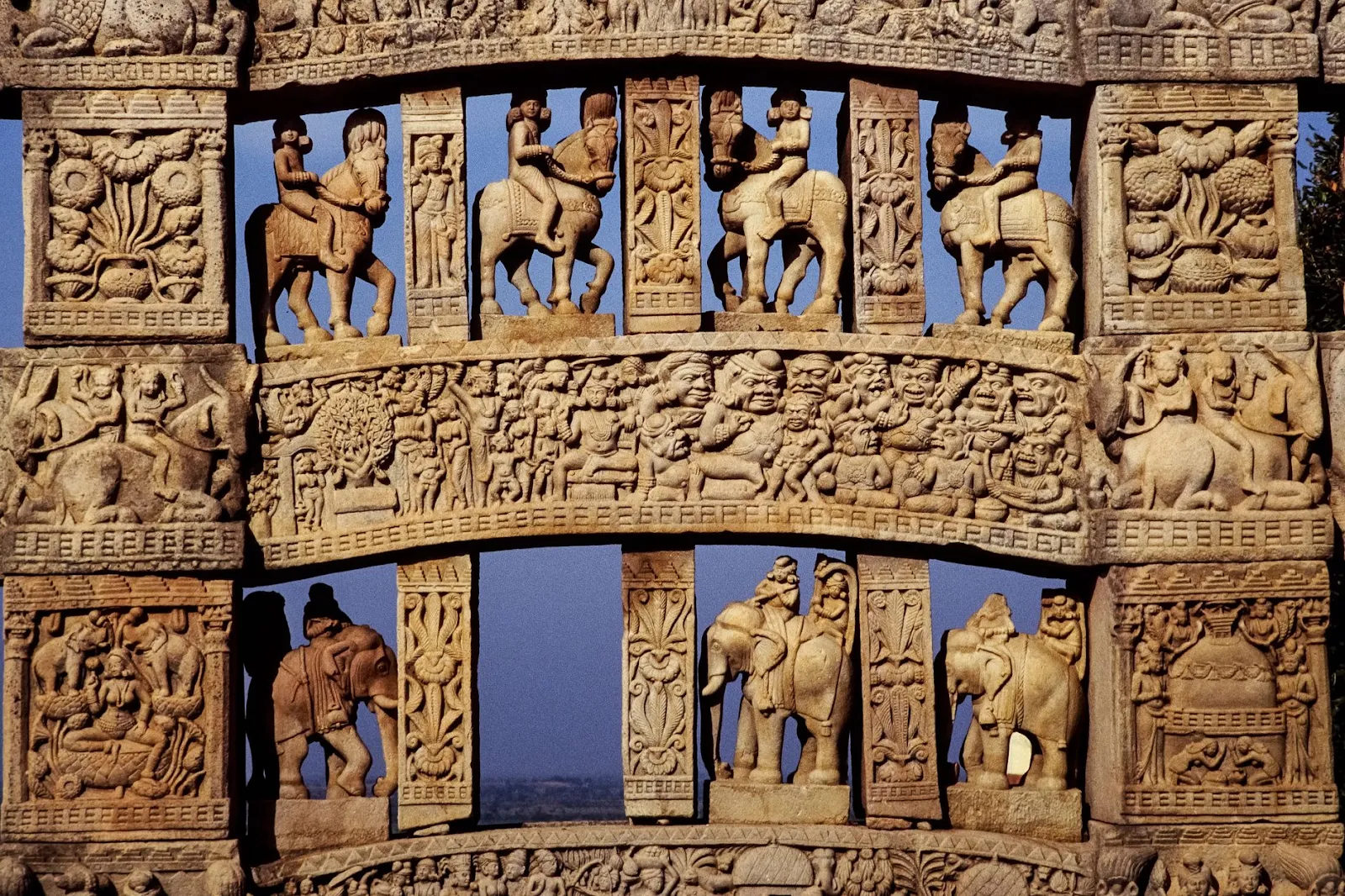
Tucked away on the southern slopes of the Vindhya range near the Baghani river, the Bagh Caves are a group of nine rock-cut monuments that showcase the sublime beauty of ancient Indian Buddhist art and architecture. Carved out of sandstone cliffs between the 5th and 6th centuries CE, these caves are contemporary to the world-famous Ajanta and Ellora caves in neighboring Maharashtra, yet they offer a much more serene, uncrowded exploration experience for true art lovers.
Historical Significance
Originally, there were nine distinct caves, of which several have suffered structural damage over time, leaving notable remnants in Caves 2 through 4. Cave 2, known as the Pandavas' Cave, features a spacious pillared hall and a central shrine containing a stupa. Cave 4, famously called the Rang Mahal (Palace of Colors), once boasted exquisite murals painted with mineral colors on a mud plaster base. While many of the original paintings have faded or been removed to museums due to weathering, the lingering traces of intricate floral motifs, dancing figures, and compassionate Bodhisattvas provide a window into the golden age of Gupta-Vakataka artistry.
Traveler Tips
Wear sturdy walking shoes as the approach involves descending and ascending uneven stone paths along the riverbank. Carry a small flashlight to inspect the darker corners of the rock-cut shrines, and always respect the sanctity of these ancient monastic spaces by maintaining silence.
5. Dharaji Waterfalls

Overview
For travelers who love chasing untamed natural beauty, Dharaji offers a refreshing contrast to the historical monuments and royal palaces of the district. Situated along the winding paths of the Narmada river basin region, Dharaji is celebrated for its roaring waterfalls, rugged rock formations, and tranquil green surroundings. It is a favored weekend retreat for nature enthusiasts, landscape photographers, and anyone looking to unwind amidst the soothing sounds of cascading water.
Historical Significance
Beyond its scenic appeal, Dharaji holds deep spiritual significance for locals. The area is associated with ancient mythological narratives linked to the Narmada river, which is revered as one of the holiest rivers in India. Pilgrims and locals frequently gather near the water bodies for ritual baths and annual fairs, blending natural wonder with centuries-old spiritual traditions. The raw, untouched landscape provides an authentic look at the rural topography of Madhya Pradesh.
Traveler Tips
Exercise extreme caution if you plan to walk on the wet rocks near the waterfall base, as slippery surfaces can be dangerous. It is wise to carry your own drinking water and light snacks, as commercial dining options directly at the waterfall site are limited. Always check weather and water flow conditions before venturing close during the peak monsoon season.
Best Time to Visit Dhar
Planning your trip at the right time of year can make all the difference when exploring the top tourist places in Dhar. The ideal window to experience the district in all its glory is during the winter months, spanning from October to March. During this period, the weather is delightfully crisp and cool, with daytime temperatures hovering comfortably between 15°C and 28°C. This makes wandering through sprawling open-air monuments like Mandu and climbing the stone ramparts of Dhar Fort an absolute pleasure without the oppressive heat of the summer months.
If you are a lover of lush greenery, overflowing water tanks, and misty landscapes, visiting Dhar during the monsoon season (July to September) is a magical experience, especially in Mandu where the valleys turn a vibrant emerald green and waterfalls come alive. However, summer (April to June) is best avoided unless you are comfortable sightseeing in temperatures that frequently exceed 40°柏C.
How to Reach Dhar
Reaching Dhar, Madhya Pradesh, is relatively straightforward due to its close proximity to major transport hubs in the state:
- By Air: The nearest major airport is Devi Ahilya Bai Holkar Airport in Indore, located approximately 65 kilometers away. Indore is well-connected by direct flights from major Indian cities including Delhi, Mumbai, Bengaluru, and Hyderabad. From the airport, you can easily hire a pre-paid taxi, book an outstation cab, or take a state-transport bus directly to Dhar.
- By Train: Dhar does not have its own major railway station, but the nearest railhead is Indore Junction (INDB), situated about 65 kilometers away. Ratlam Junction is another viable rail option located roughly 100 kilometers away. Both stations are well-linked to the national railway network with frequent express and superfast trains.
- By Road: Dhar enjoys excellent road connectivity via state and national highways. Regular buses operated by Madhya Pradesh Road Transport Corporation (MPRTC) and private operators run frequently from Indore, Ujjain, Bhopal, and Ratlam. Self-driving from Indore via the MDR-19 or the Agra-Mumbai highway offers a scenic and smooth road trip experience.
Local Food to Try
A journey through Madhya Pradesh is incomplete without indulging in its robust, flavorful culinary traditions. When visiting Dhar, your taste buds are in for an authentic Malwa treat:
- Poha Jalebi: The undisputed king of breakfast across Malwa! Soft, steamed flattened rice tempered with mustard seeds, green chilies, and turmeric, served alongside piping-hot, crispy, saffron-infused jalebis. It sounds like an unusual sweet-and-savory combination, but trust me, it is absolute heaven on a plate.
- Dal Bafla: A close cousin of the famous Rajasthani Dal Baati, Bafla features wheat dough balls that are first boiled in water and then baked until golden brown, before being generously dunked in rich ghee and served with spicy lentil soup (dal) and tangy green chutney.
- Bhutte Ka Kees: A quintessential street food delicacy made from grated fresh corn kernels sautéed in ghee, tempered with green chilies, mustard seeds, and asafoetida, and simmered in milk before being garnished with fresh coriander and grated coconut.
- Malpua and Imarti: Conclude your traditional Malwa meals with these decadent, sugar-syrup-soaked sweets that have been perfected by local halwais over generations.
10 Essential Travel Tips for Dhar
- Hire Licensed Guides: Monuments in Dhar and Mandu have deep historical layers; hiring an approved local guide ensures you do not miss fascinating anecdotes.
- Stay Hydrated: Madhya Pradesh can get quite warm during afternoons. Always carry a reusable water bottle to stay hydrated while sightseeing.
- Wear Modest Clothing: When visiting religious sites, temples, or historical shrines, dress respectfully by keeping shoulders and knees covered.
Footwear Matters: Opt for slip-on shoes or sandals, as you will frequently need to remove your footwear when entering ancient temples and specific palace rooms. - Carry Cash: While digital payments are increasingly common, smaller roadside eateries, local handicraft sellers, and parking attendants often prefer cash.
- Start Early: Beat the tourist rush and the afternoon sun by starting your daily sightseeing tours by 8:30 AM.
- Respect Heritage: Do not litter or carve names onto historical stone walls; help preserve these priceless archaeological treasures for future generations.
- Book Stays in Advance: If you plan to stay overnight in Mandu during weekends or festive seasons, book your heritage hotels well ahead of time.
- Beware of Monkeys: Historic monuments like Dhar Fort and Mandu have active populations of monkeys. Avoid holding open food packets in your hands.
- Keep Offline Maps Downloaded: Connectivity can occasionally fluctuate in remote rocky terrains or forested pockets near Bagh Caves; keep offline maps handy.
Suggested 2-Day Itinerary
To help you maximize your short getaway, here is a well-balanced 2-day travel itinerary covering the absolute best places to visit in Dhar:
Day 1: Royal Heritage of Dhar Town and Mandu's Northern Group
- 08:30 AM – 10:30 AM: Start your morning with a traditional breakfast of Poha-Jalebi in Dhar town, followed by an immersive exploration of the historic Dhar Fort and Kharbuza Mahal.
- 10:45 AM – 01:00 PM: Drive towards Mandu (approx. 35 km from Dhar) and check into your hotel. Begin your Mandu tour with the magnificent Jahaz Mahal and the surrounding Patal Mahal and twin water tanks.
- 01:00 PM – 02:30 PM: Savor a delicious local Malwa thali at a traditional restaurant near the village square.
- 02:30 PM – 05:00 PM: Explore the sprawling Hindola Mahal, Jami Masjid, and Hoshang Shah's Tomb—marveling at the sheer scale of Afghan architecture.
- 05:30 PM – 07:00 PM: Head up to Baz Bahadur's Palace and Roopmati's Pavilion to catch a breathtaking sunset over the Nimar valley.
Day 2: Cave Art, Natural Wonders, and Departure
- 08:00 AM – 11:30 AM: Check out early and take a scenic drive toward the historic Bagh Caves to admire ancient rock-cut architecture and remnants of Buddhist mural paintings.
- 11:30 AM – 01:00 PM: Proceed toward the nearby natural landscapes or visit local artisan workshops known for traditional Bagh block-printing textiles.
- 01:00 PM – 02:30 PM: Enjoy a relaxed lunch featuring local delicacies at a dhaba on the highway.
- 02:30 PM – 04:30 PM: Stop by local village markets to shop for authentic handblock printed fabrics and indigenous handicrafts as souvenirs.
- 04:30 PM onwards: Head back toward Indore or your onward destination with a heart full of timeless historical memories.
Frequently Asked Questions (FAQs)
- What is Dhar famous for?
Dhar is primarily famous for its rich medieval history, magnificent forts, the romantic ruins of Mandu, ancient rock-cut Buddhist Bagh caves, and traditional Bagh block-printing textiles.
- How many days are enough to explore Dhar?
A 2-day itinerary is ideal to comfortably cover the core attractions of Dhar town, Mandu, and nearby heritage sites.
- Is Dhar safe for solo and family travelers?
Yes, Dhar and Mandu are very safe destinations for families, solo backpackers, and couples. Standard travel precautions are all that is required.
- Can we visit Mandu as a day trip from Indore?
Absolutely! Mandu is located just about 95 kilometers from Indore, making it a hugely popular and convenient day trip option for travelers based in Indore.
- What are the famous shopping items in Dhar?
Hand-block printed Bagh textiles, tribal handicrafts, terracotta artifacts, and local brassware are the top souvenirs to purchase.
- Are there good hotels in Dhar and Mandu?
Yes, you will find a range of accommodations varying from Madhya Pradesh Tourism Corporation (MPSTDC) run hotels like Hotel Malwa Resort to heritage properties and budget guesthouses.
- What language is spoken in Dhar?
Hindi and Malwi (a regional dialect of Hindi) are the primary languages spoken by locals. English and Hindi are widely understood at tourist spots.
- Do I need to pay entry fees at monuments?
Yes, major historical monuments maintained by the Archaeological Survey of India (ASI) in Mandu and Dhar charge nominal entry fees for Indian and foreign nationals.
Conclusion
Dhar is a destination that gracefully bridges the gap between historical grandeur and tranquil rural beauty. From the imposing ramparts of Dhar Fort and the haunting architectural romance of Mandu to the serene rock-cut shrines of the Bagh Caves, every single corner of this district invites travelers to slow down and immerse themselves in the rich tapestry of India's past. Whether you are savoring the vibrant flavors of Malwa cuisine, witnessing a glowing sunset from Roopmati's Pavilion, or marveling at the genius of ancient stonemasons, a trip to Dhar promises memories that will linger long after you return home. So, what are you waiting for? Pack your curiosity, charge your camera, and set off to explore the enchanting heart of Madhya Pradesh on your next holiday!



0 Comments