
Hidden Gem of Madhya Pradesh: A Travel Guide to Burhanpur
Stepping into Burhanpur is akin to opening an illustrated manuscript of medieval Indian history, where every brick whispers tales of emperors, battles, royal romances, and architectural brilliance. Nestled gracefully on the northern bank of the Tapti River in Madhya Pradesh, this ancient city often plays second fiddle to its more famous neighbors, yet it holds a treasure trove of historical wonders that can captivate any avid traveler. If you are searching for offbeat destinations that offer a deep dive into the past without the overwhelming tourist crowds, exploring the best places to visit in Burhanpur should sit right at the top of your travel bucket list. Long before the Taj Mahal became the ultimate global symbol of eternal love, its foundational blueprint and tragic backstory were taking shape right here in this historic town. It was in Burhanpur that Mumtaz Mahal breathed her last during the childbirth of her fourteenth child, and it was initially here that her mortal remains rested before being shifted to Agra. But the architectural legacy of this region extends far beyond Mughal nostalgia. From subterranean water systems that rival ancient Roman engineering to formidable hilltop fortresses that commanded the trade routes of the Deccan, the top tourist places in Burhanpur showcase a fascinating confluence of Persian, Mughal, and local architectural styles. As you wander through its bustling bazaars, ancient gates, and serene riverside shrines, you will realize that Burhanpur is not merely a destination to tick off a checklist; it is an immersive historical journey waiting to be experienced. Whether you are a history buff, a photography enthusiast, or a cultural explorer looking for authentic Madhya Pradesh tourism experiences, this comprehensive guide will walk you through the absolute must-visit landmarks, culinary delights, and practical travel tips to make your journey unforgettable.
Table of Contents
- 1. Shahi Quila
- 2. Asirgarh Fort
- 3. Kundi Bhandara (Khooni Bhandara)
- 4. Gurudwara Badi Sangat
- 5. Jama Masjid Burhanpur
- Best Time to Visit Burhanpur
- How to Reach Burhanpur
- Local Food to Try
- 10 Essential Travel Tips
- Suggested 2-Day Itinerary
- Frequently Asked Questions
- Conclusion
1. Shahi Quila

Perched right on the banks of the Tapti River, the Shahi Quila stands as a majestic testament to the architectural grandeur of the Faruqi dynasty and later the Mughals. Originally built by the Faruqi kings, this magnificent palace complex later served as the grand residence for Mughal emperors, including Emperor Shah Jahan, during his tenure as the Viceroy of the Deccan. Among the top tourist places in Burhanpur, the Shahi Quila holds immense historical significance because it was within these very walls that Empress Mumtaz Mahal spent her final days and where she passed away in 1631. The palace is renowned for its exquisite architecture, featuring intricately carved stone brackets, balconies, and remnants of stunning mirror work that once adorned the royal chambers. One of the most unique highlights within the fort complex is the 'Hammam' or the royal bath, which was specifically constructed for Empress Mumtaz. The ceiling of this bathing chamber features a breathtaking fresco painting depicting the layout and design of the Taj Mahal, leading many historians to believe that the architectural inspiration for the world wonder was conceptualized right here. Walking through the ruins of the Diwan-i-Aam and Diwan-i-Khas, you can easily visualize the opulence of a bygone era. The sweeping views of the Tapti River from the upper terraces provide a tranquil setting, making it an absolute paradise for photography enthusiasts and history lovers alike. Visiting the Shahi Quila is undoubtedly one of the best things to do in Burhanpur to understand the deep emotional and historical ties the Mughal dynasty shared with this region.
2. Asirgarh Fort

Dating back centuries and standing sentinel atop a towering hill in the Satpura range, the Asirgarh Fort is an architectural marvel that has earned the legendary moniker of 'Key to the Deccan'. Because of its strategic geographical location—controlling the mountain passes that connected northern India to the southern plateau—this formidable fortress was considered virtually impregnable and was fiercely contested by numerous dynasties, including the Chauhans, Faruqis, Mughals, and later the British. Listed among the top places to visit in Burhanpur, Asirgarh is a sprawling complex divided into three distinct sections: Asirgarh proper, Kamargarh, and Malaigarh. As you ascend the winding pathways leading to the fort, you are greeted by massive stone gateways, defensive bastions, and ancient walls that echo with the sounds of epic battles. Within the fort complex, visitors can explore the historical Asirgarh Jama Masjid, which features a unique blend of Islamic and regional architectural motifs, complete with minarets carved out of black stone. Another major attraction inside the fort is the ancient temple dedicated to Lord Shiva, known as the Gupteshwar Mahadev temple, which draws numerous devotees. The vast plateau atop the fort also houses ancient water reservoirs and ruins of old barracks. Climbing up to the highest vantage point of Asirgarh Fort rewards you with jaw-dropping, panoramic views of the verdant Satpura hills and the plains below, making the trek up an immensely rewarding experience for adventure seekers and heritage explorers.
3. Kundi Bhandara (Khooni Bhandara)

One of the most astonishing yet lesser-known engineering feats of ancient India, Kundi Bhandara—locally and intriguingly referred to as Khooni Bhandara—is a subterranean water management system that leaves modern engineers in absolute awe. Constructed in the early 17th century by Abdul Rahim Khan-i-Khana, the scholarly Mughal commander and poet stationed in Burhanpur, this ingenious system was designed to supply fresh, cool drinking water to the entire city using the principles of gravity and natural underground aquifers from the Satpura hills. When searching for unique tourist places in Burhanpur, this underground wonder stands completely unmatched. The system consists of a series of underground tunnels, vertical shafts (kundis), and collection chambers that channel water over several kilometers without the aid of any mechanical pumps. The water flows naturally through terracotta pipes and stone channels, maintaining a constant pressure and crystal-clear quality. Descending into the designated visitor access points allows you to witness firsthand the sophisticated brickwork and precision alignment that has functioned flawlessly for over four centuries. The eerie yet fascinating atmosphere inside the subterranean tunnels, combined with the historical narratives shared by local guides regarding its construction, makes Kundi Bhandara a mandatory stop for anyone interested in ancient science, architecture, and sustainable engineering.
4. Gurudwara Badi Sangat
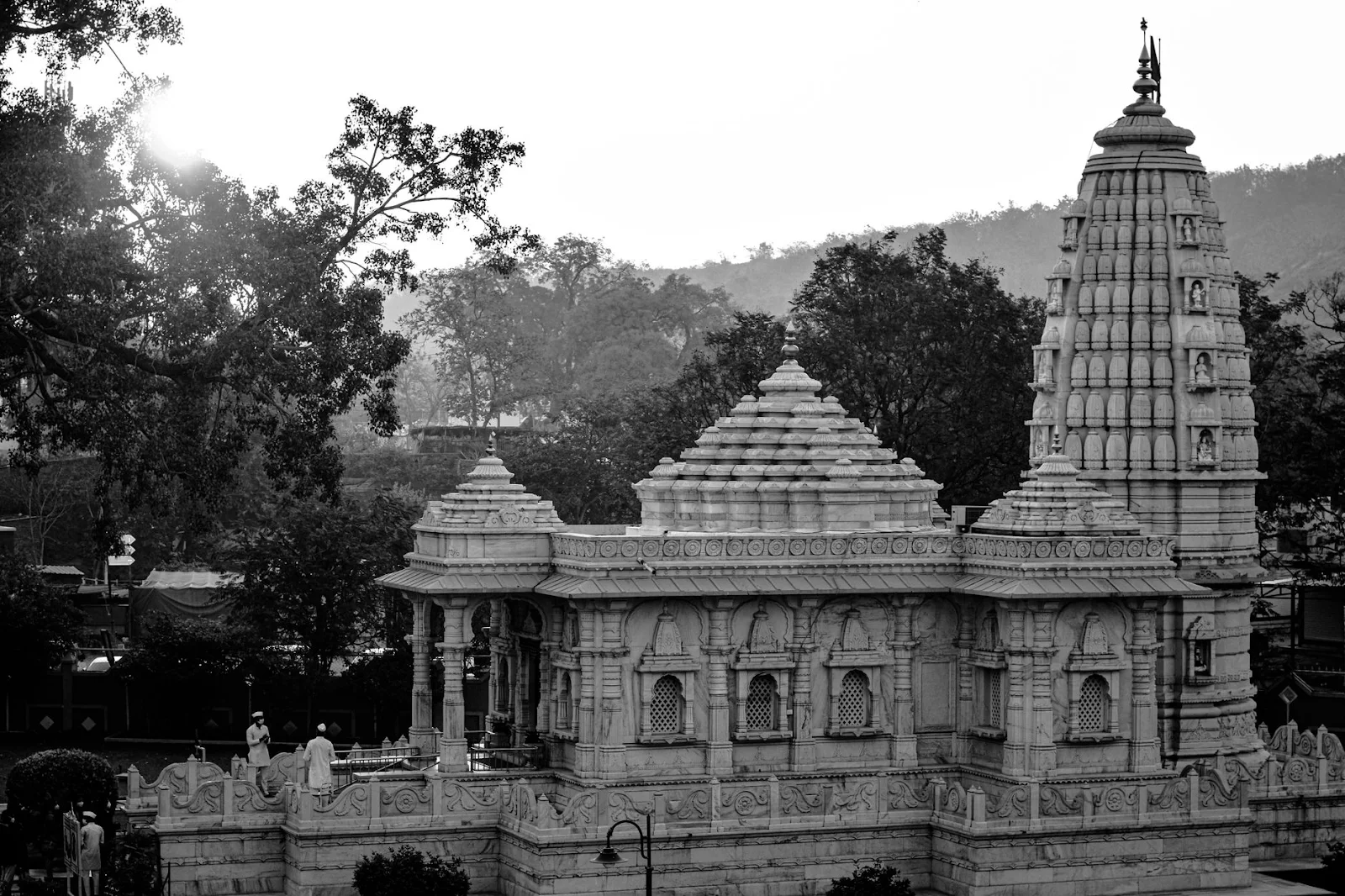
Burhanpur holds a deeply revered place in Sikh history, and Gurudwara Badi Sangat stands as a glowing beacon of this spiritual legacy. According to historical records and Sikh traditions, both Guru Nanak Dev Ji, the founder of Sikhism, and Guru Gobind Singh Ji, the tenth Sikh Guru, visited Burhanpur during their respective travels across the Indian subcontinent. The Gurudwara Badi Sangat was established to commemorate the visit of Guru Nanak Dev Ji during his second Udasi (travels), making it one of the oldest and most sacred Sikh shrines in central India. Among the best places to visit in Burhanpur, this peaceful sanctuary offers a serene escape from the bustling city streets. Inside the gurudwara, visitors can witness historical artifacts, including old hukamnamas (royal edicts or letters) bearing the seals and signatures of Sikh Gurus, which are preserved with utmost reverence by the temple authorities. The atmosphere here is charged with profound spirituality, tranquility, and the quintessential warmth of Sikh hospitality. The community kitchen, or Langar, serves wholesome, vegetarian meals to all visitors irrespective of their caste, creed, or religion, embodying the core principles of equality and selfless service. Spending an hour in quiet contemplation at Gurudwara Badi Sangat provides a deeply moving cultural and spiritual dimension to your Burhanpur itinerary.
5. Jama Masjid Burhanpur

Concluding our list of top tourist places in Burhanpur is the magnificent Jama Masjid, located in the heart of the old city. Built in the late 16th century by Ali Khan Faruqi of the Faruqi dynasty, this grand mosque is an exquisite masterpiece of medieval Islamic architecture. What sets Jama Masjid Burhanpur apart from other contemporary mosques is its unique Sanskrit and Arabic bilingual inscription carved on its walls, highlighting a rare moment of cultural and linguistic synthesis during that historical epoch. The mosque features a spacious central courtyard, majestic arched facades, and twin towering minarets that offer a commanding view of the surrounding cityscape. The prayer hall is supported by dozens of symmetrically aligned pillars, creating an aura of solemn grandeur and acoustic perfection. The delicate stone latticework (jalis) and floral motifs reflect the refined aesthetic sensibilities of the era. Visiting the Jama Masjid in the late afternoon allows you to witness the golden hour sunlight casting enchanting shadows across the ancient stone courtyard, providing a tranquil and photogenic environment. It remains an active place of worship where local Muslims gather for daily prayers, maintaining a vibrant link between Burhanpur’s glorious past and its living present.
Best Time to Visit Burhanpur
Planning your trip during the right season is crucial for a comfortable and enjoyable travel experience in central India. The best time to visit Burhanpur is during the winter months, spanning from October to March. During this period, the weather is pleasant, with daytime temperatures hovering comfortably between 15°C and 28°C, making it ideal for walking tours, exploring hilltop forts, and navigating historical monuments without the draining heat of the plains. Mornings and evenings are delightfully crisp, requiring a light jacket or shawl. The monsoon season, from July to September, also transforms the surrounding Satpura hills and the Tapti River banks into lush green landscapes, offering dramatic photography opportunities, though outdoor trekking might occasionally be hindered by heavy showers. Summers (April to June) should ideally be avoided, as temperatures frequently soar above 40°C, accompanied by intense dry heat that makes daytime sightseeing quite exhausting.
How to Reach Burhanpur
Burhanpur enjoys excellent connectivity via road and rail networks, making it easily accessible from major cities in Madhya Pradesh and neighboring states like Maharashtra.
- By Air: The nearest major airport to Burhanpur is Devi Ahilya Bai Holkar Airport in Indore, located approximately 185 kilometers away. From Indore, you can easily hire a private taxi, cab, or take a direct train to reach Burhanpur.
- By Train: Burhanpur railway station (station code: BAU) is a prominent station situated on the vital Mumbai-Itarsi-Delhi main railway line. It is well-connected by direct express and superfast trains from major cities including Mumbai, Pune, Bhopal, Indore, Varanasi, and Delhi.
- By Road: Burhanpur is well-linked by a robust network of state and national highways. Regular state transport buses and private luxury coaches operate frequently from Indore, Khandwa, Jalgaon, Aurangabad, and Bhopal. Self-driving via national highways is also a popular option for road trip enthusiasts.
Local Food to Try
A culinary journey in Burhanpur is a delightful reflection of its rich multicultural history, blending Malwa traditions with distinct Hyderabadi and Mughlai influences. When exploring the local eateries and street food stalls, make sure not to miss these local specialties:
- Mawa Jalebi: Unlike the regular orange, crispy jalebis found across India, Burhanpur is legendary for its thick, dark brown Mawa Jalebis made from fresh khoya (reduced milk) and paneer. They are decadently rich, soft on the inside, and served piping hot.
- Biryani: Given its deep Mughal roots, the local style of Biryani prepared here features aromatic basmati rice layered with tender meat, slow-cooked in sealed pots with traditional spices.
- Bhutte Ka Kees: A popular street food snack across Madhya Pradesh, made from grated fresh corn sautéed in ghee, mustard seeds, green chilies, and grated coconut, finished with a dash of lemon juice.
- Dal Bafla: A traditional Maharashtrian and Malwa comfort dish consisting of wheat dough balls boiled in water and then baked, served generously drenched in warm yellow lentil soup (dal) and pure ghee.
- Shahi Tukda: A decadent royal dessert made from fried bread slices soaked in saffron-infused sugar syrup, topped with rich rabri and garnished with slivers of almonds and pistachios.
10 Essential Travel Tips
- Hire a local, licensed guide at Asirgarh Fort and Shahi Quila to truly understand the complex history and hidden architectural details.
- Wear comfortable walking shoes with good grip, as exploring forts and subterranean tunnels involves extensive walking and uneven terrain.
- Carry an adequate supply of drinking water and sunscreen, especially if you are traveling during the shoulder months.
- Dress modestly when visiting religious sites like Jama Masjid and Gurudwara Badi Sangat out of respect for local customs.
- Keep some cash handy, as smaller local eateries, street food vendors, and auto-rickshaws may not accept digital payments.
- Start your sightseeing early in the morning to beat the afternoon rush and make the most of natural lighting for photography.
- Respect local heritage by not littering or defacing ancient walls and monuments within historical complexes.
- Book your accommodation in advance, as heritage-focused boutique hotels and standard tourist lodges can fill up quickly during peak winter weekends.
- Keep a power bank handy, as clicking numerous photographs and using navigation apps will drain your smartphone battery quickly.
- Try local street foods from busy, reputed vendors to ensure hygiene and authentic flavors.
Suggested 2-Day Itinerary
To help you maximize your short getaway, here is a well-balanced 2-day itinerary covering the best highlights of Burhanpur:
Day 1: Royal Heritage and Subterranean Wonders
- Morning (09:00 AM - 12:00 PM): Arrive in Burhanpur, check into your hotel, and kickstart your historical exploration at the majestic Shahi Quila by the Tapti River.
- Afternoon (12:30 PM - 02:00 PM): Savor a traditional thali or local lunch in the old city, followed by a sweet break enjoying the famous Burhanpur Mawa Jalebi.
- Afternoon (02:30 PM - 04:30 PM): Descend into the fascinating architectural marvel of Kundi Bhandara (Khooni Bhandara) to witness ancient water engineering.
- Evening (05:00 PM - 07:00 PM): Visit the historic Jama Masjid Burhanpur during sunset and take a leisurely stroll through the vibrant local bazaars.
Day 2: Fortresses and Spiritual Landmarks
- Morning (08:30 AM - 12:30 PM): Head out early towards the Satpura hills to explore the legendary Asirgarh Fort, taking your time to admire its grand gateways and hilltop temple.
- Lunch (01:00 PM - 02:00 PM): Enjoy a hearty local meal back in the city center.
- Afternoon (02:30 PM - 04:00 PM): Pay your respects and experience the profound peace at the historic Gurudwara Badi Sangat.
- Evening (04:30 PM onwards): Pick up some local souvenirs, sweets, and handicrafts before heading to the railway station or bus stand for your onward journey.
Frequently Asked Questions
1. What is Burhanpur famous for?
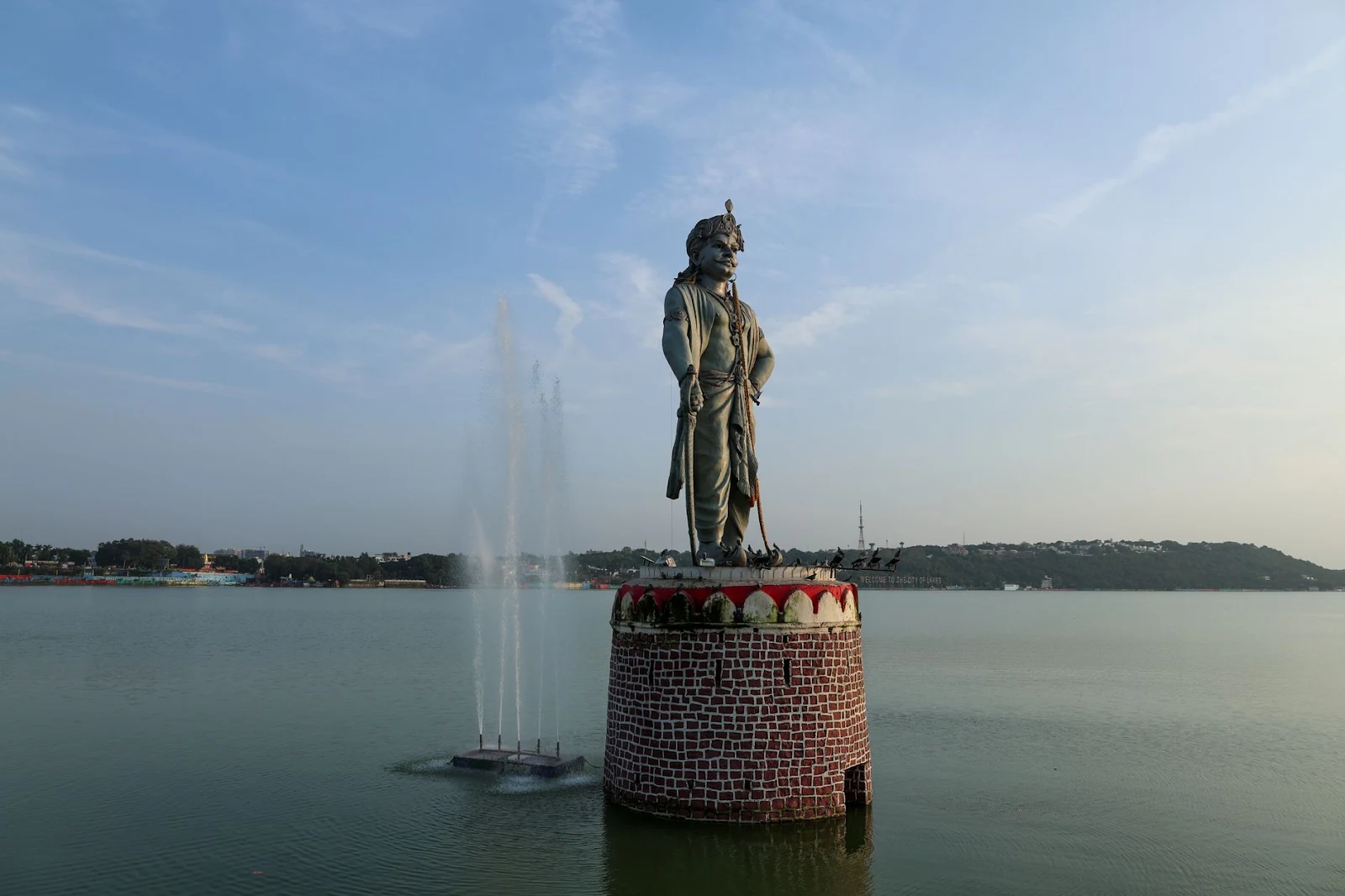
Burhanpur is globally renowned for its rich Mughal history, the Shahi Quila where Mumtaz Mahal passed away, the impregnable Asirgarh Fort, and the ancient underground water management system known as Kundi Bhandara.
2. Is Burhanpur safe for tourists and solo travelers?

Yes, Burhanpur is a peaceful and safe destination for travelers, including solo backpackers and families. Standard travel precautions should still be maintained.
3. How many days are sufficient to explore Burhanpur?

A duration of 2 days is ideal to comfortably explore all major historical monuments, forts, architectural wonders, and culinary hotspots without rushing.
4. Can we visit Asirgarh Fort easily?
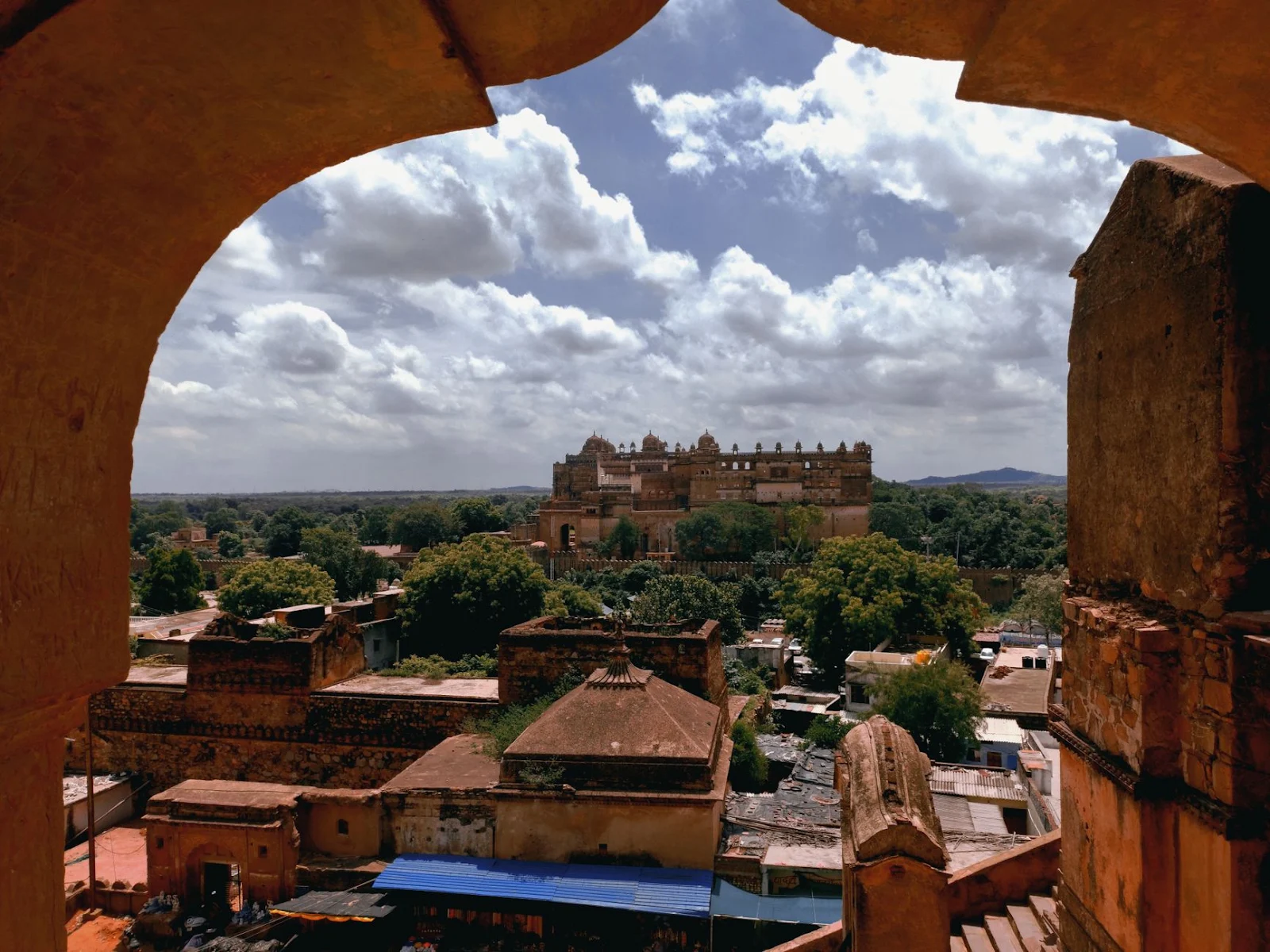
Yes, Asirgarh Fort is accessible by road up to a certain point, followed by a short walk or vehicle ride up the hill. Hiring a local guide is highly recommended.
5. What is the specialty sweet of Burhanpur?

The Mawa Jalebi is the signature sweet of Burhanpur, prepared from rich khoya instead of regular flour batter, giving it a unique dark brown color and rich taste.
6. Are there good hotels available in Burhanpur?

Burhanpur offers a range of decent mid-range hotels, tourist lodges, and guesthouses catering to budget and heritage travelers.
7. Is photography allowed inside the historical monuments?

Yes, photography is permitted across most historical sites and monuments in Burhanpur, though tripod use or commercial filming may require prior permission.
8. Which is the nearest airport to Burhanpur?

The nearest airport is Devi Ahilya Bai Holkar Airport in Indore, situated approximately 185 kilometers away from the city.
Conclusion
Burhanpur stands as a magnificent living museum where India’s medieval past comes alive in vibrant colors, weathered stone, and flowing rivers. Often overshadowed by flashier tourist hubs, this historic district in Madhya Pradesh rewards the curious traveler with uncrowded monuments, profound historical narratives, and architectural wonders that defy time. From the hauntingly beautiful chambers of Shahi Quila and the towering heights of Asirgarh Fort to the brilliant ingenuity of Kundi Bhandara and the spiritual tranquility of its ancient shrines, every corner of this city tells a compelling story. By packing your bags and heading out to explore the top places to visit in Burhanpur, you are stepping off the beaten tourist path and into the heart of India’s glorious heritage. Plan your getaway today, savor the legendary Mawa Jalebis, and let the timeless charm of Burhanpur leave an indelible mark on your soul.



0 Comments