
Exploring Maharajganj, Uttar Pradesh: An Untouched Realm of Terai Wilderness, Sacred Lore, and Ancient Heritage
Tucked peacefully along the lush foothills of the Shivalik range and sharing an international border with Nepal, the district of Maharajganj in eastern Uttar Pradesh remains one of Northern India's most evocative yet under-the-radar destinations. While mainstream tourism often sweeps past towards the famed stupas of Kushinagar or the ghats of Varanasi, seasoned travelers know that the true soul of rural India flourishes in places where nature and mythology intersect without commercial fanfare. Maharajganj, carved out of the historic Gorakhpur district in 1989, presents an exquisite landscape painted with endless sal canopies, meandering river systems, thriving oxbow wetlands, and timeless spiritual shrines.
Geographically, Maharajganj sits in the fertile Terai belt, where groundwater runs high, mornings are cloaked in misty calm, and birdsong replaces urban clamor. The district's unique setting has preserved centuries of layered history. Here, echoes of the ancient Shakya and Koliya clans from the era of Lord Buddha linger across quiet archaeological mounds, while sacred shrines nestled deep in forest glades keep legends from the Mahabharata vibrantly alive. For wildlife enthusiasts, the sprawling woodlands serve as a vital corridor connecting national parks across state and international lines.
Whether you are yearning for a peaceful retreat away from crowded tourist circuits, searching for sacred temples with profound folklore, or eager to spot rare fauna amid primeval forests, this Terai paradise delivers an enriching journey. In this detailed guide, we showcase the best places to visit in Maharajganj, complete with insider logistics, historical context, and thoughtful travel advice to help you craft an unforgettable expedition into this pristine corner of Uttar Pradesh.
1. Sohagibarwa Wildlife Sanctuary: Wilderness at the Indo-Nepal Border

Overview & Natural Splendor
Spanning an expansive area of over 428 square kilometers, the Sohagibarwa Wildlife Sanctuary is unquestionably the crown jewel among the top tourist places in Maharajganj. Bordered by the winding Great Gandak River to the east and Nepal’s dense forests to the north, this protected wilderness forms an indispensable ecological refuge in the Terai plains. Dense stands of Sal (Shorea robusta), Asna, Khair, and sprawling bamboo thickets combine with waterlogged grasslands and tranquil oxbow lakes (locally known as tals), generating an enchanting sanctuary for an astonishing diversity of flora and fauna.
Biodiversity and Ecological Significance
Sohagibarwa serves as an essential buffer and wildlife corridor linked to Nepal’s Chitwan National Park and Bihar's Valmiki Tiger Reserve. Because human footfall remains gentle compared to mainstream tiger reserves, the biodiversity here flourishes in genuine peace. The sanctuary provides safe haven to the Royal Bengal tiger, leopards, jungle cats, sloth bears, Indian civets, spotted deer (chital), barking deer, and wild boars. In the river stretches and marshes, mugger crocodiles and smooth-coated otters are often spotted basking on sunny sandbanks. For birdwatchers, the sanctuary is paradise incarnate: over 200 resident and migratory avian species, including painted storks, black-necked storks, kingfishers, and serpent eagles, populate its skies and wetlands.
Activities and Things to Do
- Guided Forest Excursions: Board registered forest department utility vehicles or arrange guided day drives along designated jungle tracks inside the sanctuary’s buffer corridors.
- Birding around Wetlands: Spend quiet early morning hours near the tranquil oxbow lakes and the embankments of the Gandak River to photograph both native waterbirds and winter migrants.
- Nature Photography: Capture the interplay of golden morning light filtering through century-old Sal canopies, towering elephant grasses, and rural village interfaces.
Practical Visitor Information
Location: Northern Maharajganj, bordering Nepal and Bihar.
Timings: 06:00 AM to 05:00 PM (Entry permitted during daylight hours; buffer trails close before sundown).
Entry Fees: Minimal forest entry fee (INR 50 to 100 for Indian nationals; additional nominal fee for cameras and safari vehicles).
Best Season: November through April, when trails dry out and animal sightings peak near watering holes.
Local Access: Located approximately 45 km from Maharajganj district headquarters and 85 km from Gorakhpur. Private taxis or hired jeeps from Gorakhpur or Anand Nagar offer the most reliable transit.
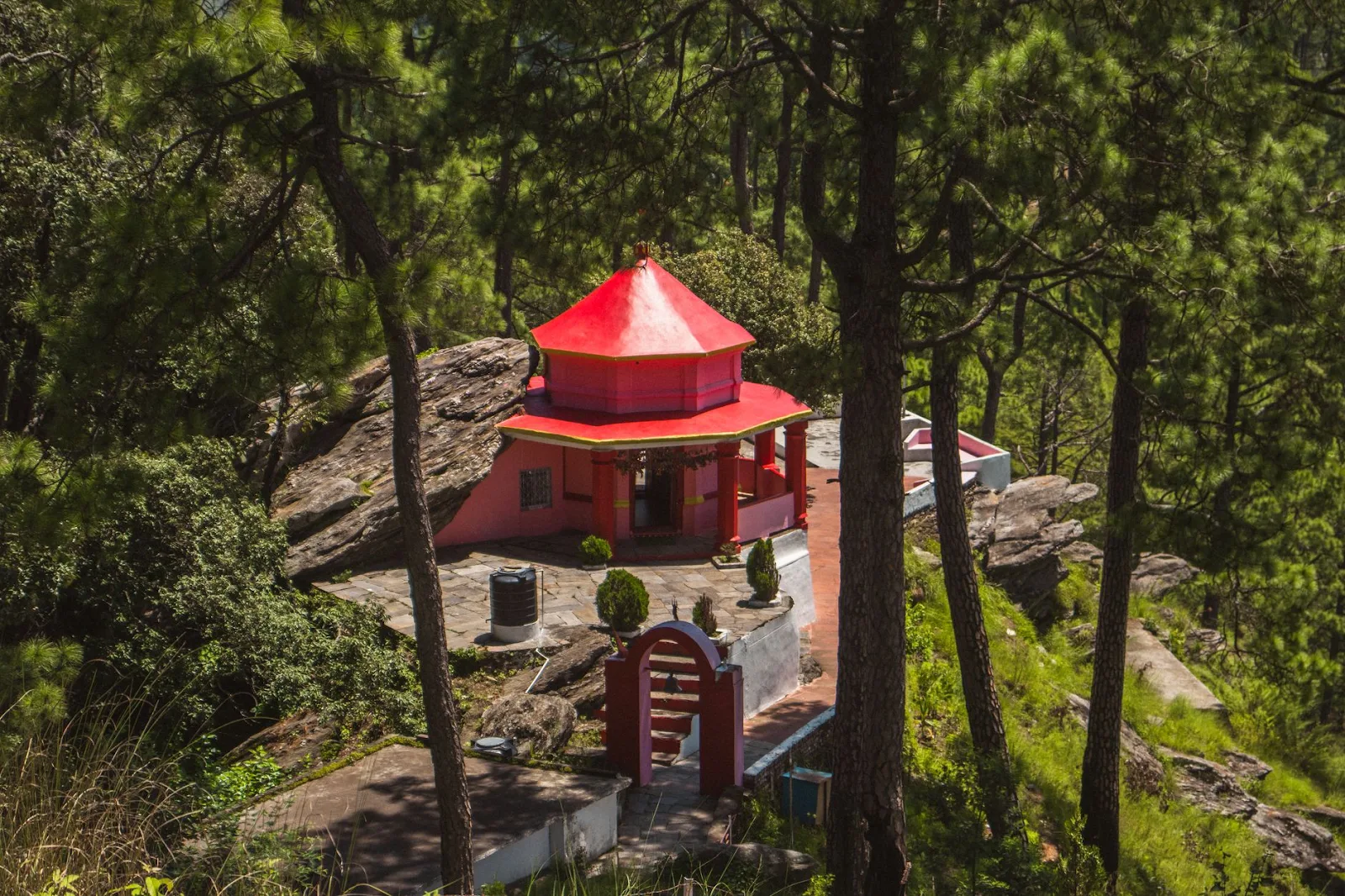
2. Aadi Shakti Maa Lehra Devi Temple: The Forest Shrine of Wish-Fulfillment
Overview & Spiritual Presence
Positioned serenely in the dense woodland zone near Anand Nagar (Pharenda), the historic Aadi Shakti Maa Lehra Devi Temple (frequently called Lehra Mandir) stands as the district's most revered spiritual haven. Enveloped by lush groves and shaded by ancient banyan and neem trees, this centuries-old sanctum radiates an aura of quiet mysticism. Devotees from all across eastern Uttar Pradesh, Bihar, and southern Nepal make sacred pilgrimages here to seek the blessings of the Divine Mother, who is venerated here as an embodiment of immense protective energy and compassionate grace.
Mythological Lore and Heritage
Local legends intricately link the Lehra Devi Temple to the epic Mahabharata. It is widely believed that during the twelfth year of their secret exile (Agyatvas), the five Pandava brothers, along with Draupadi, journeyed through the wild Terai forests. Seeking spiritual courage and invincibility against demonic adversaries, Pandavaputra Arjuna is said to have worshipped Goddess Durga at this very site, consecrating the shrine with mystic rites. Another beloved folk tale describes how the Goddess once tested a proud local boatman on the adjoining Rohin stream, blessing the humble and grounding the arrogant. Today, the sanctum houses a divine stone murti adorned with rich vermillion, silk canopies, and fragrant marigolds.
Temple Highlights and Visitor Experiences
- Navratri Festivities: During Chaitra and Sharadiya Navratri, the temple transforms into a vibrant spiritual carnival with traditional devotional music, evening aartis, and colorful village fairs.
- Sacred Pond Rituals: Devotees partake in ritual ablutions in the holy pond situated within the temple complex, believed to possess purifying qualities.
- Forest Ambience: After offering prayers, visitors can enjoy quiet contemplation beneath the sprawling banyan trees that have shaded sages for generations.
Practical Visitor Information
Location: Near Anand Nagar / Pharenda, western Maharajganj district.
Timings: Open daily from 05:00 AM to 09:00 PM (Mangala Aarti at 05:30 AM, Sandhya Aarti at 07:30 PM).
Entry Fees: Free entry. Special VIP puja arrangements can be booked directly with temple priests.
Best Season: October to March, particularly during festive celebrations.
Local Access: Easily accessible by road, situated just 5 km from Anand Nagar Railway Station and about 28 km west of Maharajganj city center.
3. Itahiya Shiv Mandir: The Panchmukhi Mahadev Shrine

Overview & Architecture
Standing tall as one of the most prominent Shaivite pilgrimage landmarks in eastern Uttar Pradesh, the Itahiya Shiv Mandir—celebrated locally as Panchmukhi Shiv Dham—is an architectural and spiritual marvel. Located near Nautanwa, in close proximity to the border, this revered sanctuary draws countless pilgrims who arrive to offer holy water, milk, and bael leaves to the extraordinary five-faced (Panchmukhi) Shivalinga enshrined within its inner sanctum. The shrine boasts classical North Indian temple architecture, complete with high pyramidal shikharas, intricate carved niches, and a tranquil, spacious courtyard.
Spiritual and Cultural Resonance
The presence of a Panchmukhi Shivalinga is considered spiritually rare in Vedic tradition, representing Lord Shiva's five divine cosmic functions: creation (Sadyojata), preservation (Vamadeva), destruction/transformation (Aghora), concealing grace (Tatpurusha), and revealing grace (Ishana). Local legend asserts that this self-manifested (Swayambhu) lingam was uncovered centuries ago by pastoral herders. During the auspicious Hindu month of Shravan and on the holy festival of Maha Shivratri, the temple grounds host hundreds of thousands of *Kanwariyas* and pilgrims chanting hymns in deep devotion.
Key Highlights
- Maha Shivratri Fair: A massive cultural congregation takes place during Shivratri, featuring regional folk performers, devotional singers, and vibrant market stalls selling brassware and sweets.
- Architectural Photography: The whitewashed exterior of the temple, accented with vibrant orange flags against pristine blue skies, offers stunning visual opportunities.
- Inner Courtyard Meditation: Outside festival dates, the stone courtyard remains remarkably peaceful, offering an inspiring environment for prayer and introspection.
Practical Visitor Information
Location: Itahiya village, near Nautanwa block, Maharajganj district.
Timings: 05:00 AM to 08:30 PM daily.
Entry Fees: Free.
Best Season: Throughout the year, with pleasant weather prevailing from November through March.
Local Access: The temple is situated approximately 35 km northwest of Maharajganj town and 15 km from Nautanwa. Regular auto-rickshaws and shared jeeps connect Nautanwa to Itahiya.
4. Devdaha Archaeological Ruins: Maternal Footsteps of Lord Buddha

Overview & Buddhist Significance
History buffs, spiritual seekers, and archaeology enthusiasts will find an intellectual sanctuary at Devdaha. Known in Buddhist canonical texts as the ancient capital of the Koliya republic, Devdaha holds deep veneration as the maternal kingdom of Queen Mayadevi (the mother of Gautama Buddha) and Prajapati Gautami (his foster mother and aunt). It is also the historic homeland of Princess Yashodhara, Buddha’s consort. Situated along the peripheral border zones between Maharajganj and neighboring Nepal, several excavated and unexcavated mounds around this region preserve remnants of continuous habitation dating back more than 2,500 years.
Historical Discoveries and Folklore
According to ancient texts, Prince Siddhartha visited his maternal relatives in Devdaha multiple times throughout his youth and returned later as an enlightened master to preach the Dhamma. Archaeological explorations in the broader region have revealed Mauryan-era brick foundations, ancient water bodies, terracotta figurines, and stone seals from the Kushan and Gupta periods. While excavation work remains ongoing across various identified mounds, visiting Devdaha allows one to wander through landscapes virtually unchanged since antiquity, walking in the exact steps taken by early Buddhist masters.
Things to Do & Witness
- Archaeological Exploration: Walk among the ancient brick bases, stupa mounds, and commemorative markers dotting the archaeological sites.
- Heritage Walking Tour: Discover ancient wells and brick ponds, historically linked to resting caravans traversing the ancient Uttarapatha trade highway.
- Contemplative Walking: Experience the peaceful rural ambiance, surrounded by whispering sugarcane fields and ancient mango groves that invoke the simple grace of ancient India.
Practical Visitor Information
Location: Bordering northern belt of Maharajganj district (connected to the wider Buddhist Circuit).
Timings: Sunrise to sunset (Open daylight hours).
Entry Fees: Free entry.
Best Season: October to March, when the afternoon sunshine makes outdoor walking delightful.
Local Access: Best reached via private taxi from Maharajganj headquarters (approx. 40 km) or Gorakhpur (approx. 80 km). Hiring a local guide or knowledgeable driver is highly recommended.
5. Rohin River Barrage & Nichlaul Forest Range: Scenic Serenity

Overview & Landscape
For visitors seeking peaceful waterscapes, picturesque countryside picnics, and refreshing forest drives, the Rohin River Barrage and adjacent Nichlaul Forest Range offer an idyllic escape. The Rohin River, flowing gently down from the Chure hills of Nepal, meanders through the heart of Maharajganj, serving as a lifeline for rural agriculture and native ecology. Where the irrigation barrage spans the watercourse, broad tranquil waters pool behind the gates, attracting aquatic wildlife, winter migratory birds, and local fishermen maneuvering traditional wooden skiffs.
Atmosphere and Recreational Appeal
The neighboring Nichlaul woodland zone offers an immediate transition into thick Sal forests interspersed with babbling seasonal brooks and flowering riverine meadows. The air here is remarkably crisp, carrying the earthy scents of fallen leaves, damp loam, and fresh wildflowers. It serves as a beloved weekend haven for families and solo travelers eager to escape paved streets and noisy city life. At sunset, the skies above the barrage illuminate in shades of crimson and deep amber, reflecting off the gentle rippling river waters to create memorable scenic vistas.
Activities and Highlights
- Landscape & Wildlife Photography: Capture kingfishers, river terns, and cormorants diving for fish across the calm waters of the barrage.
- Forest Walking & Picnicking: Set up a relaxed family afternoon on designated open grassy riverbanks under the pleasant shade of arjun and jamun trees.
- Interacting with Local Boatmen: Observe traditional casting-net fishing methods passed down through generations of riverside communities.
Practical Visitor Information
Location: Nichlaul tehsil, eastern Maharajganj district.
Timings: Daylight hours (06:00 AM to 06:00 PM).
Entry Fees: No entry charges.
Best Season: October to April.
Local Access: Located roughly 25 km east of Maharajganj town center; smooth rural asphalt roads make it easily accessible by private car or motorbike.
Best Time to Visit Maharajganj
Because Maharajganj lies squarely within the humid subtropical Terai climatic zone, its seasonal changes are sharp and distinctive. Planning your journey during the appropriate seasonal window ensures comfortable wildlife outings and pleasant temple excursions.
- Winter (October to March) — Ideal Season: This is unequivocally the finest time to explore the top tourist places in Maharajganj. Days are pleasantly crisp, with temperatures hovering between 10°C and 25°C. Migratory waterfowl populate the wetlands, wildlife sighting conditions in Sohagibarwa are optimal, and outdoor sightseeing is comfortable throughout the entire day. Remember to carry warm woolens for chilly morning safaris and foggy evenings.
- Summer (April to June) — Hot and Arid: Terai summers can become scorching, with midday temperatures occasionally exceeding 42°C. While experienced wildlife photographers sometimes brave May for tiger and leopard sightings around shrinking water reservoirs, general tourism can feel taxing under the blazing sun.
- Monsoon (July to September) — Verdant yet Challenging: The southwest monsoon pours heavily over the Himalayan foothills. Forest tracks inside Sohagibarwa often turn marshy or become temporarily submerged, making dirt trails inaccessible. However, the countryside turns breathtakingly green, and temple sites like Lehra Devi remain open to enthusiastic pilgrims.
How to Reach Maharajganj
Despite retaining its peaceful rural charm, Maharajganj benefits from excellent transit links with major regional transportation hubs in eastern Uttar Pradesh.
By Air
The nearest commercial airport is Mahayogi Gorakhnath Airport (GOP) in Gorakhpur, located roughly 55 to 60 km south of Maharajganj city center. The airport operates daily direct flights connecting to Delhi, Mumbai, Kolkata, Bengaluru, and Prayagraj. From the airport terminal, visitors can hire comfortable pre-paid app cabs, private taxis, or catch local connecting buses straight into Maharajganj, taking around 1.5 hours by road.
By Rail
The district features multiple convenient railway stations depending on your planned destinations within the region:
- Anand Nagar Junction (ANDN): Best for visiting Lehra Devi Temple and western Maharajganj. It lies on the Gorakhpur-Gonda broad gauge loop.
- Nautanwa (NTV): The ideal railhead for accessing Itahiya Shiv Mandir and border excursions towards Nepal.
- Gorakhpur Junction (GKP): Situated 50 km south, this major Indian Railways hub connects directly to major metros across the country (New Delhi, Lucknow, Varanasi, Kolkata, and Mumbai). Taxis and buses run continuously from Gorakhpur Junction to Maharajganj.
By Road
Maharajganj is connected via well-maintained state highways and national road corridors branching out from Gorakhpur, Kushinagar, and Siddharthnagar. Uttar Pradesh State Road Transport Corporation (UPSRTC) runs buses between Gorakhpur bus station and Maharajganj every 15 to 30 minutes. Self-drive travelers will enjoy picturesque rural routes shaded by sprawling roadside trees.
Local Food and Culinary Traditions
Sampling the culinary delicacies of the Terai region is an essential part of any trip through Maharajganj. Rooted deeply in wholesome Awadhi and eastern Bhojpuri traditions, the district’s food emphasizes pure ghee, freshly crushed mustard oil, fragrant whole spices, and sun-ripened regional harvests.
- Litti Chokha: The undisputed classic of eastern Uttar Pradesh. Roasted whole-wheat dough balls stuffed with spiced roasted gram flour (sattu) are smothered in fragrant desi ghee and served alongside smoky, fire-roasted brinjal (eggplant) and mashed tomato mash.
- Kala Namak Rice Delicacies: Known as the legendary "Buddha Rice," aromatic *Kala Namak* paddy is indigenous to this Terai region. When cooked into plain steamed rice or sweet kheer, its floral scent and delicate texture are simply unforgettable.
- Kachori & Dubki Wale Aloo: The quintessential local morning breakfast. Flaky, lentil-stuffed fried bread served with a runny, hing-infused, spicy potato curry, accompanied by tangy raw mango pickle.
- Pedas & Khurchan: The dairy traditions of Maharajganj yield extraordinary condensed milk sweets. Look for traditional sweet shops near Pharenda and Nautanwa for rich, caramelized brown pedas.
- River Fish Preparations: For non-vegetarian travelers, freshwater catches like Rohu and Catla from the Gandak and Rohin rivers are traditionally stewed in rich, aromatic yellow mustard gravy.
10 Essential Travel Tips for Maharajganj
- Dress Respectfully at Religious Sites: Temples such as Lehra Devi and Itahiya require modest clothing. Ensure shoulders and knees are covered; carry a light scarf to cover your head during sacred aartis.
- Carry Cash in Small Denominations: While digital payments via UPI are widely accepted in urban shops, remote villages, local forest stalls, and countryside fruit markets often operate on cash only.
- Book Safari Permits Early: If you are planning deep exploratory trips into the buffer or core zones of Sohagibarwa Wildlife Sanctuary, coordinate with the Divisional Forest Office (DFO) in Maharajganj or Gorakhpur in advance.
- Keep Government Photo Identification Handy: Because Maharajganj shares an international perimeter with Nepal, you may encounter routine security checks along border roads like Nautanwa and Sonauli. Always carry your original Aadhaar, Voter ID, or Passport.
- Mind Indo-Nepal Cross-Border Protocols: If you plan a day crossing into the Lumbini border area from Nautanwa/Sonauli, review vehicle permit regulations and immigration requirements ahead of time.
- Pack Reliable Insect Repellent: The lush woodlands and wetland margins of the Terai host healthy mosquito populations during dusk and evening hours. Always carry natural mosquito cream or spray.
- Hire a Reputable Local Cab for Sightseeing: Public shared autos work well between major bazaars, but reaching remote destinations like the archaeological mounds or wildlife trails is far more efficient with a dedicated hired taxi for the day.
- Bring Sturdy Walking Shoes: Historical ruins, unpaved forest trails, and large temple stone complexes are best navigated on foot with supportive walking shoes or sandals that slip off easily.
- Stay Hydrated: During warm afternoons, sip on bottled water, sweet fresh coconut water, or fresh sugarcane juice from hygienic roadside stalls.
- Respect Sacred Wildlife Regulations: Maintain silence in forest sanctuaries. Never feed wild monkeys or stray animals, avoid using bright camera flashes around nesting birds, and always pack out non-biodegradable trash.
Suggested 2-Day Maharajganj Itinerary
This balanced 48-hour schedule lets you experience sacred shrines, ancient cultural landmarks, and serene natural wonderlands at an easy, enjoyable pace.
Day 1: Spiritual Roots and Scenic Waterscapes
- 08:00 AM – 10:30 AM: Arrive from Gorakhpur and drive directly to Aadi Shakti Maa Lehra Devi Temple near Pharenda. Partake in morning prayers and stroll through its sacred woodland grove.
- 11:00 AM – 12:30 PM: Enjoy a traditional roadside breakfast of fresh kachoris and hot jalebis in Anand Nagar market.
- 01:00 PM – 03:00 PM: Check into your hotel or guesthouse in Maharajganj town; enjoy a hearty lunch featuring local dal, roti, and spiced seasonal vegetable curries.
- 04:00 PM – 06:30 PM: Drive eastward to the Rohin River Barrage & Nichlaul Forest Range. Take a leisurely riverbank walk, observe local birdlife, and capture the sun setting over the calm waters.
- 08:00 PM: Return to town for a relaxing dinner of traditional Litti Chokha before calling it a night.
Day 2: Shaivite Faith, Buddhist Antiquity, and Terai Wilderness
- 06:30 AM – 09:30 AM: Early morning excursion to Sohagibarwa Wildlife Sanctuary. Enjoy morning birding along wetland borders and scenic drives through the towering Sal forests.
- 10:30 AM – 12:00 PM: Head northwest to the majestic Itahiya Shiv Mandir (Panchmukhi Dham) near Nautanwa. Admire the distinctive architecture and join morning temple prayers.
- 12:30 PM – 02:00 PM: Savor a simple North Indian thali in Nautanwa.
- 02:30 PM – 04:30 PM: Explore the ancient archaeological remains at Devdaha, tracing ancient connections to Lord Buddha’s mother and early Shakya heritage.
- 05:30 PM: Conclude your cultural excursion and begin your onward return drive to Gorakhpur Junction or Airport.
Frequently Asked Questions (FAQs)
1. What makes Maharajganj famous in Uttar Pradesh?

Maharajganj is renowned for its tranquil Terai ecosystem, featuring the expansive Sohagibarwa Wildlife Sanctuary, its sacred pilgrimage destinations like the Aadi Shakti Lehra Devi Temple and Itahiya Panchmukhi Shiv Mandir, and its historical links to ancient Buddhist sites connected to the maternal kingdom of Lord Buddha.
2. Is Sohagibarwa Wildlife Sanctuary safe for tourists?

Yes, visiting designated buffer trails and observation viewpoints in Sohagibarwa Wildlife Sanctuary is very safe when accompanied by certified forest department guides or local drivers. Visitors should always adhere to official safety guidelines, stay inside vehicles, and avoid entering interior forest blocks after sunset.
3. How far is Maharajganj from Gorakhpur?

Maharajganj district headquarters is situated approximately 50 to 55 kilometers north of Gorakhpur city. The drive takes around 1 to 1.5 hours via well-paved state highways by car or regular state bus services.
4. What are the top places to visit in Maharajganj with family?
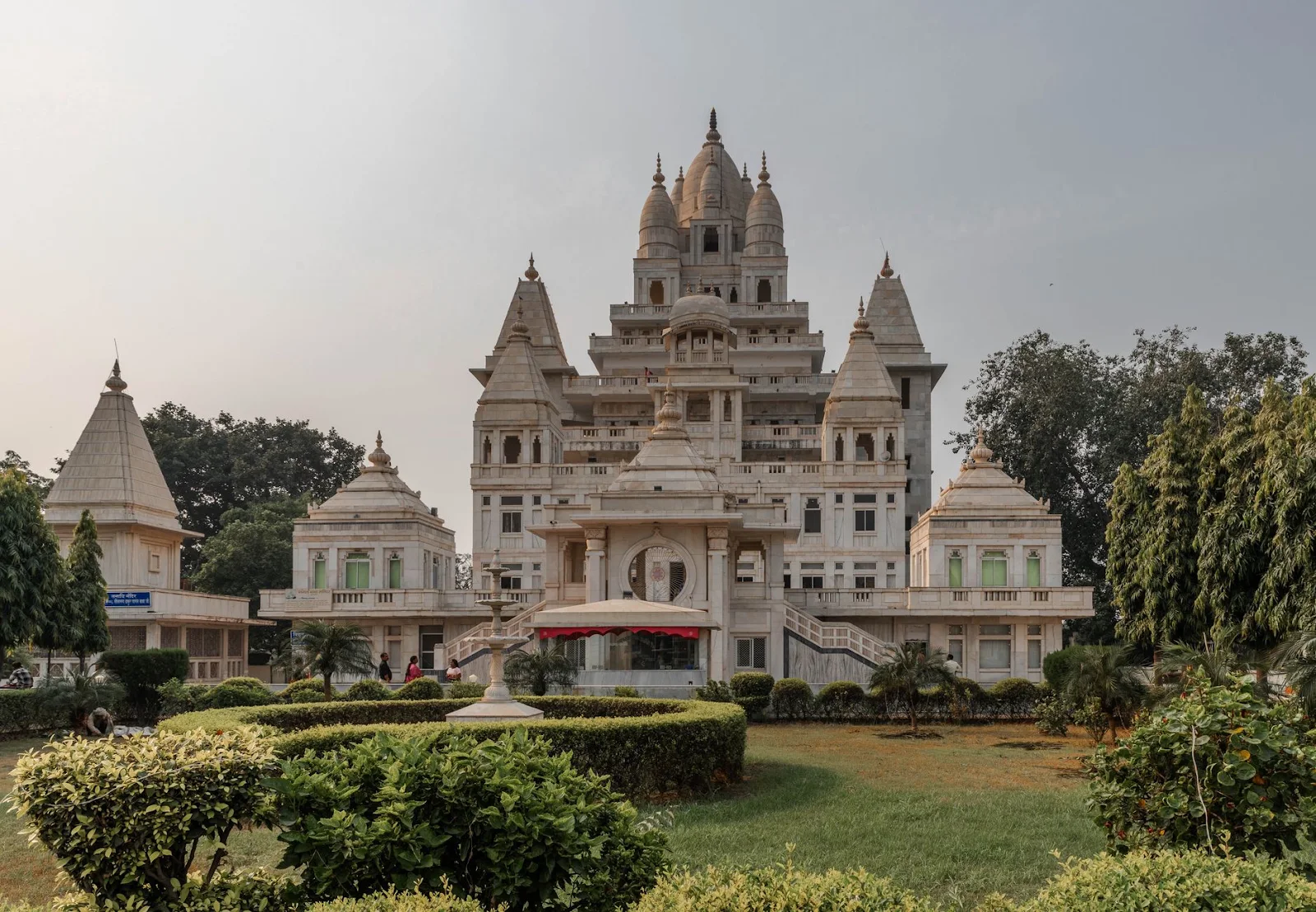
Families particularly enjoy the peaceful setting of the Maa Lehra Devi Temple, relaxing river picnics around the Rohin River Barrage, exploring ancient mounds at Devdaha, and experiencing the open nature drives in Sohagibarwa.
5. Can I combine a visit to Maharajganj with a trip to Nepal?
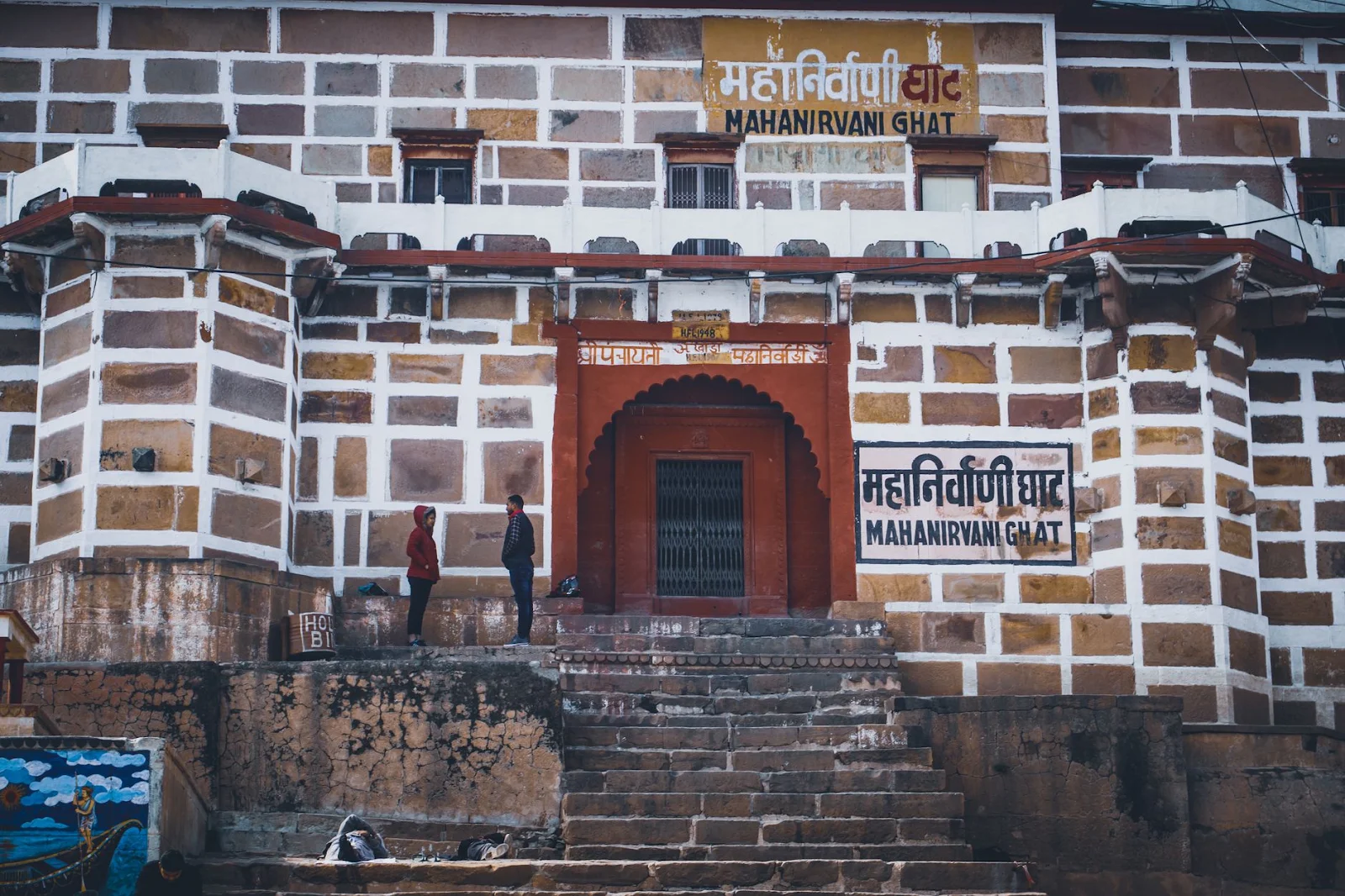
Yes. The border trading town of Nautanwa/Sonauli sits right inside Maharajganj district. Lumbini, the celebrated birthplace of Gautama Buddha across the border in Nepal, is located roughly 25 to 30 kilometers north of the Sonauli crossing point, making combined itineraries very straightforward.
6. Are comfortable hotels and accommodations available in Maharajganj?

Maharajganj town and neighboring hubs like Pharenda and Nautanwa provide basic to mid-range hotels, regional tourist lodges, and budget guest houses. For luxury boutique or 4-star properties, many travelers stay in Gorakhpur city and complete day-trips through Maharajganj.
7. Why is the Lehra Devi Temple considered unique?

The temple is deeply rooted in local Mahabharata folklore, associated with the Pandavas' period of exile (Agyatvas) and Arjuna's worship of the Goddess. Its tranquil location inside a dense woodland grove gives it a rare, peaceful atmosphere that distinguishes it from crowded city shrines.
8. What souvenirs or local products should I purchase in Maharajganj?
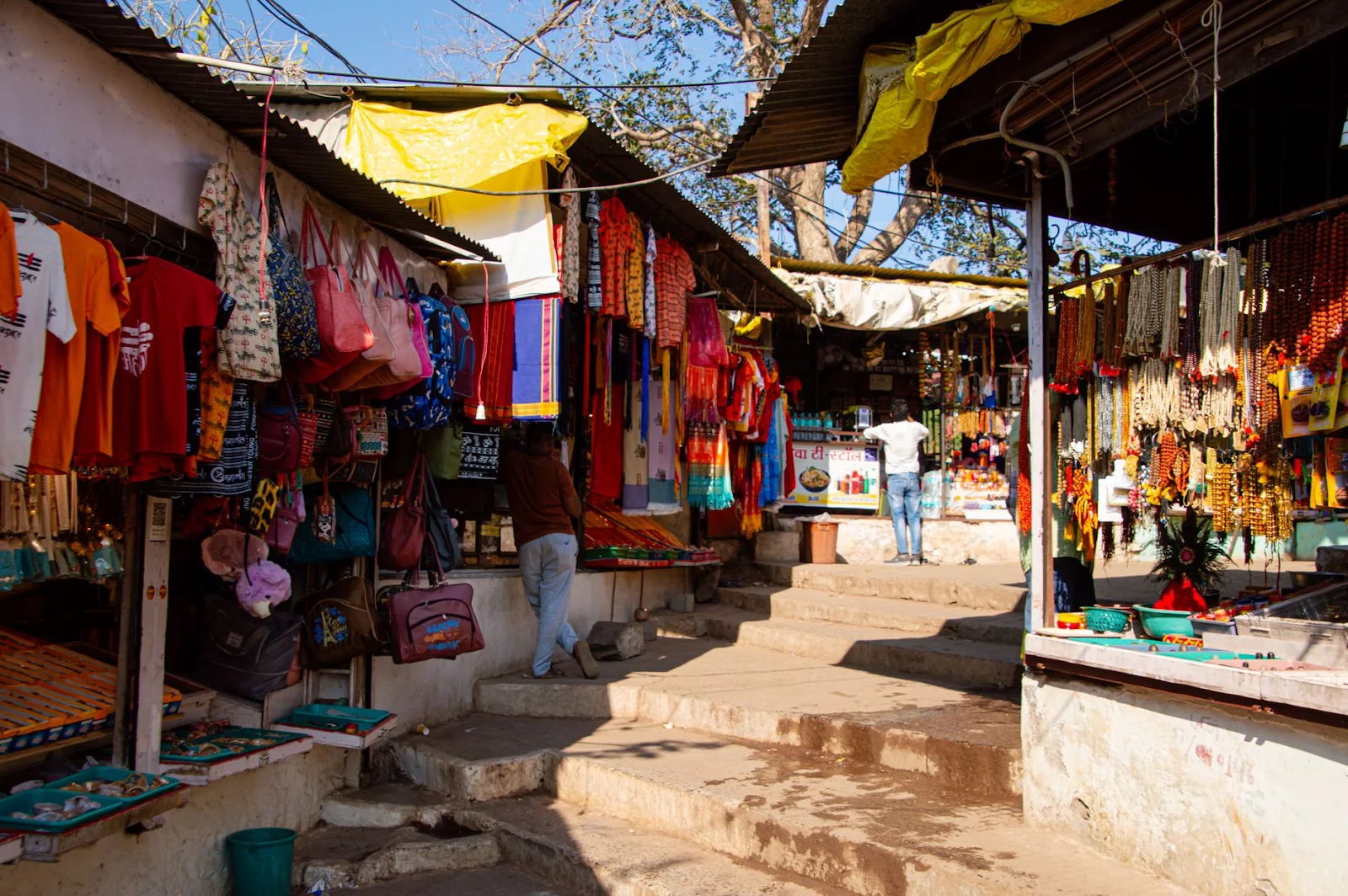
Visitors frequently purchase authentic packs of GI-tagged *Kala Namak* aromatic rice, traditional terracotta earthenware from rural potters, and delectable milk sweets such as freshly made brown pedas from Anand Nagar confectioners.



0 Comments