
Discovering Rajgarh, Madhya Pradesh: Majestic Forts, Sacred Temples, and Malwa's Verdant Wilderness
Tucked away along the rugged northern edge of the Malwa plateau, Rajgarh in Madhya Pradesh is one of central India’s best-kept secrets. Cradled by the undulating ridges of the Vindhya Range and caressed by the shimmering waters of the Parbati and Newaj rivers, this historic district weaves a tapestry of princely legacy, ancient spiritual shrines, and lush woodlands. Unlike congested tourist hubs, Rajgarh retains an untouched, unhurried cadence where every crumbling rampart whispers stories of valor, and every forest glade reverberates with peacocks calling across the morning mist.
Historically governed by Rajput clans such as the Umat and Rawat dynasties, the district has borne witness to shifting empires, sovereign states, and quiet artistic movements. The landscape transitions effortlessly from rolling basalt plateaus to dense teak canopies, punctuated by grand reservoirs and historic lakes. Many travelers only glimpse Rajgarh while driving down the national highways connecting Indore, Bhopal, and Kota; however, those who pause to venture into its heartlands find an extraordinarily rewarding getaway. Here, Narsinghgarh earned the affectionate title of the "Kashmir-e-Malwa" from the Afghan rulers due to its temperate climate, verdant forests, and serene lake vistas.
Whether you are a heritage enthusiast yearning to admire centuries-old sandstone filigree, a wildlife lover looking to photograph migratory aquatic birds at quiet water bodies, or a pilgrim seeking quietude at time-honored temples, Rajgarh will captivate your senses. In this comprehensive guide, we traverse the top tourist places in Rajgarh, explore local Malwi gastronomy, provide detailed logistical itineraries, and present all the practical advice you need for a memorable central Indian adventure.
1. Narsinghgarh Fort and Jal Mandir
History and Architectural Splendor
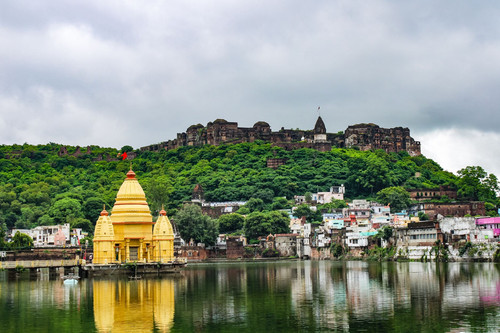
Dominating the skyline of Narsinghgarh town, the monumental Narsinghgarh Fort stands as an enduring emblem of the Umat Rajput rulers. Built around 1681 by Diwan Parasram Ji, this hilltop stronghold looms nearly 350 feet above the surrounding valley. The architecture is a compelling fusion of robust Rajput military defensive masonry and subtle Mughal design motifs. Featuring over 300 sprawling rooms, ornate courtyards, sweeping battlements, and arched zenana (queens') quarters, the citadel commands panoramic views of the adjacent town and mirror-like water bodies.
At the base of the fort hill, nestled inside the serene waters of Parasram Sagar Lake, sits the ethereal Jal Mandir (Water Palace). Constructed to offer the royal court an airy respite from summer heat, this stone pavilion appears to float directly upon the rippling lake surface, casting symmetrical reflections that painters and photographers have cherished for centuries.
Key Attractions Inside the Citadel
While exploring the fort complex, pay close attention to the Durbar Hall, where royal assemblies once deliberated policy over silk carpets and brass lanterns. The carved stone brackets, jali windows designed to allow cool lake breezes to circulate, and residual frescoes depicting hunting scenes reflect a high level of craftsmanship. The terrace ramparts provide an unmatched vantage point to look down upon the lotus-dappled waters of Parasram Sagar and the surrounding forest ranges of the Vindhyas.
Timings and Entry Details
- Opening Hours: 9:00 AM to 5:30 PM (Open all days of the week).
- Entry Fee: Generally free; modest entry or photography charges may be levied by local administrative trusts during peak restoration periods.
- Ideal Time Required: 2 to 3 hours.
Insider Tips for Visitors
Wear sturdy walking shoes with strong tread, as the stone staircases and inclined pathways leading through the upper terraces can be uneven. If you can, arrive in late afternoon; the golden hour bathes the battlements and Jal Mandir in warm ochre light, creating ideal photography conditions before the gates close at dusk.
2. Narsinghgarh Wildlife Sanctuary and Chidikho Lake

Nature's Oasis in the Malwa Plateau
Encompassing over 57 square kilometers of dry deciduous and tropical mixed forest, the Narsinghgarh Wildlife Sanctuary is the ecological jewel of the district. Celebrated across Madhya Pradesh for its serene natural beauty, the sanctuary is fondly referred to as "Kashmir-e-Malwa". At the geographical heart of this reserve lies Chidikho Lake, an enchanting water body whose outline resembles a bird in mid-flight—lending it the vernacular name "Chidikho" (Bird Sanctuary or Perch).
Wildlife and Birdwatching Highlights
The sanctuary serves as an invaluable habitat for a diverse array of mammalian species, including leopards, sambar deer, blue bulls (nilgai), wild boars, striped hyenas, and spotted chital. For birders, the lake basin is an ornithological treasure. Between November and February, its shores welcome flocks of migratory waterfowl, including pintails, teals, spot-billed ducks, and woolly-necked storks. Flocks of Indian peafowl, paradise flycatchers, and crested serpent eagles inhabit the surrounding bamboo brakes and tendu groves.
Visiting Hours and Forest Entry Fees
- Safari and Gate Timings: 6:00 AM to 6:00 PM (Timings shift slightly between summer and winter seasons; parts of the core zone close during monsoon months).
- Entry Ticket: Approximately INR 50 for Indian nationals; INR 300 for foreign travelers. Nominal vehicle entry fees apply for cars and two-wheelers.
- Ideal Time Required: 3 to 4 hours.
Best Way to Explore the Forest
Hire a registered forest guide at the main gate near Chidikho. Walking trails along designated reservoir embankments offer exceptional bird-watching spots. Keep binoculars and a telephoto lens ready, maintain absolute quiet, and avoid wearing brightly colored clothing to maximize your chances of spotting wild ungulates and elusive predators grazing near the shore.
3. Historical Shyamji Temple, Sanka
Antiquity and Cultural Legacy
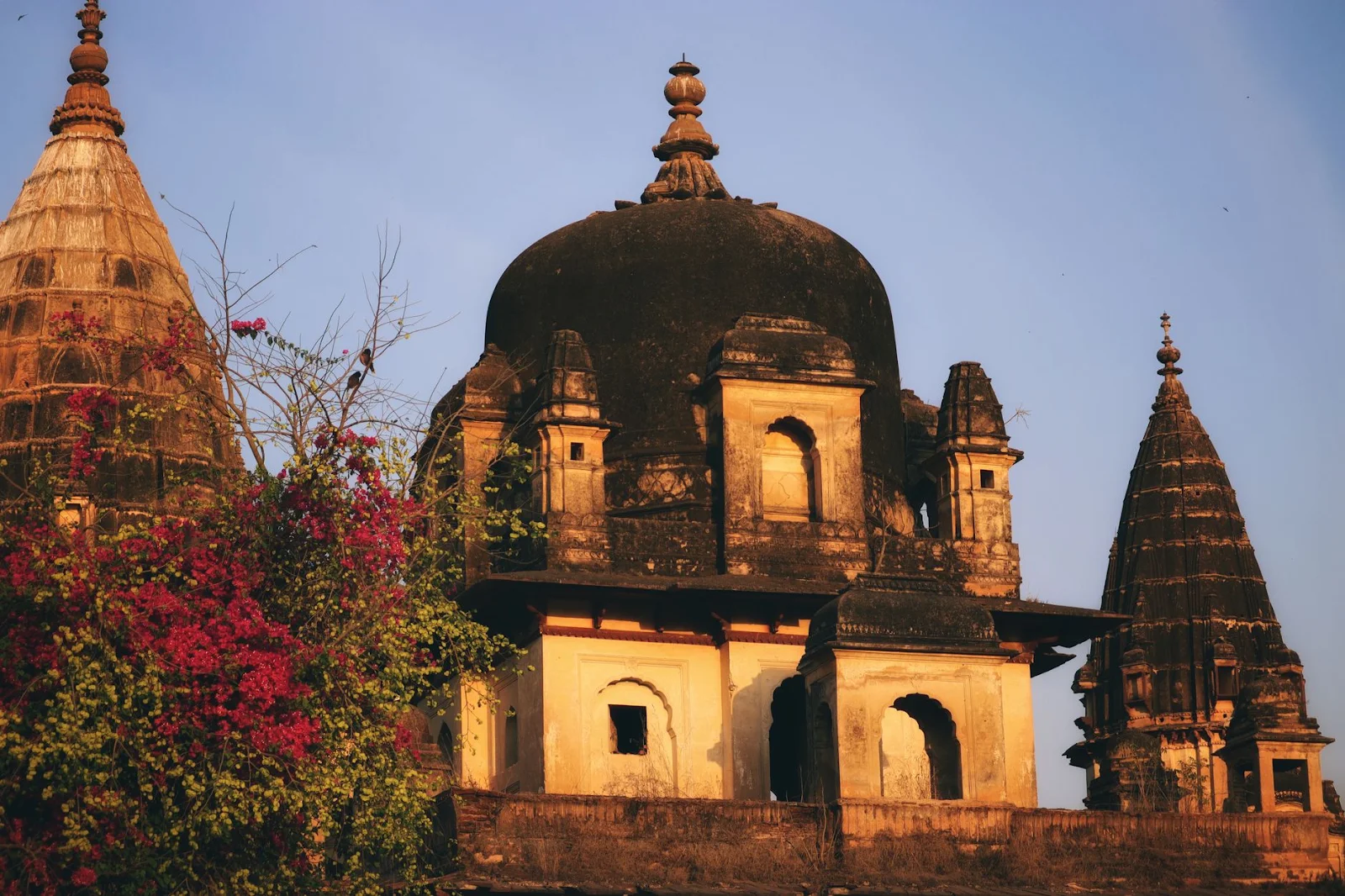
Positioned approximately 25 kilometers from Rajgarh town along the tranquil banks of the Parbati River, the village of Sanka harbors one of the finest architectural monuments in the region: the historic Shyamji Temple. Dating back to the 16th and 17th centuries, this temple was erected by Rani Bhagyasundari in solemn memory of her husband, Raja Shyam Singh of the Khichi Rajput dynasty, who fell in battle fighting imperial forces.
The temple is dedicated to Lord Krishna (Shyam Ji) and stands as a poetic monument of marital devotion, religious reverence, and royal dignity. Its position on an elevated stone plinth overlooking the river gives the shrine an air of serenity that has survived the passage of centuries.
Intricate Stone Carvings and Architecture
The sanctuary is constructed using local fine-grained red and yellow sandstone. The exterior facades and circumambulatory path (pradakshina path) are covered with exquisite bas-relief friezes. Take time to examine the stone panels, which display intricate carvings of celestial dancers (apsaras), musicians playing traditional horns and mridangams, marching elephant cavalry, and vivid narrative panels illustrating episodes from the Mahabharata, Ramayana, and Shrimad Bhagavatam.
Location, Timings, and Rituals
- Opening Hours: 6:00 AM to 7:30 PM daily.
- Aarti Timings: Morning Aarti at sunrise; Sandhya (Evening) Aarti at sunset.
- Entry Fee: None.
- Ideal Time Required: 1 to 1.5 hours.
How to Experience the Sanctum
Visit early in the morning when rural devotees gather for morning chants and the rising sun casts a warm amber glow across the riverside facade. The cool river breeze coupled with the ringing of brass bells creates a tranquil setting for quiet contemplation and architectural study.
4. Mohanpura Major Irrigation Dam

Engineering Marvel on the Newaj River
While Rajgarh is renowned for its antiquity, the Mohanpura Dam represents a modern civil engineering milestone that has changed the face of the district. Inaugurated in 2018 across the Newaj River near Biora and Rajgarh towns, this expansive dam forms part of India's pioneering pressurized pipe irrigation network. Aside from its massive agricultural role in greening thousands of hectares of arable land, the sprawling reservoir has quickly emerged as one of the best places to visit in Rajgarh for nature seekers and weekend travelers.
Sunset Vistas and Water Expanses
The reservoir creates an immense, inland ocean-like water sheet bordered by rolling green knolls. During the monsoon and immediate post-monsoon months, when the sluice gates release foamy white cascades of river water, the roaring torrent creates an impressive spectacle. The reservoir's vantage points provide panoramic horizons where local fishermen steer slender wooden boats across glassy waters against dramatic sunset skies.
Best Time to Visit and Accessibility
- Optimal Visiting Hours: 3:30 PM to 6:30 PM for cooling breezes and golden sunset scenery.
- Entry Fee: Free public access along designated spectator lookouts; administrative permissions apply for restricted barrage engineering decks.
- Ideal Time Required: 1 to 2 hours.
Essential Visitor Information
There are limited food and snack vendors directly at the viewpoint, so it is best to pack light refreshments, drinking water, and sunshades. Swimming or venturing close to the reservoir edge is strictly prohibited due to strong underwater currents and fluctuating water levels. Always heed the instructions of the irrigation authority guards stationed along the barrage perimeter.
5. Shri Anjanee Lal Dham Mandir, Biaora

Revered Spiritual Hub of Biaora
Situated in the bustling commercial crossroads of Biaora, Shri Anjanee Lal Dham (also affectionately known as Balaji Dham) is one of the most revered pilgrimage destinations in Rajgarh district. Dedicated to Lord Hanuman—worshipped here in his child-like, benevolent form as the beloved son of Mother Anjana—the temple complex serves as an epicenter of devotion, social charity, and deep-seated faith across the northern Malwa and Hadoti regions.
The Legend and Temple Ambiance
Believed to be a wish-fulfilling sanctum, the temple was founded decades ago by revered local saints who discovered a svayambhu (self-manifested) stone impression of the deity. Over the years, the modest shrine has been transformed into a marble temple complex featuring expansive prayer pavilions, landscaped gardens, and a community hall for satsangs and religious discourses. The atmosphere is vibrant with the continuous chanting of the Hanuman Chalisa, the aroma of burning camphor and loban, and the rhythmic ringing of overhead bells.
Festivals and Darshan Timings
- Opening Hours: 5:00 AM to 12:30 PM, and 4:00 PM to 9:30 PM daily.
- Special Gathering Days: Tuesdays and Saturdays draw thousands of pilgrims from across Madhya Pradesh and neighboring Rajasthan.
- Annual Celebrations: Hanuman Janmotsav and Sundarkand mahotsavs during the month of Chaitra, celebrated with massive feasts and religious processions.
- Entry Fee: Free.
Making the Most of Your Pilgrimage
If you prefer a quiet, meditative darshan, schedule your visit on a weekday morning between 7:00 AM and 9:00 AM. Traditional offerings of sindoor (vermilion), pure ghee lamps, and besan laddoos can be obtained from regulated sweetmeat stalls lining the temple approach road. The temple trust also manages clean dharamshalas, offering affordable lodging for long-distance pilgrims.
Best Time to Visit Rajgarh, Madhya Pradesh
The climate of Rajgarh is characteristic of the Malwa plateau, experiencing dry subtropical weather with distinct seasonal variations. Choosing the right season will dramatically enhance your sightseeing comfort and outdoor exploration.
Winter (October to March) — Peak Season
Winter is without doubt the best time to explore Rajgarh. Days are crisp, sunny, and temperate, with daytime temperatures hovering between 18°C and 26°C. Nights become refreshing, sometimes dipping down to 8°C. This period is ideal for walking through Narsinghgarh Fort, birdwatching around Chidikho Lake, and driving through the rural heritage circuit.
Monsoon (July to September) — Lush and Scenic
If you want to see the "Kashmir-e-Malwa" in full glory, the monsoon season is deeply rewarding. The parched scrub forests transform into a vibrant emerald carpet, the seasonal waterfalls roar to life, and the reservoirs brim with freshwater. Be mindful that heavy downpours can occasionally cause muddy rural roads or localized waterlogging along low-lying river causeways.
Summer (April to June) — Not Recommended
Summers in Rajgarh can be intense, with temperatures frequently surpassing 42°C during May and June. The afternoon sun makes walking around the open-stone fortresses and sanctuaries exhausting. Unless you are visiting solely for an auspicious temple ceremony, it is best to avoid planning trips during these months.
How to Reach Rajgarh District
Strategically positioned between western Madhya Pradesh and southeastern Rajasthan, Rajgarh enjoys good connectivity via multi-lane highways and rail tracks.
By Air
Rajgarh does not have its own civil commercial airport. The nearest domestic and international air terminal is Raja Bhoj International Airport (BHO) in Bhopal, located approximately 100 to 120 km from various points in the district. Bhopal Airport operates daily scheduled direct flights connecting major Indian metros including Delhi, Mumbai, Bengaluru, and Hyderabad. Taxis and private cabs can easily be hired from Bhopal airport for direct transfers to Rajgarh or Biaora along the smooth Bhopal-Biaora expressway (NH 46).
By Rail
The primary railway gateway for the district is Biaora Rajgarh Railway Station (BRRG), an important stop on the Gwalior–Indore–Ujjain railway corridor. Several express and superfast trains halt here, linking the town directly to Delhi, Gwalior, Indore, Dehradun, and Kota. Alternatively, Bhopal Junction (BPL) and Ujjain Junction (UJN) serve as larger rail hubs within a 2.5-hour driving radius.
By Road
Rajgarh boasts robust arterial road connectivity. National Highway 46 (NH 46) and National Highway 52 (NH 52) intersect conveniently at Biaora, creating smooth routes toward Indore (190 km), Bhopal (110 km), Kota (170 km), and Gwalior (290 km). The Madhya Pradesh State Road Transport Corporation (MPRSTC) alongside private operators runs frequent luxury, sleeper, and deluxe bus services from Sarwate Bus Stand (Indore) and Nadra Bus Stand (Bhopal) directly to Biaora and Rajgarh.
Local Malwi Flavors: What to Eat
No trip to this region is complete without immersing yourself in the rich culinary traditions of Malwa. The district's cuisine strikes a balance between wheat-belt comfort and spicy Rajasthani culinary influences.
- Dal Bafla: The crowning glory of Malwi hospitality. Round balls of whole wheat dough are boiled in water, baked over cow-dung or charcoal fires, and drenched in fragrant deshi ghee. They are served alongside thick, spiced tuvar dal, tangy raw-mango launji, and fiery garlic-red chili chutney.
- Poha and Jalebi: The undisputed morning ritual across Rajgarh and Biaora. Steamed, beaten rice flakes are seasoned with mustard seeds, fennel (saunf), and turmeric, topped with fresh chopped onions, crunchy roasted peanuts, coriander, and spicy Ratlami sev. Pair it with hot, crispy spirals of sugar-soaked jalebi for a balanced breakfast.
- Bhutte Ka Kees: Freshly grated sweet corn is slow-cooked in milk, tempered with mustard seeds, green chilies, grated ginger, and garnished with desiccated coconut and fresh lemon juice. This savory street snack is especially popular during the monsoon harvest.
- Mawa Bati & Gulab Jamun: Rich, deep-fried khoya pastries filled with chopped pistachios, cardamom, and saffron, steeped in fragrant sugar syrup. These are a regular treat at local sweetshops near major temple courtyards.
- Sev Tamatar ki Sabzi: A tangy, spiced tomato gravy tempered with cumin, green chilies, and asafoetida, generously topped with crisp, thick gram flour sev right before serving. Best savored with hot, ghee-brushed phulkas or tandoori rotis.
10 Essential Travel Tips for Rajgarh
- Rent a Private Vehicle: While public buses cover the main towns along the highways, picturesque spots like Sanka's Shyamji Temple, Chidikho Lake, and Mohanpura Dam are tucked away in rural pockets where private cabs or personal vehicles are far more practical.
- Start Early in the Morning: Starting your excursions at dawn lets you take in the crisp morning air, watch wildlife at the sanctuary, and avoid the harsher midday heat on the fort's open stone terraces.
- Carry Sufficient Cash: Digital payment methods (UPI) are common in Biaora and Rajgarh towns, but mobile network dead-zones or small roadside tea stalls in forest villages often require physical cash. Carry Indian currency notes in smaller denominations.
- Dress Modestly at Temples: When entering sacred premises such as Sanka Shyamji Temple or Anjanee Lal Dham, dress conservatively with knees and shoulders covered. Remember to remove footwear before entering the temple sanctums.
- Carry Hydration and Sun Protection: Central India’s sun can feel sharp even during mild winters. Pack reusable water bottles, wide-brim hats, polarized sunglasses, and a good sunscreen lotion during your day tours.
- Respect Wildlife Regulations: When visiting Narsinghgarh Wildlife Sanctuary, avoid honking, speeding, littering, or feeding wild monkeys and deer. Keep plastic food wrappers stored inside your vehicle.
- Engage Local Guides: Hiring licensed local guides or speaking to knowledgeable temple priests brings centuries of architectural nuances and forgotten folklore to life.
- Wear Comfortable Footwear: The rocky terrain, fort steps, and sanctuary walking tracks demand durable sports shoes or walking sandals with good arch support and slip resistance.
- Pick Accommodations Around Biaora: For better hotel amenities, multi-cuisine dining options, and accessible highway connectivity, base your night stays in Biaora rather than smaller villages.
- Sample Fresh Seasonal Produce: Don't miss stopping along highway farm stalls to purchase sweet guavas, papayas, and freshly roasted chickpeas (chana holla) sold by local farmers during the winter harvest.
Curated 2-Day Rajgarh Travel Itinerary
Day 1: The Splendor of "Kashmir-e-Malwa" (Narsinghgarh)
- Morning (8:00 AM – 11:30 AM): Drive from your base toward Narsinghgarh. Begin your explorations at the historical Narsinghgarh Fort. Stroll through the massive courtyard spaces, climb the battlements, and take photographs of the sweeping valley down below.
- Lunch (12:00 PM – 1:30 PM): Head down toward Parasram Sagar Lake. Enjoy a relaxed picnic or head to a local dhaba in town to sample authentic Dal Bafla with garlic chutney. Take in views of the Jal Mandir floating on the water.
- Afternoon to Evening (2:00 PM – 5:30 PM): Venture into the verdant Narsinghgarh Wildlife Sanctuary. Spend time near the edge of Chidikho Lake scanning the canopy for colorful paradise flycatchers, hornbills, and grazing spotted deer. Watch the sun drop behind the Vindhyan ridges before heading to Biaora for your night stay.
Day 2: Sacred Heritage, Riverside Shrines, and Modern Vistas
- Morning (7:30 AM – 10:00 AM): Start your day with hot Malwi poha-jalebi in Biaora, then visit the peaceful Shri Anjanee Lal Dham Mandir. Take part in the morning darshan and experience the quiet devotional energy of the sanctum.
- Late Morning (10:30 AM – 1:00 PM): Take a scenic country drive down to Sanka village to admire the exquisite 17th-century Shyamji Temple. Marvel at the intricate stone panels that line the temple walls, depicting mythological epics, and spend a quiet moment along the banks of the Parbati River.
- Afternoon & Sunset (2:30 PM – 6:00 PM): Conclude your discovery of Rajgarh with a drive to the Mohanpura Dam reservoir on the Newaj River. Savor the wide open waters, cool breeze, and colorful sunset that marks a classic Malwa evening.
Frequently Asked Questions About Rajgarh
1. What makes Rajgarh famous among tourists in Madhya Pradesh?

Rajgarh is celebrated for its blend of natural landscapes and historical architecture, notably the hill fortress and Jal Mandir of Narsinghgarh, Chidikho Lake within the wildlife sanctuary, and the stone-carved Shyamji Temple in Sanka.
2. Why is Narsinghgarh referred to as "Kashmir-e-Malwa"?

The moniker was coined during historic royal eras due to Narsinghgarh’s lush forested hills, multiple natural lakes, scenic ravines, and pleasant, temperate climate compared to the hotter, arid tracts of the surrounding plateau.
3. Which is the nearest commercial airport to reach Rajgarh?

Raja Bhoj International Airport in Bhopal is the nearest airport, located roughly 100 to 120 km away. It has regular flight connections to major Indian cities like Delhi, Mumbai, and Bangalore, with easy car rentals available for onward journeys.
4. Are there safari options inside Narsinghgarh Wildlife Sanctuary?

Yes, visitors can take guided private-vehicle safaris or follow designated walking and vehicle trails managed by the Madhya Pradesh Forest Department around Chidikho Lake. Forest permits are available at the entrance gate.
5. Is Rajgarh a safe destination for solo and family travelers?

Yes, Rajgarh is a peaceful, welcoming rural district. The locals are hospitable and helpful toward travelers. Standard travel precautions, such as avoiding late-night driving on unfamiliar rural routes, apply as they would anywhere else.
6. Can I visit Narsinghgarh Fort and the Wildlife Sanctuary on the same day?

Yes. Both attractions are situated close to each other within Narsinghgarh town, making it easy to visit the fort in the morning and explore the sanctuary and Chidikho Lake in the afternoon.
7. Where should I book my hotel stay when exploring Rajgarh?

Biaora is generally the best base for overnight stays. Located at the intersection of major national highways, it offers the district's best selection of modern hotels, guest houses, and dining establishments.
8. Are drone cameras permitted at historical monuments in Rajgarh?

Operating drones at Narsinghgarh Fort or within the protected boundaries of the wildlife sanctuary requires prior written permissions from the district administration and the forest department. Unauthorized drone flights are strictly prohibited.
Conclusion
Rajgarh in Madhya Pradesh is a refreshing alternative to central India's crowded tourist trails. It invites travelers to slow down and savor the simple, evocative beauty of the Malwa plateau. From the quiet grandeur of Narsinghgarh Fort reflected in the waters of Parasram Sagar to the bird calls echoing across Chidikho Lake, the district offers a welcome balance of history and natural beauty.
Whether you're admiring the stone carvings of the Shyamji Temple, feeling the cool breeze of the Newaj River along Mohanpura Dam, or enjoying a traditional plate of Dal Bafla in a lively town square, Rajgarh leaves a quiet, lasting impression. Pack your bags, set your route down the highways of central India, and discover the timeless charm of this hidden gem in Madhya Pradesh.



0 Comments