
Discovering Hidden Heritage: A Traveler's Guide to Jehanabad, Bihar
When most travelers think of planning a cultural getaway through the heartland of India, places like Patna, Bodh Gaya, or Nalanda instantly steal the spotlight. However, nestled quietly in the central plains of Bihar lies a destination brimming with untouched historical significance, ancient spiritual landmarks, and serene natural beauty waiting to be explored. Welcome to Jehanabad, a district that often remains off the beaten tourist path, making it an absolute paradise for those who love uncovering lesser-known historical narratives. If you are someone who prefers trading crowded tourist hubs for peaceful exploration where history whispers through ancient stones and rustling peepal trees, Jehanabad is going to surprise you in the best possible way.
Steeped in rich antiquity, Jehanabad's roots trace back to the Mauryan and Gupta empires, and it even holds a profound place in the spiritual chronicles of Buddhism and Jainism. The landscape here is a fascinating mosaic of fertile agricultural fields, sacred riverbanks, and rocky hillocks dotted with rock-cut caves and centuries-old temples. As an avid traveler and explorer of Bihar's hidden gems, I have always believed that the true soul of a region lies where mass tourism hasn't yet left its commercial footprint. Jehanabad embodies this raw, authentic charm completely. Whether you are looking for a weekend escape from Patna or wish to dive deep into the architectural heritage of ancient India, this district offers a refreshing perspective.
Navigating through the top tourist places in Jehanabad allows you to step back in time. From the mysterious rock-cut sanctuaries of Barabar Hills—which predate even the rock-cut architecture of Ajanta and Ellora—to tranquil riverside shrines and vibrant local markets, every corner has a story to tell. In this comprehensive travel guide, we will take you through the best places to visit in Jehanabad, complete with essential travel tips, local food recommendations, a curated 2-day itinerary, and everything you need to plan a seamless journey. Pack your bags, keep your cameras ready, and let us embark on an unforgettable expedition through the heart of Bihar!
Table of Contents
- 1. Barabar Caves
- 2. Baba Siddhnath Temple
- 3. Darbhanga Ghat and Falgu River
- 4. Makhdumpur Heritage Trail
- 5. Nagarjuna Caves
- Best Time to Visit Jehanabad
- How to Reach Jehanabad
- Local Food to Try
- 10 Essential Travel Tips
- Suggested 2-Day Itinerary
- Frequently Asked Questions (FAQs)
- Conclusion
1. Barabar Caves
Overview
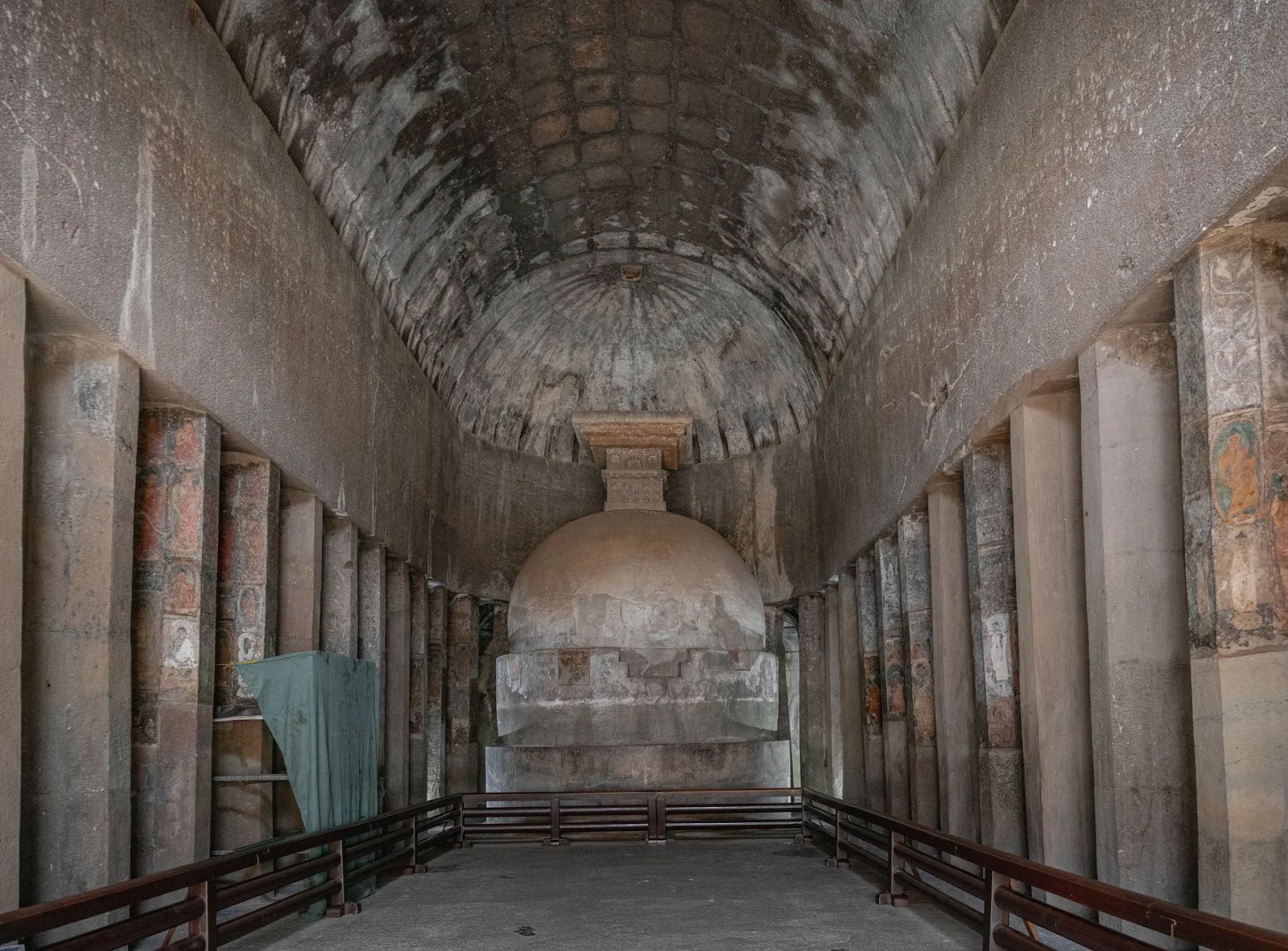
Standing as the oldest surviving rock-cut caves in India, the Barabar Caves are without a doubt the crown jewel of Jehanabad. Dating back to the 3rd century BCE, during the glorious Maurya Empire, these monolithic marvels were carved out of solid granite rock hills. Commissioned primarily by Emperor Ashoka and his grandson Dasharatha, these caves were dedicated to the ascetics of the Ajivika sect, an ancient religious group that contemporaries Buddhism and Jainism. What makes the Barabar Caves a world-class architectural wonder is the astonishing mirror-like polish on their interior walls, an engineering technique that remains a subject of awe among modern architects and historians.
Historical Importance
The historical weight of the Barabar Caves extends far beyond architecture. These are the very caves immortalized by E.M. Forster in his classic 1924 novel, 'A Passage to India', where they are referred to as the Marabar Caves. The acoustic phenomenon inside chambers like the Lomas Rishi Cave and Sudama Cave is nothing short of magical; a simple whisper echoes and reverberates across the curved granite walls with uncanny clarity. Visiting this site connects you directly with the spiritual and administrative landscape of Mauryan India, offering a profound sense of antiquity that very few tourist places in Jehanabad can match.
Things to Do
When visiting the Barabar Caves, take your time to inspect the intricate chaitya arch carved above the entrance of the Lomas Rishi Cave, which served as a prototype for later rock-cut architecture across India. Wander around the rugged hill slopes, enjoy panoramic views of the surrounding rural plains of Bihar, and test the unique acoustic resonance inside the chambers. Photography enthusiasts will find endless frames capturing the play of natural light on the ancient, polished granite surfaces. Do hire a local guide near the entrance to gain deep insights into the lesser-known inscriptions and the philosophy of the Ajivika monks.
2. Baba Siddhnath Temple
Overview
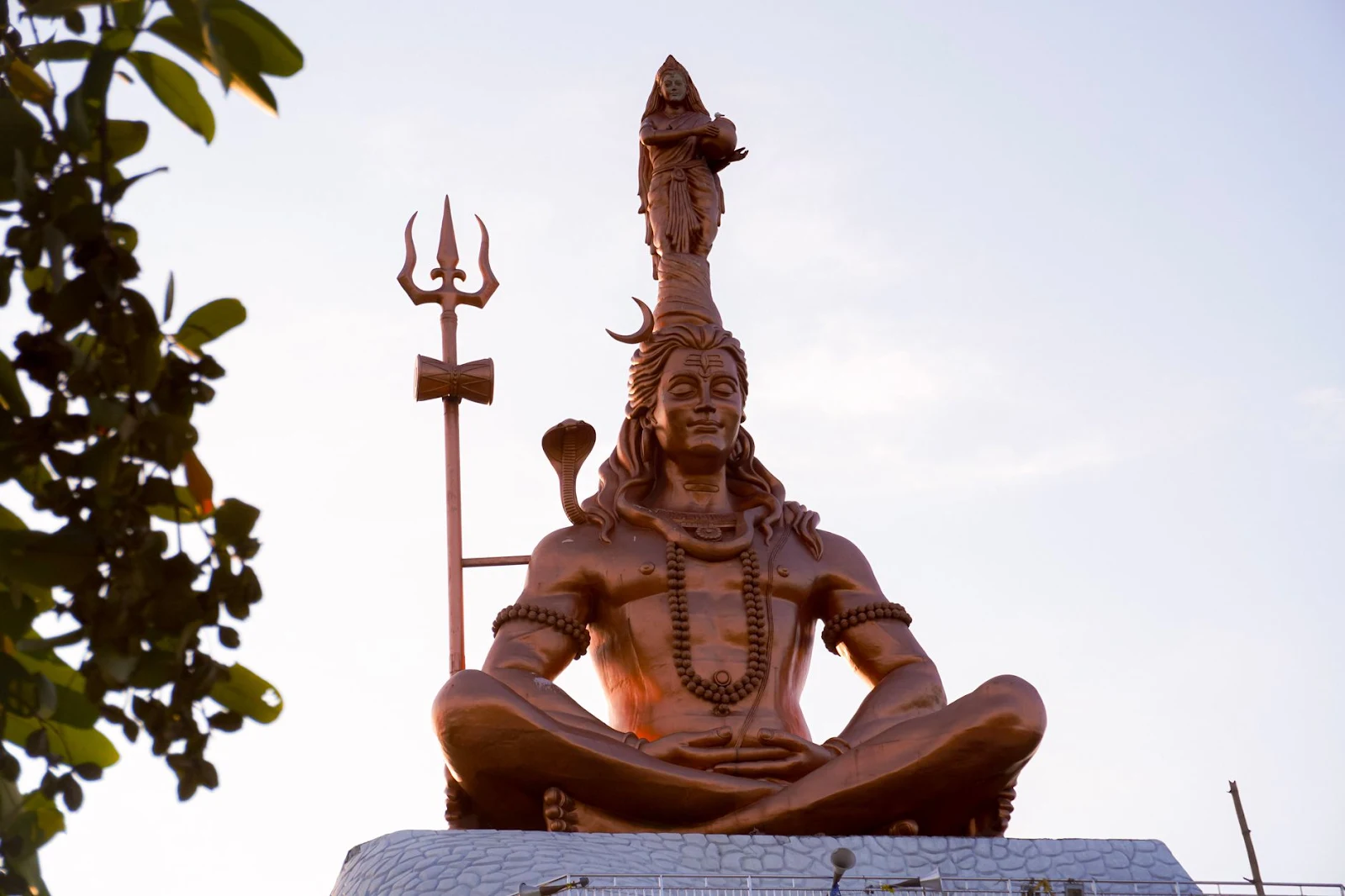
Perched majestically atop the highest peak of the Barabar Hills, the Baba Siddhnath Temple is a revered ancient shrine dedicated to Lord Shiva. Also known locally as the Siddheshwarnath Temple, this sacred site blends spiritual devotion with breathtaking natural grandeur. Reaching the temple requires a rewarding trek up the granite hills, offering pilgrims and adventure lovers alike a chance to experience the serene wilderness of the region. The temple structure itself showcases ancient architectural fragments, with stone blocks dating back to the late Gupta or post-Gupta period, bearing testimony to the site's multi-layered history.
Historical Importance
The religious and historical continuity of the Barabar Hills is vividly reflected in the Baba Siddhnath Temple. While the surrounding caves represent the ancient Mauryan ascetic traditions, the hilltop temple highlights the resurgence and consolidation of classical Hinduism in the region centuries later. Archaeological remnants, broken pillars, and ancient carvings scattered around the temple complex hint at a much larger structural temple complex that once stood here. For centuries, devotees have climbed these rugged stone steps, especially during Maha Shivaratri, to offer prayers to the mighty lingam enshrined within.
Things to Do
Embark on an early morning trek to the hilltop to catch a mesmerizing sunrise over the rolling Gangetic plains. Participate in the peaceful morning rituals or aarti if you happen to visit on a Monday or during festive occasions. Explore the scattered archaeological ruins surrounding the shrine, and take in the cool, refreshing breeze that sweeps across the hilltop. It is an ideal spot for quiet contemplation, meditation, and landscape photography, away from the humdrum of modern city life.
3. Darbhanga Ghat and Falgu River

Overview
Waterways and riverbanks have always been the cradle of civilization in Bihar, and the riverine landscapes around Jehanabad are no exception. The region is blessed by the gentle flow of rivers like the Falgu and Dardha, which add immense fertility and scenic charm to the district. Darbhanga Ghat, located along the flowing waters in the broader region, serves as a vital cultural and spiritual gathering point. While the famous Falgu River flows prominently towards neighboring Gaya, its network and associated tributaries in and around Jehanabad provide tranquil spots for local rituals, evening gatherings, and quiet river views.
Historical Importance
Rivers in this part of India are deeply intertwined with ancestral rites, daily agrarian life, and ancient trade routes. The ghats and riverbanks of Jehanabad have witnessed centuries of human settlement, witnessing the rise and fall of various kingdoms. They represent the living cultural heritage of rural Bihar, where traditions passed down through generations are practiced daily. Visiting these water bodies gives travelers a genuine window into the agrarian rhythm and spiritual ethos of the local communities.
Things to Do
Take a peaceful stroll along the riverbanks during the golden hour just before sunset. Observe the local fishermen casting their nets or village elders gathered under the shade of ancient banyan trees sharing local folklore. If you visit during major regional festivals like Chhath Puja or Kartik Purnima, the ghats transform into vibrant spectacles of faith with thousands of oil lamps, devotional songs, and glowing diyas reflecting on the water's surface.
4. Makhdumpur Heritage Trail

Overview
Makhdumpur is a prominent sub-division and community development block within the Jehanabad district, serving as a gateway to several historical and natural wonders, most notably the Barabar hill range. However, Makhdumpur itself is a treasure trove of local heritage, bustling rural markets, and forgotten architectural remnants. Taking a heritage trail through Makhdumpur allows travelers to experience the authentic rural heartbeat of Bihar, characterized by vibrant village bazaars, mud-brick houses intertwined with modern brick structures, and warm, welcoming locals who are always eager to share a cup of steaming milk tea.
Historical Importance
Makhdumpur derives its cultural fabric from a rich mix of ancient Hindu heritage and medieval Sufi influences. The region has historically served as a resting point for travelers, pilgrims, and Sufi saints journeying through central Bihar. The old pathways connecting Makhdumpur to the Barabar Hills have echoed with the footsteps of Mauryan emperors, Buddhist pilgrims, medieval traders, and modern freedom fighters. Exploring this area gives you a holistic understanding of how Jehanabad evolved from an ancient monastic center into a vibrant rural district.
Things to Do
Stroll through the bustling local weekly markets (haats) to experience rural commerce at its finest and shop for fresh regional produce or local handicrafts. Engage with local artisans and potters if you spot traditional kilns operating nearby. Sample roadside local snacks prepared on wood-fired stoves, and use Makhdumpur as your logistical base to organize hassle-free day trips to the nearby hill sanctuaries and archaeological sites.
5. Nagarjuna Caves
 ### Overview
Situated just a short distance away from the main Barabar cluster, the Nagarjuna Caves form the second half of this incredible ancient rock-cut cave group. Carved into the Nagarjuna Hill (also known as Gopal Muni Hill), these three caves—namely Vadathika Cave, Capi Cave, and Gopi Cave—were excavated during the reign of Dasharatha Maurya, the grandson of Emperor Ashoka, in the 3rd century BCE. Though slightly smaller than their famous neighbors at Barabar, the Nagarjuna Caves boast an equally stunning level of rock-cutting precision and historical intrigue.
Historical Importance
The inscriptions found inside the Nagarjuna Caves provide invaluable historical evidence regarding the patronage of the Ajivika sect by Mauryan royalty immediately following Ashoka's reign. The Gopi Cave, in particular, features a magnificent vaulted chamber with polished walls and a dedicatory inscription carved in Brahmi script near its entrance. These caves stand as silent sentinels of India's earliest religious architecture, proving that central Bihar was once the absolute epicenter of technological and spiritual innovation in the ancient world.
Things to Do
Explore all three caves systematically, paying close attention to the Brahmi inscriptions etched into the stone walls near the doorways. Compare the architectural nuances and chamber sizes between the Barabar Caves and the Nagarjuna Caves. Take time to appreciate the serene, isolated setting of the Nagarjuna Hills, which offers wonderful opportunities for quiet reflection, birdwatching, and nature photography away from mainstream tourist crowds.
Best Time to Visit Jehanabad
Planning your trip during the right season is essential to make the most of your exploration in central Bihar. The best time to visit Jehanabad is during the winter months, spanning from October to March. During this period, the weather is refreshingly cool and pleasant, with daytime temperatures hovering comfortably between 15°C and 25°C. This makes it ideal for outdoor activities, trekking up the Barabar Hills, and exploring archaeological sites without exhausting yourself in the heat.
The monsoon season (July to September) transforms the surrounding landscape into a lush, vibrant green paradise, making the hill slopes look exceptionally picturesque, though sudden downpours can occasionally make rural pathways slippery. Summers (April to June), on the other hand, are intensely hot and dry, with temperatures frequently soaring above 40°C, making daytime sightseeing quite challenging. Therefore, winter remains the undisputed favorite season for travelers seeking the best places to visit in Jehanabad.
How to Reach Jehanabad
Jehanabad enjoys excellent connectivity with Patna and other major cities in Bihar, making it quite accessible for both weekend travelers and dedicated heritage explorers.
- By Air: The nearest major airport is Jay Prakash Narayan International Airport in Patna, located approximately 50 kilometers away from Jehanabad town. From the airport, you can easily hire a pre-paid taxi, book a cab via ride-hailing apps, or take a bus to reach Jehanabad in about 1.5 to 2 hours.
- By Train: Jehanabad railway station (JHD) is well-connected by an extensive network of trains running on the Patna–Gaya rail section. Numerous express and passenger trains halt here daily, connecting the district directly to Patna, Gaya, Dhanbad, and New Delhi.
- By Road: Jehanabad is seamlessly connected by road via National Highway 22 (NH-22), formerly known as NH-83, which links Patna to Gaya. Frequent state-run buses (BSRTC), private luxury buses, shared jeeps, and auto-rickshaws ply regularly along this route, ensuring a smooth and hassle-free road journey.
Local Food to Try
No travel experience in Bihar is complete without indulging in its robust, earthy, and aromatic culinary traditions. When exploring the top tourist places in Jehanabad, make sure your taste buds experience these authentic regional delicacies:
- Litti Chokha: The undisputed culinary king of Bihar. Whole wheat dough balls stuffed with spiced roasted gram flour (sattu) are baked over glowing cow dung cakes or coal fires, then generously dipped in desi ghee and served with smoky roasted eggplant and tomato mash (chokha).
- Sattu Paratha & Sharbat: A protein-packed staple across rural Bihar. Sattu-stuffed flatbreads served with pickle and curd provide the ultimate energy boost for trekking through the hills, while chilled sattu sharbat quenches your thirst on a warm afternoon.
- Khaja: A multi-layered, crispy, and sugar-syrup-soaked sweet pastry that melts instantly in your mouth. Perfect for satisfying your sweet tooth after a tiring day of sightseeing.
- Thekua: A traditional, wholesome sweet cookie made from whole wheat flour, jaggery, and ghee, often flavored with fennel seeds and dry fruits. It is a staple festive snack that keeps well for days.
- Malpua and Rabri: Rich, decadent sweet pancakes fried in ghee and dipped in sugar syrup, paired wonderfully with thickened sweet milk (rabri) during festive gatherings.
10 Essential Travel Tips
- Hire a Local Guide: The historical significance of sites like Barabar and Nagarjuna caves is best understood with a knowledgeable local guide who can explain the nuances of Mauryan history and Ajivika philosophy.
- Wear Comfortable Footwear: Expect considerable walking and uneven terrain, especially when climbing the stone steps and trails of the Barabar and Nagarjuna Hills. Sturdy walking shoes or hiking sneakers are a must.
- Carry Adequate Water: Facilities directly at the hill archaeological sites can be sparse. Always carry a couple of reusable water bottles to stay hydrated throughout your explorations.
- Dress Modestly: Since Jehanabad is culturally traditional and features numerous active religious shrines, dressing modestly (covering shoulders and knees) is respectful and appreciated by locals.
- Start Early: Begin your day trips early in the morning to beat the midday sun, enjoy softer lighting for photography, and make the most of daylight hours.
- Carry Cash: While digital payments are growing rapidly in town centers, rural pockets and small snack vendors near historical sites heavily rely on cash transactions. Keep sufficient change handy.
- Protect Against Sun and Insects: Carry sunscreen, sunglasses, a wide-brimmed hat, and mosquito repellent, particularly if you plan on exploring wooded hill areas or riverbanks.
- Respect Local Etiquette: Always seek permission before photographing local villagers, craftsmen, or active religious rituals at temples and ghats.
- Check Transport Options: Local auto-rickshaws or hired cabs are best for traveling between Jehanabad town and outlying sites like the Barabar Caves. Agree on fares beforehand if hiring unmetered transport.
- Keep Emergency Contacts Handy: Ensure your mobile phone is fully charged and you have downloaded offline maps of the district, as mobile data signals can occasionally fluctuate in remote rocky terrain.
Suggested 2-Day Itinerary
To help you plan an immersive weekend getaway, here is a well-balanced 2-day travel itinerary covering the best places to visit in Jehanabad:
Day 1: Exploring Ancient Wonders & Hill Shrines
- 08:00 AM – 09:30 AM: Arrive in Jehanabad, check into your accommodation, and enjoy a hearty traditional Bihari breakfast featuring hot Sattu Paratha and curd.
- 10:00 AM – 01:00 PM: Head straight to the legendary Barabar Caves. Spend your morning exploring the polished Mauryan chambers, testing the acoustic resonance, and marveling at the Lomas Rishi Cave entrance.
- 01:00 PM – 02:30 PM: Enjoy a packed picnic lunch or local snacks near the base of the hills, or head back towards Makhdumpur for a traditional local meal.
- 02:30 PM – 05:00 PM: Embark on a rewarding trek up the Barabar Hills to visit the ancient Baba Siddhnath Temple. Soak in the serene hilltop views and witness the sunset over the plains as you descend.
- 07:30 PM: Return to Jehanabad town, unwind, and savor a comforting dinner featuring authentic Litti Chokha at a local eatery.
Day 2: Riverbanks, Heritage Trails & Local Culture
- 08:30 AM – 10:30 AM: Visit the historic Nagarjuna Caves to explore the remaining Mauryan rock-cut chambers (Gopi and Vadathika caves) and study their ancient Brahmi inscriptions.
- 11:00 AM – 01:00 PM: Take a leisurely heritage walk through the bustling markets of Makhdumpur, interacting with local artisans and sampling regional sweets like Khaja.
- 01:00 PM – 02:30 PM: Relish a leisurely lunch at a local restaurant in Jehanabad town.
- 03:30 PM – 05:30 PM: Spend your afternoon visiting the tranquil local riverbanks and ghats along the Falgu river network. Observe daily village life, pastoral scenes, and enjoy a peaceful evening breeze.
- 06:00 PM: Wrap up your trip, purchase some local Thekua as edible souvenirs, and head towards the railway station or highway for your return journey to Patna or beyond.
Frequently Asked Questions (FAQs)
- What is Jehanabad most famous for?
Jehanabad is globally famous for the ancient Barabar Caves, which are India's oldest surviving rock-cut caves dating back to the Mauryan Empire (3rd century BCE). - How far is Jehanabad from Patna?
Jehanabad is located approximately 50 kilometers south of Patna and can be easily reached within 1.5 to 2 hours by road or train. - Are the Barabar Caves safe to visit for tourists?
Yes, the Barabar Caves are entirely safe for tourists. However, it is advisable to visit during daylight hours and avoid staying on the isolated hilltops after dark. - Do I need entry tickets for the Barabar Caves?
As they are protected archaeological monuments managed by the Archaeological Survey of India (ASI), entry is generally free or nominal for Indian and foreign tourists. - What language is spoken in Jehanabad?
Magahi and Hindi are the primary languages spoken by locals in the Jehanabad district, along with Bhojpuri understood by many. - Can I complete sightseeing in Jehanabad in a single day?
While major highlights like the Barabar Caves can be covered in a packed day trip from Patna, a 2-day itinerary allows you to explore the Nagarjuna Caves, hill temples, and local culture at a relaxed, enjoyable pace. - Where can I find good accommodation in Jehanabad?
Jehanabad town offers comfortable budget hotels, guesthouses, and rest houses. For luxury accommodation options, most travelers prefer staying in Patna and commuting for day trips. - Is Jehanabad suitable for family trips with children?
Yes, visiting historical sites like the Barabar Caves is a fantastic educational experience for children, though parents should supervise them closely during the hilltop treks due to uneven rock surfaces.
Conclusion
Jehanabad may not be the first name that pops up on mainstream tourist itineraries, but therein lies its greatest magic. It is a destination that rewards the curious traveler with unadulterated history, profound spiritual resonance, and authentic rural warmth. From the architectural wizardry of the 2,300-year-old polished granite chambers at Barabar and Nagarjuna to the tranquil hilltop sanctuary of Baba Siddhnath and the vibrant rhythms of rural Bihar along local riverbanks, Jehanabad offers an enriching escape from the ordinary. If you are eager to step off the well-trodden tourist highway and connect with the foundational roots of Indian history, add Jehanabad to your travel wishlist today. Pack your spirit of adventure, respect the ancient heritage, and get ready for a journey through time that will stay with you long after you return home!



0 Comments