
Discovering the Hidden Gems: A Traveler's Guide to Pratapgarh, Uttar Pradesh, India
When most travelers think of planning a getaway to Uttar Pradesh, bustling hubs like Varanasi, Agra, and Lucknow usually steal the spotlight. However, if you are someone who loves to wander off the beaten tourist path and uncover authentic, culturally rich destinations steeped in history and natural beauty, then Pratapgarh should be next on your itinerary. Nestled in the fertile plains of the Awadh region, this historical district is a treasure trove of ancient temples, magnificent fort ruins, lush green landscapes, and a vibrant local culture that offers a genuine slice of rural and historical Uttar Pradesh.
Pratapgarh holds a significant place in the historical fabric of India, particularly known for its association with the freedom struggle, valorous local chieftains, and its unique claim to fame as the Aonla (Indian Gooseberry) capital of the country. As you travel through the district, you will be greeted by the meandering streams of the Sai River, vast stretches of agricultural fields, and architectural marvels that whisper tales of bygone eras. Whether you are a history enthusiast, a spiritual seeker, or a curious traveler looking to explore the lesser-known corners of Incredible India, Pratapgarh welcomes you with open arms and warm hospitality.
Finding the top tourist places in Pratapgarh can be a delightful adventure if you know where to look. From ancient shrines dedicated to Hindu deities to formidable fortresses that have stood the test of time, the best places to visit in Pratapgarh offer a wonderful mix of heritage and tranquility. In this comprehensive travel guide, we take you on a virtual tour of the top five attractions in the district, complete with practical travel tips, local culinary recommendations, a curated 2-day itinerary, and answers to frequently asked questions to help you plan an unforgettable trip. So, pack your bags and get ready to explore the unexplored charm of Pratapgarh!
Table of Contents
- 1. Belha Devi Temple
- 2. Pratapgarh Fort
- 3. Chidambaram Dham
- 4. Mandhata
- 5. Excursion to the Sangam (Allahabad/Prayagraj Border)
- Best Time to Visit Pratapgarh
- How to Reach Pratapgarh
- Local Food to Try
- Essential Travel Tips
- Suggested 2-Day Itinerary
- Frequently Asked Questions
- Conclusion
1. Belha Devi Temple
Overview
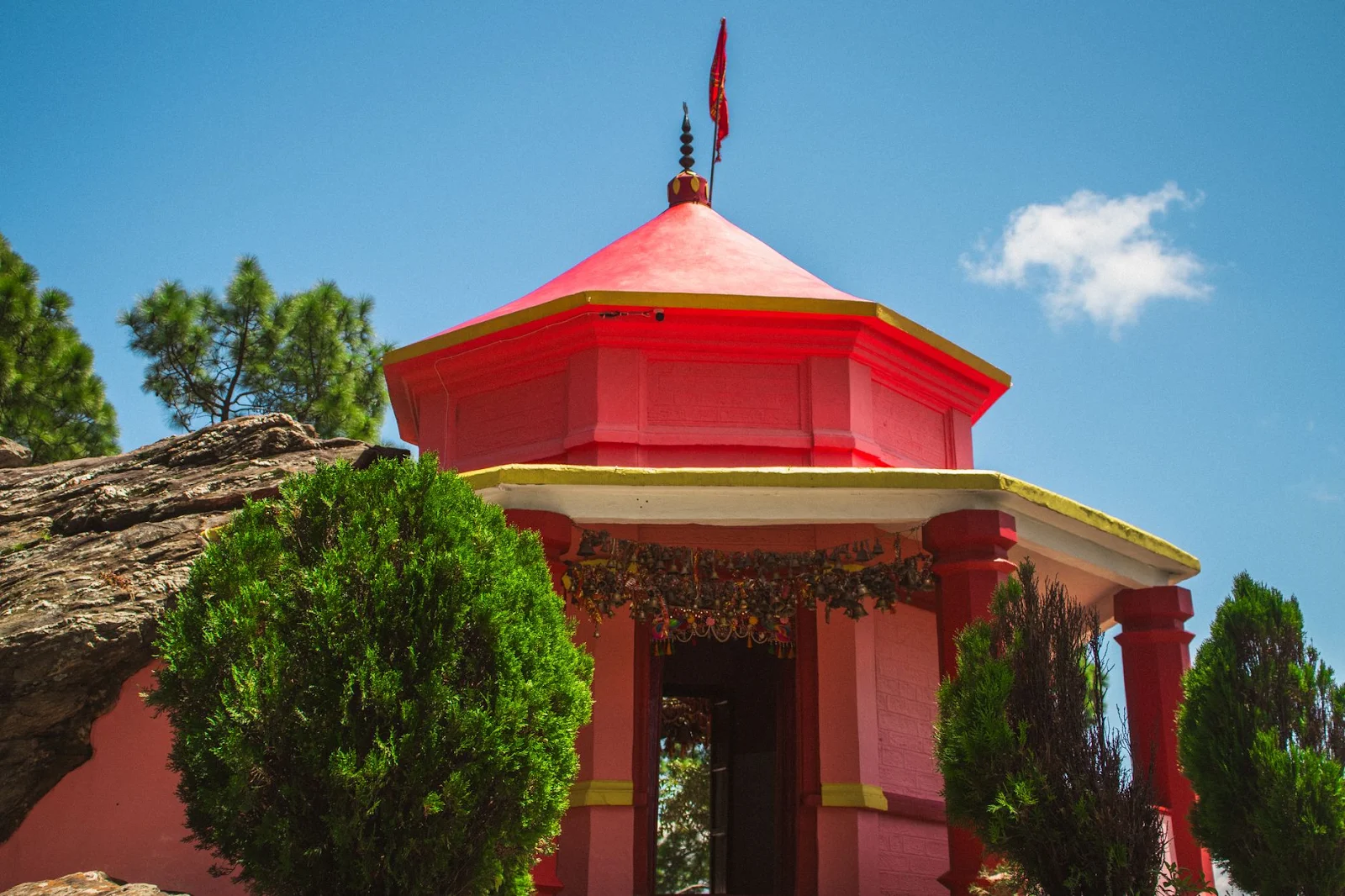
No journey to Pratapgarh is complete without seeking the blessings of Goddess Belha at the revered Belha Devi Temple. Situated on the picturesque banks of the Sai River, this ancient shrine is not only the spiritual heart of the district but also the very reason behind the historical name of the city, Belhapratappur. Dedicated to Goddess Durga in her form as Belha Devi, the temple holds immense religious significance for locals and draws thousands of devotees from neighboring districts, especially during the auspicious festivals of Navratri.
Historical Significance
The temple has deep historical roots intertwined with the local folklore and the naming of the surrounding area. Believed to be centuries old, the shrine has witnessed the rise and fall of various local rulers and British administration, maintaining its divine aura throughout. Devotees believe that sincere prayers offered here are always fulfilled by the benevolent goddess. The peaceful ambiance created by the flowing river and the rhythmic chanting of Vedic hymns makes it a place of profound inner peace.
Things to Do
Participate in the soul-stirring evening aarti (prayer ritual) by the riverbanks, feed the fish in the Sai River, and take a leisurely walk around the temple complex to soak in the spiritual vibrations. Photography of the river landscape and temple architecture from a respectful distance is also quite rewarding.
2. Pratapgarh Fort
Overview
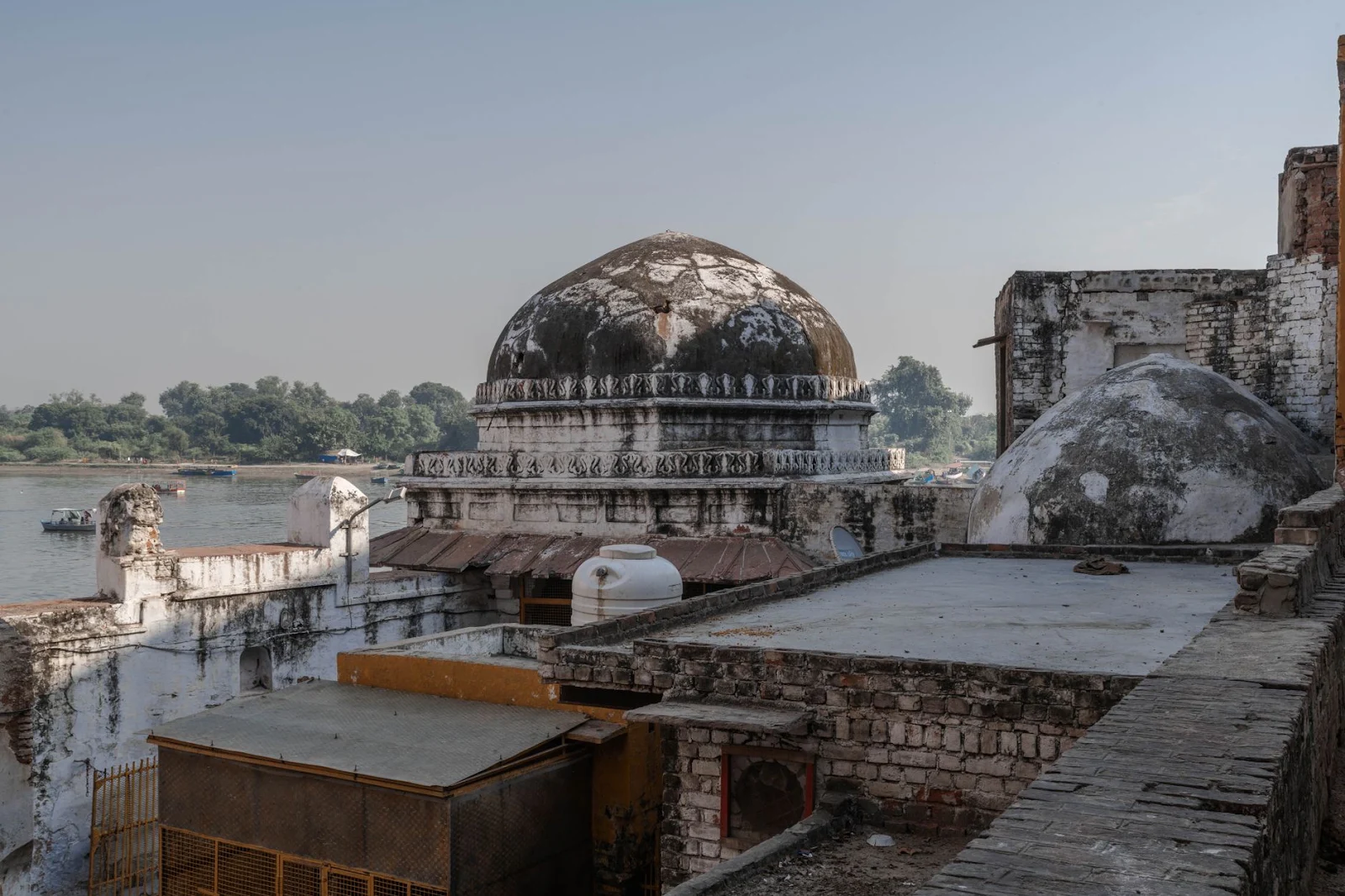
Standing as a proud testament to the region's royal past, the Pratapgarh Fort is a major historical landmark that gives the district its name. Built by Raja Pratap Singh in the 17th century, the fort complex serves as a window into the architectural prowess and strategic military planning of the erstwhile rulers of Awadh. Though parts of the fort now lie in weathered ruins, its historic grandeur still commands respect and fires the imagination of history buffs.
Historical Significance
Raja Pratap Singh established his stronghold here, naming the fort and subsequently the region after himself. The fort played a crucial role during various regional conflicts and later witnessed significant political movements during India's struggle for independence. Walking through the remnants of the fortifications, visitors can easily visualize the royal courts, strategic outposts, and bustling activity that once defined this majestic citadel.
Things to Do
Explore the sprawling ruins, admire the antique brickwork and defensive structures, and capture stunning photographs of the surrounding countryside from the elevated vantage points of the fort walls. It is an ideal spot for history enthusiasts and heritage walkers.
3. Chidambaram Dham

Overview
Chidambaram Dham is a relatively recent yet remarkably popular spiritual and architectural marvel located in the Pratapgarh district. Known for its serene environment and stunning architectural design, this modern temple complex attracts seekers, families, and tourists looking for a quiet place of contemplation away from the city's hustle and bustle. The manicured gardens and spotless courtyards enhance its inviting appeal.
Historical Significance
Unlike ancient ruins, Chidambaram Dham represents the contemporary evolution of temple architecture in Uttar Pradesh, blending traditional Indian design elements with modern amenities for pilgrims. It has quickly become a cultural hub where spiritual discourses, community gatherings, and religious festivals are celebrated with great pomp and devotion.
Things to Do
Spend a few quiet hours meditating in the peaceful surroundings, admire the intricate marble carvings, take a stroll through the landscaped gardens, and participate in community devotional singing if visiting during festival times.
4. Mandhata

Overview
Mandhata is a historically rich block and religious center in Pratapgarh, renowned for its ancient temples and association with Hindu mythological heritage. Located amidst lush green agricultural landscapes, Mandhata offers travelers an authentic glimpse into rural Uttar Pradesh, where age-old traditions and customs remain vibrant and alive in daily life.
Historical Significance
Local lore connects Mandhata to ancient Vedic sages and epic tales, making it a revered site for pilgrims exploring the heritage trails of Awadh. The area is dotted with ancient shrines, old banyan trees, and holy water tanks that have served local communities for centuries.
Things to Do
Interact with local villagers to understand rural life, visit the local heritage temples, explore the scenic countryside, and enjoy the tranquil rural atmosphere that feels worlds away from modern urban chaos.
5. Excursion to the Sangam (Allahabad/Prayagraj Border)
Overview
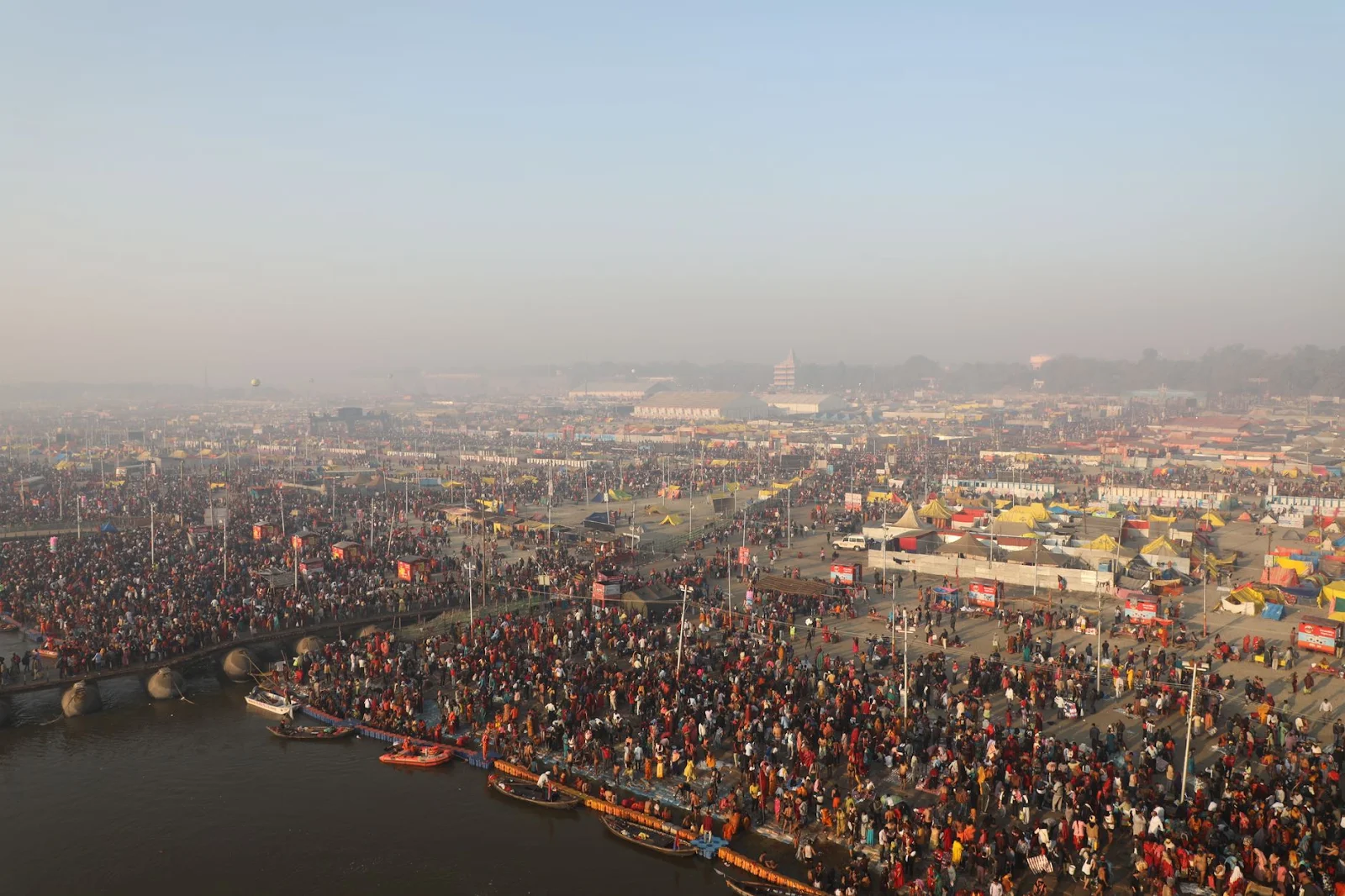
While technically located just beyond the district borders in neighboring Prayagraj (formerly Allahabad), Pratapgarh serves as a primary gateway for travelers visiting the world-famous Sangam—the holy confluence of the Ganga, Yamuna, and the mythical Saraswati rivers. A day trip from Pratapgarh to the Sangam is an essential extension for any comprehensive travel itinerary in this region.
Historical Significance
The Sangam is one of the most sacred pilgrimage sites in Hinduism, hosting the monumental Kumbh Mela every twelve years. Millions of pilgrims gather here to take a holy dip, believing it washes away sins and breaks the cycle of rebirth. The spiritual energy surrounding this confluence is palpable and deeply moving.
Things to Do
Take a boat ride to the exact point of confluence, witness the evening Ganga Aarti, explore nearby historical monuments in Prayagraj such as the Allahabad Fort and Anand Bhawan, and savor local Awadhi and Sangam-side street delicacies.
Best Time to Visit Pratapgarh
The ideal time to explore the top tourist places in Pratapgarh is during the winter months, spanning from October to March. During this period, the weather is pleasantly cool, with daytime temperatures hovering between 15°C and 25°C, making it exceptionally comfortable for sightseeing, heritage walks, and outdoor excursions. Summers (April to June) can be intensely hot and dry, with temperatures often exceeding 40°C, which can make daytime travel exhausting. The monsoon season (July to September brings moderate to heavy rainfall, turning the surrounding countryside lush green and revitalizing the Sai River. While the monsoons offer a scenic charm, winter remains the undisputed favorite season for travelers seeking a hassle-free holiday experience.
How to Reach Pratapgarh
Pratapgarh enjoys good connectivity with major cities in Uttar Pradesh and neighboring states via road and rail networks.
- By Air: The nearest major airport is Prayagraj Airport (IXD), located approximately 60 kilometers away, followed by Varanasi's Lal Bahadur Shastri International Airport (VNS), roughly 140 kilometers from Pratapgarh. Both airports offer regular domestic flights connecting to major Indian cities like Delhi, Mumbai, and Bengaluru.
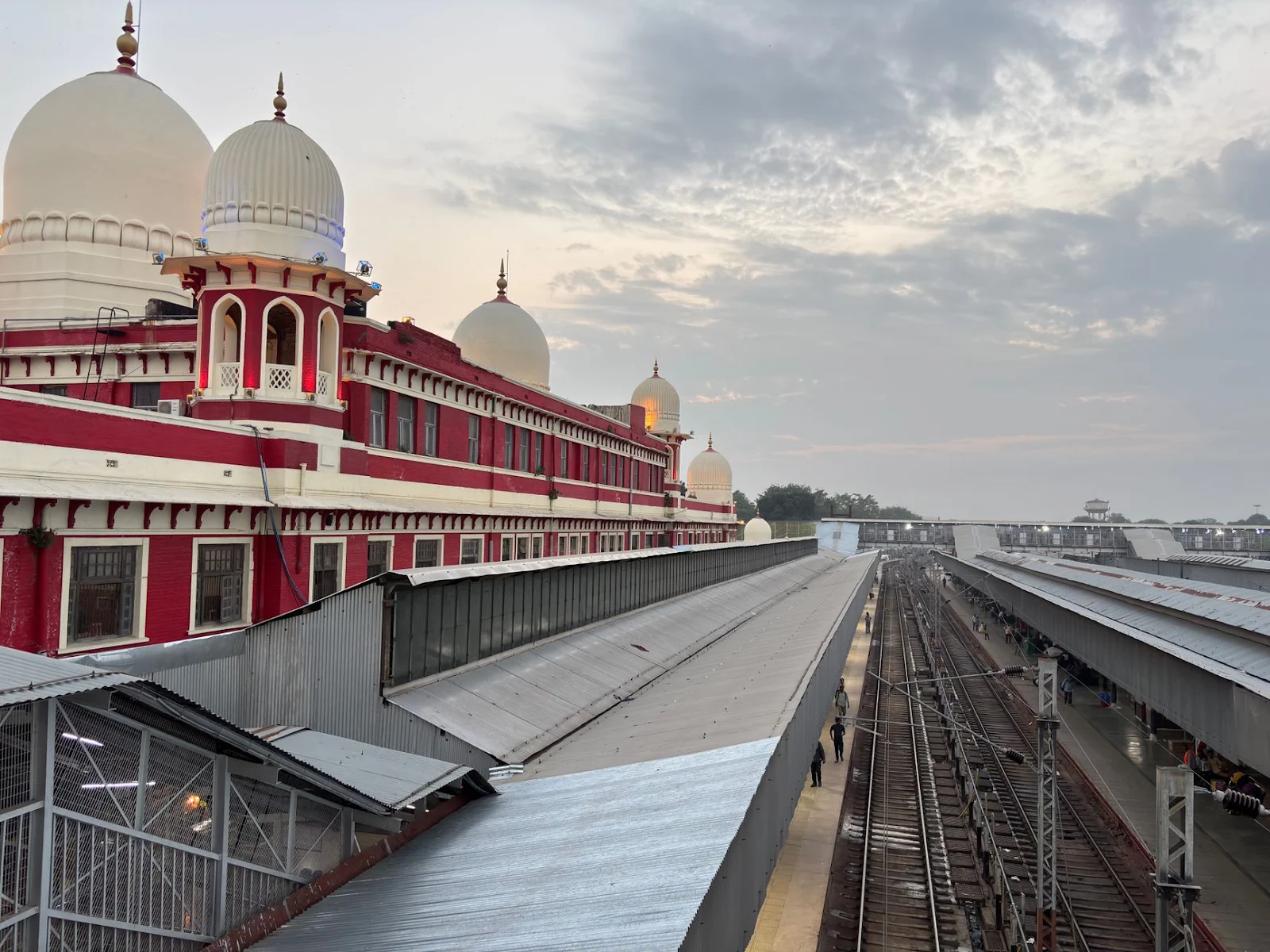
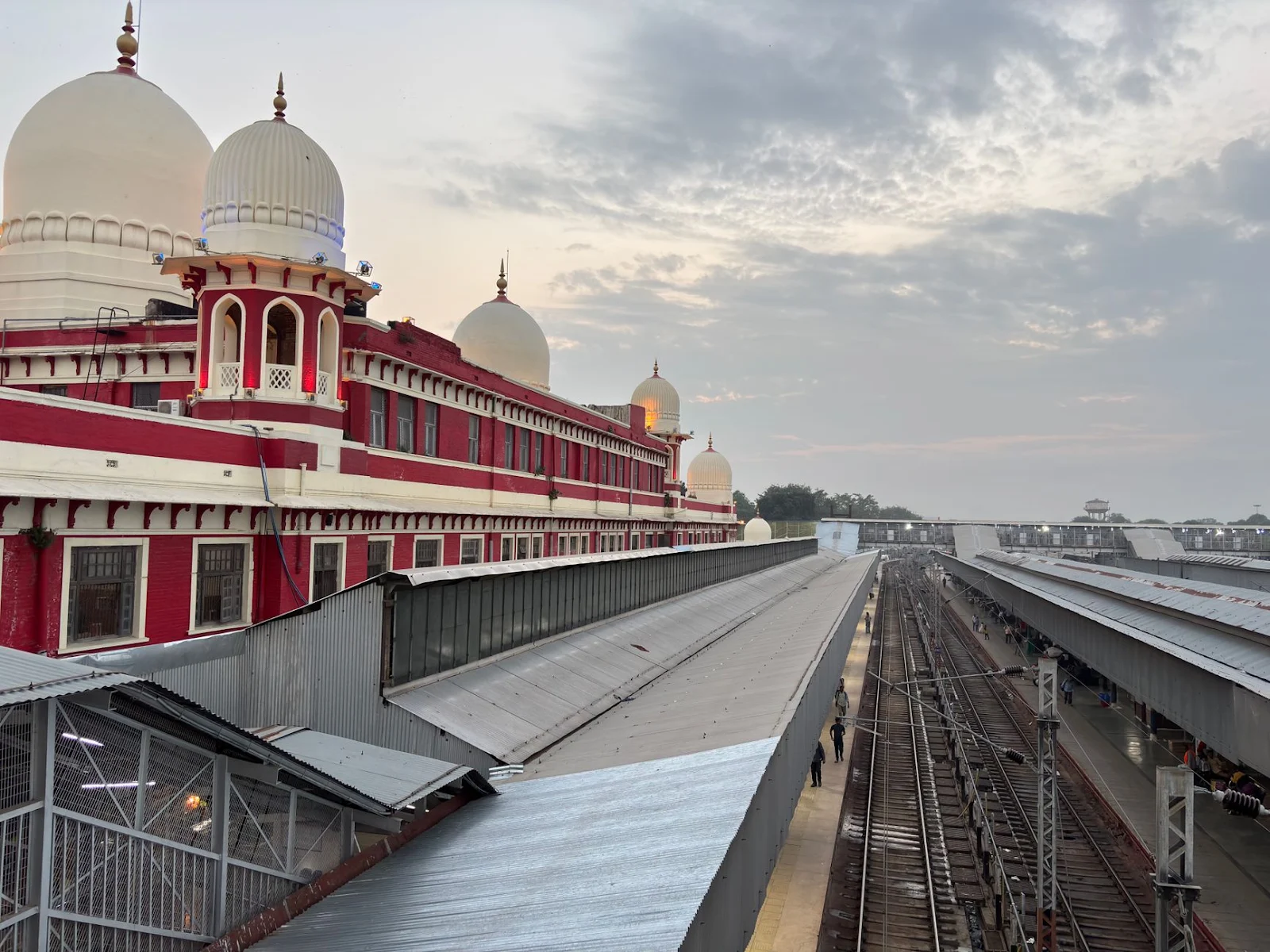
- By Train: Pratapgarh Junction (PBH) is well-connected by railway lines to major transport hubs such as Lucknow, Varanasi, Prayagraj, Delhi, and Howrah. Numerous express and superfast trains operate daily, making rail travel the most convenient and popular option for visitors.
- By Road: The district is seamlessly connected by an extensive network of state highways and national highways. Regular Uttar Pradesh State Road Transport Corporation (UPSRTC) buses, private luxury coaches, and taxis operate frequently from Lucknow, Prayagraj, Sultanpur, and Ayodhya.
Local Food to Try
Culinary exploration is an essential part of any travel experience in Uttar Pradesh, and Pratapgarh offers a delightful blend of traditional Awadhi flavors and rustic rural delicacies.
- Aonla Murabba and Candies: As the leading producer of Indian Gooseberry (Aonla) in India, Pratapgarh is famous for its health-boosting Aonla products, especially sweet murabba, spicy candies, and fresh juice.
- Awadhi Biryani and Kebabs: Reflecting the culinary heritage of the Awadh region, local eateries serve aromatic slow-cooked biryanis and succulent melt-in-the-mouth kebabs.
- Banarasi Paan: Though native to neighboring Varanasi, authentic paan is widely available across Pratapgarh markets as a refreshing post-meal tradition.
- Traditional Thali: Enjoy a hearty vegetarian thali featuring lentil dal, seasonal vegetable curries, freshly baked tandoori rotis, and dollops of pure desi ghee.
- Rabri and Jalebi: Satisfy your sweet tooth with thick, rabri paired with hot, crispy jalebis prepared by local confectioners.
Essential Travel Tips
- Plan Your Transport: Renting a local cab or auto-rickshaw for the day is the best way to comfortably cover sightseeing spots distributed across the district.
- Dress Modestly: Since many attractions are religious temples and historical shrines, wear conservative clothing that covers your shoulders and knees.
- Carry Cash: While digital payments are widely accepted in urban areas, keep sufficient cash handy when visiting rural temples or small street-food vendors.
- Stay Hydrated: Always carry bottled drinking water, especially if you are traveling during the warmer months.
- Respect Local Customs: Always remove your shoes before entering temples and ask for permission before photographing local residents or religious rituals.
- Try Local Produce: Don't forget to purchase organic Aonla products from local markets as healthy souvenirs for family and friends.
- Check Temple Timings: Verify temple opening and closing hours, particularly regarding afternoon breaks, before planning your visits.
- Book Accommodation Early: While options are modest, booking your hotel in advance ensures a comfortable stay during peak winter tourist seasons.
- Keep Emergency Contacts: Save local emergency helpline numbers and hotel contact details on your mobile phone.
- Hire a Local Guide: Hiring a local guide near historical forts adds immense value by uncovering fascinating historical anecdotes.
Suggested 2-Day Itinerary
Day 1: Spiritual Heritage and Local Exploration
- 08:00 AM - 10:30 AM: Begin your spiritual journey with an early morning visit to the sacred Belha Devi Temple on the banks of the Sai River.
- 11:00 AM - 01:00 PM: Explore the historic Pratapgarh Fort ruins and capture stunning photographs of the surrounding landscape.
- 01:00 PM - 02:30 PM: Enjoy a traditional Awadhi lunch at a local restaurant in the city center.
- 03:00 PM - 05:30 PM: Visit Chidambaram Dham to experience its serene environment and stunning modern architecture.
- 06:00 PM onwards: Stroll through the local markets, shop for authentic Pratapgarh Aonla products, and sample local street food.
Day 2: Rural Charm and Sangam Excursion
- 08:00 AM - 10:00 AM: Take a morning trip to the rural heritage block of Mandhata to experience authentic village life and ancient shrines.
- 10:30 AM - 01:30 PM: Drive towards the nearby Prayagraj border for an unforgettable excursion to the holy Sangam.
- 01:30 PM - 03:00 PM: Savor a delicious lunch near the Sangam riverbanks featuring local culinary specialties.
- 03:30 PM - 05:30 PM: Visit nearby cultural landmarks such as Anand Bhawan or Allahabad Fort before heading back to Pratapgarh.
- 06:30 PM onwards: Conclude your memorable 2-day trip with a relaxing dinner and departure preparation.
Frequently Asked Questions
1. What is Pratapgarh famous for?

Pratapgarh is primarily famous for being the leading producer of Aonla (Indian Gooseberry) in India, as well as for its historical forts, the revered Belha Devi Temple, and its rich cultural heritage rooted in the Awadh region.
2. How many days are sufficient to explore Pratapgarh?

A duration of 2 days is ideal to comfortably explore the top tourist places, temples, historical ruins, and enjoy a day excursion to the nearby Sangam.
3. Is Pratapgarh safe for family travelers?

Yes, Pratapgarh is a peaceful and safe district for families, couples, and solo travelers alike, provided standard travel precautions are maintained.
4. Can I buy authentic Aonla products in Pratapgarh?

Absolutely! The local markets boast numerous shops selling high-quality Aonla murabba, candies, juices, and health powders produced locally.
5. What language is spoken in Pratapgarh?
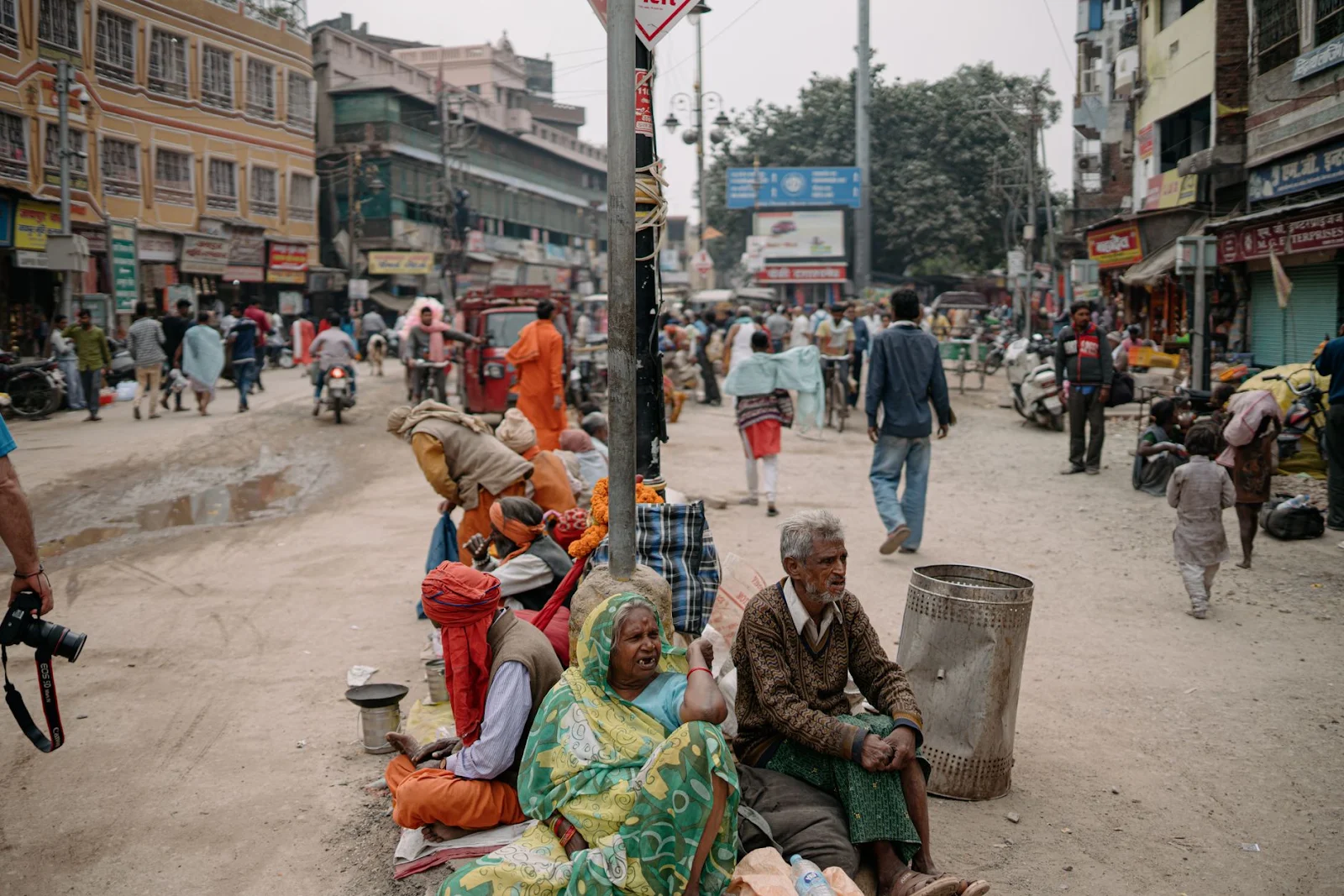
Hindi and Awadhi are the primary languages spoken by locals, though English and Urdu are understood in commercial and hospitality establishments.
6. Which is the nearest airport to Pratapgarh?
The nearest airport is Prayagraj Airport (IXD), located approximately 60 kilometers away from Pratapgarh district.
7. Are there good accommodation options available in Pratapgarh?
Pratapgarh offers a range of comfortable budget hotels, guesthouses, and tourist lodges suitable for different traveler budgets.
8. Is photography allowed inside the temples and forts?

Photography is generally permitted in temple courtyards and fort ruins, though inner sanctums of certain temples may prohibit camera use.
Conclusion
Pratapgarh may not be the most conventional tourist destination on India's massive tourism map, but therein lies its true magic. Away from the commercialized crowds, this serene district in Uttar Pradesh offers an authentic blend of spiritual devotion, historical grandeur, and warm rural hospitality. From seeking divine grace at the Belha Devi Temple to exploring the weathered walls of Pratapgarh Fort and tasting the goodness of local Aonla delicacies, every moment spent here leaves a lasting impression on your soul. If you are planning your next offbeat holiday in India, make sure to add Pratapgarh to your travel bucket list for an enriching and unforgettable experience.



0 Comments