
Discovering the Hidden Gems: Best Places to Visit in Supaul, Bihar, India
Welcome, fellow wanderers and inquisitive travelers, to an unexplored frontier in the heart of Mithilanchal! If you are someone who loves venturing off the beaten path, seeking authentic cultural experiences, and escaping the usual tourist-heavy crowds, then it is time to set your sights on Supaul district in Bihar. Nestled along the meandering course of the mighty Kosi River, Supaul is a land blessed with vibrant rural landscapes, rich agricultural heritage, deep-rooted spiritual traditions, and the warmth of a community that proudly preserves its ancient heritage. While major Bihar tourist circuits often highlight destinations like Bodh Gaya or Rajgir, exploring Supaul reveals a raw, pristine side of India that tells stories of resilience, faith, and timeless traditions.
As you plan your journey through this fertile alluvial plains region, you will find that Supaul offers a unique mix of historical significance, natural beauty, and sacred shrines. The district shares an international border with Nepal to the north, giving it a distinct geographical and cultural flavor characterized by bustling local haats (markets), vibrant Mithila art influences, and serene riverbanks. Whether you are a solo backpacker looking for quiet moments of reflection, a photography enthusiast eager to capture authentic rural Indian life, or a pilgrim seeking blessings at ancient temples, Supaul has something special waiting for you. Navigating through the top tourist places in Supaul, Bihar, offers a refreshing break from modern urban chaos, allowing you to connect deeply with nature and local folklore.
In this comprehensive travel guide, we will take you on an immersive journey across the district, uncovering the best places to visit in Supaul, sharing practical travel tips, highlighting local culinary delights, and providing a well-crafted two-day itinerary. Pack your bags, bring along your curiosity, and let us embark on an unforgettable adventure through the rustic charm and spiritual serenity of Supaul, Bihar, India!
Table of Contents
- 1. Maheshwari Sthan
- 2. Triveniganj Market and Surrounding Countryside
- 3. Garhia Sthan Temple
- 4. Kosi Barrage and Riverfront
- 5. Dagmara Ghat
- Best Time to Visit Supaul
- How to Reach Supaul
- Local Food to Try in Supaul
- Top 10 Travel Tips for Supaul
- Suggested 2-Day Itinerary
- Frequently Asked Questions (FAQs)
- Conclusion
1. Maheshwari Sthan

Introduction
Maheshwari Sthan stands proudly as one of the most revered and spiritually significant destinations in the Supaul district. Dedicated to Goddess Durga in her powerful and benevolent forms, this sacred shrine draws thousands of devotees, especially during the festive seasons of Navratri. The temple is surrounded by a peaceful environment that instantly calms the mind, making it a wonderful stop for both spiritual seekers and cultural explorers interested in the religious practices of the Mithilanchal region.
Historical & Cultural Significance
The temple holds profound mythological and local historical value. According to regional beliefs, the site has been a place of intense worship for centuries. Generations of local families have maintained the traditions associated with Maheshwari Sthan, passing down folk tales of divine protection and miraculous healings. The architectural style reflects traditional rural temple design, adorned with vibrant flags and bell towers that chime throughout the day, creating a deeply devotional atmosphere.
Things to Do
- Participate in the soul-stirring evening aarti (prayer ceremony) accompanied by traditional temple bells and chanting.
- Explore the surrounding rural village paths to observe local daily life and traditional Mithila mud houses.
- Interact with temple priests and local elders to listen to fascinating folklore regarding the origin of the shrine.
- Shop for small religious souvenirs, incense, and local handicrafts sold by vendors outside the temple complex.
Practical Information
Location: Located a short drive from Supaul town center, easily accessible via local auto-rickshaws or cycle-rickshaws.
Timing: Open daily from 5:00 AM to 8:30 PM.
Entry Fee: Free for all visitors.
2. Triveniganj Market and Surrounding Countryside

Introduction
Triveniganj is one of the most vibrant sub-divisional towns within the Supaul district, known for its bustling commercial energy and proximity to the Indo-Nepal border. Visiting Triveniganj gives travelers an authentic glimpse into the everyday commerce, trade, and social fabric of rural Bihar. The market area is a colorful maze of shops, spice vendors, cloth merchants, and tea stalls where the aroma of freshly brewed local tea fills the air.
Historical & Cultural Significance
Historically, Triveniganj has served as an important trade intersection connecting local agricultural producers with broader markets. The cultural blend here is fascinating, influenced heavily by both traditional Maithili customs and cross-border interactions with neighboring Nepal. This intersection has fostered a unique linguistic and culinary blend that distinguishes Triveniganj from other towns in the region.
Things to Do
- Stroll through the bustling local haat to witness vibrant rural trade and purchase local seasonal produce.
- Sip authentic Bihari kulhad chai (tea served in an earthen clay cup) at a roadside stall while chatting with locals.
- Cycle through the lush green countryside lanes surrounding the town to witness traditional farming techniques.
- Photograph the vibrant colors, bustling interactions, and traditional attire of the local populace.
Practical Information
Location: Situated approximately 35 kilometers north of Supaul district headquarters.
Timing: Markets are active from 8:00 AM to 8:00 PM daily.
Entry Fee: None.
3. Garhia Sthan Temple

Introduction
Garhia Sthan is an ancient and deeply revered place of worship nestled in a tranquil pocket of Supaul. Unlike grand metropolitan temples, Garhia Sthan is cherished for its raw simplicity, profound spiritual energy, and deep connection to nature. Towering ancient trees shade the temple grounds, providing a cool and quiet sanctuary where visitors can sit in silent meditation away from the noise of modern life.
Historical & Cultural Significance
The temple is deeply tied to the agrarian identity of Supaul. Farmers and villagers gather here to offer prayers for a bountiful harvest, timely rains, and the well-being of their livestock. The rituals practiced at Garhia Sthan highlight ancient indigenous customs that have survived centuries of change, offering anthropologists and cultural enthusiasts a window into authentic folk Hinduism in northern Bihar.
Things to Do
- Offer flowers and coconuts at the shrine as a mark of respect and devotion.
- Enjoy a peaceful picnic under the sprawling canopy of ancient sacred trees surrounding the temple.
- Observe traditional ritual offerings made by local villagers during festival days.
- Meditate in the serene, undisturbed ambiance of the temple courtyard.
Practical Information
Location: Easily reachable from central Supaul via local transport options like hired cabs or auto-rickshaws.
Timing: Open from sunrise to sunset.
Entry Fee: Free.
4. Kosi Barrage and Riverfront

Introduction
Often referred to as the "Sorrow of Bihar" in historical contexts due to its shifting course, the Kosi River is nonetheless the lifeblood of the region. The Kosi Barrage is an engineering marvel constructed across this mighty river, offering breathtaking panoramic views of vast flowing waters, sandbars, and endless skies. The riverfront near the barrage is one of the best places to visit in Supaul for nature lovers, photography enthusiasts, and anyone seeking stunning sunset vistas.
Historical & Cultural Significance
The Kosi River has shaped the history, geography, and economy of Supaul for generations. The construction of the barrage marked a major milestone in flood management, irrigation, and connectivity between India and Nepal. Culturally, the river holds a sacred place in local folklore, inspiring numerous folk songs, poems, and regional art forms that celebrate both its nurturing bounty and its untamable power.
Things to Do
- Capture stunning photographs of the expansive river landscape, especially during golden hour sunrise and sunset.
- Watch migratory birds that flock to the riverbanks and wetlands during the cooler winter months.
- Take a gentle walk along the embankments, feeling the refreshing breeze coming off the wide expanse of water.
- Engage with local fishermen who ply their traditional wooden boats along the calmer channels of the river.
Practical Information
Location: Located near the border region of the district, accessible via well-maintained roadways from Supaul town.
Timing: Accessible throughout daylight hours.
Entry Fee: Free.
5. Dagmara Ghat
Introduction
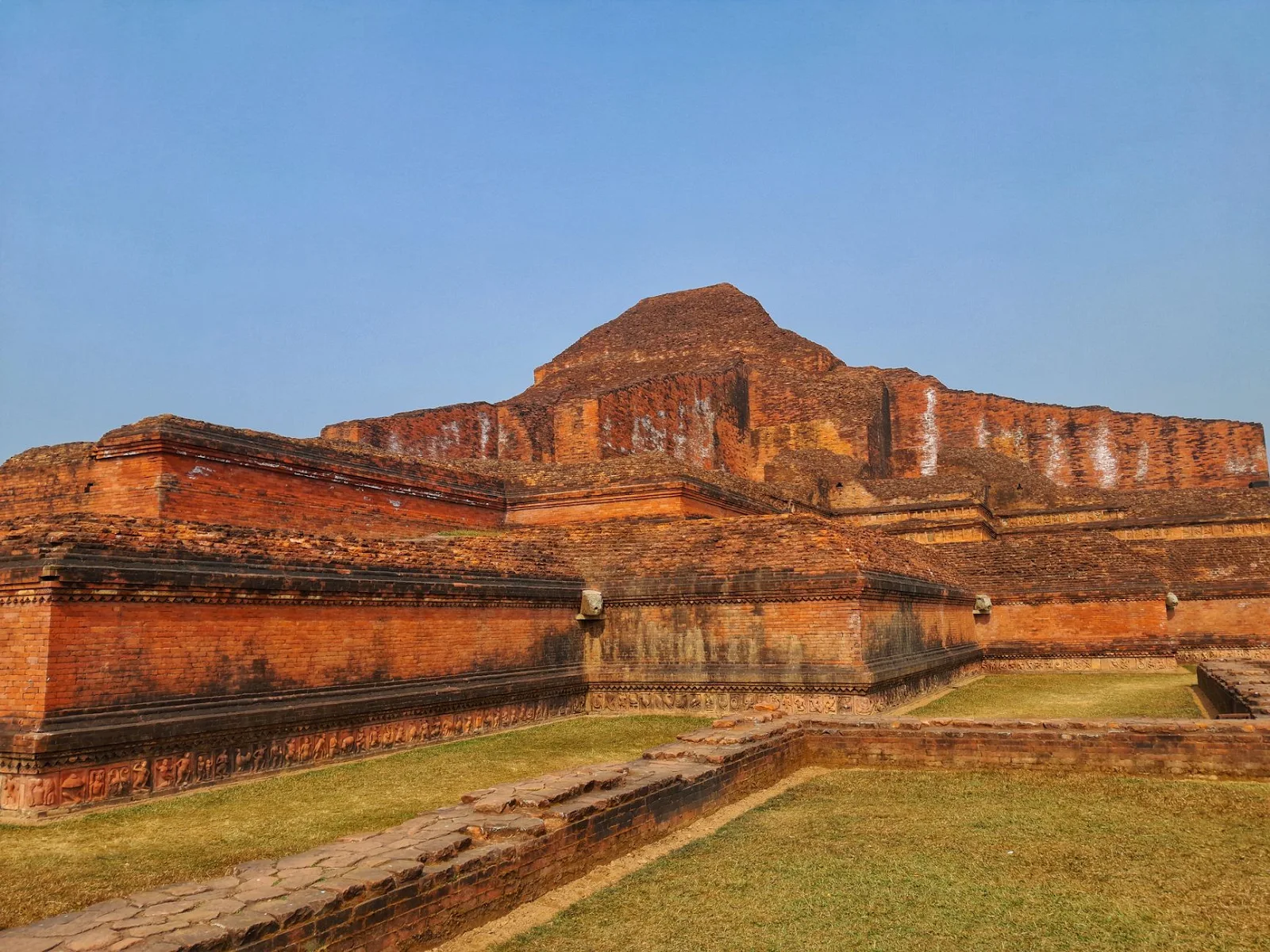
Dagmara Ghat is a picturesque and culturally significant river ghat situated along the majestic Kosi River banks. It serves as a vital community gathering space where daily rituals, holy baths, and local festivities take place. The serene flow of the river against the backdrop of rural greenery makes Dagmara Ghat an idyllic destination for travelers seeking quiet contemplation and a genuine connection with rural Bihari culture.
Historical & Cultural Significance
River ghats in India are not merely physical access points to water; they are cultural hubs where community life unfolds. Dagmara Ghat has witnessed generations of local traditions, community gatherings, and religious observances. During major festivals like Chhath Puja, the ghat transforms into a breathtaking spectacle of glowing earthen lamps, devotional songs, and thousands of devotees paying homage to the Sun God.
Things to Do
- Witness the serene river life and observe traditional boatmen navigating the gentle currents.
- Participate in quiet reflection or morning prayers along the peaceful water's edge.
- Capture picturesque frames of rural riverine landscapes and local children playing near the banks.
- Experience the vibrant cultural celebrations if visiting during regional festive periods.
Practical Information
Location: Situated within the Dagmara sector of Supaul district, reachable via local roadways.
Timing: Open 24 hours, best visited during sunrise or sunset.
Entry Fee: Free.
Best Time to Visit Supaul
Planning your trip during the right season is essential to make the most of your exploration. The best time to visit Supaul is during the winter months, spanning from October to March. During this period, the weather is pleasantly cool, with daytime temperatures ranging comfortably between 15°C and 25°C. This makes outdoor sightseeing, village cycling tours, and riverfront visits extremely enjoyable without the intense heat of the Gangetic plains.
The monsoon season (July to September) offers lush green landscapes and vibrant agricultural scenery, but heavy rainfall and potential rising water levels in the Kosi River can occasionally disrupt travel plans. Summers (April to June) are marked by dry, hot winds known as loo, with temperatures frequently exceeding 40°C, making daytime exploration challenging. If you are fortunate enough to plan your visit around October or November, you may also get the incredible opportunity to witness the grand celebrations of Chhath Puja along the riverbanks.
How to Reach Supaul
Supaul is well-connected to major cities in Bihar and neighboring states through a network of roads and railways, making it accessible for travelers seeking an authentic offbeat destination.
- By Air: The nearest major airport is Darbhanga Airport (approx. 90 km away) and Patna Airport (Lok Nayak Jayaprakash Narayan International Airport, approx. 200 km away). From Patna or Darbhanga, you can easily hire a private taxi or take a train to reach Supaul.
- By Train: Supaul has its own railway station (Supaul Junction - SGL) connected via meter-gauge and newly converted broad-gauge routes linking to major regional transit hubs like Barauni, Katihar, and Samastipur. Direct or connecting trains are available from Patna and Kolkata.
- By Road: Supaul boasts excellent road connectivity via state highways and National Highways. Regular state transport buses, private luxury coaches, and shared taxis operate frequently from Patna, Muzaffarpur, Darbhanga, and Purnia.
Local Food to Try in Supaul
A travel experience in Mithilanchal is incomplete without savoring its rustic, flavorful, and wholesome cuisine. The food in Supaul is characterized by traditional Bihari spices, mustard oil, and locally sourced agricultural produce.
- Litti Chokha: The undisputed king of Bihari cuisine—whole wheat dough balls stuffed with spiced sattu (roasted gram flour), roasted over charcoal fire, and served with mashed potatoes, brinjal (chokha), and dollops of desi ghee.
- Makhana (Fox Nuts): Supaul and neighboring Mithila districts are major producers of high-quality fox nuts. Do try roasted makhana seasoned with black salt and ghee as a healthy, crunchy snack.
- Maithili Fish Curry: For non-vegetarians, fresh river fish caught from the Kosi River, cooked in a sharp mustard and garlic gravy, is a local delicacy.
- Thekua: A traditional sweet cookie made from wheat flour, jaggery, and ghee, flavored with fennel seeds. It is crispy on the outside and soft inside.
- Khaja: A multi-layered, crispy traditional sweet pastry dipped in sugar syrup, widely available in local sweet shops.
Top 10 Travel Tips for Supaul
- Respect Local Customs: Supaul is culturally conservative and deeply traditional. Dress modestly, especially when visiting temples and rural villages.
- Carry Cash: While digital payments are growing in towns like Triveniganj and Supaul headquarters, rural areas and small tea stalls still rely heavily on cash.
- Hire Local Transport: Renting an auto-rickshaw for the day or hiring a local driver is the most convenient way to explore scattered attractions.
- Stay Hydrated: Carry a reusable water bottle and stay hydrated, especially if you are traveling during warmer shoulder months.
- Learn Basic Phrases: Knowing a few words of Maithili, Bhojpuri, or Hindi will instantly warm local hearts and ease communication.
- Respect River Safety: Exercise caution near the Kosi River and dams. Avoid swimming in unfamiliar, fast-flowing currents.
- Protect Against Mosquitoes: Carry good insect repellent lotions, particularly if you are visiting rural riverbanks during dusk.
- Photography Etiquette: Always ask for permission before photographing local residents, shopkeepers, or tribal villagers.
- Check Weather Updates: If traveling during the monsoon season, keep a close eye on local weather and river advisory alerts.
- Taste Local Sweets: Do not miss out on trying fresh local sweets and traditional milk-based delicacies from small town sweet shops.
Suggested 2-Day Itinerary
To help you make the most of your weekend getaway, here is a well-balanced, immersive 2-day travel itinerary for exploring Supaul:
Day 1: Spiritual Heritage and Town Exploration
- Morning (8:00 AM - 11:00 AM): Arrive in Supaul town, check into your accommodation, and start your day with a visit to the sacred Maheshwari Sthan. Offer your prayers and experience the tranquil morning ambiance.
- Lunch (12:00 PM - 1:30 PM): Head to a local eatery in Supaul town to enjoy an authentic Bihari thali featuring hot litti chokha and fresh lentils.
- Afternoon (2:30 PM - 5:00 PM): Drive north towards Triveniganj. Explore the bustling local marketplace, interact with friendly shopkeepers, and sample local street snacks like roasted makhana and hot tea.
- Evening (5:30 PM - 7:30 PM): Return toward the town center, enjoy a peaceful evening stroll, and sample traditional sweets like khaja at a heritage sweet shop.
Day 2: River Views and Rural Landscapes
- Sunrise (6:00 AM - 8:30 AM): Head early to Dagmara Ghat or the riverfront near the Kosi Barrage to catch a breathtaking sunrise over the wide expanse of the Kosi River.
- Morning (9:00 AM - 11:30 AM): Visit the peaceful Garhia Sthan Temple, sitting under the shade of ancient trees and soaking in the serene rural environment.
- Lunch (12:30 PM - 2:00 PM): Relish a hearty lunch featuring regional Mithila specialties.
- Afternoon (2:30 PM - 5:00 PM): Take a leisurely cycling or driving tour through the rural countryside lanes around Supaul, photographing mustard fields, traditional mud houses, and village life.
- Evening (5:00 PM onwards): Wrap up your trip, pick up local makhana souvenirs, and head to the railway station or bus terminus for your onward journey.
Frequently Asked Questions (FAQs)
- What is Supaul famous for?
Supaul is famous for its rich Mithila culture, agricultural heritage, production of high-quality makhana (fox nuts), and its close proximity to the mighty Kosi River. - Are there good hotels in Supaul?
Accommodation in Supaul primarily consists of budget-friendly lodges, guesthouses, and regional rest houses. For luxury stays, travelers often base themselves in nearby larger hubs like Darbhanga or Patna. - Is Supaul safe for solo travelers?
Yes, Supaul is generally safe for travelers. However, standard precautions like avoiding isolated rural areas late at night and safeguarding personal belongings are advised. - Can I visit Supaul during the monsoon?
While monsoon brings lush greenery, heavy rains and Kosi River fluctuations can make travel inconvenient. Winter is the recommended season. - What language is spoken in Supaul?
Maithili and Bhojpuri are the primary regional languages spoken by locals, alongside Hindi, which is widely understood and spoken. - How far is Supaul from the Nepal border?
Supaul district shares an international border with Nepal, making border towns like Triveniganj very close to the neighboring country. - What are the must-try foods in Supaul?
Litti chokha, roasted makhana, traditional thekua, and fresh river fish curry are absolute must-tries. - What is the best way to commute locally within Supaul?
Auto-rickshaws, cycle-rickshaws, and hired local cabs are the most practical and convenient modes of local transportation.
Conclusion
Supaul may not feature on every mainstream tourist itinerary, and that is precisely what makes its charm so intoxicating. From the serene spiritual aura of Maheshwari Sthan and Garhia Sthan to the engineering grandeur of the Kosi Barrage and the bustling rural energy of Triveniganj, this district offers an unvarnished, authentic slice of Bihar. Traveling through Supaul invites you to slow down, appreciate the simple joys of village life, savor wholesome local delicacies, and connect with the resilient and welcoming people of Mithilanchal. If you are eager to venture beyond the ordinary and discover the soulful heart of northern India, pack your bags and let the tranquil plains and riverbanks of Supaul leave an indelible mark on your travel diary!



0 Comments