
Unveiling the Hidden Wonders of Mainpuri, Uttar Pradesh: A Traveler's Guide to Heritage and Wetlands
Nestled quietly in the agricultural heartland of the Braj-Doab belt, Mainpuri is an evocative testament to ancient Indian heritage, mythological folklore, and thriving rural ecology. Often bypassed by travelers dashing between Agra's marble monuments and Lucknow's royal boulevards, this rustic district in Uttar Pradesh conceals quiet treasures that reward curious wanderers. From international birding wetlands teeming with vulnerable Sarus cranes to age-old shrines that trace their roots to Vedic rishis, Mainpuri offers an authentic slice of North Indian heartland culture. The district's timeless association with the Chauhan Rajputs, mythological sages like Markandeya and Cyavana, and centuries of pastoral tradition give it a grounded, soul-stirring character rarely found in commercialized tourist hubs.
Exploring Mainpuri allows you to trade bustling tourist queues for sweeping horizons of mustard fields, quiet temple ponds, and historic ruins whispering stories of the Mahabharata era. Whether you are an avid birdwatcher scouting migratory waterfowl across oxbow marshes, a pilgrim seeking blessings at ancient Shakti peeths, or a culture enthusiast intrigued by traditional brass-inlay woodwork (Tarkashi), the top tourist places in Mainpuri reveal a destination of multifaceted charm. The district presents a relaxed pace of life, where village hospitality remains untarnished and mornings begin with temple conches echoing across misty waterbodies.
In this curated guide, we bring you the five most captivating places to visit in Mainpuri, Uttar Pradesh, complete with logistical insights, local food recommendations, practical travel tips, and a comprehensive two-day itinerary. Prepare to discover an unsung cultural haven that invites you to slow down, explore deeply, and connect with the authentic heart of rural northern India.
Table of Contents
- 1. Saman Bird Sanctuary
- 2. Sheetla Devi Mandir
- 3. Cyavan Rishi Ashram
- 4. Phoolmati Devi Mandir
- 5. Markandeya Rishi Ashram
- Best Time to Visit Mainpuri
- How to Reach Mainpuri
- Local Culinary Delights
- 10 Essential Travel Tips for Mainpuri
- Handcrafted 2-Day Mainpuri Itinerary
- Frequently Asked Questions (FAQs)
- Final Thoughts
1. Saman Bird Sanctuary

About & History
Designated as a Ramsar Wetland of International Importance in 2019, Saman Bird Sanctuary is undeniably the crown jewel among nature-centric tourist places in Mainpuri. Spanning an area of approximately 5 square kilometers, this seasonal wetland comprises an oxbow lake system fed primarily by the southwest monsoon and surrounding agricultural runoff. The sanctuary was formally notified in 1990 to provide refuge to a rapidly declining population of the Sarus Crane—the world's tallest flying bird and the proud state bird of Uttar Pradesh. The marshland ecosystem serves as a crucial wintering ground for trans-Himalayan migratory birds crossing the Central Asian Flyway.
What to See & Do
Saman is a paradise for wildlife photographers and avid ornithologists. Stand along the designated bunds with a spotting scope to observe extensive flocks of Greylag Geese, Bar-headed Geese, Northern Pintails, Gadwalls, Common Teals, and Eurasian Wigeons floating across the serene reed beds. The sanctuary harbors one of the densest populations of breeding Sarus Cranes in northern India, often seen in romantic pairs performing their famous courtship displays. You can also spot terrestrial wildlife including nilgai (blue bull), golden jackals, Indian hares, and jungle cats traversing the fringing tamarisk and babool scrub.
Timings & Entry Fee
- Timings: 6:00 AM to 6:00 PM (Daily; best experienced during sunrise or late afternoon)
- Entry Fee: Approximately ₹30 per Indian citizen; ₹350 for foreign nationals; additional nominal charges for professional cameras.
Best Time to Visit this Spot
The winter window between November and February is prime. During these months, migratory flocks arrive in massive numbers, morning mist carpets the marshes, and the weather remains pleasantly crisp.
How to Reach from City Center
Saman Bird Sanctuary lies roughly 35 kilometers southwest of Mainpuri town. You can hire a private taxi or take a local state transport bus heading toward Kishni or Bhongaon, followed by an auto-rickshaw to the sanctuary's forest checkpost.
2. Sheetla Devi Mandir

About & History
Located on the outskirts of Mainpuri city, the Sheetla Devi Mandir is one of the district's most deeply revered religious sanctuaries. Dedicated to Goddess Sheetla—an incarnation of Mother Durga worshipped for protection against illnesses, poxes, and fevers—this shrine holds immense spiritual importance for devotees throughout the Braj and Rohilkhand territories. Historical lore associates the site with medieval folk traditions, where kings and local landlords visited the sacred pond adjoining the temple to seek restorative wellness and agricultural prosperity.
What to See & Do
Experience the tranquil morning rituals where worshippers gather to bathe in or sprinkle the holy water of the sacred temple tank, believed to possess purifying properties. The temple architecture presents an eye-catching blend of traditional North Indian spire design and vivid folk murals depicting episodes from Shakta traditions. During the auspicious periods of Chaitra and Ashwin Navratri, the complex transforms into a vibrant carnival ground filled with folk musicians, brass bell chimes, sweetmeat vendors selling warm jalebis, and thousands of pilgrims offering neem leaves, red chunris, and earthen lamps to the goddess.
Timings & Entry Fee
- Timings: 5:00 AM to 12:00 PM, and 4:00 PM to 9:00 PM
- Entry Fee: Free entry for all visitors. Special pooja offerings are available at nominal costs.
Best Time to Visit this Spot
Visit during the Navratri festivals (March–April or September–October) to witness the grand religious fair, or drop by on any Tuesday morning throughout the pleasant winter months for a peaceful spiritual experience.
How to Reach from City Center
The shrine is located just 4 to 5 kilometers from the Mainpuri railway station and bus terminal. E-rickshaws, shared auto-rickshaws, and private cycle-rickshaws are readily available throughout the day.
3. Cyavan Rishi Ashram
About & History
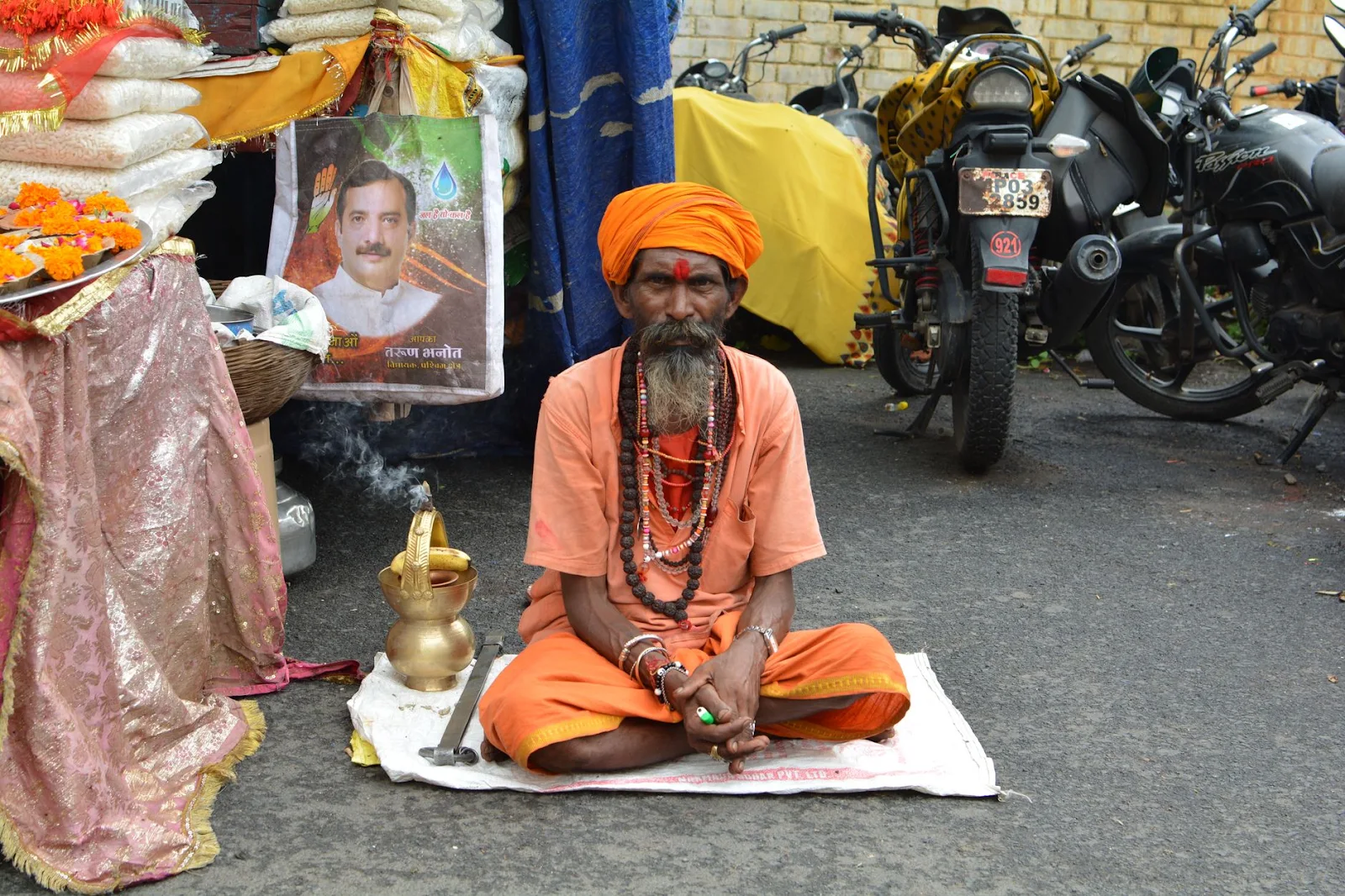
Steeped in mythological sanctity, the Cyavan Rishi Ashram (also referred to locally as Chyawan Rishi Mandir) connects Mainpuri to Vedic antiquity. According to local legend and regional Puranic references, this serene hermitage sits on the grounds where Sage Cyavan—the revered son of Sage Bhrigu—performed severe austerities and intense penance. It was here, folklore suggests, that the celestial twin physicians, the Ashwini Kumaras, formulated the legendary life-restoring herbal formulation known worldwide today as 'Chyawanprash' to rejuvenate the aged sage's youth and vitality.
What to See & Do
The ashram is an idyllic haven of peace, surrounded by sprawling groves of neem, peepal, and sacred banyan trees. Visitors can sit by the quiet ashram reservoir (kund), which has drawn seekers and ascetics for centuries. Explore the historic sanctum housing ancient Shiva lingams and sculptures of Sage Cyavan, engage in quiet meditation under the leafy canopy, or converse with the resident sadhus who enthusiastically share regional folk tales that intertwine the Vedic past with Mainpuri's local geography.
Timings & Entry Fee
- Timings: 6:00 AM to 7:30 PM
- Entry Fee: Free admission. Donations for ashram maintenance are welcomed.
Best Time to Visit this Spot
The ashram is best visited between October and March. The serene, cool breeze enhances the meditative quality of the groves, making it an ideal outdoor stop during midday.
How to Reach from City Center
Located roughly 18 kilometers from the main city administrative quarters, the ashram is best reached via private vehicle, cab, or rural tempo services operating along the regional connector roads.
4. Phoolmati Devi Mandir

About & History
Situated in the heart of old Mainpuri near the Isan River corridor, Phoolmati Devi Mandir represents the urban heartbeat of the town's folk spirituality. The temple honors Goddess Phoolmati, an ancient regional manifestation of Shakti regarded as the primary guardian deity (Gramdevi) of the municipal settlement. Dating back several centuries, the temple compound has withstood multiple historical transitions, serving as an anchor of solace for locals through epidemics, colonial conflicts, and agrarian shifts.
What to See & Do
Step through the colorfully painted arched gateways into a vibrant precinct where the aroma of incense, burning camphor, and fresh marigold flowers fills the air. Admire the stone-carved deities adorned in rich silk attires and silver ornaments. The surrounding bazaar offers a lively glimpse into authentic semi-urban life in Uttar Pradesh—browse small shops selling handmade clay toys, sacred threads, glass bangles, and regional brass knickknacks. If you visit around dusk, the rhythmic beat of temple drums and the synchronized evening aarti provide an invigorating cultural experience.
Timings & Entry Fee
- Timings: 5:30 AM to 1:00 PM, and 4:30 PM to 8:30 PM
- Entry Fee: Free admission.
Best Time to Visit this Spot
Evenings throughout the year are pleasant, though visiting between October and February ensures comfortable weather for walking through the busy lanes leading to the temple.
How to Reach from City Center
Because of its central location within the town, Phoolmati Devi Mandir can be reached within 10 to 15 minutes by electric rickshaw or a leisurely walk from the central market (Kachehri road).
5. Markandeya Rishi Ashram

About & History
Perched along the peaceful rural banks where ancient stream channels meander through Mainpuri, the Markandeya Rishi Ashram honors the immortal sage Markandeya, who according to Hindu mythology conquered premature death through unyielding devotion to Lord Shiva (the origin of the Maha Mrityunjaya Mantra). The ashram complex exudes a timeless, pastoral quietude, untouched by heavy tourist commercialization. It has stood as a rural center for Vedic studies, Sanskrit recitation, and yogic practice for generations of hermits and rural scholars.
What to See & Do
This destination is tailor-made for travelers yearning for unhurried tranquility. Wander through the rustic temple pavilions, admire centuries-old Shiva shrines tucked beneath ancient ficus canopies, and observe local villagers offering water to the river and sacred tulsi plants. Photographers will appreciate the pastoral landscapes: cattle grazing peacefully along river shallows, elderly sadhus deep in contemplation, and traditional rural dwellings scattered along the perimeter. It is an exceptional site to write, sketch, or simply soak in the rustic beauty of Uttar Pradesh's interior.
Timings & Entry Fee
- Timings: 5:00 AM to 7:00 PM
- Entry Fee: Free.
Best Time to Visit this Spot
Early mornings from October to March present an enchanting landscape shrouded in soft fog, with pleasant winter sun warming the riverfront steps.
How to Reach from City Center
Situated approximately 20 to 25 kilometers from Mainpuri city center, the ashram is most conveniently accessed via hired private car or motorcycle along the secondary rural road network.
Best Time to Visit Mainpuri
The ideal time to plan a trip to Mainpuri is during the winter season, spanning from October through March. During this period, daytime temperatures hover pleasantly between 15°C and 25°C, creating perfect outdoor conditions for birdwatching at Saman Sanctuary and exploring heritage ashrams without experiencing exhausting heat.
In contrast, the summer months (April to June) are intensely hot and dry, with the mercury often crossing 42°C due to hot westerly winds ('Loo'), which makes outdoor daytime sightseeing uncomfortable. The monsoon season (July to September) brings refreshing downpours that revitalize the region's agricultural fields and fill the seasonal wetlands, but occasional waterlogging and high humidity can complicate rural road travel.
How to Reach Mainpuri
Mainpuri boasts dependable road and rail connections to major urban centers in Uttar Pradesh and neighboring states, making it an easy weekend getaway from Delhi, Agra, or Lucknow.
- By Air: The nearest operational commercial airport is Agra's Kheria Airport (AGR), located around 125 kilometers away. For broader domestic and international flight options, Chaudhary Charan Singh International Airport (LKO) in Lucknow (approx. 210 km) and Indira Gandhi International Airport (DEL) in New Delhi (approx. 310 km) are the most practical gateways. From either airport, you can hire a private taxi or board an intercity express train.
- By Rail: Mainpuri Junction (MNQ) is well-linked via broad-gauge tracks to key destinations including Shikohabad, Farrukhabad, Kanpur, and Delhi. Trains like the Kalindi Express connect Mainpuri directly with Old Delhi Junction, providing an effortless overnight travel option.
- By Road: The district enjoys excellent highway accessibility. The world-class Agra-Lucknow Expressway passes very close to Mainpuri (accessible via the Karhal interchange roughly 30 km from the town center), enabling travelers to drive from Agra in under 2 hours and from Lucknow in about 2.5 hours. State-run UPSRTC buses operate frequent services between Mainpuri, Agra, Mathura, Aligarh, and Kanpur.
Local Culinary Delights
A journey through Mainpuri is incomplete without savoring the rich, unpretentious flavors of western Uttar Pradesh's rural cuisine. The food here leans heavily on aromatic spices, pure desi ghee, and locally sourced dairy produce.
- Bedaai and Aloo Sabzi: The quintessential local breakfast. Crisp, deep-fried puffed breads stuffed with spiced urad dal paste, served alongside a fiery, tangy potato curry cooked with fenugreek and asafoetida.
- Mainpuri Petha & Khoya Sweets: Influenced by nearby Agra, sweetmakers here craft succulent winter melon candy (petha) alongside milk sweets like pedas, gulab jamuns, and seasonal gajak.
- Samosa with Sweet-Tangy Chutney: Found in every street corner, these thick-crusted triangular pastries are filled with cumin-tempered potatoes and green peas, drizzled with homemade tamarind and dry ginger chutney.
- Fresh Sugarcane Juice & Kulhad Masala Chai: Street carts along rural bypasses serve refreshing cold sugarcane juice sprinkled with black salt and mint, while tea stalls serve frothy, cardamom-infused tea in earthen cups (kulhads).
10 Essential Travel Tips for Mainpuri
- Pack Sturdy Binoculars: A pair of 8x42 or 10x50 binoculars is essential if you plan to visit the Saman Bird Sanctuary for clear sightings of Sarus cranes and migratory ducks.
- Dress Modestly: When entering rural temples and ashrams, wear clothing that covers your shoulders and knees out of respect for local traditions.
- Carry Cash: Digital payments via UPI are widely accepted in the main market, but remote roadside dhabas and rural tempos often require physical currency notes.
- Use the Expressway Corridor: If driving from Delhi or Lucknow, use the Agra-Lucknow Expressway and exit at the Karhal toll plaza for the smoothest driving experience.
- Hire a Local Taxi for the Day: Public transport between dispersed sites like the ashrams and bird sanctuary can be erratic; hiring a dedicated cab saves substantial time.
- Start Birdwatching at Dawn: Wetland avifauna at Saman is most active during the first two hours of daylight; plan an early departure from your hotel.
- Carry Mosquito Repellent: Proximity to wetlands and agricultural irrigation canals means evening mosquitoes are common, especially in rural pockets.
- Sample Seasonal Winter Delicacies: If visiting between December and February, look for fresh jaggery (gud) directly from local sugarcane crushers (kolhus).
- Stay Hydrated with Packaged Water: While local eateries are generally welcoming, sensitive stomachs should stick to sealed bottled water during road journeys.
- Engage with Local Artisans: Seek out craftsmen working on 'Tarkashi' (the art of inlaying brass or copper wire into fine sheesham wood), a signature local handicraft that makes for an unforgettable souvenir.
Handcrafted 2-Day Mainpuri Itinerary
Day 1: Cultural Roots, Ancient Ashrams, and Town Life
- Morning (8:00 AM – 11:30 AM): Begin your exploration with a hearty breakfast of crisp bedaai-aloo in the town center. Head toward the sacred Sheetla Devi Mandir for morning prayers and observe the traditional courtyard rituals. Afterward, proceed to the historic Phoolmati Devi Mandir located nearby.
- Afternoon (12:30 PM – 3:30 PM): Enjoy a traditional vegetarian thali at a local restaurant. Embark on a short countryside drive to the serene Cyavan Rishi Ashram. Walk through the shaded groves, sit by the pond, and admire the age-old shrines.
- Evening (4:30 PM – 7:00 PM): Return to town to explore the local artisan lanes. Watch Tarkashi wood-inlay artisans at work and purchase small wooden boxes or decorative plates before winding down with hot jalebis and kulhad chai.
Day 2: Wetlands, Wilderness, and Riverside Reflection
- Morning (6:00 AM – 10:30 AM): Set out early with a packed thermos of tea and snacks toward the Saman Bird Sanctuary. Spend the cool morning hours traversing the bunds to spot Sarus cranes, wading storks, and wintering migratory waterfowl against the rising sun.
- Afternoon (11:30 AM – 2:30 PM): Relax with lunch at a highway dhaba near Kishni. Proceed toward the peaceful Markandeya Rishi Ashram. Spend the quiet early afternoon reading, photographing river vistas, or interacting with the ashram hermits.
- Late Afternoon & Sunset (3:30 PM – 6:00 PM): Take a slow drive back through the rural hinterland, capturing golden-hour shots across expansive wheat and mustard fields before departing toward Agra, Lucknow, or Delhi via the expressway.
Frequently Asked Questions (FAQs)
1. Is Mainpuri safe for solo and family travelers?

Yes, Mainpuri is generally welcoming and peaceful for families and solo travelers alike. People in rural Uttar Pradesh are hospitable and helpful. As with any rural or semi-urban destination, avoid navigating deserted rural roads late at night and keep your transportation pre-arranged.
2. What makes Saman Bird Sanctuary special?

Saman Bird Sanctuary is a designated Ramsar wetland recognized globally for its ecological significance. It is one of the premier sanctuaries in northern India for observing wild breeding pairs of the Sarus crane alongside thousands of migratory waterfowl from Central Asia.
3. How far is Mainpuri from Agra?

Mainpuri is approximately 115 to 125 kilometers east of Agra. Via the Agra-Lucknow Expressway, the drive takes only about 1.5 to 2 hours, making it an easy day excursion or weekend detour.
4. Are there good hotel accommodations in Mainpuri?

Mainpuri offers comfortable budget and mid-scale hotels, guesthouses, and municipal rest houses suitable for short stays. Travelers seeking luxury 4-star or 5-star hospitality often stay in nearby Agra, Etawah, or Saifai and visit Mainpuri as an easy day trip.
5. What is the traditional handicraft of Mainpuri?

Mainpuri is renowned for Tarkashi, an intricate art form where brass, copper, or silver wires are painstakingly hammered into engraved wooden surfaces—typically dark sheesham wood—to create ornate boxes, trays, and furniture accents.
6. Can I visit Saman Bird Sanctuary during summer?

While the sanctuary remains accessible year-round, visiting in summer is not recommended. The wetland dries up significantly, migratory flocks fly back north, and midday temperatures can be scorching.
7. What are the best local souvenirs to bring home?

Tarkashi wooden handicrafts, authentic brass pooja utensils, local jaggery products, and regional sweets like petha make wonderful, meaningful souvenirs from Mainpuri.
8. Which languages are spoken in Mainpuri?

Hindi is the primary language spoken across the district, often enriched with local Braj Bhasha and Kannauji idioms. Basic English is understood by hoteliers, officials, and younger residents.
Final Thoughts
Mainpuri may not possess the bustling tourist footfalls of neighboring heritage metropolises, but therein lies its distinct magic. It is an unhurried corner of Uttar Pradesh where the sacred rhythms of ancient ashrams harmonize effortlessly with the rustle of wetland reeds and the joyful bugle of Sarus cranes. Stepping into this historic district offers travelers an authentic glimpse into the soul of India's heartland—a land shaped by the wisdom of Vedic sages, protected by folk deities, and sustained by fertile agrarian expanses. Whether you spend a day scanning the mist-covered waters of Saman Bird Sanctuary or sitting in quiet reflection beneath ancient banyans at Cyavan Rishi Ashram, Mainpuri promises a journey marked by genuine tranquility, cultural depth, and heartfelt local warmth.



0 Comments