
Top 5 Places to Visit in Simdega, Jharkhand: The Ultimate Explorer’s Guide
Tucked away in the southwestern corner of Jharkhand, where rolling emerald hills meet ancient tribal folklore, lies the tranquil district of Simdega. Long celebrated as the undisputed cradle of Indian hockey, having produced legendary Olympians and international champions, Simdega remains one of the Chota Nagpur Plateau's best-kept secrets. It is a land shaped by the gentle contours of undulating valleys, sacred forest groves, meandering rivers, and dramatic granite rock formations. For mindful travelers seeking an escape from concrete jungles, Simdega provides an unspoiled sanctuary where time seems to slow to the rhythm of rustling Sal leaves.
Historically known as Biru Raj, this region was once governed by the royal dynasties of the Ganga rulers and regional chieftains, leaving behind a rich legacy woven into its rugged landscape. Simdega represents an authentic confluence of deep spiritual reverence and untamed wilderness. From sacred mythological sanctuaries associated with the epic Ramayana to breathtaking reservoir vistas and quiet river gorges, this hidden gem appeals to pilgrims, adventure lovers, and eco-tourists alike. The district’s cultural heartbeat is deeply anchored in indigenous traditions, where community life, vibrant local haats (markets), and heartfelt hospitality create an unforgettable travel experience.
Whether you are setting out on a road trip across eastern India, exploring the lesser-known heritage circuits of Jharkhand, or looking to immerse yourself in raw nature, discovering the top tourist places in Simdega will surprise and inspire you. In this comprehensive guide, we unpack the finest destinations, delve into their rich stories, and provide practical tips to help you curate a seamless itinerary through this serene heartland.
Table of Contents
- 1. Ramrekha Dham: The Sacred Mythological Sanctuary
- 2. Kelaghagh Dam: A Serene Reservoir Amid Rolling Hills
- 3. Dangadi Eco-Spot: The Hidden Waterway and Rocky Gorges
- 4. Bhanwar Pahar: Untamed Heights and Panoramic Horizons
- 5. Bandurga Temple: Ancient Forest Shrine of Faith
- Best Time to Visit Simdega
- How to Reach Simdega
- Local Food and Culinary Delights
- 10 Essential Travel Tips for Simdega
- Suggested 2-Day Weekend Itinerary
- Frequently Asked Questions (FAQs)
- Final Thoughts
1. Ramrekha Dham

Overview
Perched high atop a picturesque plateau approximately 28 kilometers from Simdega town, Ramrekha Dham is the crowning jewel of the district’s spiritual and cultural landscape. Surrounded by dense vegetation and sweeping vistas of the surrounding plateaus, this sacred hilltop cave temple attracts pilgrims from Jharkhand, Odisha, Chhattisgarh, and Bihar throughout the year. The atmosphere carries an intoxicating sense of tranquility, interrupted only by the ringing of temple bells and the gentle whisper of mountain breezes.
History & Significance
According to local belief and regional folklore, Lord Rama, Goddess Sita, and Lakshmana spent a significant portion of their fourteen-year exile (Vanvas) sheltering within the natural caverns of this very hill. It is believed that Lord Rama inscribed a line on the stone surface here—giving the hill its evocative name, "Ramrekha" (the line of Rama). Within the cave sanctum, visitors can witness self-manifested stone symbols, ancient rock footprints revered as those of Rama and Sita, a perpetual water trickle known as Sita Chulha, and natural rock chambers that have housed ascetics and hermits for centuries. Every year on Kartik Purnima, the site hosts a massive cultural and religious fair that breathes radiant festive energy into the peaceful hills.
Things to Do
- Explore the natural subterranean caves housing sacred idols of Lord Rama, Lakshmana, Sita, and Lord Shiva.
- Admire the Agni Kund, Gupt Ganga, and prehistoric rock structures tucked inside the cavernous recesses.
- Take in the sweeping panoramic views of the forested valleys from the designated cliff lookout points.
- Experience morning or evening aarti, soaking in the deeply meditative vibrations within the natural stone enclosure.
Timings & Entry Fee
Timings: 5:00 AM to 7:00 PM daily.
Entry Fee: Free entry. Nominal parking charges apply for private vehicles at the base or hilltop parking area.
Best Time to Visit This Place
The ideal period to visit Ramrekha Dham is between October and March when the weather is refreshingly cool. Visiting during Kartik Purnima (November) allows you to witness the grand annual mela, though travelers seeking quiet contemplative solitude should choose regular weekdays during the winter season.
2. Kelaghagh Dam

Overview
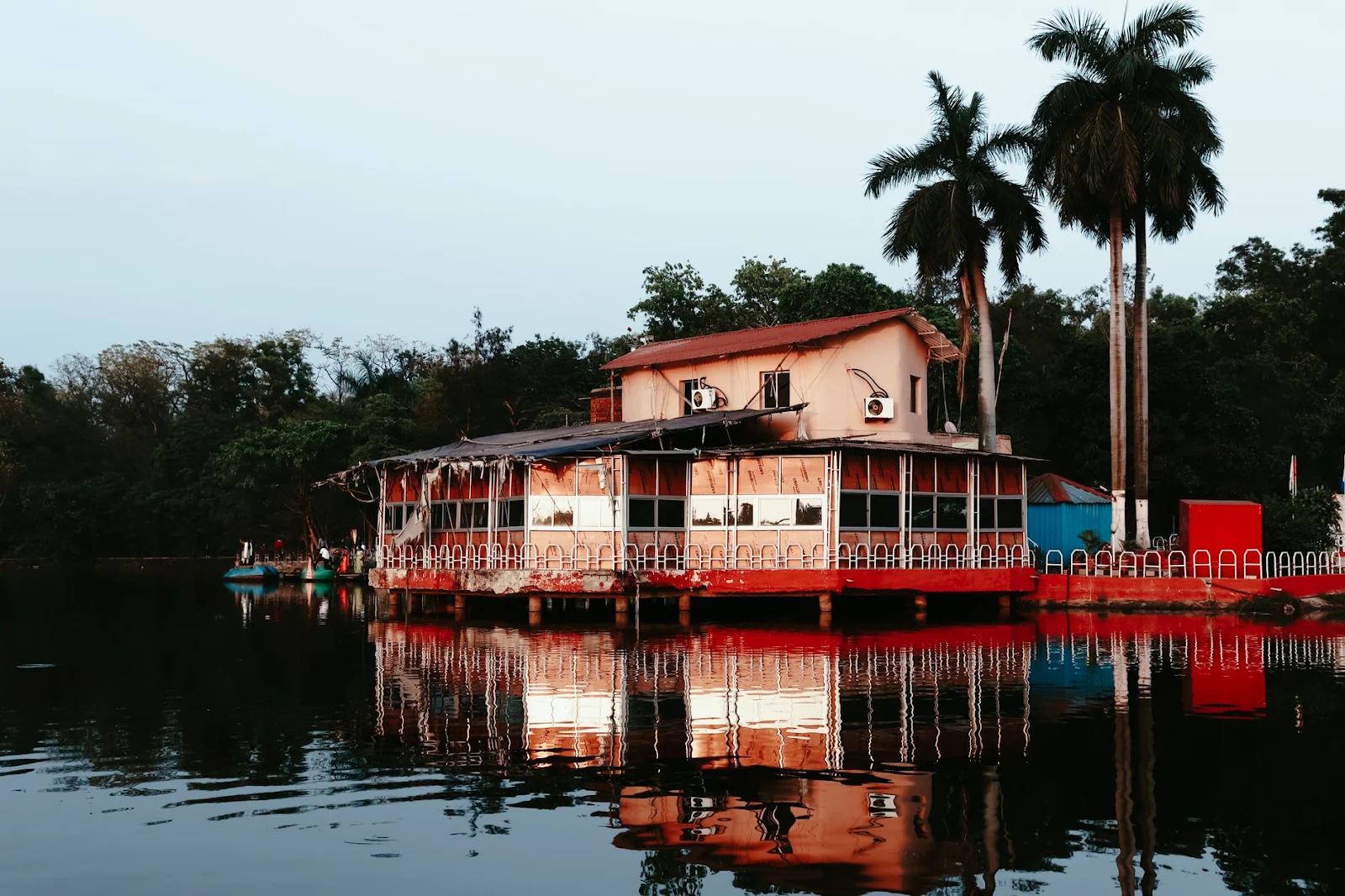
Located just four kilometers from Simdega city center, Kelaghagh Dam is the district's most beloved recreation and nature destination. Built across the Chhinda River, this expansive water reservoir is embraced on almost all sides by low-slung, verdant hillocks and thick woodland belts. The mirror-like waters of the lake, juxtaposed against rugged stone barriers and manicured lakeside walking tracks, make Kelaghagh the perfect spot for families, landscape photographers, and leisure travelers looking to unwind in the lap of nature.
History & Significance
Conceived initially as an irrigation and flood-control project to support agricultural communities throughout central Simdega, Kelaghagh has steadily evolved into a major eco-tourism hub. The dam's presence revitalized local biodiversity, turning the surrounding catchment area into a refuge for native bird species, waterfowl, and lush regional flora. Today, it stands as an enduring symbol of how modern water conservation can harmoniously coexist with community leisure and scenic beauty.
Things to Do
- Relax in the beautifully maintained lakeside gardens and children's amusement park located near the embankment.
- Walk along the crest of the dam during late afternoon to watch brilliant sunsets painting the water in hues of amber and gold.
- Engage in birdwatching along the shallow edges of the reservoir, particularly during the winter migration window.
- Enjoy a peaceful picnic under the shade of native trees while watching local fishermen glide across the lake on wooden boats.
Timings & Entry Fee
Timings: 6:00 AM to 6:00 PM every day.
Entry Fee: Free entry. Nominal fees of ₹10–₹20 may apply for entry into the adjoining children's park area.
Best Time to Visit This Place
The post-monsoon months of October, November, and December showcase Kelaghagh Dam at its most spectacular, as the reservoir reaches peak water levels and the surrounding vegetation turns radiant green.
3. Dangadi Eco-Spot

Overview
For off-beat wanderers and wild campers, Dangadi represents the raw, untamed spirit of Simdega's wilderness. Located in the Bolba block roughly 45 kilometers from district headquarters, Dangadi is characterized by an intriguing natural rock riverbed through which crystal-clear stream waters flow over smooth, weathered boulders. Framed by dense Sal and Mahua forests, Dangadi feels secluded from modernity, making it one of the most serene best places to visit in Simdega for nature purists.
History & Significance
Dangadi has been revered by indigenous tribal settlements for generations as a sacred forest clearing. Traditional folklore suggests that regional forest deities watch over this wilderness corridor, keeping the woodland waters pure throughout the year. Its sculpted rock formations and cascading seasonal waterfalls stand as a testament to centuries of natural water erosion, offering geologists and eco-travelers a fascinating outdoor classroom.
Things to Do
- Scramble across gigantic granite boulders carved into artistic curves by centuries of seasonal river flow.
- Wade through the shallow natural rock pools filled with crystalline stream water.
- Set up an afternoon picnic in the shade of dense tree canopies right by the river bank.
- Capture fine art nature photographs highlighting the contrast between dramatic stone textures and rushing waters.
Timings & Entry Fee
Timings: Sunrise to sunset (suggested visit between 7:00 AM and 5:00 PM for safety).
Entry Fee: Free public access.
Best Time to Visit This Place
Late September through February is the most rewarding window to explore Dangadi. Visiting immediately after the monsoon guarantees lively water flow without the seasonal high-water risks common during peak July rains.
4. Bhanwar Pahar

Overview
Rising abruptly above the southern plains of Simdega, Bhanwar Pahar is a striking, monolithic hill known for its unique natural history, spiritual lore, and rewarding hiking trails. The name "Bhanwar Pahar" translates to the "Hill of Bees," named after the millions of wild honeybees that have constructed massive natural hives along its sheer vertical rock faces for untold generations. The hill serves as a prominent landmark on the region's geography and beckons trekkers who enjoy off-the-beaten-path summits.
History & Significance
Local legends tell of times when historical invaders attempted to conquer the nearby fortresses and villages, only to be turned away when the sacred wild bees of Bhanwar Pahar swarmed down the cliff-faces to protect the native inhabitants. Beyond its folklore, the hill features a small cave temple complex dedicated to Lord Shiva near its foot and intermediate slopes, bringing together nature enthusiasts and devotees of the region.
Things to Do
- Embark on a moderately challenging hike through forested paths leading toward the upper ridges of the hill.
- Observe the extraordinary colonies of wild cliff honeycombs nestled beneath natural rock overhangs from safe viewing angles.
- Pay respects at the Shiva shrine situated along the tranquil lower slopes.
- Enjoy bird’s-eye vistas of Simdega’s patchwork agricultural fields, winding rivulets, and distant forested ranges.
Timings & Entry Fee
Timings: 6:00 AM to 5:30 PM.
Entry Fee: Free entry.
Best Time to Visit This Place
Plan your trek between November and February. The early winter mornings offer pleasant, cool temperatures, minimal haze, and comfortable conditions for ascending the rocky footpaths.
5. Bandurga Temple
Overview
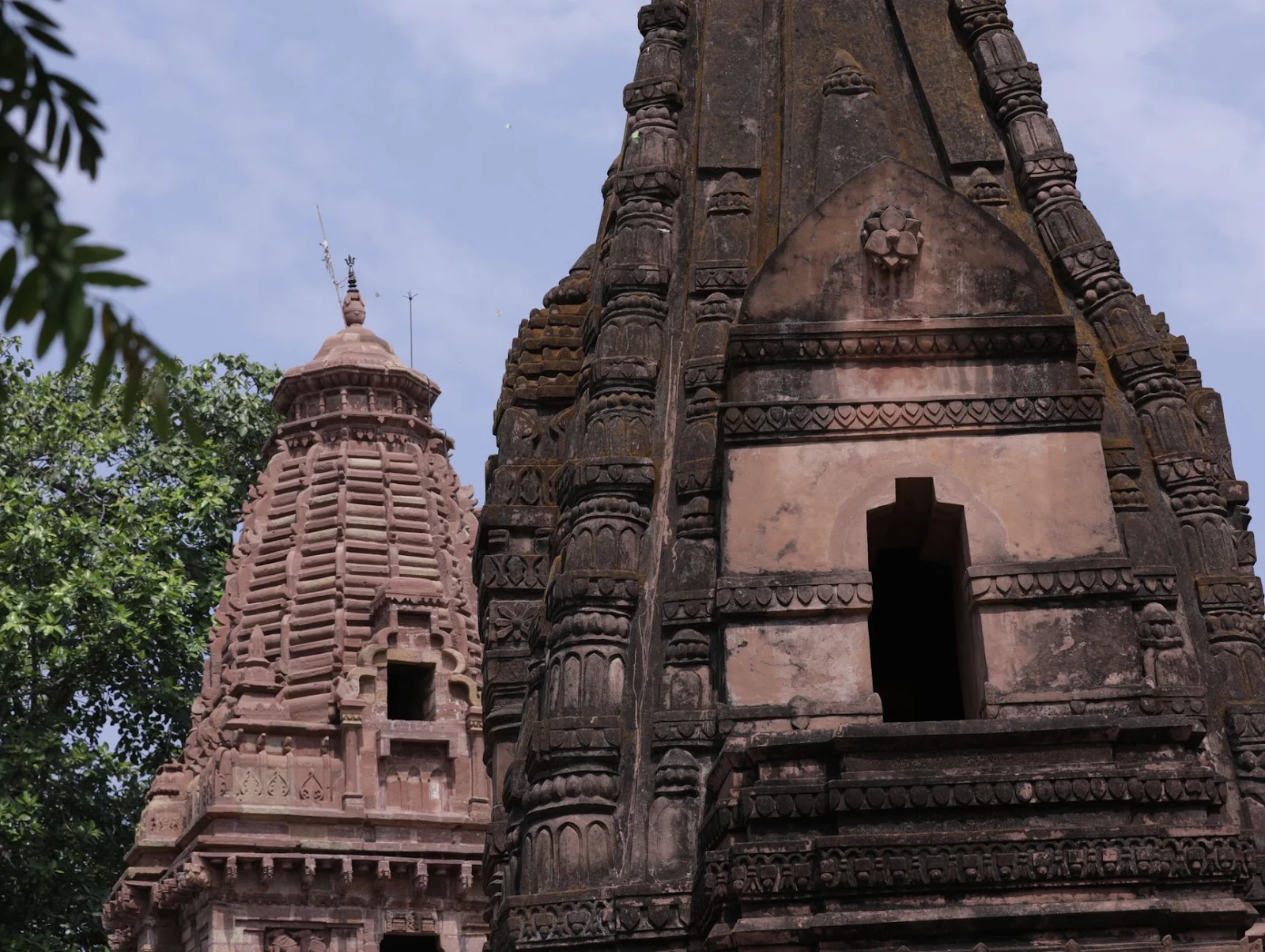
Situated near the village of Kolebira along the Simdega-Ranchi highway, Bandurga Temple is an ancient, deeply respected religious site dedicated to Goddess Durga in her woodland manifestation (Van Durga). Unlike ornate urban temples with high marble towers, Bandurga showcases the pristine simplicity of classical rural Jharkhand shrines. Surrounded by high forest trees and rustic village pathways, the temple exudes an aura of ancient maternal guardianship and peace.
History & Significance
The history of Bandurga Temple stretches back into the era of the Maharaja of Biru. Chieftains and tribal rulers regularly sought the blessings of the goddess before setting out on critical expeditions or during periods of drought. The presiding deity is worshipped here not in the form of a sculpted idol, but as a naturally emerged sacred stone manifestation anointed with vermilion. The temple exemplifies the deep harmony between Mother Nature and Shakti worship that defines Sanatana traditions across central India's tribal belt.
Things to Do
- Participate in traditional morning rituals and receive sacred prasad from the local priests.
- Admire the peaceful forest ambiance that surrounds the sanctum, ideal for silent contemplation.
- Interact courteously with village craftspeople selling indigenous bell-metal items, flowers, and local sweets nearby.
- Explore the tranquil countryside paths of Kolebira for an authentic glimpse of rural lifestyle.
Timings & Entry Fee
Timings: 5:30 AM to 7:30 PM every day.
Entry Fee: Free entry.
Best Time to Visit This Place
Bandurga Temple can be visited year-round, but it is especially lively and colorful during Navratri (both Chaitra and Sharad Navratri) and throughout the winter months from October to March.
Best Time to Visit Simdega
Because Simdega sits on the southern fringe of the Chota Nagpur Plateau, its climate is primarily sub-tropical, marked by pleasant winters, warm summers, and soaking monsoons. Planning your trip during the right season guarantees pleasant weather for outdoor exploration.
Winter (October to March): This is without doubt the best time to visit Simdega. Daytime temperatures range comfortably between 15°C and 25°C, while nighttime temperatures occasionally dip to a brisk 8°C. The days are sunny, dry, and cool—perfect for exploring caves at Ramrekha Dham, hiking Bhanwar Pahar, or enjoying lakeside picnics at Kelaghagh Dam.
Monsoon (July to September): Monsoons transform the district into a brilliant paradise of deep greens. Rivers, waterfalls, and reservoirs fill to capacity. However, sudden cloudbursts, slippery rocky terrain, and reduced visibility can make outdoor trekking somewhat tricky.
Summer (April to June): Summers can become hot and arid, with daytime temperatures routinely exceeding 38°C to 42°C. Outdoor sightseeing in the afternoon can be exhausting during these months, though early mornings and evenings remain relatively manageable.
How to Reach Simdega
Despite its peaceful seclusion, Simdega is well connected by arterial highways and regional rail networks to major transit hubs across Eastern India.
By Air
The nearest commercial airport is Birsa Munda Airport in Ranchi, located roughly 145 kilometers northeast of Simdega. Ranchi connects directly to major Indian metros, including New Delhi, Mumbai, Kolkata, Bengaluru, and Patna. From Ranchi airport, you can easily hire private taxis or board regular intercity buses to reach Simdega within 3.5 to 4 hours via NH 143.
By Rail
Simdega has its own modest railway station located on the Ranchi-Rourkela line, but the major railhead nearby is Rourkela Junction in Odisha (around 70 kilometers away). Rourkela is a major junction on the Howrah-Mumbai mainline, serviced by dozens of express and superfast trains daily. Taxis, shared cabs, and scheduled express buses connect Rourkela to Simdega throughout the day in under two hours.
By Road
National Highway 143 (NH 143) passes straight through Simdega, providing smooth road connectivity between Ranchi and Rourkela. Regular state transport and private sleeper buses operate frequently between Simdega and Ranchi, Jamshedpur, Gumla, Chaibasa, and Sambalpur.
Local Food and Culinary Delights
Traveling through Simdega offers an incredible opportunity to savor authentic, wholesome tribal delicacies native to Jharkhand. The local cuisine is nutrient-dense, subtly spiced, and revolves around forest produce, regional grains, and indigenous greens.
- Dhuska with Ghugni: A beloved breakfast classic across Jharkhand, Dhuska is a deep-fried, fluffy savory pancake prepared from a fermented batter of rice and chana dal, served alongside spicy black chickpea curry (Ghugni) and tangy tomato-coriander chutney.
- Chilka Roti: A delicate, thin crepe crafted from ground rice and pulses, best enjoyed with seasonal vegetable stews or roasted meat preparations.
- Rugra / Puttu: A treasured seasonal edible mushroom harvested from the roots of Sal trees during the early monsoon. When cooked in a spicy onion and garlic gravy, Rugra carries an earthy, meat-like texture that foodies consider a royal delicacy.
- Bamboo Shoot Curry (Karil): Fresh, tender seasonal shoots prepared with regional mustard seeds and sun-dried spices, offering an aromatic, rustic culinary experience.
- Arsa Roti: A traditional sweet pastry prepared during festivals, made by kneading rice flour with warm jaggery syrup and gently frying it in pure ghee until crispy along the edges.
10 Essential Travel Tips for Simdega
- Keep Cash Accessible: While UPI payments work in Simdega town, rural attractions like Dangadi and remote eateries often face weak network connectivity. Always carry sufficient physical cash.
- Hire a Local Driver or Guide: Rural forest paths leading to locations like Dangadi and Bhanwar Pahar are often unmarked on standard GPS maps. A local driver will save you time and prevent detours.
- Dress Modestly: When visiting revered locations like Ramrekha Dham and Bandurga Temple, wear modest clothing that covers your shoulders and knees to honor local customs.
- Footwear Matters: Carry a sturdy pair of hiking shoes or trainers with dependable grip, as several spots involve walking across slick boulders and uneven rocky terrain.
- Stay Hydrated: Always carry your own reusable water bottle. While the district is clean, safe potable water isn't readily available at every wilderness trailhead.
- Respect the Bee Sanctuary: When visiting Bhanwar Pahar, avoid burning trash, using strong artificial perfumes, or throwing stones at cliff faces, as disturbing wild honeybee colonies can be hazardous.
- Start Early in the Morning: Days during winter are relatively short, with twilight settling in by 5:15 PM. Starting your tours by 8:00 AM ensures you can cover destinations comfortably before dark.
- Avoid Night Forest Commutes: Stick to daytime travel between remote rural blocks and avoid driving down unlit secondary forest bypasses late into the night.
- Support Local Handicrafts: Look out for handmade wooden hockey sticks, cane baskets, and brass bell-metal souvenirs sold by rural artisans in local village haats.
- Carry Basic First Aid: Pack basic motion sickness medicine, band-aids, mosquito repellent, and antiseptic wipes in your daypack, as medical shops in remote areas are limited.
Suggested 2-Day Weekend Itinerary for Simdega
Day 1: Spiritual Heights & Tranquil Waters
- Morning (8:00 AM – 12:30 PM): Start your trip early with a drive up to Ramrekha Dham. Spend the morning exploring the ancient sacred caves, visiting the Sita Chulha, and taking in panoramic valley views from the hill plateau.
- Afternoon (1:00 PM – 2:30 PM): Head back to Simdega town for a traditional thali lunch featuring hot Dhuska, seasonal greens, and rice.
- Evening (3:30 PM – 6:00 PM): Spend a leisurely, relaxing afternoon at Kelaghagh Dam. Stroll along the reservoir bank, visit the adjacent lakeside garden, and catch the serene sunset over the Chhinda River.
- Night: Check in at your hotel in Simdega town and unwind with local dinner.
Day 2: Wilderness Adventure & Ancient Shrines
- Morning (7:30 AM – 11:30 AM): Take a scenic morning drive out toward Bolba to explore the sculpted waterways and stone riverbeds of Dangadi. Enjoy a scenic walk through the Sal forest corridor.
- Midday (12:00 PM – 2:00 PM): Drive toward Bhanwar Pahar. Admire the impressive monolithic rock face, observe the famous wild beehives on the high bluffs, and pay your respects at the Shiva shrine.
- Afternoon (3:30 PM – 5:00 PM): On your return journey toward Ranchi or your departing destination, stop by Bandurga Temple near Kolebira to receive blessings at this ancient forest shrine.
- Evening: Conclude your memorable road trip through the heart of Jharkhand.
Frequently Asked Questions (FAQs)
1. What makes Simdega famous across India?
Simdega is celebrated across India as the nation's premier nursery for field hockey, having produced prominent international hockey stars like Sylvanus Dungdung, Michael Kindo, Salima Tete, and Nikki Pradhan. Tourism-wise, it is renowned for Ramrekha Dham and its pristine, forested hill landscapes.
2. Is Simdega safe for solo travelers and families?

Yes, Simdega is a warm, peaceful, and hospitable destination for solo travelers, backpackers, and families alike. The local population is exceptionally kind and respectful. As with any rural district, it is wise to finish forest excursions before sunset and stick to standard travel routes.
3. Are there comfortable hotels and accommodations available in Simdega?

Simdega town offers budget-friendly hotels, regional guest houses, and private lodges that provide neat, clean rooms with basic amenities like air conditioning and room service. For luxury five-star accommodation, visitors often stay in nearby Rourkela (70 km) or Ranchi (145 km).
4. How much time is needed to explore the best places to visit in Simdega?

A 2-day, 1-night itinerary is ideal to comfortably experience the prime highlights—including Ramrekha Dham, Kelaghagh Dam, Dangadi, and Bandurga Temple—without feeling rushed.
5. Which languages are spoken in Simdega?
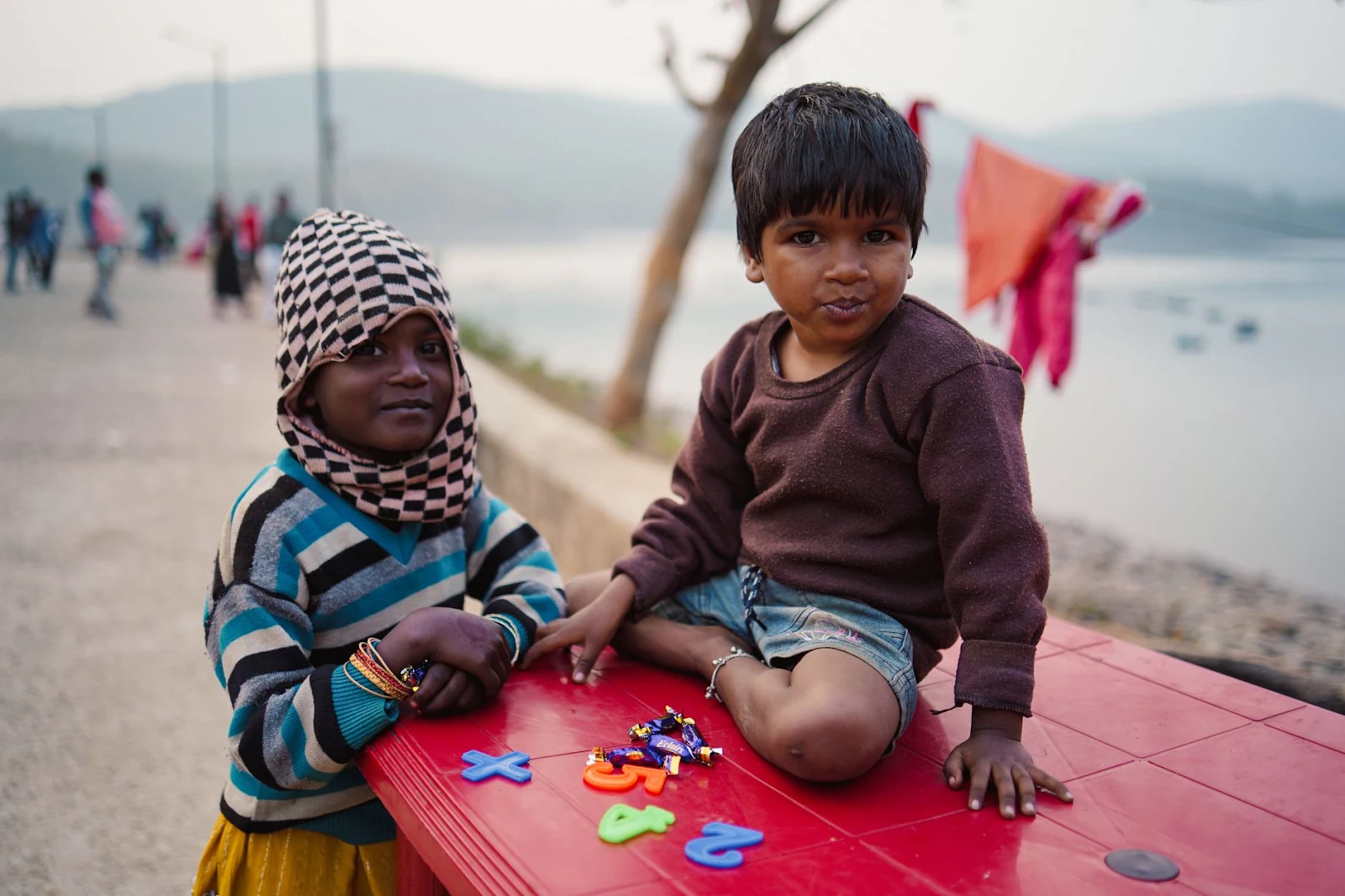
Hindi and Sadri (Nagpuri) are widely understood and spoken across all segments of the population. Additionally, regional tribal languages such as Mundari, Kharia, and Kurukh (Oraon) are spoken within indigenous communities. Basic English is understood at official establishments and hotels.
6. Can I visit Ramrekha Dham by private car?
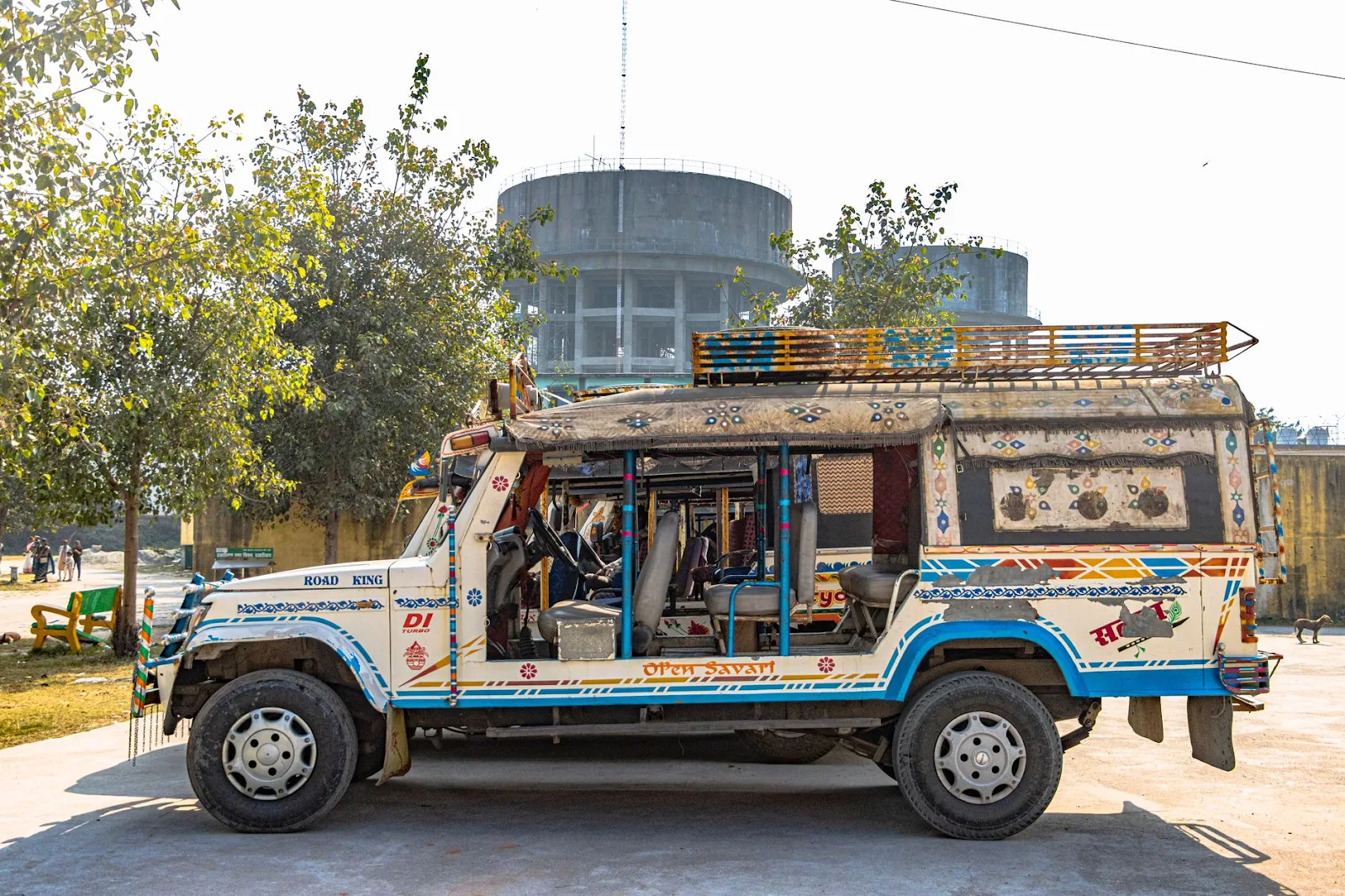
Yes, a well-paved motorable ghat road leads up the hill toward Ramrekha Dham, allowing private cars, SUVs, and two-wheelers to reach the designated parking areas conveniently near the temple complex.
7. What items should I buy while shopping in Simdega?

Simdega is a wonderful place to purchase pure forest honey, local organic lac bangles, hand-woven tribal textiles, bell-metal decorative items, and authentic souvenirs related to Indian hockey.
8. Do I need any special permits to explore forest sites like Dangadi?

No special government permits are required for Indian or foreign nationals to explore standard tourist destinations like Dangadi, Kelaghagh, or Bhanwar Pahar. Standard day-use forest regulations apply.
Final Thoughts
Simdega is an invitation to experience travel in its most genuine, unhurried form. In a world full of crowded tourist circuits and artificial attractions, this jewel in Jharkhand stays true to its identity: quiet, sacred, and grounded in the rhythms of nature. Whether you stand in quiet reverence inside the ancient caverns of Ramrekha Dham, take in the golden twilight on Kelaghagh Dam, or wander across the boulder-strewn waterways of Dangadi, the district leaves an enduring impression on your soul.
The spirit of Simdega lives not just in its dramatic landscapes, but in the welcoming smiles of its people and the quiet pride of its hockey fields. It reminds us that India’s richest travel stories often wait in quiet corners, away from bustling crowds. Pack your bags, leave the rush behind, and set out on a journey to discover the top tourist places in Simdega—you will return with memories to cherish for a lifetime.



0 Comments