
Top 5 Places to Visit in East Singhbhum, Jharkhand: The Ultimate Explorer’s Guide
Set along the southeast corner of Jharkhand, East Singhbhum is an intriguing region where heavy industrial might meets sweeping, untamed wilderness. While most people instantly identify the district with Jamshedpur—India’s first planned industrial city, lovingly known as the Steel City—this landscape hides a much deeper story. Bordered by the winding Subarnarekha River and flanked by the ancient, forest-cloaked Dalma Hills, East Singhbhum effortlessly balances roaring blast furnaces with quiet forest trails, historic royal traditions, and serene reservoirs.
Whether you are standing atop a windswept plateau watching wild elephants roam below or strolling through meticulously manicured urban parks inspired by royal Mughal grounds, East Singhbhum catches you by surprise. It is a land shaped by the visionary industrialism of Jamsetji Tata, yet grounded in the indigenous Santhal and Ho tribal heritage that has guarded these sal forests for centuries. Literary enthusiasts find solace in Ghatshila, where legendary Bengali novelist Bibhutibhushan Bandyopadhyay drew inspiration for his timeless nature writing, while adventure seekers find thrills on hiking paths carving through dense green corridors.
If you are planning an expedition through Jharkhand’s scenic Chota Nagpur Plateau, East Singhbhum deserves an unhurried stop. From sprawling wildlife reserves and serene lakefronts to colonial heritage and vibrant weekly tribal haats, the region invites travellers who appreciate authenticity, history, and raw scenic beauty. In this comprehensive guide, we cover the top tourist places in East Singhbhum, along with seasonal tips, culinary discoveries, practical transit advice, and a detailed itinerary to help you make the most of your journey.
Table of Contents
- 1. Dalma Wildlife Sanctuary
- 2. Jubilee Park and Jayanti Sarovar
- 3. Dimna Lake
- 4. Ghatshila and Burudih Dam
- 5. Hudco Lake and Sumant Moolgaokar Park
- Best Time to Visit East Singhbhum
- How to Reach East Singhbhum
- Local Cuisine and Food Guide
- 10 Essential Travel Tips for Visitors
- Suggested 2-Day Weekend Itinerary
- Frequently Asked Questions (FAQs)
- Conclusion
1. Dalma Wildlife Sanctuary

Overview and Landscape
Rising abruptly behind the cityscape of Jamshedpur, the Dalma Mountain Range forms a grand ecological canopy over East Singhbhum. Inaugurated in 1975 by Sanjay Gandhi, Dalma Wildlife Sanctuary spans over 195 square kilometres across dramatic ridges, deep gorges, and dry peninsular sal forests. The elevation reaches over 3,000 feet above sea level, treating visitors to noticeably cooler breezes and sweeping panoramas of the Subarnarekha River basin below.
Wildlife and Sacred Significance
Dalma is celebrated throughout eastern India as a primary migratory corridor for the Asian elephant. During the post-monsoon months, elephant herds traverse these ridges between Jharkhand and West Bengal. Beyond elephants, the sanctuary is home to barking deer, wild boars, leopards, giant squirrels, porcupines, and sloth bears. Birdwatchers regularly spot crested serpent eagles, Indian grey hornbills, and peacocks along the winding forest routes.
Atop the highest ridge sits an ancient Shiva Temple, which attracts pilgrims during Mahashivratri and the Shravan festival. A curious tribal tradition, the annual Sendra (hunting festival), is observed here, though park authorities and community leaders now work closely together to ensure the protection of the sanctuary's wild inhabitants.
Things to Do
- Forest Safari: Hire an authorized vehicle from the Makulakocha entrance gate to drive up the twisting hillside roads through dense foliage.
- Deer Park & Rescue Centre: Located near Makulakocha, this enclosure offers close encounters with spotted and sambar deer, perfect for visiting families.
- Climb to the Shiva Temple Viewpoint: The summit provides an uninterrupted view of Jamshedpur’s glowing grid at dusk.
- Overnight Forest Stay: Book a stay at the Forest Department’s cottages or nature interpretation centre at Pinderbera for an immersive jungle experience.
Practical Information
- Timings: 7:00 AM to 5:00 PM daily (Entry gates close for day visitors by 3:30 PM).
- Entry Fee: Approximately ₹20–₹50 per person; separate fees apply for private vehicles and photography gear.
- Best Way to Explore: Four-wheelers or private SUVs with steady clearance are recommended due to the steep, curving mountain road.
2. Jubilee Park and Jayanti Sarovar
Overview and Heritage
Spread over 200 acres in the centre of Jamshedpur, Jubilee Park is East Singhbhum’s most visited civic landmark. Gifted to the town by Tata Steel in 1958 to commemorate the golden jubilee of the city's founding, the park was modeled after the renowned Brindavan Gardens of Mysuru. It stands as a shining example of how thoughtful urban planning can coexist with thriving nature.
Key Highlights Inside the Park
The park boasts several specialized zones designed for leisure, conservation, and physical recreation:
- Jayanti Sarovar: A massive artificial lake inside the park grounds that serves as a wintering spot for migratory birds and offers quiet paddle-boating facilities along shaded banks.
- Rose Garden: Housing dozens of varieties of rare and hybrid roses, this section comes alive with colour and fragrance between December and February.
- Upvan and Foliage Park: Lush pockets filled with ancient banyan, neem, and mahogany trees where morning walkers gather.
- Tata Steel Zoological Park: Situated adjacent to the lake, this modern zoo features a safari enclosure for big cats, a dedicated reptile house, and an expansive walk-through aviary.
The Founder's Day Phenomenon
If you visit during the first week of March, particularly on March 3rd (the birth anniversary of Jamsetji Nusserwanjee Tata), Jubilee Park transforms into a magical wonderland. The entire expanse is illuminated with millions of LED lights, animated displays, and musical fountains, attracting visitors from across the country.
Practical Information
- Timings: Open daily from 5:00 AM to 9:00 PM (Zoo timings are typically 9:00 AM to 5:00 PM, closed on Mondays).
- Entry Fee: Park entry is free; nominal charges apply for boating and zoo entry (approx. ₹30–₹50 for adults).
- Location: Sakchi, Jamshedpur, easily reachable via city auto-rickshaws and cabs.
3. Dimna Lake

Overview and Surroundings
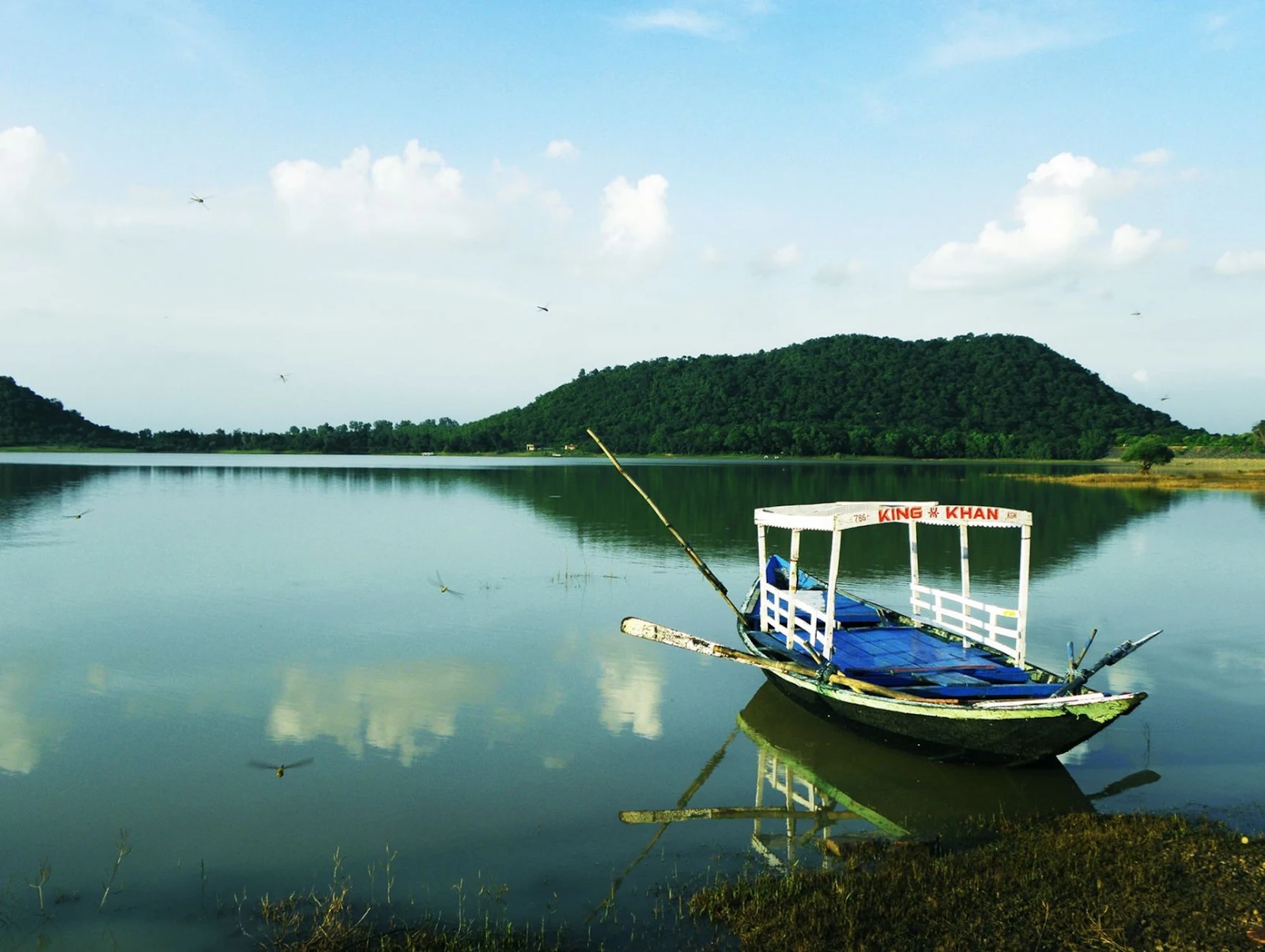
Cradled right at the foot of the Dalma Mountain Range, Dimna Lake is an expansive water reservoir located roughly 13 kilometres outside Jamshedpur city centre. Built by Tata Iron and Steel Company (Tata Steel) in the 1940s to serve as an emergency water catchment during dry summer spells, it has evolved into one of the best places to visit in East Singhbhum for tranquil picnics and photography.
Landscape and Atmosphere
The contrast between the mirror-flat blue waters and the brooding, forest-covered green slopes of Dalma creates an almost alpine setting during clear winter mornings. The lake perimeter is bordered by thick groves of eucalyptus, sal, and mahua trees. As dawn breaks, village fishermen glide across the surface on slender wooden boats, while morning mists cling to the hilltops.
Things to Do
- Lakeside Picnics: Winter weekends see families setting up picnic rugs beneath the shaded groves along the bund.
- Landscape Photography: The lake offers brilliant sunset views when the orange sky reflects across the broad water surface behind the Dalma ridge.
- Water Sports & Treks: During peak tourism months, basic pedal-boat facilities and short guided hiking trails up the nearby hills are available through local operators.
Practical Information
- Timings: Sunrise to sunset (6:00 AM to 6:00 PM). It is advised to leave before total dark, as the approach roads have sparse street lighting.
- Entry Fee: Free public access; small parking fees may apply for vehicles near designated viewpoints.
- Travel Tip: Bring your own snacks and water, as commercial shops near the reservoir are limited to small tea shacks and fried snack stalls.
4. Ghatshila and Burudih Dam

Overview and Cultural Charm
Situated roughly 45 kilometres east of Jamshedpur along the Mumbai–Kolkata railway line, Ghatshila is a beloved riverside township that feels worlds away from the industrial hum of the city. Hugged by the Subarnarekha River and forested red-soil hillocks, Ghatshila was historically favored as a health retreat (or 'change') by the intellectual elite of Bengal during the 19th and 20th centuries.
Literary Legacy: Gouri Kunj
Ghatshila’s most celebrated resident was the iconic author Bibhutibhushan Bandyopadhyay, best known for creating Pather Panchali and Aranyak. His humble home, named Gouri Kunj, has been carefully conserved as a memorial museum. Walking through its quiet brick verandas, surrounded by the native flowering trees he chronicled in his journals, offers a deeply moving pilgrimage for book lovers.
Burudih Dam and Surrounding Wonders
About 9 kilometres north of Ghatshila town lies the magnificent Burudih Dam. This artificial reservoir is hemmed in by rolling green hills that stretch outward toward the borders of West Bengal. The clear blue water reflects thick, untouched forests, making it one of the premier open-air landscapes in the district.
While exploring the Ghatshila sub-division, you should also consider visiting:
- Phuldungri Hillock: A small hillock covered with dense sal trees, offering winding pathways and elevated views over the railway tracks and river valley.
- Rankini Mandir: Located near Jadugora on the way to Ghatshila, this ancient temple is deeply revered by local Santhali communities and pilgrims across eastern India.
- Galudih Barrage: An impressive barrage on the Subarnarekha where water gushes through massive gates, creating dramatic rapids against the rocky backdrop.
Practical Information
- Timings: Burudih Dam and outdoor points are open throughout daylight hours. Gouri Kunj is open from 10:00 AM to 5:00 PM.
- Entry Fee: Free for natural sites and memorial home; minimal parking charges apply at Burudih Dam.
- How to Reach: Frequent express and local passenger trains connect Tatanagar Junction to Ghatshila Station in under 45 minutes.
5. Hudco Lake and Sumant Moolgaokar Park

Overview and Setting
Tucked within the scenic undulating terrain of the Telco Colony residential area in southern Jamshedpur, Hudco Lake is a peaceful retreat that often escapes the typical tourist trail. Developed amidst rugged, naturally rocky knolls, this tranquil water body was engineered to collect monsoon runoff while providing a refreshing green oasis for the residents of the industrial township.
Sumant Moolgaokar Park
Overlooking the lake is Sumant Moolgaokar Park, named after the legendary visionary behind Tata Motors (formerly TELCO). The park features terraced gardens, gentle paved walks, cascading artificial waterfalls, and open grassy patches carved into natural hill slopes. An elevated viewing deck in the park provides panoramic, 360-degree vistas across the southeastern corner of the city, framed by industrial chimneys on one side and rolling hills on the other.
Things to Do
- Sunset Watching: The elevated hillside terrace offers one of the best evening vantage points in Jamshedpur as the sun slips behind the outer ridges.
- Birdwatching: The small islands dotting Hudco Lake and the surrounding canopy host kingfishers, cormorants, pond herons, and egrets.
- Relaxed Walks: The paved trails running around the lake provide a safe, well-maintained space for peaceful strolls away from traffic noise.
Practical Information
- Timings: 6:00 AM to 6:30 PM throughout the year.
- Entry Fee: Nominal entry fee (usually ₹10 to ₹20 per visitor).
- Proximity: Around 9 kilometres from Tatanagar Railway Station, best reached by app cabs or auto-rickshaws via Telco Colony.
Best Time to Visit East Singhbhum
East Singhbhum experiences a sub-tropical climate characterised by scorching summers, vibrant monsoons, and crisp, pleasant winters. Choosing the right season is crucial for outdoor explorations:
- October to March (Winter & Post-Monsoon) – Recommended: This is the ideal window to tour the district. Daytime temperatures range from 15°C to 28°C, with cool evenings that make wildlife safaris at Dalma and day picnics at Dimna and Burudih Dam delightful. December and January are particularly pleasant for trekking and sightseeing.
- July to September (Monsoon Season): The entire region turns emerald green as downpours fill the Subarnarekha River, Burudih Dam, and local waterfalls. While outdoor walks can be interrupted by rains, this is an enchanting period for landscape photographers, provided you travel carefully along forest roads.
- April to June (Summer Season): Summers are harsh and dry, with mercury levels frequently crossing 42°C. Sightseeing during midday is exhausting, and wildlife retreats deep into forest valleys. Unless visiting for business or specific events, summer travel is best avoided.
How to Reach East Singhbhum
East Singhbhum is one of the most accessible districts in Jharkhand thanks to its industrial infrastructure, boasting strong highway and rail networks that connect it smoothly with major metropolitan hubs.
By Air
The nearest commercial airports are:
- Birsa Munda Airport, Ranchi (IXR): Located about 130 km from Jamshedpur. Ranchi operates regular flights to Delhi, Mumbai, Kolkata, Bengaluru, and Hyderabad. Taxis and intercity Volvo buses run regularly between Ranchi and Jamshedpur via NH 43.
- Netaji Subhash Chandra Bose International Airport, Kolkata (CCU): Approximately 260 km away. Kolkata provides direct domestic and international flights. Express trains take just 3.5 to 4 hours to reach Tatanagar Junction from Howrah.
By Train
The primary railhead of the district is Tatanagar Junction (TATA), located right in Jamshedpur. It sits on the vital Howrah–Nagpur–Mumbai line and welcomes dozens of premier superfast and express trains every day, including the Vande Bharat, Rajdhani, and Shatabdi Express. Another significant railway station in the district is Ghatshila (GTS), well-served by regional trains heading to and from Kolkata.
By Road
East Singhbhum is well-connected by National Highway 18 (NH 18) and National Highway 43 (NH 43). Smooth, well-surfaced multi-lane expressways run between Jamshedpur, Ranchi, Kharagpur, and Kolkata. State transport corporation buses, along with luxury private sleeper and AC buses, operate daily routes between Jamshedpur and surrounding cities including Patna, Dhanbad, Bokaro, Bhubaneswar, and Cuttack.
Local Cuisine and Food Guide
The food landscape of East Singhbhum brings together rich tribal culinary traditions, earthy Jharkhandi staples, and prominent Bengali influences introduced over decades of shared heritage. When visiting the region, treat your palate to these authentic dishes:
- Dhuska with Ghugni: A beloved breakfast dish across the district. Dhuska is a deep-fried, savoury pancake made from fermented rice and chana dal batter, served piping hot alongside spicy kala chana (black gram) curry or potato gravy.
- Litti Chokha: Roasted whole-wheat dough balls stuffed with spicy sattu (roasted gram flour), dipped generously in pure ghee, and paired with smoky mashed eggplant, tomatoes, and green chillies.
- Chilka Roti: A traditional tribal crêpe prepared with soaked rice and chana dal batter, light on oil and usually eaten with seasonal vegetable stir-fries or mutton curry.
- Rugda and Putu Curry: A seasonal wild mushroom that sprouts underground in the sal forests during the early monsoon months. Cooked with freshly ground mustard and whole spices, it has a firm texture reminiscent of meat and is treasured by locals.
- Bengali Sweets & Mishti Doi: Ghatshila and Jamshedpur boast deep Bengali roots. You will find sweet shops turning out authentic spongy Rasgullas, dry Sandesh, and caramelised Mishti Doi crafted from fresh local milk.
10 Essential Travel Tips for Visitors
- Plan Dalma Safaris Early: To catch animals at waterholes and take in the best mountain views, enter the Dalma Sanctuary gates between 6:30 AM and 7:30 AM.
- Hire a High-Clearance Vehicle: The road ascending Dalma Wildlife Sanctuary is steep and unpaved in sections; an SUV or a vehicle with high ground clearance makes the drive much safer and smoother.
- Respect Tribal Culture and Traditions: While passing through rural hamlets near Dimna, Burudih, or Dalma, be mindful of local customs. Always ask for permission before taking photographs of indigenous people or traditional dwellings.
- Keep Emergency Cash on Hand: While digital payment apps (UPI) work seamlessly throughout Jamshedpur city, network connectivity can dip near Burudih Dam and deep inside Dalma, making cash necessary for roadside stalls and parking fees.
- Pack Binoculars and Birding Guides: East Singhbhum’s wetlands and reservoirs draw a wide variety of migratory waterfowl between November and February; a pair of binoculars will enrich your visit.
- Book Founder’s Day Accommodation Far in Advance: If you are planning a trip to witness the Founder’s Day celebrations around March 3rd in Jamshedpur, book your hotel weeks ahead, as visitors pack the city during this period.
- Stay Hydrated: Keep a reusable water bottle handy. Even during the winter months, midday walks along the stone bunds of Dimna and Burudih Dam can be sunny and dehydrating.
- Carry Basic First Aid & Insect Repellent: Forested pockets around Dalma and Ghatshila can have mosquitoes in the evenings; carry a tube of insect repellent and standard motion-sickness remedies for winding hill roads.
- Sample Ghatshila’s Local Sweets: Don't leave Ghatshila without stopping by the local bazaars to taste freshly made Rasmalai and hot pantuas (fried cottage cheese balls in sugar syrup).
- Abide by Forest Guidelines: Do not play loud music, honk, or leave plastic trash behind in protected zones like Dalma Sanctuary and Dimna Lake. Forest authorities strictly enforce anti-littering and anti-poaching laws.
Suggested 2-Day Weekend Itinerary
Day 1: Green Vistas, Water Reservoirs, and Modern Cityscapes
- Morning (7:00 AM – 10:30 AM): Begin with a morning drive up to Dalma Wildlife Sanctuary. Visit the Deer Park at Makulakocha, ascend the hill road for sweeping views, and pay respects at the hilltop Shiva temple.
- Late Morning (11:00 AM – 1:00 PM): Head down the slopes to scenic Dimna Lake. Enjoy a scenic walk along the dam bund and click photographs of the morning light reflecting off the water.
- Lunch (1:30 PM – 2:30 PM): Return to Jamshedpur city for a hearty local lunch featuring Dhuska and spicy chicken curry or traditional North Indian thali at Bistupur.
- Afternoon & Sunset (3:30 PM – 6:00 PM): Head over to Hudco Lake and Sumant Moolgaokar Park in Telco Colony. Wander through the rock-cut pathways, watch the sunset from the viewing terrace, and unwind by the water.
- Evening (6:30 PM – 8:30 PM): Stroll around Jubilee Park and Jayanti Sarovar under the evening lights, followed by street food exploration in Sakchi market.
Day 2: Literary Escapes, Waterfalls, and Riverside Hills
- Morning (7:30 AM – 9:00 AM): Take an early 50-minute train or road trip from Jamshedpur to the heritage town of Ghatshila. Have breakfast near the station, sampling hot kachoris and fresh jalebis.
- Late Morning (9:30 AM – 11:30 AM): Visit Gouri Kunj, the memorial home of novelist Bibhutibhushan Bandyopadhyay, to explore the preserved manuscripts, photographs, and quiet gardens.
- Midday (12:00 PM – 2:30 PM): Drive north to the scenic Burudih Dam. Take in the quiet forest scenery, enjoy a walk along the water’s edge, and have a rustic picnic lunch prepared by local food vendors.
- Late Afternoon (3:00 PM – 5:00 PM): Climb up the leafy trails of Phuldungri Hillock or visit the gushing waters of the Galudih Barrage on the Subarnarekha River.
- Evening (5:30 PM onwards): Head back to Jamshedpur or board your return train towards Kolkata or Ranchi from Ghatshila Station.
Frequently Asked Questions (FAQs)
1. What is East Singhbhum most famous for?

East Singhbhum is most famous for Jamshedpur, India’s first planned industrial city built around Tata Steel. It is equally renowned for its rich tribal heritage, natural wonders like Dalma Wildlife Sanctuary and Dimna Lake, and the tranquil riverside literary retreat of Ghatshila.
2. Can wild elephants be spotted at Dalma Wildlife Sanctuary?

Yes, Dalma is a noted habitat and migration corridor for wild Asian elephants. Sightings are common during the post-monsoon and early winter months (October through February), especially near watering holes and forest clearings around dawn and dusk.
3. How far is Ghatshila from Jamshedpur, and how can I travel between them?
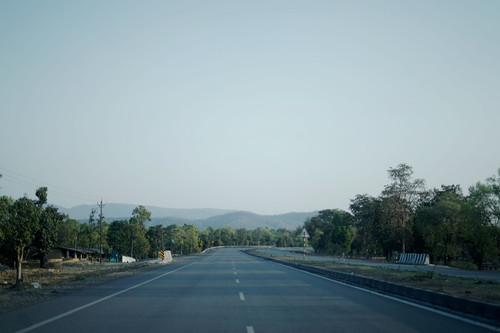
Ghatshila is roughly 45 kilometres east of Jamshedpur. The easiest and fastest way to travel is by rail; several express and passenger trains run between Tatanagar Junction and Ghatshila in 35 to 50 minutes. Alternatively, you can drive via NH 18 in about an hour and a half.
4. Is Jamshedpur a safe city for solo travellers?

Yes, Jamshedpur is considered one of the cleanest, safest, and best-maintained cities in eastern India. Its well-planned layout, wide roads, and prominent corporate civic infrastructure ensure smooth transport and secure conditions for both solo and family travellers.
5. Which entry gate is best for visiting Dalma Wildlife Sanctuary?

The Makulakocha entrance gate (located near Asanbani off the Ranchi-Jamshedpur Highway) is the primary, best-equipped entry point for visitors. It has the ticket counter, forest rest houses, the Deer Park, and guides available for hire.
6. What languages are commonly spoken in East Singhbhum?

Hindi is universally understood and spoken throughout the district. In addition, Bengali is widely spoken, particularly in Ghatshila and Jamshedpur, along with regional and tribal languages such as Santhali, Ho, and Mundari. English is widely understood in urban commercial establishments and hotels.
7. Are there good stay options near Burudih Dam and Ghatshila?

Ghatshila features numerous budget guesthouses, private resorts, and heritage tourist lodges along the Subarnarekha River and near the railway station. While there are basic forest rest houses closer to Burudih Dam, most travellers prefer staying in Ghatshila town and visiting the dam as a half-day excursion.
8. When is the light fountain show held at Jubilee Park?

The musical laser and fountain shows at Jubilee Park typically operate on Tuesday, Saturday, and Sunday evenings during standard months. However, during Founder’s Day week (beginning March 3rd), the entire park is decorated with elaborate light installations and illuminated nightly for the general public.
Conclusion
East Singhbhum is a compelling showcase of eastern India’s dual personality. On one hand, you have the orderly tree-lined boulevards, landscaped parks, and modern infrastructure of Jamshedpur—a living testament to thoughtful industrial enterprise. On the other hand, just minutes past the city limits, you are welcomed by the quiet, primordial embrace of the Dalma hills, where elephants move across ancient sal forests and rivers ripple through peaceful valleys.
Whether you are tracing the literary path of Bibhutibhushan Bandyopadhyay in Ghatshila, listening to evening breezes lap against the stone embankments of Dimna Lake, or exploring the lively street markets of Sakchi, East Singhbhum leaves a genuine impression. It is a district that defies one-dimensional expectations, offering history, biodiversity, and warm hospitality at every turn. Add this multifaceted corner of Jharkhand to your travel list, pack your walking shoes, and set out to experience its rare blend of green hills and storied landscapes firsthand.



0 Comments