
Explore Dumda: 5 Must‑See Destinations in Jharkhand
Nestled in the eastern part of Jharkhand, Dumka may not appear on the usual tourist radar, yet it boasts a surprising blend of natural beauty, cultural heritage, and off‑beat adventure. Whether you are a seasoned traveler looking for hidden gems or a first‑time visitor eager to experience authentic Indian landscapes, the following five spots will give you a well‑rounded taste of what Dumka has to offer.
1. Basukinath Temple – A Pilgrimage Hub

The Basukinath Temple stands as one of the most revered Shiva shrines in the region. Located about 30 km from the city centre, the temple attracts thousands of devotees during the month of Shravan, creating a vibrant atmosphere of devotion and festivity.
Key Highlights
- Architectural style: Classic Nagara design with intricate stone carvings.
- Spiritual significance: Believed to be a manifestation of Lord Shiva’s energy.
- Annual fair: The Shivaratri Mela features cultural performances, local crafts, and traditional food stalls.
How to Reach
The temple is accessible via State Highway 5. Regular bus services run from Dumka railway station, and private taxis are readily available. For those driving, ample parking is provided near the main entrance.
Best Time to Visit
While the temple is open year‑round, the months of October to March offer pleasant weather, making it ideal for exploring the surrounding hills and attending the nightly aarti.
2. Mayurakshi River – Serenity on the Water
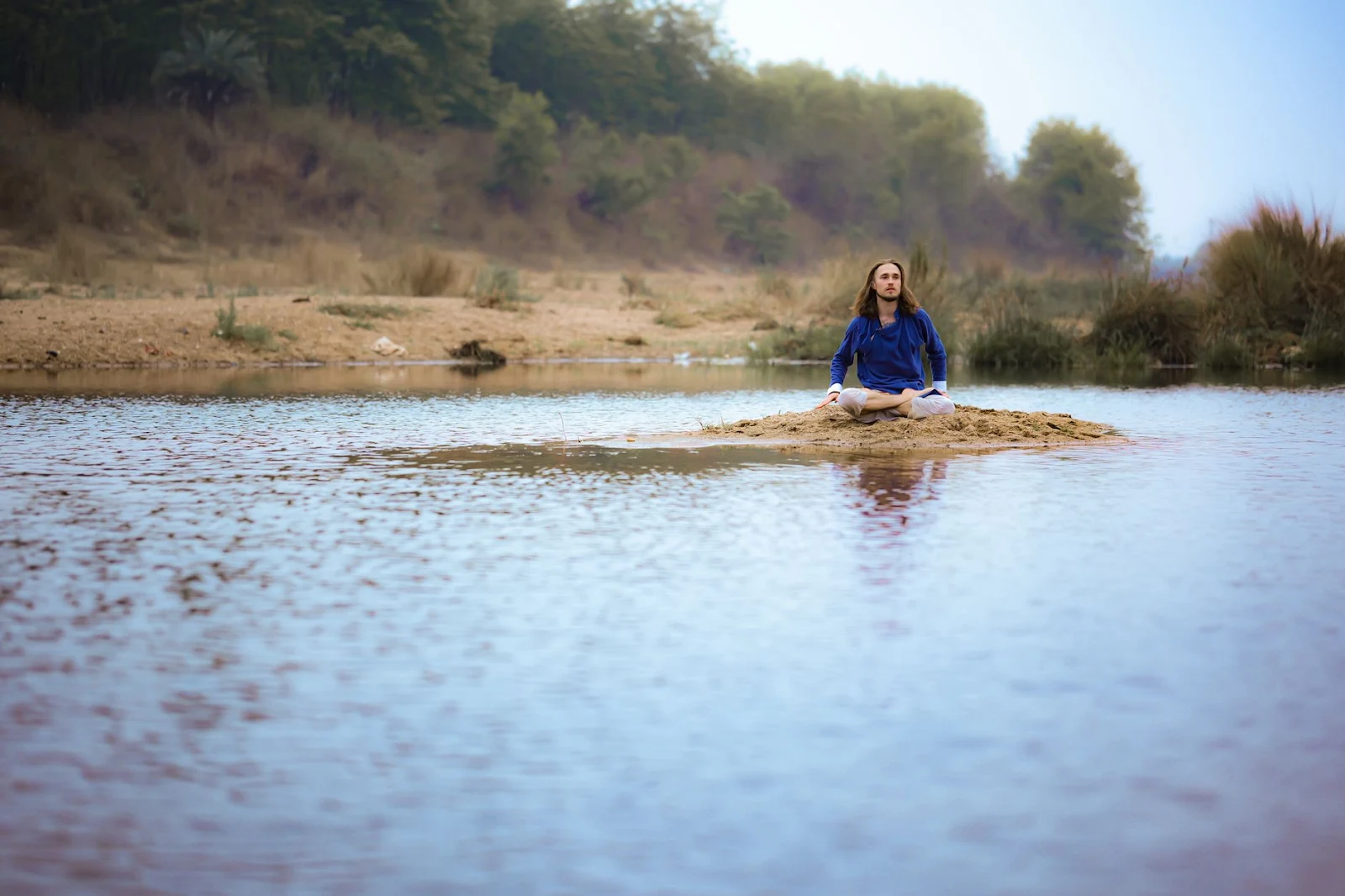
The Mayurakshi River winds through the heart of Dumka, offering tranquil spots perfect for picnics, bird‑watching, and simple river‑bank relaxation. Its gentle flow and lush banks have earned it a place among the region’s most beloved natural attractions.
Activities to Enjoy
- Boating: Small wooden boats are available for hire, providing a calm ride suitable for families.
- Fishing: Local anglers often gather here; you can try your hand at catching native species such as rohu and catla.
- Photography: Sunrise over the river creates a spectacular palette of colours, perfect for landscape photography.
Tips for Visitors
- Carry insect repellent—mosquitoes can be active during the monsoon.
- Bring a reusable water bottle; fresh water is available at nearby kiosks.
- Respect local customs—avoid littering and keep noise levels low.
3. Shikaripara Waterfall – Nature’s Hidden Cascade
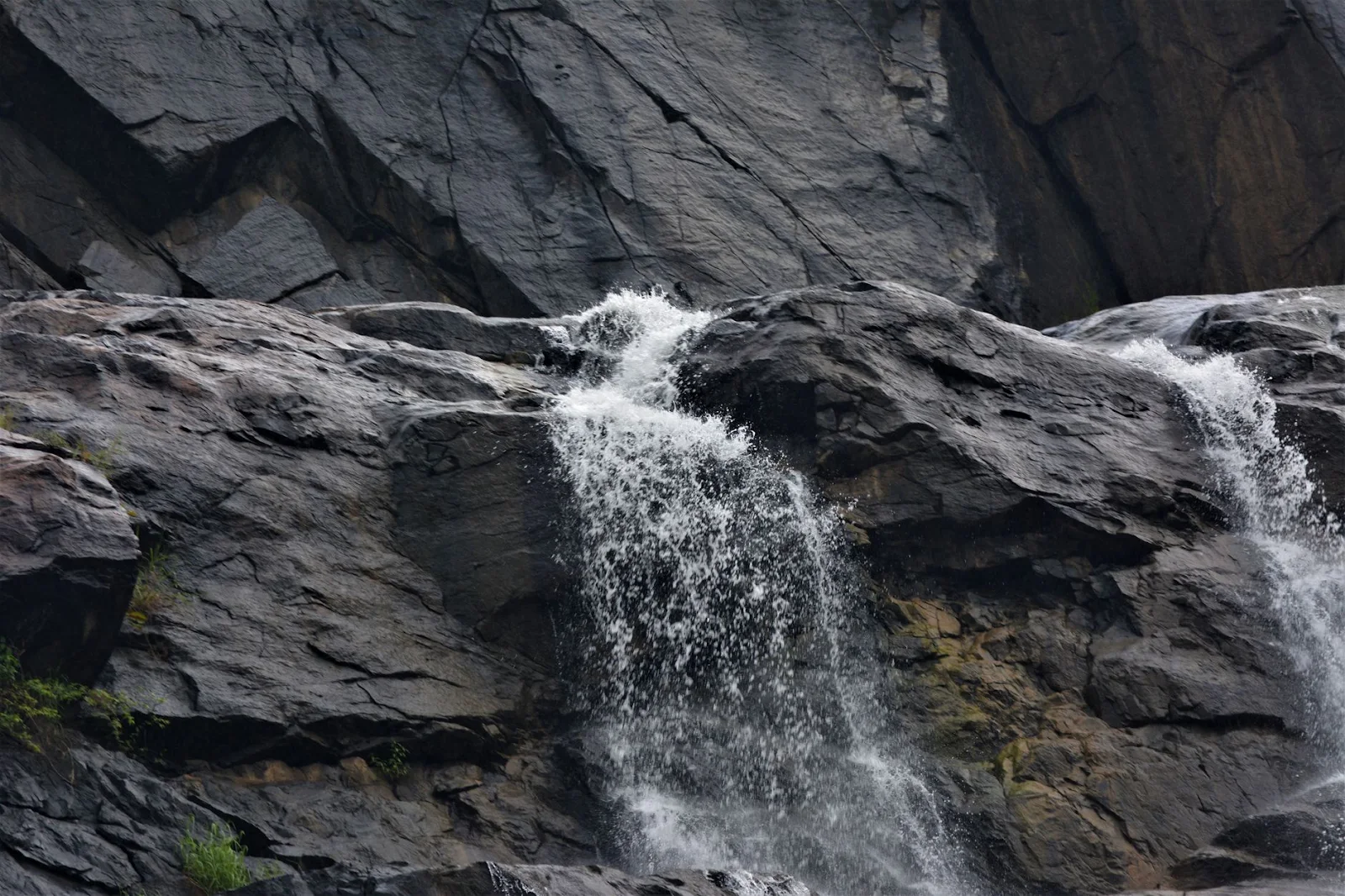
Hidden within the dense forests of the Shikaripara block, this waterfall drops over 30 meters into a crystal‑clear pool, creating a refreshing oasis for trekkers and nature lovers. The trek to the waterfall is moderate, making it suitable for both beginners and seasoned hikers.
Trail Overview
The path begins at the village entry point and winds through bamboo groves, small streams, and occasional rocky outcrops. Signage is minimal, so a local guide is recommended for first‑time visitors.
What to Pack
- Sturdy trekking shoes: The terrain can be slippery, especially after rain.
- Swimwear: A quick dip in the natural pool is a highlight.
- Snacks and water: There are no food stalls along the trail.
Best Season
The waterfall is most spectacular during the monsoon months (June‑September) when the water volume peaks, but the surrounding forest can be muddy. For a balance of flow and accessibility, consider visiting in October.
4. Dumka Museum – A Glimpse into Regional History

Located in the heart of the city, the Dumka Museum curates artifacts that tell the story of the area’s tribal heritage, colonial past, and evolving art forms. The museum’s modest size makes it an easy stop for a cultural interlude between outdoor adventures.
Exhibits Worth Seeing
- Tribal jewellery: Hand‑crafted silver pieces showcasing intricate designs.
- Ancient scripts: Palm‑leaf manuscripts written in the local Mundari language.
- Colonial-era photographs: Rare images documenting the British administration’s impact on the region.
Visitor Information
Opening hours are 9 am – 5 pm from Monday to Saturday; the museum is closed on Sundays. Admission is free for children under 12, while adults pay a nominal fee of ₹20.
5. Kanhaiya Temple – Architectural Charm in Rural Setting

Set amid the rolling fields of the Brahmanpura village, the Kanhaiya Temple is a small yet striking shrine dedicated to Lord Krishna. Its white‑washed walls and simple dome roof exemplify the rustic charm of rural Jharkhand architecture.
Why Visit?
- Spiritual calm: Early morning prayers create a peaceful ambience.
- Local festivals: During Janmashtami, the temple hosts colourful processions and folk dances.
- Scenic surroundings: The adjacent fields bloom with mustard flowers in winter, providing a picturesque backdrop.
Practical Details
The temple is reachable via a paved road from Dumka town; local auto‑rickshaws are the most convenient transport option. No entry fee is required, but donations are welcomed.
Planning Your Dumka Adventure – Quick Checklist
- Accommodation: Options range from budget guesthouses in Dumka city to eco‑lodges near Shikaripara.
- Transportation: The nearest railway station is Dumka Junction (code: DME). Regular trains connect to Ranchi, Kolkata, and Bhubaneswar.
- Local cuisine: Don’t miss trying dal pitha, bhakri, and fresh river fish.
- Safety:

Posted by: thecitytravel


0 Comments