
Top 5 Places to Visit in Lucknow, Uttar Pradesh, India
Welcome to the City of Nawabs, where history whispers through every dusty archway, the air perpetually carries the rich aroma of slow-cooked meat and saffron, and the locals greet you with a graceful "Muskuraiye, aap Lucknow mein hain!" (Smile, you are in Lucknow). As an expert travel blogger who has wandered through the meandering alleys and grand courtyards of Uttar Pradesh, I can tell you that exploring Lucknow is not merely about checking off tourist boxes; it is about stepping into a living, breathing museum of Ganga-Jamuni tehzeeb—a unique blend of Hindu and Islamic cultures that defines the soul of this magnificent capital.
Lucknow, situated gracefully on the banks of the River Gomti, served as the seat of the Nawabs of Awadh during the 18th and 19th centuries. These rulers were legendary patrons of the arts, literature, classical music, dance, and, above all, culinary arts. When you search for the best places to visit in Lucknow, you aren't just looking for brick-and-mortar monuments. You are searching for tales of architectural brilliance, spine-chilling colonial history, vibrant bazaars brimming with exquisite Chikankari embroidery, and an unhurried lifestyle that forces you to pause, breathe, and appreciate the finer things in life.
Whether you are a history buff fascinated by labyrinthine mazes built to confuse invaders, a foodie on a quest for the melt-in-your-mouth Tunday Kababi, or a solo traveler looking for safe streets and warm hospitality, this city promises an unforgettable journey. Navigating the top tourist places in Lucknow can be overwhelming if you don't know where to start. That is why I have meticulously curated this comprehensive travel guide to help you uncover the ultimate highlights of the city. From breathtaking imambaras that stand tall without a single iron beam to bustling Victorian parks and British residency ruins that tell stories of valour and tragedy, let us embark on a royal expedition through the heart of Awadh.
Table of Contents
- 1. Bara Imambara
- 2. The British Residency
- 3. Rumi Darwaza
- 4. Dr. Bhimrao Ambedkar Samajik Parivartan Prateek Sthal
- 5. Chowk (Old Lucknow)
- Best Time to Visit Lucknow
- How to Reach Lucknow
- Must-Try Local Food in Lucknow
- Essential Travel Tips for Lucknow
- Suggested 2-Day Lucknow Itinerary
- Frequently Asked Questions (FAQs)
- Conclusion
1. Bara Imambara
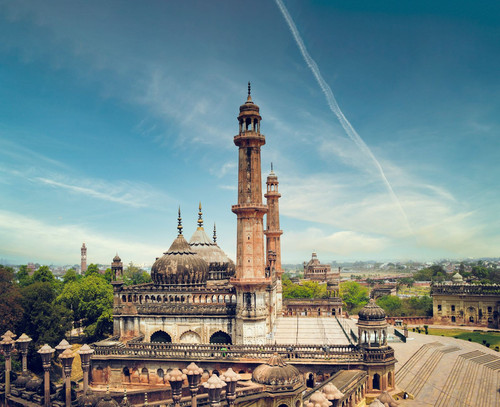
No journey to the City of Nawabs is ever complete without visiting the architectural marvel that anchors the skyline of the old city—the legendary Bara Imambara. Built in 1784 by Nawab Asaf-ud-Daula as part of a relief project for a devastating famine, this monumental shrine is a masterpiece of design and engineering. What blows the minds of travelers exploring the top tourist places in Lucknow is the breathtaking central hall of the Imambara, which is widely recognized as one of the world's largest arched construction unsupported by external beams or iron girders. The symmetry, the grandeur, and the spiritual aura here are palpable the moment you step into the sprawling courtyard.
History and Significance
The construction of the Bara Imambara was born out of a noble vision. During the catastrophic famine of 1784, Nawab Asaf-ud-Daula wanted to provide employment to all classes of society—both the affluent and the impoverished. Day after day, commoners worked to build the structure, while noblemen worked by night to demolish whatever was built during the day, ensuring that no one's self-respect was compromised by receiving charity. Spiritually, the Imambara holds immense significance for Shia Muslims, who gather here in massive numbers during the Islamic month of Muharram to mourn the martyrdom of Imam Hussain.
Architecture and Key Highlights
Architecturally, the complex is a triumph of the traditional Awadhi style, blending Mughal and Rajput elements. The complex also houses the stunning Asfi Mosque and a sprawling stepwell known as the Shahi Baoli, which has a fascinating underground water supply system. However, the absolute crown jewel of the Bara Imambara experience is the Bhulbhulaiya—a dizzying labyrinth located on the upper floor of the monument. Consisting of over a thousand interlocking passages, 489 identical doorways, and countless blind alleys, this maze was intentionally designed to confuse potential intruders and protect the royal treasury. Exploring the maze with a licensed local guide is an absolute must, as they will lead you to hidden balconies offering panoramic views of the city and demonstrate extraordinary acoustic marvels where a whisper at one end can be heard clearly across vast distances.
2. The British Residency

Standing in stark, poignant contrast to the grand palaces of the Nawabs are the haunting, bullet-riddled ruins of the British Residency. Spread across a lush, green campus near the banks of the Gomti River, this historical complex serves as a chilling reminder of the historic Siege of Lucknow during the Indian Rebellion of 1857. As one of the most historically significant places to visit in Lucknow, the Residency walks you through a turbulent chapter of India's struggle for independence. Today, wrapped in manicured lawns, towering trees, and climbing ivy, the site offers an atmosphere of profound serenity mixed with ghostly echoes of the past.
History and Significance
Once a sprawling group of multiple buildings serving as the residence of the British Resident General, the complex became the epicenter of a grueling 87-day siege in 1857. British officials, soldiers, and loyalists found themselves trapped inside the compound by Indian freedom fighters. The walls bear the brutal scars of cannon fire, mortar shells, and bullet holes that remain completely untouched by time. Walking through these shattered arches, roofless banquet halls, and underground tahkhanas (cellars) provides an unfiltered, visceral look into the Siege of Lucknow that claimed thousands of lives on both sides.
Architecture and Key Highlights
The ruins feature distinct British colonial architecture infused with subtle local adaptations like deep verandahs and high ceilings designed to combat the sweltering Awadhi heat. Within the complex, you will find the Residency Museum, which houses an impressive collection of original photographs, ordnance, lithographs, and scale models detailing the events of 1857. Do not miss the graves of hundreds of British soldiers and civilians, including that of Sir Henry Lawrence who was killed during the siege, buried in the peaceful churchyard within the compound. The haunting silence of the ruins at dusk makes it one of the most evocative best tourist attractions in Lucknow for history enthusiasts.
3. Rumi Darwaza
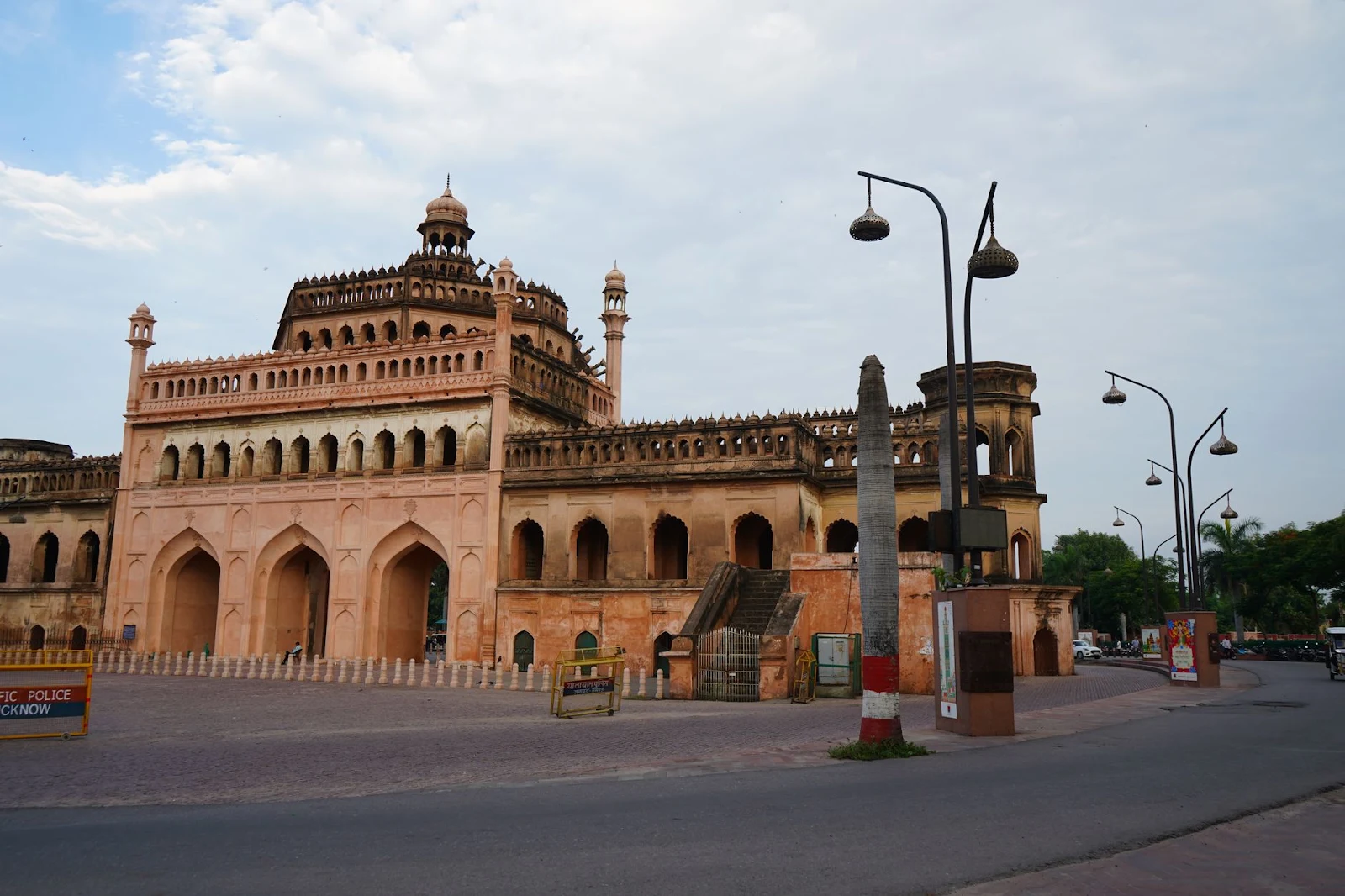
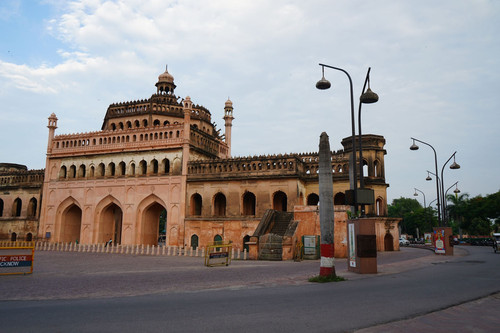
Often hailed as the symbol of Lucknow and affectionately called the Turkish Gate, the magnificent Rumi Darwaza is an architectural icon that immediately greets you when you dive deep into the historic core of the city. Standing a staggering 60 feet tall, this imposing gateway was built in 1784 by Nawab Asaf-ud-Daula, mirroring the grandeur of ancient Constantinople's monumental gates (hence the name 'Rumi', derived from Rome/Byzantine Empire). If you are compiling a list of places to see in Lucknow for your Instagram feed or travel diary, the Rumi Darwaza is an absolute non-negotiable stop.
History and Significance
Commissioned during the same famine-relief initiative that gave birth to the Bara Imambara, the Rumi Darwaza was originally designed as the western entrance to the sprawling ancient fort-palace of the Nawabs. Over the centuries, it transitioned from a defensive royal portal into a welcoming municipal landmark. In the days of the Nawabs, royal processions, royal elephants, and foreign dignitaries would pass underneath its grand archway. Today, it stands proudly as the unofficial emblem of the city, featured prominently on the logos of various state institutions and recognized instantly across India.
Architecture and Key Highlights
Crafted entirely from Lakhauri bricks and coated with a thick layer of fine lime plaster (chunam), the gate showcases the absolute zenith of Awadhi architecture. Unlike massive stone structures found elsewhere in India, the Rumi Darwaza relies on intricate stucco work, delicate floral motifs, cascading arches, and symmetrical tiers rather than heavy stone masonry. At the very top of the gateway once stood a massive lantern that illuminated the dark night skies, guiding weary travelers toward the safety of the city. Visiting the gate at night, when dramatic floodlights illuminate its majestic contours against the dark sky, is an ethereal experience that captures the true magical essence of the city.
4. Dr. Bhimrao Ambedkar Samajik Parivartan Prateek Sthal

Breaking away from the ancient medieval architecture of the Nawabi era, the Dr. Bhimrao Ambedkar Samajik Parivartan Prateek Sthal (commonly known as Ambedkar Park) represents modern Lucknow in all its monumental glory. Located in the upscale Gomti Nagar locality, this ultra-modern, sprawling public memorial park spans across a massive 112 acres and is dedicated to social reformers who devoted their lives to equality, human rights, and social justice, notably Dr. B.R. Ambedkar, Jyotirao Phule, and Kanshi Ram. For travelers seeking a refreshing change of pace from congested alleys, this pristine white marble wonderland is one of the top places to visit in Lucknow.
History and Significance
Constructed by the Government of Uttar Pradesh and opened to the public in the late 2000s, the park was built to honor the ideals of social equality and Dalit empowerment. It stands as a testament to modern urban planning, utilizing vast open spaces, immaculate landscaping, and striking monumental art to create an educational and recreational sanctuary for residents and visitors alike.
Architecture and Key Highlights
Unlike the traditional red sandstone or brick monuments of northern India, Ambedkar Park is built almost entirely from gleaming Rajasthan-sourced white marble, which shimmers brilliantly under the blazing sun and glows ethereally under floodlights at night. The complex features a magnificent central dome, an expansive plaza surrounded by 62 grand stone elephants carved with exquisite detail, towering metallic statues, and a grand gallery containing detailed murals chronicling the lives of the social reformers. Strolling through the wide corridors, reflecting pools, and manicured gardens offers an exceptionally peaceful and photogenic experience. Visiting during sunset is particularly magical as the white marble catches the golden hues of twilight.
5. Chowk (Old Lucknow)
To truly understand the beating heart and soul of the city, you must step away from the monuments and plunge directly into the chaotic, vibrant, and intoxicating lanes of Chowk. As the oldest part of Lucknow, Chowk is not a single monument, but an entire living, breathing ecosystem of traditional commerce, legendary street food, centuries-old crafts, and timeless cultural heritage. When travelers ask me about the most authentic places to visit in Lucknow, Chowk sits firmly at the very top of my recommendation list because it offers an unfiltered, sensory-rich immersion into Awadhi daily life.
History and Significance
Chowk has served as the commercial and cultural hub of Lucknow since the days of the Nawabs. Wealthy noblemen, royal courtiers, and commoners alike flocked to these bustling bazaars to purchase fine silk garments, intricate jewelry, exotic attars (perfumes), and delicate handicrafts. The historical significance of Chowk lies in its preservation of dying artisanal crafts that have been passed down through generations of master craftsmen working in tiny, family-owned workshops.
Architecture and Key Highlights
The architecture of Chowk is characterized by narrow, winding alleyways flanked by multi-story traditional buildings with overhanging wooden balconies and bustling shopfronts at the ground level. Here is where you can shop for authentic, world-famous Lucknowi Chikankari embroidery—delicate white-on-white needlework that takes weeks or even months to complete on fine muslin or georgette fabrics. Chowk is also the undisputed paradise for food lovers and perfume enthusiasts. Step into traditional attar shops where perfumers extract natural fragrances from flowers like jasmine (motia) and rose using centuries-old hydro-distillation techniques (deg-vapour process). Pair your shopping expedition with a legendary culinary crawl tasting hot jalebis, malai makhan, and succulent kebabs, making your visit to Chowk an unforgettable sensory feast.
Best Time to Visit Lucknow
Planning your trip at the right time of year can make or break your Awadhi adventure. Because Uttar Pradesh experiences extreme weather variations, knowing when to pack your bags is crucial for an enjoyable holiday.
- Winter (October to March) - The Absolute Best Time: This is the golden period for exploring the best places to visit in Lucknow. Temperatures hover comfortably between 10°C and 25°C, making walking tours of the Bara Imambara, Residency, and Chowk an absolute breeze. The cool, crisp weather also makes it ideal for indulging in rich, heavy Awadhi cuisine without breaking a sweat.
- Summer (April to June) - Avoid if Possible: Summers in Lucknow are notoriously harsh, with daytime temperatures soaring past 45°C accompanied by dry, scorching winds known as loo. Sightseeing outdoors becomes nearly impossible during peak afternoon hours.
- Monsoon (July to September): Monsoon brings much-needed relief from the oppressive summer heat, turning the surroundings lush and green. While the weather becomes pleasant after sudden showers, high humidity can make outdoor exploration slightly sticky. However, visiting the city during Muharram or festival seasons provides a unique cultural lens.
How to Reach Lucknow
As the capital city of India's most populous state, Lucknow enjoys phenomenal connectivity with every major corner of the country via air, rail, and road networks.
- By Air: Chaudhary Charan Singh International Airport (LKO), located in Amausi about 15 kilometers from the city center, handles frequent domestic flights connecting major hubs like Delhi, Mumbai, Bengaluru, Kolkata, and Chennai, alongside international flights to the Middle East. Taxis, app-based cabs, and metro services are readily available outside the terminal.
- By Rail: Lucknow Charbagh Railway Station (LKO) is one of the most picturesque and busiest railway junctions in India, resembling a magnificent chess board from a bird's-eye view. Additionally, Lucknow Junction (NER) and Gomti Nagar stations handle numerous superfast and express trains connecting the city to Delhi, Varanasi, Agra, Patna, Jaipur, and Mumbai.
- By Road: Lucknow sits at the intersection of major national highways. State-run buses (UPSRTC) and luxury Volvo coaches operate regular services from Delhi, Agra, Kanpur, Varanasi, and Allahabad. The Agra-Lucknow Expressway and Purvanchal Expressway have drastically cut down road travel times from Delhi and neighbouring regions, making road trips exceptionally smooth.
Must-Try Local Food in Lucknow
You cannot claim to have experienced Lucknow without diving headfirst into its world-renowned culinary heritage. Awadhi cuisine is famous worldwide for its sophisticated use of spices, slow-cooking techniques (dum style), and meats so tender they practically melt on your tongue. Here are the absolute mandatory dishes to try:
- Tunday Kababi (Chowk and Aminabad): Legendary melt-in-the-mouth minced meat kebabs crafted with over 160 secret spices. Pair them with warqi parathas for an unmatched gastronomic experience.
- Galawati and Kakori Kebabs: Supremely tender kebabs that were originally invented for royal Nawabs who had lost their teeth, prepared using raw papaya and rich aromatic spices to tenderize the meat.
- Lucknowi Biryani: Unlike the spicy Hyderabadi variant, Awadhi biryani is subtle, fragrant, and cooked on dum, where long-grain basmati rice and marinated meat absorb juices and saffron delicately.
- Malai Makhan (Nimish): A winter-exclusive morning street delicacy made from whipped cream flavored with saffron, cardamom, and topped with silver leaf, melting instantly in your mouth.
- Basket Chaat (Royal Cafe, Hazratganj): A modern street food innovation featuring an edible crispy potato basket stuffed with spiced lentils, yogurt, chutneys, and pomegranate.
- Sheermal: A slightly sweet, saffron-infused flatbread baked in traditional tandoors, perfect for pairing with rich mutton korma or nihari.
Essential Travel Tips for Lucknow
To ensure your journey through the City of Nawabs is seamless, safe, and deeply rewarding, keep these ten golden travel tips in mind:
- Hire Licensed Guides: When exploring complex monuments like the Bara Imambara and the Residency, always hire government-approved, licensed guides at the entrance to get authentic historical stories.
- Dress Modestly: While Lucknow is modern and welcoming, many historical sites and religious monuments require you to dress modestly, keeping shoulders and knees covered. Carry a scarf to cover your head inside shrines.
- Stay Hydrated: Always carry a reusable water bottle, especially if you are traveling during shoulder seasons, as walking through outdoor architectural complexes can be exhausting.
- Master Bargaining: When shopping for Chikankari apparel and brass souvenirs in Chowk or Aminabad, polite bargaining is expected and adds to the local shopping fun.
- Use the Metro: Lucknow Metro is clean, efficient, air-conditioned, and connects major areas like Charbagh, Hazratganj, and Gomti Nagar, helping you beat street traffic.
- Book Taxis Wisely: App-based cab aggregators like Ola and Uber operate smoothly in Lucknow, making local transit hassle-free without haggling with auto-rickshaws.
- Explore Chowk on Foot: The lanes of Chowk are too narrow for cars. Park your vehicle outside and explore the bustling bazaars on foot or via paddle-rickshaws.
- Keep Cash Handy: While digital payments are widespread, small street-food vendors and traditional artisans in older markets still appreciate cash transactions.
- Respect Local Etiquette: Embrace the polite, refined local language (Zubaan) and greetings. A respectful "Adab" or "Namaste" goes a long way in winning local hearts.
- Plan Food Trails Early: Iconic eateries like Tunday Kababi get intensely crowded during lunch and dinner hours. Plan your food halts slightly ahead of peak dining times.
- 09:00 AM - 11:30 AM: Start your morning at the magnificent Bara Imambara. Explore the central hall and navigate the thrilling Bhulbhulaiya maze with a guide.
- 11:30 AM - 12:30 PM: Walk across to the adjacent Rumi Darwaza and click iconic photographs with this architectural masterpiece.
- 01:00 PM - 02:30 PM: Head straight to Chowk for lunch. Relish legendary Galawati kebabs and warqi parathas at the original Tunday Kababi outlet.
- 03:00 PM - 05:30 PM: Spend your afternoon shopping for authentic Chikankari garments and exploring the vibrant, centuries-old alleyways of Chowk.
- 07:30 PM Onwards: Enjoy a royal Awadhi dinner featuring Mutton Biryani and Korma at a heritage restaurant in Hazratganj.
- 09:00 AM - 12:00 PM: Step back in time at the bullet-riddled ruins of The British Residency, exploring the museum and peaceful gardens.
- 12:30 PM - 02:00 PM: Head to Hazratganj for a delightful lunch and try the famous Basket Chaat at Royal Cafe.
- 03:30 PM - 06:00 PM: Visit the stunning white marble Dr. Bhimrao Ambedkar Samajik Parivartan Prateek Sthal in Gomti Nagar for afternoon serenity and brilliant architecture.
- 06:30 PM - 08:30 PM: Take a leisurely stroll along the scenic Gomti Riverfront Park to wind down your trip.
- 08:30 PM Onwards: Savor traditional sweets like malaiyo (in winter) or rabri before heading to the railway station or airport for your departure.
- 1. What is Lucknow famous for?
- Lucknow is globally famous for its rich Nawabi heritage, exquisite Awadhi cuisine (especially kebabs and biryani), intricate Chikankari embroidery, and stunning Indo-Islamic architecture including the Bara Imambara and Rumi Darwaza.
- 2. How many days are sufficient to explore Lucknow?
- A duration of 2 to 3 days is ideal to explore all the major historical monuments, museums, shopping districts, and legendary food joints comfortably without rushing.
- 3. What is the specialty of Lucknow's Chikankari work?
- Chikankari is a delicate and artful shadow-needle embroidery style traditionally done in white thread on fine cotton, muslin, or georgette fabrics, originating directly from the royal courts of Awadh.
- 4. Is Lucknow safe for solo and female travelers?
- Yes, Lucknow is widely considered one of the safest cities in Uttar Pradesh for tourists, including solo and female travelers, thanks to friendly locals, active police patrolling, and reliable public transit.
- 5. Which is the best area to stay in Lucknow for tourists?
- Hazratganj and Gomti Nagar are the best areas for tourists to stay, offering top-tier hotels, great dining options, cleanliness, and seamless connectivity to major heritage sites.
- 6. Can vegetarians enjoy food in Lucknow?
- Absolutely! While Lucknow is a paradise for meat lovers, vegetarians can relish incredible local delicacies including basket chaat, bedmi-poori, malai makhan, shahi paneer, and rich Mughlai vegetarian gravies.
- 7. Are cameras allowed inside the Bara Imambara?
- Yes, cameras and smartphones are permitted inside the Bara Imambara complex, though small additional ticketing fees may apply for professional video equipment.
- 8. What language is spoken in Lucknow?
- Hindi and Urdu are widely spoken, deeply influenced by the poetic and refined Awadhi dialect known for its extreme politeness, grace, and respectful vocabulary.
Suggested 2-Day Lucknow Itinerary
If you are short on time and want to cover the absolute best of the city efficiently, follow this action-packed, perfectly balanced 2-day itinerary:
Day 1: Royal Heritage & Old City Explorations
Day 2: Colonial History & Modern Marvels
Frequently Asked Questions (FAQs)
Conclusion
Lucknow is much more than just a destination on a map; it is an emotion, a sensory masterpiece, and a timeless celebration of art, history, and unmatched hospitality. From the breathtaking engineering of the Bara Imambara and the sobering historical depth of the British Residency to the chaotic joy of Chowk and the aromatic magic of Awadhi cuisine, every single moment spent in this city leaves an indelible mark on your soul. As you pack your bags carrying bags of exquisite Chikankari and memories of royal grandeur, you will understand why travelers always return with a smile. Plan your trip to the City of Nawabs today, immerse yourself in its timeless grace, and discover firsthand why it remains one of the greatest cultural treasures of India.



0 Comments