
Top 5 Places to Visit in Kaushambi, Uttar Pradesh: A Spiritual and Historical Journey
Welcome to Kaushambi, a hidden gem nestled in the heart of Uttar Pradesh that whispers tales of ancient empires, spiritual awakenings, and archaeological wonders. If you are a history buff, a spiritual seeker, or a traveler looking to explore offbeat destinations in India, planning a trip to this historic district should be right at the top of your travel bucket list. Often overshadowed by its more famous neighbors like Prayagraj and Varanasi, Kaushambi holds a profound place in the annals of Indian history. Once the thriving capital of the powerful Vatsa kingdom during the Mahabharata era and a cherished resting place for Lord Buddha, this land is soaked in heritage.
As you traverse through the rustic landscapes, dusty trails, and serene riverbanks of the Yamuna, you will realize that every brick and ruin here has a story to tell. From towering ancient pillars that have stood the test of time to peaceful monastic ruins where monks once meditated under the open sky, the tourist attractions in Kaushambi offer an immersive journey into India’s glorious past. Whether you want to witness the remnants of the majestic Kaushambi Fort, pay your respects at sacred pilgrimage sites, or simply soak in the tranquil countryside vibe far away from chaotic city life, this region promises an enriching travel experience.
In this comprehensive travel guide, we take you through the best places to visit in Kaushambi, complete with practical travel tips, local culinary highlights, a curated 2-day itinerary, and answers to all your burning travel questions. Pack your bags, lace up your comfortable walking shoes, and let us uncover the timeless beauty of Kaushambi together!
Table of Contents
- 1. Ancient Kaushambi Fort and Ruins
- 2. Ghoshitarama Vihara
- 3. Prabhas Kshetra (Prabhas Pattan)
- 4. Sheetla Mata Mandir, Kara Dham
- 5. Lord Shani Temple and Kara Fort Ruins
- Best Time to Visit Kaushambi
- How to Reach Kaushambi
- Local Food to Try
- Essential Travel Tips
- Suggested 2-Day Itinerary
- Frequently Asked Questions (FAQs)
- Conclusion
1. Ancient Kaushambi Fort and Ruins

Kicking off our list of the top tourist places in Kaushambi is the magnificent and sprawling Ancient Kaushambi Fort and its surrounding archaeological ruins. Situated gracefully along the northern banks of the Yamuna River, these ancient fortification walls date back to the 8th century BCE. When you stand before these massive mud-brick and burnt-brick ramparts, it is easy to transport yourself back to the era of the Mahabharata, when King Udayana ruled this formidable capital of the Vatsa empire. Excavations conducted here by renowned archaeologists have revealed a treasure trove of pottery, coins, terracotta figurines, and structural remains that span multiple centuries of continuous habitation.
Walking through the ruins gives you an eerie yet fascinating sense of stepping back in time. The scale of the defensive walls and the sophisticated ancient town-planning layout indicate how advanced and prosperous this region once was. History enthusiasts will thoroughly enjoy exploring the perimeter, identifying ancient gateways, and imagining the bustling royal courts and busy marketplaces that once occupied these very grounds. It is truly one of the most intellectually stimulating places to visit in Kaushambi.
- Location / Address: Kosam Khiraj village, Kaushambi district, Uttar Pradesh, approx. 50 km from Prayagraj.
- Timings: Sunrise to Sunset, open all days.
- Entry Fee: Free entry for all visitors.
- Best Time to Spend Here: 2 to 3 hours during the late afternoon to catch the golden hour light over the Yamuna riverbanks.
2. Ghoshitarama Vihara
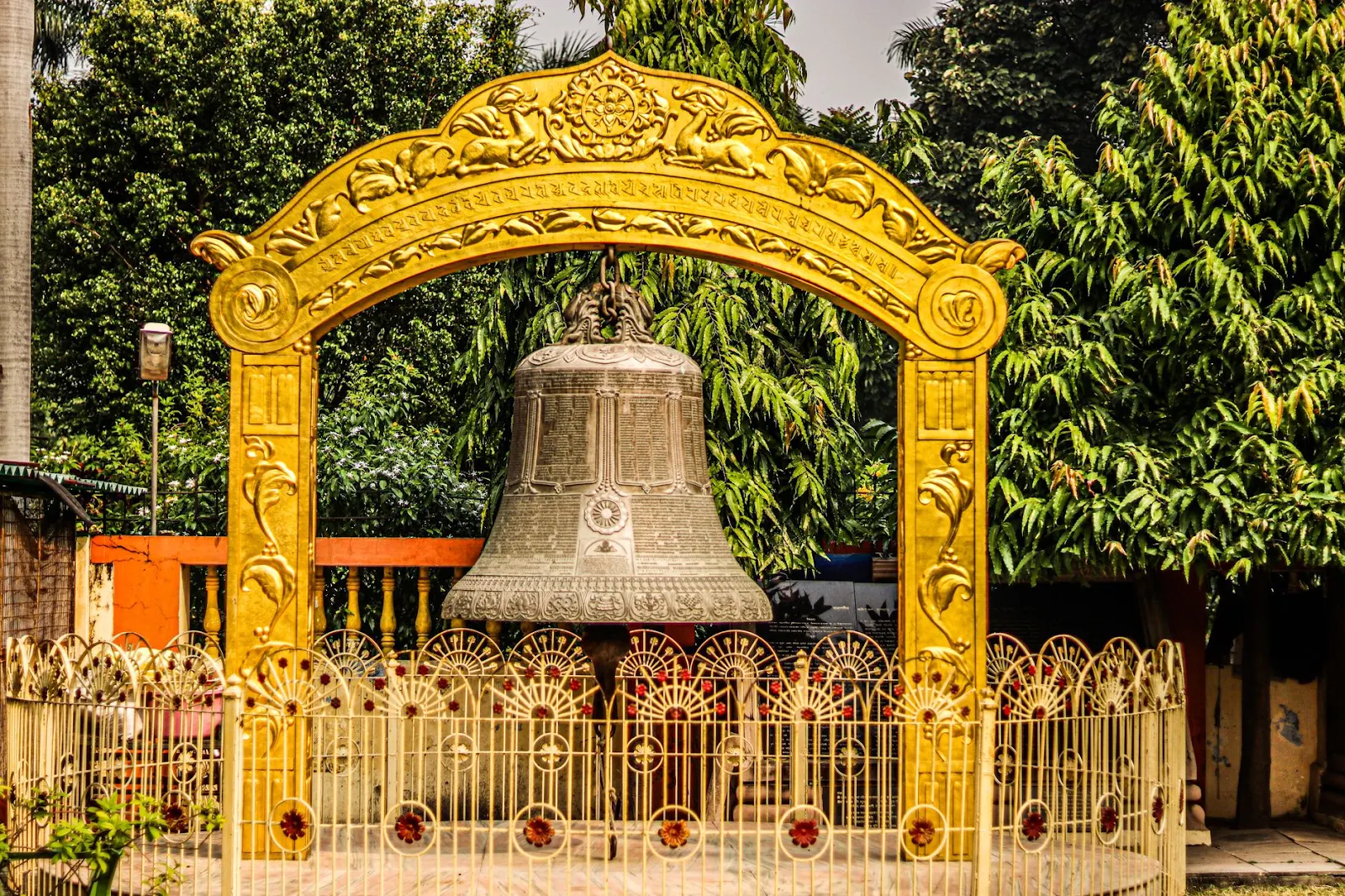
For those interested in Buddhist heritage and spiritual exploration, Ghoshitarama Vihara is an absolute must-visit landmark. This ancient monastery complex holds immense significance in Buddhist history because Lord Buddha himself visited this sacred site on multiple occasions to deliver profound discourses to his disciples. Named after a wealthy merchant named Ghoshita who built and donated the monastery, this site served as an important hub for Buddhist monastic life and scholarship during ancient times.
Today, the site features well-maintained excavated ruins of brick stupas, residential quarters for monks, and meditation halls. Surrounded by lush green lawns and tall trees, the atmosphere here is remarkably tranquil and meditative. Pilgrims and tourists often sit quietly under the shade to absorb the peaceful energy of the place. It is widely considered one of the top places to visit in Kaushambi for anyone looking to connect with India's spiritual roots and Buddhist trail.
- Location / Address: Kosam Khiraj, near the ancient fort area, Kaushambi, Uttar Pradesh.
- Timings: 8:00 AM to 6:00 PM, open all days.
- Entry Fee: Free entry.
- Best Time to Spend Here: 1 to 2 hours, preferably in the morning when the environment is quiet and serene.
3. Prabhas Kshetra (Prabhas Pattan)

Prabhas Kshetra is a deeply revered pilgrimage site that holds profound religious importance for both Jains and Hindus. According to Jain tradition, this sacred region is associated with Bhagwan Padmaprabha, the sixth Jain Tirthankara, making it an important Jain pilgrimage destination. Several beautifully maintained Jain temples dot the landscape here, drawing devotees and scholars from all corners of the country to offer their prayers and study ancient inscriptions.
Apart from its Jain heritage, Prabhas Kshetra is celebrated for its scenic natural beauty and spiritual aura. The serene environment, coupled with the devotional hymns echoing from the temples, creates a deeply calming ambiance. Exploring this sacred kshetra allows travelers to witness the harmonious blend of religious traditions that have flourished in Kaushambi for millennia. It is undoubtedly a crown jewel among the tourist attractions in Kaushambi.
- Location / Address: Prabhas Kshetra region, Kaushambi district, Uttar Pradesh.
- Timings: 6:00 AM to 8:00 PM, open all days.
- Entry Fee: No entry fee.
- Best Time to Spend Here: 1.5 to 2 hours during morning or evening prayer times.
4. Sheetla Mata Mandir, Kara Dham

Located in the historic town of Kara on the banks of the Yamuna River, the Sheetla Mata Mandir is one of the most vibrant and heavily frequented spiritual spots in the region. Dedicated to Goddess Sheetla, this temple draws thousands of devotees, especially during major Hindu festivals and local fairs. The temple complex is alive with color, devotional music, and the collective prayers of pilgrims seeking blessings for health, prosperity, and well-being.
The town of Kara itself boasts a rich medieval history, featuring old gateways, dilapidated palaces, and ancient shrines that speak volumes of its past glory under various regional rulers and the Delhi Sultanate. Visiting the Sheetla Mata Mandir gives travelers a wonderful opportunity to experience the living cultural traditions and fervent religious devotion of rural Uttar Pradesh. It is a fantastic addition to your itinerary of best places to visit in Kaushambi.
- Location / Address: Kara Dham town, Kaushambi district, Uttar Pradesh, approx. 40 km from district headquarters.
- Timings: 5:00 AM to 9:00 PM, open all days.
- Entry Fee: Free.
- Best Time to Spend Here: 1 to 2 hours, especially during Tuesdays and Fridays when special worship rituals take place.
5. Lord Shani Temple and Kara Fort Ruins

Rounding out our list of top tourist places in Kaushambi is the fascinating combination of the Lord Shani Temple and the nearby medieval Kara Fort ruins. Situated in the historic Kara region, this area offers a dramatic landscape of crumbling fortifications, ancient stone structures, and spiritual shrines overlooking the flowing waters of the Yamuna River. The Shani Temple here attracts numerous devotees seeking to offer prayers and appease Saturn, particularly on Saturdays.
Just a short walk from the temple, the remnants of Kara Fort stand as silent sentinels of medieval warfare and architectural ambition. Once a crucial administrative outpost during the Mughal and pre-Mughal eras, the fort ruins feature imposing gateways and broken brick bastions that provide incredible vantage points for photography enthusiasts. Exploring this dual attraction rounds off your trip with a perfect mix of deep religious faith and rugged historical exploration.
- Location / Address: Kara town, Kaushambi district, Uttar Pradesh.
- Timings: 6:00 AM to 7:00 PM, open all days.
- Entry Fee: Free entry.
- Best Time to Spend Here: 2 hours, ideal during late afternoon hours for photography and exploring the fort perimeter.
Best Time to Visit Kaushambi
Planning your trip during the right season is crucial for an enjoyable travel experience in Uttar Pradesh. The ideal time to explore the top places to visit in Kaushambi is during the winter months, spanning from October to March. During this period, the weather is pleasantly cool, with daytime temperatures hovering comfortably between 15°C and 25°C, making it perfect for outdoor sightseeing, historical walking tours, and archaeological exploration.
Summers (April to June) in Kaushambi can be intensely hot and dry, with temperatures frequently crossing 40°C, which can make daytime travel quite exhausting. The monsoon season (July to September) brings moderate to heavy rainfall, turning the surrounding countryside lush green. While the greenery is appealing, heavy rains can occasionally disrupt travel plans to rural archaeological sites and riverbanks. Therefore, sticking to the winter months ensures the most comfortable and rewarding holiday.
How to Reach Kaushambi
Kaushambi is well-connected to major cities in Uttar Pradesh and neighboring states via an efficient network of roads and railways. Here is how you can easily reach the district:
- By Air: The nearest major airport is Prayagraj Airport (IXD), located approximately 50 kilometers away. Alternatively, you can fly into Lal Bahadur Shastri International Airport in Varanasi (around 160 km away), which offers excellent domestic and limited international connectivity. From the airport, you can easily hire a pre-paid taxi or private cab to reach Kaushambi.
- By Train: The nearest major railway station is Sirathu Railway Station (SRO), which is well-connected to regional trains. However, for better train availability and connectivity across India, Prayagraj Junction (PRYJ) is the most preferred transit hub, located about 50 km from Kaushambi. Regular buses, auto-rickshaws, and private cabs ply between Prayagraj and Kaushambi.
- By Road: Kaushambi enjoys robust road connectivity via state highways and national highways. Uttar Pradesh State Road Transport Corporation (UPSRTC) buses, private luxury coaches, and shared jeeps operate frequently between Kaushambi, Prayagraj, Kanpur, and Lucknow. Renting a self-drive car or booking a cab from Prayagraj is the most convenient way to explore the local tourist attractions.
Local Food to Try
No travel experience in Uttar Pradesh is complete without indulging in the rich and comforting local cuisine. While Kaushambi is a rural district, its culinary offerings reflect the authentic flavors of the Awadh and Gangetic plains. When exploring the best places to visit in Kaushambi, make sure to sample these local favorites:
- Pori-Sabzi and Jalebi: A classic North Indian breakfast staple found at local roadside dhabas and sweet shops, featuring crispy puffed puris served with spicy potato curry and freshly fried hot jalebis.
- Banarasi Paan: Although technically from neighboring Varanasi, authentic sweet and flavoured paan is widely available in local markets and makes for an essential post-meal tradition.
- Chaat and Samosas: Street-side vendors across local markets serve mouth-watering aloo tikkis, golgappas, and crispy samosas loaded with tangy chutneys.
- Traditional Thali: Enjoy a wholesome vegetarian thali featuring dal, seasonal vegetable curries, soft rotis, rice, and fresh buttermilk at local eateries.
- Local Sweets: Relish traditional milk-based sweets like rabri, malai peda, and khoya barfi crafted by local confectioners using pure dairy products.
Essential Travel Tips
To ensure a smooth, safe, and memorable journey through Kaushambi, keep these ten practical travel tips in mind:
- Hire a Local Guide: Since Kaushambi is deeply rooted in ancient history and archaeological ruins, hiring a local guide will help you understand the historical context much better.
- Wear Comfortable Footwear: You will be walking extensively across uneven ground, mud mounds, and ruined fort complexes, so sturdy walking shoes are a must.
- Dress Modestly: Given the religious and cultural significance of temples and monastic sites, dress modestly covering your shoulders and knees.
- Carry Cash: Rural areas and smaller shops in Kaushambi may not widely accept digital payments or credit cards, so carry sufficient cash.
- Stay Hydrated: Always carry a reusable water bottle, especially if you are visiting during warmer months, as shaded areas can be scarce at archaeological sites.
- Plan Your Transport: Public transport within rural pockets can be sparse. It is best to hire a private taxi for the entire day from Prayagraj or district headquarters.
- Respect Local Customs: Always ask for permission before photographing local residents, religious rituals, or inside sacred shrines.
- Sun Protection: Pack sunglasses, a wide-brimmed hat, and sunscreen to protect yourself against the strong sun during daytime sightseeing.
- Check Timings: Verify temple and monument opening hours beforehand, as some lesser-known archaeological sites may not have fixed operating hours.
- Keep Emergency Contacts Handy: Save offline maps and local emergency helpline numbers, as mobile network connectivity can occasionally fluctuate in remote rural stretches.
Suggested 2-Day Itinerary
Make the most of your weekend getaway with this carefully curated 2-day travel itinerary designed to cover the top tourist places in Kaushambi efficiently:
Day 1: Ancient History & Buddhist Trails
- 08:00 AM - 09:30 AM: Arrive in Kaushambi from Prayagraj and check into your hotel or freshen up.
- 10:00 AM - 01:00 PM: Explore the expansive Ancient Kaushambi Fort and Ruins. Walk along the massive ramparts and soak in the Mahabharata-era history.
- 01:00 PM - 02:30 PM: Enjoy a traditional North Indian lunch at a local restaurant near the site.
- 02:30 PM - 05:00 PM: Visit the serene Ghoshitarama Vihara monastic ruins. Spend peaceful moments meditating and exploring the Buddhist heritage.
- 05:30 PM onwards: Head back to your accommodation, relax, and enjoy a quiet dinner.
Day 2: Spiritual Shrines & River Heritage
- 08:30 AM - 11:00 AM: Drive to Kara town and seek blessings at the revered Sheetla Mata Mandir.
- 11:00 AM - 01:00 PM: Explore the nearby Kara Fort Ruins and the Lord Shani Temple overlooking the Yamuna River.
- 01:00 PM - 02:30 PM: Savor local street food and a hearty lunch in Kara town market.
- 02:30 PM - 04:30 PM: Visit Prabhas Kshetra to admire the sacred Jain temples and peaceful surroundings.
- 05:00 PM onwards: Depart from Kaushambi towards Prayagraj for your onward journey home.
Frequently Asked Questions (FAQs)
1. What is Kaushambi famous for?

Kaushambi is famous for its rich ancient history as the capital of the Vatsa kingdom during the Mahabharata era, its deep connection with Lord Buddha and Jain Tirthankaras, and extensive archaeological ruins along the Yamuna River.
2. How far is Kaushambi from Prayagraj?

Kaushambi is located approximately 50 kilometers west of Prayagraj (Allahabad), making it an easy and convenient day trip or weekend getaway.
3. Are there good hotels available in Kaushambi?

Accommodation options directly within Kaushambi are somewhat limited and basic. Most travelers prefer staying in Prayagraj, which offers a wide range of hotels, guesthouses, and resorts to suit every budget.
4. Is Kaushambi safe for family travelers and solo tourists?

Yes, Kaushambi is generally safe for travelers. However, since many tourist sites are located in rural or secluded archaeological zones, it is advisable to complete your sightseeing during daylight hours and travel with a trusted driver or guide.
5. Can I visit Kaushambi as a day trip from Prayagraj?

Absolutely! Because of its proximity to Prayagraj (just a 1.5 to 2-hour drive), Kaushambi is ideal for a comprehensive day trip covering major archaeological and religious sites.
6. What languages are spoken in Kaushambi?

Hindi and Awadhi / dialects of Hindi are the primary languages spoken by locals in Kaushambi. English is understood by tourism service providers and hotel staff in major nearby cities like Prayagraj.
7. Do I need an entry ticket for the archaeological sites in Kaushambi?

No, most of the ancient ruins, fort walls, and religious sites in Kaushambi do not charge any entry fee for visitors.
8. What are the best local souvenirs to buy from Kaushambi?

While Kaushambi is not a major commercial shopping hub, you can purchase traditional religious items, local sweets, and handicrafts from local rural markets.
Conclusion
Kaushambi is far more than just a quiet district in Uttar Pradesh—it is a living museum of ancient Indian civilization, spirituality, and royal heritage. Whether you are walking through the shadows of the magnificent Ancient Kaushambi Fort, finding inner peace among the monastic ruins of Ghoshitarama Vihara, or experiencing the vibrant devotion at Sheetla Mata Mandir, this destination promises an unforgettable journey away from the tourist crowds. By exploring the best places to visit in Kaushambi, you connect directly with the roots of Indian history, philosophy, and culture. Plan your trip during the pleasant winter months, immerse yourself in the rustic charm of the Yamuna riverbanks, and return home with a heart full of timeless memories and fascinating stories to share!



0 Comments