
Top 5 Places to Visit in Moradabad: Discovering the Brass City of India
Tucked along the fertile banks of the Ramganga River in western Uttar Pradesh, Moradabad occupies a distinctive place on India’s cultural map. Widely celebrated across the globe as the "Pithal Nagri" or "Brass City," this dynamic manufacturing and commercial center has transformed ancient metalcasting traditions into an internationally acclaimed craft export industry. Established in 1600 by Rustam Khan, the governor of Katehar under Mughal Emperor Shah Jahan, and named in honor of Prince Murad Bakhsh, the city effortlessly marries imperial Mughal heritage with the vibrant energy of an Indian artisan hub.
Beyond the rhythm of chisels striking raw metal in bustling roadside workshops, Moradabad preserves architectural gems, centuries-old shrines, sprawling parks, and an irresistible culinary scene shaped by regional Awadhi and Rohilla traditions. Travelers often overlook western Uttar Pradesh in their rush toward the classical Golden Triangle, yet Moradabad rewards curious explorers with deeply authentic experiences. From the towering domes of seventeenth-century mosques to sprawling brass emporiums laden with handcrafted vases, lanterns, and antique figurines, the city unveils stories etched into stone, bronze, and copper.
Whether you plan a culturally rich weekend detour from Delhi, an expedition to shop for home décor directly from master artisans, or a deep dive into genuine North Indian cuisine, this guide curates the finest attractions Moradabad offers. Packed with historical narratives, practical logistical guidance, dining suggestions, and insider shopping strategies, here is your definitive resource to exploring the top tourist places in Moradabad.
Table of Contents
- 1. Jama Masjid, Moradabad
- 2. Peetal Mandi (Brass Market & Artisan Enclaves)
- 3. Prem Wonderland and Water Kingdom
- 4. Shri Sai Mandir, Patpat Sarai
- 5. Sita Ashram Temple
- Best Time to Visit Moradabad
- How to Reach Moradabad
- Culinary Delights: What and Where to Eat
- 10 Practical Travel Tips for Moradabad
- Suggested 2-Day Moradabad Itinerary
- Frequently Asked Questions (FAQs)
- Conclusion
1. Jama Masjid, Moradabad

Overview & Historical Significance
Rising majestically on the elevated banks of the Ramganga River, the Jama Masjid stands as Moradabad’s oldest and most prestigious architectural treasure. Constructed in 1631 AD by Rustam Khan, the Mughal general who founded the town, this magnificent prayer hall mirrors the grand imperial style popularized during the golden age of Mughal architecture. Built primarily of burnt red brick and dressed stone, the structure dominates the older quarters of the city. For centuries, it has served not just as a Friday congregation hall, but as the spiritual anchor for the city's vast craft and mercantile communities.
Key Highlights & Things to Do
Step through the towering arched gateway (Iwan) to enter a sprawling open-air courtyard paved in stone, capable of accommodating thousands of worshippers at once. The sanctuary façade features five grand arched openings, flanked by symmetrical octagonal minarets that grant panoramic views across the river plain and the labyrinthine lanes of the old city. Inside the prayer hall, look upward to admire the intricate geometric arabesques, restored floral frescoes, and delicate Persian inscriptions carved around the central mihrab (prayer niche). Photographers and architecture lovers should pause in the courtyard late in the afternoon, when the sun dips low across the Ramganga, casting dramatic shadows through the central three-bulbous-dome silhouette.
Visitor Information
Timings: 05:00 AM to 09:00 PM daily (tourist visits are restricted during active congregational prayer times, especially during the Friday Jummah prayers between 12:30 PM and 02:00 PM).
Entry Fee: Free admission for all visitors.
Best Time to Explore: Early morning or late afternoon when temperatures are pleasant and natural sunlight accentuates the sandstone arches.
Dress Code: Modest clothing covering shoulders and knees is mandatory. Women are advised to bring a scarf to cover their heads before entering the sanctuary precincts.
How to Reach This Spot
Located in the heart of the Old City (Purana Moradabad) near the riverbank, the mosque is easily accessible via auto-rickshaws and e-rickshaws from anywhere in town. It sits approximately 3.5 kilometers northeast of the Moradabad Junction Railway Station, a ride that takes 15 to 20 minutes depending on bazaar traffic.
2. Peetal Mandi (Brass Market & Artisan Enclaves)
Overview & Historical Significance
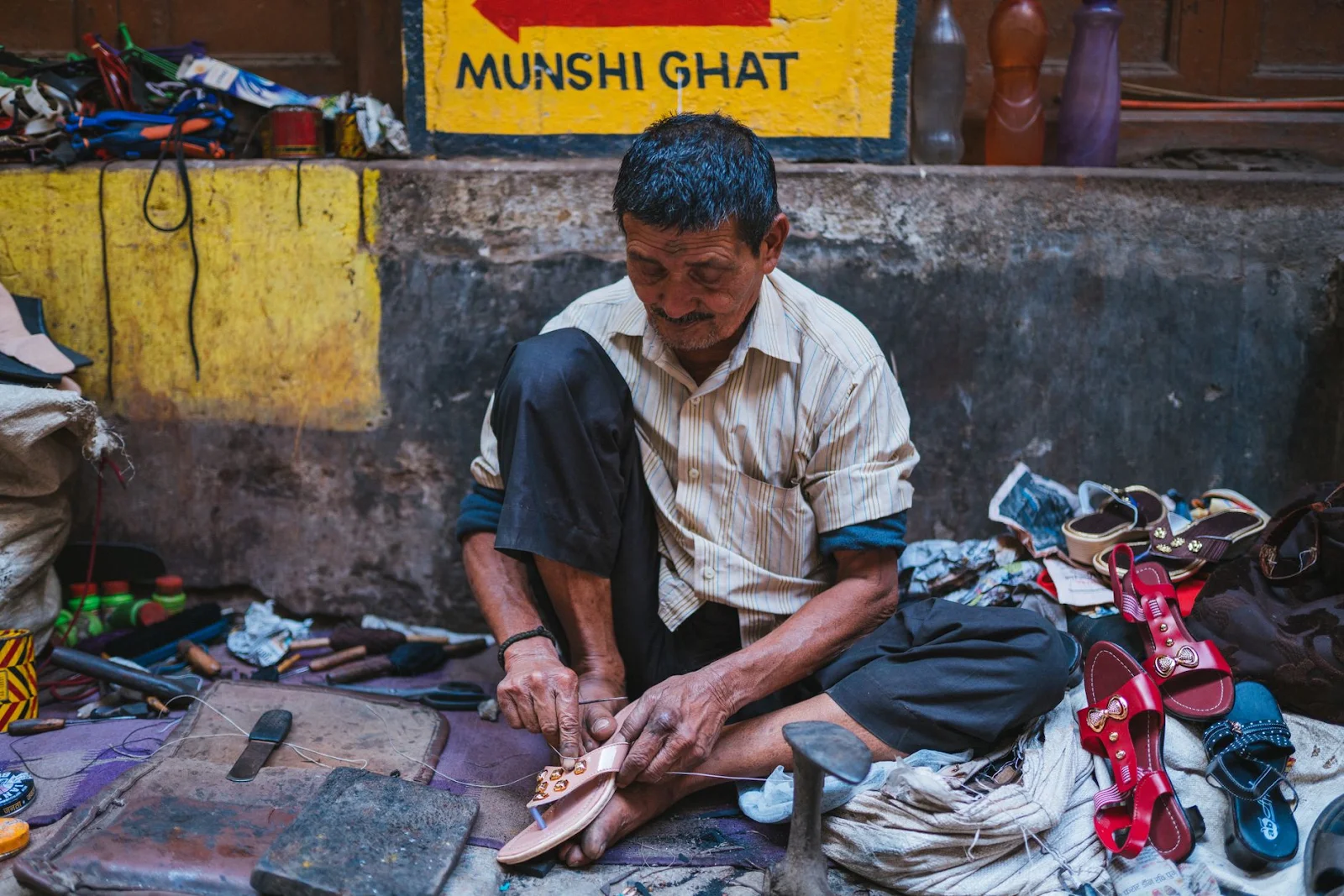
No trip to Moradabad is complete without immersing yourself in the sights and sounds of Peetal Mandi, the historic nerve center of India's metal handicraft industry. Moradabad's relationship with brass casting dates back centuries, but it gained organized industrial prominence during the British colonial era before blossoming into an export juggernaut after Indian independence. Today, the district supplies luxury brassware, iron art, silver filigree, and copper tableware to retail giants across North America, Europe, and the Middle East. Peetal Mandi, along with neighboring lanes like Bartan Bazaar and Prince Road, forms an open-air marketplace where retail shoppers, wholesale collectors, and international buyers mingle directly with generational trade families.
Key Highlights & Things to Do
Walking through the narrow alleys of Peetal Mandi is a sensory marvel. The metallic clinking of chisels, the hum of polishing wheels, and the gleaming rows of golden-hued artifacts produce an unforgettable atmosphere. Here, you can hunt for museum-grade brass urns, intricately carved Lord Ganesha and Nataraja statues, vintage-style nautical lanterns, Moroccan-style perforated lamps, and mirror-polished cutlery at prices far lower than those in metropolitan luxury boutiques. Take time to step into smaller alleyway workshops, where master craftsmen demonstrate sand-molding casting techniques, intricate hand-engraving (known locally as Kalamkaree), and colorful chemical lacquering.
Visitor Information
Timings: 10:30 AM to 08:30 PM (shops generally remain closed or operate with limited hours on Tuesdays).
Entry Fee: Free.
Best Time to Explore: Between 11:00 AM and 04:00 PM for leisurely browsing before evening shopping rushes clog the pathways.
Shopping Tip: Polite bargaining is common practice in wholesale markets. Always inquire about the metal purity and weight, and verify whether a piece is solid brass or brass-plated iron by testing it with a magnet.
How to Reach This Spot
Peetal Mandi is situated near Station Road and Prince Road, roughly 2 kilometers from Moradabad Junction Railway Station. Shared auto-rickshaws, cycle-rickshaws, and cycle rentals connect the commercial bazaar quickly with major transit hubs.
3. Prem Wonderland and Water Kingdom

Overview & Historical Significance
When you need a change of pace from heritage architecture and busy shopping alleys, Prem Wonderland and Water Kingdom delivers a dose of modern recreational fun. Developed to offer northern Uttar Pradesh a comprehensive, world-class entertainment venue, this sprawling amusement complex on the outskirts of the city caters to families, youth, and travelers touring with children. Covering vast landscaped acreage, it combines traditional dry amusement rides with an extensive water theme park engineered to beat the scorching North Indian summer heat.
Key Highlights & Things to Do
The park is split into two distinct zones: the amusement fairground and the water kingdom. Adrenaline enthusiasts can hop aboard the roller coaster, bumper cars, giant Ferris wheel, and dizzying pendulum swings. In the water zone, you will find high-speed spiral slides, an artificial wave pool with upbeat music, a family raft ride, and a dedicated kids' splash zone dotted with tipping buckets and rain dance decks. The property also features quiet landscaped garden walkways, banquet lawns, and multiple food courts serving popular Indian snacks, chaat, and ice-cold refreshments.
Visitor Information
Timings: 10:00 AM to 06:30 PM daily during summer months (hours reduce to 10:30 AM to 05:30 PM in winter).
Entry Fee: Standard entry tickets range from ₹500 to ₹800 per person depending on the selected package (Amusement only vs. Combo with Water Park). Children below specific height limits enter at discounted rates.
Best Time to Explore: Arrive right at the 10:00 AM opening time to secure changing lockers and enjoy the water rides before midday crowds peak.
Facilities: Locker rentals, costume rentals (nylon swimwear is mandatory in the water park), and shower stalls are available on site.
How to Reach This Spot
Situated on the Moradabad–Rampur Highway (NH 9), approximately 8 kilometers east of Moradabad city center, the park is best accessed by hiring a private taxi, booking a ride-hailing app cab, or driving your own car. Ample on-site parking is available for private vehicles.
4. Shri Sai Mandir, Patpat Sarai

Overview & Historical Significance
Located in the Patpat Sarai quarter of the city, Shri Sai Mandir stands among the most revered and peaceful modern spiritual Sanctuaries in western Uttar Pradesh. Dedicated to the 19th-century saint Sai Baba of Shirdi, who championed unity, unconditional love, and universal charity, this temple welcomes devotees of all faiths and backgrounds. Established several decades ago by local devotees, the temple complex has expanded steadily into an architectural showpiece renowned for its pristine white marble structure and spotless surroundings.
Key Highlights & Things to Do
The main sanctuary houses a life-sized, pure Italian white marble idol of Shirdi Sai Baba seated in his classic meditative pose. The sanctum sanctorum shines with polished marble carvings, gold-plated canopies, and brass oil lamps maintained with meticulous care. Visitors can attend the serene daily Kakad Aarti at dawn or the melodious Shej Aarti at night. Every Thursday, the temple grounds come alive with thousands of pilgrims arriving for special devotional singing (bhajans) and community dining (Mahaprasad), where free hot meals are distributed without social distinction. The tranquil meditation corners surrounding the main courtyard offer an oasis of calm from the bustling street markets outside.
Visitor Information
Timings: 05:30 AM to 12:00 PM and 04:00 PM to 09:30 PM daily. Thursdays observe continuous open hours from 05:00 AM to 10:30 PM.
Entry Fee: Free.
Best Time to Explore: Weekday mornings for calm meditation, or Thursday evenings if you wish to experience traditional congregational devotion and temple prasad.
Etiquette: Shoes must be checked at the complimentary footwear counter near the entrance gate. Photography is prohibited within the inner sanctum.
How to Reach This Spot
The temple is located on Civil Lines / Patpat Sarai Road, approximately 2.5 kilometers west of the Moradabad Railway Station. E-rickshaws and auto-rickshaws run frequently along this central corridor and will drop you off right at the temple gate.
5. Sita Ashram Temple

Overview & Historical Significance
Sita Ashram Temple is a serene, time-honored pilgrimage site tied closely to local Hindu folklore and Vedic heritage. Nestled in a verdant corner of the greater Moradabad region, the temple honors Goddess Sita, consort of Lord Rama, along with shrines dedicated to Lord Rama, Lakshmana, and Lord Hanuman. According to local religious tradition, this tranquil patch of land served as an ancient hermit's retreat, offering weary travelers on ancient Gangetic pilgrimage routes spiritual rest and sanctuary.
Key Highlights & Things to Do
Unlike massive commercialized pilgrimage complexes, Sita Ashram preserves an unhurried, meditative village charm. The temple is surrounded by mature banyan, neem, and peepal trees that keep the courtyards shaded even during warmer afternoons. The sanctum features classical North Indian temple spire (Shikhara) architecture adorned with narrative reliefs from the Ramayana epic. Visitors can sit along the cool stone verandas, listen to morning chanting sessions by local priests, or spend time in silent contemplation. During the festive periods of Navratri, Ram Navami, and Diwali, the entire temple grounds are transformed with hundreds of glowing earthen lamps (diyas) and flower garlands.
Visitor Information
Timings: 06:00 AM to 11:30 AM and 04:30 PM to 08:30 PM daily.
Entry Fee: Free.
Best Time to Explore: Early morning during sunrise when temple bells and morning chants echo across the quiet grounds.
Photography: Outdoor photography within the ashram gardens is permitted; avoid using flash inside the idol chambers.
How to Reach This Spot
Sita Ashram is situated roughly 5 to 6 kilometers from central Moradabad. The easiest way to reach the temple is by hailing an auto-rickshaw or booking a private taxi from Civil Lines or the central bus terminal.
Best Time to Visit Moradabad
Moradabad experiences a typical North Indian sub-tropical climate characterized by three distinct seasons: a scorching summer, a humid monsoon, and a pleasant, cool winter.
Winter (October to March) - Ideal Window: The absolute best time to plan your visit to Moradabad is during the winter season. Daytime temperatures hover comfortably between 18°C and 25°C, making it pleasant to wander through the open-air brass bazaars and outdoor historic sites. Nights can turn cold, dropping between 6°C and 10°C in December and January, so pack light woolen layers.
Summer (April to June) - Not Recommended: Summers are sweltering, with daytime temperatures regularly climbing between 38°C and 44°C. Hot winds (the "Loo") sweep through the city in the afternoons, making walking tours and outdoor sightseeing exhausting. If you must travel during this period, schedule your outings exclusively for early mornings and late evenings.
Monsoon (July to September) - Moderate: The monsoon brings relief from the extreme heat along with heavy showers. While the surrounding agricultural countryside turns emerald green, older parts of the city near the Ramganga river and narrow bazaar lanes frequently face waterlogging and slow traffic.
How to Reach Moradabad
Because of its strategic geographic location and vital export economy, Moradabad boasts excellent multi-modal transit connectivity to the rest of India.
By Air: The newly developed Moradabad Airport (MBD) at Mundha Pandey offers regional flight services connecting to select domestic hubs. For widespread domestic and international flight options, the nearest major gateway is Indira Gandhi International Airport (DEL) in New Delhi, situated approximately 175 kilometers to the west. From Delhi Airport, you can easily book pre-paid cabs, take an express train, or board direct interstate buses straight to Moradabad.
By Train: Moradabad Junction (MB) is a major northern railway junction and one of the most well-connected railway stations in North India. Scores of premier express and superfast trains—including multiple Shatabdi Expresses, Rajdhani Expresses, the Corbett Park Link, and the Lucknow Mail—halt here daily, connecting the city directly to New Delhi, Lucknow, Varanasi, Kolkata, Dehradun, and Amritsar. The journey from New Delhi Railway Station takes just 2.5 to 3.5 hours on an express train.
By Road: Moradabad is connected to Delhi and the National Capital Region via the modern National Highway 9 (NH 9), a smooth four-to-six-lane tollway. The drive from Delhi, Noida, or Ghaziabad takes approximately 3 to 4 hours depending on departure times. Uttar Pradesh State Road Transport Corporation (UPSRTC) runs non-stop Volvo, Janrath, and regular air-conditioned buses around the clock from Delhi's Anand Vihar ISBT to Moradabad's central bus station.
Culinary Delights: What and Where to Eat in Moradabad
A culinary tour of Moradabad reveals a rich gastronomic tradition that rivals its brassware in depth and character. The city’s cuisine is a unique intersection of authentic Mughal recipes, Rohilkhand flavors, and ingenious street snacks found nowhere else in the country.
Moradabadi Moong Dal Chaat: The city's signature culinary invention is renowned throughout India. Unlike typical fried street snacks, this delicacy features split yellow moong lentils simmered to a creamy, velvety perfection. It is ladled piping hot into bowls, crowned with a dollop of pure desi ghee, tangy green chilies, grated ginger, fresh coriander, roasted cumin powder, crunchy heeng (asafoetida) flavored boondi, and a splash of lime juice. Head to Murari Ki Dal or the street vendors near Prince Road for the gold standard of this dish.
Moradabadi Biryani: Completely distinct from the dark, heavy spice-laden biryanis of Lucknow or Hyderabad, Moradabadi Biryani is subtle, fragrant, and light. Cooked like a classic Yakhni Pulao, long-grain basmati rice is simmered gently in delicately spiced meat broth infused with whole spices like fennel, star anise, and green cardamom. The biryani is typically paired with fiery raw red-chili chutney and spiced curd (raita). Visit Alam Biryani near the station or the heritage eateries in Galshaheed for an unforgettable plate.
Shahi Tukda & Sweet Treats: End your culinary walk with Moradabad's decadent desserts. Thick slices of bread are deep-fried in pure ghee, bathed in fragrant saffron-infused sugar syrup, and blanketed under a thick layer of creamy rabri, silver vark, and crushed pistachios. In winter, do not miss Doodh Jalebi served in traditional clay cups (kulhads) at roadside sweet shops in Civil Lines.
10 Practical Travel Tips for Moradabad
- Inspect Metalware Thoroughly: When purchasing brass items in Peetal Mandi, carry a small pocket magnet. Solid brass is non-magnetic; if the magnet snaps onto the piece firmly, it is brass-plated iron or steel.
- Hire an E-Rickshaw for Bazaar Navigation: The older parts of town, including the brass markets and the Jama Masjid area, have narrow, crowded lanes where cars cannot enter. Battery-operated e-rickshaws are inexpensive, zero-emission, and can slip through tight passages easily.
- Bargain with Respect: In consumer retail bazaars, gentle negotiation is standard practice. Aim to start your offer at roughly 20–30% below the quoted opening price, particularly when buying unbranded decorative metal goods in multiples.
- Carry Sufficient Cash: While large showrooms and hotels readily accept UPI payments and credit cards, small artisans, tea stalls, and local transport operators prefer cash. Keep small denominations (₹50, ₹100, and ₹200 notes) handy.
- Dress Conservatively at Religious Sites: When visiting the Jama Masjid, Sita Ashram, or Sai Mandir, choose modest attire that covers your shoulders and knees. Slip-on shoes will make removing footwear before entering sanctums much easier.
- Plan Around Market Closures: Remember that many retail and wholesale shops in Peetal Mandi and Bartan Bazaar remain shut or run on limited staff on Tuesdays. Schedule your heavy handicraft shopping for Wednesdays through Mondays.
- Stay Hydrated in Transition Seasons: Spring and autumn days can still get surprisingly warm and dry. Always carry a reusable water bottle or pick up fresh, packaged drinking water from trusted shops.
- Sample Street Food at High-Turnover Stalls: Follow the local crowds when eating street food like moong dal and chaat to ensure the food is freshly prepared, hot, and hygienic.
- Check Train Timings in Winter: Dense fog in northern Uttar Pradesh between late December and mid-January can delay train services along the Delhi–Moradabad–Lucknow corridor. Allow comfortable buffers if you have connecting transport.
- Consider Packing Extra Luggage Space: Handcrafted brass bowls, heavy lamps, and bronze statues add substantial weight and volume to your bags. If you plan to shop, travel with a sturdy, expandable suitcase.
Suggested 2-Day Moradabad Itinerary
Day 1: Historic Architecture, Artisans, and Street Gastronomy
Morning: Begin your first day early with a visit to the historic Jama Masjid. Enjoy the quiet morning light reflecting off the Ramganga River and admire the seventeenth-century Mughal masonry. From there, take a short cycle-rickshaw ride into the heart of the city for a breakfast bowl of steaming Moradabadi Moong Dal topped with pure ghee and crispy wafers.
Afternoon: Head into the bustling alleys of Peetal Mandi and Bartan Bazaar. Spend several hours meeting brass artisans, observing metal-carving workshops, and picking up unique brass lamps, antique-finish curios, and metal dinnerware directly from wholesale merchants.
Evening: Savor a rich, fragrant lunch of authentic Moradabadi Biryani at a renowned spot near Station Road. As dusk settles, head over to Shri Sai Mandir in Patpat Sarai to attend the evening Aarti ceremony and unwind in its tranquil, marble-tiled courtyards before enjoying a peaceful dinner in Civil Lines.
Day 2: Family Fun, Spiritual Harmony, and Leisure
Morning: After a hearty breakfast of parathas or poori-sabzi, drive out along NH 9 toward the eastern outskirts of the city to spend a fun-filled morning at Prem Wonderland and Water Kingdom. Enjoy the thrill of the dry rides or cool off across the water slide decks and wave pool.
Afternoon: Return toward the city for lunch at an upscale restaurant in Civil Lines. Later in the afternoon, make your way to the peaceful sanctuary of Sita Ashram Temple. Stroll along its tree-shaded grounds and take in the serene temple architecture.
Evening: Conclude your Moradabad journey by exploring modern handicraft showrooms along the Delhi Road highway stretch, where export surplus home decor items are sold. Wrap up your night with hot, syrupy Shahi Tukda and a piping hot cup of masala tea before your journey onward.
Frequently Asked Questions (FAQs)
Q1: What is Moradabad famous for?
A: Moradabad is internationally famous as the "Brass City" (Peetal Nagri) of India. It produces and exports a vast range of handcrafted brass, copper, bronze, and aluminum goods, including decorative lanterns, religious statues, utensils, and modern home decor, across the globe.
Q2: How far is Moradabad from Delhi, and what is the best way to travel between them?
A: Moradabad is located approximately 165 to 175 kilometers east of New Delhi. The fastest and most comfortable way to travel is by rail aboard express trains like the New Delhi–Kathgodam Shatabdi or Lucknow Mail, which take roughly 2.5 to 3 hours. Alternatively, driving via the smooth NH 9 takes around 3.5 to 4 hours.
Q3: Is Moradabad safe for solo and family travelers?
A: Yes, Moradabad is generally safe and welcoming for both solo travelers and families. The locals are hospitable and helpful. As with any bustling commercial city in India, keep an eye on your belongings in crowded market areas and avoid deserted lanes late at night.
Q4: What should I buy when visiting Moradabad?
A: Top items to purchase include hand-engraved brass vases, Moroccan hanging lanterns, brass singing bowls, traditional pooja bells and deity idols, hammered copper water bottles, bronze dinnerware sets, and modern metal planters.
Q5: Can tourists visit the brass manufacturing factories directly?
A: While large automated export factories on the outskirts often require pre-arranged business appointments, anyone can freely explore the traditional cottage workshops and artisan ateliers located throughout Peetal Mandi and surrounding older neighborhoods to observe metal casting and engraving firsthand.
Q6: What is unique about Moradabadi Biryani?
A: Unlike deeply spiced or fiery red biryanis from other regions, Moradabadi Biryani is cooked as a subtle, fragrant Yakhni Pulao. It uses whole aromatics like fennel, cardamom, and clove to perfume the rice and tender meat, and gets its punch from a sharp red-chili and vinegar chutney served alongside.
Q7: How many days are sufficient to tour Moradabad?
A: A well-planned 2-day, 1-night itinerary is ideal to visit the major historical landmarks, spend dedicated time shopping in the brass markets, savor local street foods, and enjoy family entertainment attractions without feeling rushed.
Q8: Are hotels readily available in Moradabad for outstation guests?
A: Yes, Moradabad offers a wide range of accommodations, from comfortable budget guest houses near the railway station to modern luxury business hotels and resorts situated along the Delhi Road (NH 9) and within the Civil Lines district.
Conclusion
Moradabad is far more than a bustling stopover on the route toward the Kumaon Himalayas—it is an authentic Indian craft capital brimming with rich Mughal history, time-honored artisanal brilliance, and a distinctive culinary culture. Strolling through the sunlit corridors of the seventeenth-century Jama Masjid, listening to the rhythmic clang of chisels shaping glowing brass vessels in Peetal Mandi, or savoring a warm, buttery bowl of Moradabadi Moong Dal reveals a city deeply connected to its living heritage.
For discerning travelers seeking cultural depth away from cookie-cutter tourist routes, the "Brass City" offers an extraordinary look at an age-old craft surviving and thriving in modern times. Pack an appetite for hearty regional cooking, leave room in your suitcase for fine handcrafted brassware, and embark on a memorable journey through one of Uttar Pradesh’s most iconic and industrious destinations.



0 Comments