
Top 5 Places to Visit in Gorakhpur: Your Ultimate Travel Guide to the Cultural Heart of Eastern Uttar Pradesh
Nestled along the serene banks of the Rapti River in eastern Uttar Pradesh, Gorakhpur is a city steeped in spiritual resonance, medieval history, and dynamic modern development. Named after the revered ancient yogi Guru Gorakhnath, an incarnation of Lord Shiva who founded the Nath monastic movement, this vibrant city has evolved from a serene hermitage into a bustling regional hub. For centuries, pilgrims, historians, and literary enthusiasts have journeyed here to witness the roots of ascetic traditions, discover sacred texts, and experience authentic Awadhi and Purvanchali warmth. Beyond its iconic monastic institutions, Gorakhpur surprises modern travelers with sweeping freshwater lakes, state-of-the-art promenades, deep natural sal forests, and vintage locomotive heritage.
Whether you are setting out on a spiritual trail across the Buddhist-Hindu circuit of eastern India, stopping en route to Nepal, or simply seeking an off-the-beaten-path cultural escapade, Gorakhpur offers a captivating blend of antiquity and leisure. From hearing the rhythmic morning bells of Gorakhnath Temple to enjoying a tranquil sunset boat ride on Ramgarh Taal, the city reveals its treasures with quiet grace. In this comprehensive travel guide, we unpack the top tourist places in Gorakhpur, sharing historical narratives, logistical details, insider tips, and food recommendations to ensure your journey through this historic Uttar Pradesh destination is truly unforgettable.
1. Shri Gorakhnath Temple

Overview
Shri Gorakhnath Temple, also known as Gorakhnath Math, is the spiritual soul of the city and one of the most prominent pilgrimage centers in Northern India. Spread across an expansive 52-acre complex, this majestic temple is dedicated to Guru Gorakhnath, the legendary yogi of the Nath tradition. The architecture showcases grand white marble domes, ornately carved stone pillars, and tranquil water tanks, providing an atmosphere of profound serenity amid the bustling urban landscape.
History & Cultural Significance
The origins of the temple date back to the 11th century, although the Nath monastic school trace its spiritual lineage back millennia. The temple has stood through numerous invasions and reconstructions, emerging as a powerhouse of socio-religious transformation in eastern Uttar Pradesh. It serves as the seat of the Nath sect, traditionally headed by the Mahant (chief priest), a lineage that has included notable socio-political figures such as Mahant Digvijay Nath, Mahant Avaidyanath, and Uttar Pradesh Chief Minister Yogi Adityanath. The temple is famed for hosting the month-long Khichdi Mela on Makar Sankranti, where millions of devotees offer raw rice and lentils at the holy fire (Akhand Dhuni).
Key Attractions & Things to Do
Enter the sanctum sanctorum (Garbhagriha) to pay homage to the idol of Guru Gorakhnath seated in deep meditation. Nearby, pay respect at the Akhand Dhuni, an eternal sacred fire believed to have been lit by Guru Gorakhnath himself; the sacred ash (vibhuti) from this fire is distributed as prasad. Walk along the tranquil Mansarovar pond located within the temple complex, where paddle boating is available during the evenings. Marvel at the sprawling prayer halls, the Gaushala (cow shelter), and the museum showcasing life-sized murals depicting the life stories of Guru Matsyendranath and Guru Gorakhnath.
Timings & Entry Fee
Timings: 4:00 AM to 12:00 PM and 3:00 PM to 9:00 PM daily. The evening Aarti takes place around 7:00 PM and is accompanied by the resonance of conch shells and sacred chants.
Entry Fee: Free entry for all visitors. Modest charges apply for temple offerings and boating in the pond.
Best Time & Pro Tip
Visit early in the morning between 6:00 AM and 8:00 AM to experience peaceful meditation before crowds arrive. If you want to experience the grandeur of cultural fairs, visit during mid-January for the vibrant Khichdi Mela, but prepare for large gatherings.
2. Ramgarh Taal & Nauka Vihar

Overview
Spanning an astounding area of nearly 1,800 acres, Ramgarh Taal is a vast natural lake situated in the southeastern corner of Gorakhpur. Over the past decade, this sprawling waterbody has undergone a world-class revitalization, turning it into eastern Uttar Pradesh's prime leisure and waterfront hub. Framed by a beautifully illuminated promenade known locally as Marine Drive or Nauka Vihar, Ramgarh Taal offers breathtaking sunset vistas, open-air entertainment, and breezy lakeside strolls that appeal to travelers of all generations.
History & Ecological Importance
Local legends and historical records suggest that Ramgarh Taal was formed centuries ago during a sudden seismic shift that submerged an ancient village governed by a local chieftain named Mansen. Geographically, it forms a natural flood-cushion and critical wetland habitat linked historically to the Rapti river basin. The lake supports rich aquatic biodiversity and attracts dozens of migratory bird species during the winter months, making it an ecological haven alongside its recreational appeal.
Key Attractions & Things to Do
The centerpiece of the lake is Nauka Vihar, where visitors can board motorboats, traditional wooden shikaras, speedboats, and double-decker cruise boats that offer leisurely journeys across the calm waters. In the evening, the lakefront comes alive with a synchronized musical fountain show that displays vibrant laser lighting accompanied by devotional and classical tunes. Stroll down the pedestrian-friendly paved boulevard, indulge in street snacks at the waterfront food trucks, or rent an eco-friendly e-cycle to pedal along the shoreline as the setting sun paints the sky in shades of crimson and gold.
Timings & Entry Fee
Timings: The promenade is open 24 hours; boating and sports complexes operate from 10:00 AM to 8:30 PM. The musical fountain show runs twice daily after sunset (typically 6:30 PM and 7:30 PM).
Entry Fee: Free access to the promenade. Boating tickets range from ₹50 to ₹250 per person depending on the vessel (speed boat, cruise, or paddle boat).
Best Time & Pro Tip
Plan your visit around 5:00 PM. This lets you catch the late-afternoon breeze, watch the brilliant sunset over the water, and stay for the musical fountain without rushing. Don't forget your camera for stunning reflections on the lake.
3. Gita Press

Overview
A name synonymous with Indian spiritual literature, Gita Press is the world's largest publisher of Hindu religious texts. Established in 1923, this iconic institution has published over 900 million copies of the Bhagavad Gita, Ramcharitmanas, Puranas, and Upanishads in multiple Indian and foreign languages. Located in the Lal Diggi area, the headquarters of Gita Press features a stunning stone gateway inspired by traditional Indian temple architecture, inviting visitors into a realm of literary devotion, historical preservation, and quiet reverence.
History & Socio-Cultural Impact
Gita Press was established by visionary philanthropists Jaya Dayal Goyandka and Ghanshyam Das Jalan with the noble aim of promoting the eternal truths of Sanatan Dharma at highly subsidized, accessible prices. For a century, it has preserved classical Sanskrit texts with authentic translations. In recognition of its outstanding contribution to social, cultural, and spiritual upliftment through non-violent means, Gita Press was conferred the prestigious Gandhi Peace Prize in 2021 by the Government of India.
Key Attractions & Things to Do
Step through the grand archway carved out of red sandstone from Chunar to explore the Lila Chitra Mandir (Art Gallery). The gallery preserves over 680 antique paintings depicting incidents from the life of Lord Rama and Lord Krishna, created by legendary classical artists. Furthermore, the complete 700 verses of the Bhagavad Gita are inscribed on marble plaques along the walls. Visitors can also tour the exhibition hall, view vintage printing machines that have churned out sacred texts for decades, and visit the expansive bookstore to purchase pristine editions of timeless literary classics at nominal prices.
Timings & Entry Fee
Timings: 8:00 AM to 7:00 PM (Monday to Saturday); closed on Sundays and select national holidays.
Entry Fee: Free entry.
Best Time & Pro Tip
Visit during weekday mornings when the gallery is quiet. The official sales depot here provides discounts on hardbound classical epics and miniature editions of the Bhagavad Gita, which make meaningful souvenirs and thoughtful gifts.
4. Gorakhpur Railway Museum

Overview
Gorakhpur holds a revered place in global transit lore, serving as the operational headquarters of the North Eastern Railway (NER) and boasting one of the world's longest railway platforms (measuring 1,366.33 meters). Located near the Railway Stadium, the Gorakhpur Railway Museum is a delightful heritage park that pays tribute to the golden age of Indian Railways. It is a fantastic destination for engineering buffs, traveling families, and children keen on discovering vintage locomotive history.
History & Historical Significance
The railway system in Gorakhpur began in the late 19th century during the British Raj as part of the Bengal and North Western Railway. It served as a lifeline transporting timber from the Terai forests and connecting the rural heartland of Awadh and Purvanchal to the rest of the subcontinent. Inaugurated in the early 2000s, this museum showcases the technical transition from early coal-fired steam engines to modern electric traction that transformed Indian trade and mobility.
Key Attractions & Things to Do
The standout exhibit is Lord Lawrence’s Steam Engine, built in London in 1874 and imported to India via maritime freight, standing pristinely restored in the open-air yard. Walk through antique royal inspection coaches, examine hand-cranked telegraph machines, antique brass lanterns, switchboards, and historical photographs documenting the rail network's expansion. For younger visitors, the miniature toy train rides through lush green park pathways offer fun and excitement.
Timings & Entry Fee
Timings: 12:00 PM to 8:00 PM (Tuesday to Sunday); closed on Mondays.
Entry Fee: ₹20 for adults, ₹10 for children. Nominal additional ticket (₹30) for the toy train ride.
Best Time & Pro Tip
Late afternoons are ideal for strolling through the manicured open lawns while the outdoor exhibits are illuminated. Combine this stop with an evening photo-stop at the grand Gorakhpur Junction railway station nearby.
5. Kushmi Forest & Vinod Van
Overview
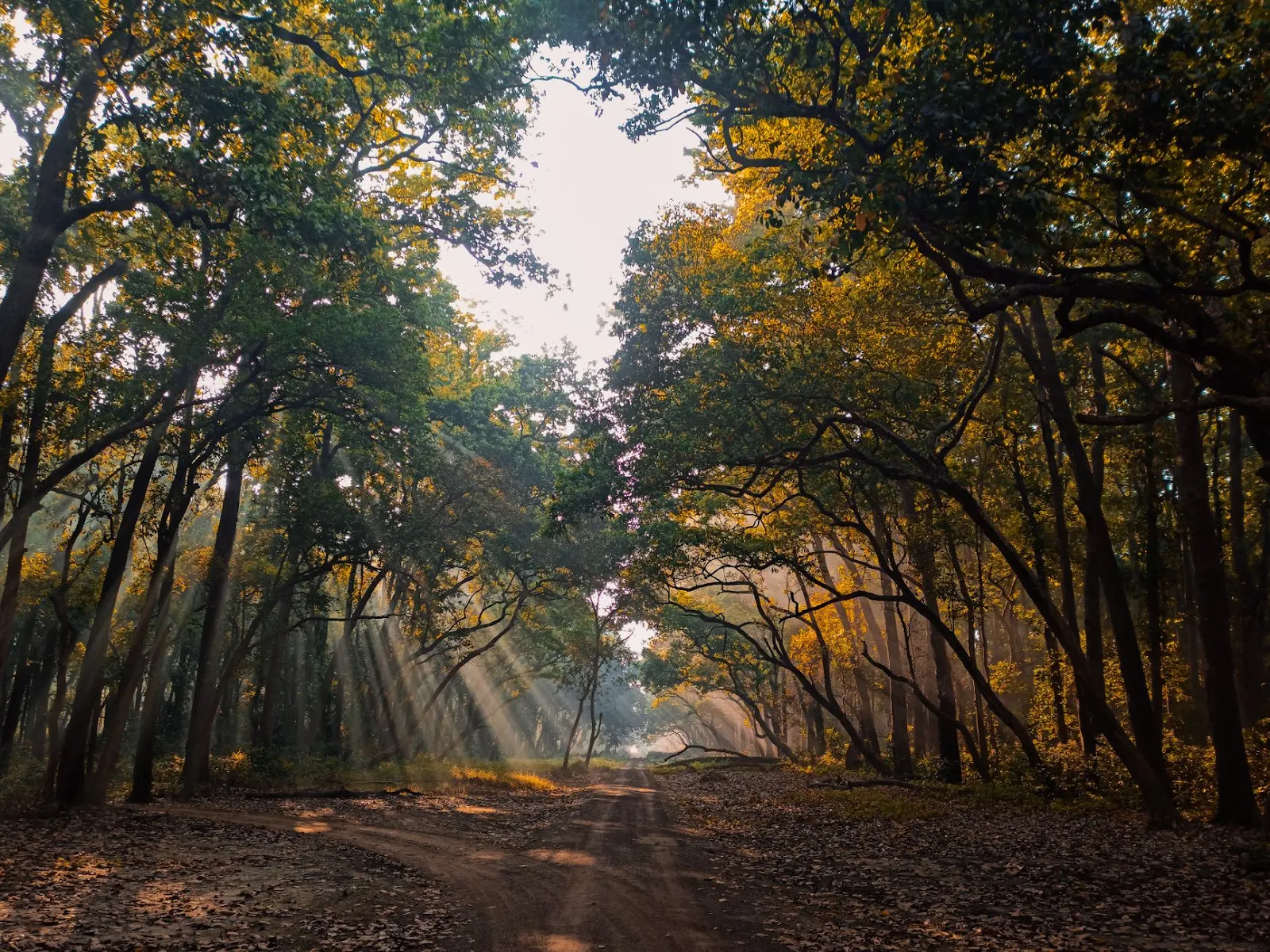
If you wish to escape the city's lively markets for quiet wilderness, Kushmi Forest (Kushmi Jungle) provides a refreshing sanctuary. Situated just 9 kilometers east of the city center near the Gorakhpur-Kushinagar highway, Kushmi is a dense natural woodland dominated by towering Sal (Shorea robusta) trees. Tucked within this verdant canopy lies Vinod Van, a designated recreational park, mini-zoo, and botanical retreat popular among families and nature lovers.
History & Ecological Significance
Historically, the vast forests of eastern Uttar Pradesh were part of the ancient Terai belt that once stretched unbroken to the foothills of the Himalayas. Kushmi Forest represents one of the surviving intact native sal woodlands in this region. During the colonial era, these sal reserves were harvested for wooden railway sleepers. Today, the forest is protected by the state forest department, preserving vital green cover, regulating local temperatures, and sheltering diverse species of birds, reptiles, and smaller mammals.
Key Attractions & Things to Do
Take relaxing walks along marked woodland pathways beneath high sal canopies, enjoying the earthy scents and quiet forest air. Explore Vinod Van’s mini-zoo, home to spotted deer, antelopes, monkeys, and an aviary housing native birds. Children can enjoy swings and open playgrounds, while photography enthusiasts can capture morning sunlight piercing through the dense canopy. Nearby stands the sacred Budhia Mai Temple, a legendary local shrine where pilgrims stop to offer gratitude and seek safe journeys.
Timings & Entry Fee
Timings: 9:00 AM to 5:30 PM (Tuesday to Sunday); closed on Mondays.
Entry Fee: ₹20 per person for Vinod Van; vehicle parking charges apply separately.
Best Time & Pro Tip
Visit between October and March during morning hours when the mist hangs low over the forest canopy, creating picturesque scenes. Pack water and light snacks, as vendor stalls inside the natural reserve are limited.
Best Time to Visit Gorakhpur
The optimal window to explore Gorakhpur is during the winter season, between October and March. During these months, the weather remains pleasant and cool, with daytime temperatures ranging comfortably from 14°C to 25°C, making city tours, boat rides, and nature excursions delightful.
- Winter (October to March): Ideal for all sightseeing. January brings festive energy with the iconic Makar Sankranti Khichdi Mela at Gorakhnath Temple, though mornings can occasionally experience dense fog.
- Summer (April to June): Hot and dry, with midday temperatures soaring between 38°C and 44°C. Outdoor exploration during daytime can be exhausting; if visiting, keep excursions limited to early mornings and late evenings.
- Monsoon (July to September): Moderate to heavy showers breathe lush green life into Ramgarh Taal and Kushmi Forest. While the atmosphere is humid, the rains offer romantic, breezy evenings by the lakefront.
How to Reach Gorakhpur
Gorakhpur boasts excellent connectivity across Indian states due to its pivotal geographic position connecting Uttar Pradesh, Bihar, and Nepal.
By Air
Gorakhpur Airport (Mahayogi Gorakhnath Airport - GOP) is located roughly 8 km east of the city center. It operates daily non-stop flights connecting major metro cities including New Delhi, Mumbai, Kolkata, Bengaluru, and Hyderabad via carriers like IndiGo and SpiceJet. Taxis and auto-rickshaws are readily available outside the terminal.
By Rail
Gorakhpur Junction (GKP) is a prominent railway station and headquarters of the North Eastern Railway zone. It connects directly with New Delhi, Lucknow, Mumbai, Varanasi, Kolkata, and Patna via premier express trains, including Vande Bharat Express, Gorakhdham Express, and Vaishali Express. The world-famous long platforms and well-managed passenger facilities make train journeys here smooth and convenient.
By Road
Gorakhpur is well-linked via national highways, including NH-27 (East-West Corridor) and NH-24. State-run UPSRTC buses and private luxury air-conditioned coaches connect Gorakhpur smoothly with Lucknow (5 hours), Varanasi (4.5 hours), Ayodhya (2.5 hours), and the Sonauli Nepal border (2.5 hours).
Local Food & Culinary Highlights
The culinary landscape of Gorakhpur brings together rich Awadhi delicacies and traditional Bhojpuri flavors, delivering a satisfying experience for foodies. The local cuisine balances fragrant spices, slow-cooked lentils, and mouth-watering street savories.
- Gorakhpuri Galawati & Seekh Kebabs: Meat lovers should head toward Urdu Bazaar and Golghar to savor melt-in-the-mouth Awadhi seekh and boti kebabs served with flaky rumali rotis.
- Litti Chokha: Grilled whole-wheat dough balls stuffed with spiced roasted gram flour (sattu), dipped in desi ghee and served with smoky roasted brinjal and tomato mash. Ubiquitous across town, especially near Golghar and railway station stalls.
- Ramgarh Taal Street Snacks: Along Nauka Vihar promenade, sample crispy papdi chaat, boiled sweetcorn cups, spicy dahi batashe, and fresh sweet kulhad chai.
- Khichdi Prasad: Offered during Makar Sankranti at the Gorakhnath Temple, this fragrant combination of rice, lentils, ghee, and warming whole spices carries sacred simplicity.
- Local Sweets: Satisfy your sweet tooth with syrupy jalebis fried in pure desi ghee, rich milk pedas, and regional seasonal specialty ramdana laddu.
10 Essential Travel Tips for Gorakhpur
- Dress Modestly at Religious Sites: When visiting Gorakhnath Temple and Gita Press, choose clothing that covers your shoulders and knees. Remove your footwear at designated counters.
- Bargain with Auto-Rickshaws: While battery e-rickshaws have standardized short-hop fares (₹10-₹20), agree upon fares beforehand when hiring reserved auto-rickshaws.
- Book Lake Cruises in Advance: On weekends, sunset motorboat rides and cruise tickets at Ramgarh Taal sell out quickly; book your spot by 4:30 PM.
- Keep Cash on Hand: Digital UPI payments are accepted across most shops, but having physical cash helps when buying street food, auto fares, and offering prasad.
- Combine with Kushinagar: If your schedule permits, make a day-trip to Kushinagar (52 km away), the revered international pilgrimage center where Lord Buddha attained Mahaparinirvana.
- Respect Temple Photography Rules: Photography is prohibited inside the inner sanctum of Gorakhnath Temple; store your mobile phones or keep them tucked away in bags.
- Stay Centrally: Choose hotels in Golghar, Civil Lines, or near Ramgarh Taal for convenient access to dining, shopping, and major attractions.
- Stay Hydrated in Summer: If visiting between April and June, drink packaged water, stay indoors between noon and 3:30 PM, and carry sun protection.
- Try Walking Through Lal Diggi & Urdu Bazaar: These old-city quarters offer rich historic architecture, brass utensil shops, and traditional perfume (ittar) stores.
- Check Rail Museum Timings: The museum remains closed on Mondays, so plan your weekend itinerary accordingly.
Suggested 2-Day Gorakhpur Itinerary
Day 1: Spiritual Awakening & Waterfront Sunset
- Morning (7:30 AM – 10:30 AM): Begin your exploration at Shri Gorakhnath Temple. Attend the morning rituals, sit peacefully by the Mansarovar pond, and visit the Akhand Dhuni.
- Midday (11:30 AM – 2:00 PM): Visit the historic Gita Press. Browse the timeless paintings in the Lila Chitra Mandir and shop for authentic translated scriptures. Enjoy a traditional North Indian thali lunch in Golghar.
- Afternoon (3:30 PM – 5:00 PM): Stop by the Gorakhpur Railway Museum to view vintage steam locomotives and historic rolling stock.
- Evening (5:30 PM – 8:30 PM): Head to Ramgarh Taal & Nauka Vihar. Take a sunset boat cruise, watch the synchronized musical fountain show, and sample local street food along the promenade.
Day 2: Nature Excursion & Old City Culture
- Morning (8:30 AM – 11:30 AM): Drive to Kushmi Forest & Vinod Van. Enjoy a peaceful forest walk under the sal canopy, spot deer at the mini-zoo, and visit Budhia Mai Temple.
- Afternoon (12:30 PM – 3:30 PM): Return to the city for lunch. Savor traditional Litti Chokha or Awadhi kebabs near Golghar market. Spend time shopping for Chanderi and Gorakhpuri handlooms at local emporiums.
- Late Afternoon (4:00 PM – 6:00 PM): Visit the Veer Bahadur Singh Planetarium near Ramgarh Taal to catch an engaging sky show on planetary science.
- Night (7:30 PM Onwards): Finish your journey with a lakeside dinner at one of the upscale rooftop restaurants overlooking the illuminated waters of Ramgarh Taal.
Frequently Asked Questions
1. What is Gorakhpur most famous for?

Gorakhpur is world-famous as the headquarters of Gita Press, the home of the revered Shri Gorakhnath Temple, and the operational hub of North Eastern Railway featuring one of the world's longest railway platforms.
2. Is Gorakhpur safe for solo travelers and families?

Yes, Gorakhpur is welcoming and safe for both solo travelers and families. The tourist zones around Ramgarh Taal, Golghar, and temple complexes are well-lit, regularly patrolled by police, and supported by friendly locals.
3. How far is Nepal from Gorakhpur?

The Nepal border at Sonauli is approximately 95 kilometers north of Gorakhpur. You can reach the border in about 2.5 to 3 hours by taxi or regular state transport buses, making Gorakhpur a preferred gateway to Nepal.
4. How many days are sufficient to visit Gorakhpur?

A 2-day trip is ideal to cover all top tourist attractions within Gorakhpur comfortably. If you wish to make day excursions to Kushinagar or Maghar (Sant Kabir’s resting place), consider adding an extra day.
5. What is the Khichdi Mela of Gorakhpur?

Khichdi Mela is an ancient annual fair held at the Gorakhnath Temple starting on Makar Sankranti (mid-January) that lasts for approximately one month. Millions of devotees from across India and Nepal arrive to offer holy khichdi to Guru Gorakhnath.
6. Can we do boating in Ramgarh Taal?

Yes, Nauka Vihar at Ramgarh Taal offers diverse boating experiences, including speed boats, paddle boats, motor launches, and double-decker cruise boats operating daily from 10:00 AM to 8:30 PM.
7. What souvenirs should I buy from Gorakhpur?

Unique souvenirs include authentic spiritual literature from Gita Press, terracotta pottery products handcrafted by local artisans from Bhathat, and traditional handloom fabrics.
8. Which airport is closest to Gorakhpur?

Gorakhpur has its own operational domestic airport—Mahayogi Gorakhnath Airport (GOP)—located roughly 8 km from the center of the city, with daily scheduled flights to major metros.
Conclusion
Gorakhpur effortlessly bridges centuries of sacred tradition with contemporary recreation, presenting a journey filled with memorable discoveries. From the peaceful prayers at Shri Gorakhnath Temple and the literary legacy of Gita Press to the breezy waterfront sunsets at Ramgarh Taal and peaceful walks under the sal trees of Kushmi Forest, the city welcomes every traveler with open arms. Its strategic location makes it both an enlightening standalone destination and an essential stopover on the heritage trails of Uttar Pradesh, Bihar, and Nepal. Plan your trip during the cool winter months, savor the comforting tastes of hot litti chokha and fresh jalebis, and allow this cultural gem of eastern Uttar Pradesh to surprise and inspire you.



0 Comments