
Top 5 Places to Visit in Shahjahanpur, Uttar Pradesh: A Heritage and Spiritual Travel Guide
Nestled in the fertile plains of Rohilkhand in northern Uttar Pradesh, Shahjahanpur is a city steeped in valor, revolutionary fervor, and deep-seated spiritual traditions. Founded in 1647 during the reign of Mughal Emperor Shah Jahan by Nawab Diler Khan and Nawab Bahadur Khan, sons of Dariya Khan Rohilla, this historic district carries centuries of layered cultural narratives. Beyond its historical roots, Shahjahanpur holds an extraordinary position in India's freedom struggle. Revered across the nation as the "Shaheedon Ki Nagari" (The City of Martyrs), it is the proud birthplace of immortal revolutionaries Pandit Ram Prasad Bismil, Ashfaqullah Khan, and Thakur Roshan Singh—the iconic trio whose unmatched sacrifices in the Kakori Action ignited the spirit of independence across the subcontinent.
For modern travelers wandering off the conventional tourist trail, Shahjahanpur unfolds as an authentic and unhurried destination. The tranquil waters of the Garra and Khannaut rivers gracefully flank the district, carving out fertile landscapes, scenic riverfronts, and lush agrarian pastures. Here, serene riverside sanctuaries stand alongside majestic Mughal-era monuments, and well-tended memorial parks echo with stirring tales of underground revolutionary councils. Whether you are a history buff retracing the footprints of India’s freedom fighters, a spiritual seeker yearning for the divine presence of riverbank shrines, or a curious traveler eager to uncover lesser-known gems in Uttar Pradesh, this hospitable city welcomes you with open arms.
In this comprehensive travel guide, we explore the top tourist places in Shahjahanpur, detailing the must-see attractions, architectural marvels, vibrant local food stops, and handy insider advice. Join us as we journey through the heart of Rohilkhand and uncover the five best places to visit in Shahjahanpur for an unforgettable, soul-stirring getaway.
Table of Contents
- 1. Hanumat Dham: The Colossal Riverfront Shrine
- 2. Shaheed Smarak: Honoring India's Revolutionary Heroes
- 3. Baba Vishwanath Mandir: Sacred Abode of Lord Shiva
- 4. Jama Masjid: Timeless Mughal Heritage
- 5. Shaheed Udyan and Bismil Memorial: An Oasis of Green and Valor
- Best Time to Visit Shahjahanpur
- How to Reach Shahjahanpur
- Local Food and Culinary Delights
- 10 Essential Travel Tips for Shahjahanpur
- Suggested 2-Day Shahjahanpur Itinerary
- Frequently Asked Questions (FAQs)
- Conclusion
1. Hanumat Dham: The Colossal Riverfront Shrine

Overview
Towering majestically on a scenic island surrounded by the tranquil Khannaut River, Hanumat Dham has rapidly emerged as the most recognizable spiritual landmark of Shahjahanpur. The centerpiece of this expansive religious complex is an awe-inspiring, 104-foot-tall statue of Lord Hanuman that towers above the riverbanks and can be spotted from miles away. Surrounded on all sides by water and accessible via a well-constructed bridge, the temple complex offers a sublime sanctuary where gentle river breezes blend with the rhythmic resonance of temple bells and chanting devotees.
History and Cultural Background
Conceptualized and developed in the early 2000s, Hanumat Dham was designed to create an iconic spiritual epicenter for devotees across Uttar Pradesh and neighboring states. The shrine reflects the regional veneration of Lord Hanuman as the ultimate embodiment of loyalty, strength, and unwavering devotion. Dedicated formally in 2013, the sanctum features several individual shrines around the grand statue, honoring Lord Shiva, Goddess Durga, and other deities. Over the years, the complex has transformed into an active center for cultural festivals, evening aartis, and community prayer meetings, especially during Hanuman Jayanti and the auspicious month of Shravan.
Highlights and Architecture
The monumental 104-foot Hanuman idol is a true triumph of modern devotional sculpture, depicted in an upright, blessing posture holding his divine mace (Gada). The plinth of the statue houses a spacious prayer hall and sanctum adorned with detailed frescoes narrating episodes from the Ramayana. Surrounding the main sculpture are neatly terraced riverfront ghats, manicured floral pathways, and viewing balconies that gaze over the shimmering waters of the Khannaut. At dusk, dramatic multicolored spotlights illuminate the gigantic idol, casting magnificent reflections across the calm river surface.
Photography Tips
Arrive in the late afternoon to catch the warm golden-hour light illuminating Lord Hanuman's visage against a vivid evening sky. For wide-angle panoramic compositions, set up your camera on the approach bridge or the opposite riverbank to frame both the massive statue and its reflection on the water. Night photography enthusiasts will find long-exposure captures of the illuminated deity and the gently rippling river deeply rewarding.
Visitor Information
| Location | Visrat Ghat, Khannaut Riverbank, Shahjahanpur |
|---|---|
| Timings | 05:00 AM – 12:00 PM and 04:00 PM – 09:00 PM (Daily) |
| Entry Fee | Free (Donations are voluntary) |
| Ideal Duration | 1.5 to 2 hours |
2. Shaheed Smarak: Honoring India's Revolutionary Heroes
Overview
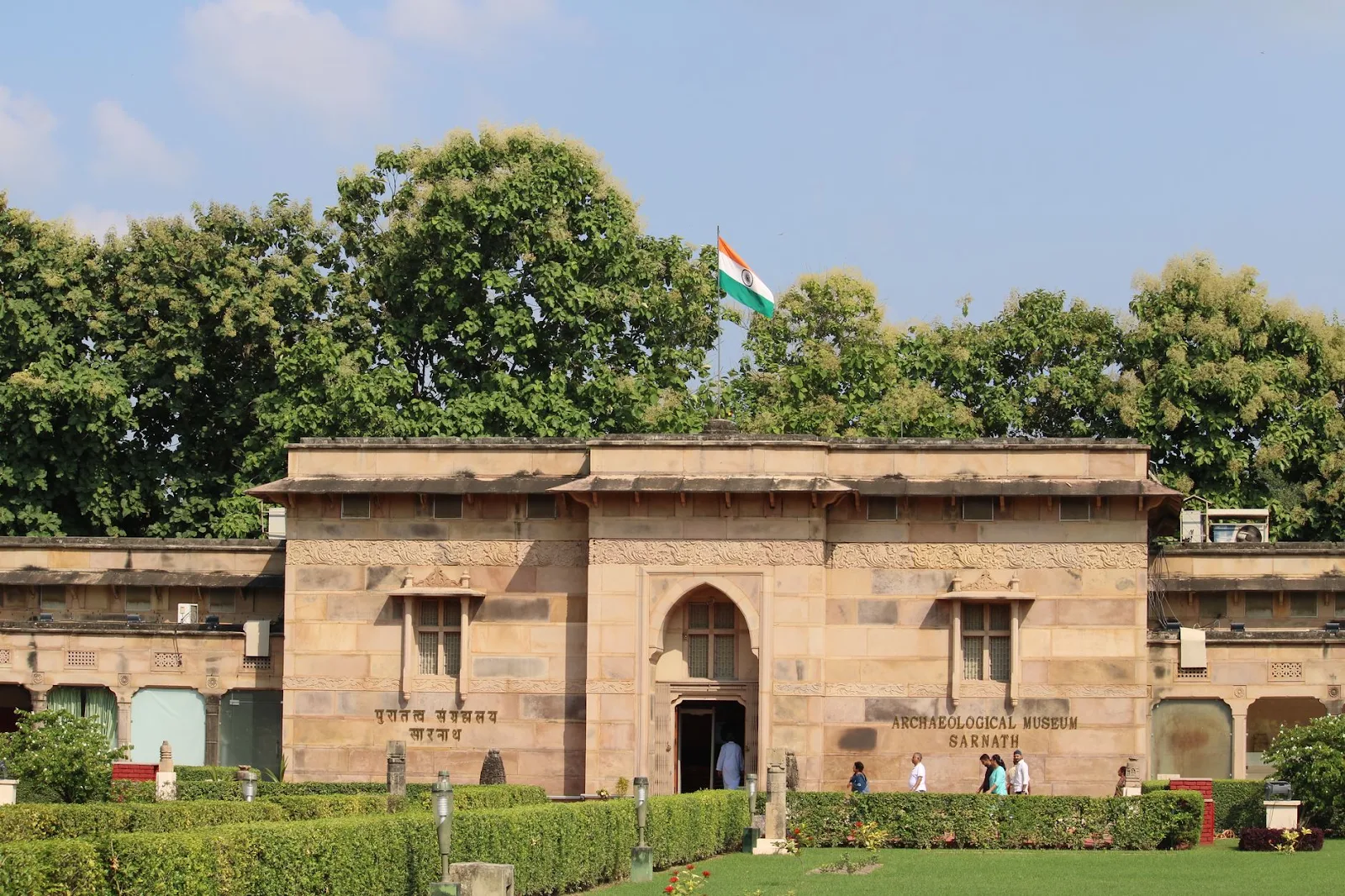
No trip to Shahjahanpur is complete without paying homage at the Shaheed Smarak (Martyrs' Memorial), a deeply moving monument dedicated to the legendary freedom fighters who laid down their lives for Indian independence. Built as a tribute to Pandit Ram Prasad Bismil, Ashfaqullah Khan, and Thakur Roshan Singh, this solemn memorial stands as a timeless reminder of supreme sacrifice and unbreakable interfaith brotherhood. It serves as both an educational center and a revered pilgrimage site for patriots, historians, and travelers keen to understand the grassroots movement of the Kakori Revolution.
History and Background
Shahjahanpur earned an indelible place in modern Indian history through the exploits of the Hindustan Socialist Republican Association (HSRA). In August 1925, revolutionary stalwarts belonging to the city orchestrated the daring Kakori train action near Lucknow to fund their armed resistance against colonial rule. The British government subsequently launched the Kakori Conspiracy trial, which concluded with the tragic hanging of Ram Prasad Bismil, Ashfaqullah Khan, and Thakur Roshan Singh in December 1927. The Shaheed Smarak was established on regional civic initiative to preserve their letters, family relics, court proceedings, and literary contributions for future generations.
Highlights and Architecture
The memorial complex features bronze busts and statues of the three martyrs standing side by side beneath an ornate commemorative pavilion. Inside the adjoining museum gallery, visitors can peruse rare photographic records, excerpts from Ram Prasad Bismil’s passionate patriotic poetry (including famous verses of "Sarfaroshi Ki Tamanna"), handwritten correspondences, and colonial-era news clippings. The landscaped premises feature quiet lawns flanked by ashoka trees, commemorative plaques, and an eternal flame that honors unknown freedom fighters from the Rohilkhand region.
Photography Tips
Focus on capturing the dignified expressions on the bronze statues framed against the lush green backdrop. Documentary-style framing works best inside the gallery when photographing historical panels and archival exhibits. Please be respectful of memorial guidelines and avoid intrusive flash photography near contemplative zones.
Visitor Information
| Location | Near Collectorate Road, Civil Lines, Shahjahanpur |
|---|---|
| Timings | 09:00 AM – 05:30 PM (Closed on Mondays and National Holidays) |
| Entry Fee | Free |
| Ideal Duration | 1 to 1.5 hours |
3. Baba Vishwanath Mandir: Sacred Abode of Lord Shiva

Overview
Situated in the heart of the city, Baba Vishwanath Mandir is one of the oldest, most revered Hindu shrines in the district. Named after the supreme presiding deity of Varanasi, this ancient Shiva temple is an oasis of calm amidst the bustling urban fabric of Shahjahanpur. Locals and pilgrims from surrounding rural areas gather here daily to offer holy water, milk, and bilva leaves to the swayambhu (self-manifested) Shiva Lingam, seeking solace, health, and spiritual well-being.
History and Cultural Background
The temple dates back several centuries, with roots reaching deep into the medieval era before the formal administrative establishment of modern Shahjahanpur. Local folklore recounts that the consecrated Shiva Lingam was discovered beneath an ancient banyan grove by local ascetics who recognized its deep spiritual potency. Over successive generations, local patrons, merchants, and landholders renovated the shrine, adding stone courtyards, decorative spires, and circumambulatory corridors. The temple serves as the principal gathering point during Maha Shivratri, Kanwar Yatra, and the monsoon Mondays of Shravan, when thousands of pilgrims assemble in joyful devotion.
Highlights and Architecture
Baba Vishwanath Mandir exemplifies traditional North Indian Nagara temple architecture with a towering stone shikhara adorned with intricate carved motifs and capped by a golden kalash. The inner sanctum sanctorum (garbhagriha) houses the ancient stone Shiva Lingam set within an ornate brass yoni base. Surrounding the central shrine are smaller subsidiary temples dedicated to Lord Ganesha, Goddess Parvati, Lord Kartikeya, and Nandi the sacred bull. The temple courtyard retains a peaceful spiritual ambiance where fragrance from burning incense and the soothing cadence of Vedic hymns fill the air.
Photography Tips
Capture the ornate exterior stone carvings and the towering shikhara against the morning sun. The courtyard looks particularly atmospheric during morning aarti when brass lamps light up the stone pillars. Please remember that taking photographs inside the inner sanctum sanctorum is strictly restricted to preserve the sanctity of the sanctum.
Visitor Information
| Location | Town Hall Area, Shahjahanpur Old City |
|---|---|
| Timings | 05:00 AM – 11:30 AM and 04:30 PM – 09:30 PM (Daily) |
| Entry Fee | Free |
| Ideal Duration | 45 minutes to 1 hour |
4. Jama Masjid: Timeless Mughal Heritage

Overview
Reflecting the deep Mughal heritage of the district, the grand Jama Masjid of Shahjahanpur is a splendid example of 17th-century Islamic architecture. Built under the patronage of the city's founders during the zenith of the Mughal Empire, this magnificent mosque remains the primary congregational center for the city's Muslim community. With its bulbous domes, slender minarets, and expansive stone courtyards, Jama Masjid offers a fascinating glimpse into the artistic, architectural, and communal legacy that helped define early modern Rohilkhand.
History and Architectural Significance
The construction of Jama Masjid is historically credited to Nawab Diler Khan, an esteemed Afghan military commander and nobleman in Emperor Shah Jahan's court who founded the settlement in 1647. Constructed out of red sandstone and lime plaster, the mosque was planned to anchor the fledgling city’s religious and civic life. Despite facing the ravages of weather, regional conflicts, and the 1857 Uprising, the mosque has been painstakingly preserved by local trust administrators, retaining much of its original proportions, structural symmetry, and majestic poise.
Highlights and Architecture
The mosque stands on an elevated stone plinth, entered via a grand staircase leading to a high-arched gateway. Its primary prayer hall features three magnificent white-plastered bulbous domes flanked by two towering multi-tiered minarets that offer breathtaking vistas across the old quarter. The prayer chamber showcases multi-foil arched portals, delicate floral plasterwork, and a finely carved marble mihrab indicating the direction of Mecca. An expansive central courtyard (sahn) containing a large ablution tank (wudu khana) can easily accommodate several thousand worshippers simultaneously during Friday prayers and Eid congregations.
Photography Tips
The eastern facade of the mosque looks stunning during the early morning hours when the first rays of sunlight illuminate the white domes and sandstone arches. Step back to the outer edges of the courtyard to capture symmetric compositions framing the central dome between the two tall minarets. Non-Muslim visitors should always seek permission before photographing worshippers and dress modestly.
Visitor Information
| Location | Kotwali Market Area, Old Shahjahanpur |
|---|---|
| Timings | 06:00 AM – 08:00 PM (Visitors are advised to avoid prayer hours) |
| Entry Fee | Free |
| Ideal Duration | 45 minutes to 1 hour |
5. Shaheed Udyan and Bismil Memorial: An Oasis of Green and Valor

Overview
Shaheed Udyan (Martyrs' Garden) is Shahjahanpur’s largest public park and cultural recreational zone. Located centrally in the Civil Lines area, this sprawling botanical garden seamlessly weaves together lush green lawns, recreational avenues, and historic memorial shrines dedicated to the district’s celebrated freedom fighters. It is a favored evening retreat for local families, morning joggers, and out-of-town visitors seeking relaxing open spaces, fresh air, and deep encounters with regional history.
History and Significance
Originally laid out during the British colonial period as Company Garden, the park was rechristened Shaheed Udyan following India's independence to honor Ram Prasad Bismil and his brave compatriots. Over time, the municipal council developed dedicated commemorative memorials inside the park, including the Bismil Smriti Mandir, a dedicated memorial pavilion constructed close to the ancestral neighborhood where the poet-revolutionary penned many of his evocative verses. Today, the garden stands as a living celebration of freedom, communal harmony, and civic pride.
Highlights and Architecture
Shaheed Udyan spans across multiple acres, featuring wide brick-paved jogging pathways, flowering rose gardens, vintage canopied gazebos, and towering canopy trees that offer cool shade even on sunny afternoons. Key highlights within the grounds include the full-length statue of Pandit Ram Prasad Bismil, children’s play zones, and an open-air amphitheater that hosts regional literary festivals and musical events on Independence Day and Republic Day. At the heart of the park, an illuminated musical fountain entertains evening visitors with popular patriotic and folk melodies.
Photography Tips
Take advantage of the filtered sunlight pouring through the leaves of ancient mahogany and neem trees in the early morning for peaceful nature portraits. The statue of Bismil adorned with marigold garlands provides an inspiring subject for close-up shots celebrating regional heritage. Evening visits allow for dynamic snapshots of local life, family strolls, and vibrant children's playgrounds.
Visitor Information
| Location | Civil Lines, Shahjahanpur |
|---|---|
| Timings | 05:00 AM – 08:30 PM (Daily) |
| Entry Fee | ₹10 per adult; Free for children under 5 |
| Ideal Duration | 1 to 2 hours |
Best Time to Visit Shahjahanpur
The ideal period to plan your trip to Shahjahanpur is during the cooler winter months, from October to March. During this season, the weather in Rohilkhand is delightfully pleasant, crisp, and comfortable, with daytime temperatures hovering between 15°C and 25°C, making heritage sightseeing, temple visits, and walking tours thoroughly enjoyable.
Here is what you can expect during each season:
- Winter (October to March): Clear blue skies, cool morning breezes, and mild sunshine characterize these months. December and January can witness chilly nights with temperatures dipping to 6°C–8°C, along with morning fog. Carry light woolens or jackets.
- Summer (April to June): Summers can be intensely hot and arid, with mercury levels frequently soaring past 40°C to 44°C. Hot winds known as the 'Loo' blow during May and June, making afternoon sightseeing uncomfortable unless confined to indoor or shaded spots.
- Monsoon (July to September): The monsoon brings heavy showers and replenishes the Garra and Khannaut rivers. While the surrounding countryside turns vibrant emerald green, periodic waterlogging in old city quarters and high humidity might disrupt outdoor sightseeing schedules.
How to Reach Shahjahanpur
Shahjahanpur enjoys excellent road and rail connectivity with major metropolitan hubs across Uttar Pradesh and North India, serving as an important junction on key transport corridors.
By Air
Shahjahanpur does not have its own commercial airport. The nearest commercial airports are:
- Bareilly Airport (BEP): Located approximately 75 kilometers to the north. It connects to major cities like New Delhi, Mumbai, and Bengaluru via regular domestic flights. Taxis from Bareilly to Shahjahanpur take about 1.5 to 2 hours via NH 30.
- Chaudhary Charan Singh International Airport, Lucknow (LKO): Located around 175 kilometers southeast. It offers extensive international and domestic connectivity. Regular express trains and private cabs run seamlessly from Lucknow to Shahjahanpur (around 3.5 hours by road).
By Train
Shahjahanpur Junction (SPN) is a prominent railway station situated on the crucial Lucknow–Moradabad main line. It is serviced by dozens of daily long-distance express and superfast trains connecting directly to New Delhi, Lucknow, Kolkata, Varanasi, Amritsar, Dehradun, and Jammu. Convenient trains from Delhi include the Lucknow Mail, Kashi Vishwanath Express, and Padmavat Express, making train travel the most comfortable and budget-friendly choice.
By Road
The city is well linked via National Highway 30 (NH 30), which connects Sitapur and Lucknow to Bareilly, Rampur, and Uttarakhand. Uttar Pradesh State Road Transport Corporation (UPSRTC) operates frequent bus services connecting Shahjahanpur with Delhi (Anand Vihar ISBT), Lucknow (Alambagh & Kaisarbagh), Bareilly, Hardoi, and Kanpur. Private sleeper coaches and self-drive cabs can easily navigate the smooth four-lane highway network.
Local Food and Culinary Delights
The gastronomic landscape of Shahjahanpur is a mouthwatering synthesis of hearty Awadhi traditions and rustic Rohilkhandi home cooking. Food lovers wandering through the vibrant bazaars will discover an appetizing range of both vegetarian street snacks and rich non-vegetarian delicacies.
- Shahjahanpur Ke Pede: Similar to Mathura's iconic sweet, the local peda is prepared from slow-cooked mawa (condensed milk), cardamom, and desi ghee. It boasts a rich caramelized flavor that makes for a perfect gift to bring back home.
- Seekh Kebabs and Mutton Korma: Influenced by its Mughal and Rohilla past, the Old City area near Jama Masjid and Bahadurganj dishes out tender, charcoal-smoked seekh kebabs, fragrant biryani, and velvety mutton korma paired with soft roomali rotis.
- Bedmi Puri and Aloo Sabzi: A staple breakfast across town, hot, crispy urad-dal-stuffed puris served with spicy, tangy potato curry, sweet pumpkin mash, and green chili pickles are best enjoyed at roadside halwai stalls around Town Hall.
- Kachori and Jalebi: Morning strolls are best punctuated with piping-hot, khasta kachoris served with sour tamarind chutney, followed by crispy, saffron-soaked jalebis fried fresh in desi ghee.
- Chaat and Tikki: Head toward Sadar Bazaar in the evening to savor crisp potato tikkis shallow-fried on large iron tawas, drowned in whipped curd, sonth (ginger-jaggery chutney), and fresh coriander sauce.
10 Essential Travel Tips for Shahjahanpur
- Dress Modestly: When visiting active places of worship such as Baba Vishwanath Mandir and Jama Masjid, wear attire that covers your shoulders and knees. Keep a scarf handy to cover your head when entering mosques or gurudwaras.
- Remove Footwear at Shrines: Always take off your shoes before entering temple premises and mosques. Designated shoe-keeping counters are available at Hanumat Dham and Jama Masjid.
- Hire Local E-Rickshaws: Shahjahanpur’s central bazaars and older neighborhoods feature narrow, bustling alleys where cars struggle to maneuver. Battery-operated e-rickshaws and cycle-rickshaws are cheap, eco-friendly, and ideal for hopping between attractions.
- Carry Cash: While UPI and digital payments are widely accepted in hotels and modern restaurants, small street food vendors, local transport operators, and temple souvenir shops frequently prefer cash.
- Stay Hydrated in Transition Months: If visiting in October, March, or April, daytime temperatures can climb quickly. Always carry a reusable water bottle to stay hydrated during outdoor walking tours.
- Respect Photography Etiquette: Always ask permission before photographing individuals, particularly sadhus, worshippers, or women in traditional attire. Respect no-photography signs inside inner temple sanctuaries.
- Bargain in Local Bazaars: When shopping for handloom fabrics, regional crafts, or brassware in Sadar Bazaar or Bahadurganj, gentle and polite bargaining is customary.
- Book Trains in Advance: Trains on the Lucknow–Bareilly–Delhi route witness heavy passenger traffic throughout the year. Secure confirmed rail tickets at least a few weeks prior to your intended journey date.
- Plan Around Aarti Timings: The evening aarti at Hanumat Dham along the riverbank is a peaceful and scenic experience. Reach the temple by 5:30 PM to secure a comfortable vantage point along the ghat.
- Combine with Nearby Destinations: Shahjahanpur can easily be paired with trips to the historic colonial town of Bareilly, the ancient ruins of Ahichchhatra (Ramnagar), or Dudhwa National Park for a more extensive regional circuit.
Suggested 2-Day Shahjahanpur Itinerary
To help you make the absolute most of your visit, here is a carefully curated 48-hour sightseeing itinerary covering the primary landmarks at a comfortable, leisurely pace.
Day 1: Freedom Trail, Mughal Roots, and Urban Greenery
- 08:30 AM: Start your morning with a traditional breakfast of piping-hot bedmi puris and crispy jalebis at a local sweets shop in Civil Lines.
- 09:30 AM: Head to Shaheed Smarak. Spend an hour learning about the daring Kakori Action, reading historical documents, and paying tribute to Ram Prasad Bismil, Ashfaqullah Khan, and Roshan Singh.
- 11:30 AM: Travel to the historic heart of the town to explore the 17th-century Jama Masjid. Admire its bulbous Mughal domes, arches, and the peaceful courtyard.
- 01:00 PM: Relish a hearty lunch. Try authentic Mughlai kebabs and biryani near Bahadurganj, or opt for a traditional vegetarian thali in Sadar Bazaar.
- 03:30 PM: Stroll through the lush avenues of Shaheed Udyan. Visit the Bismil Memorial pavilion, relax under shaded gazebos, and observe local life.
- 06:00 PM: Browse the bustling stalls of Sadar Bazaar for local snacks, fresh khoya sweets, and handmade souvenirs.
- 08:00 PM: Enjoy a relaxed dinner at your hotel and rest for the night.
Day 2: Riverfront Devotion, Ancient Sanctums, and Scenic Ghats
- 07:30 AM: Begin your day with a morning visit to Baba Vishwanath Mandir in the old town. Experience the soothing morning rituals and sacred chants.
- 09:00 AM: Enjoy a light breakfast of kachoris and chai before visiting nearby colonial-era buildings and old city neighborhoods.
- 11:00 AM: Visit local cultural spots or make a brief detour to the tranquil banks of the Garra River on the outskirts for peaceful landscape views.
- 01:30 PM: Enjoy a leisurely lunch at a family restaurant along the Bareilly-Lucknow Highway stretch.
- 04:00 PM: Drive toward Visrat Ghat to visit the iconic Hanumat Dham on the Khannaut River. Marvel at the colossal 104-foot statue of Lord Hanuman.
- 05:30 PM: Walk along the riverfront ghats, take photos as the golden hour settles over the water, and witness the captivating evening aarti.
- 07:30 PM: Pack some world-famous Shahjahanpur pedas from a heritage sweet shop before your train or road journey back home.
Frequently Asked Questions (FAQs)
1. Why is Shahjahanpur called the 'City of Martyrs'?
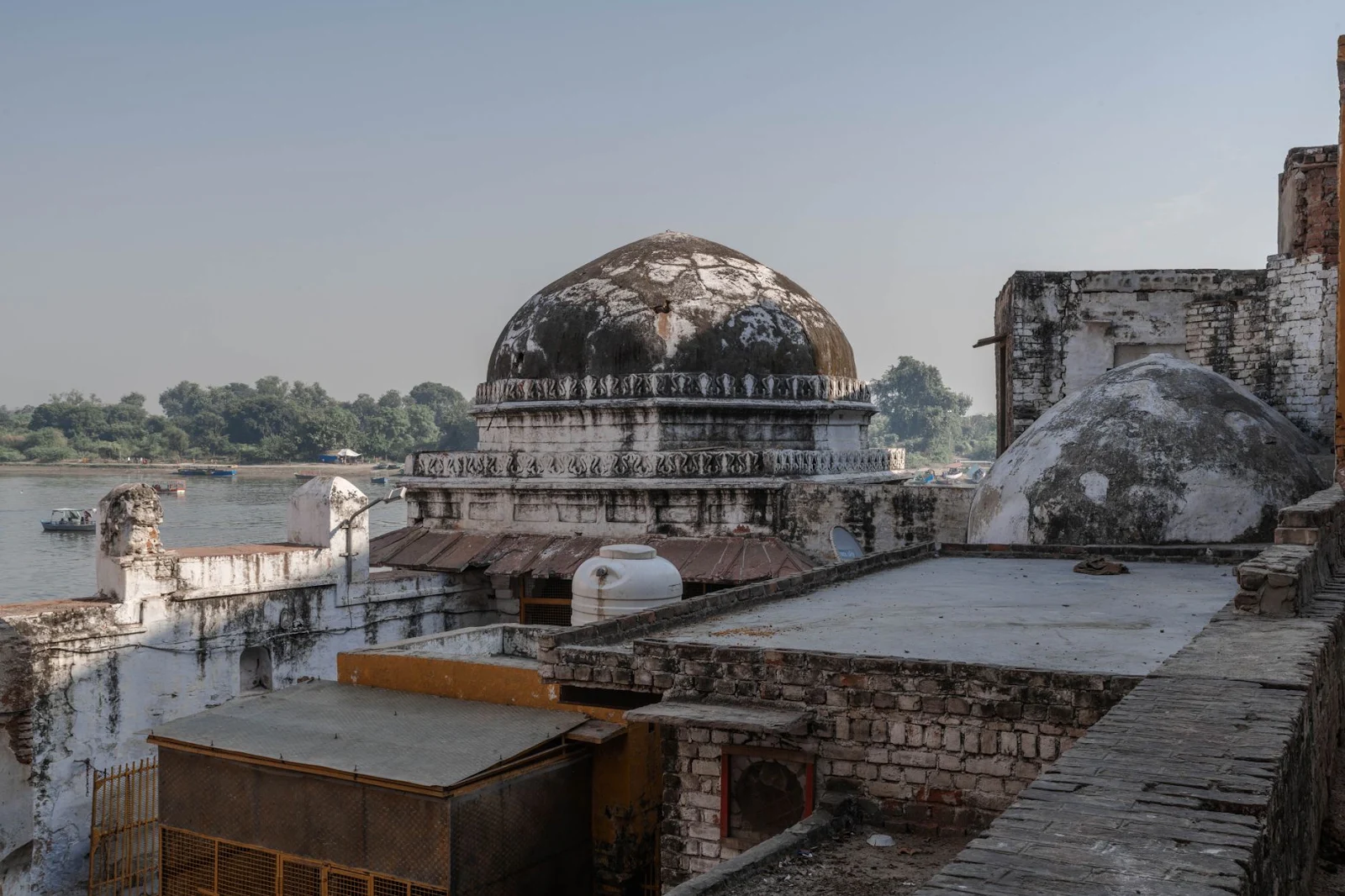
Shahjahanpur is known as "Shaheedon Ki Nagari" (The City of Martyrs) because it is the birthplace of three towering figures of India's independence movement: Pandit Ram Prasad Bismil, Ashfaqullah Khan, and Thakur Roshan Singh. All three revolutionaries were prominent leaders of the Hindustan Socialist Republican Association and were executed by the British for their roles in the historic 1925 Kakori Train Action.
2. What is the height of the Hanuman statue at Hanumat Dham?
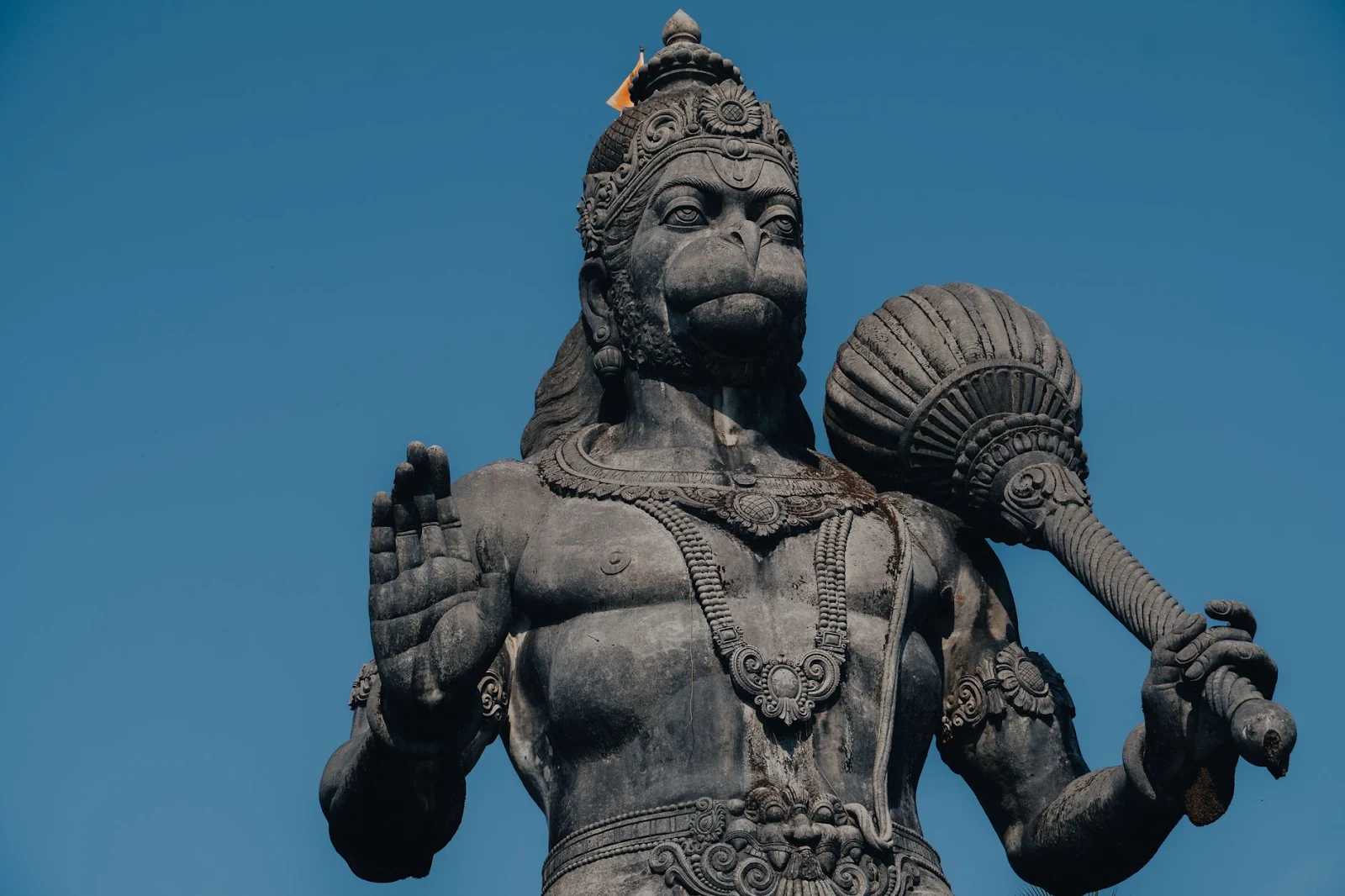
The monumental statue of Lord Hanuman at Hanumat Dham stands 104 feet tall, making it one of the tallest outdoor Hanuman idols in northern India. It is situated on an island in the Khannaut River and can be seen from miles away.
3. Is Shahjahanpur safe for solo travelers and families?

Yes, Shahjahanpur is a safe and hospitable destination for both families and solo travelers. The locals are warm and helpful. As with any Indian city, exercise standard travel precautions, avoid deserted alleys late at night, and keep your valuables secure in crowded market areas.
4. How many days are sufficient to explore Shahjahanpur?

A duration of 1 to 2 days is ideal to experience all the major attractions, including Hanumat Dham, the freedom memorials, Baba Vishwanath Mandir, Jama Masjid, and local food markets at a relaxed pace.
5. What is the famous sweet of Shahjahanpur?

Shahjahanpur is famous across Rohilkhand for its delectable mawa pedas. Prepared by slow-roasting condensed milk with desi ghee and fragrant cardamom, these pedas have a rich, crumbly texture and are sold by traditional halwai shops around Town Hall and Sadar Bazaar.
6. Which is the nearest airport to Shahjahanpur?

The nearest commercial domestic airport is Bareilly Airport (BEP), located about 75 km away with regular flights to Delhi, Mumbai, and Bengaluru. The nearest major international airport is Chaudhary Charan Singh International Airport (LKO) in Lucknow, situated approximately 175 km away.
7. Are there good accommodation options in Shahjahanpur?

Yes, Shahjahanpur offers comfortable mid-range hotels, business guest houses, and budget lodges, primarily clustered around the Railway Station, Civil Lines, and the Lucknow-Bareilly National Highway (NH 30). Pre-booking online or via phone is recommended during wedding seasons and festival periods.
8. How do I get around within the city?

The most practical and affordable way to get around Shahjahanpur is by battery-operated e-rickshaws and auto-rickshaws. They are easily available across the city and can nimbly navigate both wide highways and narrow inner-city bazaars.
Conclusion
Shahjahanpur represents the timeless spirit of India—a destination where solemn history, divine devotion, and genuine warmth intertwine. Standing beneath the towering silhouette of Hanumat Dham on the Khannaut riverbank, or paying quiet homage to the immortal martyrs at Shaheed Smarak, one cannot help but feel deeply connected to the sacrifices and spiritual currents that have shaped the Indian nation. Its absence from overcrowded commercial itineraries is precisely what preserves its refreshing charm, allowing visitors to experience genuine North Indian hospitality, evocative Mughal heritage, and unhurried riverside serenity.
Whether you are on an enriching heritage expedition across Uttar Pradesh, tracing the stirring trails of India’s freedom movement, or simply searching for a peaceful weekend destination off the beaten path, Shahjahanpur delivers an uplifting and authentic experience. Pack your bags, embark on an inspiring voyage to this City of Martyrs, and discover the hidden wonders waiting in the heart of Rohilkhand!



0 Comments