
Top 5 Places to Visit in Fatehpur, Uttar Pradesh: The Ultimate Heritage Travel Guide
Cradled gracefully between the sacred waters of the Ganga and the Yamuna, the fertile Doab region of Uttar Pradesh holds some of India’s most compelling, yet whisper-quiet, historical chapters. At the vibrant crossroads of this historic territory lies Fatehpur, a district deeply interwoven with Vedic mythology, high-stakes Mughal succession battles, and heroic stands during India’s First War of Independence in 1857. For curious travelers journeying across Northern India, discovering the best places to visit in Fatehpur offers a refreshingly unhurried encounter with centuries of art, architecture, and enduring folklore.
Often bypassed by travelers hurrying along the expressway between Kanpur and Prayagraj, Fatehpur quietly preserves monumental treasures that deserve prime spots on any authentic cultural itinerary. Here, sprawling banyan groves shade ancient riverside stone ghats where Vedic sages once meditated, while grand Mughal gateways stand as solitary witnesses to imperial confrontations that reshaped dynasties. Moreover, the tragic yet stirring sacrifice of 52 freedom fighters on an ancient tamarind branch still invokes deep reverence among residents and travelers alike.
Whether you are a passionate history scholar, a landscape photographer captivated by rustic riverfronts, or a heritage traveler seeking hidden corners of rural Uttar Pradesh, this district welcomes you with open arms and captivating tales. In this comprehensive travel guide, we explore the top tourist places in Fatehpur, uncovering remarkable architectural marvels, spiritual sanctuaries, local delicacies, and actionable travel advice to help you craft an unforgettable journey into this evocative heartland.
Table of Contents
- 1. Bawan Imli: The Immortal Memorial of 1857
- 2. Tambeshwar Mahadev Temple: Ancient Spiritual Core
- 3. Bhitaura Ghat & Bhrigu Ashram: Sacred Confluence of Peace
- 4. Historic Asothar: Legends of Ashwatthama and Khichi Chieftains
- 5. Bagh Badshahi and Khajuha Sarai: Splendors of Imperial Mughal Lore
- Best Time to Visit Fatehpur
- How to Reach Fatehpur
- Local Delicacies: What to Eat in Fatehpur
- 10 Essential Travel Tips for Fatehpur
- Suggested 2-Day Fatehpur Itinerary
- Frequently Asked Questions (FAQs)
- Conclusion
1. Bawan Imli: The Immortal Memorial of 1857

Overview and History
Located near the historic settlement of Khajuha, Bawan Imli is one of the most poignant symbols of India's freedom struggle. The name literally translates to "52 Tamarind Trees," but in reality, it references a colossal, ancient tamarind tree upon which fifty-two freedom fighters were summarily executed by colonial British forces on April 28, 1858. Led by local revolutionary Thakur Jodha Singh Bais, patriotic villagers had mounted fierce resistance against the British military during the 1857 uprising. In brutal retribution, General Christie's forces captured the freedom fighters and hanged all fifty-two men simultaneously from the sturdy limbs of this singular tamarind tree, declaring that no one was permitted to lower or cremate the remains.
Key Attractions and Highlights
Today, the site has been preserved as a pristine national martyr memorial. At the heart of the complex stands the preserved trunk of that revered tamarind tree, surrounded by manicured lawns, polished stone pathways, and marble inscriptions recounting the courageous sacrifices of Thakur Jodha Singh and his companions. Visitors can spend quiet moments reading the dedicated memorials, witnessing the flame of remembrance, and exploring the small interpretive plaques that explain the tactical military engagements fought across Fatehpur during 1857-58. The somber yet profoundly patriotic atmosphere makes this one of the most emotionally moving tourist spots in Fatehpur.
Best Time to Visit and Entry Details
The memorial complex is open daily from sunrise to sunset. There is no entry fee required, making it universally accessible. The ideal hours to visit are between 8:00 AM and 11:30 AM or during the late afternoon light from 3:30 PM to 5:30 PM, when temperatures are milder and you can pay your respects in peace. A dedicated commemorative fair takes place here every year in late April, bringing together thousands of locals and patriotic travelers.
Insider Tips
Combine your visit to Bawan Imli with the nearby historical town of Khajuha, located just three kilometers away. Photography is permitted throughout the grounds, but visitors are expected to maintain dignified decorum and refrain from loud conversations near the central monument. Hiring a local vehicle from Bindki or Fatehpur town is the most convenient way to reach this somewhat secluded rural landmark.
2. Tambeshwar Mahadev Temple: Ancient Spiritual Core

Overview and History
Resting quietly within Fatehpur city limits, the revered Tambeshwar Mahadev Temple stands as the spiritual bedrock of the local community. Dedicated to Lord Shiva, this historic shrine boasts roots extending deep into medieval Hindu history, with mythological traditions tracing its original consecration back several centuries. The temple's sanctum houses a Swayambhu (self-manifested) copper-tinted Shivalinga, from which the temple derives its name, 'Tambeshwar'—alluding to the sacred copper (tamba) hue associated with regional Shaivite lore.
Key Attractions and Highlights
The temple showcases classic North Indian temple architecture characterized by an elevated spire (shikhara) adorned with intricate carvings and devotional motifs. Beyond the principal sanctum sanctorum, the temple compound hosts numerous secondary shrines dedicated to Goddess Parvati, Lord Ganesha, Kartikeya, and Lord Hanuman. The courtyard features a sacred water tank where pilgrims perform ablutions before joining the worship lines. During the auspicious Hindu month of Shravan (July-August) and the grand festival of Maha Shivratri, the temple transforms into a sea of saffron-clad devotees offering sacred Ganga water, bael leaves, and fresh milk to the deity amid resounding temple bells and Vedic chants.
Best Time to Visit and Entry Details
The temple is open every day from 5:00 AM to 12:00 PM, and reopens from 4:00 PM to 9:00 PM. Entry is completely free for all devotees. If you wish to witness the grand evening Aarti, arrive around 6:30 PM. For those seeking quiet contemplation, early morning visits shortly after dawn offer the most tranquil and spiritually invigorating experience.
Insider Tips
Leave your footwear at the designated shoe stalls outside the main entrance. Flower garlands, fresh milk, and incense can be purchased from humble vendor stalls lining the approach road. On Mondays, crowds swell significantly, so if you prefer a peaceful darshan without long queues, plan your visit for a Tuesday, Wednesday, or Thursday morning.
3. Bhitaura Ghat & Bhrigu Ashram: Sacred Confluence of Peace

Overview and History
Situated roughly 16 kilometers north of Fatehpur town along the meandering course of the holy River Ganga lies Bhitaura (also spelled Bithora). Revered as one of the most sacred pilgrimage centers in the Central Doab, Bhitaura is traditionally identified as the hermitage site (tapasya sthal) of the legendary Maharishi Bhrigu, one of the revered Saptarshis (Seven Sages) of ancient Vedic scripture. The town's historical and mythological importance is reflected in its ancient name, 'Bhrigu-kshetra', where spiritual aspirants and ascetics have gathered for millennia to perform meditation and rituals on the river's peaceful banks.
Key Attractions and Highlights
The centerpiece of Bhitaura is its sweeping riverfront, lined with broad stone steps leading directly down into the serene waters of the Ganga. Atop the river bluff stands the ancient Bhrigu Mandir alongside the revered Omkareshwar Mahadev Temple, offering sweeping vistas of the wide river basin and alluvial sandbars stretching toward the horizon. Small, weathered brick shrines from the late medieval era dot the riverbanks, many showing architectural influences of Bundeli and Awadhi masonry. Taking a wooden rowboat out onto the Ganga during the golden hour presents breathtaking photography opportunities, as migratory waterfowl glide across the glistening water against silhouetted riverside spires.
Best Time to Visit and Entry Details
The ghats are open 24 hours a day, with no admission charge. The ideal season to visit is between October and March, when the Ganga river current is calm, clean, and cool. Early morning boat rides at sunrise (between 6:00 AM and 7:30 AM) offer an unforgettable experience of rural serenity that rivals the ghats of Varanasi, minus the commercial crowds.
Insider Tips
Local boatmen offer peaceful rowboat tours along the river for a very modest charge, but remember to politely agree on the price before boarding. If you visit during Kartik Purnima (typically in November), the entire ghat comes alive with a colorful rural fair, oil lamps floating down the river, and devotional folk singing that will leave you thoroughly mesmerized.
4. Historic Asothar: Legends of Ashwatthama and Khichi Chieftains

Overview and History
Tucked away in the southern expanse of the district lies Asothar, a fascinating town where Mahabharata mythology seamlessly merges with medieval martial history. Local folklore firmly asserts that the town was named after Ashwatthama, the immortal warrior and son of Guru Dronacharya, who is believed to have wandered these dense riverine woodlands during his mythical penance. In later centuries, around the late 17th and early 18th centuries, Asothar became the fortified seat of the valiant Khichi Rajput rulers, most notably Raja Bhagwant Rai Khichi, who staunchly defended regional autonomy against imperial Mughal governors.
Key Attractions and Highlights
The landscape of Asothar is defined by the evocative brick-and-mortar ruins of the old Khichi Fortress. While large sections of the ramparts have been worn down by time and elements, the towering gateways, arched bastions, and subterranean passages offer an incredible canvas for history buffs and heritage photographers. Within the township, ancient brick temples dedicated to Lord Shiva feature unique late-medieval terracotta embellishments and distinctive vaulted ceilings. Walking through the quiet village lanes, you will also encounter centuries-old stepwells (baolis) and memorial stones dedicated to the royal warriors of the Khichi clan.
Best Time to Visit and Entry Details
Asothar is best explored during the cooler months from November through February. Access to the ruined ramparts and public heritage spots is free and open during daylight hours. Because the site receives modest tourist footfall, it offers an authentic, raw glimpse into Uttar Pradesh's forgotten fortified heritage.
Insider Tips
Asothar is located approximately 30 kilometers south of Fatehpur headquarters. Public transport can be irregular; hence, hiring a private taxi or driving your own vehicle from Fatehpur town is highly recommended. Wear sturdy walking shoes or sneakers, as exploring the old fort mounds and uneven ruins requires walking along rustic, unpaved village tracks.
5. Bagh Badshahi and Khajuha Sarai: Splendors of Imperial Mughal Lore

Overview and History
For connoisseurs of classical Islamic and Mughal architecture, Khajuha is arguably the most captivating historical destination in Fatehpur district. Situated along the old Grand Trunk Road route, Khajuha was the stage for the pivotal Battle of Khajwa on January 5, 1659. Here, Prince Aurangzeb decisively defeated his elder brother, Shah Shuja, in a bloody struggle that effectively consolidated Aurangzeb's grip on the Mughal throne. To commemorate this monumental victory, the newly crowned emperor ordered the construction of a vast pleasure garden, a grand travelers' inn (sarai), a fortified gateway, and a central pavilion, collectively known today as Bagh Badshahi.
Key Attractions and Highlights
The Bagh Badshahi complex originally spanned over several dozen acres, enclosed by high masonry walls with defensive turrets at the corners. The defining visual highlight of the site is the imposing royal gateway—an impressive multistoried structure featuring grand cusped arches, detailed stucco plasterwork, and deep alcoves characteristic of 17th-century Mughal craftsmanship. Inside the historical town of Khajuha, the old Grand Trunk Road passes straight through the ancient fortified Sarai gates, which historically accommodated thousands of imperial cavalrymen, foreign merchants, and camel caravans traveling between Bengal and Delhi. The remnants of royal water tanks (talabs) and baradaris (twelve-doored pavilions) still evoke images of imperial splendor.
Best Time to Visit and Entry Details
The monuments can be visited throughout the daylight hours (6:00 AM to 6:00 PM). While portions of the gardens are managed by local authorities and archaeological custodians, there is currently no mandatory entry fee for regular visitors. The winter months from October to March present pleasant, breezy days ideal for walking through the extensive gardens and through Khajuha's traditional brassware markets.
Insider Tips
Khajuha is renowned locally for its traditional craftsmanship, especially handmade brass utensils, artistic ironwork, and indigenous sweets. Take an hour after your architectural exploration to stroll down the central bazaar, where family-owned workshops have been beating brass vessels using ancestral techniques for well over two centuries.
Best Time to Visit Fatehpur
Choosing the right season is crucial for enjoying the outdoor ruins, open river ghats, and historical monuments of Fatehpur:
- Winter (October to March): This is unquestionably the best time to visit Fatehpur. Daytime temperatures hover comfortably between 15°C and 25°C, providing perfect weather for sightseeing, heritage walks, and boating along the Ganga. Nights can become quite chilly in December and January (dropping down to 7°C–9°C), so pack light woolens.
- Summer (April to June): Summers in the Central Doab region are intensely hot and dry, with afternoon temperatures frequently crossing 42°C to 45°C. Blistering dry winds known locally as the 'Loo' sweep across the plains during May and June, making mid-day sightseeing uncomfortable and exhausting. If traveling during this season, restrict your sightseeing strictly to early mornings or post-sunset hours.
- Monsoon (July to September): The monsoon brings much-needed relief from the scorching heat, turning the countryside lush and green. However, high humidity and sudden heavy downpours can hamper rural road travel, and the river Ganga swells considerably, leading to restricted boating activities at Bhitaura Ghat.
How to Reach Fatehpur
Thanks to its prime geographical location between Kanpur and Prayagraj, Fatehpur enjoys seamless connectivity across air, rail, and road networks.
By Air
Fatehpur does not have its own commercial airport. The nearest operational airports are:
- Kanpur Airport (KNU): Located roughly 80 kilometers northwest of Fatehpur, offering direct domestic flights to major metros like New Delhi, Mumbai, and Bengaluru.
- Prayagraj Airport (IXD): Situated approximately 115 kilometers southeast, featuring extensive connectivity across central and northern India.
- Chaudhary Charan Singh International Airport (LKO), Lucknow: About 140 kilometers away, this international airport offers the widest choice of domestic and international carrier connections. Private taxis are easily hired from Lucknow, Kanpur, or Prayagraj to Fatehpur.
By Train
Fatehpur Railway Station (station code: FTP) is an important stop situated directly on the busy New Delhi–Howrah main railway line. It is exceptionally well-connected to major metropolitan hubs including New Delhi, Kolkata, Kanpur, Prayagraj, Patna, and Varanasi. Several express and superfast trains, including the Prayagraj Express, Chauri Chaura Express, and Purushottam Express, halt regularly at Fatehpur.
By Road
National Highway 19 (NH-19, formerly known as the historic Grand Trunk Road) cuts right through Fatehpur, providing smooth four-lane highway connectivity. State-run UPSRTC buses operate frequent, round-the-clock services connecting Fatehpur with Kanpur (1.5 hours), Prayagraj (2 to 2.5 hours), Lucknow (3 hours), and Varanasi (5 hours). Taxis and ride-hailing services can easily be booked from nearby Kanpur or Prayagraj for day excursions.
Local Delicacies: What to Eat in Fatehpur
The cuisine of Fatehpur reflects an enticing blend of rustic Awadhi subtleties and earthy Doab traditions. When exploring the vibrant local markets, make sure you indulge your palate with these authentic regional culinary treats:
- Fatehpuri Peda: Similar to its counterparts in Mathura and Varanasi, the local khoya peda is caramelized to rich perfection with cardamom, ghee, and roasted dried milk. Look for traditional sweet shops near the railway station and Chowk bazaar.
- Bedmi Puri and Rasedar Aloo: The undisputed breakfast of champions across the district. Crisp, lentil-stuffed fried wheat puris paired with a fiery, tangy potato curry cooked with wild celery seed (ajwain), whole cloves, and green chilies.
- Samosa Chaat: Crushed hot samosas smothered under spiced dried-pea curry (matar chhole), garnished with sweet tamarind chutney, spicy green mint sauce, whisked dahi, and fresh ginger juliennes.
- Dal Fara / Gojha: A wholesome rural delicacy made from seasoned spiced chana dal stuffed inside rolled rice or wheat dough wrappers, steamed to perfection and lightly sautéed with mustard seeds and curry leaves.
- Makhan Malai / Malaiyo (Winter Special): Available exclusively during chilly winter mornings, this ethereal sweet foam whipped from dew-exposed milk is delicately flavored with saffron, kewra water, and crushed pistachios.
10 Essential Travel Tips for Fatehpur
- Hire a Private Vehicle for Rural Sites: While Fatehpur town has plenty of auto-rickshaws and e-rickshaws, outlying sites like Bawan Imli, Khajuha, and Asothar are spread across rural roads where on-demand return transport is sparse. Renting a taxi for the day saves significant time.
- Dress Modestly at Religious Landmarks: While visiting Tambeshwar Mahadev Temple or the riverside shrines of Bhitaura, wear clothing that covers your shoulders and knees out of respect for local community customs.
- Carry Sufficient Cash: Digital payments via UPI are widely accepted in Fatehpur city shops, but roadside vendors, rural teastalls, and boatmen at Bhitaura often prefer cash transactions. Maintain an adequate supply of small currency notes.
- Start Early for Boating at Bhitaura: Sunrise boating on the Ganga offers cool breezes, glassy water reflections, and excellent birdwatching opportunities without afternoon sun glare.
- Respect Historical Sentiments: Bawan Imli is a revered martyr memorial. Treat the tamarind tree and monument grounds with reverence, and avoid littering snacks or bottles.
- Stay Hydrated: If traveling in late spring or summer, always carry insulated water flasks and electrolyte packs to safeguard against sudden heat exhaustion.
- Pack Light Warm Clothing in Winter: Morning fog and evening temperature drops are common from late December to late January throughout the Doab plain.
- Explore Khajuha's Metal Craft: Support local heritage by picking up handcrafted brass utensils or ornate bells directly from the artisans in Khajuha's historic lanes.
- Engage Local Guides: At historical spots like Khajuha Sarai and Bawan Imli, local caretakers or elders often narrate fascinating oral histories that you won't find in standard guidebooks.
- Combine with Neighboring Heritage Circuits: Fatehpur serves as an ideal midway cultural halt when traveling between the industrial history of Kanpur and the sacred pilgrim ghats of Prayagraj.
Suggested 2-Day Fatehpur Itinerary
Day 1: Freedom Struggles, Imperial Gardens, and Historic Bazaars
- 08:30 AM – 10:30 AM: Start your journey with a scenic morning drive to Bawan Imli near Khajuha. Spend time walking around the sacred memorial tree and paying your respects to the 52 heroes of the 1857 uprising.
- 11:00 AM – 01:30 PM: Proceed to the adjacent historical town of Khajuha. Explore the imperial gates of Bagh Badshahi, photograph the Mughal architecture, and visit the historical inn (sarai).
- 01:30 PM – 03:00 PM: Enjoy an authentic regional lunch at a local dhaba along the highway; savor hot Bedmi Puris or traditional Thali meals accompanied by local sweets.
- 03:30 PM – 05:30 PM: Stroll through Khajuha's traditional brassware markets to watch metal artisans at work before driving back toward Fatehpur city center.
- 06:30 PM – 08:00 PM: Visit Tambeshwar Mahadev Temple in the heart of town to witness the resonant evening Aarti, soaking in the serene devotional chants and brass bell chimes.
Day 2: Sacred Ganga Ghats and Ancient Fortress Lore
- 06:00 AM – 09:30 AM: Rise early and drive north to Bhitaura Ghat. Enjoy an unforgettable sunrise wooden boat ride along the calm currents of the sacred River Ganga. Visit the ancient Bhrigu Ashram and Omkareshwar Mahadev Temple perched over the bluff.
- 10:00 AM – 11:30 AM: Return toward town for a hearty breakfast of fresh Samosa Chaat and sweet Fatehpuri Pedas at the bustling Chowk bazaar.
- 12:30 PM – 03:30 PM: Embark on an afternoon cultural road trip south toward Asothar. Explore the evocative ruins of the Khichi Rajput fortresses, brick temples, and the rural terrain steeped in Ashwatthama legends.
- 04:30 PM – 06:00 PM: Return to Fatehpur town. Enjoy a warm cup of spiced kulhad chai near the railway station square as you conclude your enriching two-day heritage tour.
Frequently Asked Questions (FAQs)
1. Why is Fatehpur famous among travelers in Uttar Pradesh?

Fatehpur is renowned for its remarkable historical convergence, featuring the poignant 1857 Bawan Imli martyr memorial, the Mughal-era Bagh Badshahi in Khajuha, ancient temples like Tambeshwar Mahadev, and the scenic, holy Ganga ghats of Bhitaura associated with Sage Bhrigu.
2. Is Fatehpur the same as Fatehpur Sikri?
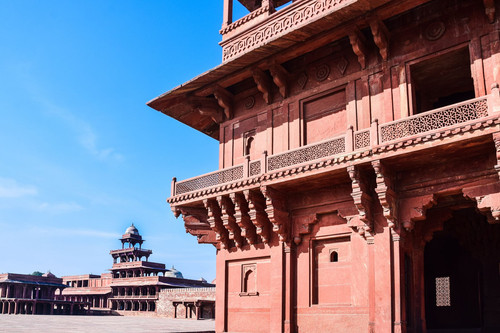
No. Fatehpur Sikri is the famous fortified capital built by Emperor Akbar located near Agra in western Uttar Pradesh. Fatehpur is an independent district located further east in the lower Doab region, situated between Kanpur and Prayagraj.
3. What happened at Bawan Imli in 1857?
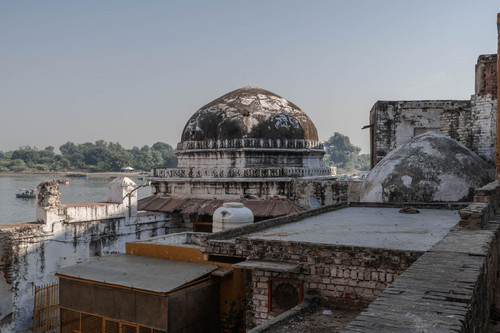
On April 28, 1858, British colonial forces under General Christie executed 52 Indian revolutionaries, including freedom fighter Thakur Jodha Singh Bais, by hanging them from a large tamarind tree in retribution for their resistance during the First War of Indian Independence.
4. How far is Bhitaura Ghat from Fatehpur railway station?

Bhitaura Ghat is located approximately 16 kilometers north of Fatehpur railway station. It takes roughly 30 to 40 minutes by private taxi or auto-rickshaw to reach the riverside from the city center.
5. Are there good accommodation options in Fatehpur?

Fatehpur features several decent budget hotels, guesthouses, and tourist lodges situated around the Grand Trunk Road and the Railway Station. For luxury or four-star accommodations, many travelers prefer staying in Kanpur (80 km away) or Prayagraj (115 km away) and exploring Fatehpur as a comprehensive day trip.
6. Can I visit all major tourist spots in Fatehpur in one day?
Yes, an ambitious one-day itinerary can cover Bawan Imli, Bagh Badshahi in Khajuha, Tambeshwar Temple, and Bhitaura Ghat if you start early by 7:30 AM with a dedicated private taxi. However, a two-day itinerary allows a far more relaxed and culturally immersive exploration.
7. Is Fatehpur safe for solo and family travelers?

Yes, Fatehpur is a peaceful, welcoming district. As with any rural and semi-urban destination in India, it is prudent to plan your sightseeing during daylight hours, secure your belongings, and book reliable local transportation in advance.
8. What is the historical significance of Khajuha?

Khajuha is the historic site of the Battle of Khajwa fought in 1659, where Aurangzeb defeated his brother Shah Shuja to secure the Mughal throne. Aurangzeb subsequently built the massive Bagh Badshahi memorial garden and a grand fortified travelers' inn (sarai) here.
Conclusion
Far from the crowded tourist trails, Fatehpur quietly stands as a testament to the extraordinary depth of Indian history and spirituality. Its fertile plains, hemmed between two of India's holiest rivers, have seen the footsteps of ancient sages, echoed with the war cries of imperial succession, and witnessed the unmatched valor of patriots who gave their lives for the motherland. From the peaceful ripples of the Ganga at Bhitaura Ghat to the shaded canopy of Bawan Imli and the regal arches of Bagh Badshahi, every corner of this district rewards open-minded travelers with rich stories and heartfelt hospitality.
As Uttar Pradesh continues to celebrate its hidden cultural gems, taking the time to explore Fatehpur gives you a rare, unfiltered connection with the authentic heart of northern India. Pack your bags, charge your camera, and step off the highway to uncover the unforgettable heritage waiting patiently in Fatehpur.



0 Comments