
Top 5 Places to Visit in Koderma, Jharkhand: Your Ultimate Travel Guide
Welcome, fellow wanderers, to one of Jharkhand's best-kept secrets! If you are craving a serene escape away from the chaotic tourist trails, it is time to pack your bags and explore the rustic charm of Koderma. Nestled in the northern part of Jharkhand, this district is historically renowned as the 'Mica Capital of the World,' but today, it is fast emerging as a nature lover's paradise. When travel enthusiasts search for the top tourist places in Koderma, they are often pleasantly surprised by the sheer diversity of landscapes waiting to be discovered here—ranging from expansive, shimmering reservoirs and dense, wildlife-rich forests to ancient temples and rugged hills that promise thrilling adventures.
Koderma’s geographical setting is truly unique. Flanked by the grand Damodar Valley and the majestic Chota Nagpur Plateau, the district boasts a picturesque terrain where rocky outcrops meet placid waters. Whether you are an avid bird watcher, a history buff intrigued by ancient ruins, a trekking enthusiast looking for your next weekend trail, or simply a weary city dweller searching for peace, the best places to visit in Koderma offer something special for everyone. The district’s rich cultural heritage, deeply rooted in tribal traditions and historical significance, adds an authentic layer of depth to your journey, making it far more than just a quick weekend getaway.
Planning a trip to offbeat destinations in Eastern India can sometimes feel overwhelming due to limited mainstream literature, but worry not! As your resident travel guide, I have meticulously curated this comprehensive blog to help you navigate the top 5 places to visit in Koderma, Jharkhand. From the breathtaking vistas of Tilaiya Dam to the spiritual aura of Makamacho, we will take you on an immersive virtual tour before you embark on the real adventure. Along with detailed destination breakdowns, you will find practical tips, a curated 2-day itinerary, local culinary highlights, and answers to all your burning travel questions. So, grab a cup of chai, settle in, and let us uncover the magic of Koderma together!
Table of Contents
- 1. Tilaiya Dam
- 2. Koderma Reserve Forest and Wildlife Sanctuary
- 3. Makamacho (Makhmaro Hills)
- 4. Dhwajadhari Hill and Temple
- 5. Jharkhandi Dham
- Best Time to Visit Koderma
- How to Reach Koderma
- Local Food to Try
- 10 Essential Travel Tips
- Suggested 2-Day Itinerary
- Frequently Asked Questions (FAQs)
- Conclusion
1. Tilaiya Dam
Overview
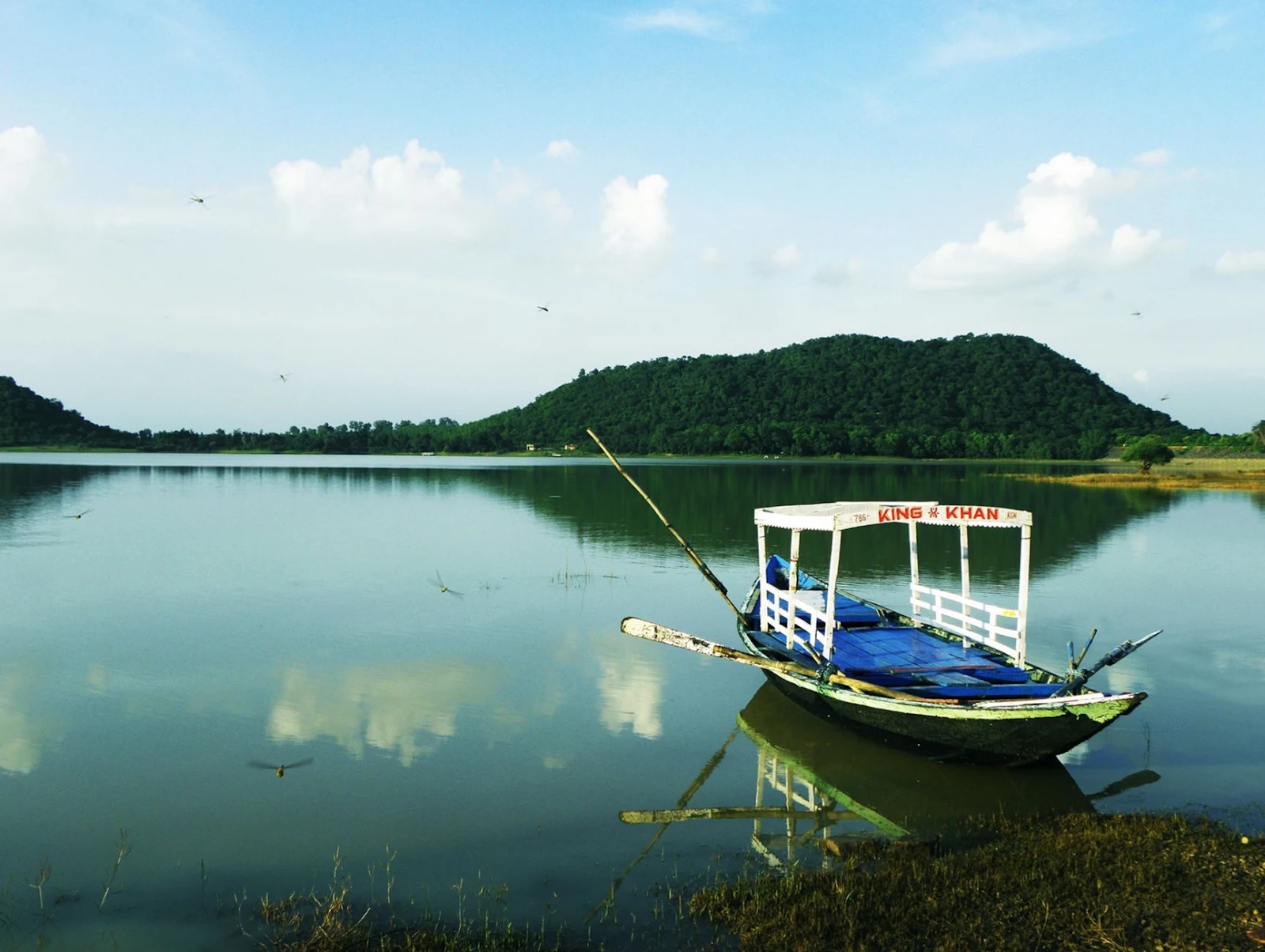
Tilaiya Dam holds a monumental place in India's post-independence history as the very first dam constructed by the Damodar Valley Corporation (DVC). Built across the pristine Barakar River, this engineering marvel stands tall not just for its flood-control and hydro-electric capabilities, but also for its jaw-dropping scenic beauty. When compiling a list of the best places to visit in Koderma, Tilaiya Dam effortlessly takes the top spot. Surrounded by low-lying, rolling hills and dense woodlands, the massive reservoir resembles an inland sea, reflecting the vast blue skies of Jharkhand. It is an ideal spot for families, couples, and solo travelers looking to unwind amidst nature.
Things to Do
There is no shortage of engaging activities at Tilaiya Dam. First and foremost, indulge in boating on the expansive reservoir. Speedboats and paddleboats are available, offering a thrilling way to explore the water and admire the surrounding landscape from a unique vantage point. Photography enthusiasts will find endless inspiration here, especially during sunrise and sunset when the water transforms into a canvas of golden hues. If you enjoy slow travel, set up a picnic near the shoreline under the shade of lush trees. Bird watching is another stellar activity here, as various migratory and native water birds frequent the reservoir during the cooler months.
Best Time to Visit
While Tilaiya Dam is accessible throughout the year, the best time to visit is between the months of October and March. During this period, the weather remains delightfully cool, making outdoor exploration and boating a truly pleasurable experience. Monsoon is also a wonderful time for those who love lush greenery, though boating may be restricted depending on water levels and safety guidelines.
Practical Information
Tilaiya Dam is located approximately 20 kilometers from the main Koderma railway station. Local auto-rickshaws, private cabs, and state-run buses ply regularly between Koderma town and the dam site. There is no heavy entry fee to visit the dam area, but nominal charges apply if you wish to go boating. Basic snack stalls and tea vendors are available near the entrance, but it is advisable to carry packed lunch or water if you plan to spend the entire day exploring the quieter corners of the reservoir.
2. Koderma Reserve Forest and Wildlife Sanctuary

Overview
Spread across vast stretches of undulating terrain, the Koderma Reserve Forest and Wildlife Sanctuary is a pristine ecological haven that forms an integral part of the Chota Nagpur Plateau ecosystem. Once a private hunting ground for local royalty, this sanctuary is now a protected zone known for its rich biodiversity, rocky hillocks, and dense deciduous canopy comprising sal, bamboo, and mahua trees. For wildlife enthusiasts searching for top tourist places in Koderma, this sanctuary offers an authentic, off-the-beaten-path jungle experience far removed from the commercialized safaris of major national parks.
Things to Do
Nature walks and wildlife spotting are the primary highlights here. Accompanied by local guides, you can trek through designated forest trails to spot indigenous wildlife such as leopards, sloth bears, wild boars, jackals, barking deer, and a magnificent variety of resident and migratory birds. The sanctuary is also a botanist's dream, featuring numerous medicinal plants and ancient flora. If you are lucky, you might spot troops of langurs leaping through the canopy. Do not forget to carry your binoculars and a professional camera equipped with a telephoto lens to capture the elusive fauna in their natural habitat.
Best Time to Visit
The winter months from November to February offer the most comfortable weather for jungle treks and wildlife safaris. Early mornings and late afternoons are particularly productive for animal sightings. Summers can be intensely hot and dry, while the monsoon transforms the forest into a lush, emerald-green paradise, though certain trails may be temporarily closed due to heavy rains.
Practical Information
The sanctuary is situated roughly 10 to 15 kilometers from Koderma town and is easily accessible via road. It is recommended to secure necessary permissions from the local forest department office in Koderma before planning a deep forest trek or safari. Wear neutral-colored clothing, sturdy trekking boots, and carry ample drinking water and insect repellent. Hiring a local guide who knows the terrain well is both mandatory for safety and enriching for your understanding of the local ecology.
3. Makamacho (Makhmaro Hills)

Overview
Makamacho, often locally referred to as Makhmaro, is a stunning natural attraction that combines rugged topography with mythological lore and breathtaking panoramic views. Located amidst the rugged terrain of Koderma, this lesser-known gem is a favorite among adventure seekers and spiritual travelers alike. The site features dramatic rock formations, ancient boulders, and elevated viewpoints that overlook sweeping valleys. Local legends suggest deep historical and mythological connections to the site, adding an air of mystery to its already captivating physical beauty.
Things to Do
If you love hiking and rock climbing, Makamacho will instantly win your heart. The terrain invites you to test your stamina as you navigate the rocky trails leading to the higher vantage points. Once you reach the top, the reward is an uninterrupted 360-degree panoramic view of Koderma’s countryside—a sight that looks straight out of a landscape painting. It is also a phenomenal spot for stargazing and camping if you arrange it with local guides. Photographers will find the play of light and shadow across the ancient boulders during golden hour exceptionally striking.
Best Time to Visit
The ideal time to explore Makamacho is between October and March. The weather during these months is crisp and pleasant, allowing you to hike up the hills without getting exhausted by scorching heat. Avoid visiting during peak summer afternoons, as the exposed rocks absorb heat rapidly and temperatures can soar.
Practical Information
Makamacho is located about 25 kilometers from Koderma district headquarters. Hiring a private taxi or driving your own vehicle is the best way to reach the base of the hills. Since tourist infrastructure here is minimal, you must carry your own water, energy bars, and first-aid supplies. Wear reliable grip shoes, as the rocky paths can occasionally be loose and slippery.
4. Dhwajadhari Hill and Temple

Overview
Standing majestically at a considerable height, Dhwajadhari Hill is one of the most revered spiritual landmarks in Koderma. At the summit of this conical hill sits a sacred temple dedicated to Lord Shiva, drawing thousands of devotees and adventure lovers throughout the year, especially during the auspicious festival of Maha Shivaratri. What makes Dhwajadhari Hill unique is the challenging climb it presents—pilgrims and travelers must ascend approximately 700 to 800 rock-cut steps to reach the shrine at the pinnacle, making it both a spiritual pilgrimage and an adventurous trek.
Things to Do
The primary activity here is climbing the sacred stairway to the top while soaking in the spiritual chants and ambient mountain air. Along the climb, numerous resting spots offer breathtaking views of the surrounding plains and forests. Once you reach the hilltop temple, offer your prayers to Lord Shiva and take a moment of silent reflection. The top provides an unmatched eagle-eye view of Koderma town and its sprawling green peripheries. Watching the sunrise from the summit is an ethereal experience that will remain etched in your memory forever.
Best Time to Visit
Dhwajadhari Hill can be visited year-round, but the best time is during the winter months (October to March) when the weather is cool and conducive to climbing hundreds of steps. If you want to witness the hill at its most vibrant and culturally rich state, plan your visit during Maha Shivaratri in February or March, when colorful fairs and massive gatherings take place.
Practical Information
Dhwajadhari Hill is located just about 5 kilometers from Koderma railway station, making it easily accessible by auto-rickshaw or local transport. There is no entry fee, but donations at the temple are welcome. Wear modest, comfortable clothing suitable for a religious site and easy to climb in. Carry a walking stick if you need extra support on the steps, and keep yourself hydrated throughout the ascent.
5. Jharkhandi Dham

Overview
Rounding out our list of the top places to visit in Koderma is the profoundly revered Jharkhandi Dham, an ancient temple complex dedicated to Lord Shiva. Situated amidst tranquil rural surroundings near Satgawan in the Koderma district, this temple holds immense religious significance for the people of Jharkhand and neighboring Bihar. Unlike modern, commercialized temples, Jharkhandi Dham exudes an old-world charm, surrounded by verdant trees and peaceful village landscapes that offer a deeply spiritual and grounding atmosphere.
Things to Do
Begin your visit by offering prayers at the sanctum sanctorum of the Lord Shiva temple. Spend time meditating in the quiet courtyard, absorbing the spiritual energy of the centuries-old shrine. Stroll around the temple complex to interact with local villagers, learn about regional folklore, and observe traditional rural life in Jharkhand. During the festival of Shravan Somwar and Maha Shivaratri, the temple witnesses grand celebrations, chanting of hymns, and vibrant community gatherings that offer a deep dive into local culture.
Best Time to Visit
The cooler months from October to March are ideal for visiting Jharkhandi Dham. Additionally, visiting during the holy month of Shravan (July-August) or on Maha Shivaratri provides a window into the rich religious fervor and cultural festivities of the region.
Practical Information
Jharkhandi Dham is located approximately 45 kilometers from Koderma town. Regular buses and shared jeeps operate towards Satgawan from Koderma. It is advisable to hire a private taxi for a comfortable half-day excursion. Modest clothing is mandatory within the temple premises. Photography inside the main sanctum may be restricted, so always check with local priests before taking pictures.
Best Time to Visit Koderma
Timing your trip right can make all the difference when exploring an offbeat destination like Koderma. The region experiences a typical sub-tropical climate characterized by hot summers, moderate-to-heavy monsoons, and cool, pleasant winters.
Winter (October to March): This is undeniably the golden period for tourism in Koderma. Temperatures range between 10°C and 25°C. The weather is crisp, sunny, and perfect for outdoor activities such as trekking up Dhwajadhari Hill, boating at Tilaiya Dam, and exploring the wildlife sanctuary.
Summer (April to June): Summers in Koderma can be quite intense, with temperatures frequently crossing 40°C. Sightseeing during midday becomes challenging and exhausting. If you must visit in summer, plan your outdoor excursions strictly during early mornings and late evenings.
Monsoon (July to September): Monsoon brings life back to Koderma's flora. Forests turn intensely green, waterfalls come alive, and reservoirs fill to the brim. While it is a paradise for landscape photographers and nature lovers, heavy downpours can occasionally disrupt travel plans and trekking trails.
How to Reach Koderma
Koderma enjoys robust connectivity with major cities across India, making it an accessible destination for travelers.
By Air: The nearest major airport is Birsa Munda Airport in Ranchi, located approximately 160 kilometers away, or Gaya Airport in neighboring Bihar, situated around 100 kilometers from Koderma. From either airport, you can hire a taxi or take a train to reach Koderma.
By Train: Koderma Junction (KQR) is a major railway station on the Grand Chord section connecting New Delhi and Howrah (Kolkata). Numerous express and superfast trains stop here daily, making rail travel the most convenient and popular option for reaching Koderma.
By Road: Koderma is well-connected by an efficient network of roads and national highways. State transport buses, luxury coaches, and private cabs operate regularly from Ranchi, Patna, Gaya, Dhanbad, and Kolkata.
Local Food to Try
No travel experience is complete without indulging in the authentic flavors of the region. Jharkhandi cuisine is simple, rustic, hearty, and deeply connected to nature.
Dhooska and Chana Masala: A beloved staple street food of Jharkhand. These are deep-fried crispy pancakes made from a batter of rice and lentil, served piping hot with spicy potato or chickpea curry.
Litti Chokha: While famous across Bihar, Litti Chokha is equally cherished in Koderma. Roasted wheat balls stuffed with spiced sattu (roasted gram flour) are served alongside smoked mashed eggplant, tomato, and potato.
Rugra: A seasonal local mushroom found in the forests of Koderma during the monsoon. Prepared with rich, aromatic spices, Rugra is considered a rare and savory delicacy.
Bamboo Shoot Curry: Prepared during spring and monsoon, tender bamboo shoots are cooked in a tangy mustard gravy—a unique tribal dish worth tasting if you love experimental flavors.
Thekua: A traditional sweet snack made from whole wheat flour, jaggery, and ghee, often flavored with fennel seeds and deep-fried until crunchy.
10 Essential Travel Tips
- Plan Ahead: Koderma is an offbeat destination, so luxury tourist infrastructure is limited. Book your accommodations and transport well in advance.
- Hire Local Guides: When exploring the Koderma Reserve Forest or hiking up Makamacho, always hire a certified local guide for safety and deeper insights.
- Dress Modestly: When visiting religious sites like Dhwajadhari Hill and Jharkhandi Dham, wear conservative clothing that covers your shoulders and knees.
- Carry Cash: While digital payments are growing in towns, remote sightseeing spots and local vendors may only accept cash. Keep enough physical currency handy.
- Stay Hydrated: Always carry a reusable water bottle, especially when trekking or visiting dams during sunny days.
- Wear Sturdy Footwear: Expect plenty of walking, climbing stone steps, and navigating rocky terrain. Good hiking shoes are a must.
- Respect Nature: Do not litter in forests, water bodies, or temple premises. Practice leave-no-trace travel to keep Koderma pristine.
- Pack First-Aid: Keep a basic medical kit with band-aids, ORS packets, painkillers, and insect repellent in your daypack.
- Check Weather Updates: Always check local forecasts before planning outdoor treks during monsoon or summer peaks.
- Interact Respectfully: The local communities in Koderma are warm and welcoming. Always ask for permission before clicking photographs of villagers.
Suggested 2-Day Itinerary
Here is a well-balanced 2-day itinerary to help you make the most of your trip to Koderma:
Day 1: Waterways and Spiritual Heights
08:00 AM - 11:30 AM: Arrive in Koderma, check into your hotel, and head straight to the magnificent Tilaiya Dam. Enjoy serene morning boating and photography by the reservoir.
12:00 PM - 01:30 PM: Relish a traditional local lunch featuring Dhooska and Chana near the town center.
02:30 PM - 05:30 PM: Head towards Dhwajadhari Hill. Embark on the spiritually uplifting climb of 700+ steps to catch a breathtaking sunset from the hilltop Shiva temple.
07:30 PM: Enjoy a peaceful dinner at your hotel and rest for the night.
Day 2: Wilderness and Ancient Heritage
07:30 AM - 11:00 AM: Embark on an early morning nature walk and wildlife spotting session at the Koderma Reserve Forest and Wildlife Sanctuary with a local guide.
11:30 AM - 01:30 PM: Drive towards Makamacho for an adventurous hike among ancient boulders and scenic valley overlooks.
01:30 PM - 02:30 PM: Enjoy a packed picnic lunch amidst nature.
03:00 PM - 05:30 PM: Conclude your sightseeing journey with a visit to the historic and serene Jharkhandi Dham temple.
07:00 PM: Head back to Koderma railway station or your hotel for your onward journey home.
Frequently Asked Questions (FAQs)
Q1: What is Koderma famous for?
A1: Koderma is historically famous as the 'Mica Capital of the World.' Today, it is celebrated for its scenic spots like Tilaiya Dam, Dhwajadhari Hill, and rich forest reserves.
Q2: Is Koderma safe for solo travelers?
A2: Yes, Koderma is generally safe for solo travelers and families. However, standard safety precautions should be observed, especially when exploring remote forest areas after dark.
Q3: How many days are sufficient to explore Koderma?
A3: A 2-day trip is ideal to comfortably explore all the top tourist places in Koderma without feeling rushed.
Q4: Can we do boating at Tilaiya Dam throughout the year?
A4: Yes, boating facilities are generally operational year-round, though operations may temporarily halt during extreme weather or monsoon spillovers.
Q5: What language is spoken in Koderma?
A5: Hindi, Khortha, and Magahi are the primary languages spoken by locals in the Koderma district.
Q6: Are there good hotels in Koderma?
A6: Koderma offers comfortable mid-range hotels, guesthouses, and forest rest houses. Luxury resorts are limited, so advance booking is recommended.
Q7: What is the best way to commute locally within Koderma?
A7: Auto-rickshaws, shared jeeps, and rented private taxis are the best and most reliable modes of local transport.
Q8: Is network connectivity good in Koderma?
A8: Major telecom providers like Jio and Airtel offer good network coverage in Koderma town and popular tourist spots, though remote forest areas may experience low signals.
Conclusion
Koderma may not be the first name that pops into your head when planning a vacation, and that is precisely its greatest charm. Untouched by over-commercialization, this district in Jharkhand offers an authentic, raw, and deeply refreshing travel experience. From the engineering marvel of Tilaiya Dam and the spiritual serenity of Dhwajadhari Hill to the untamed wilderness of the Koderma Reserve Forest and the rocky grandeur of Makamacho, every corner of this district tells a compelling story. Whether you are seeking a peaceful weekend retreat or an adventurous detour off the beaten path, Koderma welcomes you with open arms, stunning landscapes, and warm local hospitality. So, pack your bags, step off the tourist treadmill, and let the hidden wonders of Koderma captivate your soul!



0 Comments