
Top 5 Places to Visit in Deoria, Uttar Pradesh: A Complete Travel Guide
Tucked away in the fertile plains of eastern Uttar Pradesh, Deoria often flies under the radar of mainstream tourist itineraries. Bordered by Kushinagar to the north and Bihar to the east, this quintessential Purvanchal district carries an extraordinary cultural and spiritual heritage. Long before modern political boundaries were drawn, Deoria thrived as a vital part of the ancient Kosala kingdom and the Malla Mahajanapada. The serene Chhoti Gandak, Rapti, and sacred Ghaghara rivers weave through its lush countryside, nourishing vast sugarcane fields, historic estates, and centuries-old shrines steeped in legend.
If you are yearning to step off the well-trodden tourist circuit and discover authentic rural India, Deoria will surprise you. Unlike bustling metropolitan hubs, the rhythm of life here flows around morning temple bells, village bazaars scented with roasted cumin and boiling chai, and the peaceful hum of river ghats. From the architectural ruins of medieval principalities to powerful Shaivite sanctums that attract pilgrims from across Northern India, Deoria preserves an unassuming, timeless grace.
Whether you are on a spiritual quest, researching regional royal dynasties, or exploring the lesser-known historical corridors between Varanasi and Gorakhpur, identifying the top tourist places in Deoria is the first step toward planning an unforgettable getaway. In this exhaustive travel guide, we unpack the best places to visit in Deoria, along with practical transit tips, local food recommendations, a curated two-day itinerary, and vital travel advice to help you experience this Purvanchal jewel at its finest.
Table of Contents
- 1. Shri Dugdheshwar Nath Mandir, Rudrapur
- 2. Devraha Baba Ashram, Mail
- 3. Majhauli Raj Royal Estate & Dirkheshwar Nath Mandir
- 4. Sohanaag Dham, Salempur
- 5. Kurnath Mandir & Chhoti Gandak Ghats, Bhatpar Rani
- Best Time to Visit Deoria
- How to Reach Deoria
- Local Cuisine & What to Eat in Deoria
- 10 Essential Travel Tips for Visiting Deoria
- Suggested 2-Day Deoria Itinerary
- Frequently Asked Questions (FAQs)
- Conclusion
1. Shri Dugdheshwar Nath Mandir, Rudrapur
Historical and Cultural Significance
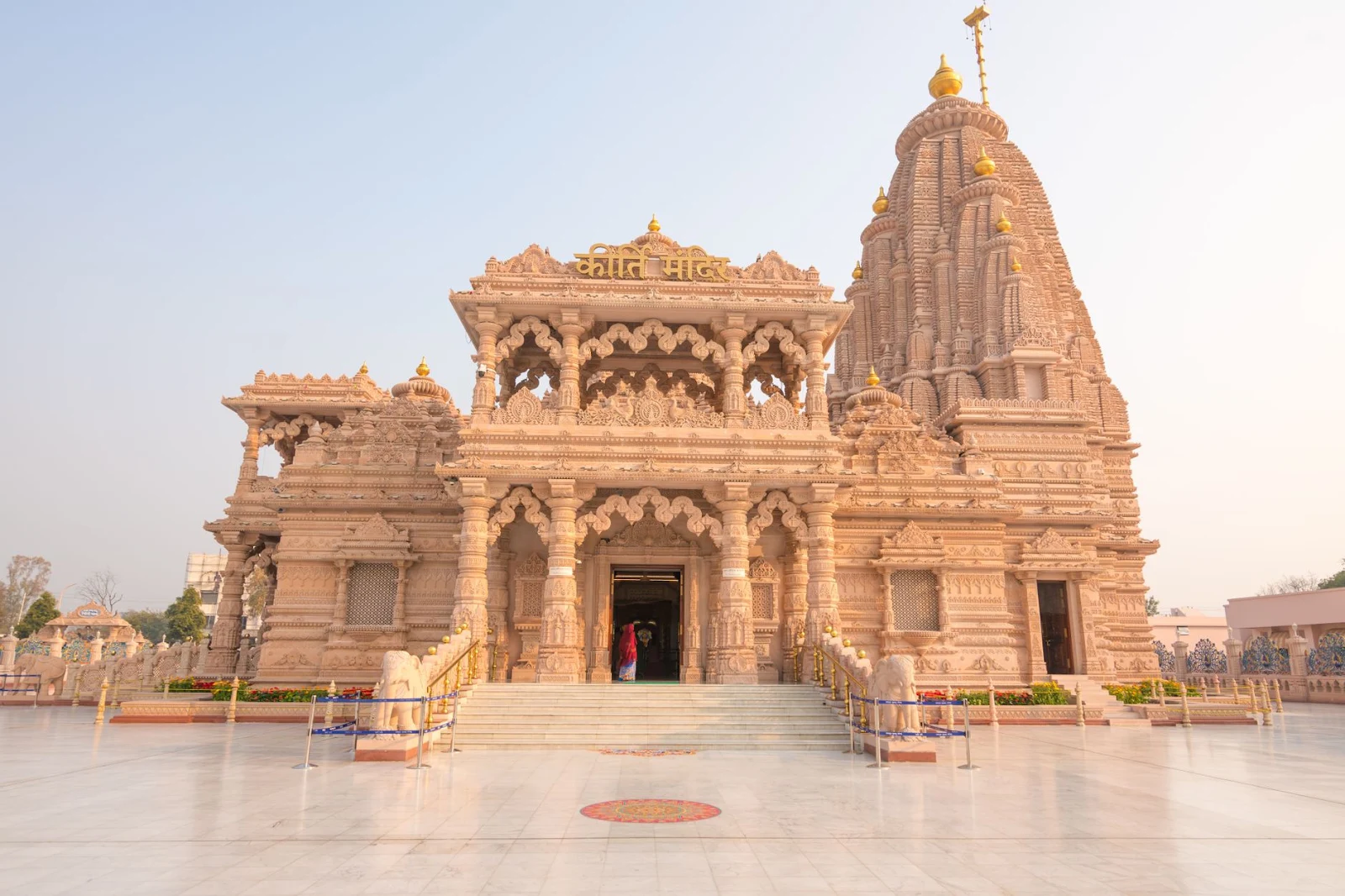
Situated in the historic town of Rudrapur, approximately 25 kilometers southwest of Deoria city center, the Shri Dugdheshwar Nath Mandir stands as the preeminent spiritual anchor of the district. Revered by devotees as the "Ujjain of the East," this ancient Shiva shrine holds deep roots in local lore. According to religious traditions, the Shivling housed in the sanctum sanctorum emerged organically from the earth (Swayambhu). Local folklore claims that centuries ago, cows grazing in the surrounding woods would spontaneously shower their milk over an obscured stone hidden under wild foliage, which led to the name "Dugdheshwar" (Lord born of milk).
The temple compound also contains an adjoining fortified mound, locally associated with the legendary King Rudra Sen, who established the township in the medieval era. During the holy month of Shravan (monsoon) and on the auspicious night of Mahashivratri, hundreds of thousands of "Kanwariyas" and pilgrims arrive carrying holy water from the Saryu and Ganges rivers to perform Jalabhishekam on the sacred lingam.
Top Things to Do
- Witness the Morning Mangala Aarti: Experience the resonant bells, conch shells, and Vedic chants echoing through the marble courtyard at sunrise.
- Explore the Old Rudrapur Fort Remnants: Take a short walk around the neighboring earthen ruins and medieval stone remnants associated with the royal Sen dynasty.
- Participate in the Annual Fair: If visiting during Mahashivratri, stroll through the vibrant rural carnival featuring hand-crafted clay toys, iron utensils, and traditional sweet kiosks.
Visitor Essentials
Opening Hours: 5:00 AM to 12:00 PM and 4:00 PM to 9:00 PM daily.
Entry Fee: Free.
Best Time to Visit: October to March for pleasant temple visits; July-August for experiencing the fervent devotion of Shravan.
How to Reach: Frequent auto-rickshaws, shared jeeps, and state-run buses link Deoria Sadar Railway Station to Rudrapur via the Deoria-Rudrapur Road.
2. Devraha Baba Ashram, Mail

Historical and Cultural Significance
Located on the tranquil southern bank of the Saryu (Ghaghara) River near the village of Mail in Salempur tehsil, the Devraha Baba Ashram honors one of India's most mystical modern saints. Sant Devraha Baba was an ascetic celebrated for his profound spiritual wisdom, yogic feats, and egalitarian lifestyle. Legend states that he lived on a raised wooden stilt platform called a machan erected on the riverbed, descending only rarely to bathe in the holy waters. He blessed common villagers, royal aristocrats, and high-ranking national statesmen alike, extending his foot gently from the wooden platform to touch their heads in benediction.
The hermitage today retains an atmosphere of meditative peace, far away from mechanized noises. Surrounded by open skies, soft river sands, and windswept fields, the ashram continues to preach the sage's philosophy of universal compassion, environmental stewardship, cow protection (Gau Seva), and inner contemplation.
Top Things to Do
- Meditate along the Riverbank: Sit quietly on the sands of the Saryu River where the breeze provides an unmatched sense of inner stillness.
- Visit the Gaushala: Offer fresh grass and spend quiet moments in the ashram's traditional cow sanctuary.
- Watch the River Sunset: Capture the amber sunset reflections dancing across the wide waters of the Ghaghara from the ashram's open riverbank terrace.
Visitor Essentials
Opening Hours: 6:00 AM to 7:00 PM daily.
Entry Fee: Free.
Best Time to Visit: November through February, when the river breeze is crisp and pleasant.
How to Reach: Mail is located about 35 kilometers south of Deoria. You can take a direct train or bus to Salempur Junction, from where local shared autos and private taxis connect directly to the ashram.
3. Majhauli Raj Royal Estate & Dirkheshwar Nath Mandir

Historical and Cultural Significance
Majhauli Raj is an ancient town located along the banks of the Chhoti Gandak River, roughly 28 kilometers southeast of Deoria. It was once the seat of power of the Malla kings, an illustrious martial clan that reigned over these fertile territories for generations. The estate holds a pivotal place in regional heritage, tracing its roots through royal lineage records that extend backward over eight centuries. The remnants of the old brick palace, royal stables, and regal archways whisper tales of medieval chivalry and resistance during the colonial era.
Bordering the royal grounds stands the Dirkheshwar Nath Mandir, another prime pilgrimage site in the district. Built under the patronage of the former rulers of Majhauli Raj, this temple dedicated to Lord Shiva is believed to have been established by sage Dirgha, a revered Vedic rishi. The sanctuary’s architecture showcases striking brick ornamentation and traditional northern Indian temple spires, surrounded by sprawling banyan and peepal groves.
Top Things to Do
- Explore the Royal Palace Grounds: Photograph the aged entry arches and courtyards that demonstrate classic Awadhi and Purvanchali brickwork.
- Offer Prayers at Dirkheshwar Nath: Join locals during the evening aarti, where brass lamps illuminate the centuries-old sanctum.
- Riverside Walks: Stroll across the serene banks of the Chhoti Gandak River that gently borders the town.
Visitor Essentials
Opening Hours: Temple opens from 5:30 AM to 8:30 PM. The exterior heritage sites are best explored during daylight hours.
Entry Fee: Free.
Best Time to Visit: October to March.
How to Reach: Situated just 5 kilometers from Salempur town. Frequent e-rickshaws and auto-rickshaws run between Salempur railway station and Majhauli Raj.
4. Sohanaag Dham, Salempur

Historical and Cultural Significance
Sohanaag Dham is an ancient temple complex steeped in mythological associations with Lord Parashuram and Lord Vishnu. Nestled around 30 kilometers south of Deoria city, near the town of Bhatni and Salempur, this archaeological site is renowned for its large sacred water reservoir, the Sohanaag Kund. Historical accounts and excavations have revealed stone sculptures and terracotta artifacts dating back to the Gupta and post-Gupta periods, showing that the site was an established pilgrimage hub more than a millennium ago.
According to regional folklore, Lord Parashuram washed his battle axe in the holy pond at Sohanaag after his legendary expeditions, seeking penance and purification. The central temple houses a remarkably carved stone image of Lord Vishnu resting upon the cosmic serpent Sheshanaga. The temple pool is held in high reverence; devotees believe that taking a ritual dip in its waters clears physical ailments and purifies the spirit.
Top Things to Do
- Admire Ancient Stone Sculptures: Inspect the antique relief carvings displayed around the main temple walls and boundary pavilions.
- Parikrama of the Sacred Kund: Walk around the broad masonry steps of the water tank under the shade of ancient banyan trees.
- Attend the Kartika Purnima Snan: Witness thousands of pilgrims lighting lamps and floating them across the sacred pond during the Hindu month of Kartika.
Visitor Essentials
Opening Hours: 5:00 AM to 8:00 PM daily.
Entry Fee: Free.
Best Time to Visit: Winter months (November to February) ensure a cool, relaxing walk around the open pond complex.
How to Reach: Well-connected by rural roadways; hire a cab or board a local private bus heading south from Deoria toward Salempur.
5. Kurnath Mandir & Chhoti Gandak Ghats, Bhatpar Rani
Historical and Cultural Significance
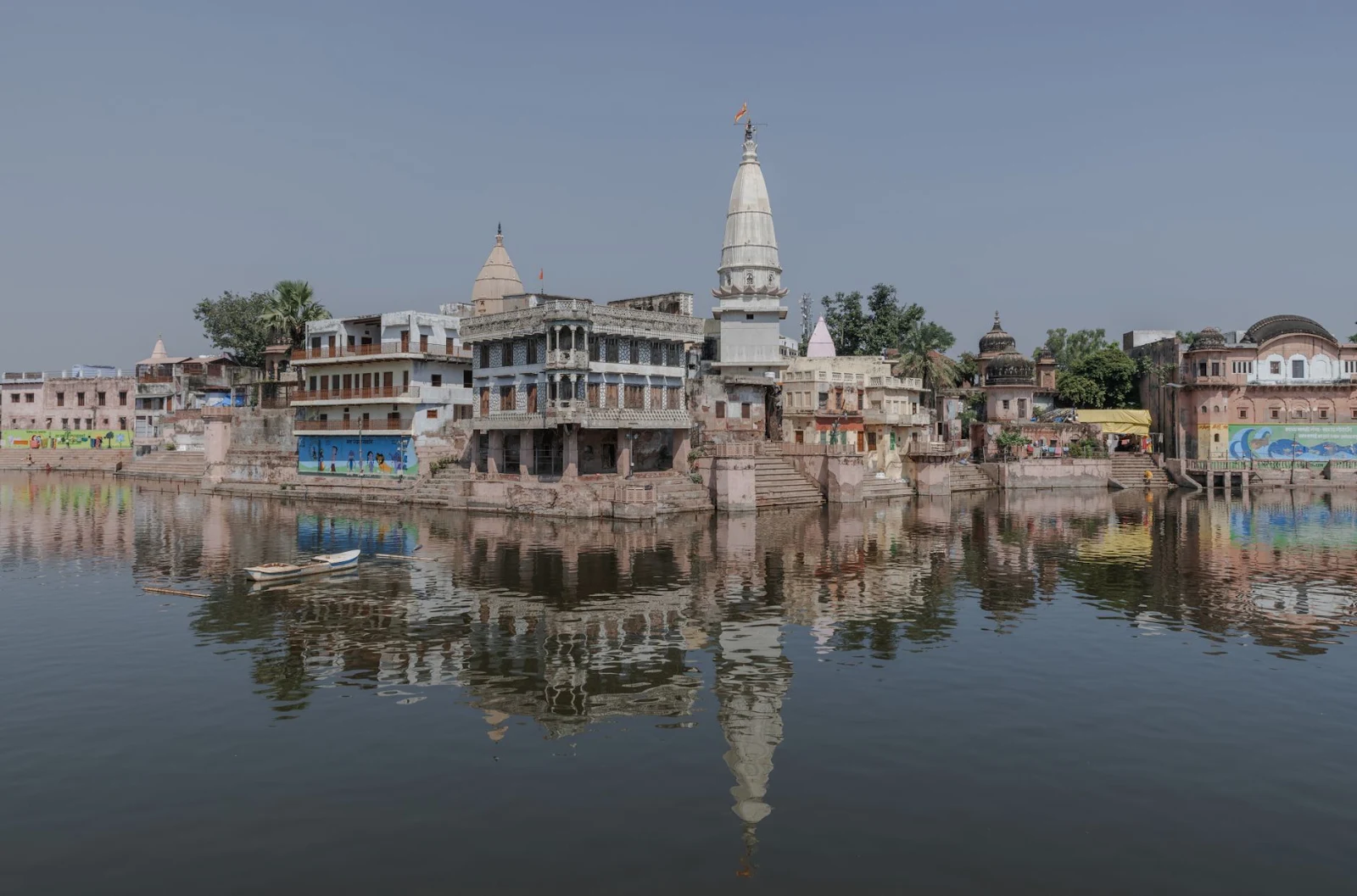
Located on the outskirts of Bhatpar Rani near the eastern boundary of Deoria, Kurnath Mandir is a tranquil temple sanctuary resting beside the meandering course of the Chhoti Gandak River. Popular among rural families and local seekers, this temple traces its origins back through centuries of folk reverence. Local lore connects the site with ancient hermits who chose this quiet bend of the river for intensive Vedic sacrifices and spiritual austerities.
The surrounding environment embodies the untouched pastoral charm of Eastern UP. Long wooden country boats rest on the banks, migratory wading birds feed in the shallow river mudflats during winter, and lush mustard and sugarcane crops stretch toward the horizon. Kurnath Mandir provides visitors with a complete retreat from highway traffic and commercial urban life.
Top Things to Do
- Experience Village River Life: Watch local boatmen navigate the calm waters of the Chhoti Gandak in traditional timber canoes.
- Birdwatching in Winter: Spot Kingfishers, Asian Openbills, and diverse river terns nesting along the wetland fringes.
- Village Photography: Capture authentic rural landscapes, thatched clay cottages, mustard flower expanses, and rustic farm life.
Visitor Essentials
Opening Hours: Dawn to dusk (6:00 AM to 7:00 PM).
Entry Fee: Free.
Best Time to Visit: October to February, when fields are bright yellow with mustard blooms.
How to Reach: Bhatpar Rani is a notable station on the Gorakhpur-Siwan railway line, approximately 42 kilometers east of Deoria town. Auto-rickshaws are easily hired from the railway station to the riverside temple.
Best Time to Visit Deoria
Deoria experiences a typical humid subtropical climate typical of the northern Gangetic plains, featuring distinct winter, summer, and monsoon seasons. Planning your trip within the right seasonal window will dramatically improve your sightseeing comfort.
Winter (October to March) — Peak Season
The winter months represent the absolute best time to explore Deoria. Daytime temperatures range from a pleasant 18°C to 25°C, offering bright, sunlit afternoons ideal for exploring open-air temple grounds, riverfronts, and archaeological mounds. Nights can be chilly, dropping to 7°C to 10°C in late December and January, accompanied by morning fog. Festivals like Chhath Puja, Diwali, and Mahashivratri occur during this bracket, filling the district with celebratory energy.
Summer (April to June) — Low Season
Summers in Purvanchal can be intensely hot and demanding. Temperatures regularly climb past 42°C in May and June, compounded by dry, scorching westerly winds known locally as Loo. Sightseeing during afternoon hours is virtually impossible without risk of heat exhaustion. If you must visit in summer, restrict your temple journeys and outdoor activities strictly to early morning or after sunset.
Monsoon (July to September) — Lush & Fervent
The southwest monsoon brings heavy rainfall to the Ghaghara and Gandak catchments, transforming the countryside into emerald farmland. While the scenery turns stunningly green, regional rivers often swell, and rural dirt roads may become muddy and waterlogged. However, this season is particularly significant for religious travelers visiting Dugdheshwar Nath Mandir, as the month of Shravan witnesses intense spiritual vibrancy.
How to Reach Deoria
Deoria is strategically situated along major road and rail corridors linking Lucknow, Gorakhpur, and Patna, making it remarkably straightforward to access from different corners of India.
By Air
The nearest commercial airport is Mahayogi Gorakhnath Airport (GOP) in Gorakhpur, located roughly 52 kilometers west of Deoria. Gorakhpur Airport operates frequent daily flights to major Indian metros, including Delhi, Mumbai, Kolkata, Bengaluru, and Hyderabad. From Gorakhpur Airport, you can easily hire a direct prepaid cab or private taxi to reach Deoria within 1.5 hours via the four-lane Gorakhpur-Deoria highway.
By Train
Deoria Sadar Railway Station (station code: DEOS) is the primary rail junction in the district and sits on the busy Barauni-Gorakhpur-Lucknow line. Numerous premier express and superfast trains—including the Vaishali Express, Bihar Sampark Kranti, Gorakhdham Express, and Amrapali Express—halt regularly at Deoria Sadar. It enjoys direct connectivity to New Delhi, Lucknow, Kanpur, Patna, Varanasi, and Kolkata.
By Road
Deoria is well served by the Uttar Pradesh State Road Transport Corporation (UPSRTC) and private bus operators. Regular direct bus services run between Deoria and Gorakhpur (every 15 minutes), Kushinagar, Varanasi, Azamgarh, and Mau. State Highway 1 and National Highway 727A run through the district, ensuring smooth highway motoring for private cars and taxis.
Local Cuisine & What to Eat in Deoria
Food in Deoria reflects the rustic, comforting traditions of Bhojpuri cuisine. Prepared with freshly ground spices, mustard oil, and seasonal harvests from the fertile black soil, every bite carries home-cooked warmth.
- Litti Chokha: The undisputed champion of Purvanchali street food. Whole wheat dough balls stuffed with spiced roasted gram flour (sattu) are roasted over glowing cow-dung charcoal embers, broken open, drenched in pure desi ghee, and served with smoky roasted eggplant (baingan), potato, and tomato mash.
- Deoria Peda: Similar to its celebrated cousin in nearby Gorakhpur, Deoria's milk sweet stalls produce rich, caramelized, cardamom-scented khoya pedas that melt smoothly on your palate. Look for traditional sweet shops near the Railway Station Road.
- Sattu Paratha with Tamatar ki Chutney: A breakfast staple in local dhabas, served piping hot with tangy tomato-garlic chutney and sharp homemade mango pickles.
- Dal Puri and Kheer: A ceremonial delicacy often served during temple festivals and community feasts, consisting of deep-fried wheat pooris filled with spiced chana dal, paired with slow-simmered rice pudding.
- Fresh Sugarcane Juice (Ganne ka Ras): Because Deoria is part of the historic sugar belt of Uttar Pradesh, roadside mechanical crushers serve ice-cold sugarcane juice flavored with ginger, mint, black salt, and fresh lemon.
10 Essential Travel Tips for Visiting Deoria
- Dress Conservatively: Deoria is a traditional district centered on religious shrines. When visiting temples like Dugdheshwar Nath or Sohanaag, ensure shoulders and knees are covered. Remove footwear before entering temple sanctums.
- Carry Hard Cash: While digital payments via UPI are widely accepted in Deoria town, smaller vendors, rural e-rickshaws, and village kiosks around Mail and Bhatpar Rani frequently rely on cash transactions.
- Hire a Taxi for Rural Sightseeing: While shared autos ply between major tehsils, hiring a private cab for the full day from Deoria city center is the fastest, most convenient way to cover dispersed locations like Rudrapur and Mail without endless waiting.
- Start Early in Winter: Due to morning fog in December and January, plan daytime journeys between 9:00 AM and 5:00 PM to maximize sunlight and avoid low-visibility road travel.
- Respect Sacred Ghats: When visiting the Saryu River at Devraha Baba Ashram, always heed local advice regarding water depth, as the river currents can be deceptively swift even in calm weather.
- Stay Hydrated in Transition Months: October, March, and April can be surprisingly dry. Keep bottled mineral water handy during your travel excursions across rural tehsils.
- Learn Basic Hindi / Bhojpuri Phrases: While Hindi is understood universally, knowing a few friendly Bhojpuri greetings (like "Kaisan baani?" for "How are you?") will instantly win hearts and open smiles among local villagers.
- Pair with Kushinagar: Kushinagar, the world-famous Buddhist pilgrimage site where Lord Buddha attained Mahaparinirvana, is just 35 kilometers north of Deoria. Consider combining both districts into a single comprehensive circuit.
- Opt for Reputable Hotels in Deoria Town: For comfortable accommodation, choose hotels and guest houses located in Deoria city center near the railway station or along the Gorakhpur road, as lodging options in rural tehsils are extremely rudimentary.
- Observe Photography Etiquette: Always seek verbal permission before photographing villagers, sadhus, or interior temple idols, especially during private prayer ceremonies.
Suggested 2-Day Deoria Itinerary
Day 1: Spiritual Roots & Sacred Shrines (Rudrapur & Sohanaag)
- Morning (8:00 AM – 11:30 AM): Begin your journey with breakfast in Deoria city before driving 25 km southwest to Rudrapur. Visit the legendary Shri Dugdheshwar Nath Mandir. Partake in the morning prayers and take time to inspect the historical mounds and ruins of the ancient Rudrapur fort.
- Afternoon (12:30 PM – 3:30 PM): Enjoy a traditional lunch featuring hot Litti Chokha at a local dhaba. Drive across through the pastoral sugarcane roads to Sohanaag Dham. Spend your afternoon wandering the ancient kund steps, viewing ancient stone icons of Lord Vishnu, and relaxing beneath shady banyan groves.
- Evening (4:30 PM – 7:30 PM): Return to Deoria Sadar. Stroll through the local markets on Station Road, sample famous milk pedas, and enjoy dinner at your hotel.
Day 2: Royal Legacies & River Mysticism (Majhauli Raj & Mail)
- Morning (8:30 AM – 12:00 PM): Head southeast toward Salempur and arrive at Majhauli Raj. Walk through the exterior grounds of the historic royal estate and visit the adjacent Dirkheshwar Nath Mandir beside the Chhoti Gandak River.
- Afternoon (1:00 PM – 4:00 PM): Continue south to the serene village of Mail along the Ghaghara (Saryu) River. Arrive at the Devraha Baba Ashram. Tour the peaceful ashram compound, pay your respects at the holy machan site, and visit the serene gaushala.
- Late Afternoon / Sunset (4:30 PM – 6:30 PM): Sit by the sweeping sandy banks of the Saryu River to witness a breathtaking rural sunset over the water before driving back to Deoria or catching an onward train from Salempur Junction.
Frequently Asked Questions (FAQs)
1. What is Deoria famous for?

Deoria is renowned for its historic Shiva shrines like Dugdheshwar Nath Mandir in Rudrapur, the spiritual hermitage of Sant Devraha Baba on the Saryu River, ancient mythological spots like Sohanaag Dham, and its historic sugar production mills across Eastern Uttar Pradesh.
2. Is Deoria safe for solo and family travelers?

Yes, Deoria is generally very safe, welcoming, and family-friendly. Local people are polite, warm, and helpful toward visitors. Like any rural journey in India, it is prudent to complete rural road travel before late night and keep emergency contact numbers saved on your phone.
3. How far is Deoria from Gorakhpur?

Deoria is approximately 52 kilometers east of Gorakhpur. The journey takes around 1 to 1.5 hours via the well-maintained four-lane highway, with frequent state transport buses, private cabs, and passenger trains running between the two cities throughout the day.
4. Can I visit Kushinagar from Deoria on a day trip?

Yes, absolutely. Kushinagar is only 35 kilometers north of Deoria Sadar. You can easily drive between the two towns in under an hour, making Deoria and Kushinagar an ideal dual-destination pilgrimage trip.
5. What is the historical connection of Devraha Baba with Deoria?

Sant Devraha Baba spent several decades of his ascetic life on the banks of the Saryu River at Mail village in Deoria district. He lived on a raised wooden stilt platform (machan), blessing common villagers, spiritual seekers, and prominent national figures who traveled from across India to seek his guidance.
6. Are there good hotels available in Deoria?

Yes, Deoria city center offers several reliable mid-range hotels, budget guest houses, and modern lodges near the Railway Station and Civil Lines areas. However, travelers looking for luxury five-star accommodation often choose to base themselves in Gorakhpur and travel to Deoria for day excursions.
7. What language is spoken in Deoria?

Bhojpuri is the predominant local dialect spoken by the residents of Deoria in daily life. However, standard Hindi is understood and spoken fluently by almost everyone, and basic English is common in hotels, rail stations, and administrative offices.
8. How many days are sufficient to explore the tourist places in Deoria?

A well-planned 2-day trip is generally ideal to cover the top tourist places in Deoria comfortably, including Rudrapur, Sohanaag, Majhauli Raj, and the Devraha Baba Ashram, without having to rush through any destination.



0 Comments